
Landing at a crowded international terminal is how most journeys begin, but some countries break that routine. These destinations either operate with small regional airstrips or lack airports altogether, forcing travelers to arrive by road, rail, or sea. The approach becomes part of the story, whether it means crossing mountain passes, riding trains through valleys, or stepping off a boat into a capital city. Without major hubs, these countries maintain a slower pace, offering travelers an entry point that feels distinct, memorable, and different from anywhere else.
1. Vatican City
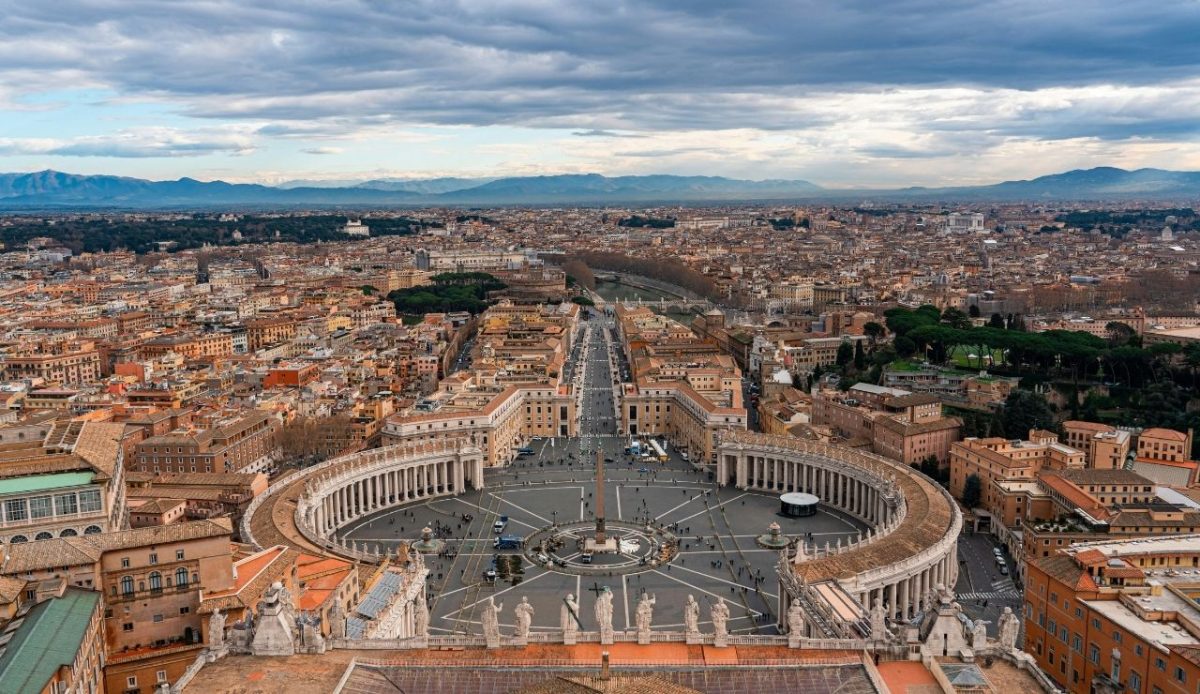
The world’s smallest country has no airport, yet it remains one of the most visited places on Earth. Travelers first land in Rome before continuing by train, bus, or taxi into the city-state. The lack of an airport fits its scale, where every landmark sits within walking distance of St. Peter’s Square. Arrival feels strikingly different here. Instead of rolling luggage past a baggage claim, visitors cross through centuries-old walls and step directly into history. That short journey from Rome adds anticipation, blending the rhythm of modern travel with the timeless presence of basilicas, museums, and sacred spaces.
2. Monaco
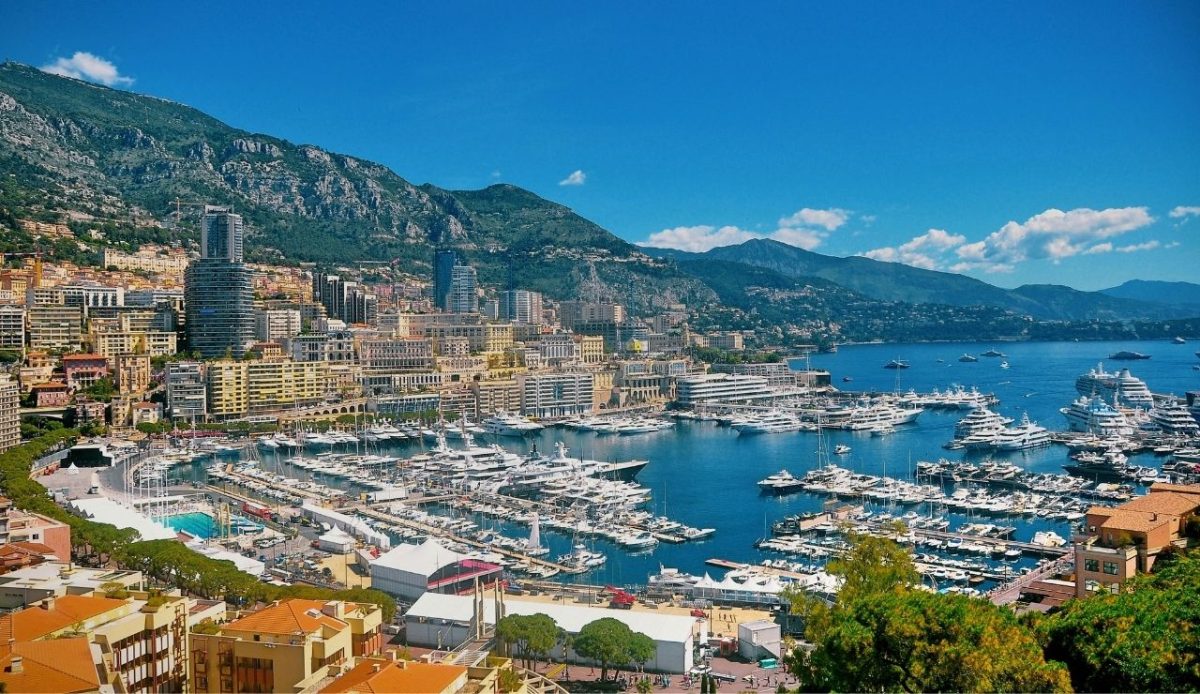
Monaco is famous for its yachts, casinos, and luxury events, but it cannot support an airport of its own. Most travelers arrive through Nice, France, completing the final stretch by train, car, or helicopter. Its cliffs and narrow coastline leave no room for long runways, forcing reliance on nearby hubs. Rather than feeling inconvenient, this adds an extra layer to the journey. Arrival often comes with sea views, coastal roads, and a sense of exclusivity before even entering the principality. By the time you reach its harborfront, the transition from quiet travel to polished glamour feels seamless.
3. Liechtenstein
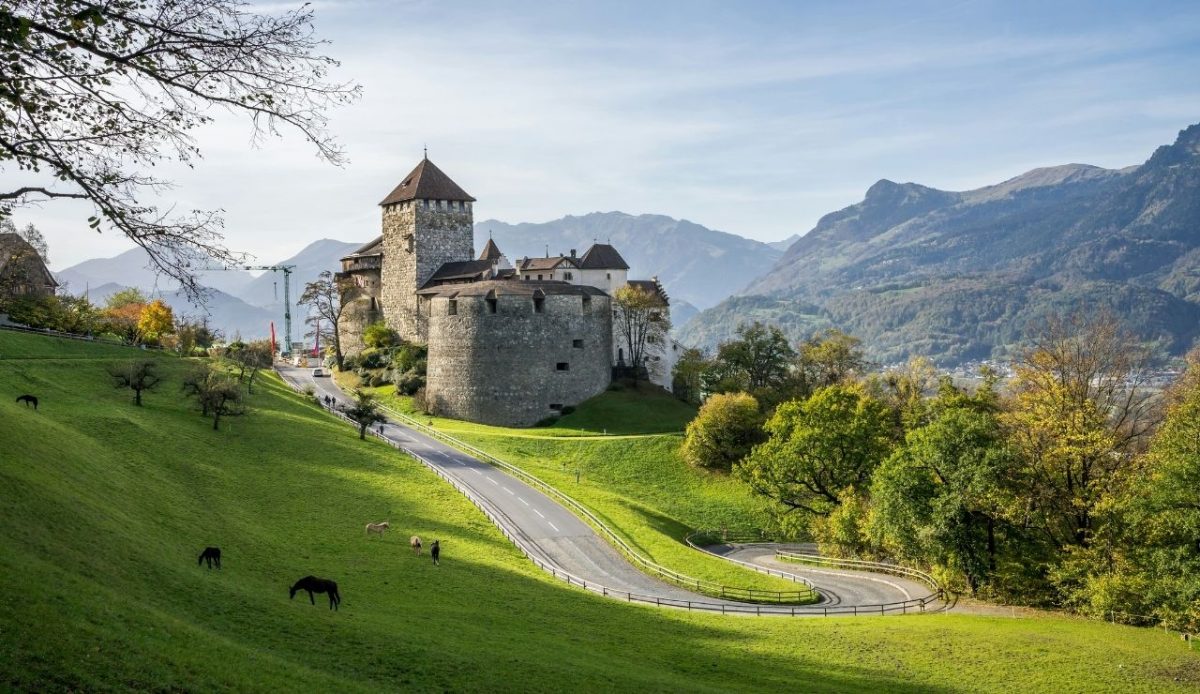
Liechtenstein, positioned between Switzerland and Austria, has no international airport of its own. Visitors usually land in Zurich, then continue by train and bus for two to three hours into the Alpine valleys. The route winds past villages, forests, and peaks, turning the approach into an experience rather than a delay. The absence of a major hub preserves the country’s character, where travel feels measured and landscapes dominate the view. By the time travelers reach Vaduz, they have already absorbed the quiet rhythm of mountain life. It is a journey that sets the tone for the small nation that awaits.
4. San Marino
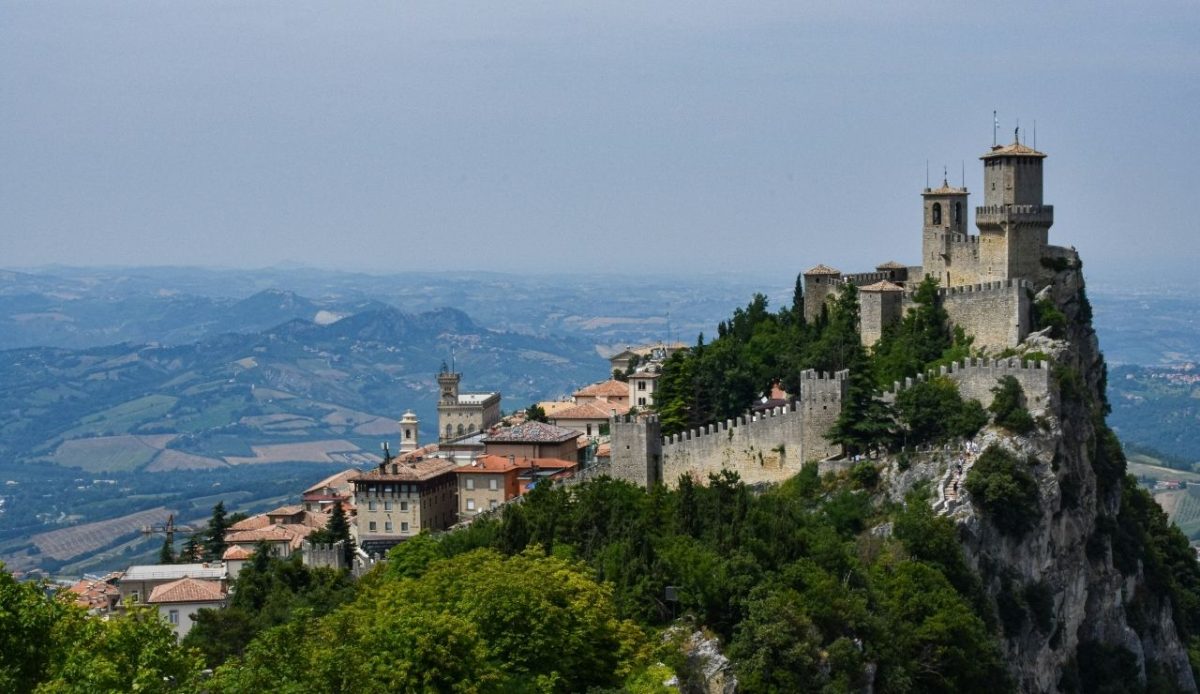
San Marino, one of the world’s oldest republics, does not operate an international airport despite being surrounded by Italy. Travelers usually land in Bologna or Rimini before continuing by car or bus up winding mountain roads. That climb becomes part of the experience, offering views of rugged cliffs, medieval towers, and fortified walls before you even reach the capital. The absence of direct flights protects its distinct character, where arrival feels like entering another era. By the time visitors step into its narrow streets, the journey has already framed the small republic as something separate and memorable.
5. Andorra
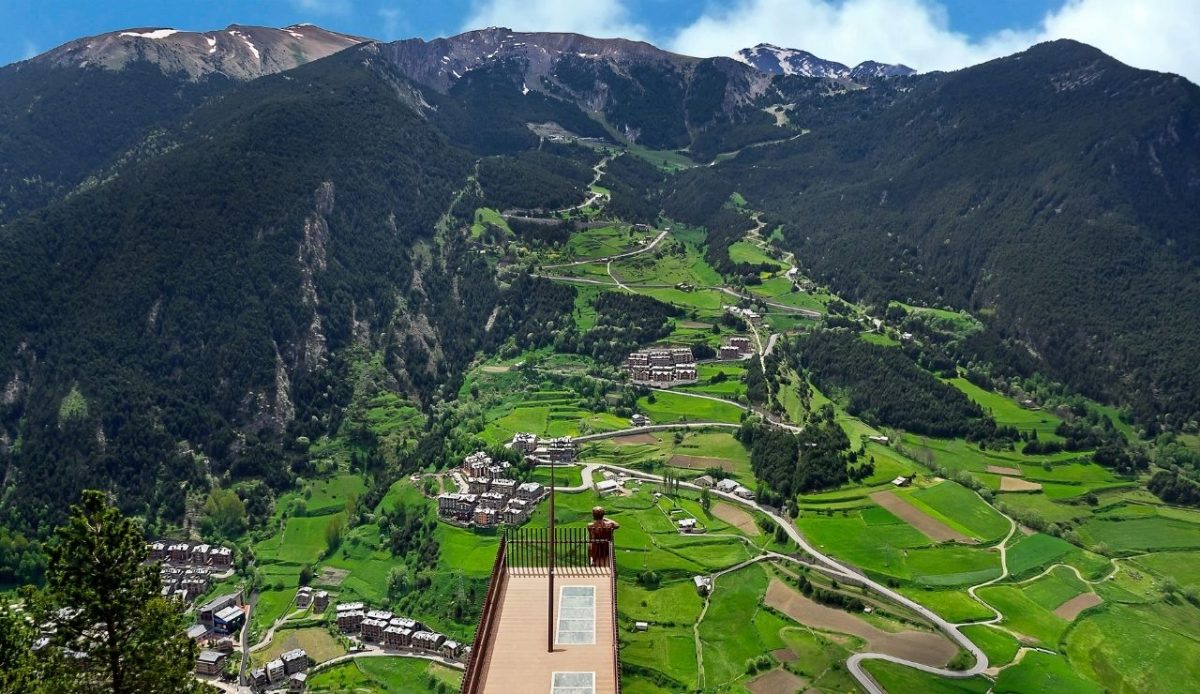
Andorra sits in the Pyrenees, balanced between Spain and France, and its mountainous terrain prevents the construction of a major airport. Most visitors fly into Barcelona or Toulouse before making a long drive through winding passes lined with valleys and peaks. The approach is more than just transportation; it immerses travelers in alpine scenery that sets the mood for the visit. Instead of crowds spilling out of a terminal, arrival feels deliberate and earned. The lack of direct flights keeps Andorra tied to its mountains, where the journey itself mirrors the slower pace of the destination.
6. Bhutan
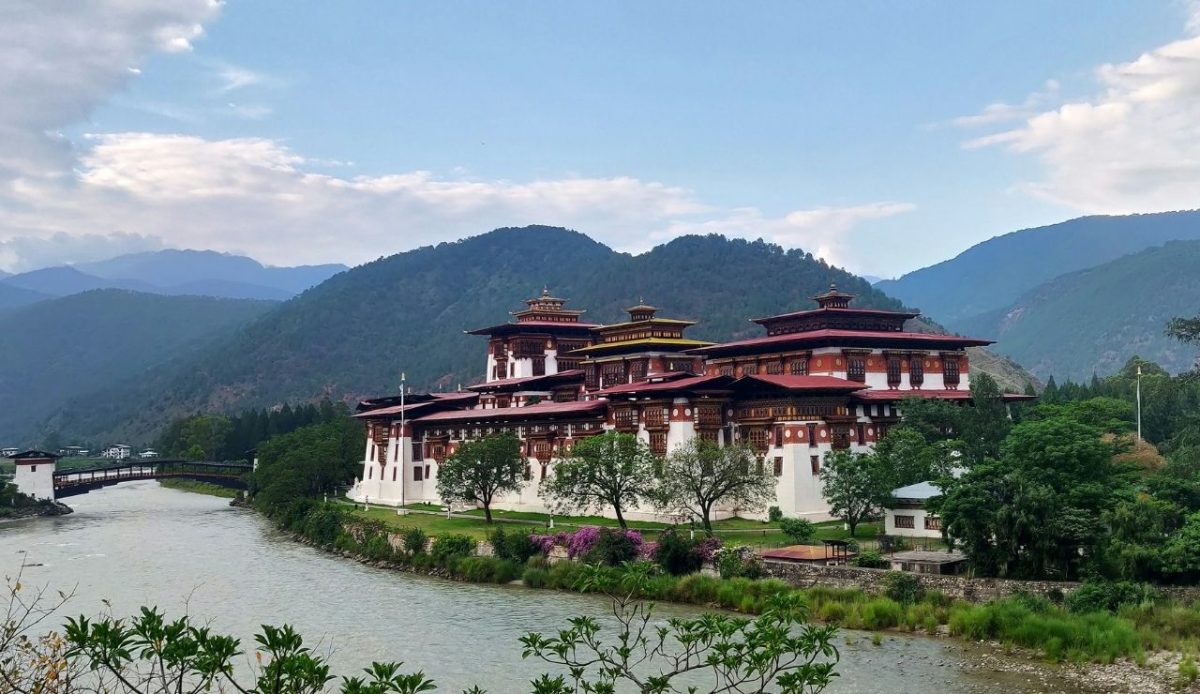
Bhutan controls air access with extreme care, operating only a single small international airport in Paro. Surrounded by Himalayan peaks, the runway can only be navigated by specially trained pilots, and weather conditions often limit flights. Many travelers combine their air journey with overland travel from India, turning the approach into part of the adventure. The restricted access reflects Bhutan’s philosophy of preserving culture and limiting mass tourism. Arrival feels rare, almost ceremonial, as visitors enter a nation that prizes heritage and nature over convenience. Few countries make entry feel this intentional.
