
Chile’s park system spans desert, temperate forest, Patagonia, and a remote Pacific island. Review patterns and public visitation figures point to a short list that visitors rank as essential. These parks combine clear access, concentrated highlights, and steady satisfaction across seasons.
The picks below were checked against recurring guide recommendations and Chile’s park agency information, not one-off social posts. Preference went to places where key features can be reached on marked routes and where logistics are dependable for independent travelers.
Chile is long, so time is often the constraint. The five parks that follow are the ones most often described as cannot miss, and each represents a different landscape and reason to go.
1. Torres Del Paine National Park
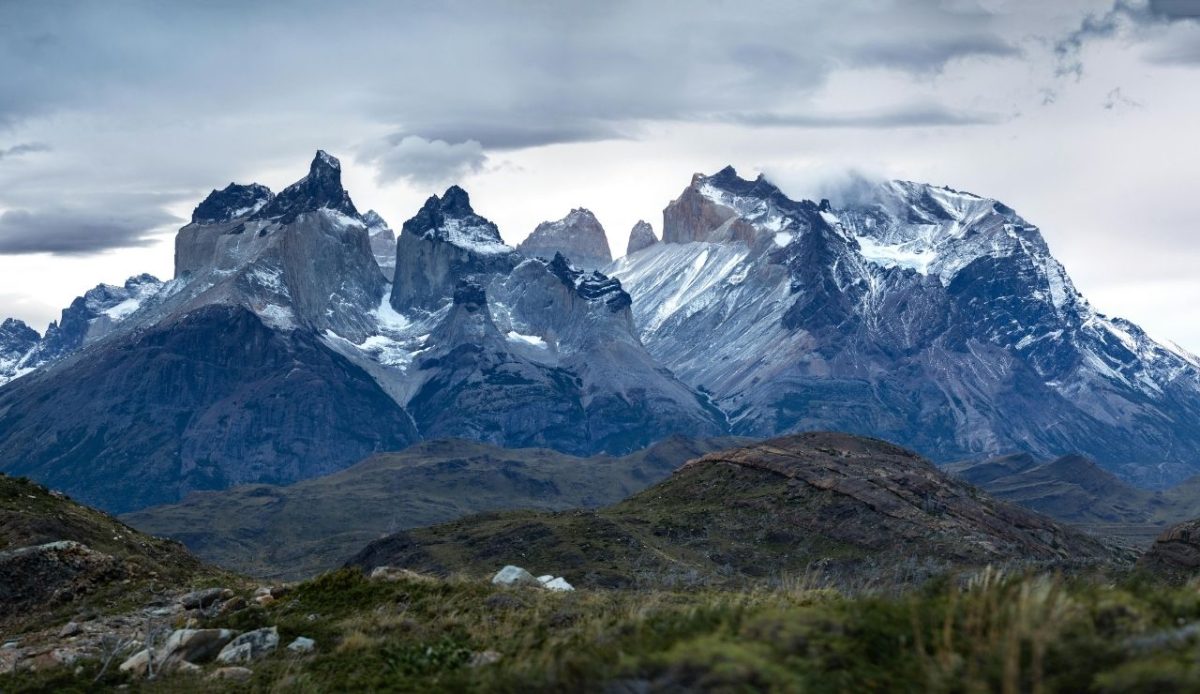
Travelers rank Torres del Paine first because it packs Patagonia landmarks into one park. The Base Torres hike, Grey Glacier sector, and linked lakes are reached on maintained trails with clear junctions. Multi-day routes, including the W, are cited in reviews as the reason to travel far south.
Refugios, campgrounds, and shuttle links support independent trips, while ranger rules help during weather changes. Guanacos and condors are often reported near open valleys, adding a wildlife reason to visit.
CONAF zoning and permits protect fragile areas. Heavy visitation stays are compatible with conservation because traffic is directed onto approved corridors. This blend of iconic scenery and workable planning is why travelers call it non-negotiable.
2. Rapa Nui National Park
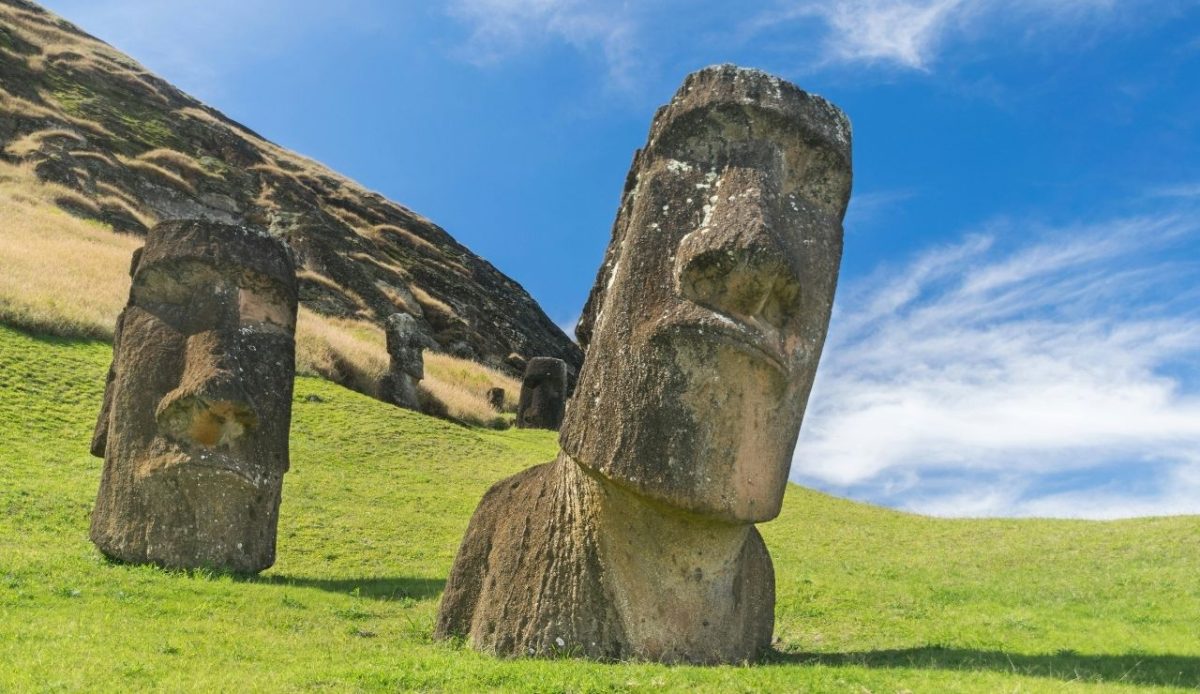
Rapa Nui National Park is essential because it holds most of Easter Island’s heritage sites. Reviews note that the park ticket is required for Rano Raraku, Ahu Tongariki, and Orongo. Without access, visitors miss the sites that explain the island’s history and belief systems.
Travelers suggest a licensed guide on day one. Entry rules vary, and context changes the visit. At Rano Raraku, the quarry shows carving stages and unfinished statues, linking the moai to the landscape.
UNESCO World Heritage status confirms importance, yet the cannot skip claim comes from experience. Management links conservation with marked routes and interpretation across zones. Fragile archaeology is protected while travelers cover major stops on a practical schedule.
3. Huerquehue National Park
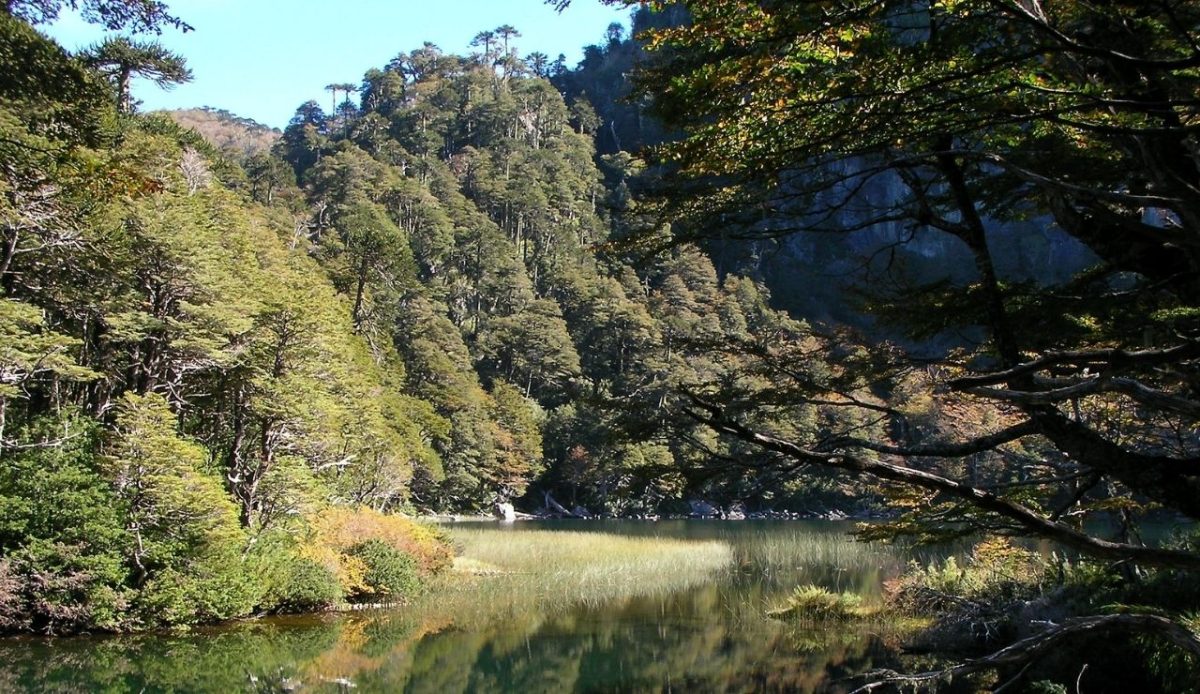
Huerquehue is a can-not-miss pick for travelers near Pucón because it delivers variety in one day. Reviews point to the Los Lagos trail, linking lakes, short waterfalls, and araucaria forest on a maintained route. Viewpoints arrive without long driving or complex planning.
Comments stress clear marking and moderate elevation. Main circuits are signed, and many day hikers reach higher points with gear and steady pacing. Drier months bring easier footing and clearer views, while wet periods still work because shorter loops can be chosen.
CONAF uses controlled entry and facilities that reduce congestion. The compact layout makes time estimates reliable for planning. With one free day in the region, many visitors treat it as a priority.
4. Vicente Pérez Rosales National Park
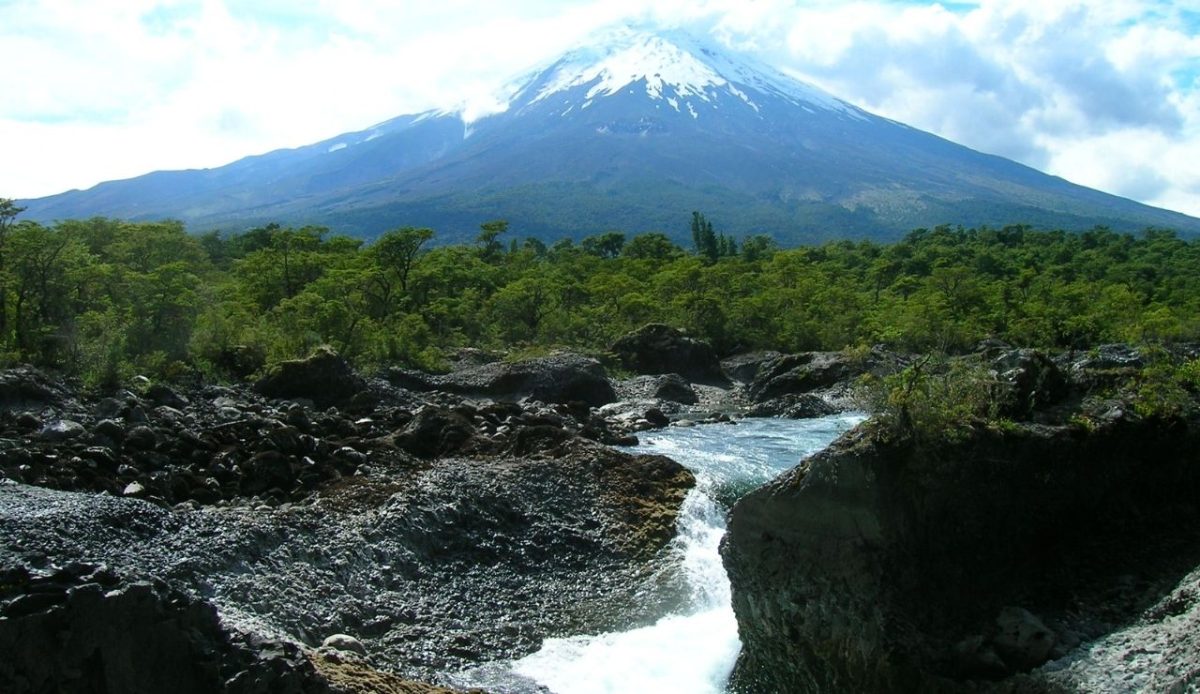
Vicente Pérez Rosales is a Lake District must because it concentrates sights near Puerto Varas. Reviews highlight Petrohué Falls, Todos los Santos Lake, and Osorno Volcano viewpoints as the set visitors expect. Roads and short trails make these stops feasible with limited time.
Traveler notes emphasize flexibility. A brief stop can cover the falls and a shoreline walk, while longer days add boat crossings or extra trail segments. Lava and river carving are visible from marked overlooks, so the volcanic story is easy to read.
As Chile’s oldest national park, it has established access points and stable services. Clear rules and dependable maintenance are noted. For many routes, skipping it means missing the scenery that defines this region.
5. Lauca National Park
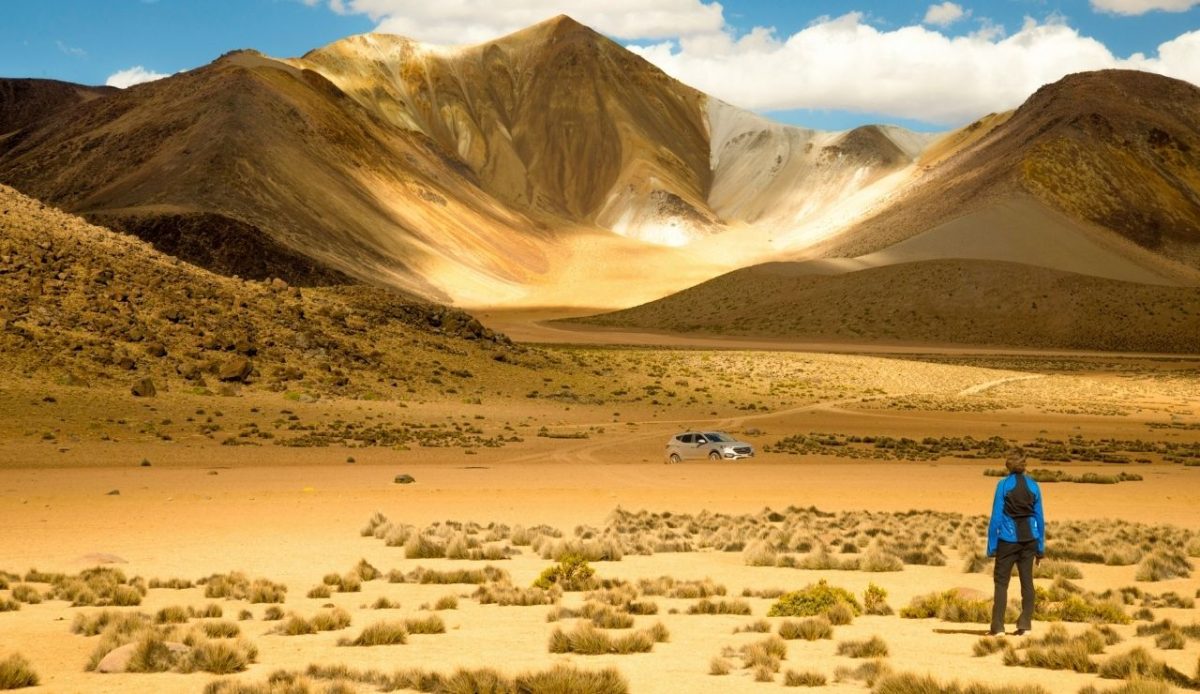
Lauca is the park travelers cite when they want Chile’s high Andes without a long expedition. Reviews focus on Lake Chungará above 4,500 meters and the volcanic skyline near Parinacota, an altiplano scene reached by road. It is often described as the far north highlight.
Wildlife is a main reason it feels unmissable. Vicuñas are often seen on open grasslands, and wetlands support flamingos and other high-altitude birds. Open terrain and long sight lines make encounters predictable.
Altitude is the main constraint, so travelers advise gradual acclimatization and hydration. Services are limited, but access to major overlooks is straightforward. For many itineraries, it pairs extreme elevation with Andean wildlife and volcano scenery.
