
America’s Chinatowns are more than tourist stops; they’re living neighborhoods where generations of immigrants have built thriving communities rich in history and flavor. Each district offers something distinct: steaming dumpling houses, neon-lit markets, ornate gateways, and annual festivals that fill the air with drumming and lanterns. From San Francisco’s storied streets to new cultural hubs in the Midwest, these Chinatowns capture the enduring spirit of resilience, heritage, and joy that defines Asian-American life.
1. San Francisco, California
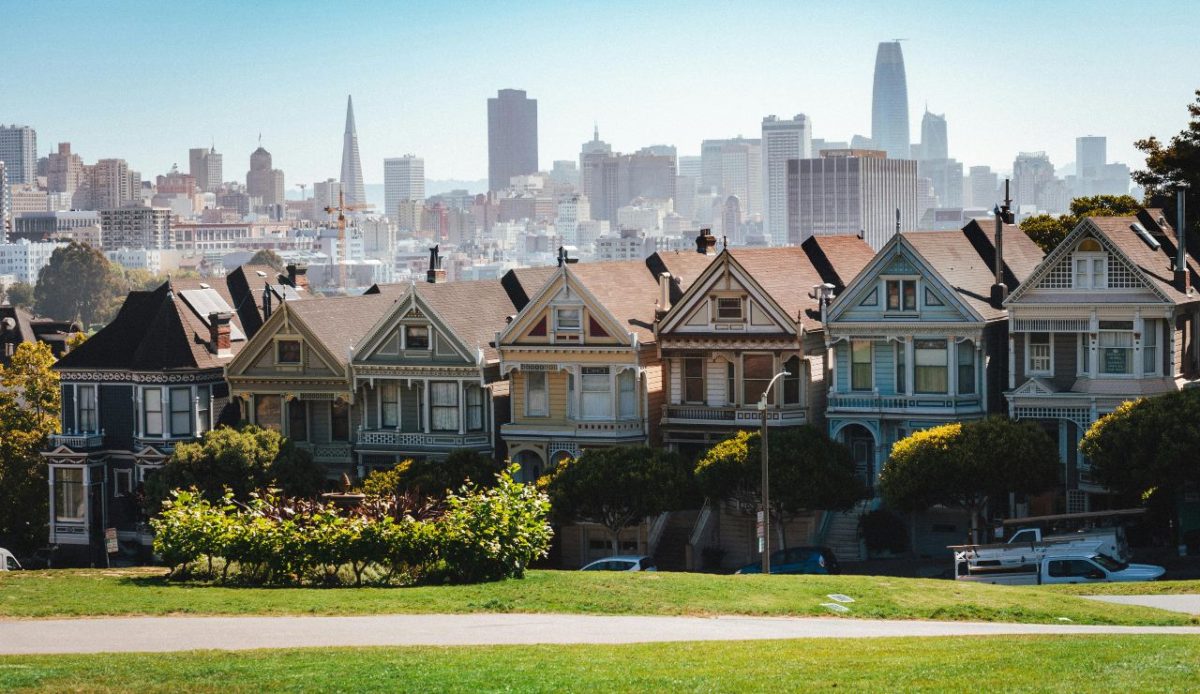
San Francisco’s Chinatown, founded in 1848, is the oldest and most celebrated in the U.S. Its dragon-adorned gateways open to a maze of steep alleys filled with incense, bakeries, and herbal apothecaries. The Golden Gate Fortune Cookie Factory still folds wisdom by hand, while the Tin How Temple invites quiet reflection. During Lunar New Year, fireworks echo through lantern-lit streets. Blending history, faith, and food, this Chinatown remains the beating heart of the city’s multicultural soul.
2. New York City, New York
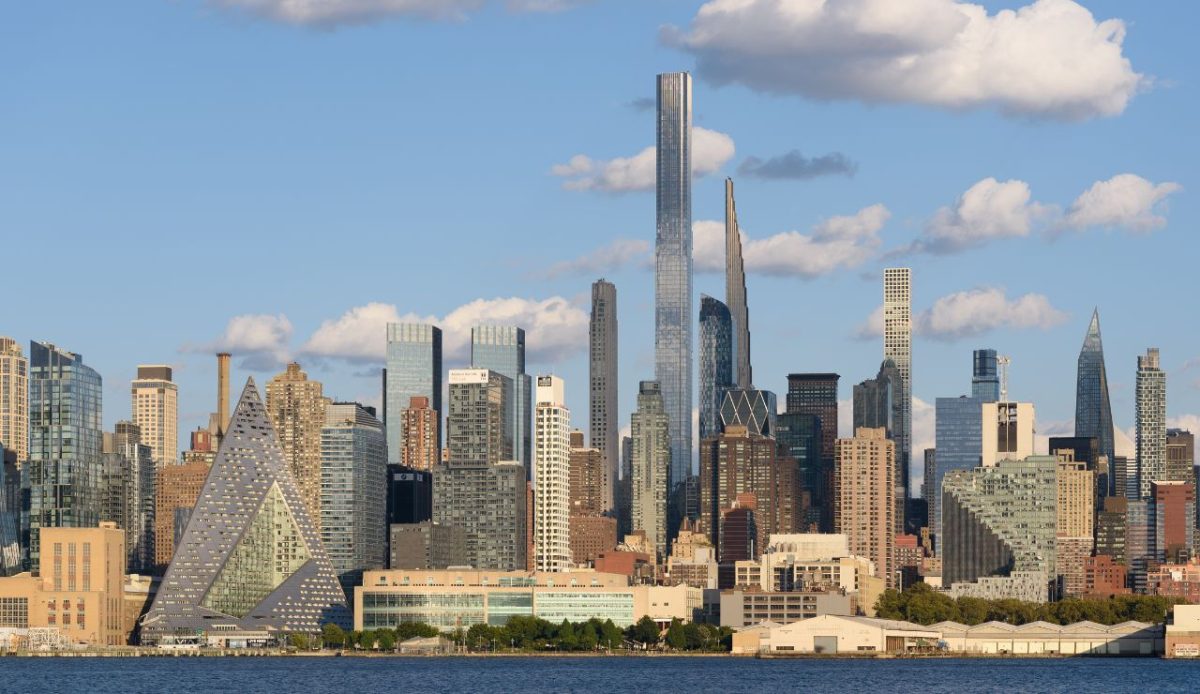
Spanning Lower Manhattan, NYC’s Chinatown hums with nonstop energy. Narrow streets overflow with bakeries, open-air markets, and noodle joints where generations have gathered. Landmarks like the Mahayana Buddhist Temple and Columbus Park offer glimpses of daily life amid the bustle. Despite gentrification pressures, community pride remains strong. For food lovers, it’s paradise, whether sampling soup dumplings, roast duck, or bubble tea while watching the city’s rhythm unfold.
3. Los Angeles, California
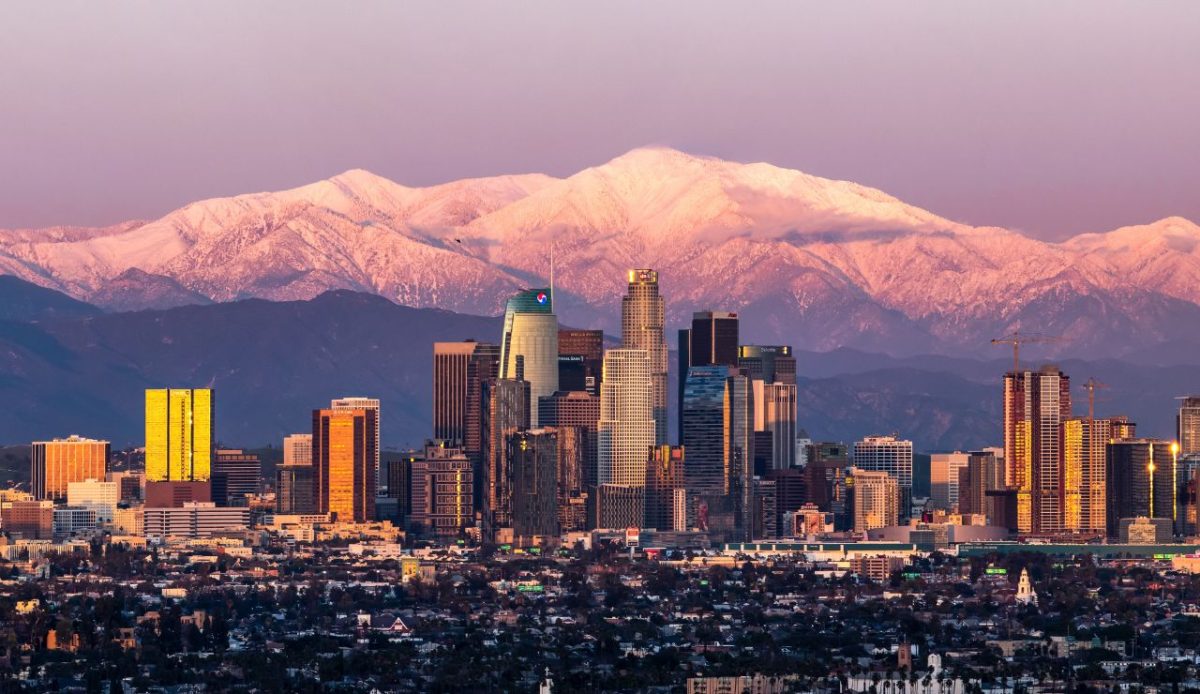
LA’s Chinatown blends old and new with effortless style. Traditional gateways frame art galleries, hip cafés, and long-standing family eateries. Neon signs glow over herbal medicine shops and incense-filled temples. Nearby, the Central Plaza hosts cultural festivals and lion dances throughout the year. Its revitalized creative scene attracts locals and travelers alike, proving that Chinatown’s heart still beats strongly amid the city’s evolving landscape and endless cultural mix.
4. Chicago, Illinois
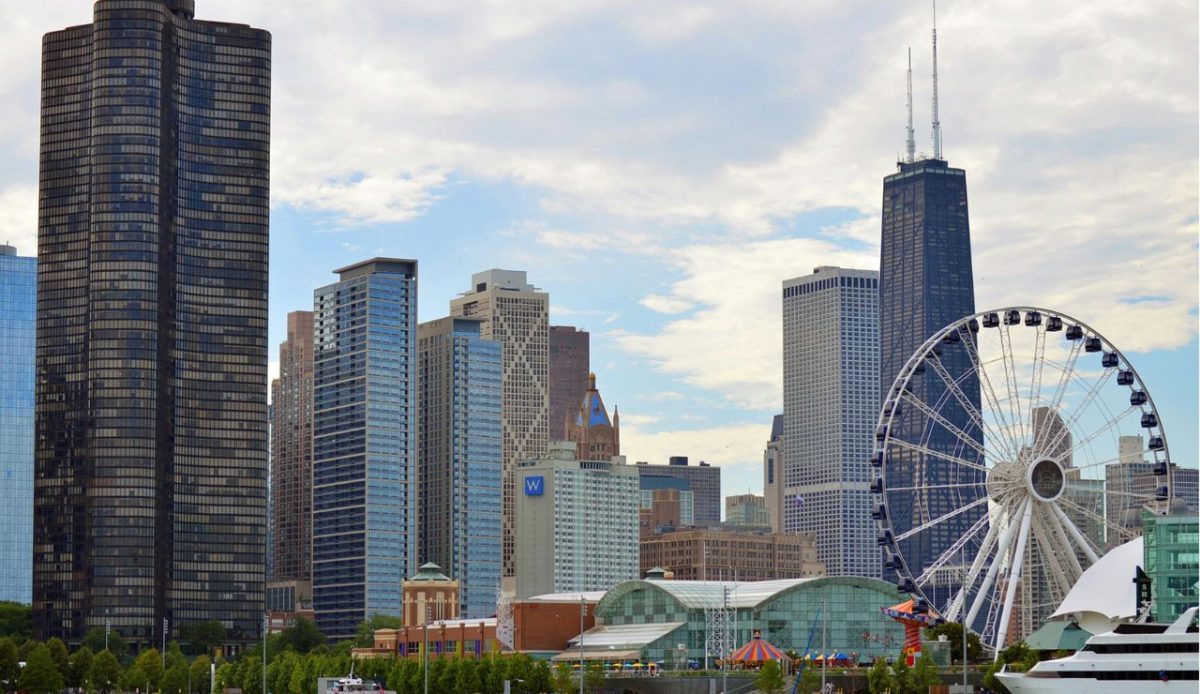
Chicago’s Chinatown welcomes visitors through its grand red gate on Wentworth Avenue, a symbol of community pride since 1912. Beyond the arch, blocks overflow with dim sum parlors, bubble tea shops, and traditional bakeries offering mooncakes and sesame buns. The Nine Dragon Wall and Ping Tom Memorial Park add cultural depth, while the Chinese-American Museum tells stories of perseverance. Blending old-world charm and modern innovation, Chicago’s Chinatown thrives as both a landmark and a living neighborhood.
5. Seattle, Washington
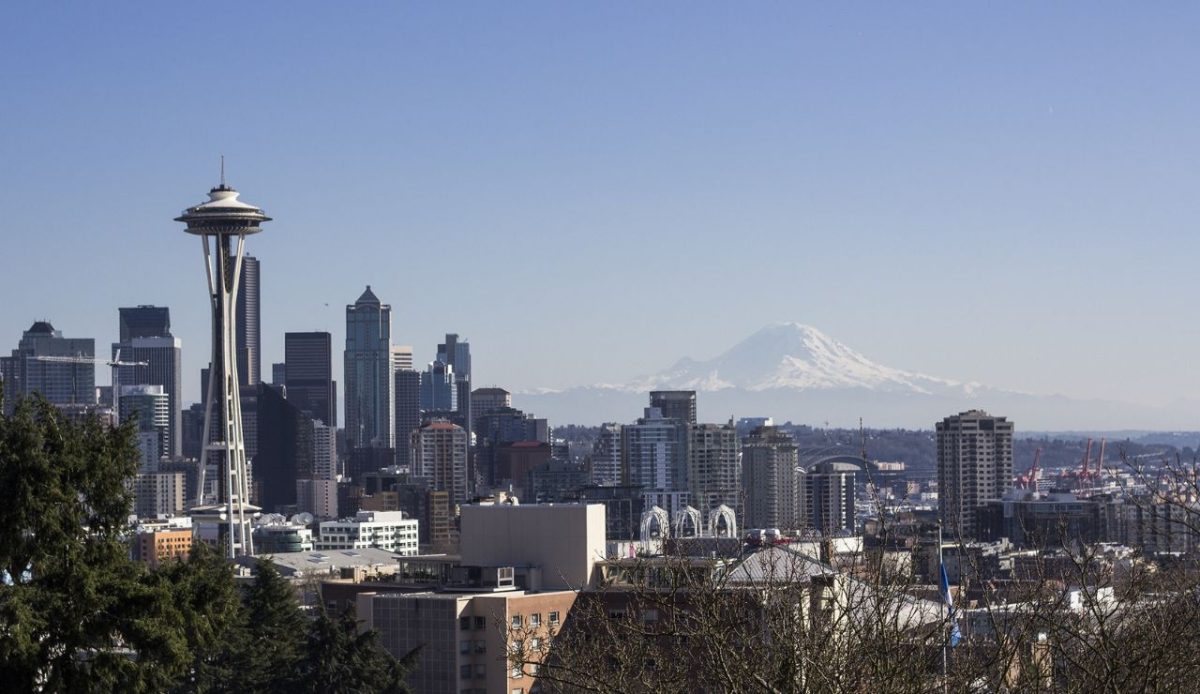
Seattle’s Chinatown-International District unites Chinese, Japanese, and Filipino influences in a single dynamic community. Stroll through Uwajimaya’s Asian supermarket, explore Hing Hay Park’s festivals, or visit the Wing Luke Museum celebrating Asian-Pacific heritage. Authentic eateries line King Street, from BBQ pork shops to hand-pulled noodle spots. Though modernized, it retains deep community roots, a living reminder of how the Pacific Northwest became a multicultural gateway to America.
6. Honolulu, Hawaii
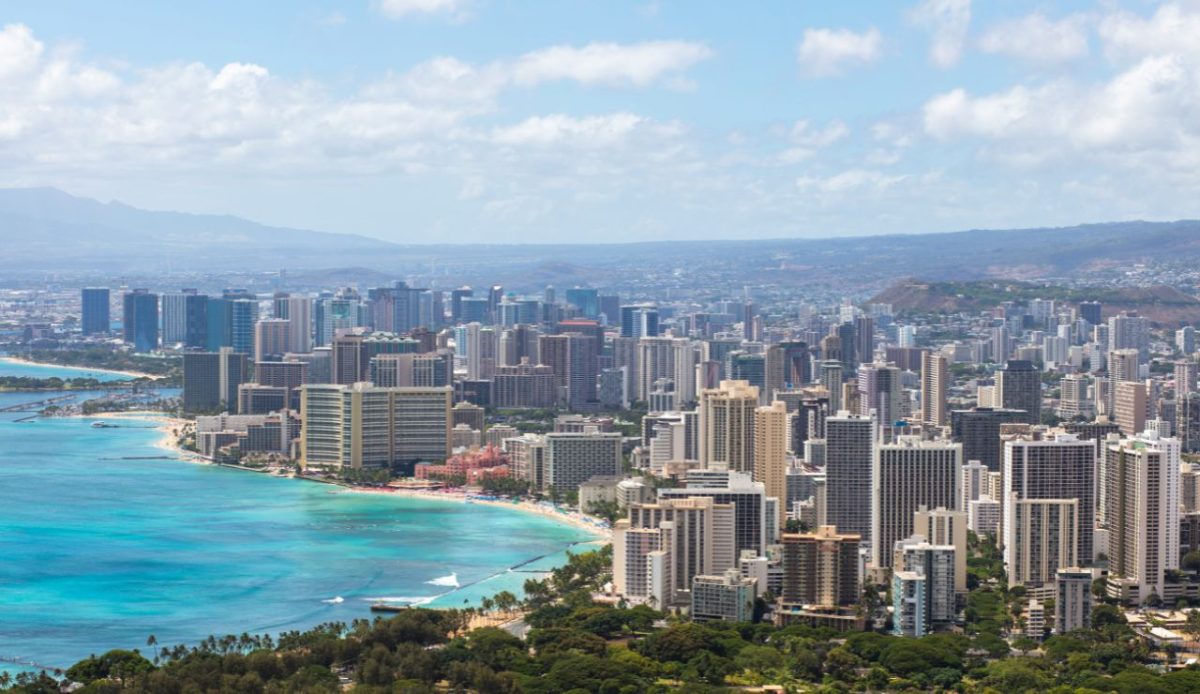
Honolulu’s Chinatown stands out for its tropical flair and melting-pot energy. Bright murals decorate colonial-era buildings, while street vendors sell leis, dim sum, and poke side by side. Night markets pulse with music and local food trucks, blending Hawaiian, Chinese, and Filipino traditions. Once a red-light district, it’s now a creative hub filled with art galleries, cafés, and cultural festivals. Every corner radiates warmth, color, and island rhythm.
7. Philadelphia, Pennsylvania
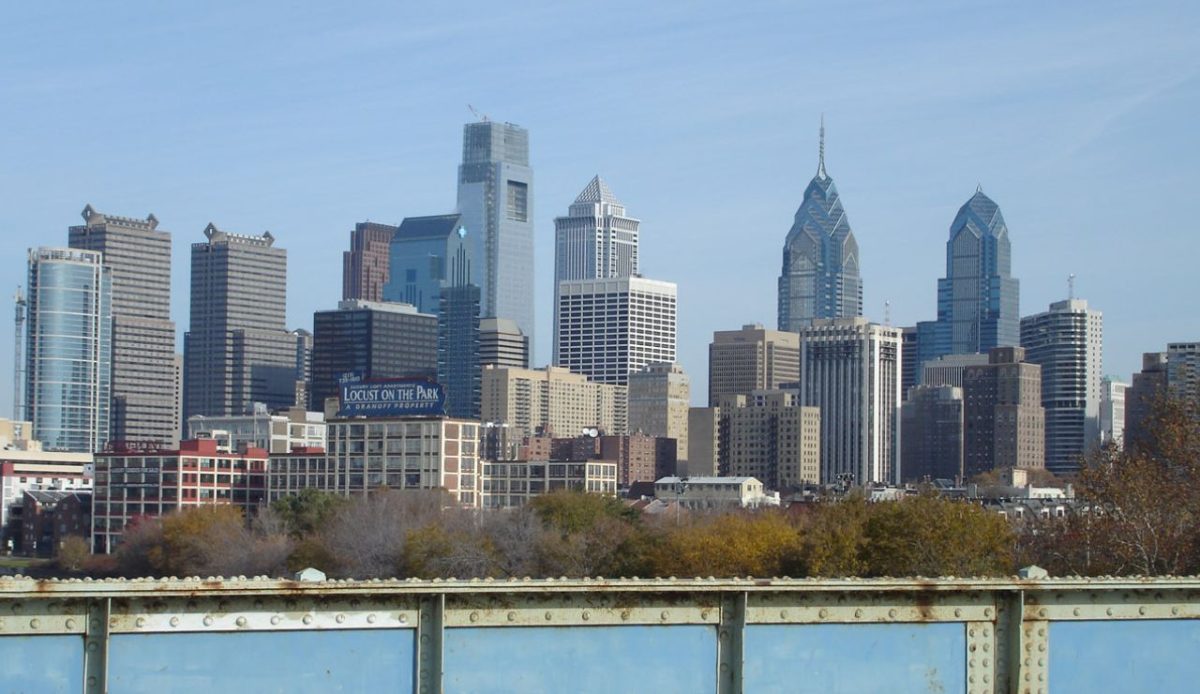
Philadelphia’s Chinatown packs cultural depth into just a few buzzing blocks north of the city’s downtown. Its Friendship Gate marks the entrance to a neighborhood rich in dumpling houses, bakeries, and herbal medicine shops. Residents fiercely defend their identity amid urban development. Annual parades and the Mid-Autumn Festival keep traditions alive, while new cafés and murals add youthful energy, proving heritage can thrive alongside change.
8. Boston, Massachusetts
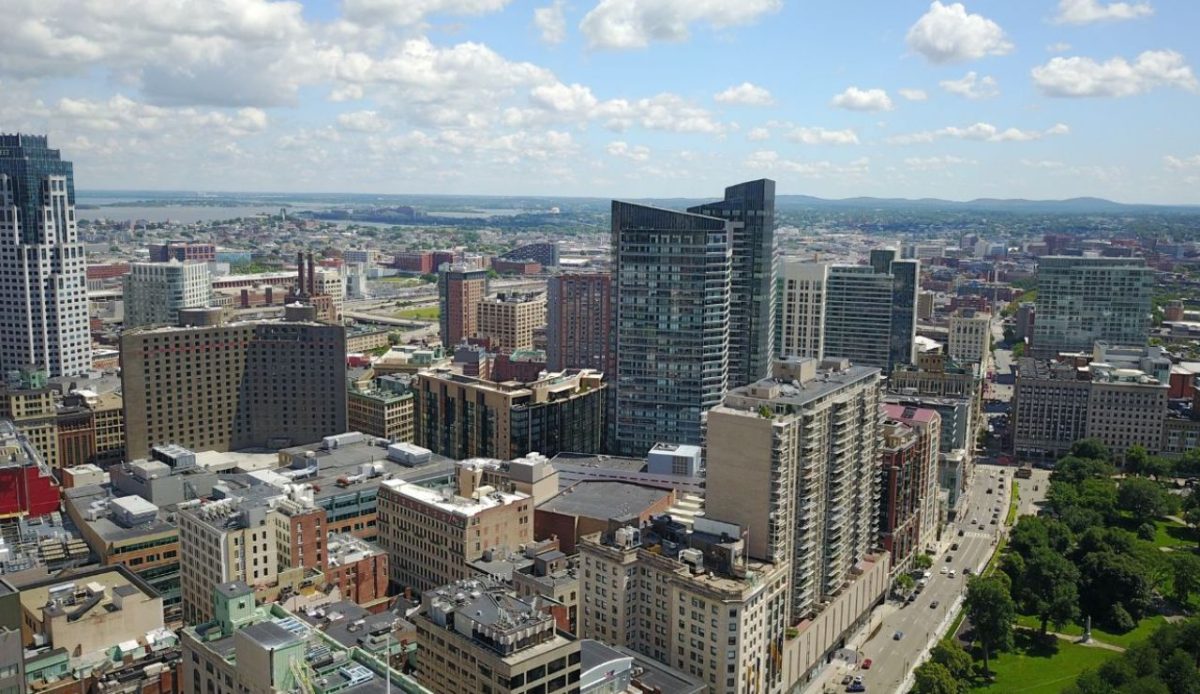
Boston’s Chinatown may be compact, but its presence is powerful. Tucked between downtown skyscrapers, it remains a refuge of culture, cuisine, and history. Red gates mark the entrance to streets lined with dumpling houses, herbal shops, and noodle bars serving late into the night. Festivals like the August Moon Celebration fill the air with drums, lanterns, and lion dances. Despite years of redevelopment pressure, its residents safeguard a proud legacy of endurance and community spirit.
9. Houston, Texas
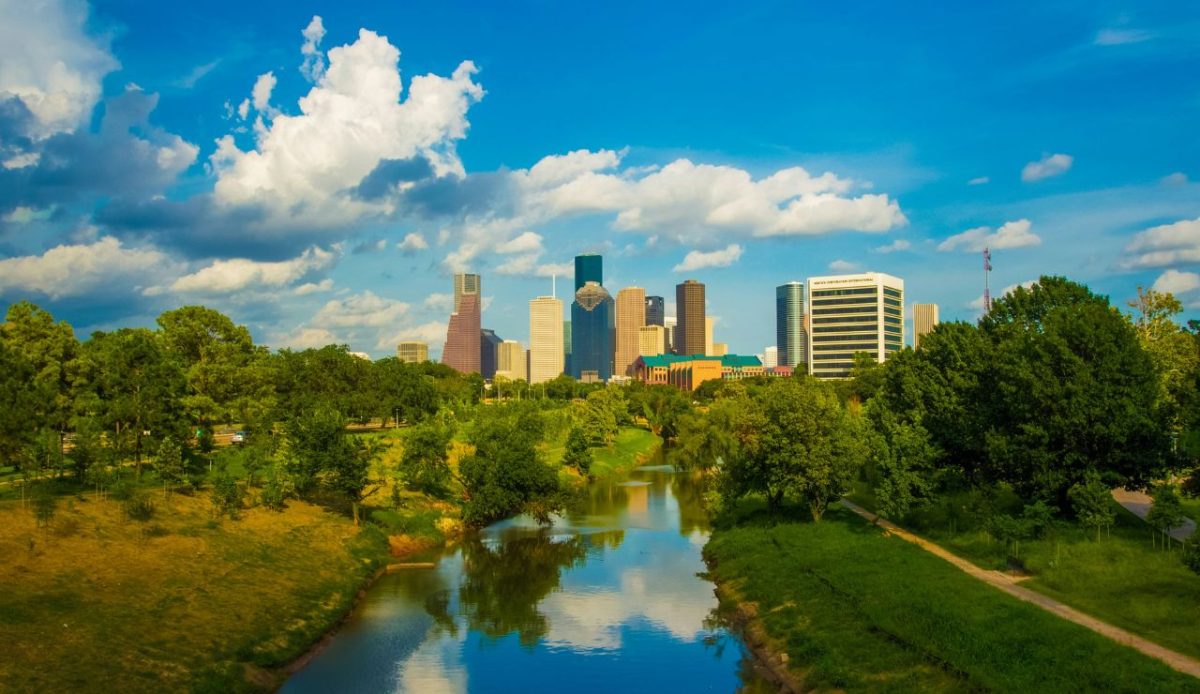
Houston’s massive Chinatown stretches across miles of Bellaire Boulevard, more of a multicultural city within a city. Lantern-lit plazas sit beside supermarkets, temples, and dessert cafés serving everything from hot pot to mango shaved ice. It’s a melting pot of Asian influences, Chinese, Vietnamese, Korean, and Filipino, reflecting Houston’s booming diversity. Beyond food, festivals, and dragon dances fill parking lots each year. Vast, flavorful, and electric, it’s where East truly meets South.
10. Portland, Oregon
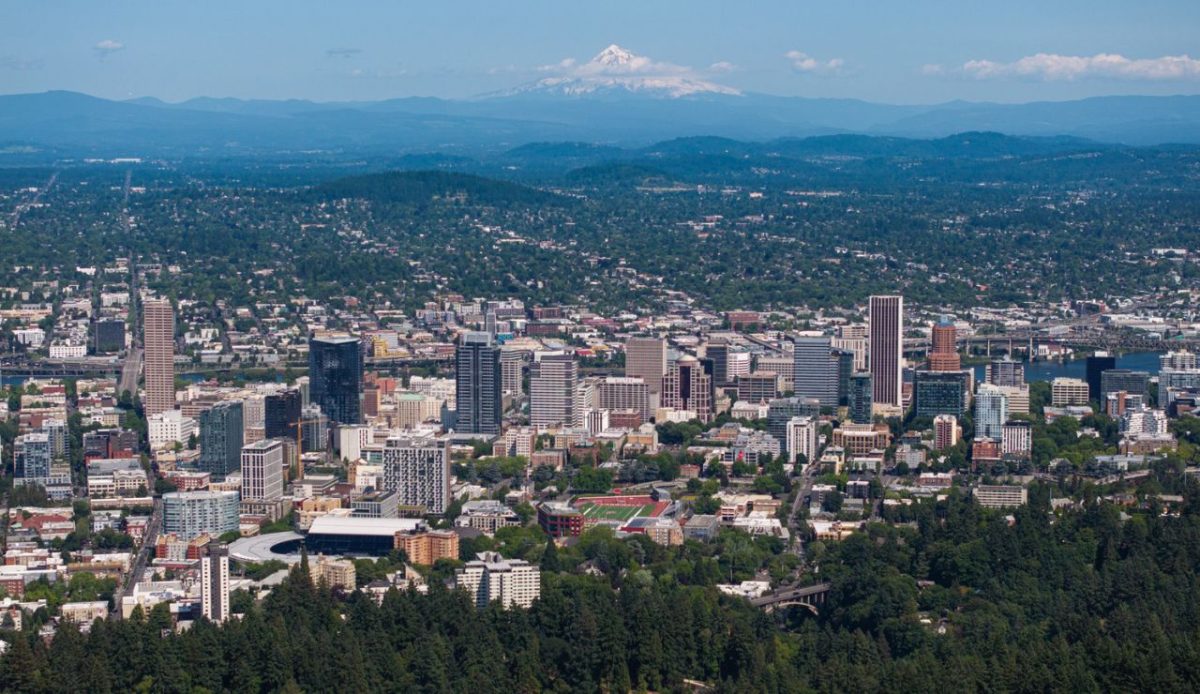
Portland’s Old Town Chinatown preserves historic charm while embracing modern revival. Once a hub for early Chinese immigrants, it now blends traditional landmarks with new art galleries and boutiques. The Lan Su Chinese Garden, an authentic Suzhou-style masterpiece, remains its crown jewel, a tranquil escape in the city’s core. With lantern-lit streets and cultural events, Portland’s Chinatown continues evolving while honoring its deep immigrant roots.
11. Washington, D.C.
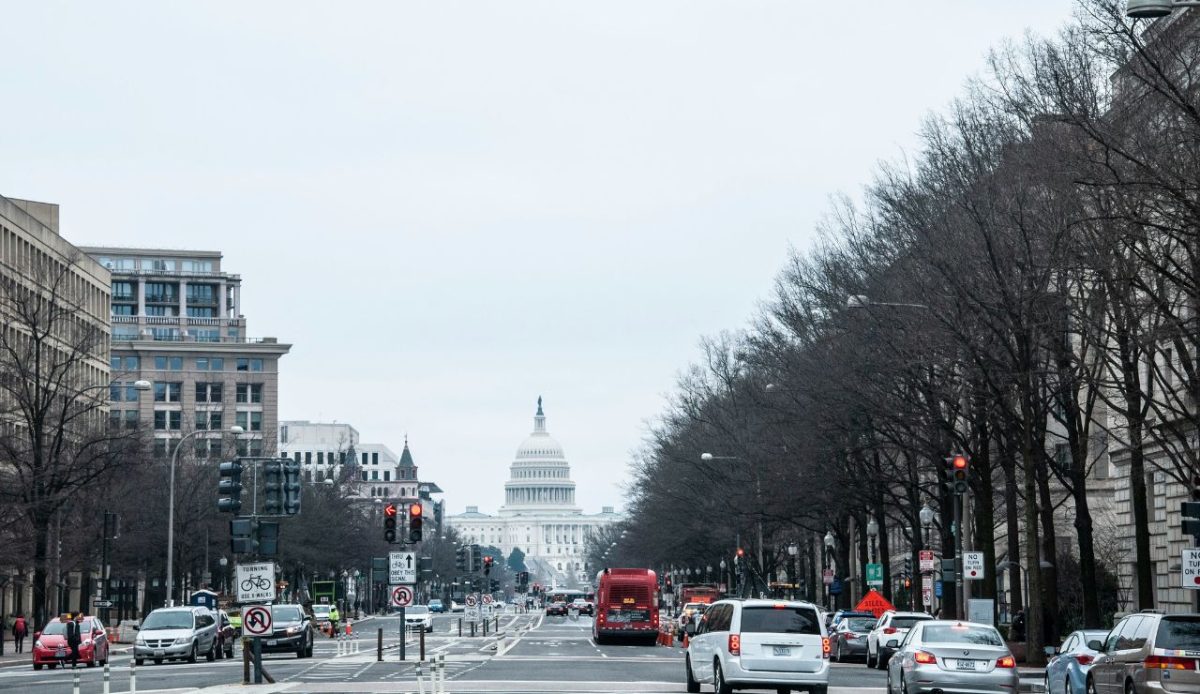
D.C.’s Chinatown sits just steps from the National Mall but feels like a different world. Its grand Friendship Archway leads to bustling restaurants, shops, and cultural spaces reflecting China’s modern-meets-traditional vibe. Though gentrification has reduced its size, its influence remains visible through festivals, bilingual signs, and culinary landmarks. Chinatown here isn’t just history; it’s a symbol of endurance in the capital’s fast-changing landscape.
12. San Diego, California
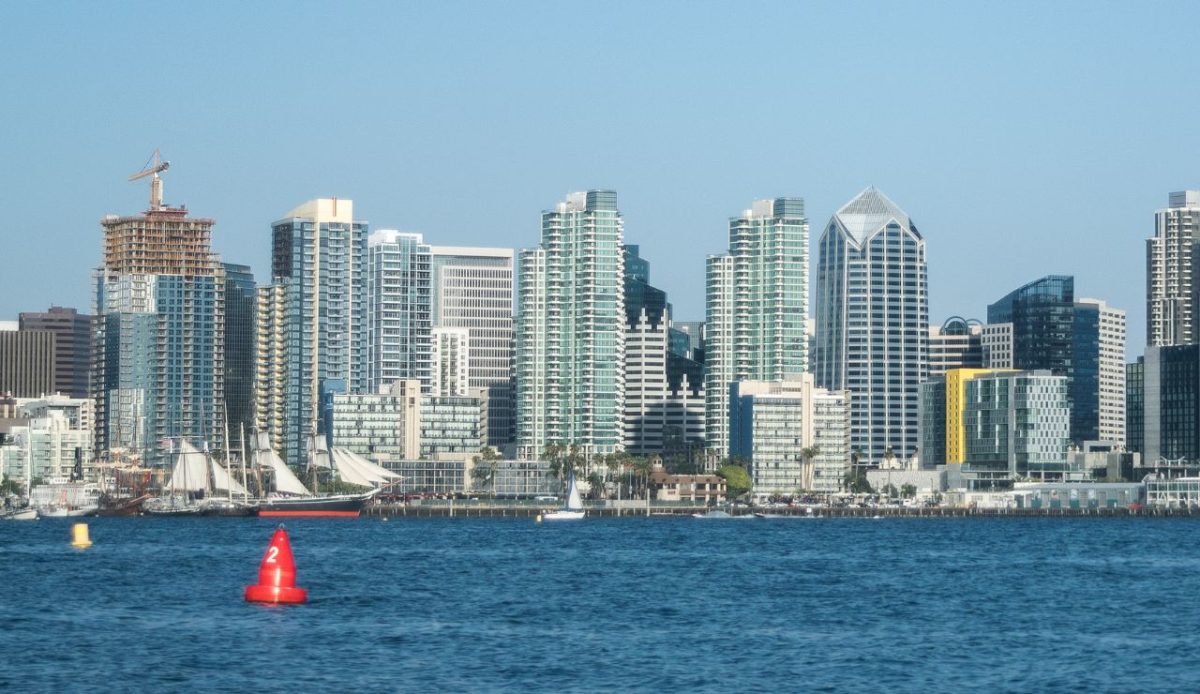
San Diego’s historic Chinatown, nestled near the Gaslamp Quarter, tells a quieter story of resilience. In the late 1800s, it was a refuge for Chinese immigrants who faced exclusion elsewhere. Today, restored temples, small cafés, and the San Diego Chinese Historical Museum preserve that legacy. Visitors can stroll past exhibits on early laborers who built California’s railroads or enjoy authentic Cantonese meals nearby. Compact but deeply meaningful, it’s a pocket of living history by the coast.
13. Las Vegas, Nevada
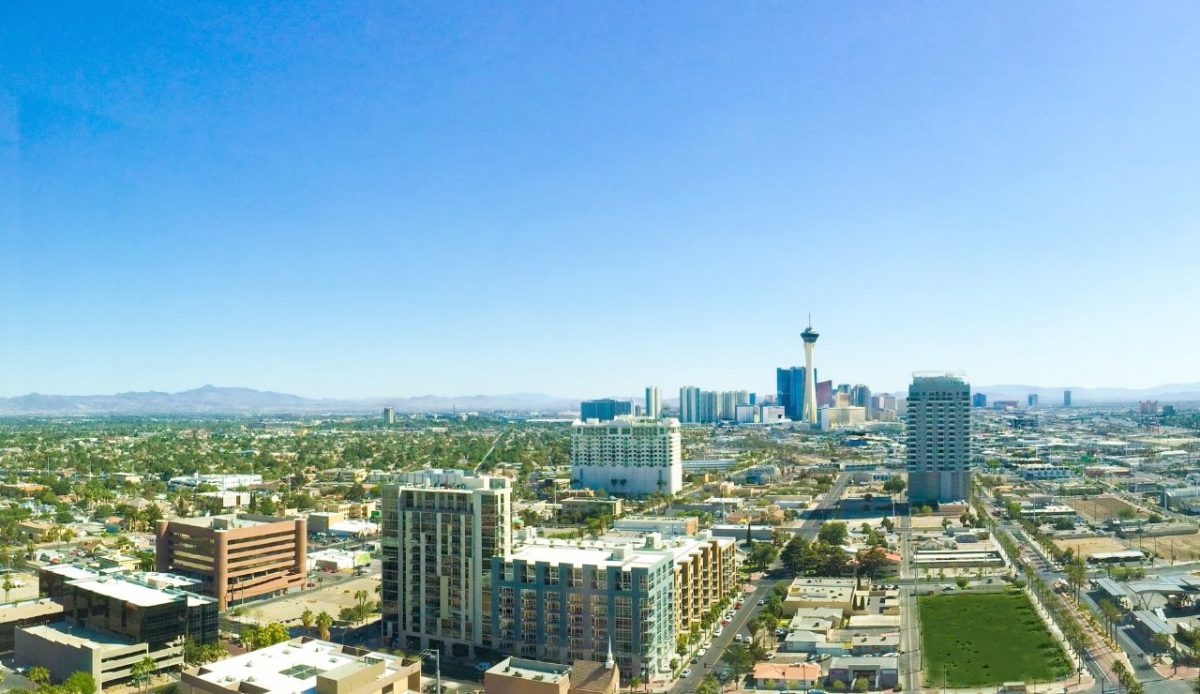
Las Vegas’s Chinatown, glowing along Spring Mountain Road, pulses with 24-hour energy. Beneath the neon lights, you’ll find endless restaurants, from steaming dim sum halls to ramen bars and dessert cafés. Supermarkets brim with Asian imports, while karaoke lounges and foot spas stay lively till dawn. This district blends entertainment and authenticity seamlessly. It’s a feast for all senses, where Vegas’s signature glamour meets the warmth and flavor of true Asian culture.
14. Denver, Colorado
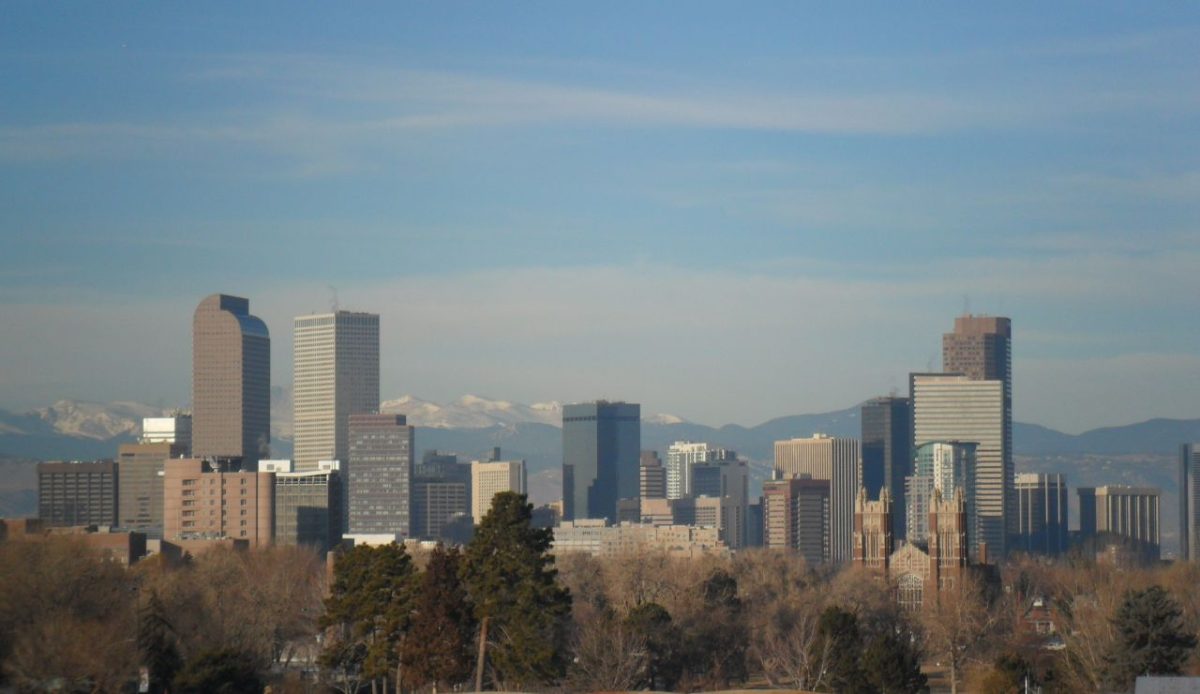
Denver’s historic Chinatown was largely lost after the 1800s, but its legacy is being revived. The once-erased neighborhood now features cultural markers, walking tours, and Chinese-owned businesses reclaiming its heritage. Festivals and local efforts highlight the resilience of early immigrants who helped shape the city’s frontier history. Today’s Denver Chinatown blends remembrance with renewal, honoring the past while building a more inclusive future.
15. Honolulu’s Second Chinatown, Kapalama
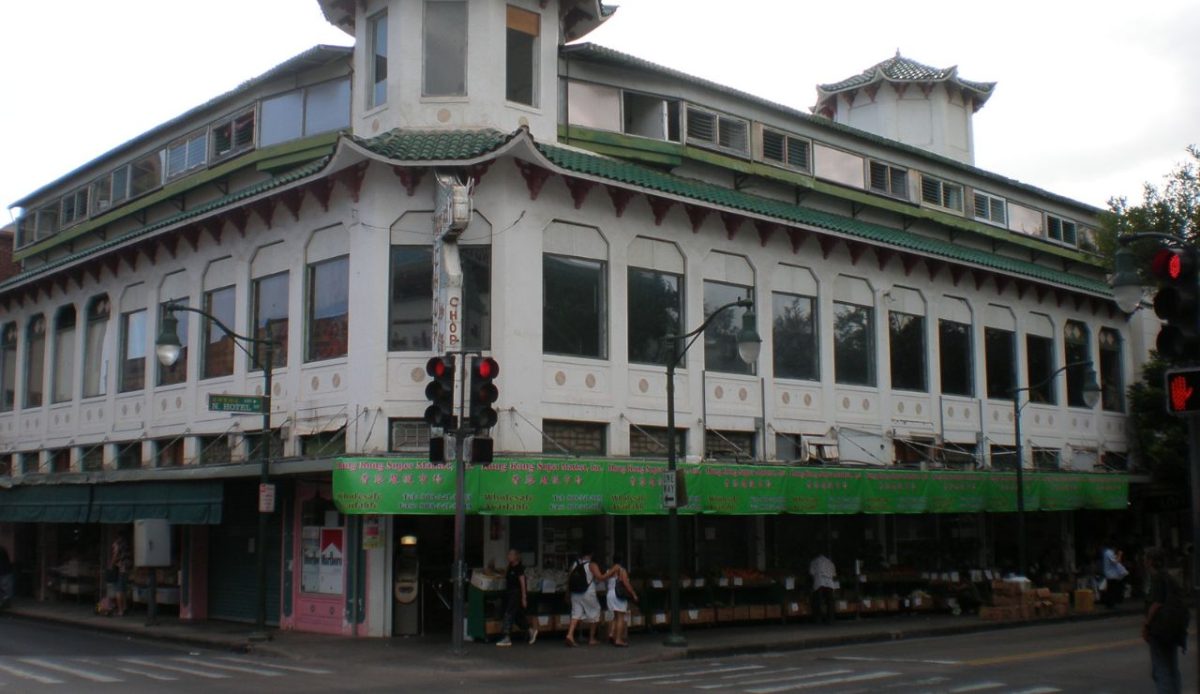
Kapalama, Honolulu’s lesser-known second Chinatown, thrives just beyond the city’s tourist core. It’s where island locals shop, eat, and celebrate away from the spotlight. Family-owned noodle houses, herbal pharmacies, and fresh markets line its colorful streets, while tea houses buzz with conversation. Here, Chinese, Japanese, and Filipino influences blend naturally with Hawaiian hospitality. Less commercialized but rich in everyday rhythm, Kapalama is where Honolulu’s multicultural identity quietly continues to grow and flourish.
