
Malaysia is a country of diverse cultures, traditions, and customs, which makes traveling here an enriching experience. Visitors often notice subtle behaviors and expectations that aren’t listed in guidebooks but are essential for respectful interactions. From social etiquette and public conduct to dining habits, local customs, and even local gestures, understanding these unwritten rules can make your trip smoother and more enjoyable. By observing these practices, travelers not only avoid cultural missteps but also gain a deeper appreciation for Malaysia’s vibrant communities and rich heritage.
1. Remove Shoes Before Entering Homes and Some Businesses
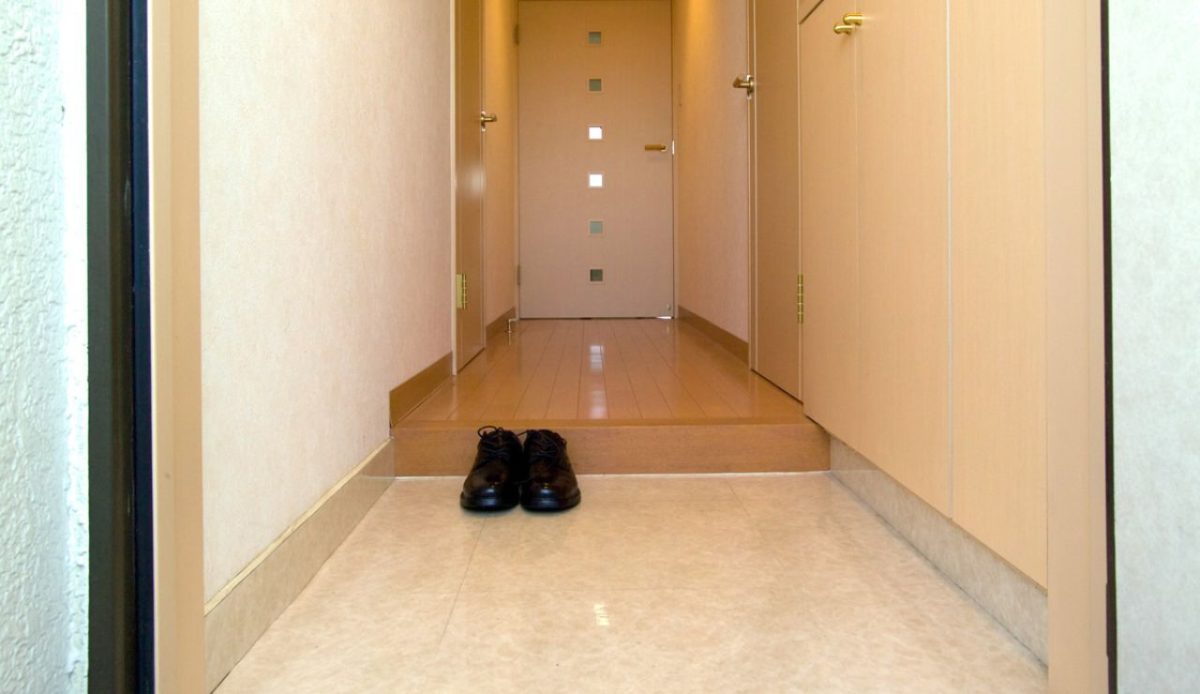
In Malaysia, it is customary to remove shoes before entering private homes and some businesses, particularly temples and traditional establishments. This practice is tied to hygiene and respect for the space. Visitors are often surprised at the prevalence of this rule, which may also extend to certain offices or restaurants. Leaving shoes at the door shows cultural awareness and politeness. Carrying clean socks or slippers is advisable for comfort. Observing this simple yet important rule helps travelers avoid awkward situations and demonstrates respect for local customs while maintaining cleanliness indoors.
2. Respect the Right-Hand Rule
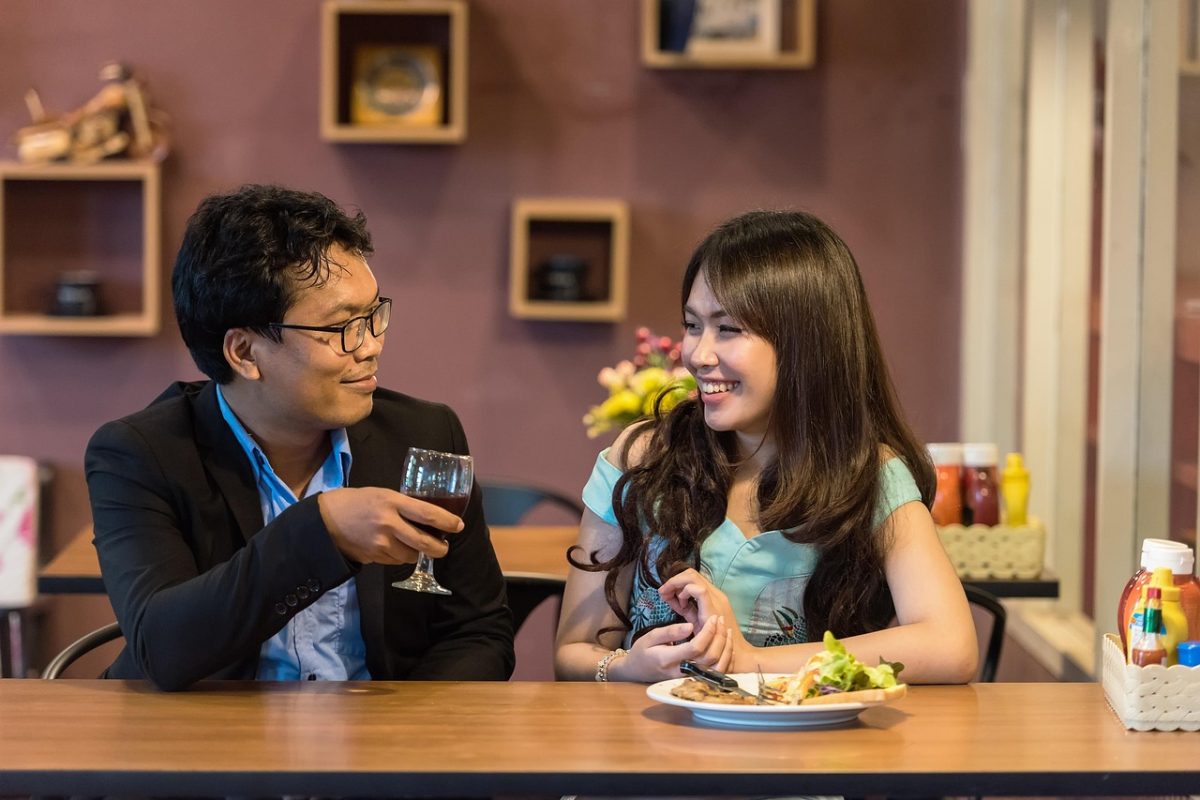
In Malaysia, the right hand is traditionally used for eating, giving, or receiving items. The left hand is considered less clean due to personal hygiene practices. Visitors often notice locals subtly observing this rule, especially during meals or transactions. Using your right hand when handing money, gifts, or shaking hands is seen as polite. Observing this practice helps prevent unintentional offense and signals cultural sensitivity. Travelers can also watch locals for guidance, making interactions smoother. Following the right-hand rule is a simple yet effective way to show respect and understanding of Malaysian social norms.
3. Dress Modestly at Religious Sites
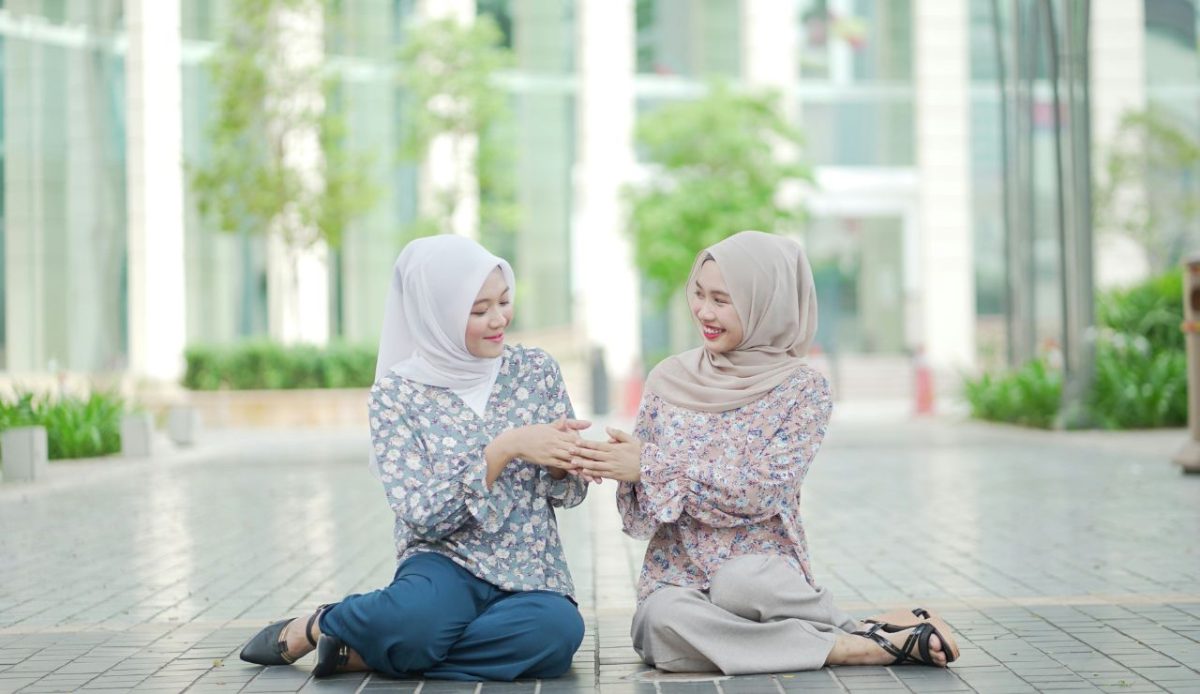
When visiting mosques, temples, and other religious sites in Malaysia, modest dress is expected. Women are usually required to cover their shoulders, arms, and legs, while men should avoid shorts. Some locations provide robes or coverings for visitors, but dressing appropriately beforehand is recommended. Wearing conservative attire demonstrates respect for religious customs and prevents discomfort. This rule is especially important in areas with higher numbers of worshippers. Observing proper attire ensures a positive experience and allows travelers to enjoy Malaysia’s spiritual sites without offending local beliefs.
4. Queue Politely in Public Areas
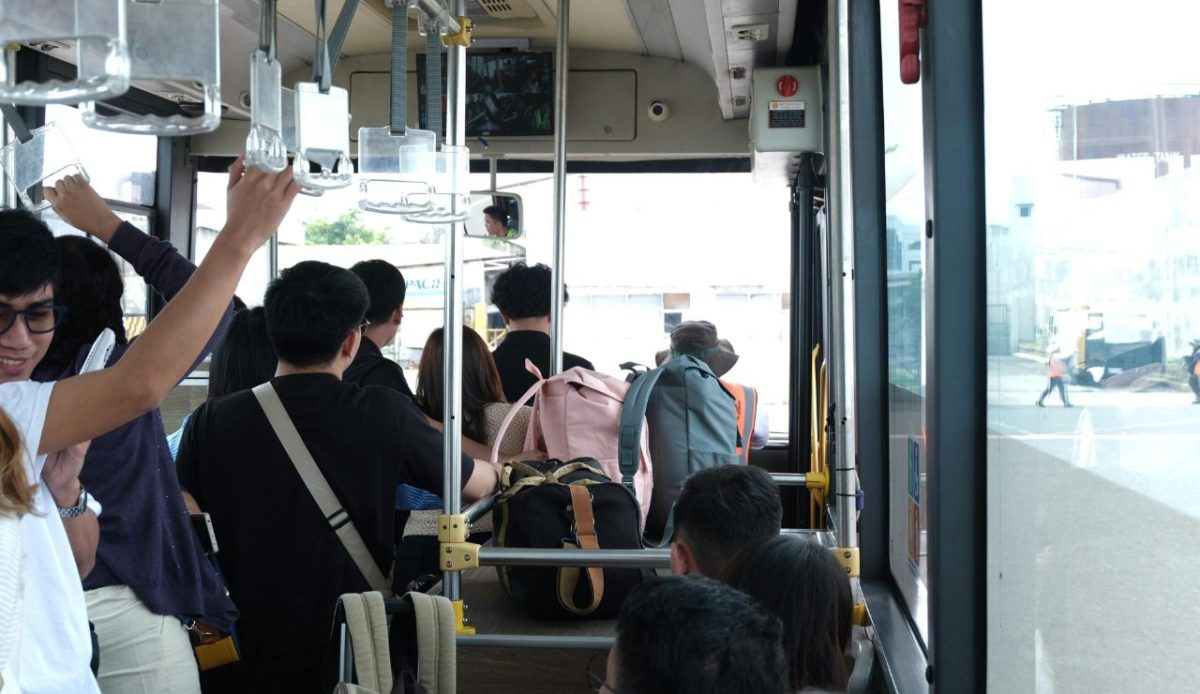
Malaysians value orderly behavior, particularly when waiting for buses, trains, or services. Visitors often notice that locals form queues politely and patiently. Cutting in line or rushing ahead is frowned upon and may attract disapproving looks. Travelers are encouraged to follow these social norms and wait their turn. Respecting queues helps maintain harmony and demonstrates an understanding of public etiquette. Whether at a market, airport, or train station, practicing patience and orderliness not only prevents conflict but also shows cultural awareness, making interactions smoother and more pleasant for everyone involved.
5. Avoid Public Displays of Affection

Public displays of affection, such as kissing or hugging, are generally considered inappropriate in Malaysia, especially in conservative areas. Couples visiting may notice that locals avoid overtly romantic gestures in public spaces. Simple hand-holding is typically acceptable, but more intimate behavior should be reserved for private settings. Observing this unwritten rule respects cultural norms and prevents discomfort or unwanted attention. Travelers who follow these guidelines can navigate public areas more comfortably, showing sensitivity to local values while enjoying their relationships discreetly during their Malaysian adventure.
6. Be Mindful of Dining Etiquette

Dining in Malaysia comes with subtle etiquette rules. Eating with your right hand is common in traditional settings, and it’s polite to wait until elders or hosts begin before starting a meal. Sharing dishes and using communal utensils shows respect and consideration. Avoid leaving excessive food on your plate, as waste can be frowned upon. Observing these practices demonstrates cultural awareness and fosters positive interactions with locals. Travelers who adapt to dining norms enjoy a more immersive experience and are often welcomed warmly, enhancing both culinary enjoyment and social engagement during their stay in Malaysia.
7. Speak Softly in Public
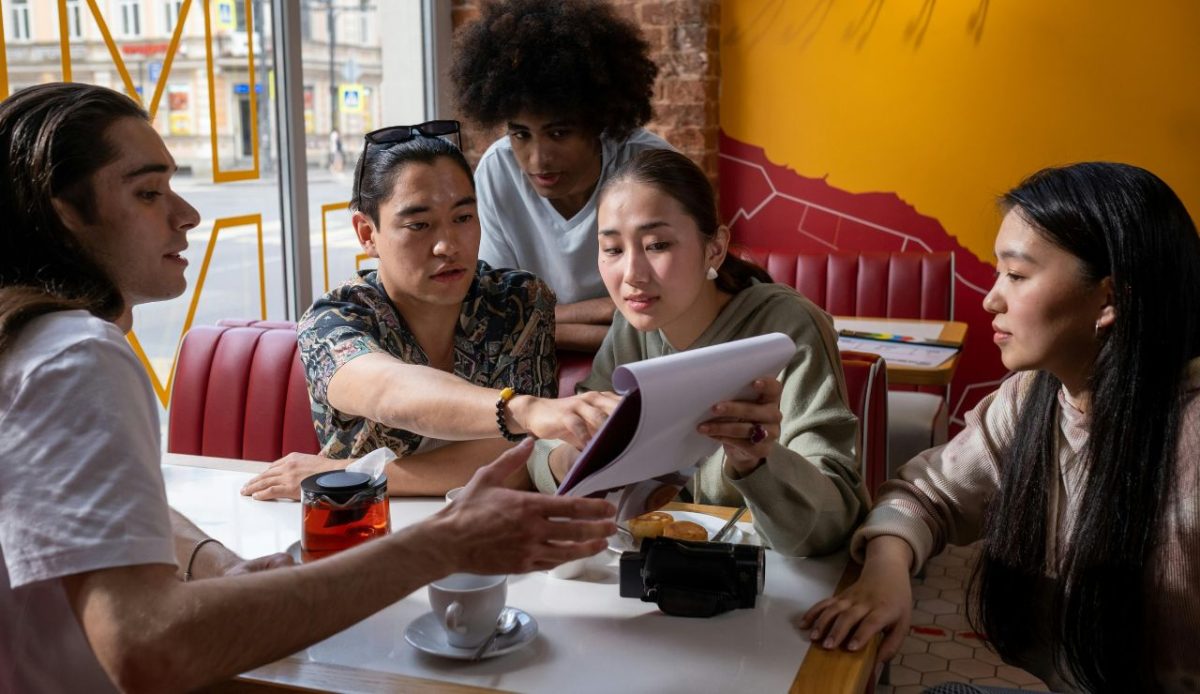
Malaysians generally value a calm and respectful demeanor in public spaces. Speaking loudly, arguing, or drawing attention in public can be seen as impolite. Visitors often notice that locals communicate in measured tones, even in crowded or busy areas. Following this unwritten rule helps travelers blend in and avoid unwanted attention or misunderstandings. Maintaining a soft-spoken, polite manner encourages positive interactions with residents and demonstrates sensitivity to local cultural expectations. This simple adjustment enhances the travel experience while fostering respect and mutual understanding in social settings.
8. Respect Personal Space
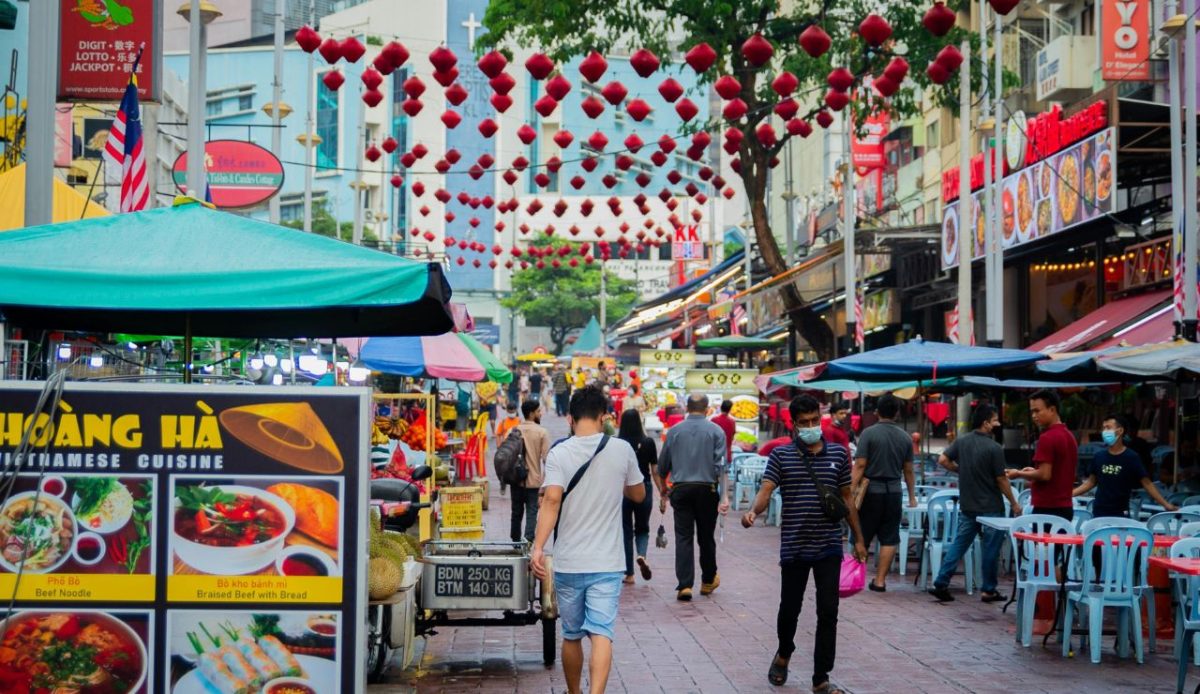
Personal space is important in Malaysia, and visitors often notice that locals maintain a respectful distance during interactions. Standing too close, touching strangers, or invading someone’s space can be considered intrusive. Whether in queues, public transport, or markets, keeping an appropriate distance shows politeness and awareness. Observing body language cues helps travelers navigate social situations smoothly. Respecting personal space not only avoids awkward encounters but also fosters positive connections, making daily interactions more comfortable and enjoyable while exploring Malaysia’s vibrant cities and cultural hubs.
9. Ask Before Photographing People
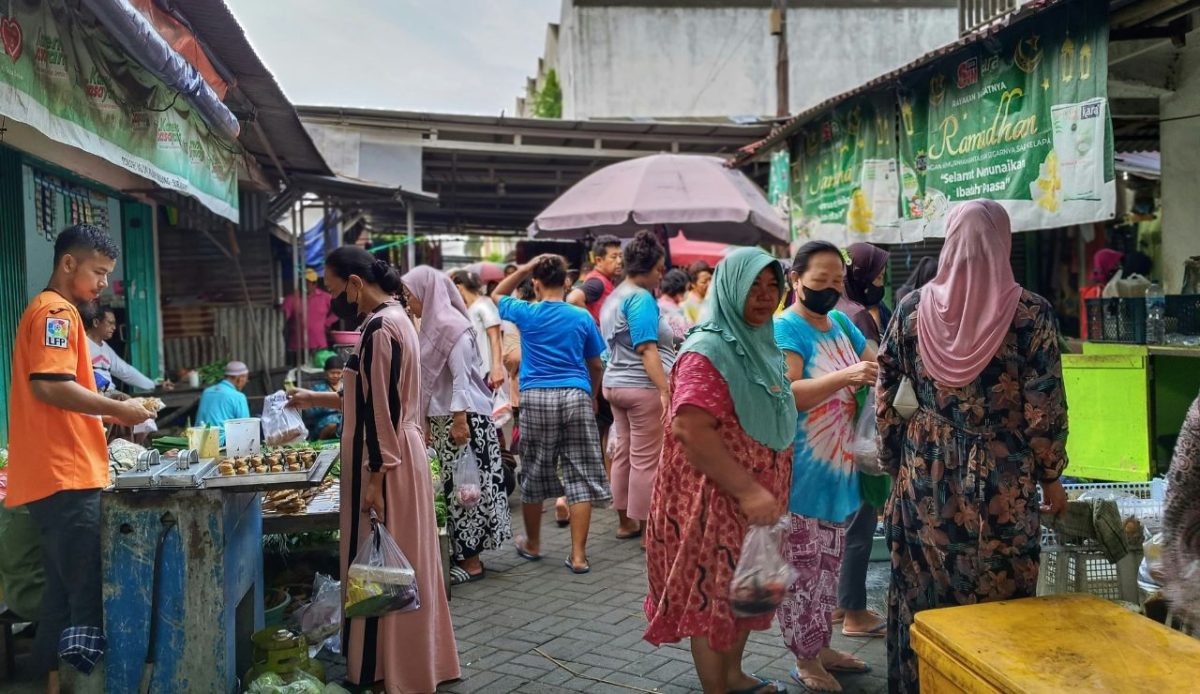
While Malaysia is visually stunning, not everyone appreciates being photographed. Visitors quickly notice that locals often expect consent before being photographed, especially in villages, markets, or religious sites. Politely asking permission demonstrates respect and cultural sensitivity. Some individuals may decline, and it’s important to honor their wishes without insistence. Observing this unwritten rule ensures that photography remains positive and welcomed. Travelers can capture memories responsibly, showing consideration for privacy and local norms while still enjoying the country’s beautiful scenery and unique cultural moments.
10. Remove Hats and Sunglasses Indoors
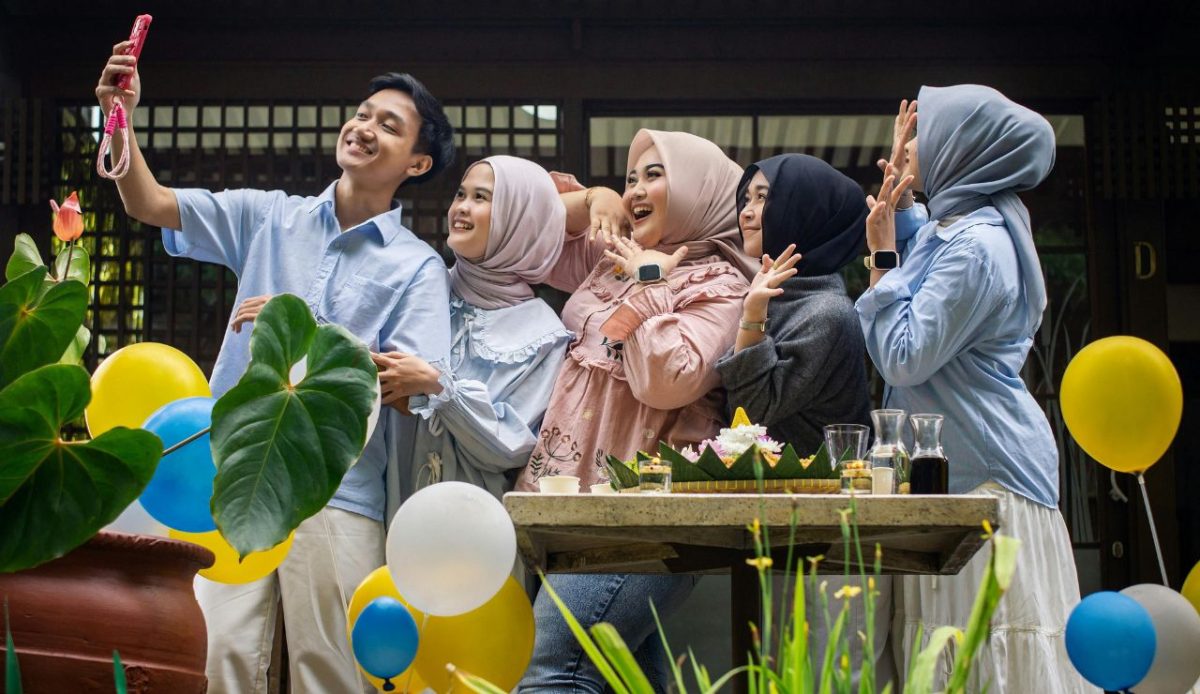
In Malaysia, it’s customary to remove hats and sunglasses when entering homes, religious sites, or some indoor establishments. Visitors often notice this as a sign of respect and attentiveness. Keeping these accessories on indoors may be seen as casual or disrespectful, especially in formal or sacred settings. Removing hats or sunglasses demonstrates awareness of cultural norms and signals politeness. Adapting to this simple practice helps travelers blend in more seamlessly and fosters positive interactions with locals, ensuring a respectful approach while navigating Malaysia’s diverse social and cultural environments.
11. Respect Local Traffic Rules
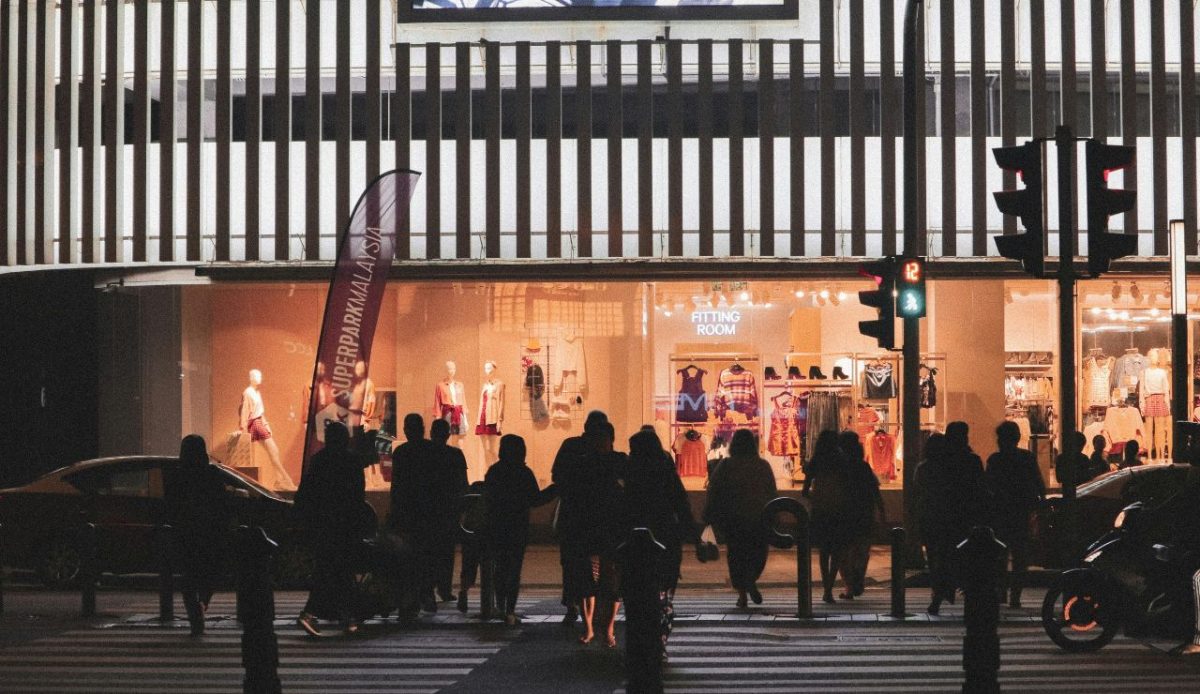
Traffic and pedestrian norms in Malaysia can differ from what visitors are used to. Observing crosswalks, traffic lights, and motorbike lanes is crucial for safety. Locals often follow rules diligently, and jaywalking or ignoring signals is frowned upon. Paying attention to road etiquette also shows respect for community practices. Travelers navigating urban or rural areas should remain vigilant, follow signage, and exercise caution when crossing streets. Understanding and respecting traffic norms not only ensures safety but also demonstrates consideration for local practices and contributes to a smooth, hassle-free travel experience.
12. Tip Discreetly, Not Excessively
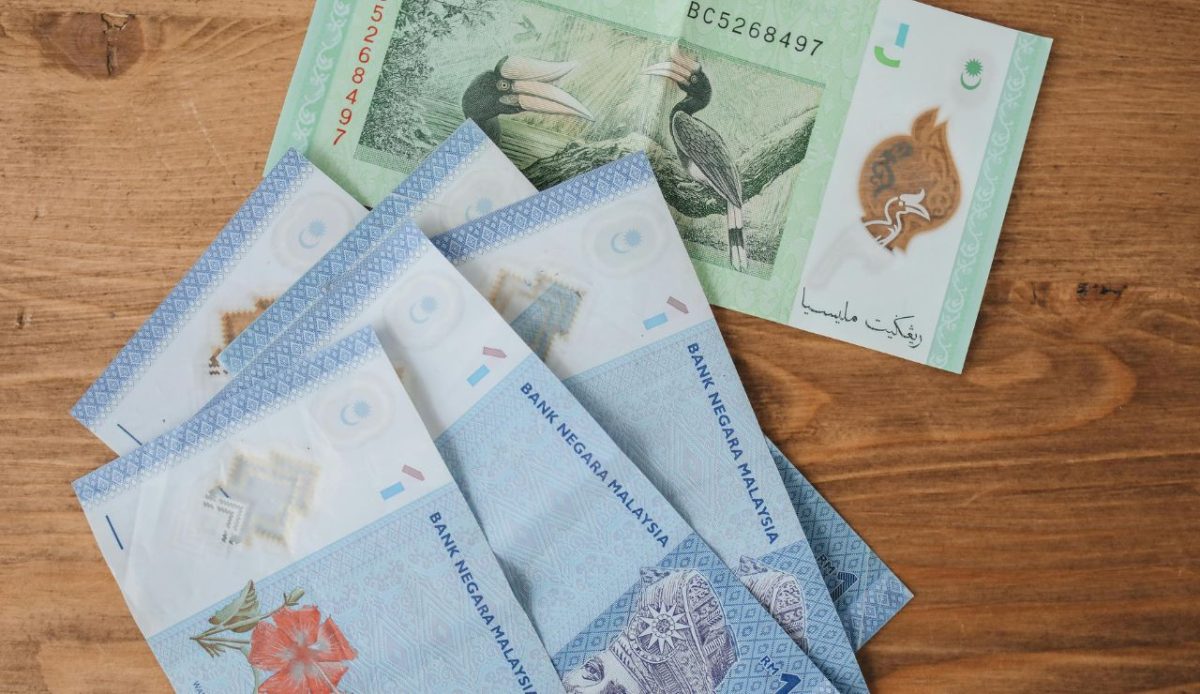
Tipping in Malaysia is appreciated but not mandatory. Visitors often notice that modest, discreet tipping is standard, especially in restaurants, taxis, or for tour guides. Over-tipping may draw attention, while under-tipping is typically forgiven. Handing money politely, sometimes in an envelope or discreet manner, is considered respectful. Following local tipping practices demonstrates awareness and avoids cultural misunderstandings. Travelers who adapt to these customs contribute to positive interactions with service staff while showing appreciation without creating awkward situations during their Malaysian journey.
13. Be Patient During Festivals and Religious Events
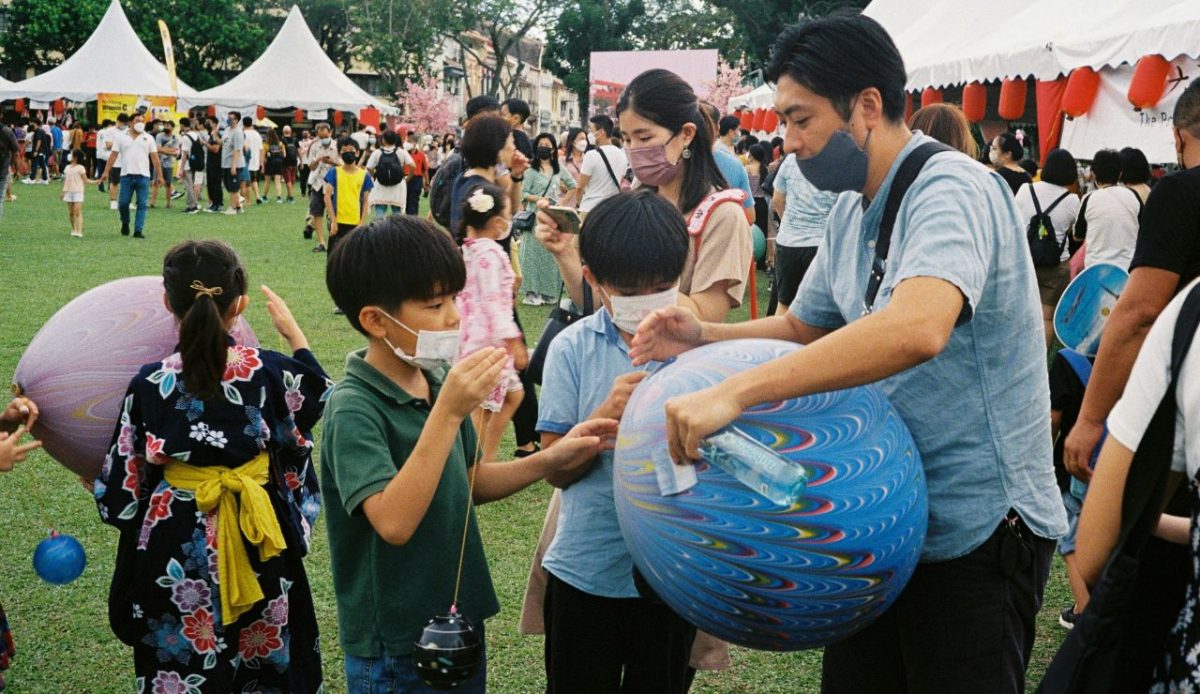
Malaysia’s diverse festivals and religious celebrations attract locals and visitors alike. During these events, patience is key, as crowds, slow service, or processions are common. Observing traditions respectfully and waiting your turn shows cultural sensitivity. Trying to rush through rituals or ignore ceremonial customs may be seen as disrespectful. Travelers who remain calm and attentive can fully appreciate the experience, learn about local practices, and engage positively with participants. Patience during festivals and religious events ensures both safety and respect, enriching the cultural understanding of Malaysia.
14. Avoid Public Criticism of Religion or Politics
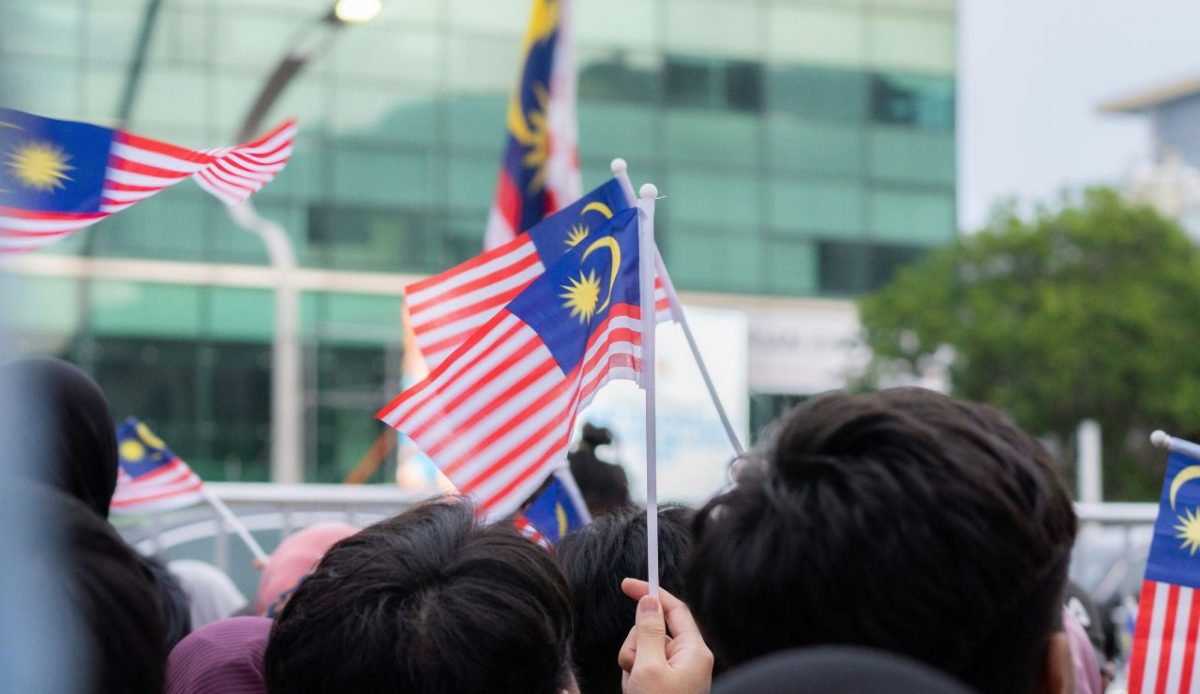
Discussing religion or politics publicly in Malaysia can be sensitive. Visitors often notice locals avoid heated debates or public criticism. Maintaining a neutral, respectful tone when conversing in public spaces prevents misunderstandings. Questions about local beliefs or governance are best posed politely and privately. Being aware of this unwritten rule ensures interactions remain friendly and culturally appropriate. Travelers who respect boundaries around religion and politics build trust and avoid conflict, contributing to a positive and immersive experience while navigating Malaysia’s diverse communities and rich cultural landscape.
15. Respect Nature and Local Environment
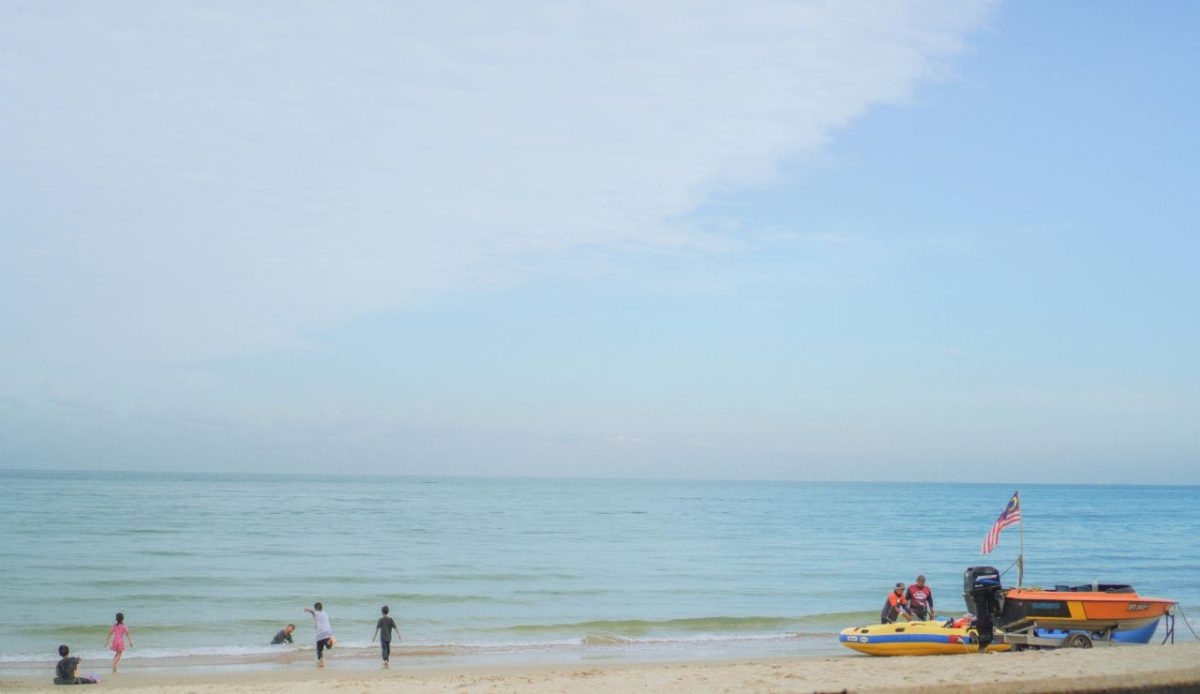
Malaysia’s natural beauty, from beaches to rainforests, is cherished by locals. Visitors notice the importance placed on cleanliness, conservation, and minimizing impact. Littering, damaging plants, or disturbing wildlife is frowned upon. Following posted guidelines, using designated paths, and disposing of trash responsibly demonstrates respect for local values. Engaging in eco-friendly tourism ensures that natural attractions remain preserved for future visitors. Travelers observing these practices contribute to sustainability and enhance their appreciation for Malaysia’s stunning landscapes and biodiversity.
