
Many famous travel spots across the United States have faced storms, fires, and other destructive events that have tested their strength. Some places lost homes, roads, and key landmarks, while others watched nature reshape beloved landscapes. Yet each destination chose to repair, rebuild, and welcome travelers again. Visitors now enjoy beaches, mountains, cities, and parks that have improved safety, restored beauty, and supported local businesses. Below are places where recovery shaped better experiences and where travelers can appreciate history, care, and determination.
1. New Orleans, Louisiana
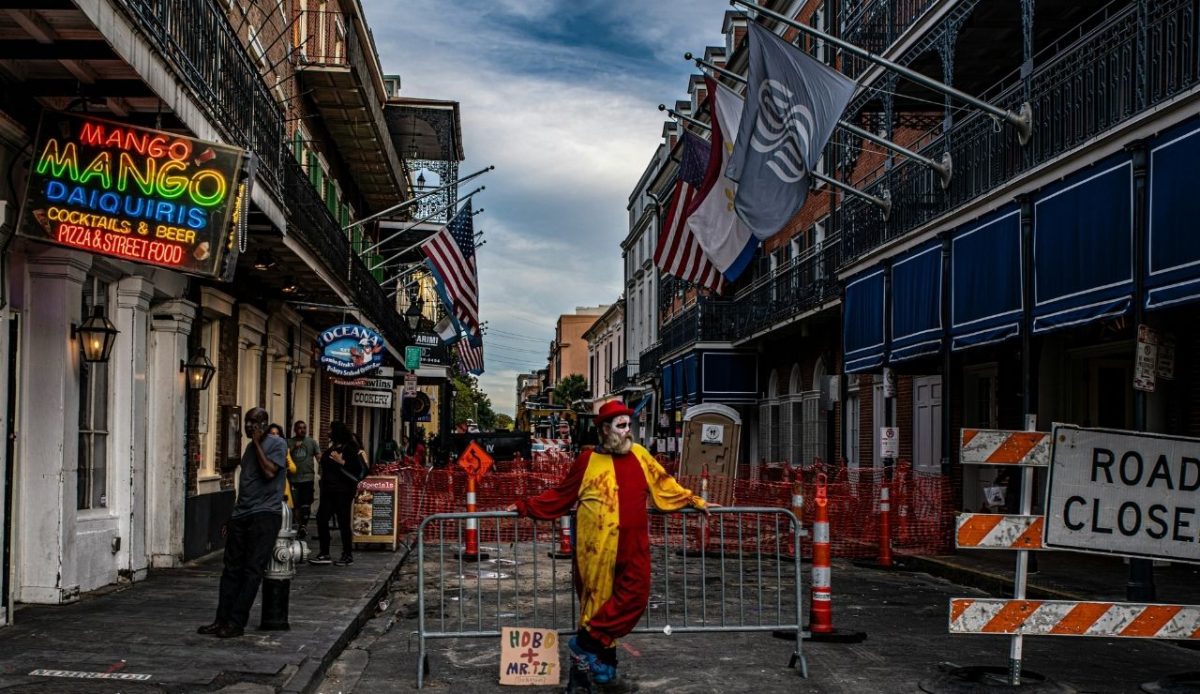
New Orleans faced overwhelming loss when Hurricane Katrina struck in 2005. Homes and neighborhoods flooded, music halls turned quiet, and tourism slowed. The city strengthened levees, restored parks, and helped small businesses reopen. Today, travelers enjoy live jazz in the French Quarter, riverfront walks, and growing food districts. Updated streetcar routes, lively festivals, and improved public spaces bring comfort and energy to visitors who admire the culture and warm hospitality. The city continues to protect wetlands, support museums, and create spaces that reflect both tradition and modern life.
2. Galveston, Texas
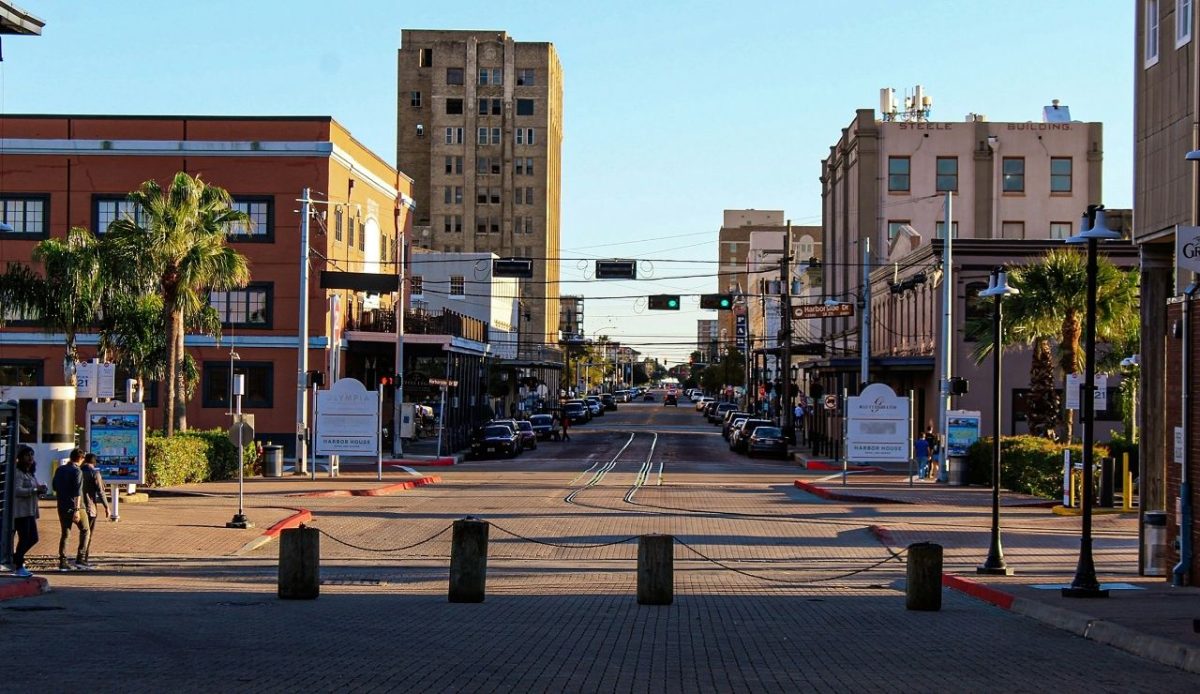
Galveston endured the deadly 1900 storm, which swept away neighborhoods and left the island nearly empty. Residents raised buildings and built a seawall to protect from future waves. That work continued through later storms, with strong planning and coastal care guiding each repair. Visitors now enjoy clean beaches, Victorian neighborhoods, a lively pier, and popular attractions like Moody Gardens. Cruise ships, seafood spots, and museums welcome families and couples looking for a relaxed coastal trip. Galveston stands today as a beach town shaped by effort and steady preparation.
3. Fort Myers Beach and Sanibel Island, Florida
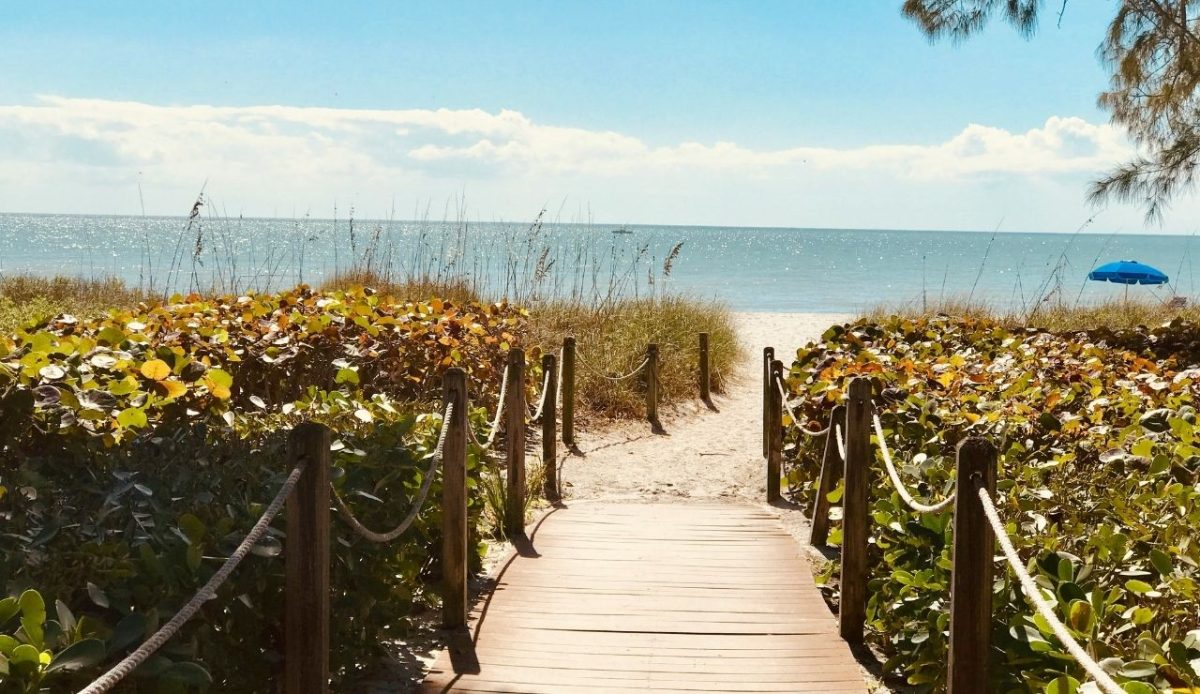
Hurricane Ian hit hard in 2022, removing homes and breaking bridges to barrier islands. Clean-up crews focused on reopening beaches, helping wildlife recover, and supporting restaurants and tour operators. Travelers find peaceful beaches, new boardwalks, and nature reserves returning to life. Kayaking tours, dolphin cruises, and bird watching outings give guests calm outdoor time. Updated hotels, rebuilt marinas, and better road access help vacationers explore shell-filled shores and gentle waves. The region continues to improve services and protect natural areas that make this coast a favorite getaway.
4. Napa Valley and Sonoma County, California
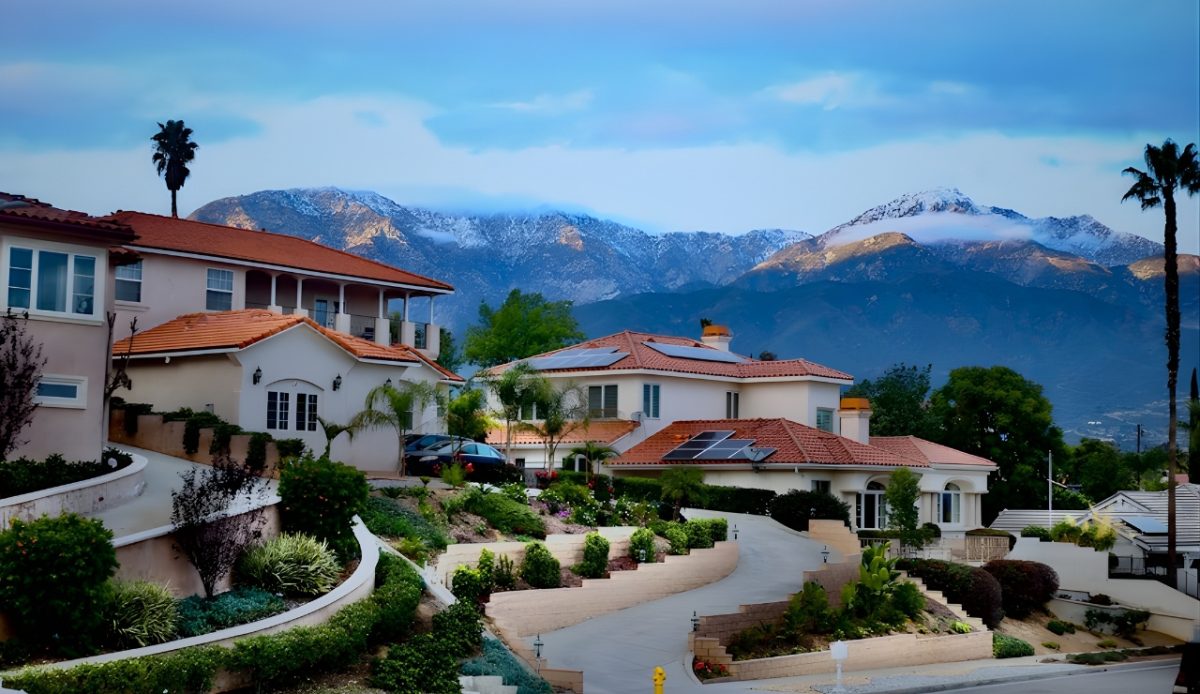
Wildfires in 2017 damaged vineyards, tasting rooms, and hillside communities. The region restored wineries, improved emergency systems, and replanted fields to protect soil and crops. Travelers sip wine on outdoor patios, enjoy farmers’ markets, and stay in hillside lodges with scenic views. Local chefs highlight fresh ingredients, and vineyard tours teach visitors about growing practices and history. Cycling routes, picnic areas, and walking paths encourage slow travel through peaceful farmland. The wine country welcomes guests with open spaces, warm service, and seasonal events that support local workers and farms.
5. Gatlinburg and the Smoky Mountains, Tennessee
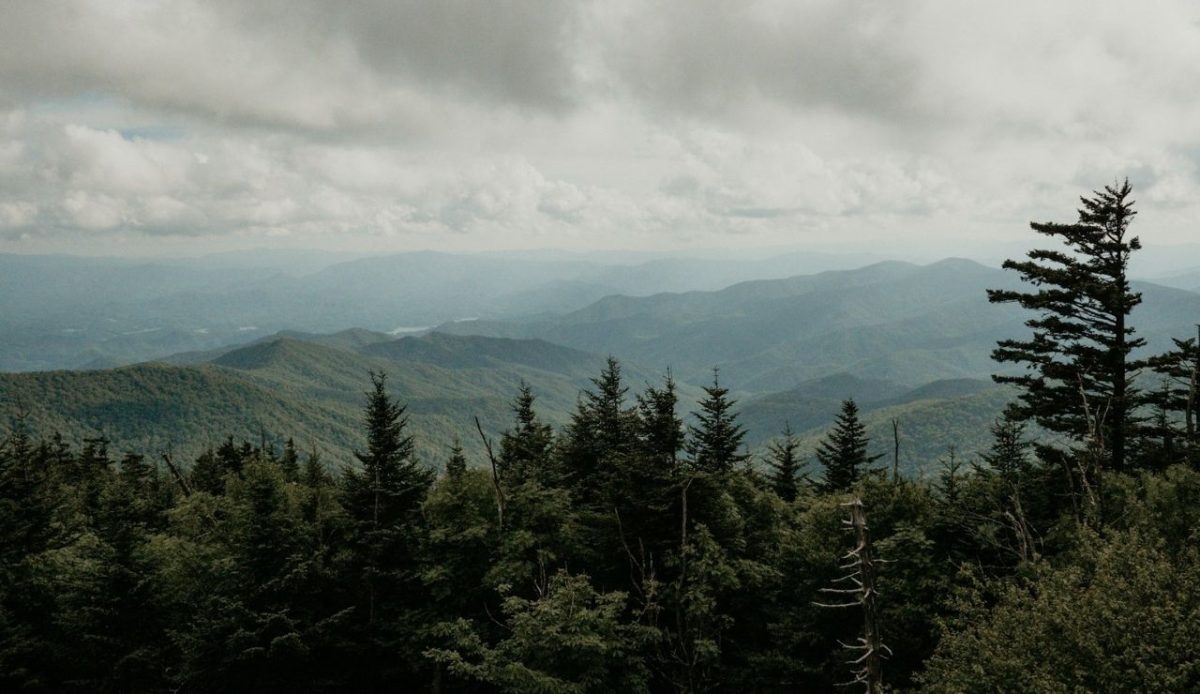
Wildfires in 2016 burned cabins, park trails, and wooded hills. Crews rebuilt lodges, reopened trailheads, and worked to protect wildlife. Today, visitors enjoy mountain views, scenic drives, and cozy cabins tucked among trees. Downtown Gatlinburg stays lively with fun shops, candy kitchens, and family attractions. The Great Smoky Mountains National Park draws hikers to waterfalls, wildflower fields, and mist-covered overlooks. Park rangers guide to protect nature and help guests choose safe routes. This area remains a steady favorite for outdoor lovers and families.
6. Yellowstone National Park, Wyoming
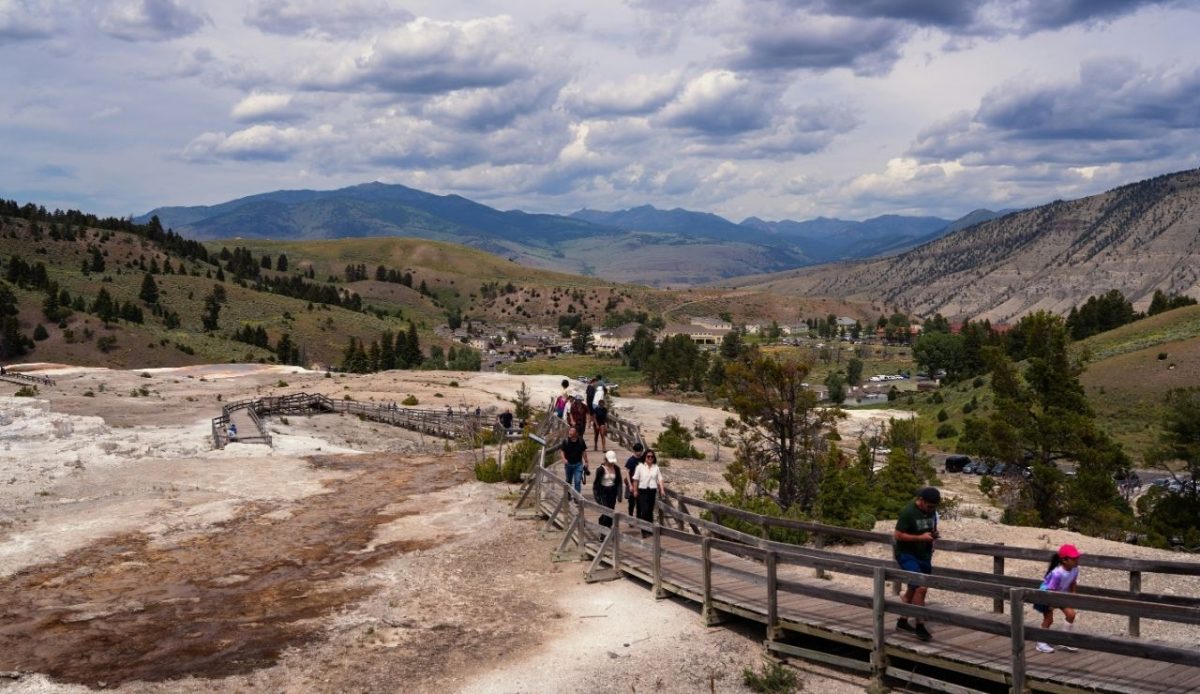
In 1988, fires spread across forests and valleys, leaving fallen trees and ash-covered clearings. Park teams managed recovery with careful trail work, science programs, and wildlife protection. Visitors now walk boardwalks near geysers, watch bison move across open meadows, and drive past young forests growing strong. Lodges, campgrounds, and visitor centers support travelers who come for nature, learning, and calm scenery. Rangers explain fire cycles and guide safe viewing near hot springs. Yellowstone shows how natural recovery works when land is protected with care.
7. Bar Harbor and Acadia National Park, Maine
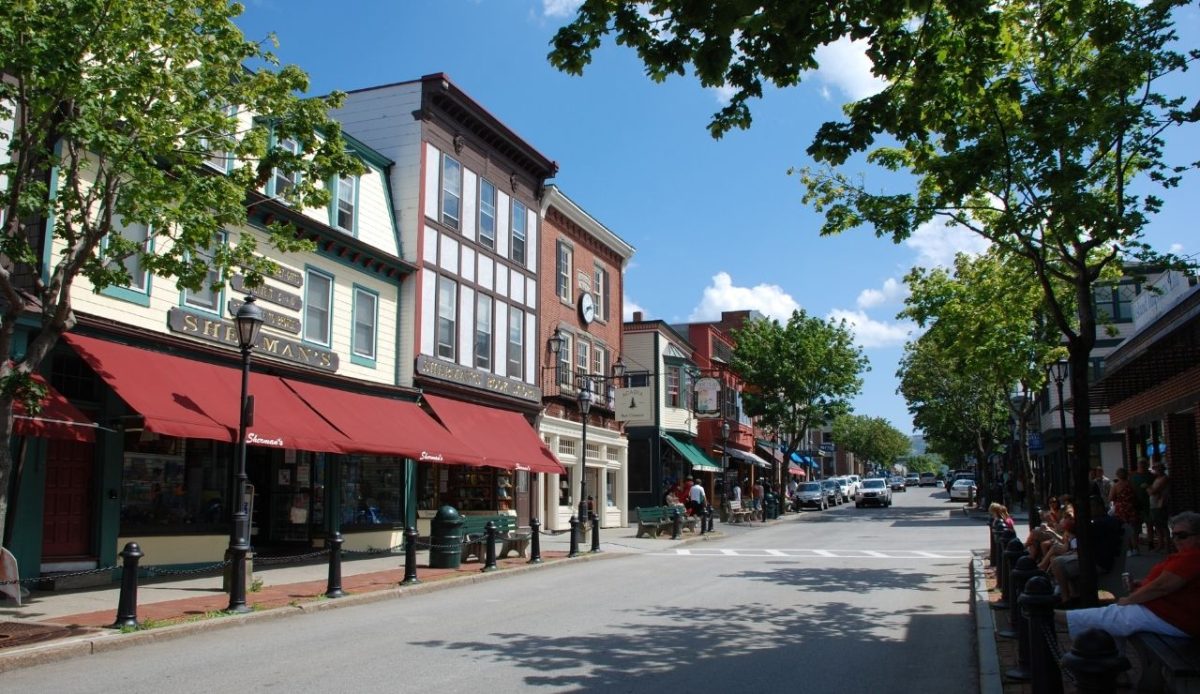
The 1947 fire damaged homes, hotels, and tree-filled hills on Mount Desert Island. Bar Harbor rebuilt inns, restored gardens, and reopened carriage roads for walkers and cyclists. Travelers enjoy rocky coastlines, lighthouse views, and island boat tours. Cadillac Mountain sunrise remains a major highlight, along with peaceful harbor parks and seafood restaurants. Trails weave through forests and granite peaks overlooking the Atlantic. Acadia visitors find a well-cared-for mix of nature and history, supported by community pride and thoughtful planning.
8. Jersey Shore, New Jersey

Hurricane Sandy in 2012 destroyed boardwalks and rides, and a 2013 fire further damaged sections. Crews quickly restored piers, beach paths, and oceanfront businesses. Today, travelers enjoy wide beaches, games, and classic boardwalk food. Rental homes, family hotels, and calm seaside parks welcome guests for summer trips. Seaside Heights and nearby towns created stronger dunes and modern walkways to protect the coast. Visitors return for sunshine, gentle surf, and sweet treats along lively piers that bring fun and comfort to families.
9. San Francisco, California
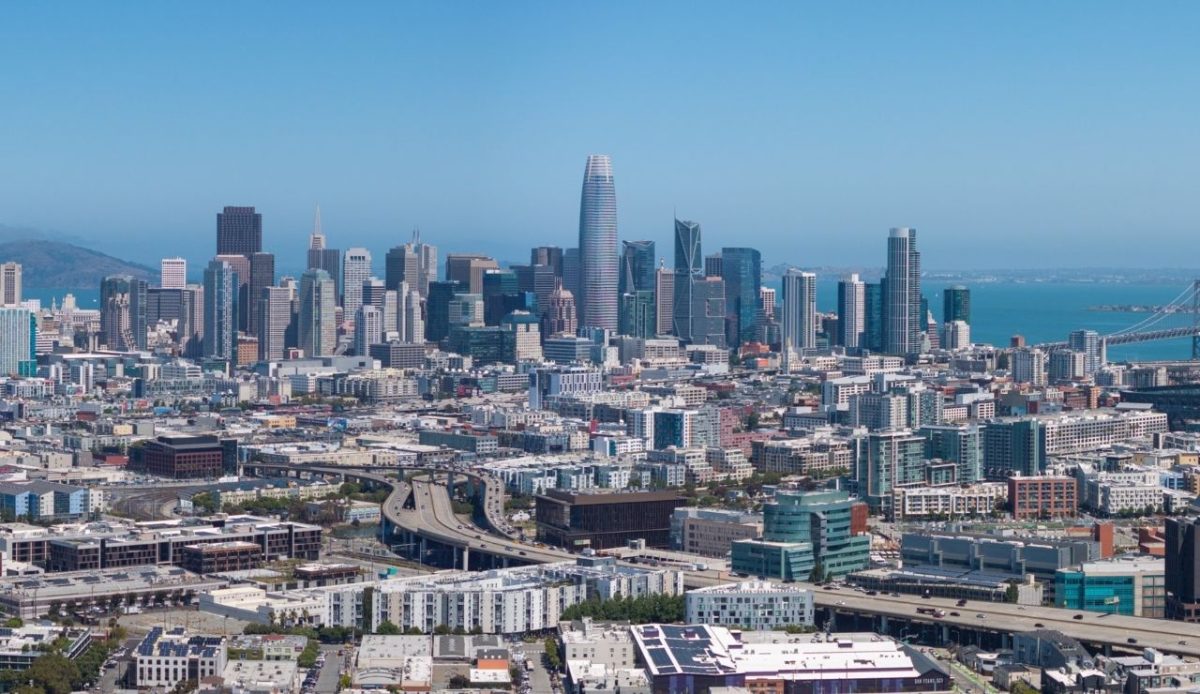
The 1906 earthquake changed San Francisco in minutes as buildings collapsed and fires spread. Residents rebuilt neighborhoods, transit lines, and waterfront spaces. Today, travelers ride cable cars up steep streets, explore Fisherman’s Wharf, and stroll through Golden Gate Park. Chinatown markets, bay cruises, and modern museums bring culture and activity to visitors. Restored landmarks and scenic overlooks reflect both history and growth. With parks, trails, and bridges ready for sightseeing, the city offers coastal charm mixed with lively streets and creative spaces.
10. Anchorage, Alaska
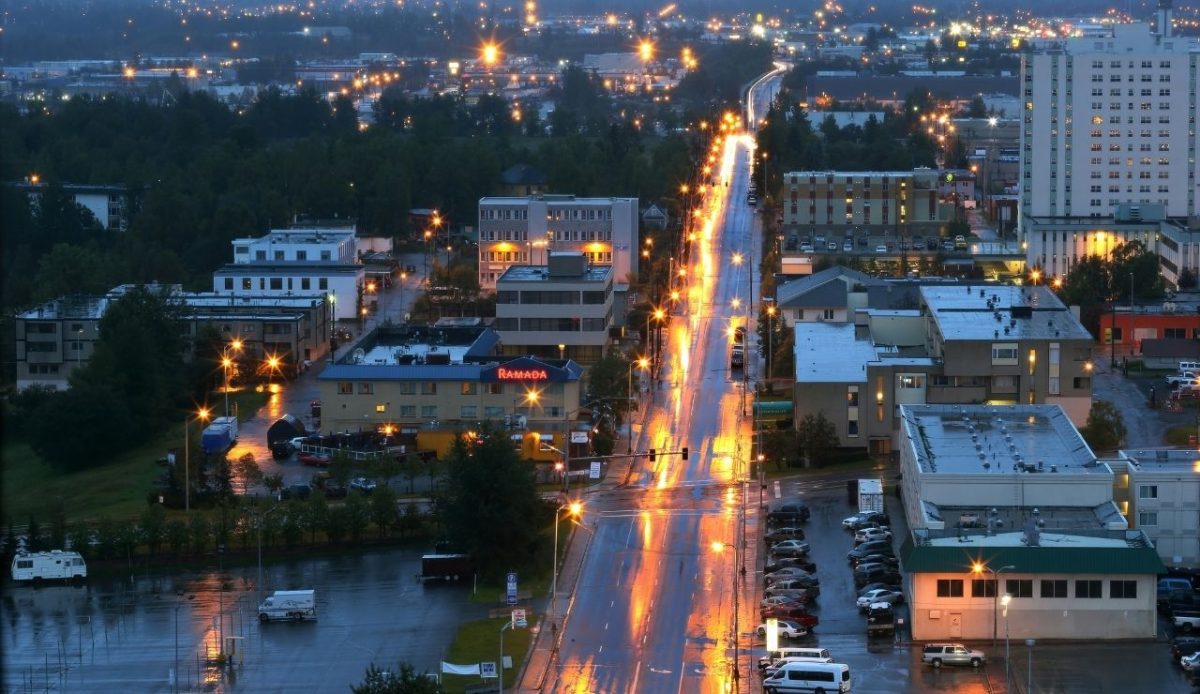
The 1964 earthquake shifted land and damaged roads, ports, and neighborhoods. Anchorage was rebuilt with stronger structures and better safety rules. Visitors explore Earthquake Park, coastal trails, and Native heritage centers that share local history. Wildlife cruises, scenic train rides, and glacier tours begin near the city, giving travelers easy access to the outdoors and culture. Restaurants, markets, and calm neighborhoods welcome guests who want a mix of adventure and comfort. Anchorage stands steady as a starting point for Alaska journeys.
11. Mount St. Helens, Washington
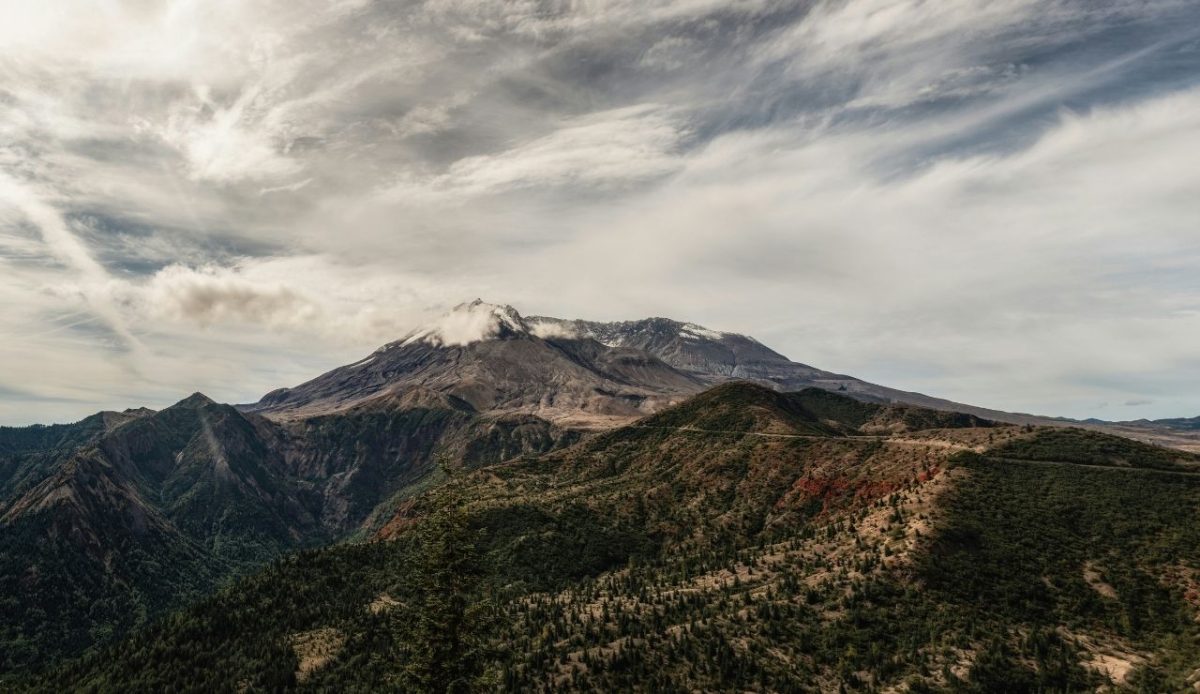
The 1980 eruption destroyed forests and filled rivers with ash. Scientists and crews rebuilt access roads, installed safety systems, and designed learning centers so guests could understand the event. Now, travelers enjoy lookout points, lakes formed after the blast, and hikes through young forests. Visitor centers share the volcano’s story and help guests plan trails suited to their ability. Families enjoy picnic spots and ranger talks while admiring views of the crater and new growth. This area teaches how nature and community work through dramatic change.
12. Lake Charles, Louisiana
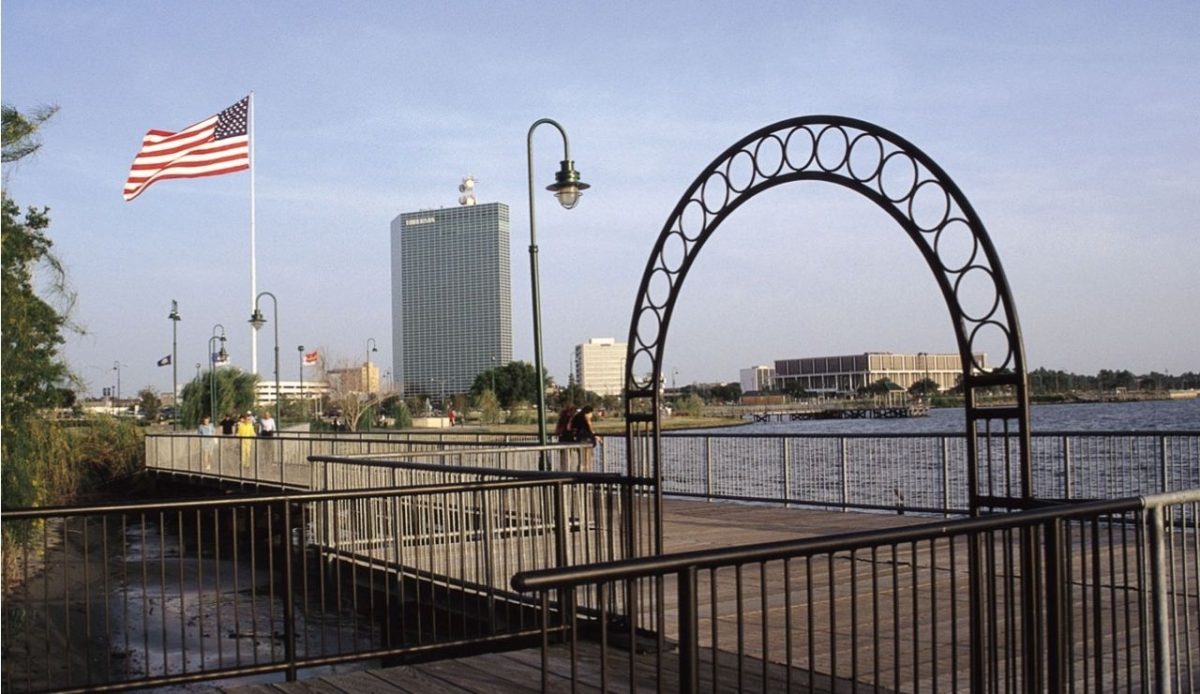
Hurricanes Laura and Delta in 2020 damaged homes, hotels, and lakefront spaces. Recovery teams restored buildings, cleaned waterways, and supported local restaurants reopening with upgraded kitchens. Travelers enjoy lakefront parks, casino resorts, and Cajun food tours. Festivals, live music, and friendly shops help visitors feel at home. Kayak trips, fishing tours, and wildlife viewing give outdoor fun across marshes and calm lakes. Lake Charles continues to welcome travelers with warm service and inviting scenery.
13. Maui, Hawaiʻi
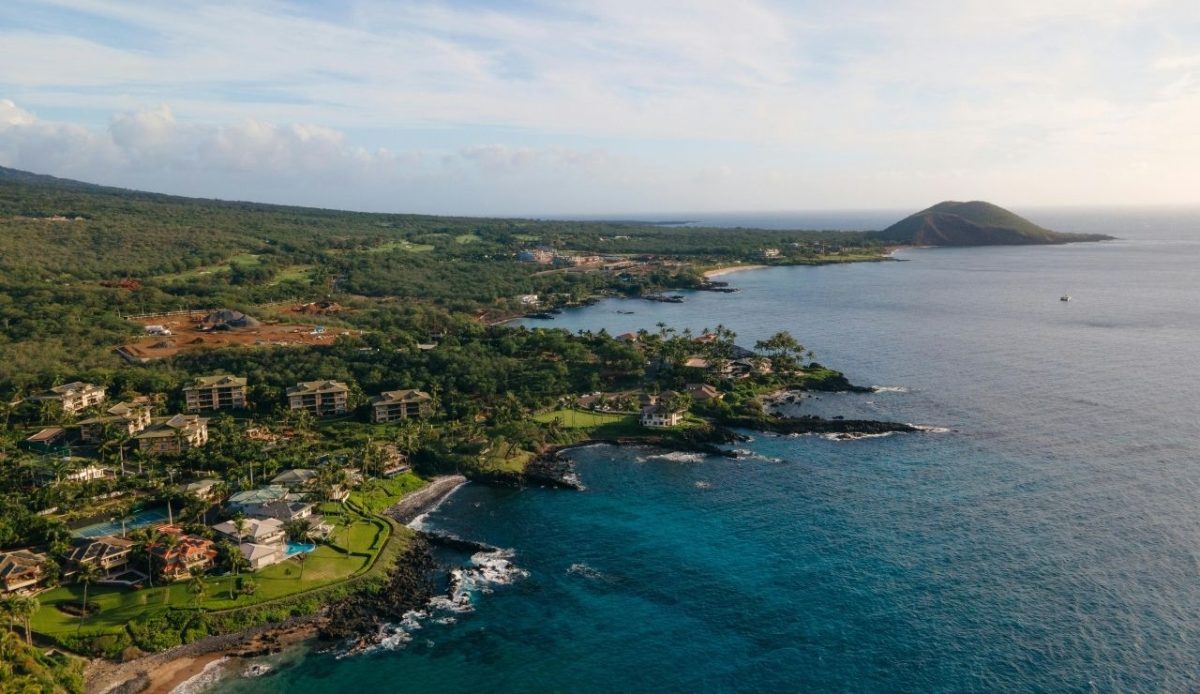
Wildfires in 2023 hurt West Maui communities and required careful planning to support residents. Island leaders restored access in phases, improved road safety, and guided visitors on respectful travel. Open areas offer sunset beaches, snorkeling, and cultural tours where local guides share island traditions. Families stay in peaceful resorts that highlight Hawaiian cooking and nature. Community groups encourage kindness and patience as rebuilding continues. Maui remains a calm place for ocean time, history learning, and thoughtful travel.
14. Charleston, South Carolina
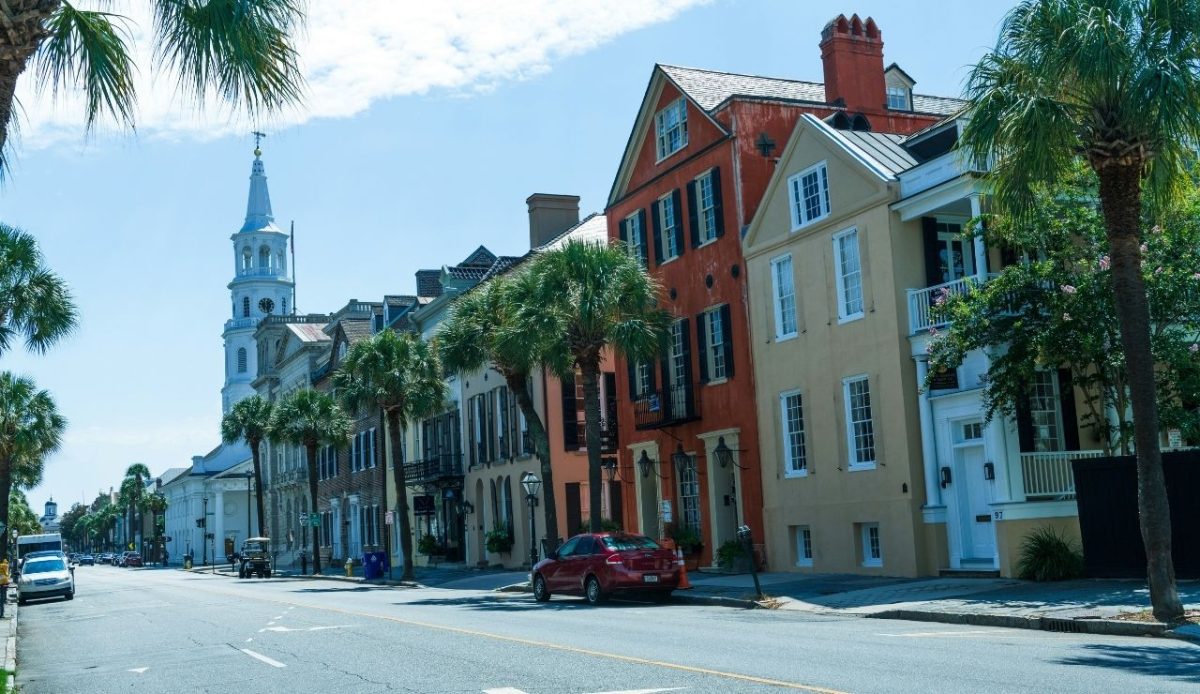
Hurricane Hugo in 1989 damaged downtown streets, historic homes, and waterfront areas. Crews repaired buildings, strengthened flood defenses, and protected Charleston’s character. Travelers now enjoy cobblestone lanes, harbor views, and colorful historic homes. Gardens, markets, and coastal tours highlight charm and history. Visitors explore museums, eat at local cafes, and relax under oak trees. The city blends quiet neighborhoods with lively food spots, offering a welcoming coastal trip rooted in care and culture.
15. Key West, Florida
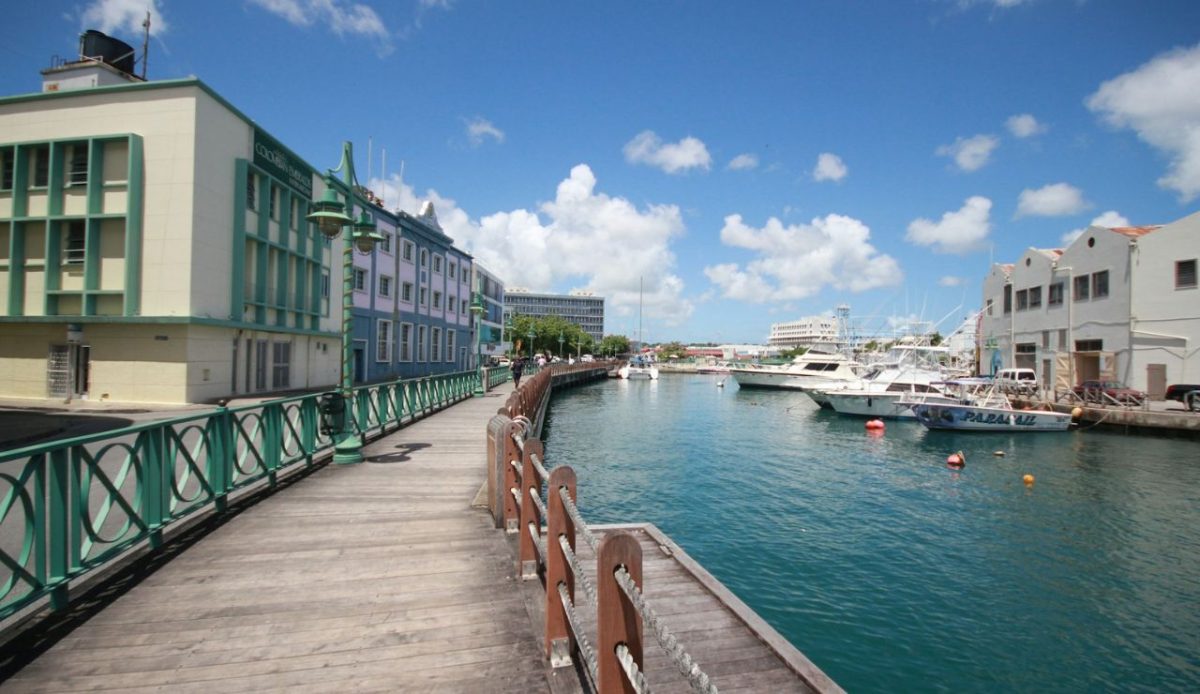
Hurricane Irma in 2017 damaged marinas, homes, and hotels across the Keys. Workers cleaned streets fast, repaired docks, and supported restaurants opening again. Travelers now enjoy sunset gatherings, snorkeling, and scenic boat trips. Duval Street cafes, oceanfront bars, and small museums offer relaxed island fun. Restored beaches and updated lodging give guests comfort and easy access to clear water. Key West maintains its laid-back mood and colorful style while honoring local history and community support.
