
Many U.S. cities developed parallel systems that operated quietly beside official institutions. These underground structures included vice districts, bootlegging routes, coerced labor networks, and political protection arrangements that shaped daily life without public visibility. Some emerged from physical rebuilding projects that buried earlier streets, while others relied on financial secrecy and selective enforcement. Court records, ordinances, engineering plans, and investigative reporting document how these systems redirected money, power, and opportunity, leaving lasting effects on urban growth, policing practices, housing access, and public trust.
1. Seattle, Washington
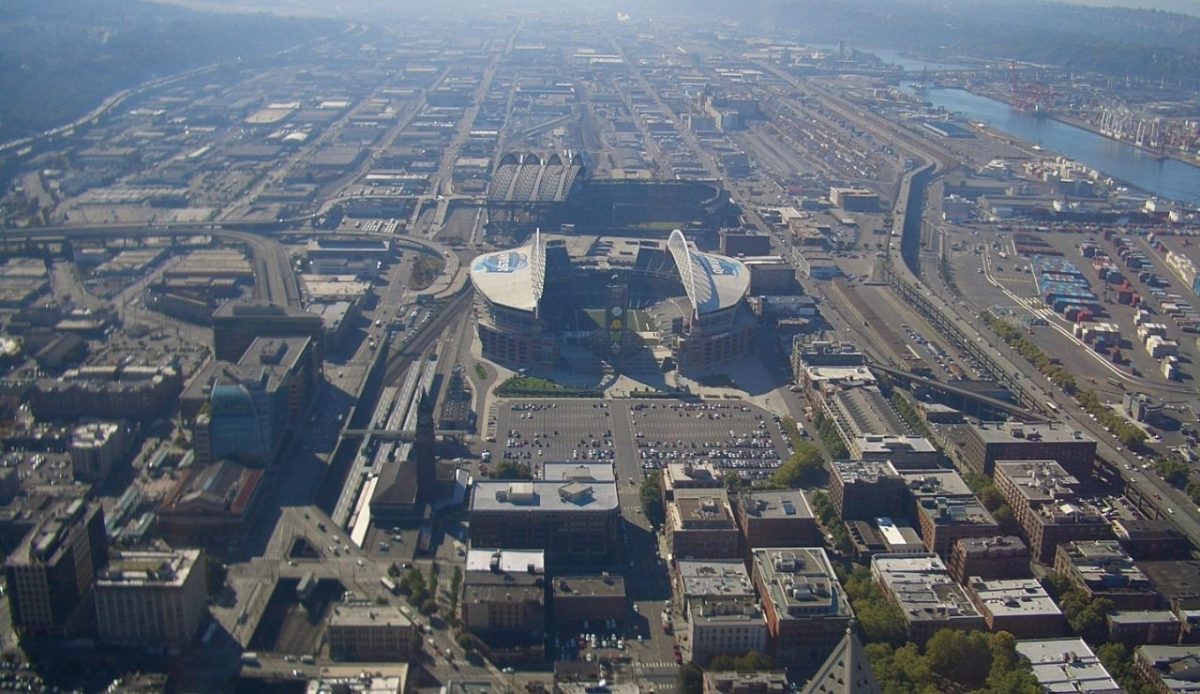
After the 1889 fire, Seattle rebuilt by raising street grades to address flooding and sewage. During the transition, many ground-floor entrances remained in use while sidewalks and roads climbed above them, creating a sealed layer of former storefronts, alleys, and stairwells below today’s streets. Tour operations highlight the physical spaces, but city engineering files explain why they exist and how utilities were rerouted. The buried level also changed fire codes, drainage planning, and where commerce clustered in the renewed downtown. Property records show readdressed parcels, leaving confusing doorways and idle basements for years.
2. Portland, Oregon
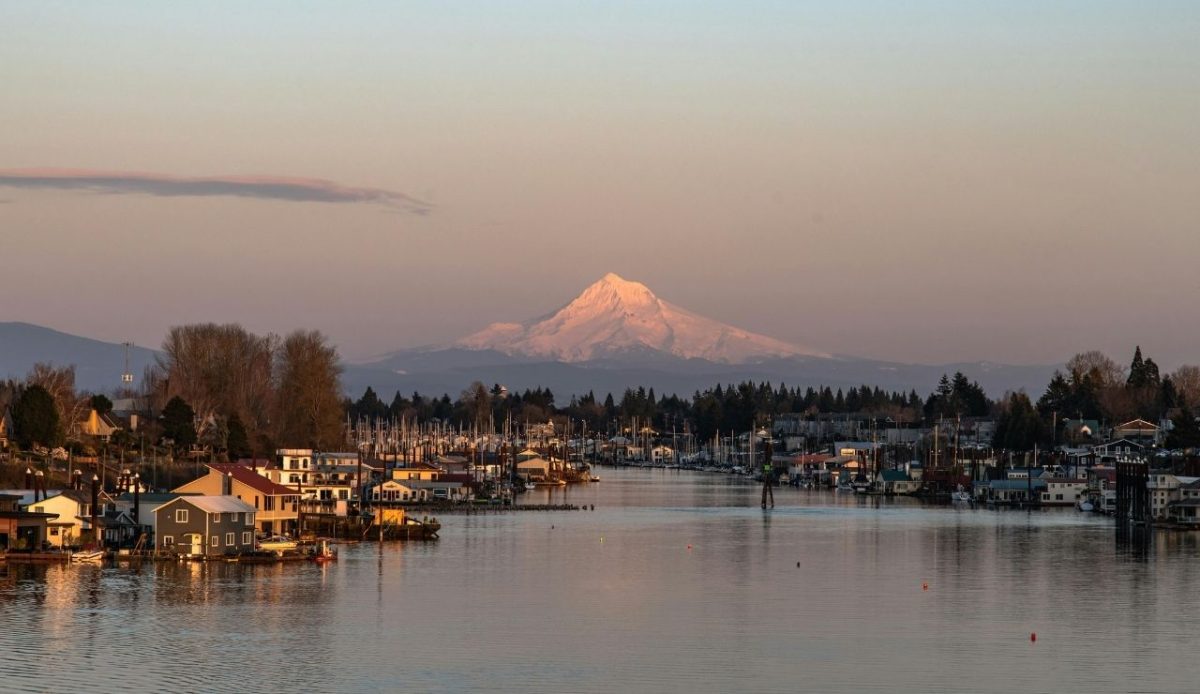
Portland’s waterfront district fed a dark labor market tied to ships and saloons in the late 1800s. Men arriving as sailors or seasonal workers were sometimes drugged, held in basements, and delivered to captains who needed crew. The popular “Shanghai tunnel” label can blur facts, yet court cases, port records, and newspaper investigations describe coercion centered near the docks. Because shipping money mattered to local businesses, enforcement was uneven, and witnesses faced pressure. Later reforms targeted boarding houses, employment agents, and policing practices around the harbor blocks for years.
3. New Orleans, Louisiana
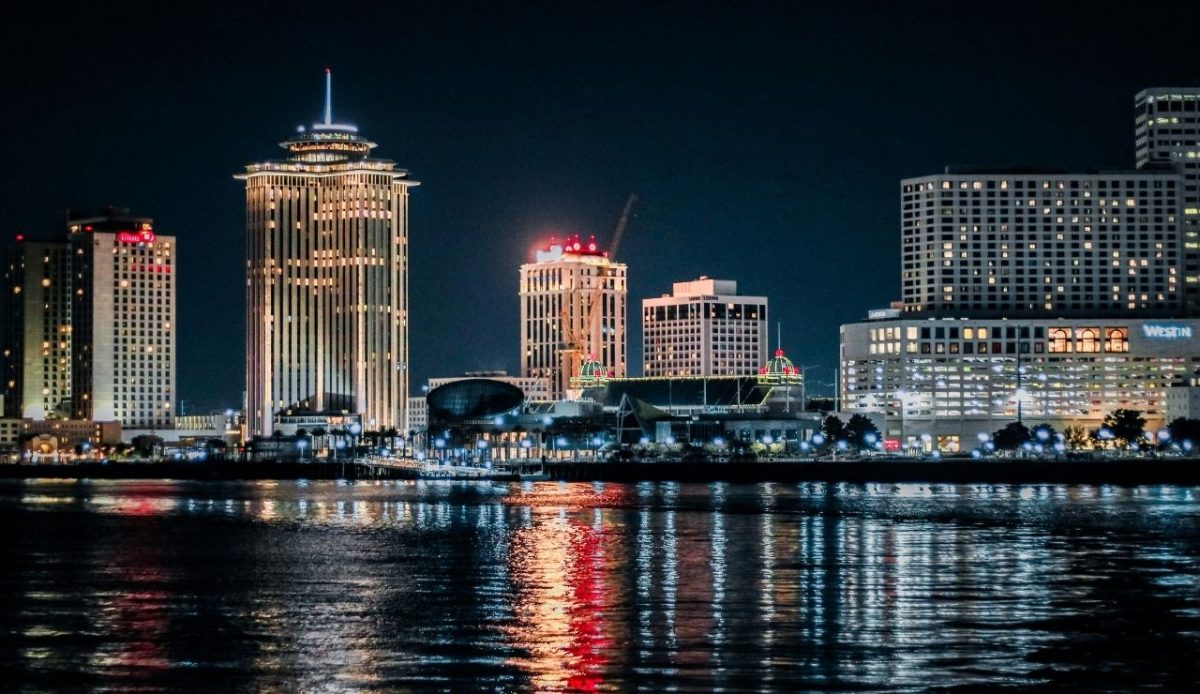
New Orleans turned vice into policy through Storyville, an officially designated prostitution district active from 1897 to 1917. City ordinances mapped boundaries and allowed brothels to operate under rules that included fees, inspections, and record keeping. That framework did not remove exploitation; it concentrated it and encouraged bribery, selective enforcement, and medical control aimed at women. When federal pressure helped end the district, the trade dispersed into less visible networks tied to bars, rooming houses, and street intermediaries. The episode still influences debates about policing, public narratives, and stigma.
4. San Francisco, California
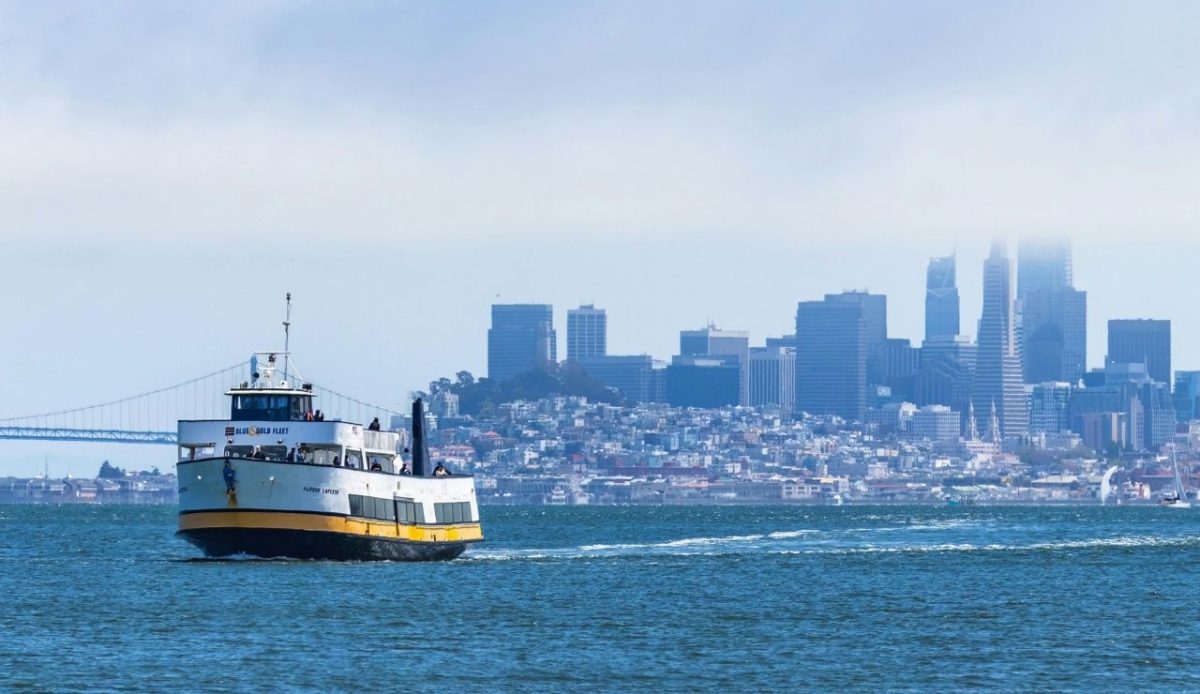
San Francisco’s Barbary Coast became a vice zone during and after the Gold Rush, with gambling rooms, brothels, and violence concentrated near the waterfront. Operators relied on bribery and political alliances to keep raids predictable and penalties light. Contemporary journalism, court records, and reform-era reports describe repeat cycles of crackdown, payoff, and reopening. The area’s profits fueled saloons, entertainment halls, and labor recruitment linked with docks and shipping. Reform campaigns in the early 1900s targeted police corruption and licensing practices, pushing the trade into new corridors rather than ending demand.
5. New York City, New York
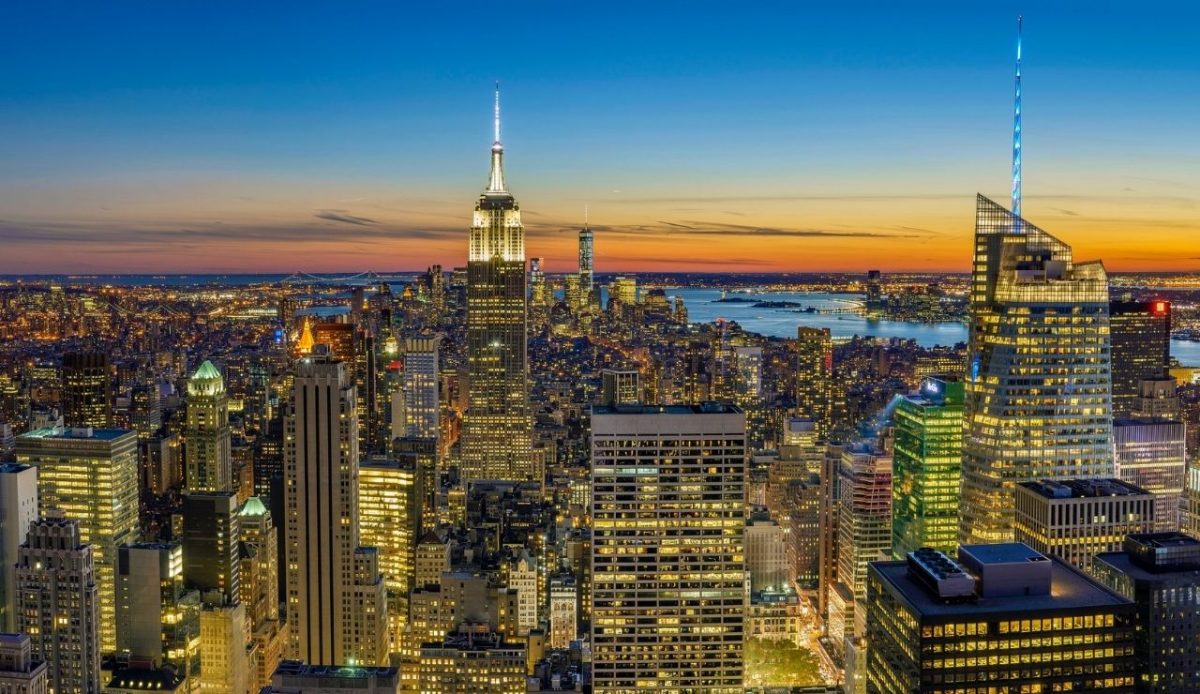
In nineteenth-century Manhattan, Five Points gained notoriety as overcrowded housing, poverty, and gang control collided within a few blocks. Gangs regulated street commerce, protected favored landlords, and pressured voters through intimidation or patronage. Police logs and reform accounts describe recurring violence alongside political deals that blunted enforcement. Immigrant communities were often blamed broadly, yet the documented pattern shows organized groups exploiting weak services and corrupt ties. Later redevelopment erased much of the area, but the episode guided tenement law debates and policing reforms.
6. Chicago, Illinois
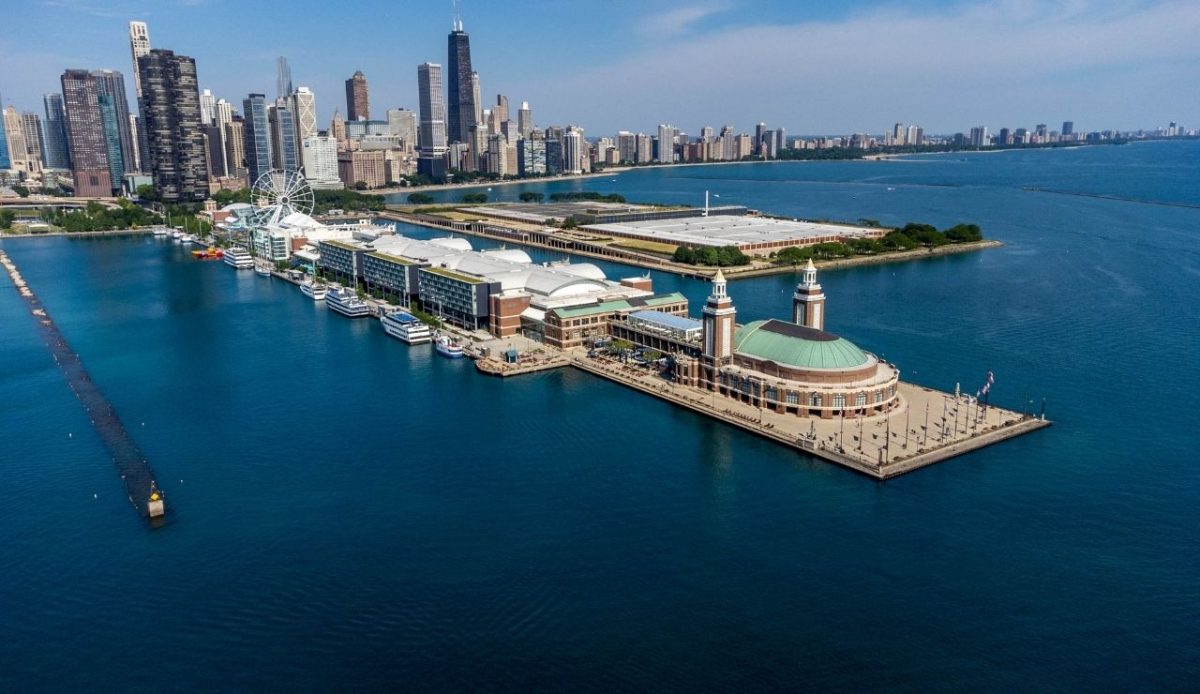
Chicago became a national symbol of organized crime during Prohibition, when illegal alcohol created a high-margin supply chain across neighborhoods. Bootleggers secured breweries, trucks, and speakeasies while paying for protection through bribes and political favors. Rival crews used public violence to defend territory, and investigations later traced finances, courier routes, and gun networks. Federal indictments show how the business model extended into gambling and labor rackets after repeal, adapting to new enforcement pressure. The era changed policing tactics and expectations around corruption, influencing city politics.
7. Las Vegas, Nevada
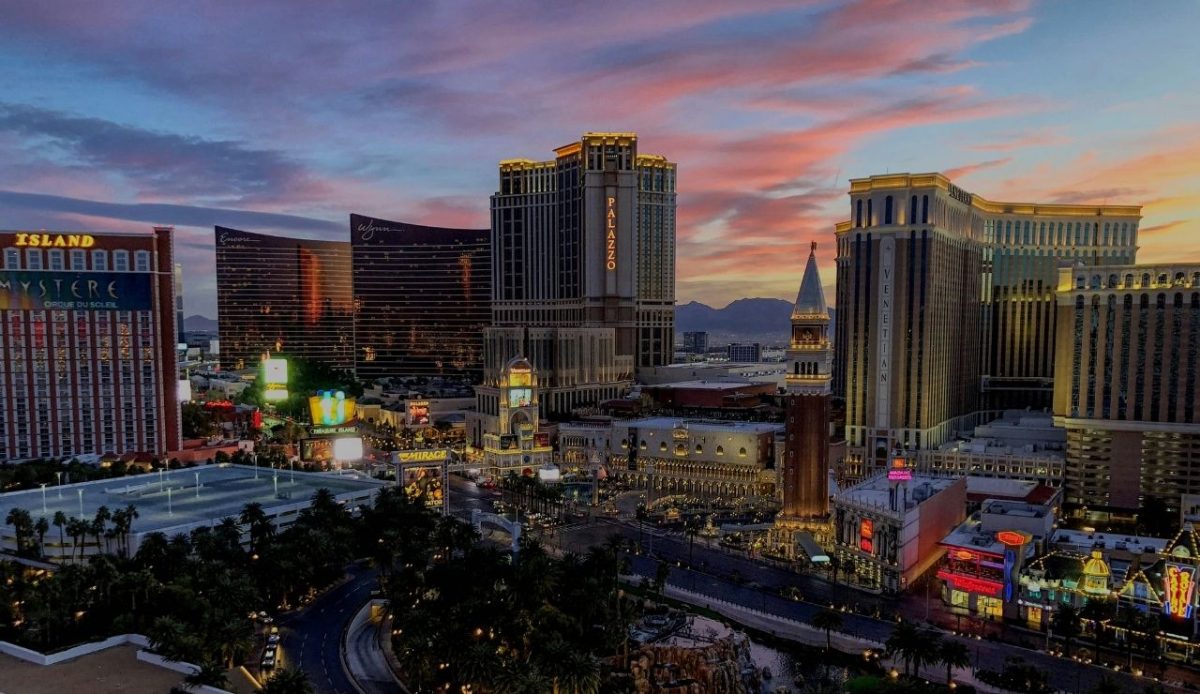
Las Vegas expanded after World War II as casinos multiplied, and some early projects drew money and managers linked to organized crime. Regulatory files and federal prosecutions describe skimming schemes that diverted cash before it reached official ledgers, routing proceeds to outside bosses. Because gaming delivered jobs and tax revenue, strict oversight arrived unevenly and often after a scandal. The underground angle centered on bookkeeping control, loyalty networks, and pressure around unions and contracts. Later corporate ownership tightened compliance, yet the documented record of that period still frames how the city is understood.
8. Kansas City, Missouri
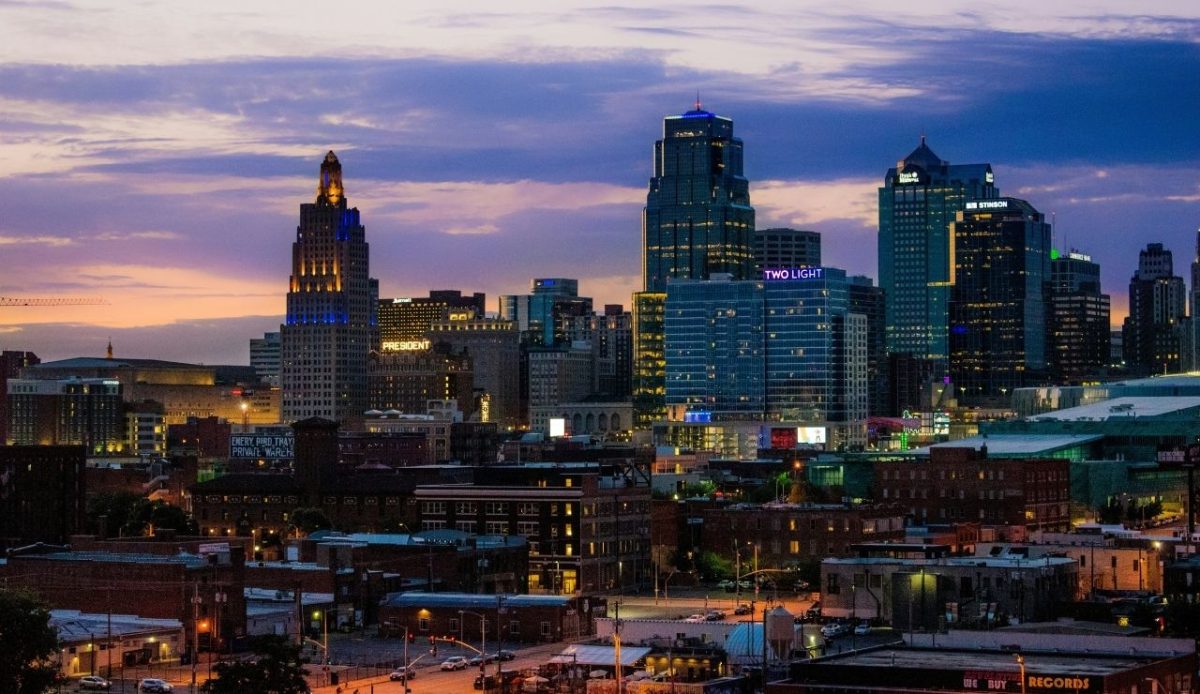
Kansas City’s underground reputation is tied to the Pendergast political machine, which tolerated gambling, alcohol sales, and betting through the 1920s and 1930s. Police enforcement was applied selectively, and competitors without political backing faced raids or license trouble. Investigations and hearings documented payoffs, patronage jobs, and vote control tied to vice revenue. This environment helped nightlife flourish while narrowing civic accountability, shaping how development permits and contracts were distributed. After the machine weakened, effects lingered in policing culture and public skepticism.
9. Detroit, Michigan
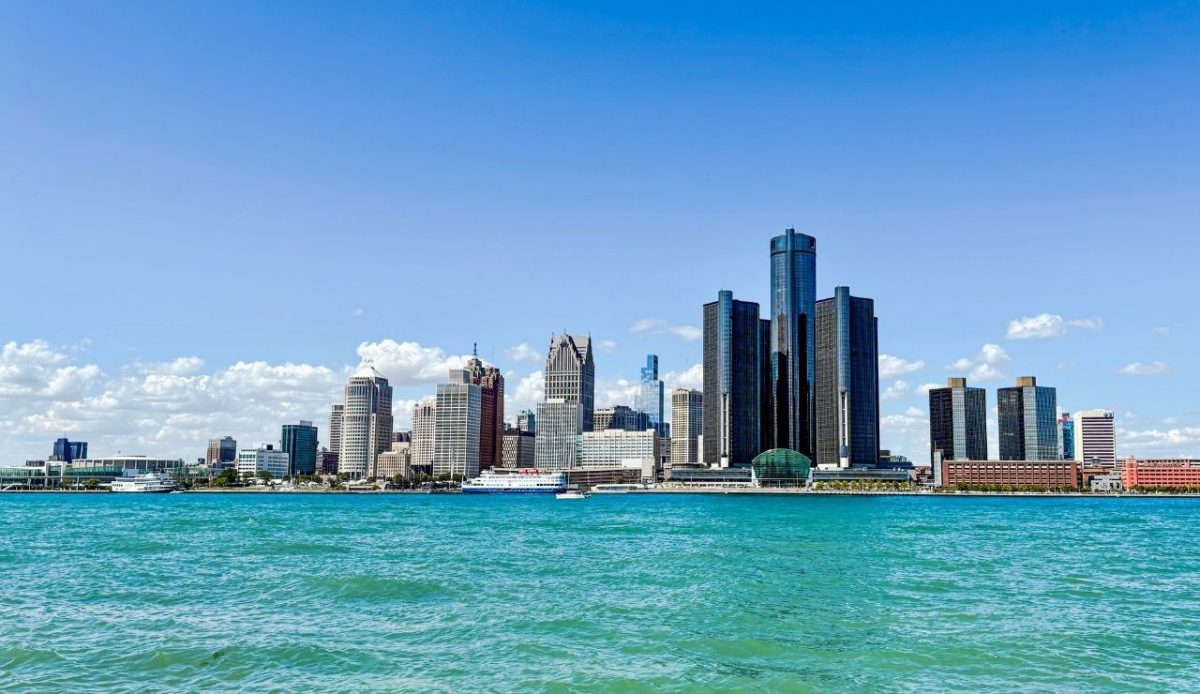
Detroit’s Prohibition-era underworld centers on the Purple Gang, an organization that controlled liquor movement across the city and the river border. Smuggling from Canada supplied distributors, while hijacking and extortion protected routes and punished rivals. Federal files and later testimony describe murders connected to territory disputes and stolen shipments. Trucking depots, warehouses, and rail spurs supported fast logistics, and some legitimate firms intersected with illicit transport. Enforcement shifted activity toward gambling and union rackets that continued well beyond repeal for years.
10. Miami, Florida
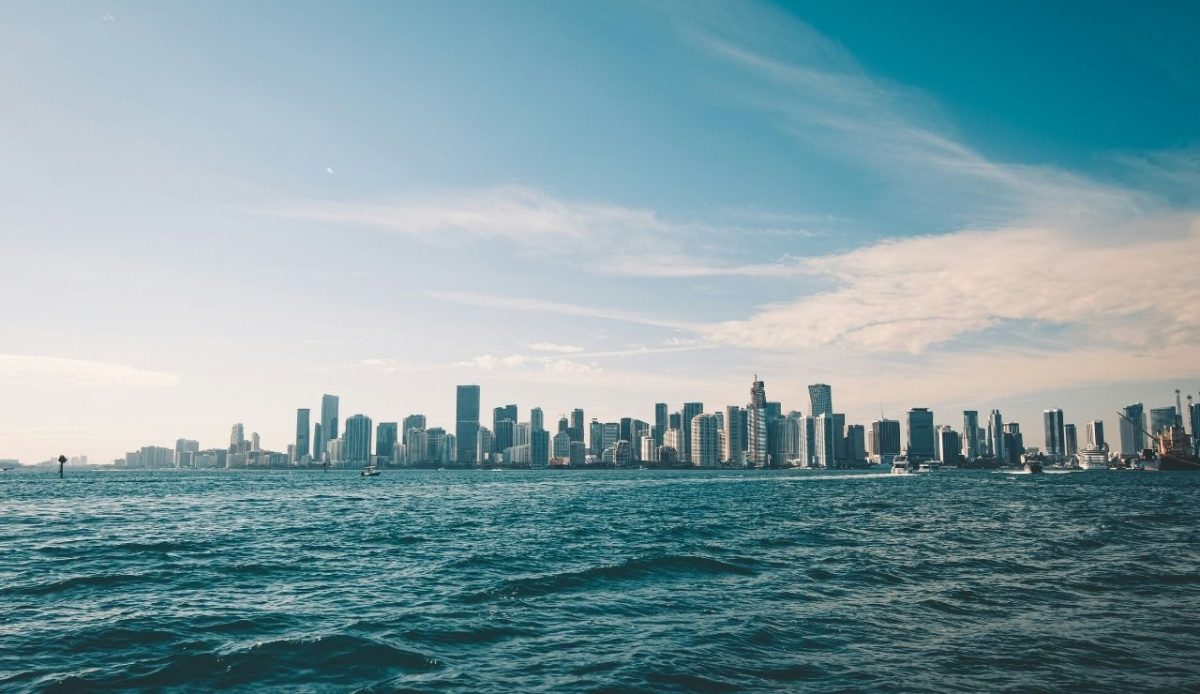
Miami’s underground history surged in the late 1970s and 1980s as cocaine trafficking made the city a gateway for narcotics and cash. Federal cases documented money flows through banks, cash businesses, and real estate deals used to hide ownership and profit. Rival groups fought for routes and distribution control, producing violence spikes that forced new policing and prosecution methods. Asset forfeiture files list planes, boats, and warehouses seized as part of transport networks. The aftermath included stricter financial compliance, altered development patterns, and a public memory anchored in court evidence.
11. Boston, Massachusetts
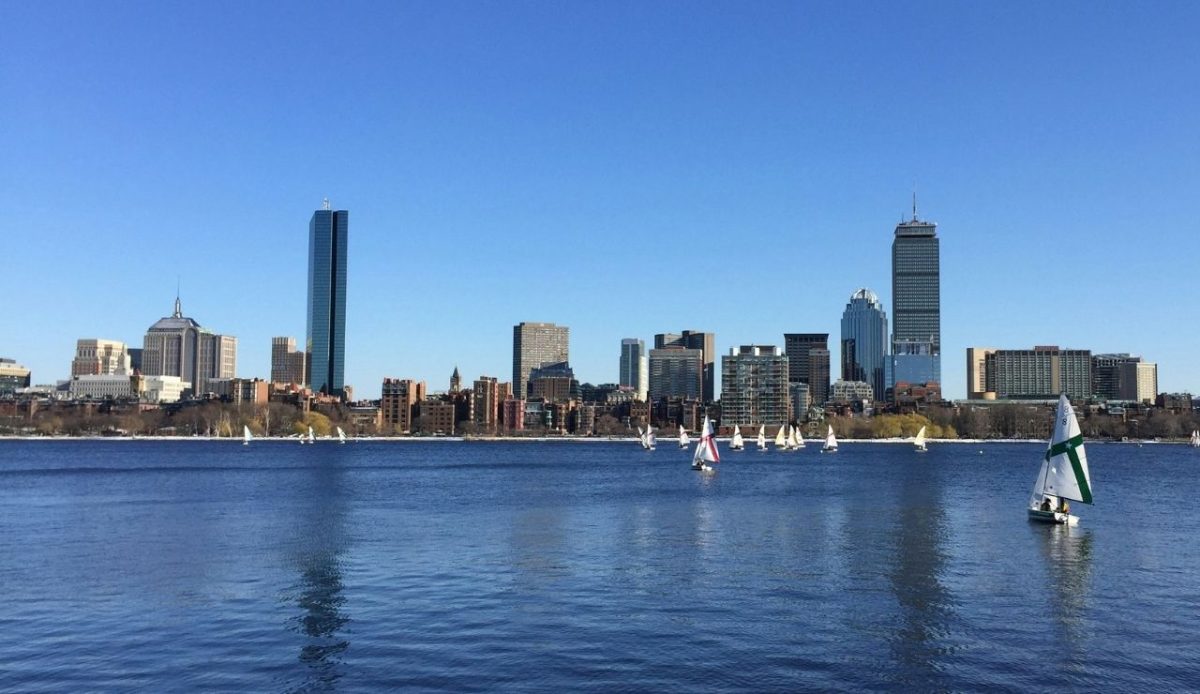
Boston’s underworld history centers on the Winter Hill Gang, which ran extortion, gambling, and loan rackets for many years. A key factor was how informant handling and corruption affected enforcement, sometimes shielding major figures while punishing competitors. Congressional inquiries and court records later detailed those failures and the damage they caused. The fallout reached labor disputes and construction contracting, where intimidation and favors shaped who could work or bid. Reforms improved oversight, yet the documented episode remains central to understanding hidden power in the region.
12. Philadelphia, Pennsylvania
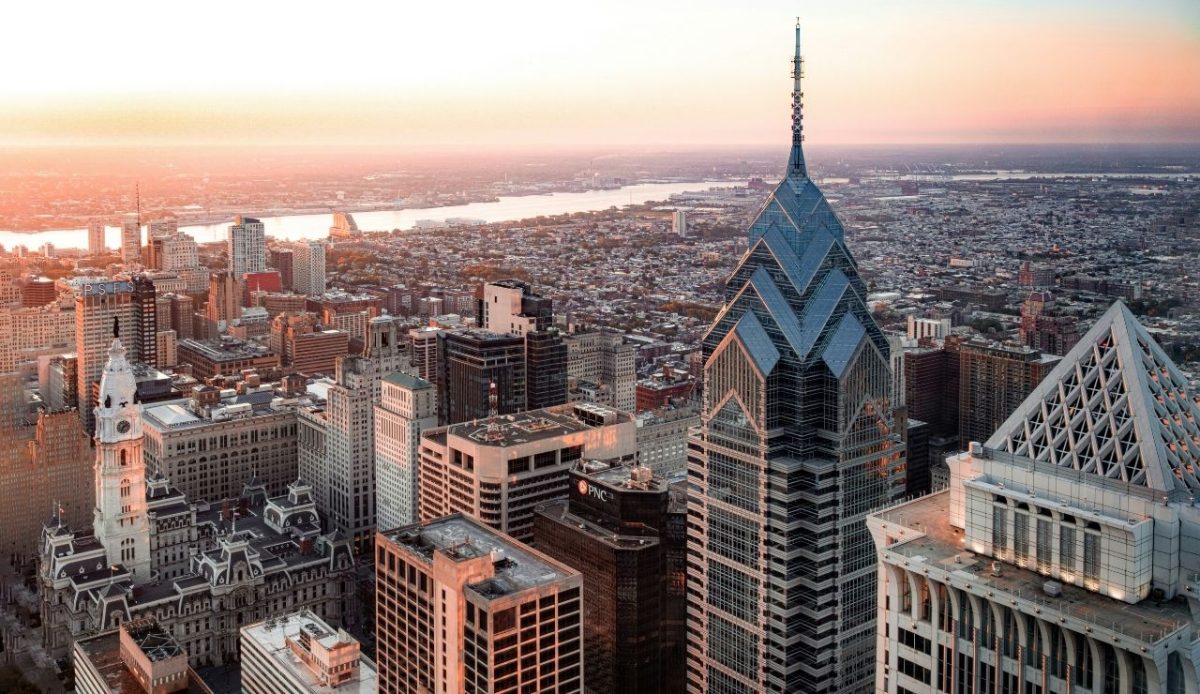
Philadelphia’s underground history includes a durable organized crime structure tied to gambling, bookmaking, extortion, and later narcotics. Federal prosecutions and wiretaps documented leadership disputes that turned into shootings and assassinations linked to succession fights. Political ties and neighborhood influence complicated enforcement, since witnesses faced retaliation and cooperation was hard to sustain. The organization also pressured unions and businesses, securing income streams beyond street-level crime. Years of trials and reporting produced a record that helps separate verified events from rumor.
13. Baltimore, Maryland
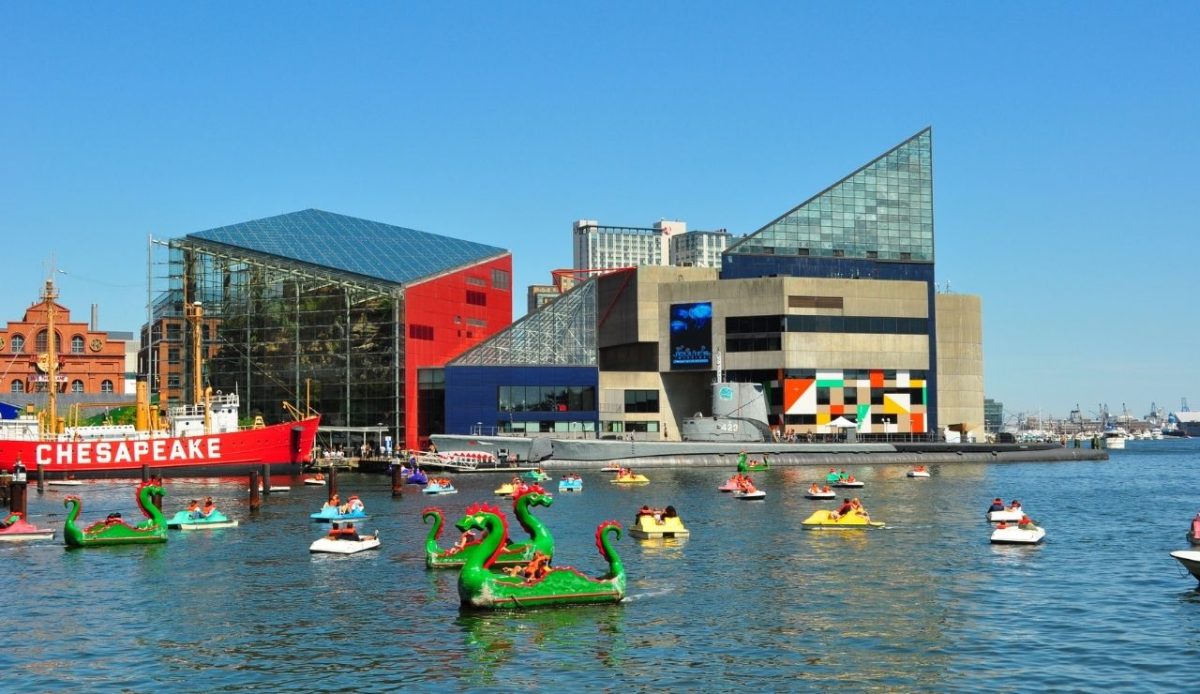
Baltimore’s port economy supported an underground world built around theft, smuggling, and racketeering tied to docks and warehouses. Crews exploited cargo handling, using bribery and intimidation to control job access and to shield stolen goods moving through the harbor. Labor complaints, shipping records, and police investigations describe recurring schemes linked to particular terminals and routes. Because the port employed many residents, crackdowns often raised fears of disruption and political fallout. Security reforms improved controls, but underground markets adapted by shifting targets and partners.
14. St. Louis, Missouri
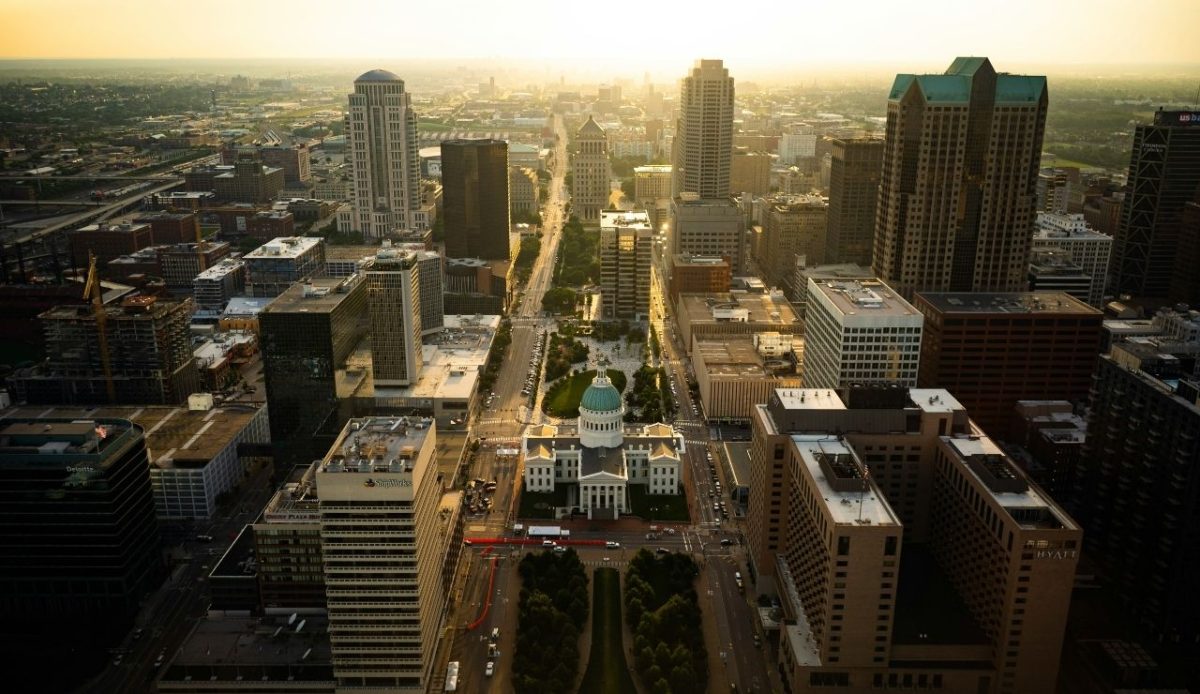
St. Louis became a Prohibition distribution point because rail links and river traffic made alcohol movement efficient and hard to monitor. Gangs fought for supply and retail outlets, using violence while keeping protection through payoffs and political contacts. Federal prosecutions outlined hierarchical groups that taxed smaller operators and punished defection. Disputes often centered on transport hubs, warehouses, and saloons rather than a single vice district. After repeal, activity shifted toward gambling and bookmaking, yet Prohibition cases still anchor the city’s underworld record today.
15. Los Angeles, California
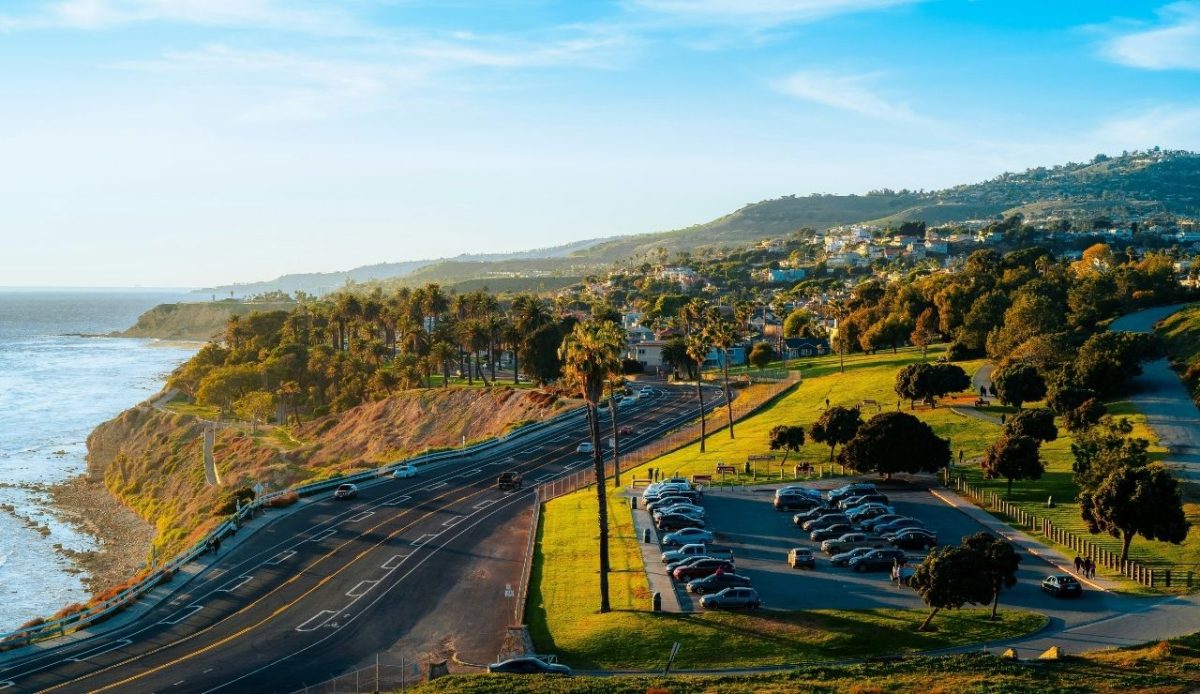
Los Angeles saw a wide underground economy during Prohibition, including hidden distilleries, backroom gambling, and smuggling that used distance as cover. Policing was split across agencies, so operators could move venues fast and keep customers coming with limited risk. Police archives and property files record raids on speakeasies and betting rooms, plus corruption cases tied to protection payments. Because growth was spread across many districts, illicit supply chains relied on cars, warehouses, and trusted intermediaries. The record explains why the city’s crime imagery is linked to governance gaps as much as to gang violence.
