
Many people know the most famous UNESCO World Heritage Sites, but many others rarely get the same attention. These places still hold history, culture, and natural wonders that shaped communities for centuries. Some show how people built cities in tough environments, while others protect rare plants, animals, or ancient traditions. They may not draw the same crowds as the most popular sites, yet their importance is clear. The following sections highlight destinations that deserve more notice for the stories they continue to tell.
1. Asmara: A Modernist African City, Eritrea
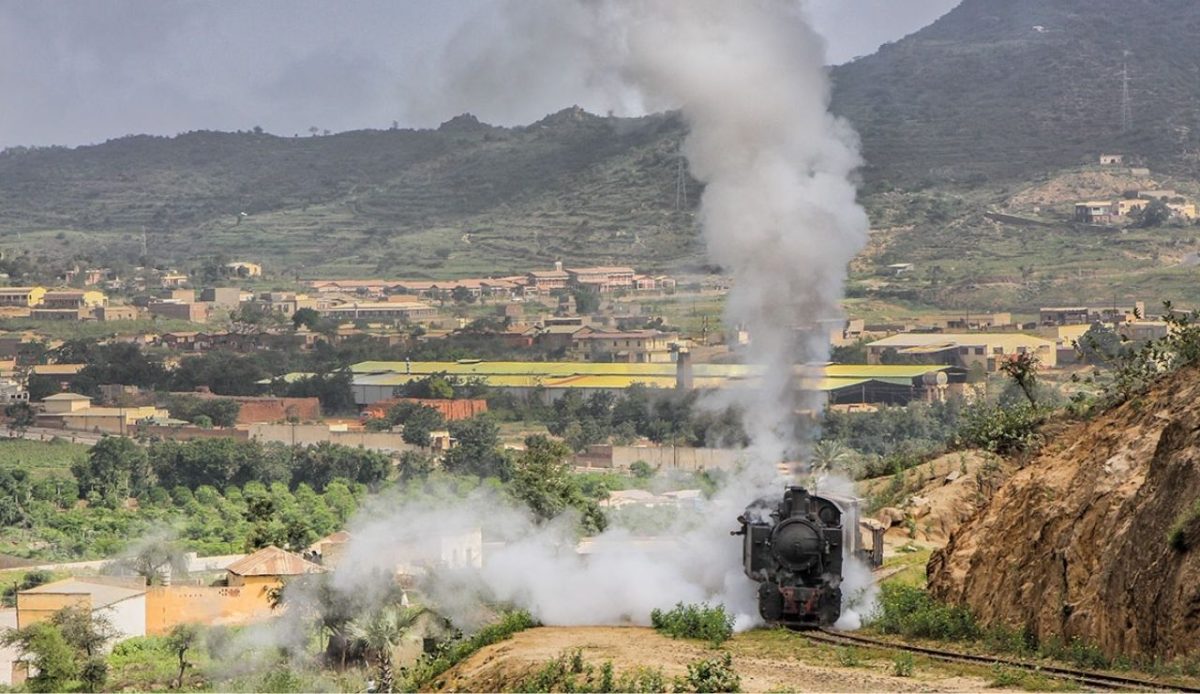
Asmara grew during the 1930s and 1940s when Italian architects tried new designs in Africa. The city features movie theaters, churches, and factories built in modernist styles that remain standing today. Unlike many cities that changed quickly, Asmara kept much of its design, making it one of the best-preserved examples of modernist planning outside Europe. Streets and neighborhoods show how European ideas mixed with African life. UNESCO protects the city as proof of how architecture can shape daily life and remain strong even after decades of political and social change.
2. Andrefana Dry Forests, Madagascar
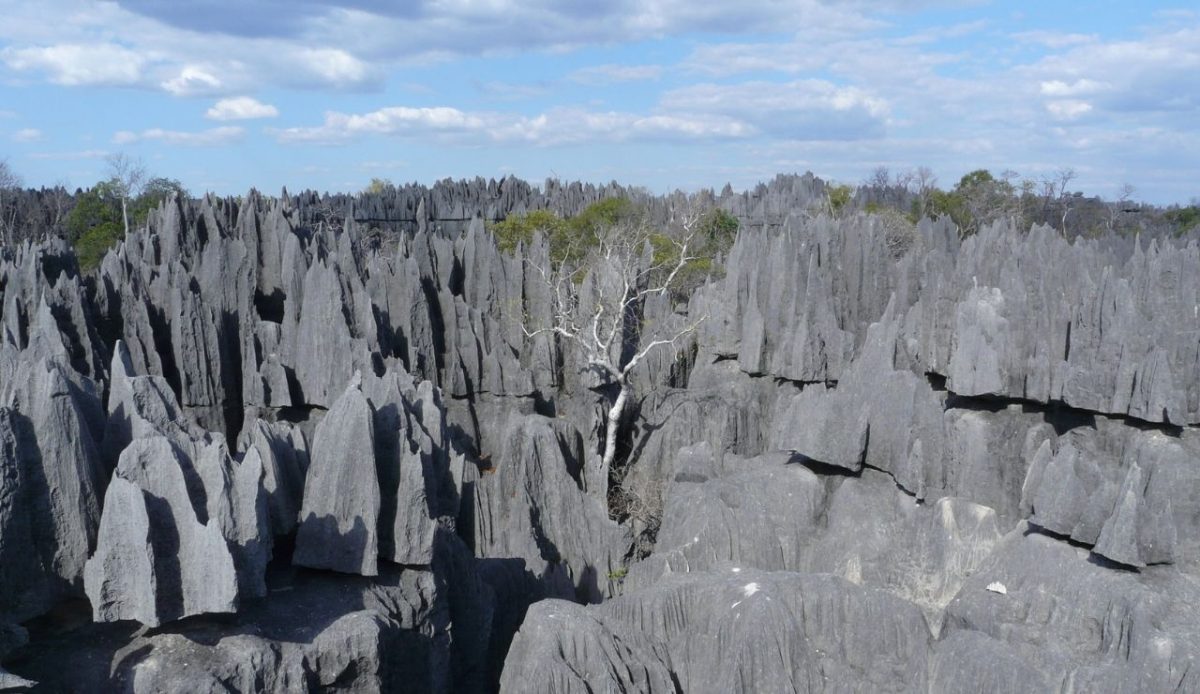
The Andrefana Dry Forests in western Madagascar protect limestone towers, caves, and wildlife found nowhere else. Lemurs, rare birds, and reptiles survive in this fragile ecosystem, along with plants adapted to dry conditions. The sharp stone spires, called tsingy, create a maze that also holds ancient burial sites. Local traditions remain linked to these forests, showing how people and nature depend on each other. Threats from farming and cutting trees make conservation difficult, but UNESCO status helps protect both the environment and the cultural history tied to this rare landscape.
3. Wadi Al-Hitan (Whale Valley), Egypt
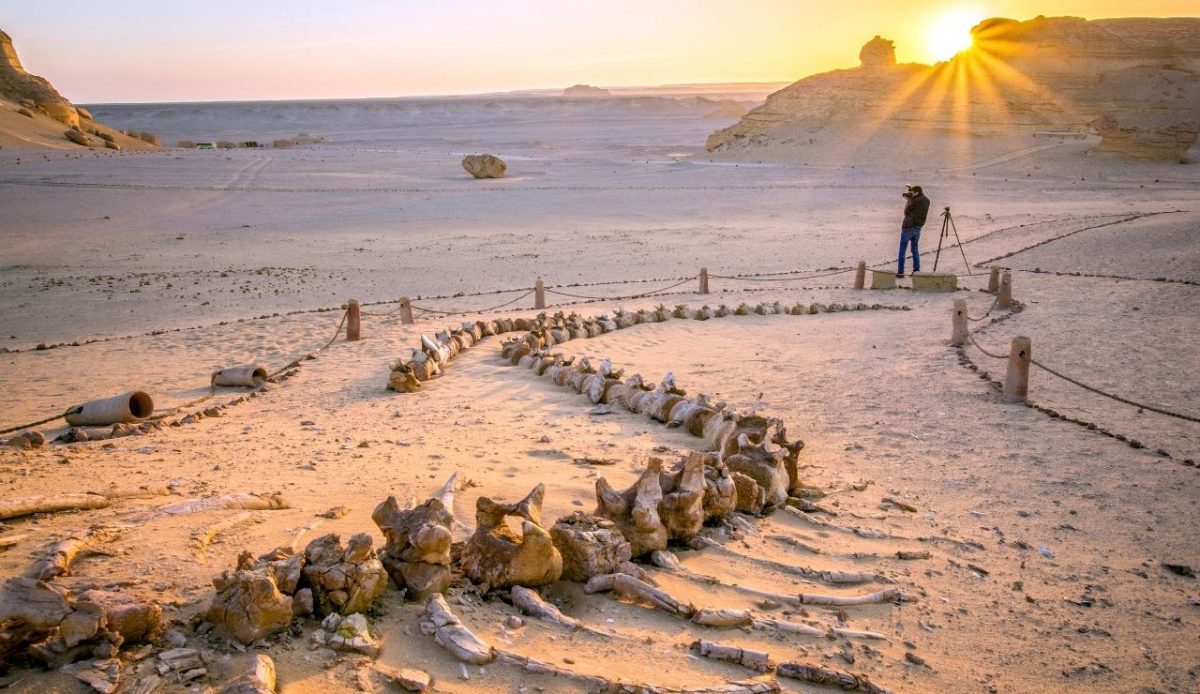
Wadi Al-Hitan is one of the most important fossil sites in the world. It shows how whales changed from land animals into marine mammals millions of years ago. Large skeletons still have small legs along with flippers, offering a clear view of evolution. The desert setting kept these fossils well preserved, making them easy for scientists and visitors to study. The valley has become a natural classroom where the past is visible on the surface. UNESCO recognition ensures the site stays protected for future research and education.
4. Ancient Ksour of Ouadane, Chinguetti, Tichitt and Oualata, Mauritania
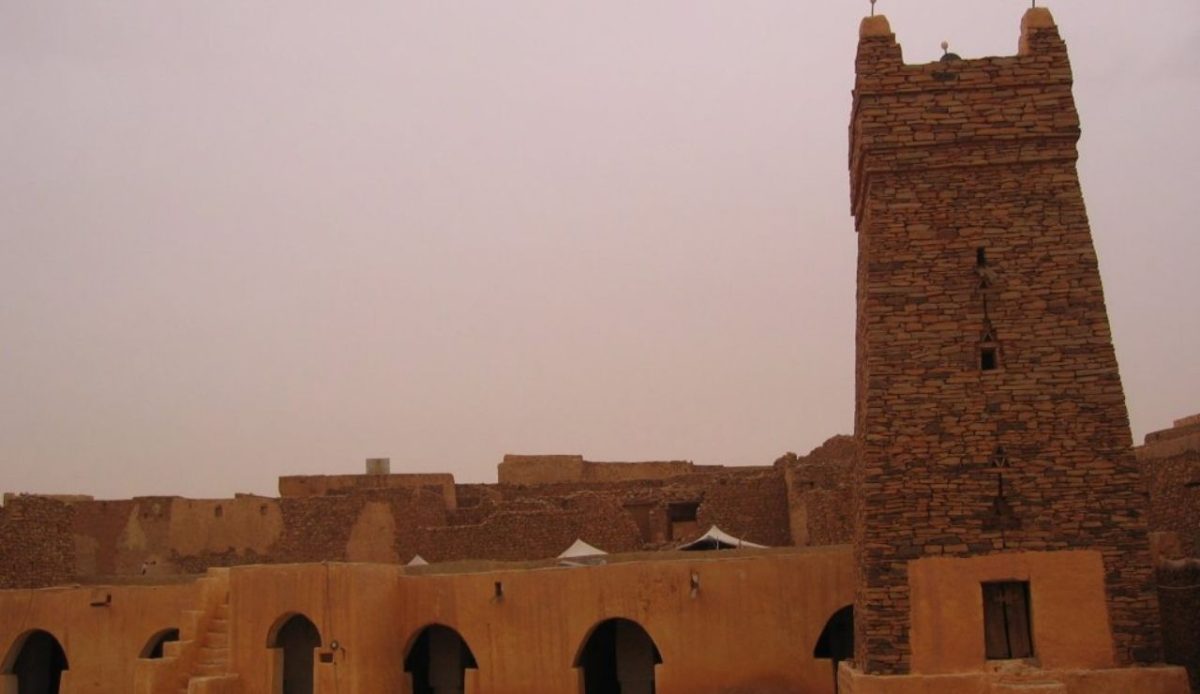
The desert towns of Ouadane, Chinguetti, Tichitt, and Oualata were once busy centers along trade routes crossing the Sahara. Built between the 11th and 16th centuries, they include stone houses, mosques, and libraries where scholars and merchants gathered. The towns show how people survived and thrived in harsh desert conditions while spreading ideas and religion. Many buildings have fallen into ruin, but the towns still represent the mix of culture and commerce that once defined the Sahara. UNESCO protection keeps their history from being lost to time.
5. Island of Mozambique, Mozambique
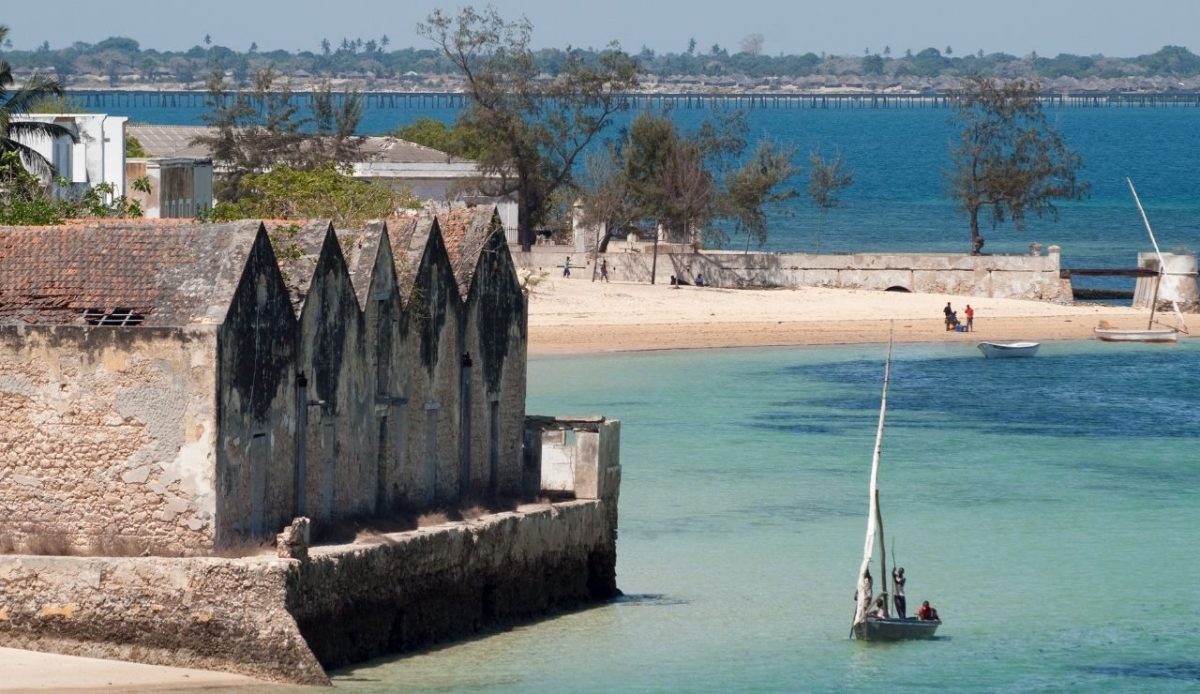
The Island of Mozambique was once the capital of Portuguese East Africa and a major stop for Indian Ocean trade. Its stone town combines African, European, and Asian influences through forts, churches, and houses. For centuries, ships passed through its harbor, carrying goods and traditions between continents. The island became a bridge where cultures met and exchanged ideas. Today, its old buildings and active communities keep that history alive. UNESCO recognition ensures the island’s role in global trade and culture will not be forgotten.
6. Osun-Osogbo Sacred Grove, Nigeria
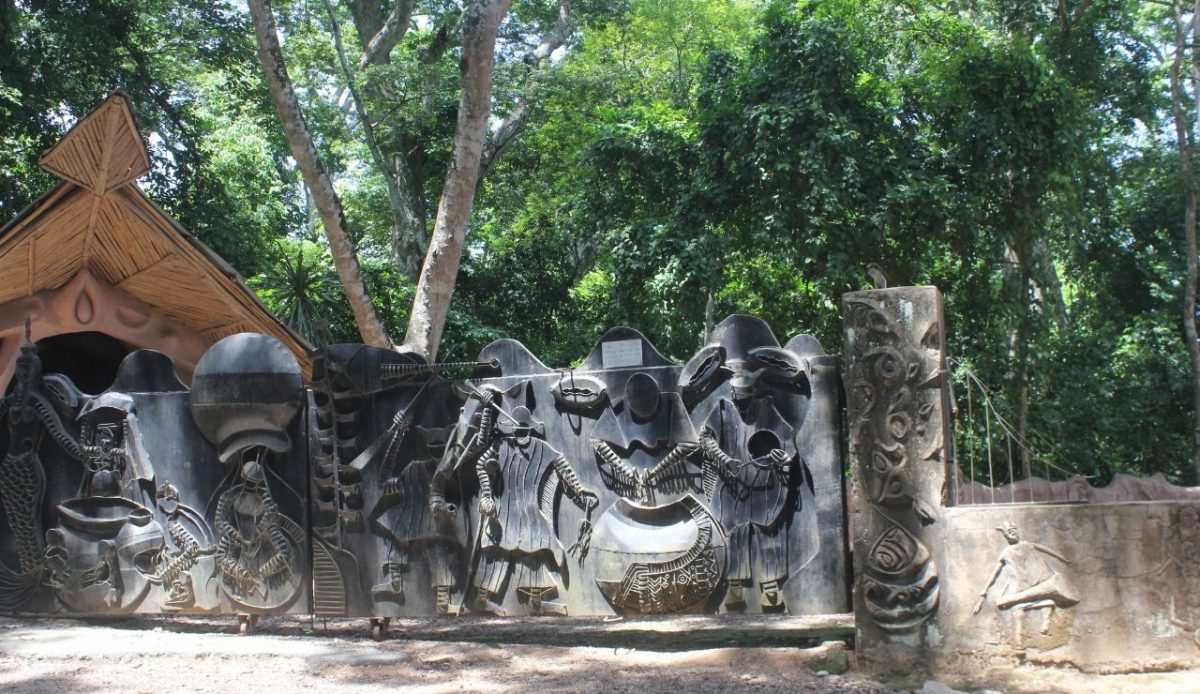
The Osun-Osogbo Sacred Grove is one of the last sacred forests of the Yoruba people. It sits along the Osun River and holds shrines, sculptures, and temples dedicated to Osun, the goddess of fertility. Priests, artists, and worshippers shaped the grove into a place where faith and nature meet. Every year, festivals bring people together to honor these traditions. Unlike many sacred forests that disappeared with modern growth, this one survived. UNESCO status protects the grove as both a living religious site and a cultural treasure that links traditions with present practice.
7. Socotra Archipelago, Yemen
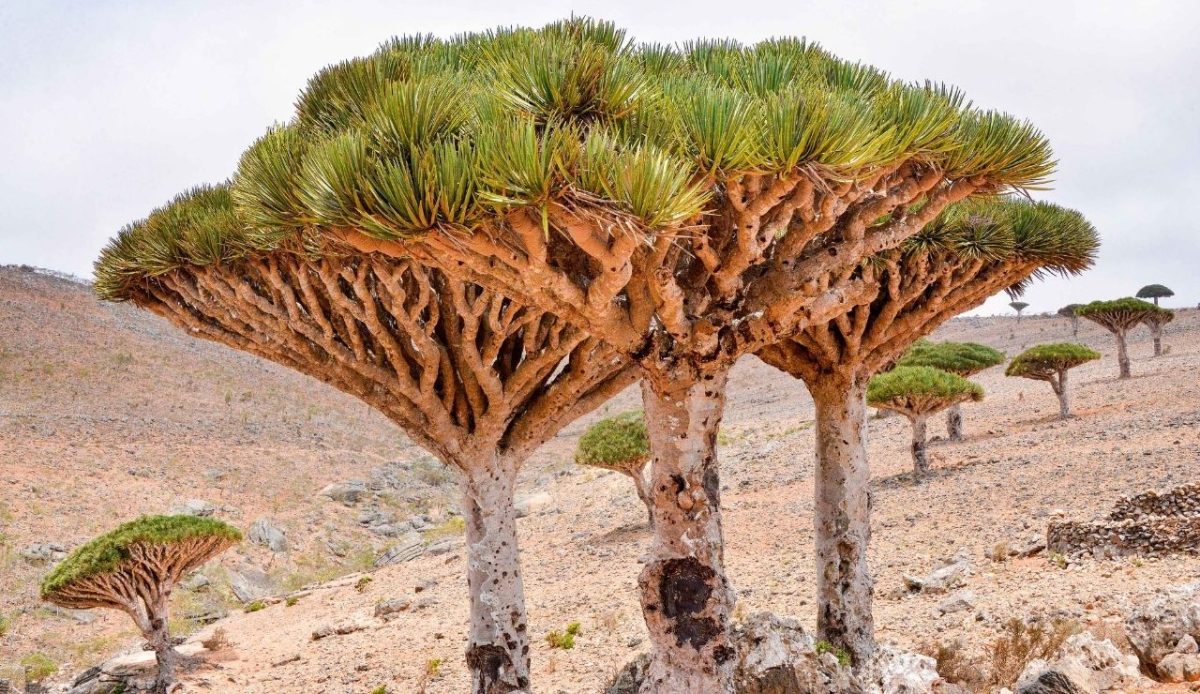
The Socotra Archipelago is famous for its plants and animals found nowhere else. The dragon blood tree, shaped like an umbrella, is the most well-known example, but the islands also shelter rare birds, reptiles, and sea life. People living there created customs that match the environment, showing how humans can adapt to isolation. Climate change and political unrest now threaten this balance. UNESCO recognition helps protect Socotra as both a center of biodiversity and a place where human culture developed in step with nature. The islands remain one of the world’s most unique natural landscapes.
8. Old Walled City of Shibam, Yemen
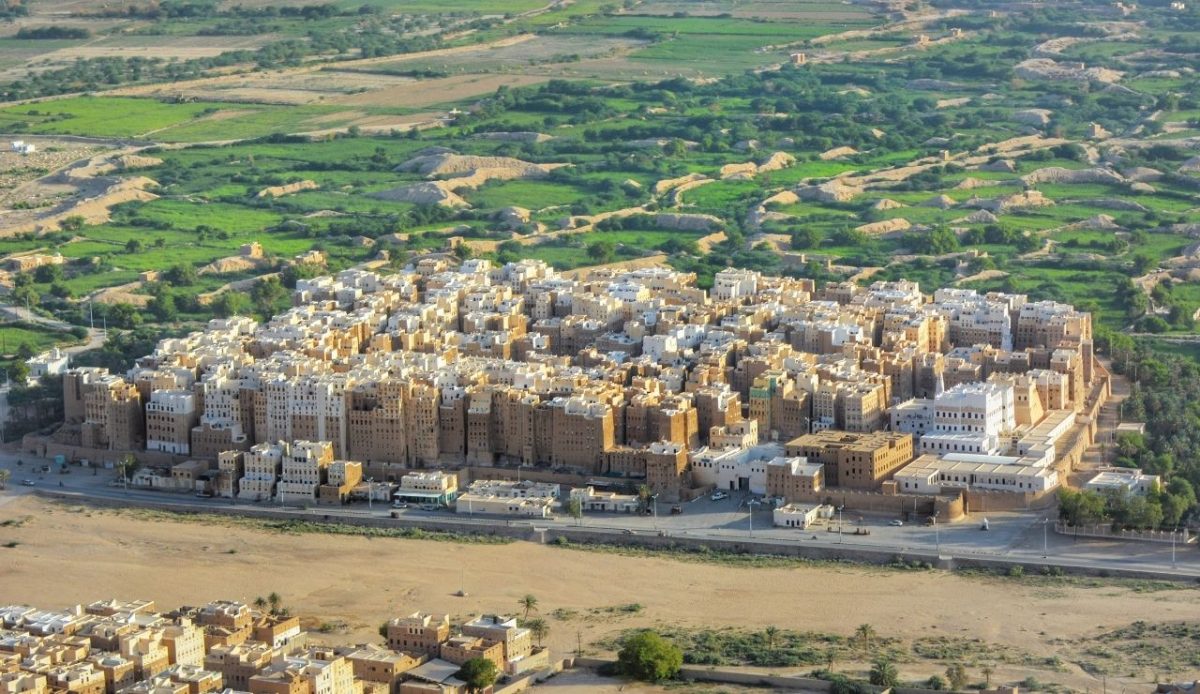
Shibam is called the “Manhattan of the Desert” because of its tall mudbrick towers, some reaching 11 stories. Built in the 1500s, the city shows one of the earliest examples of high-rise living. Its walls protected people from raids, while narrow streets kept the town cool in the desert heat. Families still live in many of the houses, continuing practices that have lasted for centuries. The buildings are fragile, yet they remain a clear example of how communities adapted to desert life. UNESCO protects Shibam as one of the world’s first vertical cities.
9. Ancient City of Qalhat, Oman
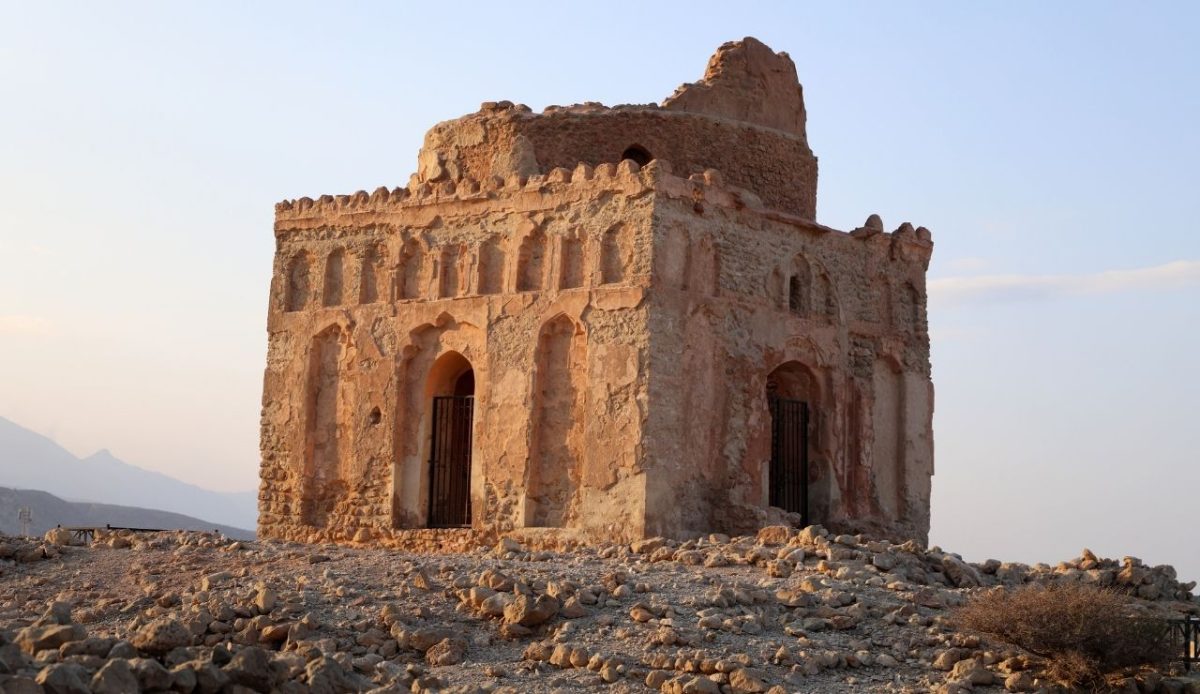
Qalhat once stood as a major port along the Indian Ocean trade routes between the 11th and 15th centuries. Merchants from Africa, India, and Persia passed through, exchanging goods and ideas. Archaeologists uncovered mosques, houses, and markets that reveal its role as a busy cultural center. The best-known building is the mausoleum of Bibi Maryam, one of the few structures that still stands today. Though much of the city is now ruins, Qalhat remains proof of Oman’s important maritime history. UNESCO status protects it as a reminder of global trade before modern times.
10. Historic City of Yazd, Iran
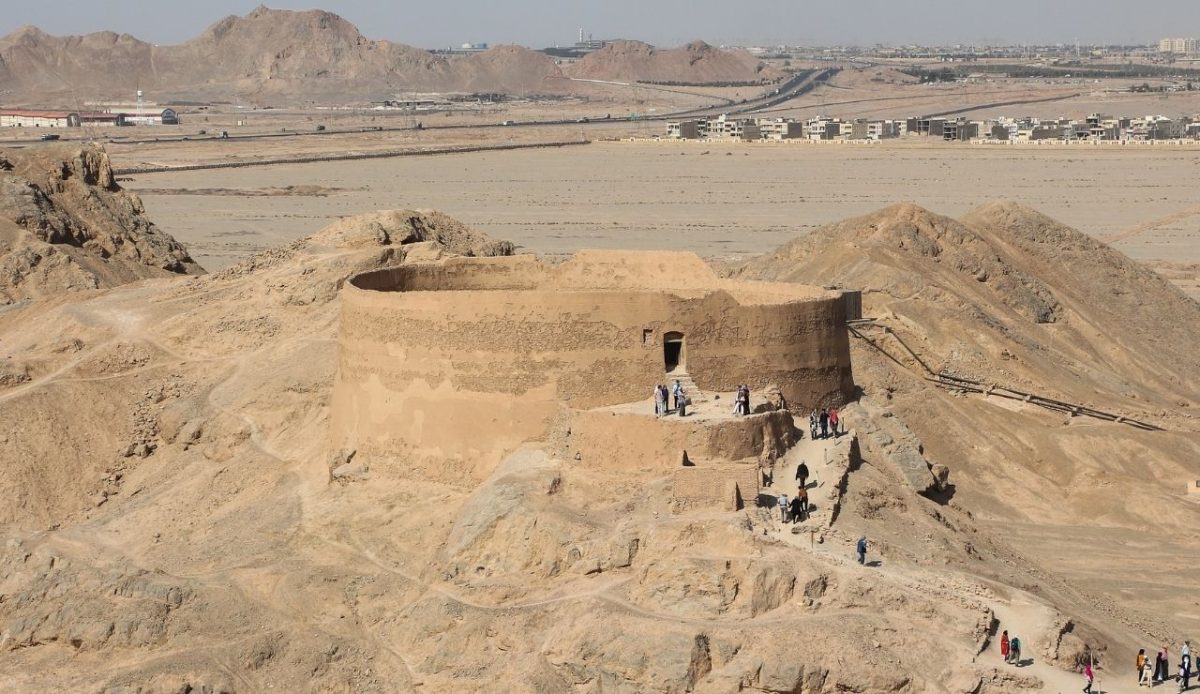
Yazd is a desert city that shows how people survived with creative building methods. Windcatchers cooled houses, qanats carried water underground, and thick adobe walls kept homes livable in extreme heat. These features allowed the city to grow in one of the toughest climates in the world. Yazd is also known for its religious diversity, with Zoroastrian fire temples standing beside Islamic mosques. Markets, neighborhoods, and shrines still play a part in daily life. UNESCO recognition secures Yazd as an example of how traditional design continues to work in a modern city.
11. Archaeological Site of Ani, Türkiye
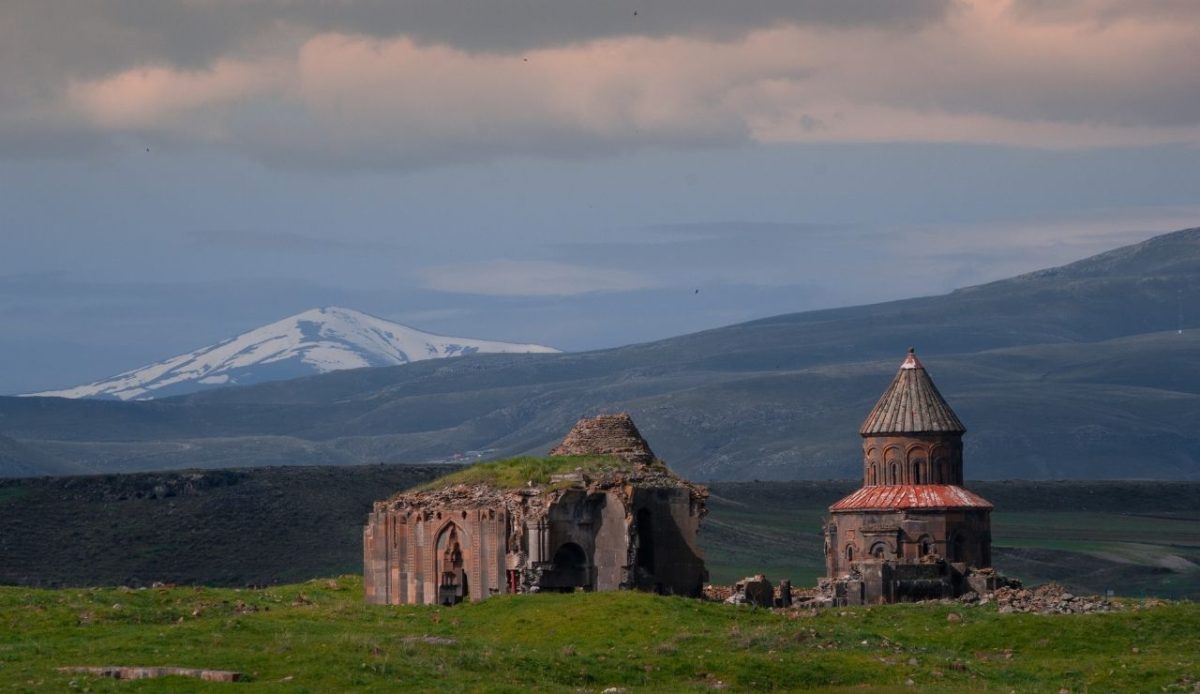
Ani was once a thriving capital along the Silk Road in the 10th and 11th centuries. Armenian builders created cathedrals, palaces, and defensive walls that made it a cultural and trade hub. The city later declined after invasions and earthquakes, leaving behind ruins spread across open plains. What remains shows the creativity and influence of Armenian architecture, from tall churches to stone gates. Though uninhabited, Ani still tells the story of a city that connected empires. UNESCO recognition protects the site so its role in medieval history is not forgotten.
12. Hiraizumi: Temples, Gardens and Archaeological Sites, Japan
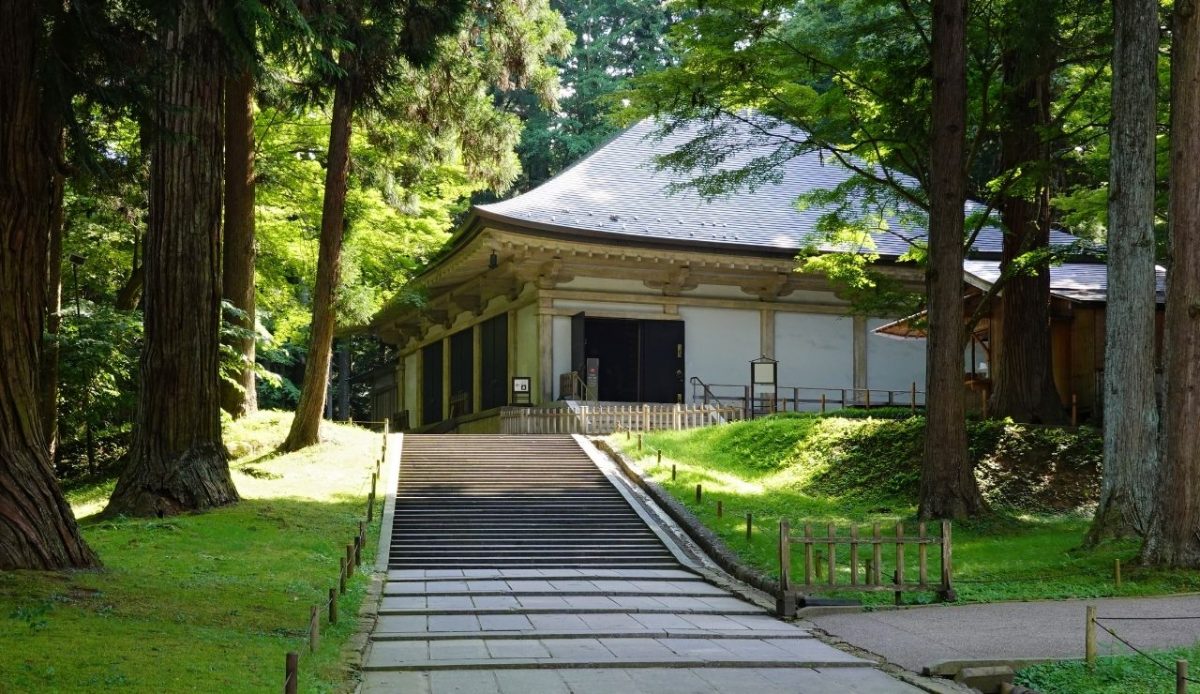
Hiraizumi grew in the 11th and 12th centuries as a center of Pure Land Buddhism. Leaders built temples and gardens designed to show a spiritual vision of peace on Earth. Many of the original buildings were lost, yet the surviving halls and gardens still reflect that idea of harmony. Pilgrims continue to visit, linking today’s practices with traditions nearly a thousand years old. The site shows how art, religion, and nature came together in Japanese culture. UNESCO recognition protects Hiraizumi as a place where belief shaped daily life and design.
13. Megalithic Jar Sites in Xiengkhuang, Laos
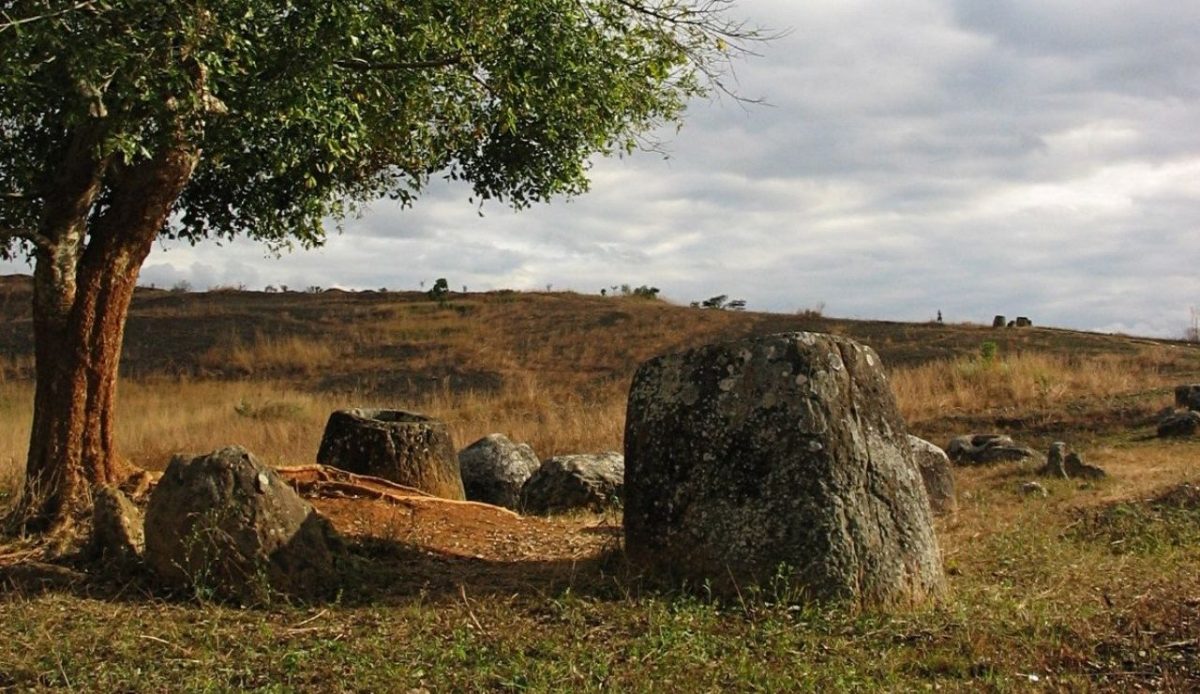
The Plain of Jars in Laos is filled with thousands of stone jars, some weighing several tons. Built during the Iron Age, their purpose is still debated. Many believe they were used for burials, while others suggest food or water storage. The jars show remarkable skill in carving and moving massive stones. The region later suffered heavy bombing in the 20th century, which left unexploded weapons that still make access dangerous. Despite these challenges, research continues. UNESCO recognition protects the area and supports safe study of this mystery.
14. Archaeological Heritage of the Lenggong Valley, Malaysia
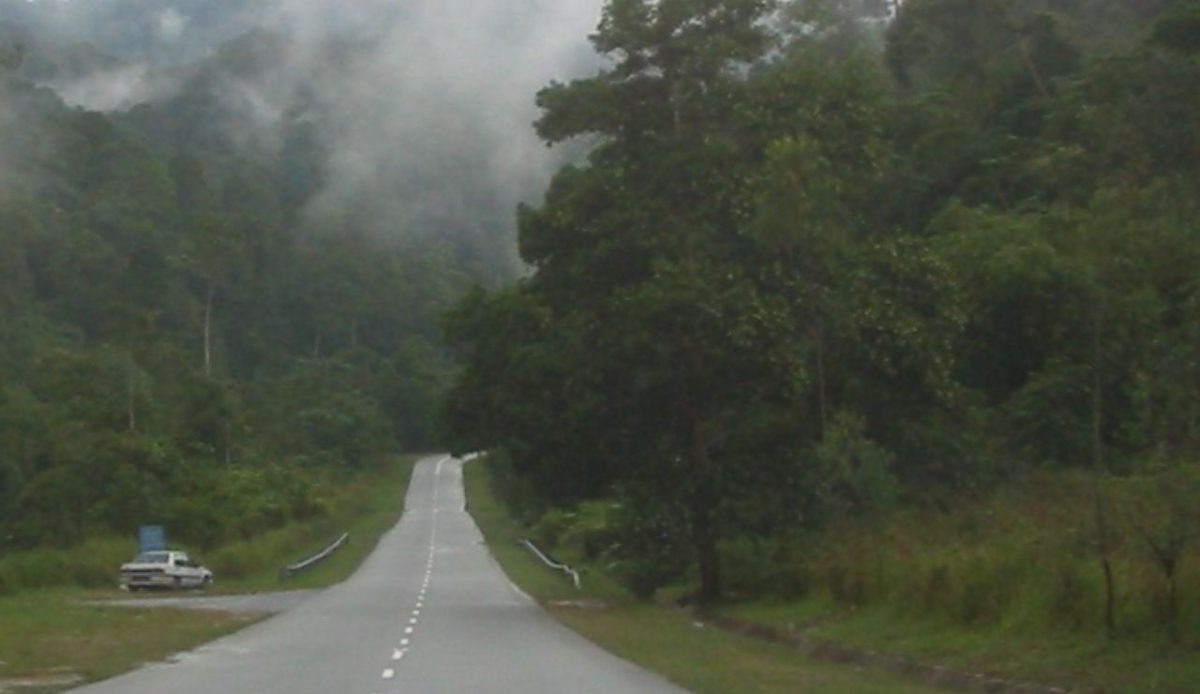
The Lenggong Valley in Malaysia is one of the most important archaeological sites in Southeast Asia. It holds evidence of human life going back nearly two million years. Discoveries include stone tools, cave art, and the remains of Perak Man, the oldest complete skeleton found in the region. These finds show how people survived and adapted to changing climates over time. Unlike many places that reveal only fragments, Lenggong offers a full timeline of human development. UNESCO protection ensures this valley remains an essential record of early history.
15. Lorentz National Park, Indonesia
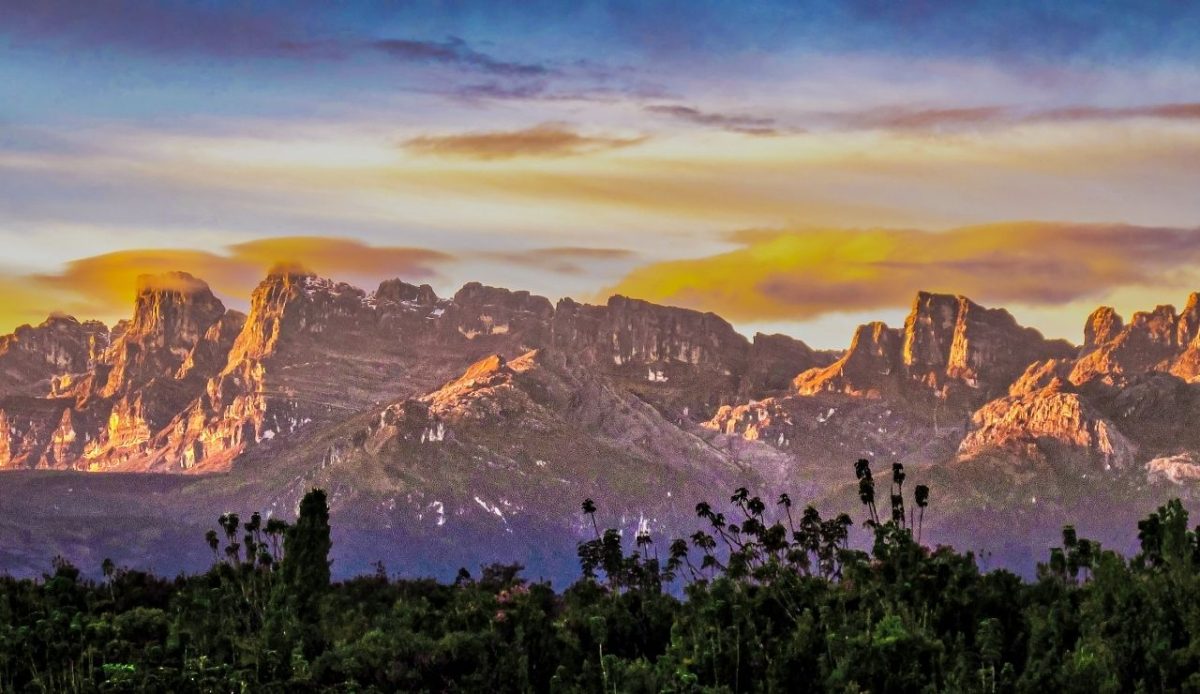
Lorentz National Park in Papua, Indonesia, covers ecosystems that range from icy mountain peaks to tropical forests and coastal wetlands. It is home to rare animals such as tree kangaroos and birds of paradise. Indigenous groups have lived here for generations, adjusting their traditions to the land’s wide variety of environments. Few other places combine such cultural heritage with ecological diversity. Protecting Lorentz safeguards both its wildlife and the people who depend on it. UNESCO recognition helps keep this park an important example of how nature and culture exist together.
