
Work culture across the United States looks different from place to place, but some cities consistently show higher stress levels, longer schedules, and fewer days off than others. These patterns come from employment trends, commute demands, cost-of-living pressures, and limited access to paid time away. Many workers report that they stay connected after hours and manage extra responsibilities that extend well past the standard workday. Understanding where overwork appears most helps explain why residents in certain cities report higher fatigue and less balance in their daily routine.
1. Washington, D.C.
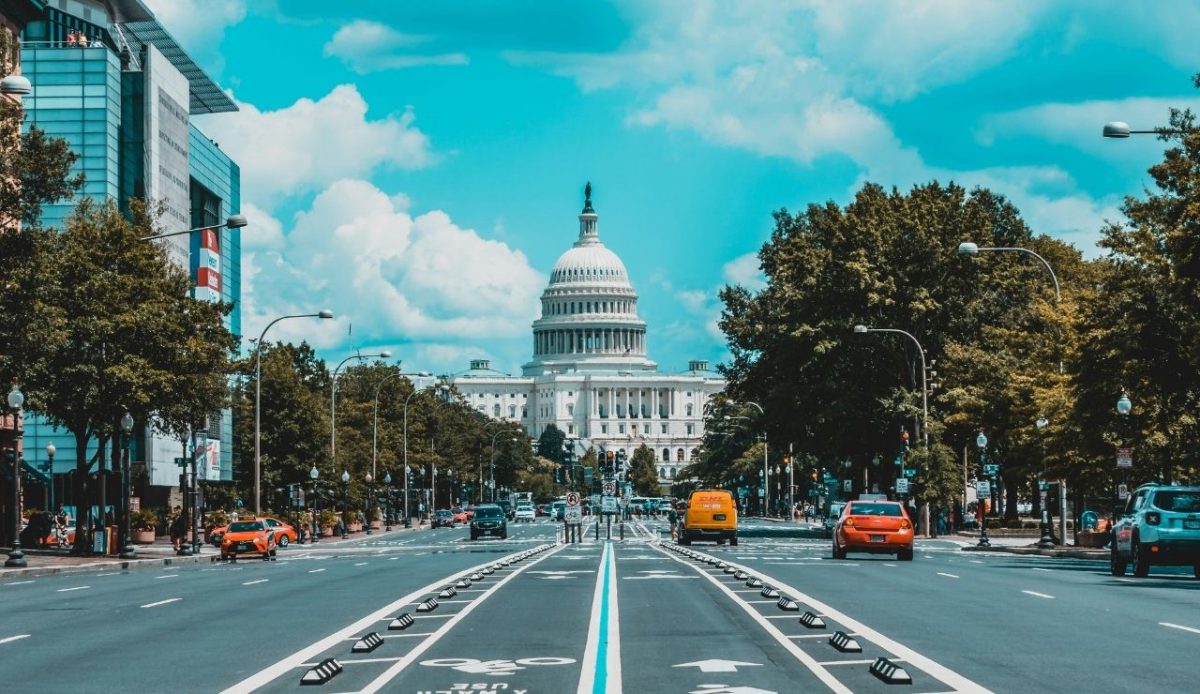
Washington, D.C. ranks at the top because workers often manage demanding roles in government, policy, and consulting. Many employees work extended hours during legislative cycles or major national events. Remote expectations add more time to already long schedules, and high living costs push many workers to accept more responsibilities to advance faster. Commute delays also add stress, especially for people living outside the district. Surveys show that residents often report limited free time during the week because work tasks continue into the evening.
2. Honolulu, Hawaii

Honolulu’s workload pressures come from a blend of tourism, healthcare, and service jobs that require coverage beyond standard weekday hours. Many workers handle split schedules to support travelers, which reduces time for rest and personal commitments. High housing costs force many residents to take additional roles or extended shifts. Long commutes from surrounding areas increase daily fatigue, especially during peak tourism seasons. These factors create a setting where workers spend more time at work than at home, leaving limited opportunities for recovery between shifts.
3. San Francisco, California

San Francisco’s workforce manages long hours driven by the technology sector, startup culture, and intense competition for advancement. Many employees handle deadlines that stretch into evenings, and remote teams in different time zones add extra calls outside local business hours. High rent costs motivate some workers to accept more tasks to secure raises or promotions. Long commutes from nearby cities add further strain, and the fast pace of company growth cycles often reduces the amount of time residents spend away from work responsibilities.
4. Dallas, Texas
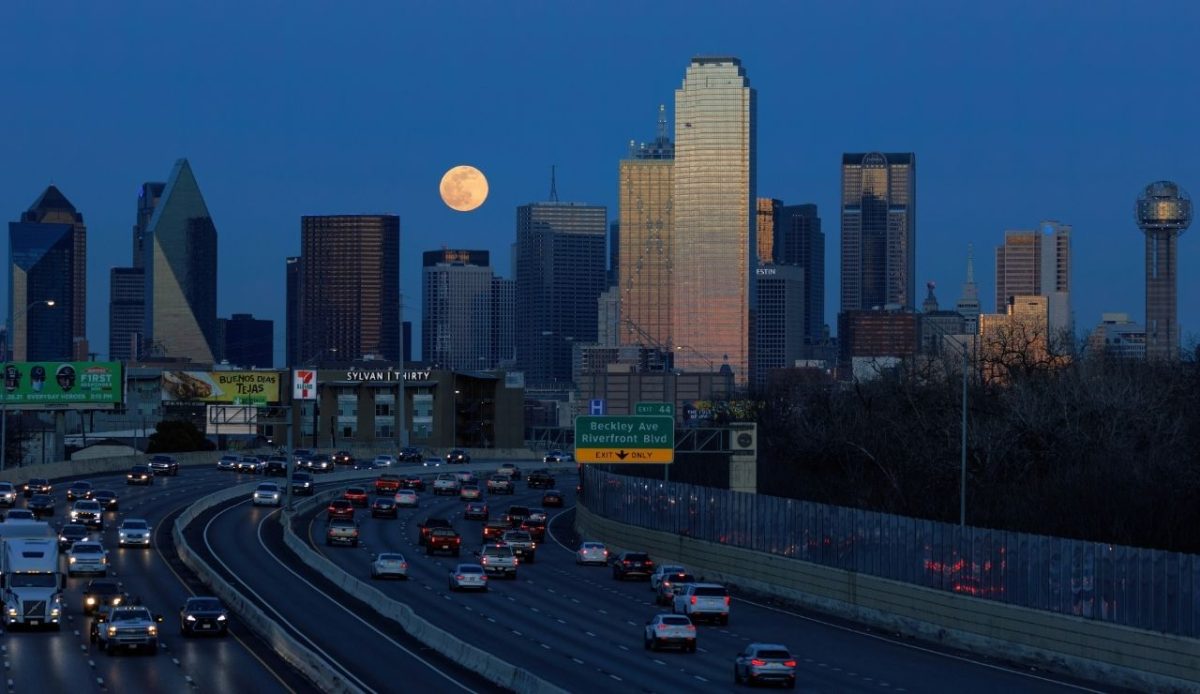
Dallas carries a strong corporate presence with finance, insurance, and transportation roles that often require extended availability. Workers in these fields report long project cycles, heavy client demands, and frequent after-hours communication. Growth across the region leads to longer travel times, which increases daily stress and reduces downtime. Many workers balance multiple tasks across departments, increasing the chance of late evenings during busy periods. These patterns reflect why Dallas consistently ranks among cities with high reports of overwork.
5. San Jose, California
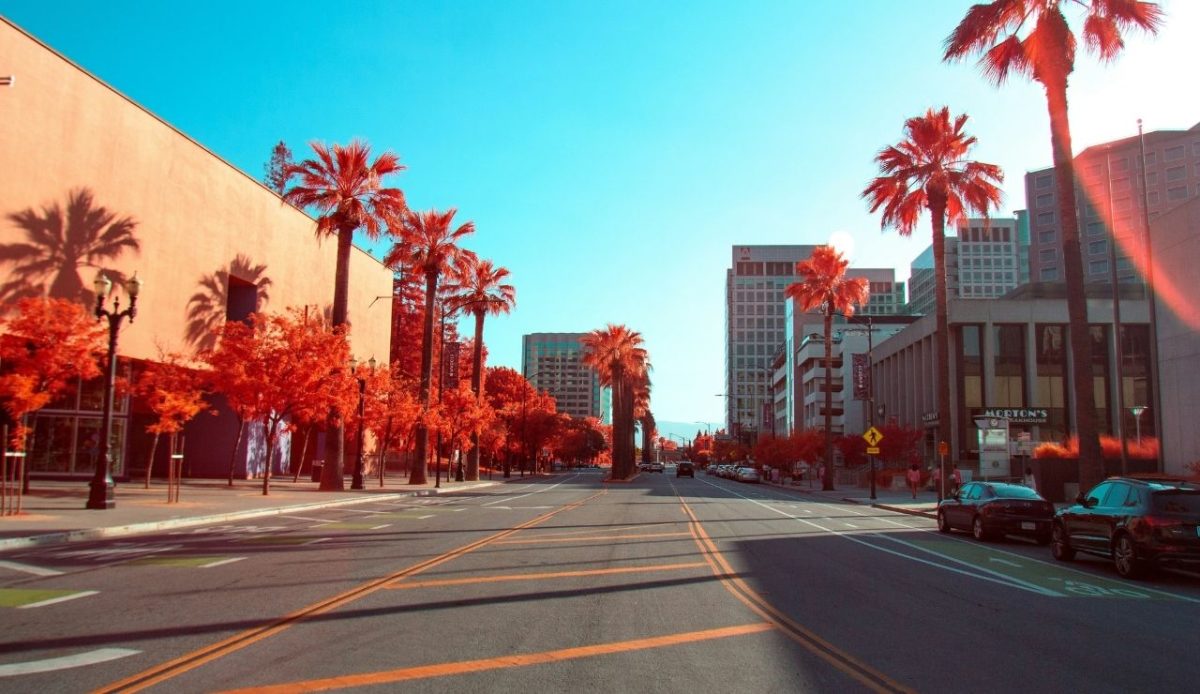
San Jose’s location at the center of the technology industry creates high expectations for productivity, and many employees manage ongoing workloads that reach beyond normal hours. Teams often handle global communication, which requires early mornings or late evenings. The area’s high cost of living adds more pressure to maintain steady advancement. Long commutes from nearby communities reduce free time and contribute to daily exhaustion. These conditions make San Jose one of the cities where workers commonly report limited rest and constant job-related focus.
6. Charlotte, North Carolina
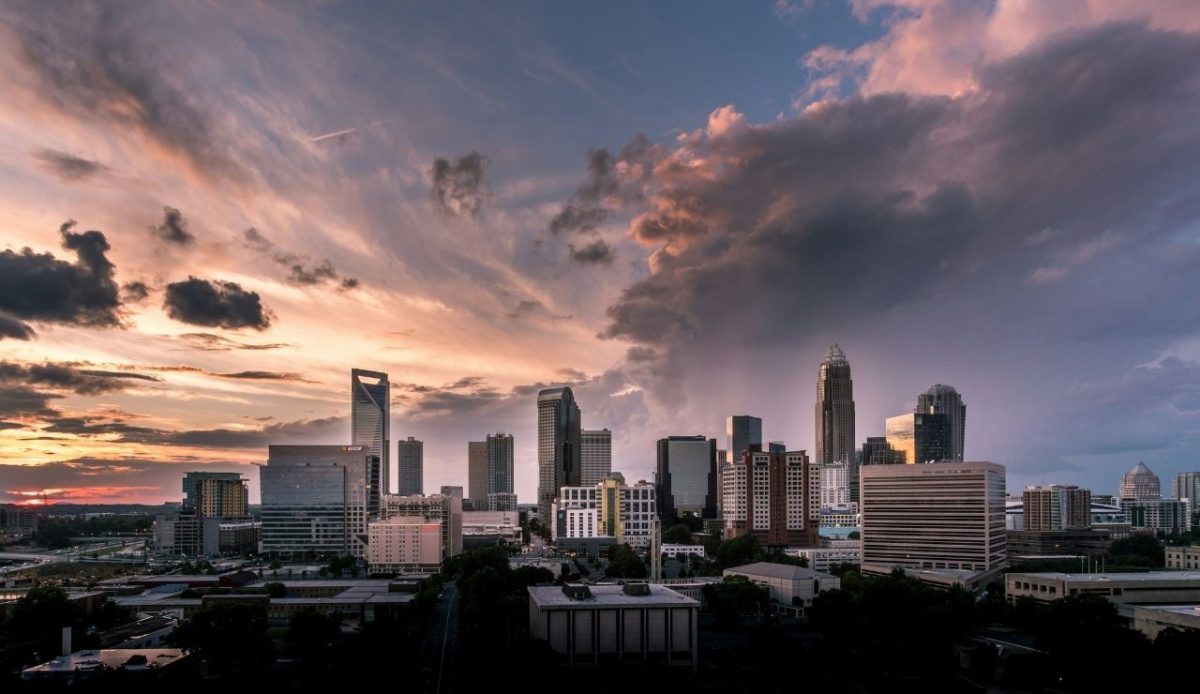
Charlotte’s banking and financial services sector creates a workload that often stretches into evenings, especially during reporting cycles or major client deadlines. Many employees handle ongoing communication with teams in different states, which extends availability throughout the day. Growth in the city increases commute pressure, and many workers spend more time on the road than in past years. High demand for skilled roles places added expectations on employees to manage tasks quickly, which leads to reduced downtime and a steady rise in reported stress.
7. Virginia Beach, Virginia
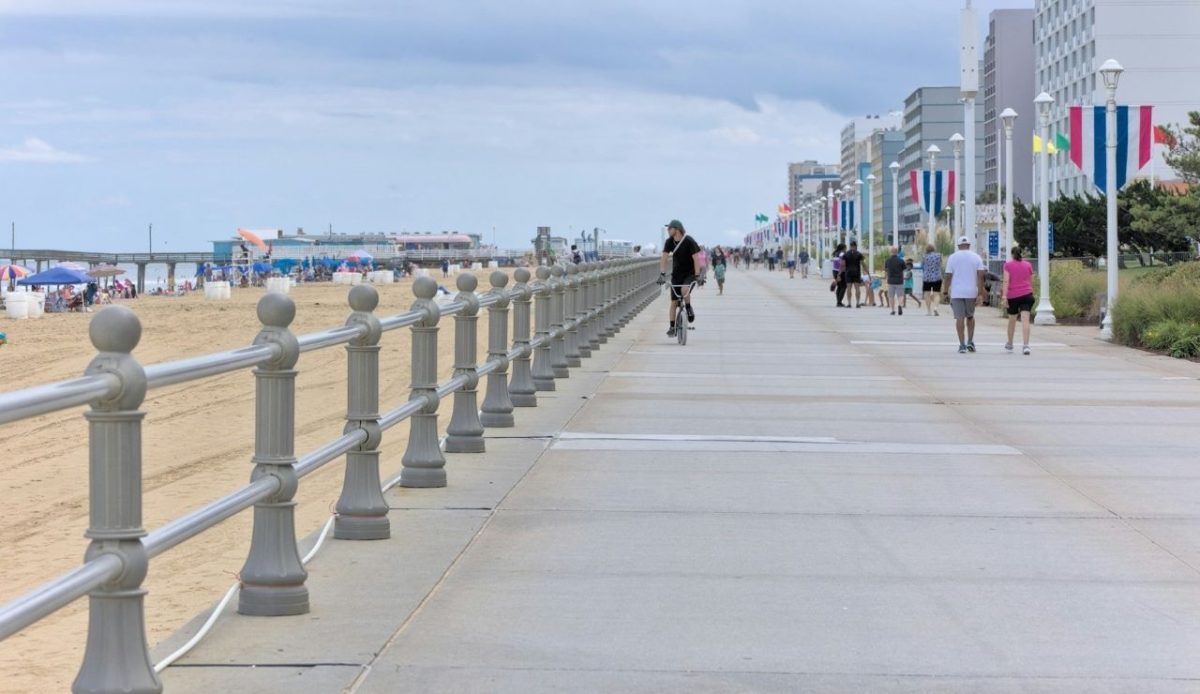
Virginia Beach workers frequently manage long schedules due to military support roles, healthcare positions, and hospitality jobs tied to seasonal travel. Many roles require staffing beyond regular hours, and employees often cover additional shifts during busy periods. Commute routes into the city can run slowly during peak times, which reduces the hours available for rest. Workers in service fields often report inconsistent schedules that change week to week, making it harder to maintain work-life balance and contributing to overall fatigue.
8. Oakland, California
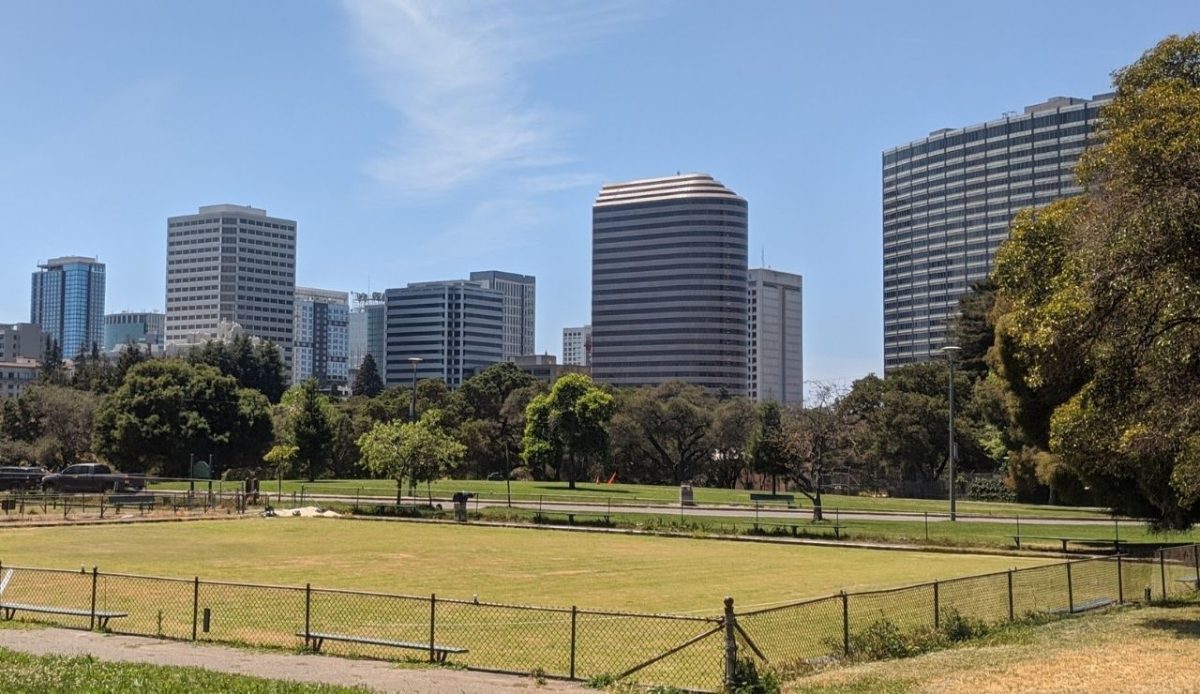
Oakland’s workforce experiences extended hours driven by education, healthcare, nonprofit roles, and regional commuting demands. Many residents work in nearby San Francisco or other Bay Area cities, which lengthens the average day due to congestion and transit delays. High living expenses create pressure to hold multiple responsibilities or side roles. Workers in public-facing positions often handle heavy caseloads with limited staffing support, leading to after-hours work that reduces personal time. These combined factors place Oakland high on national overwork rankings.
9. Colorado Springs, Colorado
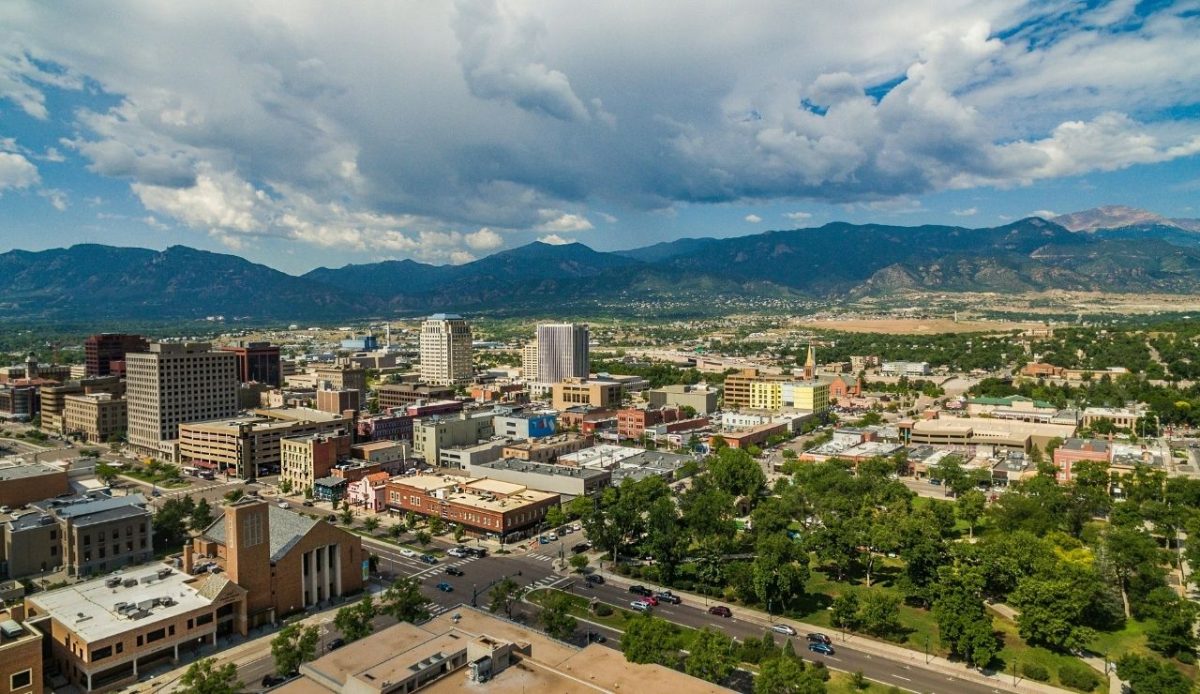
Colorado Springs workers manage long schedules in military, defense, and healthcare roles that require extensive attention and strict timelines. Many residents support operations that run around the clock, which creates unpredictable hours and reduced free time. Rapid population growth increases strain on local infrastructure, leading to longer commute times and crowded service sectors. Workers in education and public safety also report heavy responsibilities that extend beyond the regular day. These patterns leave many residents with limited recovery time between shifts.
10. Denver, Colorado
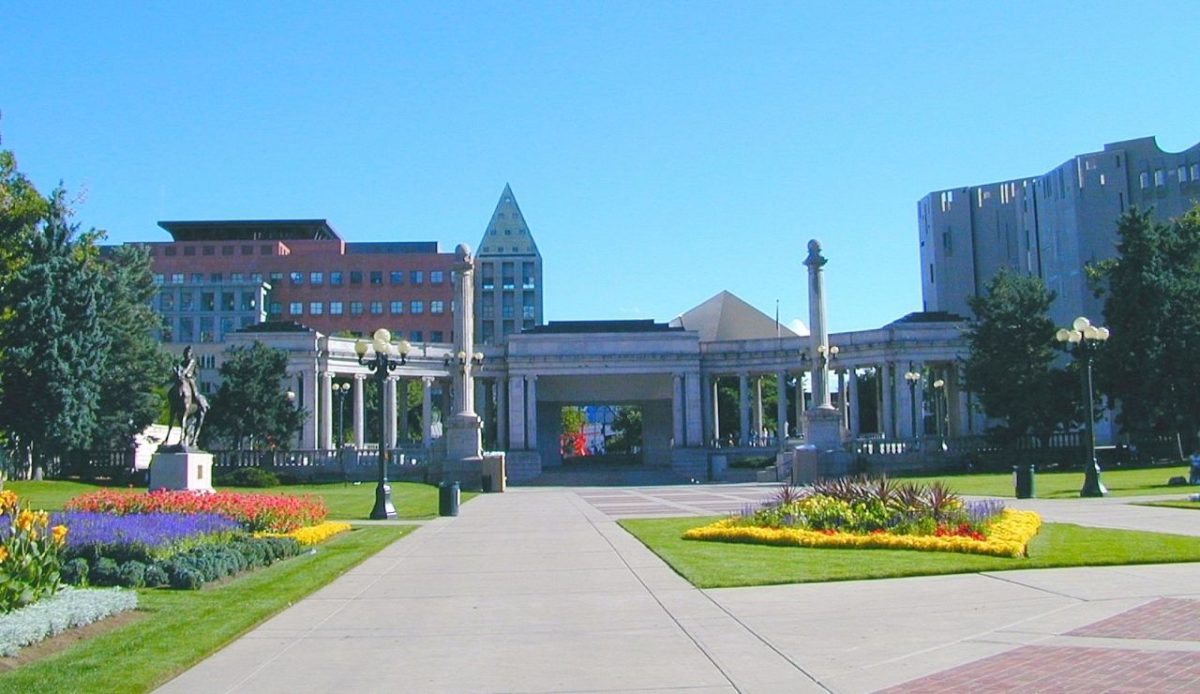
Denver’s rapid expansion brings higher workloads across technology, construction, logistics, and healthcare. Many employees navigate demanding project timelines that extend beyond normal business hours, especially during seasonal peaks or major development cycles. As housing prices rise, workers move farther from the city, increasing commutes and shrinking rest periods. The region’s outdoor appeal does not reduce its work intensity, as many residents report staying connected to job responsibilities after hours. This combination contributes to Denver’s reputation for long workdays and reduced personal time.
11. Corpus Christi, Texas
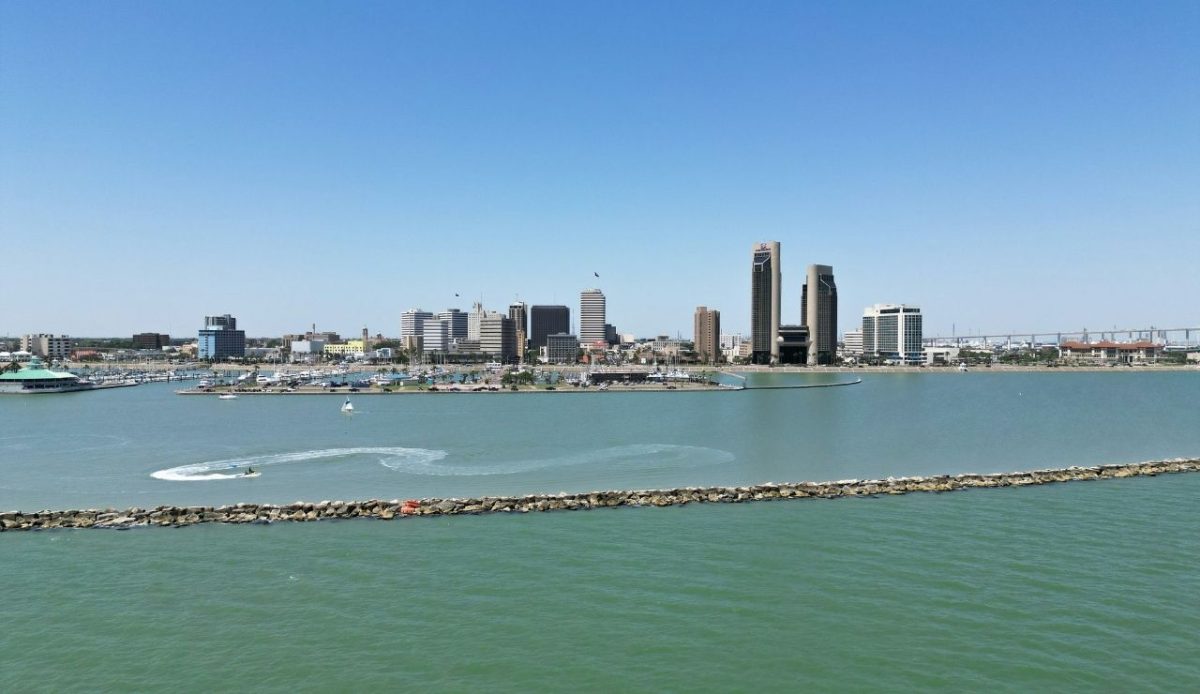
Corpus Christi experiences long work hours due to refinery operations, energy-sector jobs, and port activity that runs beyond standard business times. Many roles require early starts or late finishes to support shipping schedules, maintenance work, and production demands. Workers in service industries also handle heavy tourism seasons, which add more hours during peak months. Because many positions involve physical labor, extended shifts leave workers with less recovery time. Commutes from surrounding areas increase strain, and inconsistent shift cycles make personal planning more difficult throughout the year.
12. Raleigh, North Carolina
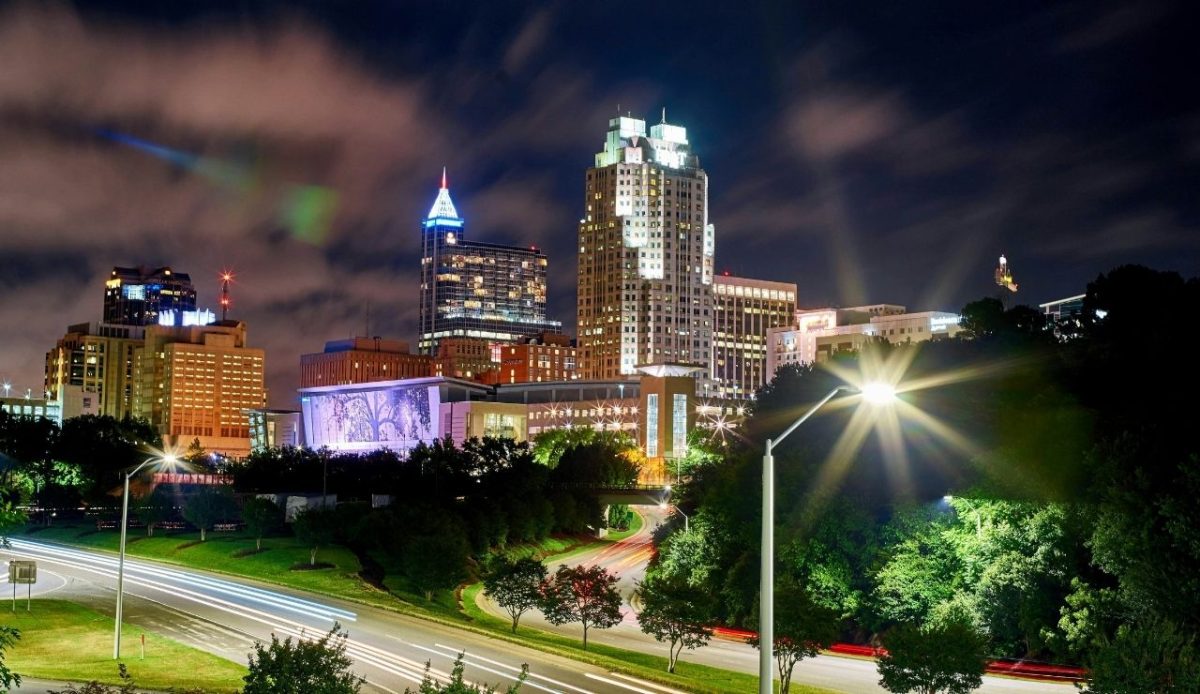
Raleigh’s technology, research, and healthcare sectors create workloads that stretch well beyond the typical day. Many employees work through long project cycles with strict timelines, and collaboration across different time zones extends availability into evenings. Growing population density increases travel time across the region, reducing opportunities for rest. Workers in education and public administration also report heavy responsibilities tied to regional expansion. These pressures leave many residents with limited breaks, and surveys show frequent reports of fatigue linked to ongoing work commitments.
13. Lincoln, Nebraska
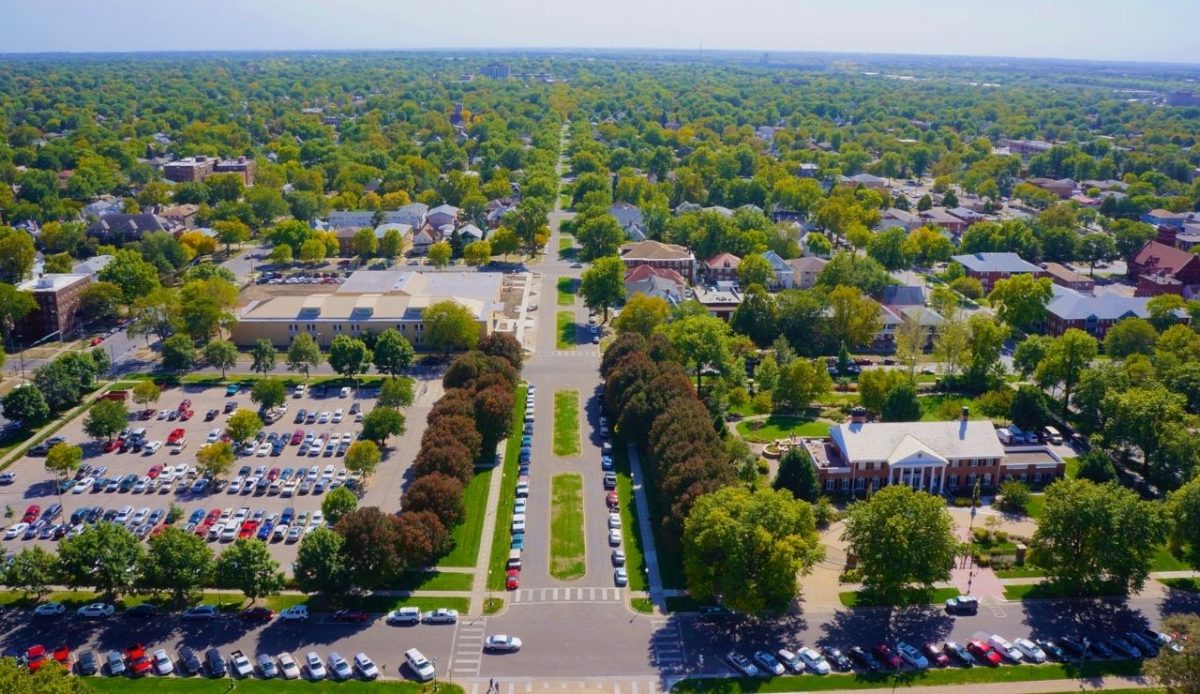
Lincoln’s workforce experiences steady overwork due to public sector demands, education responsibilities, and healthcare positions that require consistent attention. Many employees manage multiple tasks across departments, which extends hours during busy periods. The city’s growing population increases pressure on local services, leading to longer shifts and reduced staffing flexibility. Commutes remain manageable, but workloads often rise as organizations support both residents and surrounding communities. Workers report limited downtime during the week, especially in roles that require direct public contact or continuous service availability.
14. Austin, Texas
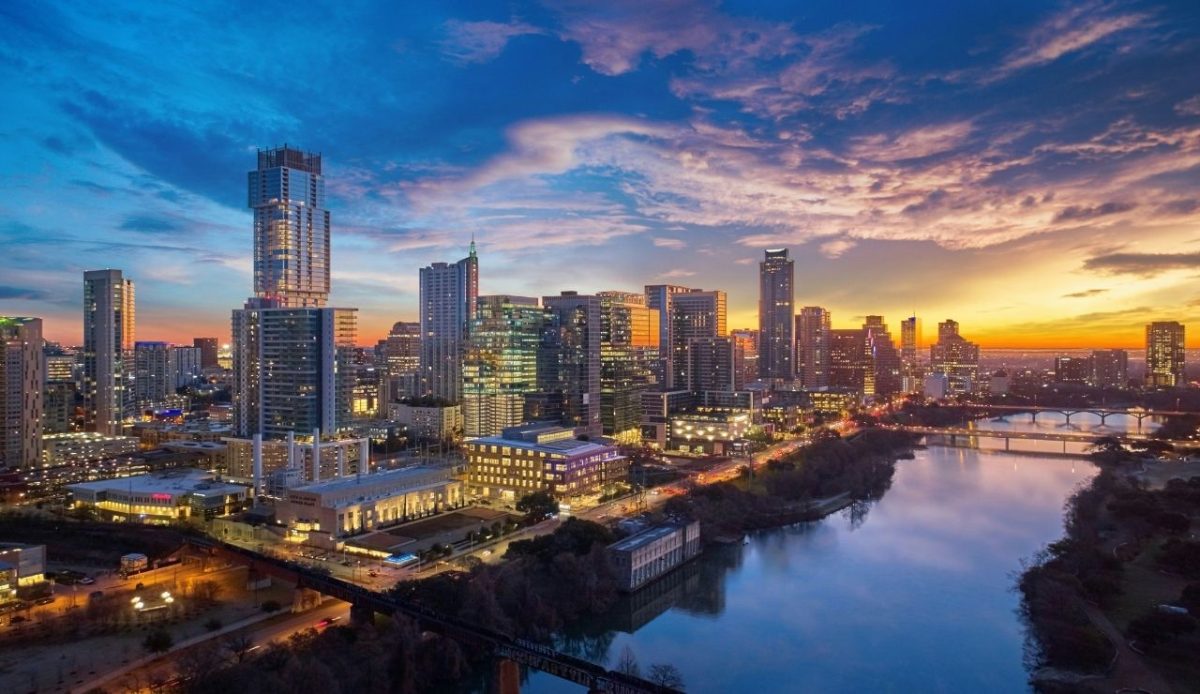
Austin’s rapid growth brings long schedules across technology, creative industries, hospitality, and public services. Many employees manage deadlines that extend into evenings due to collaboration with teams in multiple states. Rising housing costs push residents farther from the city center, increasing commute time and shrinking personal hours. Workers in service and event-focused roles handle fluctuating workloads tied to tourism and large gatherings. These conditions create steady pressure throughout the year, and surveys show many residents struggle to maintain consistent personal time.
15. Seattle, Washington
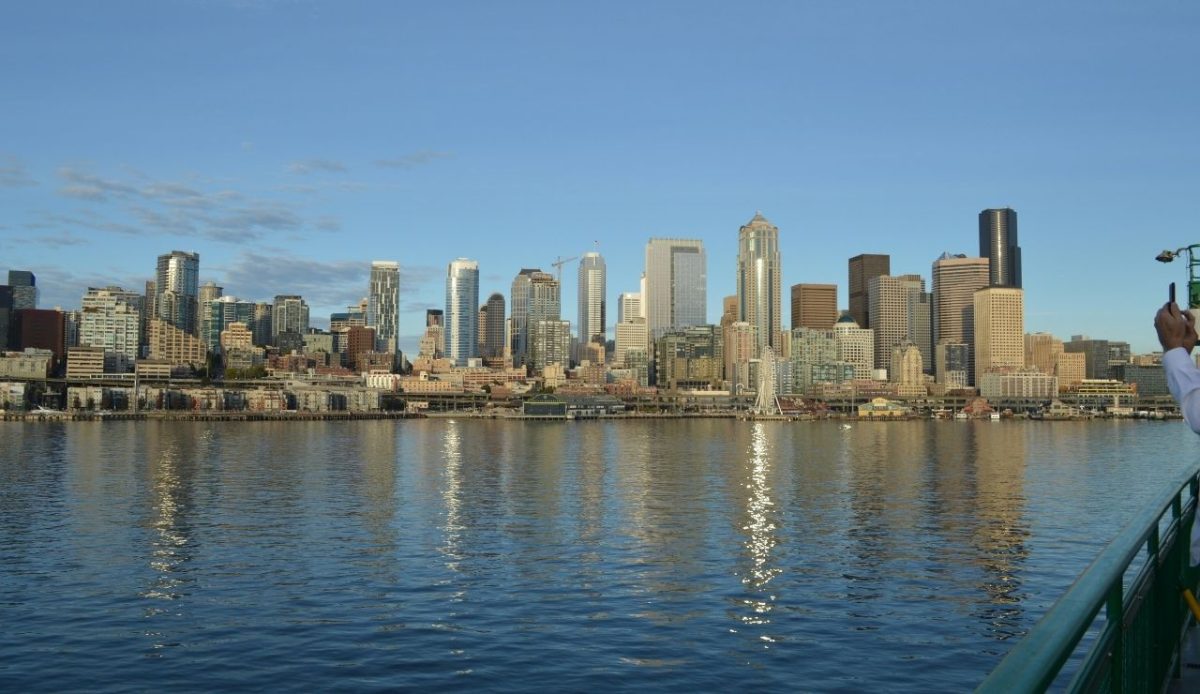
Seattle workers often manage extended schedules linked to technology, logistics, healthcare, and aerospace roles that demand constant coordination. Many teams handle global operations, which creates early calls or late-night communication. Traffic congestion remains a major stress point, increasing daily travel time and reducing hours at home. High living costs add pressure to advance rapidly, which leads workers to accept additional responsibilities. Residents frequently report difficulty disconnecting after hours, making Seattle one of the cities where overwork appears consistently across industries.
