
Across Asia and the Eastern Mediterranean, travelers often discover that reality feels stronger than the photographs that led them there. Images can show outlines, but the real experience includes sound, texture, and motion: the breeze through temple gates, the hum of city markets, the scent of ocean air, and the glow of sunrise over stone. Each place carries a rhythm shaped by geography and tradition. From Bhutan’s cliffside monasteries to Jordan’s desert canyons and Indonesia’s island lagoons, these destinations reveal details that can only be understood when seen in person.
1. Taj Mahal, India
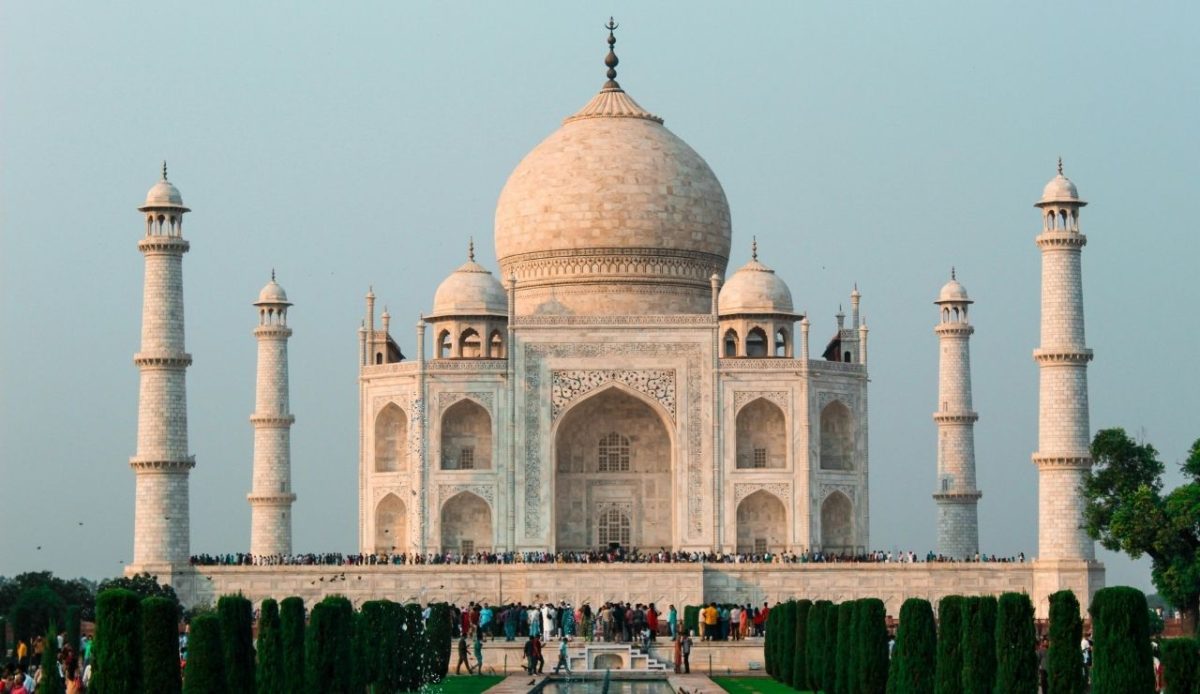
The Taj Mahal glows differently throughout the day, shifting from soft pink to bright white. Up close, visitors notice the marble’s fine carvings and floral stonework that rarely appear clear in pictures. The building’s symmetry and the reflection in its pool add to its calm setting beside the Yamuna River. Early mornings are especially moving, as light fog lifts from the garden and birds circle the dome. Standing there in quiet air gives a sense of scale that no image can reproduce.
2. Ha Long Bay, Vietnam
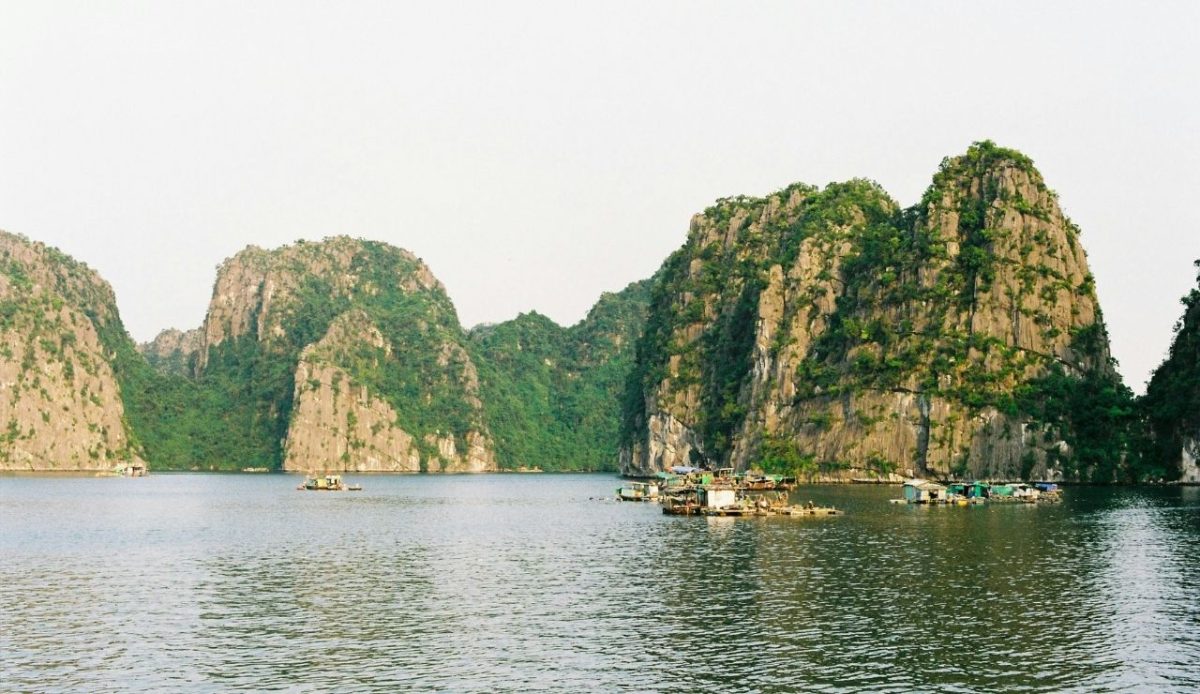
Ha Long Bay looks almost unreal when viewed from a wooden boat. Its emerald waters weave through hundreds of limestone cliffs that rise like towers from the sea. Fishermen guide kayaks through narrow channels that echo with the sound of paddles. The smell of salt, the mist between peaks, and the rhythm of small waves create a calm that photography cannot match. Even frequent travelers admit that the size and stillness of the bay feel far greater when seen in person.
3. Kyoto, Japan
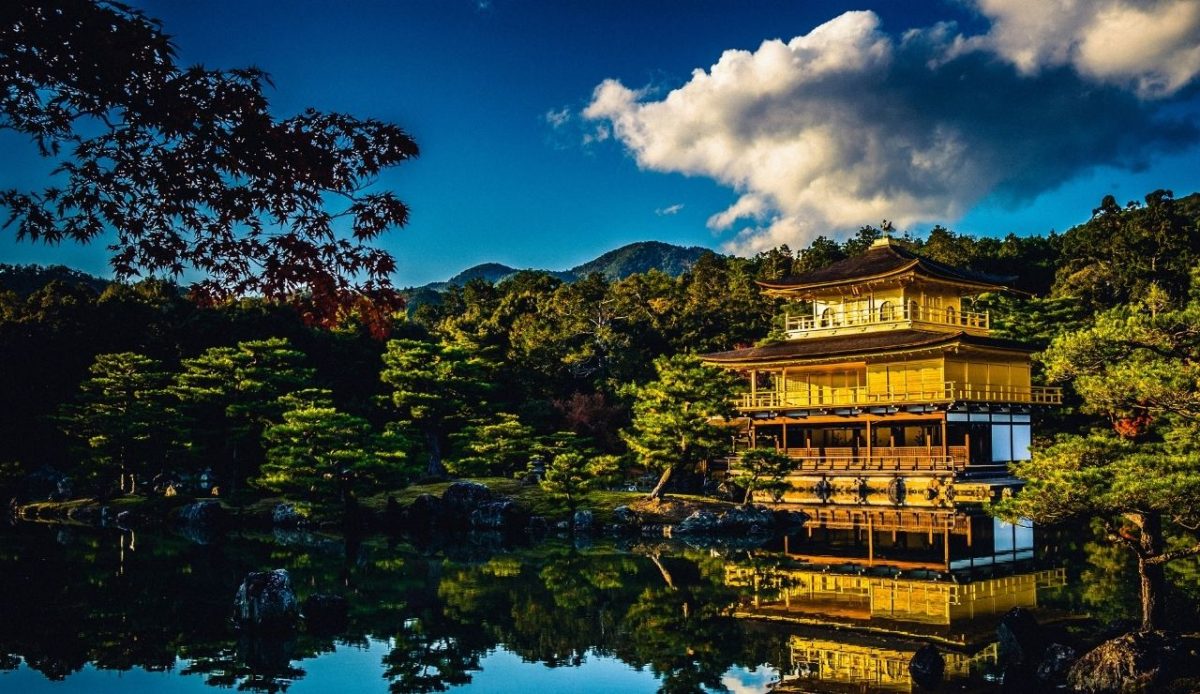
Kyoto preserves Japan’s historic spirit within a modern setting. Walking through the old districts brings the scent of incense, the soft ring of temple bells, and glimpses of tea houses behind sliding doors. Each season alters the view, from cherry blossoms over canals to fiery maples around temple gardens. The city’s charm lives in its quiet details, where paper lanterns sway above narrow lanes and monks cross stone bridges. It is a place that rewards patience and slow exploration.
4. Palawan, Philippines
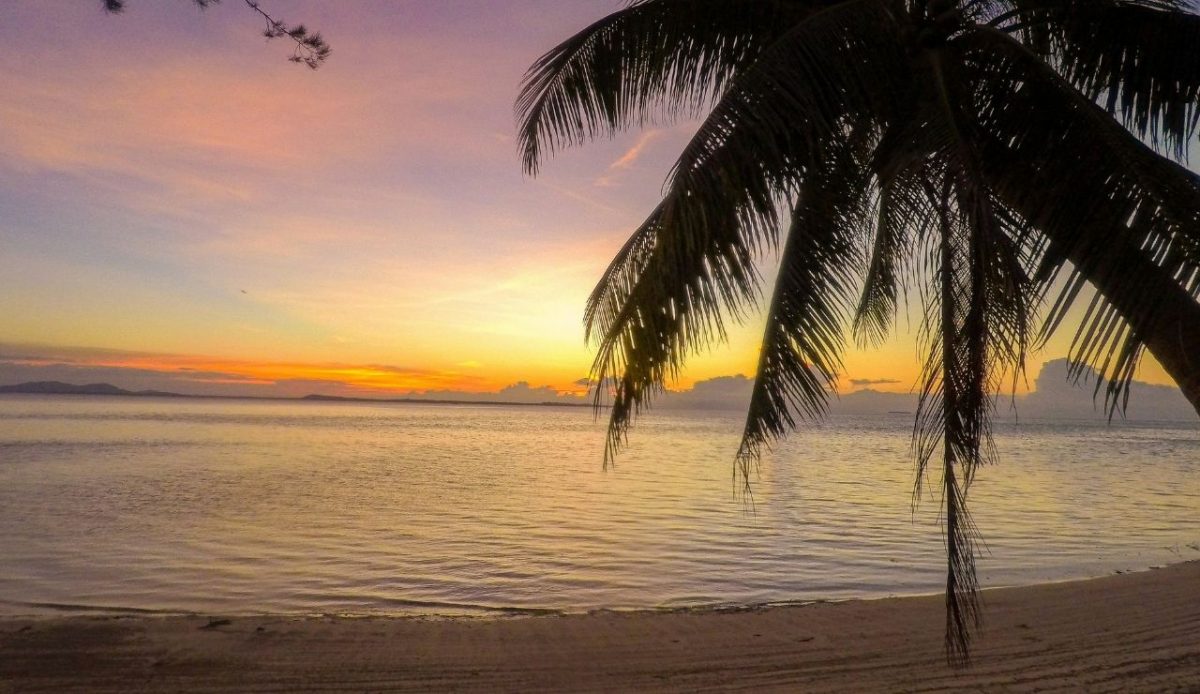
Palawan’s beauty goes beyond what travel photos suggest. Sheer limestone cliffs rise over blue lagoons where coral reefs shimmer just below the surface. Visitors explore caves, lagoons, and small fishing villages while the water reflects the surrounding peaks. In El Nido and Coron, boatmen share stories as the sun sinks behind islands shaped by wind and time. The colors, textures, and clarity of the sea make the experience stronger than any image could ever capture.
5. Cappadocia, Turkey
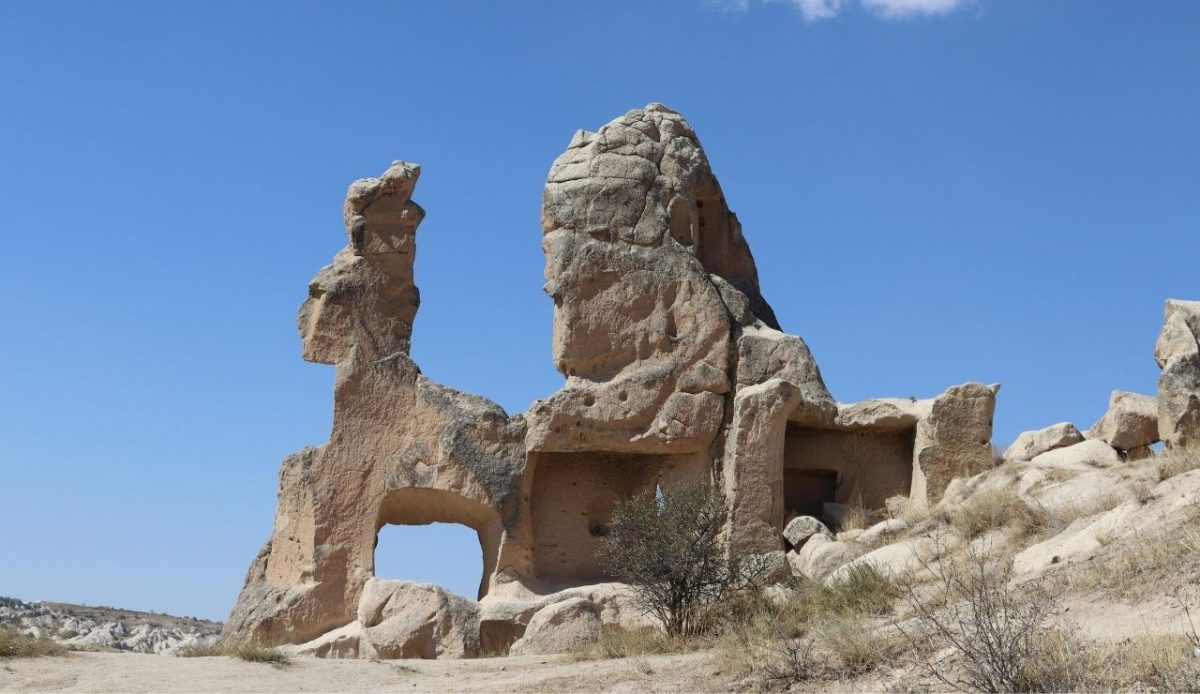
Cappadocia’s landscape feels like a living sculpture. At sunrise, hundreds of balloons drift above valleys dotted with stone spires and soft hills. On the ground, carved tunnels and cave dwellings reveal a network of history hidden within the rock. Local inns built into cliffs allow visitors to sleep inside formations shaped by centuries of erosion. As the morning light moves across the slopes and the call to prayer fills the air, the scene becomes unforgettable in its quiet beauty.
6. Petra, Jordan
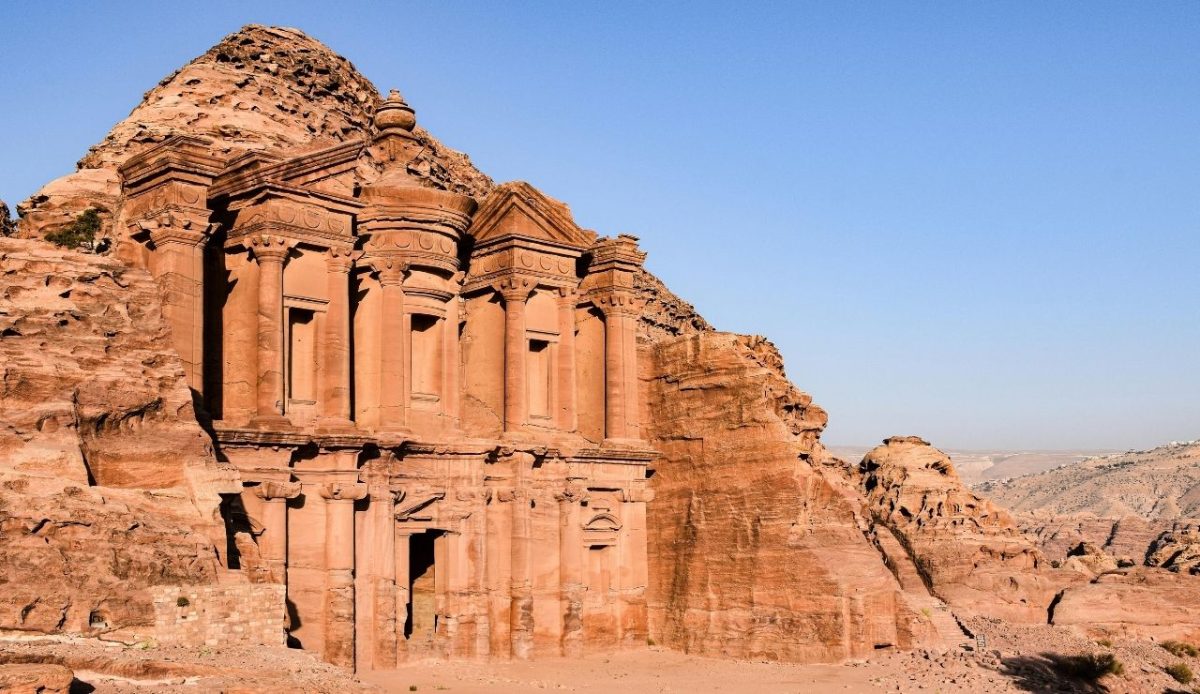
Petra’s carved sandstone facades look remarkable in pictures, yet standing before them gives an entirely different sense of scale. The walk through the Siq, a narrow gorge leading to the Treasury, builds quiet anticipation until the structure appears at the end of the passage. In the sunlight, its rose-colored stone shifts with every angle. Visitors hear footsteps echo between cliffs and see detailed carvings that photos rarely reveal. The site’s mix of ancient design and desert silence creates a lasting impression.
7. Santorini, Greece
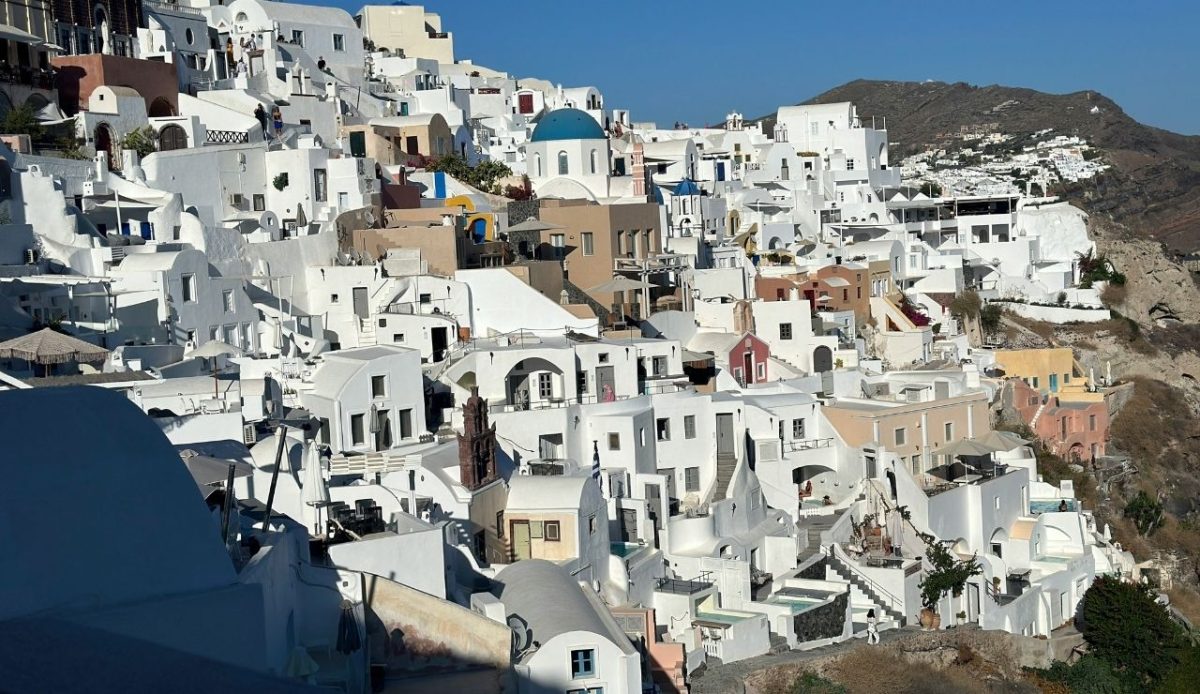
Santorini’s whitewashed houses and deep-blue roofs appear striking in images, but the real experience carries depth beyond color. The caldera cliffs rise sharply over the Aegean Sea, offering views that stretch miles toward distant islands. At sunset, the light reflects off volcanic rock and painted walls, giving the entire town a warm glow. Walking through Fira or Oia, visitors sense the sound of waves below and the scent of local food in narrow streets, creating a complete sensory experience.
8. Hoi An, Vietnam
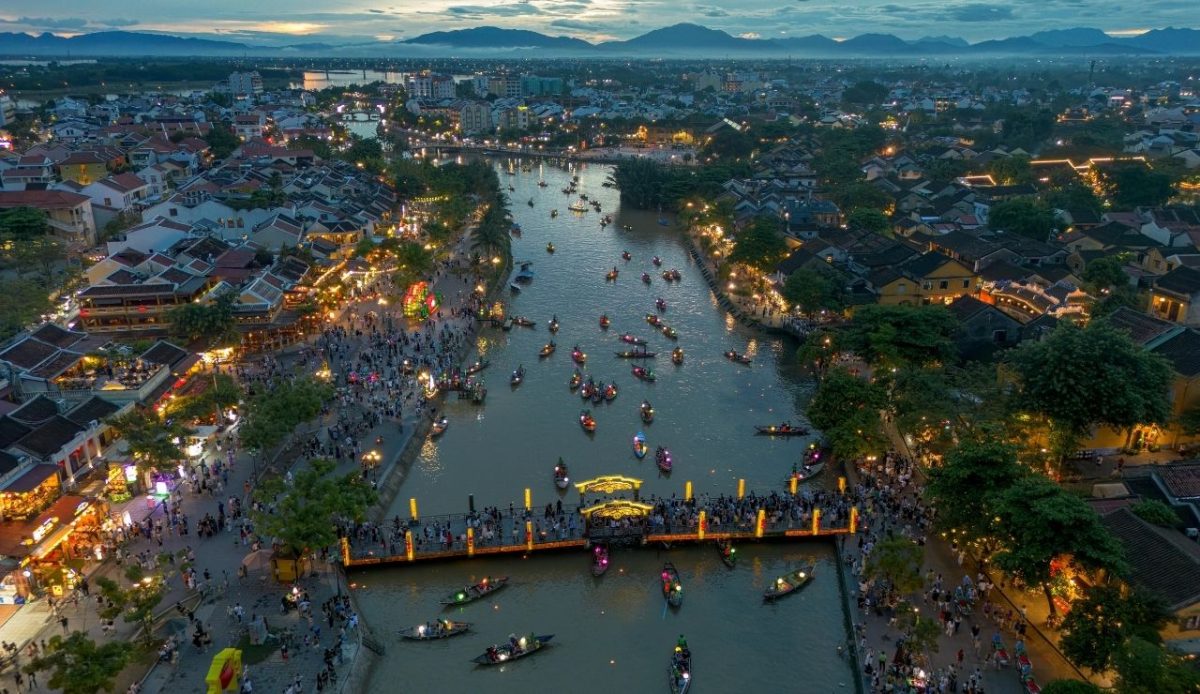
Hoi An is renowned for its lantern-lit streets and riverside charm, but its atmosphere can only be fully appreciated when explored at a leisurely pace. The town’s architecture blends Chinese, French, and Vietnamese influences, seen in carved doors and tile roofs. At night, thousands of colorful lanterns glow over the river as locals release small candles on floating paper boats. The old quarter’s stillness contrasts with its busy markets. Visitors often stay longer than planned because Hoi An feels both calm and vibrant at the same time.
9. Zhangjiajie National Forest Park, China
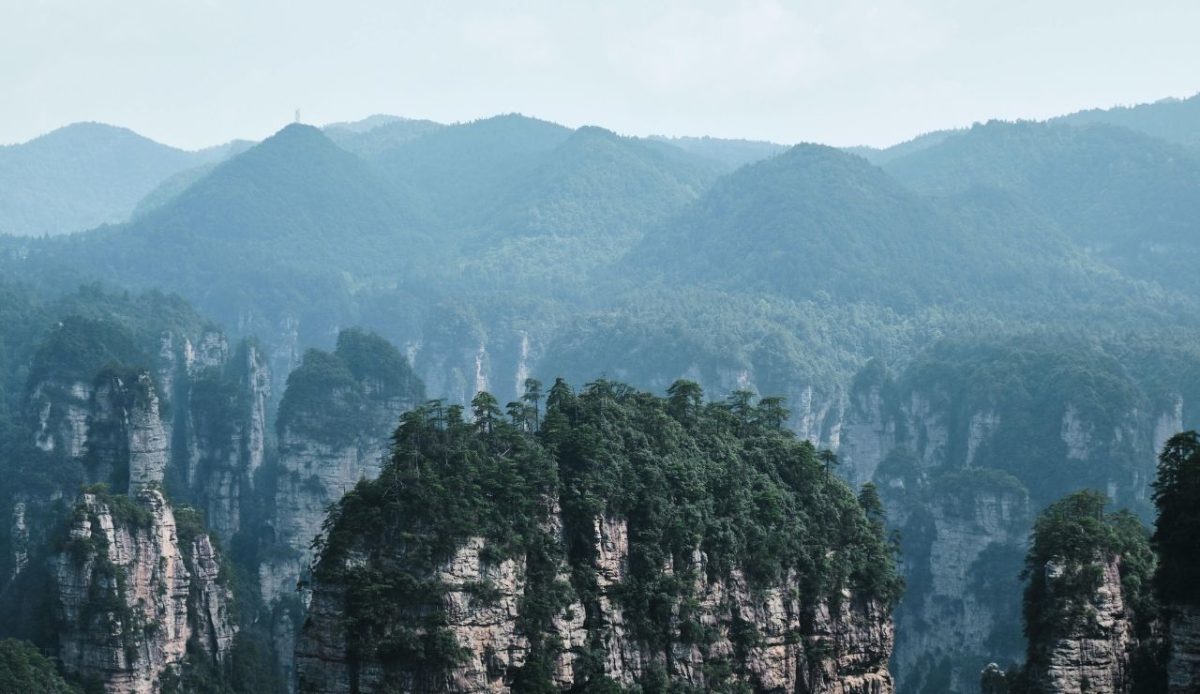
Zhangjiajie’s towering sandstone pillars inspired movie landscapes, yet the real sight is far more commanding. From glass walkways and high viewpoints, visitors look over vertical cliffs that rise through clouds. The forest’s changing mist, chirping insects, and wide valleys add a depth no photograph can show. Trails lead to suspended bridges and elevators built into rock walls. Seeing the scale of these peaks firsthand gives a strong sense of nature’s power that no image can fully communicate.
10. Tiger’s Nest Monastery, Bhutan
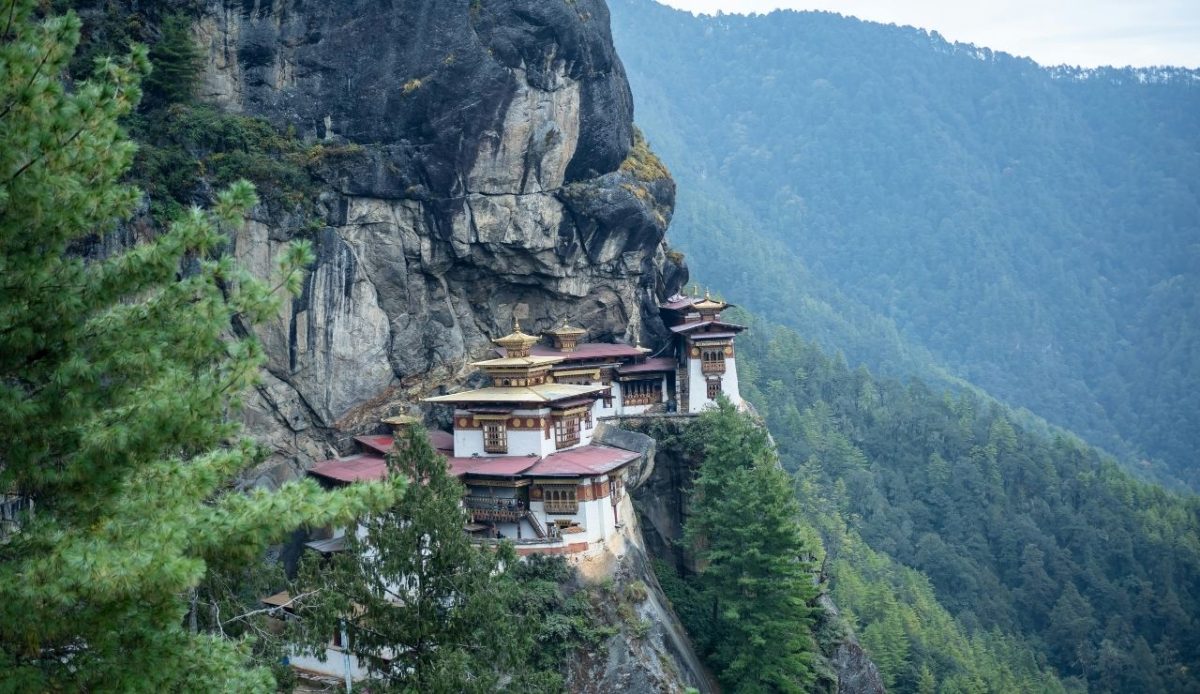
Tiger’s Nest clings to a cliff nearly 3,000 feet above Paro Valley, making it one of Asia’s most dramatic sights. The hike to the top takes several hours through pine forests and prayer-flag trails, building anticipation for the final view. Once reached, the monastery seems to float above the mist. Its white walls and golden roofs contrast sharply with the dark rock. Visitors describe a quiet sense of accomplishment, not only from the climb but from the isolation that defines Bhutan’s culture.
11. Luang Prabang, Laos
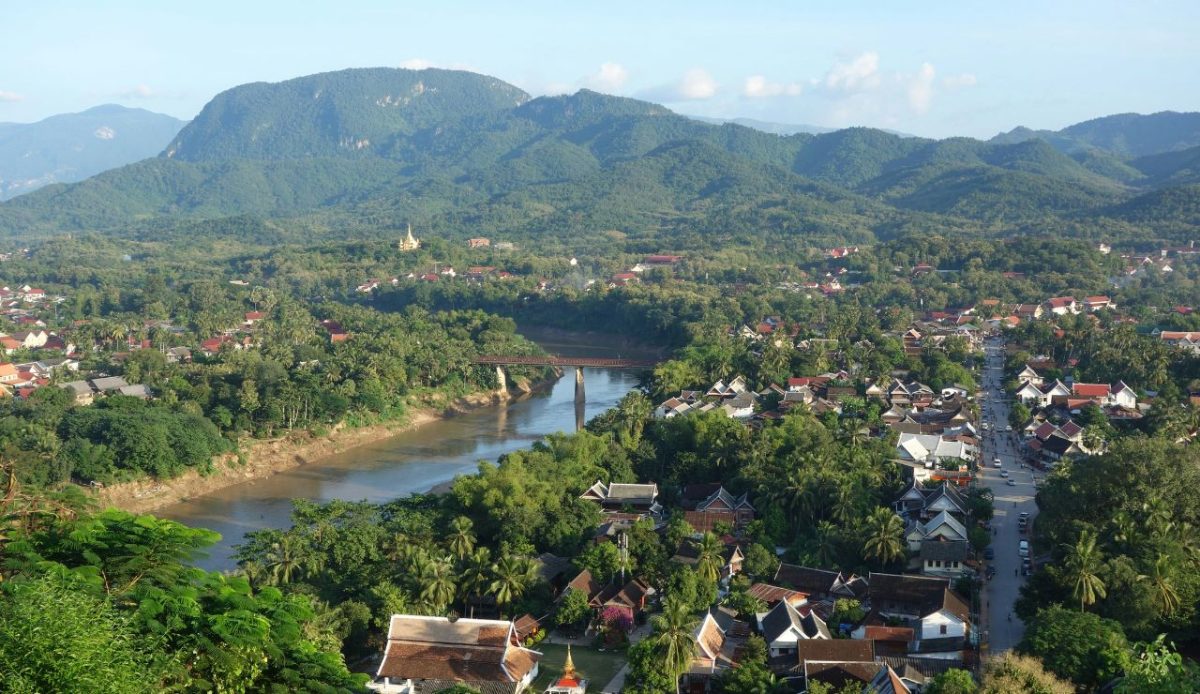
Luang Prabang sits at the meeting point of the Mekong and Nam Khan Rivers and is known for its peaceful rhythm. The town’s colonial-era buildings mix with ancient Buddhist temples, creating an atmosphere that feels both quiet and purposeful. Each morning, monks walk barefoot through the streets collecting alms, a daily ritual that connects locals and visitors alike. The slow pace, faint scent of incense, and golden temple roofs against green hills make it a place where time seems to stretch naturally.
12. Cameron Highlands, Malaysia
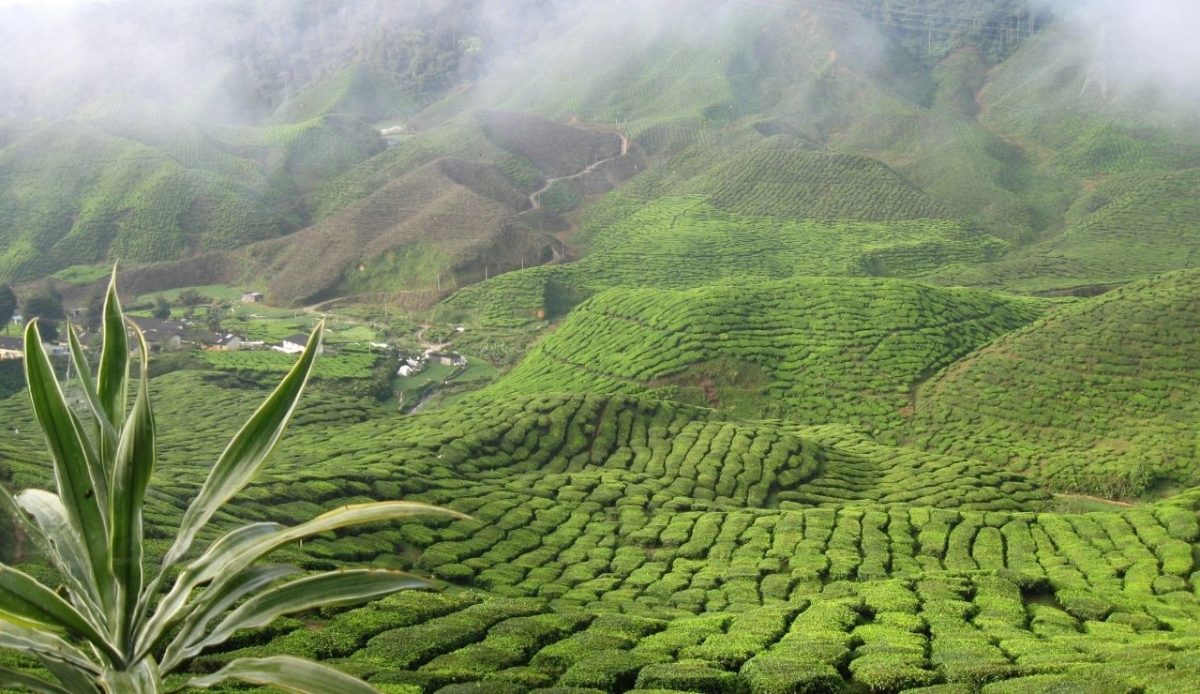
The Cameron Highlands offer cool weather, misty mornings, and vast tea plantations that roll across gentle hills. The air feels clean and earthy, especially near mossy forests and waterfalls hidden between farms. Travelers can visit tea factories, pick strawberries, or walk old colonial trails lined with ferns. The contrast between modern resorts and quiet farming villages shows a different side of Malaysia. Standing among endless rows of tea shrubs while fog drifts through the valley gives a calm far beyond what images suggest.
13. Jeju Island, South Korea
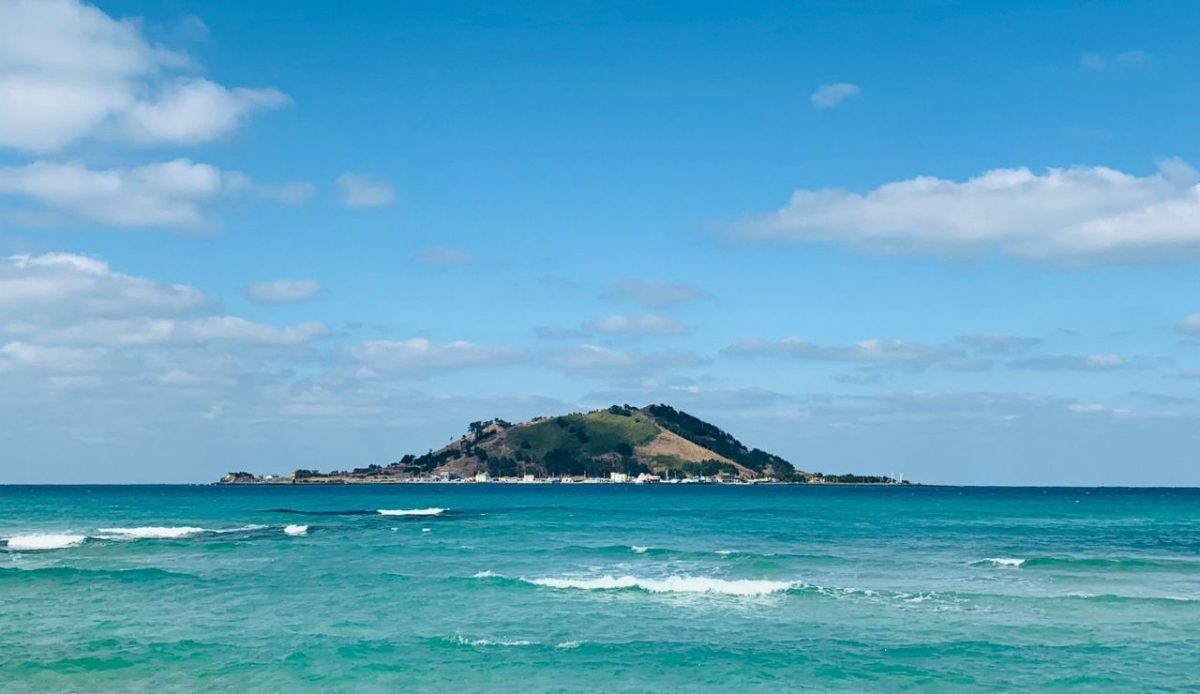
Jeju Island, formed by ancient volcanic activity, is one of South Korea’s most scenic regions. Hallasan Mountain dominates its center, while lava tubes and cliffs edge its coastline. Visitors hike through crater trails, swim near black-sand beaches, and explore caves shaped by cooling lava. Local traditions, like the women divers known as haenyeo, still continue today. The island’s open fields, waterfalls, and ocean winds leave a lasting memory that photographs cannot deliver, especially during spring when wildflowers cover the hills.
14. Samarkand, Uzbekistan
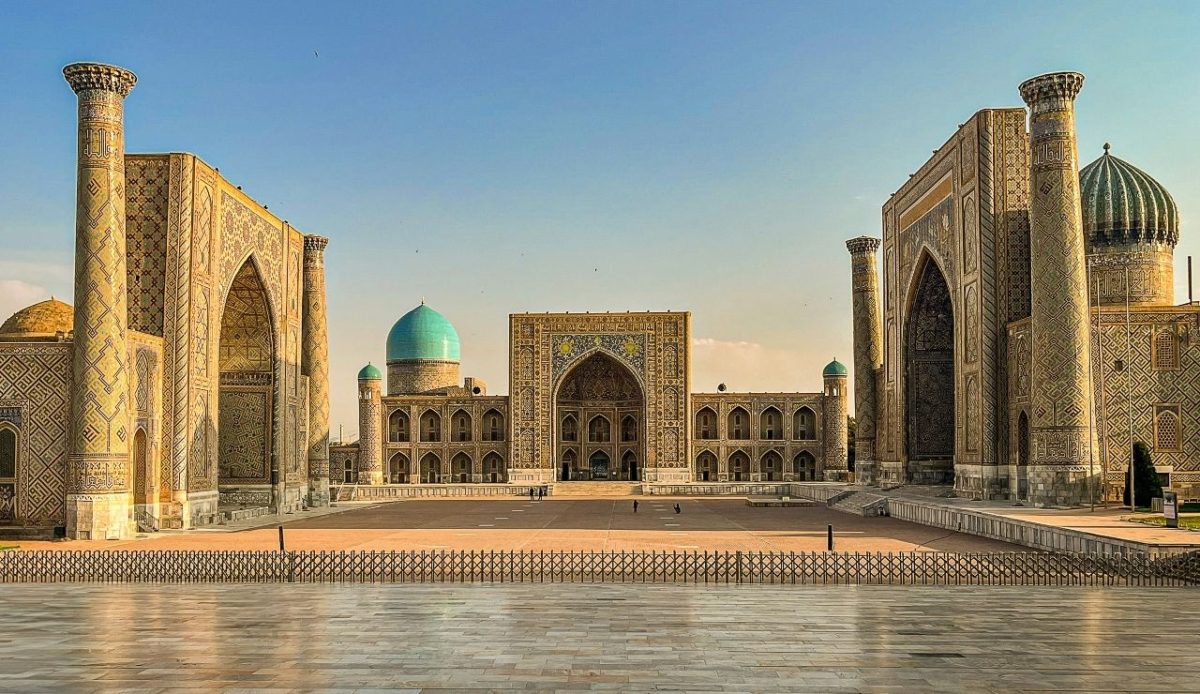
Samarkand’s history as a Silk Road hub gives it an architectural richness rarely seen elsewhere. The Registan Square, surrounded by blue-tiled madrasas, captures centuries of craftsmanship. Up close, the tile patterns shimmer in sunlight, creating depth that photos flatten. The call to prayer echoes off domes, blending sound with history. Wandering through ancient alleys reveals a living city where artisans still shape ceramics and fabrics. The mix of color, geometry, and culture gives Samarkand a visual and emotional impact beyond expectations.
15. Bagan, Myanmar
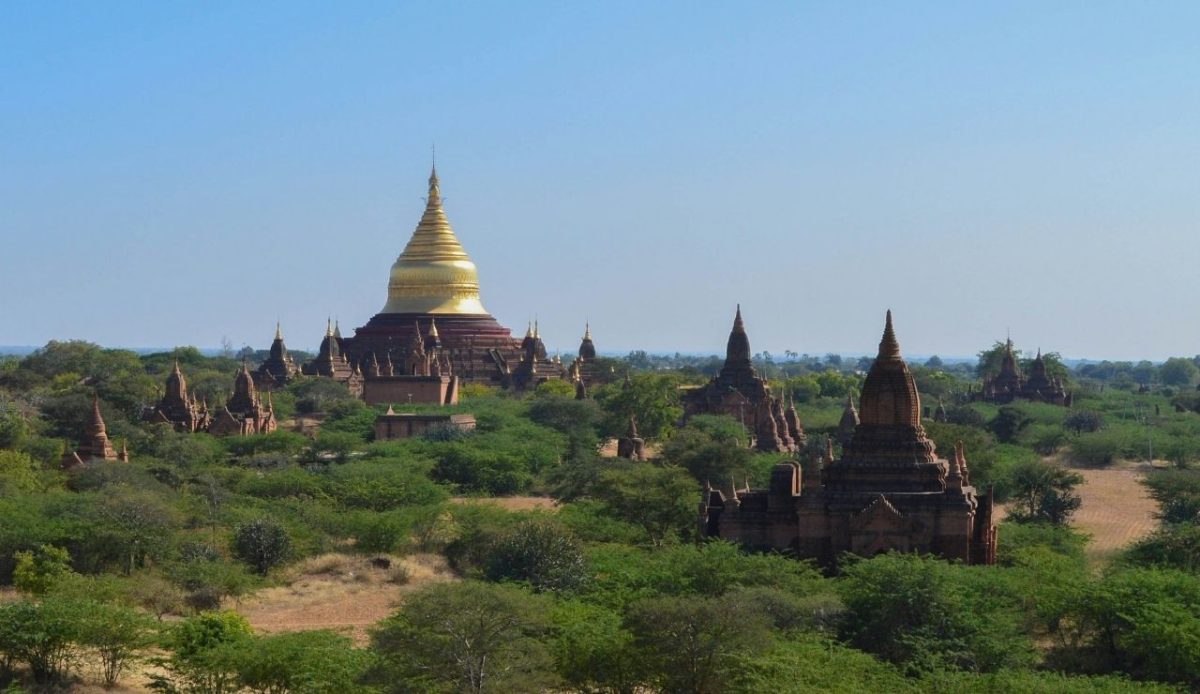
Bagan’s wide plains hold thousands of ancient temples rising from dry earth, forming one of the most striking skylines in Asia. Visitors climb viewing towers or ride hot-air balloons at sunrise to watch sunlight fall over endless pagodas. The air fills with the sound of bells and distant chants from nearby monasteries. While drone shots are popular, being there shows the vastness and calm that define Bagan. The quiet pathways, open fields, and golden spires give the place a rare sense of stillness.
