
U.S. tourism runs through visa issuance, airline document checks, and CBP inspection at airports and land ports. When entry is suspended by nationality, the constraint sits upstream of pricing, so interest cannot convert into arrivals.
A proclamation signed December 16, 2025, took effect January 1, 2026, with full suspensions for some countries and partial limits for others that include visitor travel. Eligibility shifts who can board flights to gateways like JFK, LAX, and Miami, lowering counts.
The sections below isolate one mechanism per heading, from reduced seat supply to failed room blocks and weaker terminal retail turnover. Each links the rule to capacity shifts in hotels, events, and transport corridors with fixed inventory.
1. Entry Suspensions Remove Entire Visitor Markets
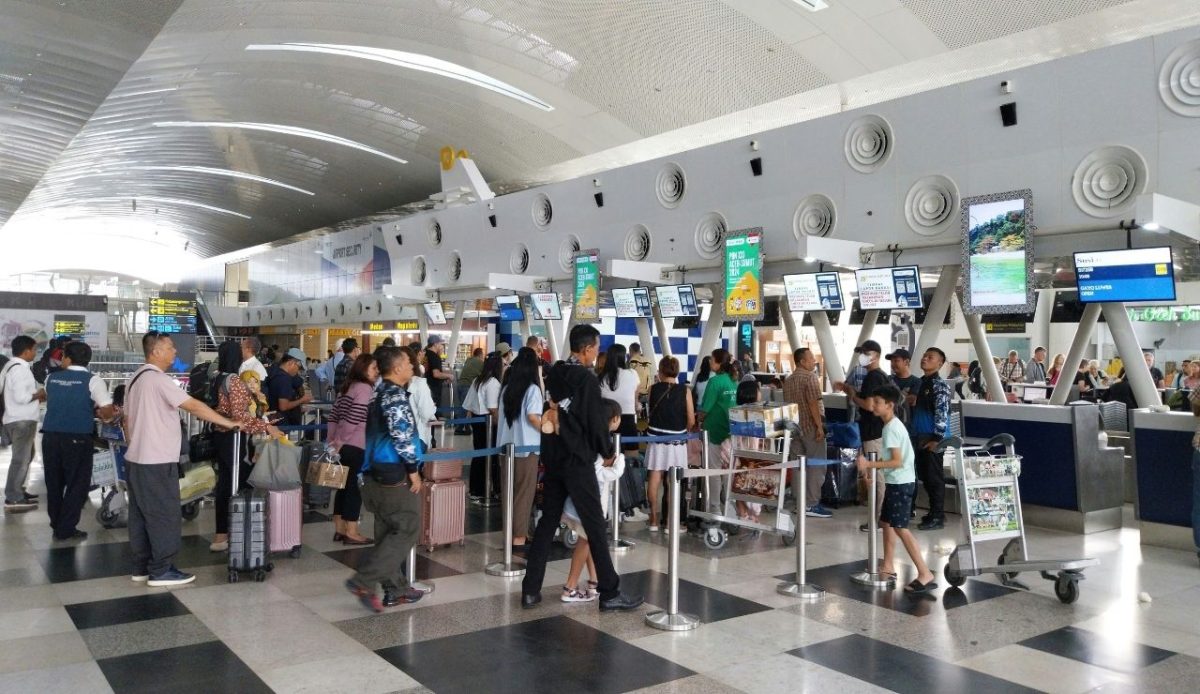
Full suspensions bar nationals of the listed countries from entering, so leisure demand ends at airline document checks. At New York JFK and Dulles, carriers deny boarding when passports match the suspension list, cutting arrivals before local spend.
Gateway hotels rely on long-haul stays that run several nights and fill downtown and airport corridor inventory. When an origin market drops to zero, room nights vanish in clusters, and fixed room supply cannot be redeployed.
The restriction is a federal entry rule, so a tour voucher cannot restore access. The observable result is a sharp fall in inbound passengers from those markets and fewer international room nights in gateway districts.
2. Visitor Visa Categories Get Cut in Partially Restricted Countries
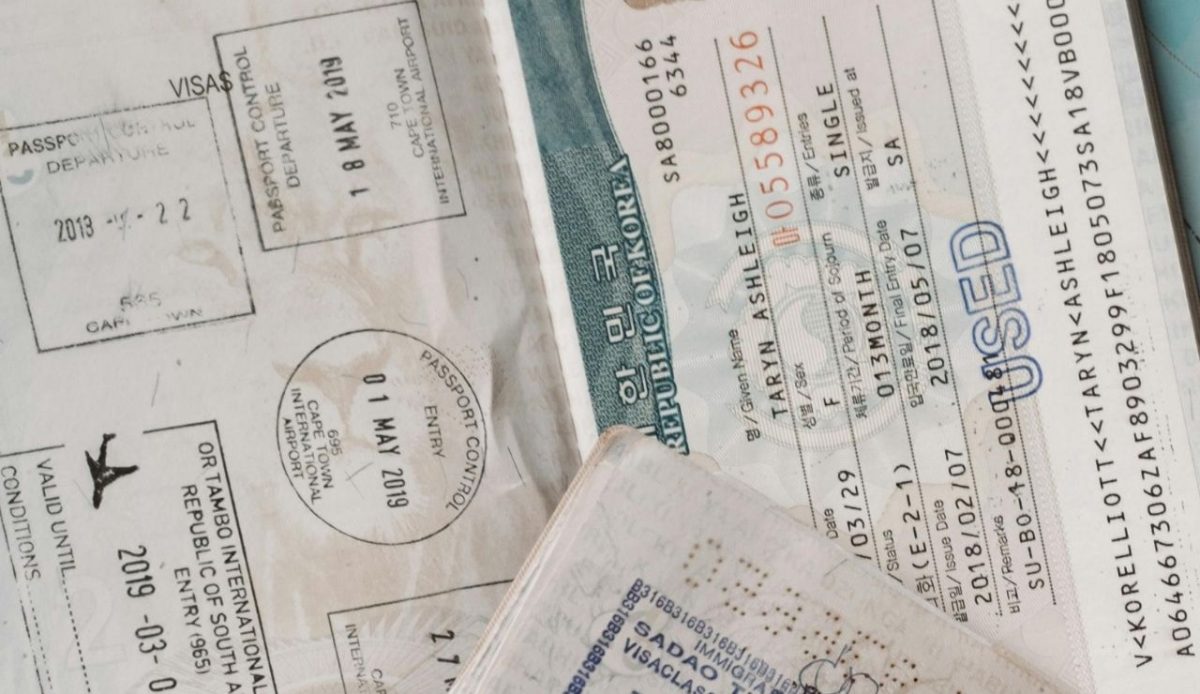
Partial suspensions target visitor travel categories, including B1 and B2, so many leisure trips stop at the consulate stage. A traveler in Lagos or Dakar may still fly to Europe, but cannot secure a U.S. visitor visa under the restricted class.
This removes short stays that feed urban hotel zones near Midtown Manhattan or Miami Beach, where overseas guests often book compact itineraries. Because the constraint is legal eligibility, discounts do not reopen the channel.
Operators see the hit in lower visa issuance, fewer bookings from affected markets, and reduced spend in retail and dining districts tied to visitor flow. The mechanism is a category lock, not a price-driven downturn.
3. The January 1 Cutoff Triggers Cancellations
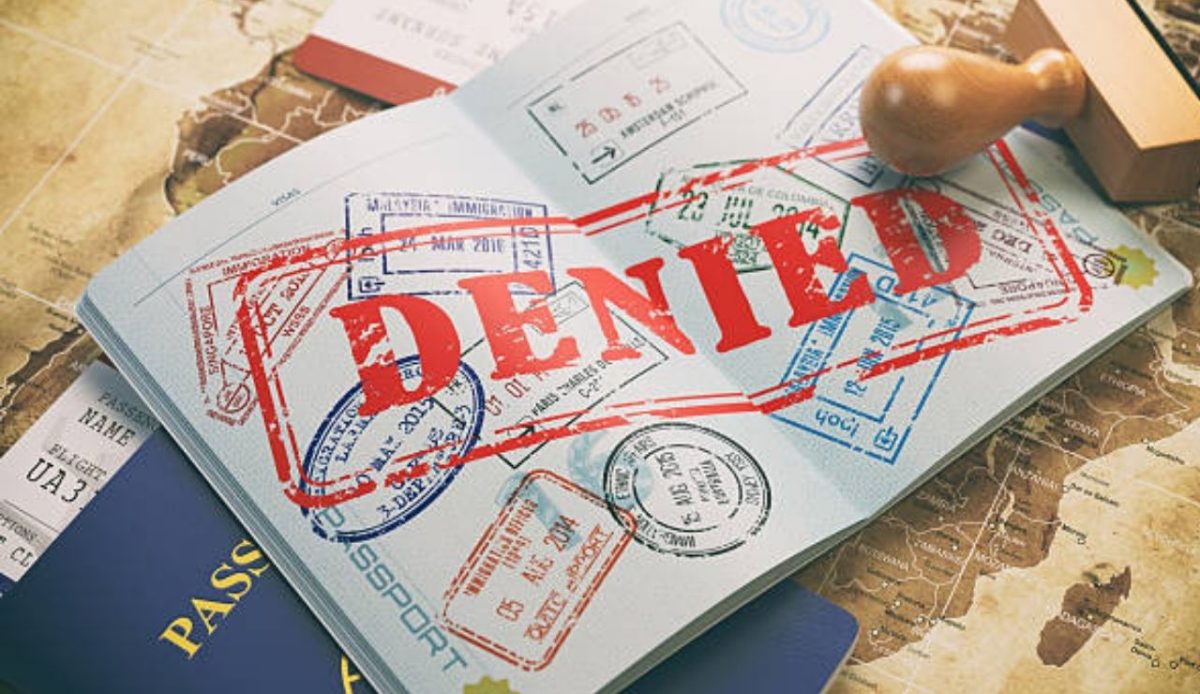
The effective date rule applies to nationals outside the country who lacked a valid visa on January 1, 2026. That cutoff converts pending trips into cancellations because eligibility is set by documentation on a fixed date, not by travel purpose.
Airlines at Toronto Pearson, Heathrow, and Dubai face rebooking surges when passengers learn they cannot board a U.S. leg. Since hotel dates and event tickets are fixed, many itineraries in New York, Orlando, and Las Vegas cannot be moved.
The tourism signal shows up as sudden booking drops, higher refund requests, and unused room blocks. A date-certain restriction concentrates losses into a narrow window, creating measurable volatility in occupancy and seat load.
4. Airline Schedules Shrink on Affected City Pairs
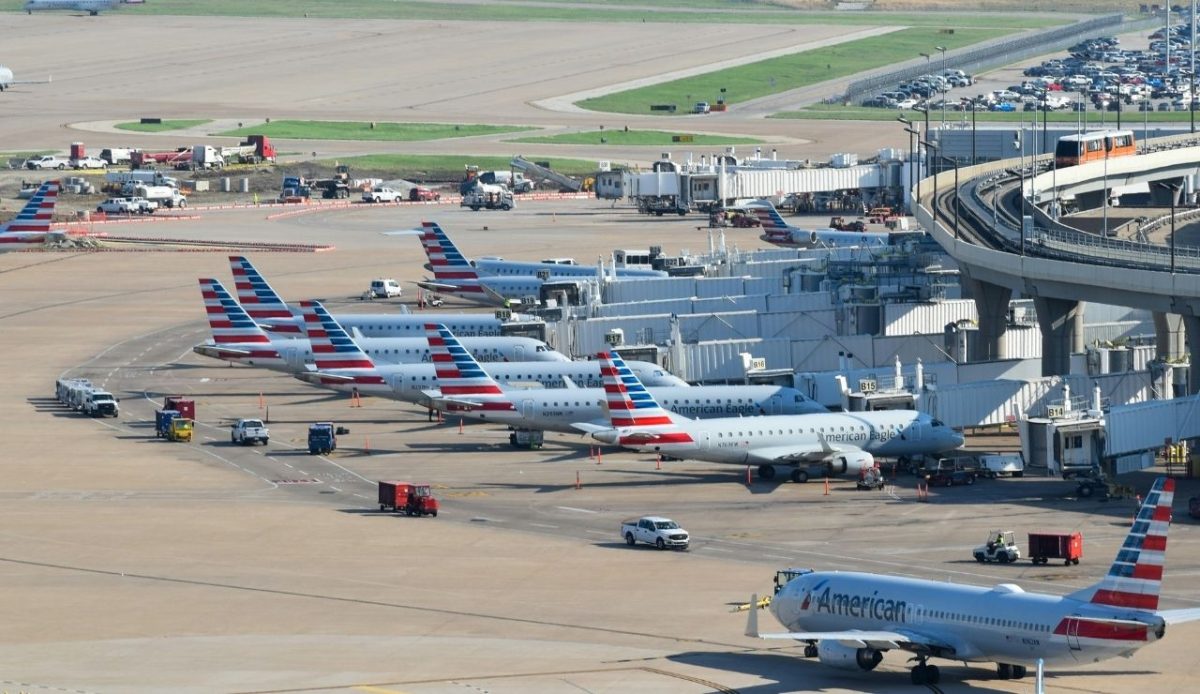
Airlines adjust schedules when policy removes a defined passenger pool, especially on thin long-haul routes with limited frequency. A cut from daily to three weekly flights into gateways like IAD or ATL reduces seats and constrains visitor flow by timetable.
Because aircraft assignment and crew bases are planned several seasons ahead, capacity cannot shift instantly to replace lost demand. Fewer departures reduce connection options from secondary airports, which lowers bookings for inland cities that depend on hub feed.
The impact is visible in published schedules, lower seat counts, and weaker inbound load factors. Route cuts also raise per-seat costs on remaining flights, which further suppresses discretionary trips that require fixed dates.
5. Group Tours Fail Under Mixed Passport Eligibility

Group tours depend on uniform admissibility because one denied traveler can break a coach roster and prepaid admissions. When eligibility shifts by nationality, operators cannot guarantee that a group departing from Frankfurt or Istanbul will clear document checks for the U.S. leg.
Hotels in Midtown, Downtown LA, and the National Mall corridor sell room blocks to wholesalers months ahead. If a group fails, rooms return late to inventory and reprice downward, creating revenue loss for fixed room stock.
Tour firms pause U.S. products, removing a high-density channel that feeds several cities on one itinerary. The outcome shows in fewer motorcoach arrivals, reduced attraction redemptions, and weaker shoulder season occupancy.
6. Convention Contracts Lose International Delegates
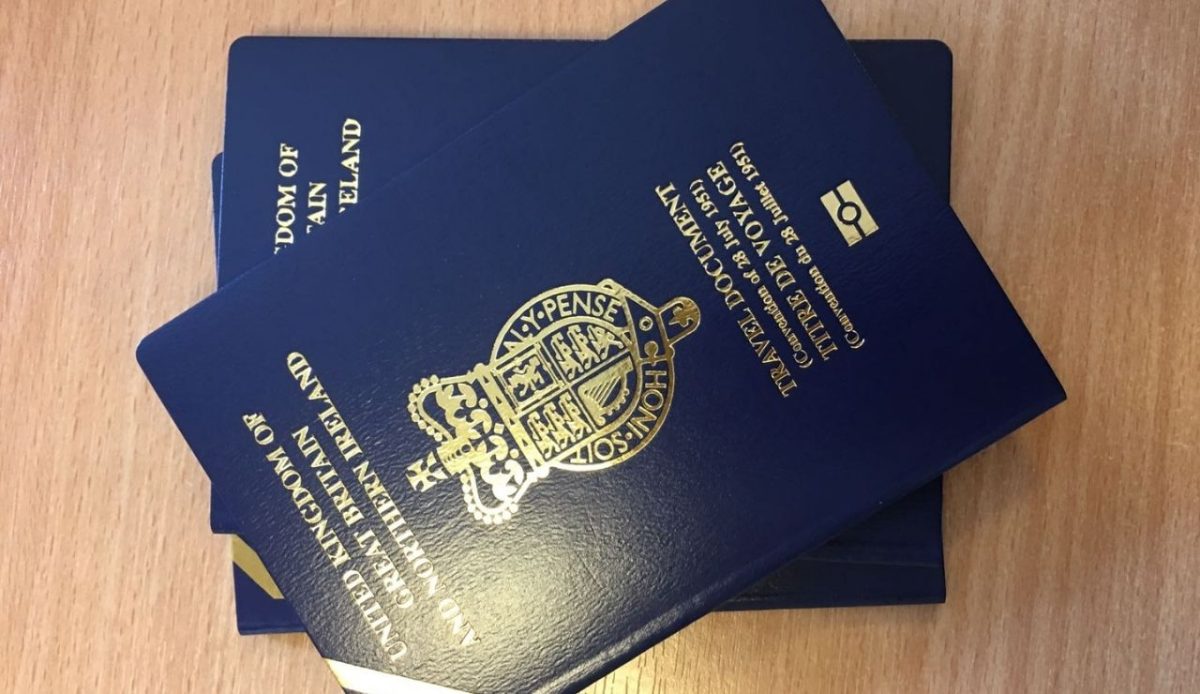
Convention travel relies on predictable entry for delegates who book flights and hotels on fixed timelines. When visitors from restricted countries cannot obtain B visas, attendance drops for events at venues like McCormick Place or the Las Vegas Convention Center.
Event contracts hold large room blocks in districts near venues, priced before final registrant lists are known. Lower international turnout leaves unsold nights that local demand rarely replaces on the same midweek pattern.
Organizers shift future bids to cities with clearer entry rules, so the impact extends beyond one season. The measurable outputs are fewer badge pickups, reduced room pickup against the block, and lower airport arrivals during event weeks.
7. Cruise Itineraries Avoid U.S. Port Calls
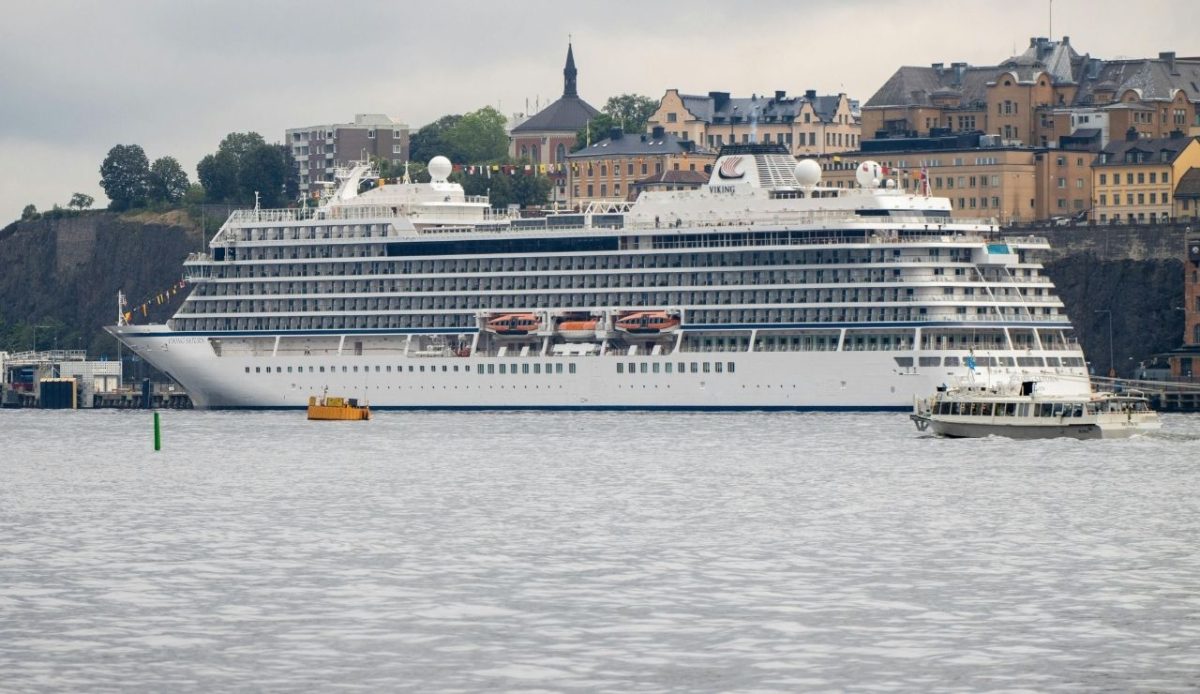
Cruise lines must ensure every passenger can legally enter each port, including disembarkation and reboarding. If a manifest includes restricted nationalities, U.S. calls at PortMiami, Port Everglades, or Galveston add compliance risk tied to entry rules.
Operators mitigate risk by changing embarkation ports, dropping U.S. stops, or rerouting to Caribbean or Mexican ports where entry terms differ. That reduces passenger days ashore and cuts shore excursion sales in terminal districts.
Port impacts are measurable through fewer scheduled calls, lower headcounts moving through terminals, and reduced provisioning orders. Since ship deployment is fixed, a removed U.S. call is a direct tourism loss, not a seasonal shift.
8. Transit Routings Shift Away From U.S. Hubs
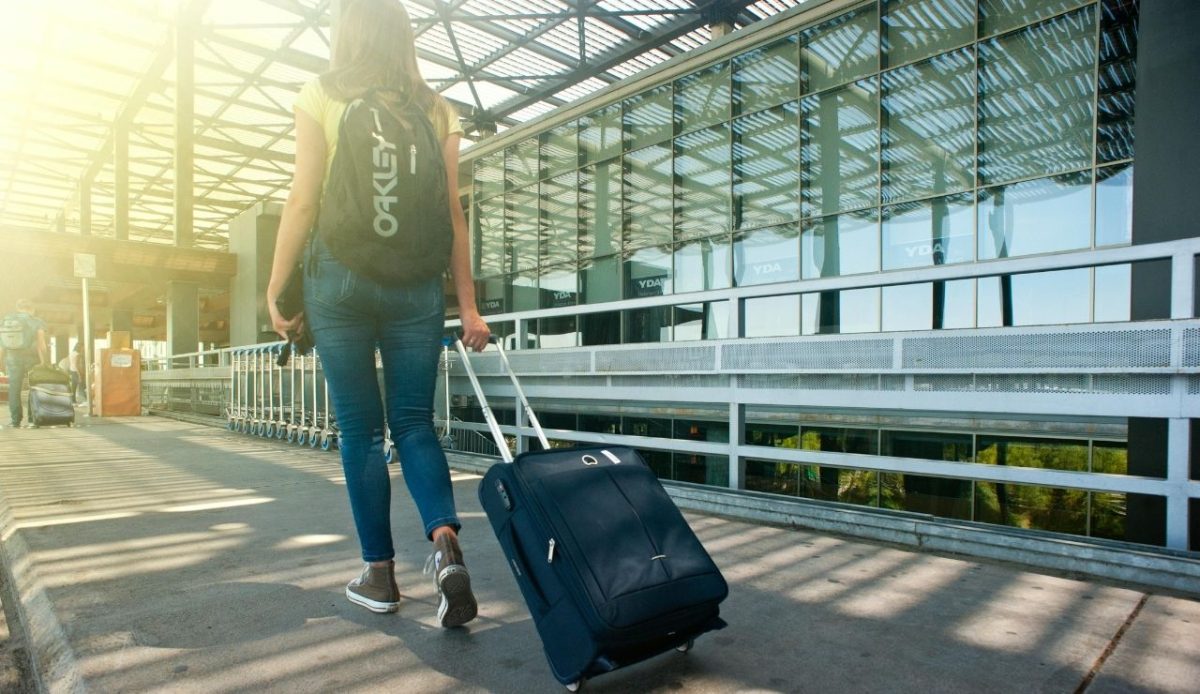
Travelers connecting between regions choose routings that minimize document risk and secondary screening. When a ban raises uncertainty for certain passports, passengers and agents avoid U.S. hubs such as JFK, ATL, or DFW even when the trip is mainly in transit.
That shifts connecting traffic to hubs like Doha, Istanbul, or Madrid, reducing footfall in U.S. international terminals. Airports lose out on food, retail, and lounge access that depends on high volumes of long layovers.
The impact appears in lower international connection counts and weaker concession sales per passenger. Because hub operations have fixed gates and staffing, a drop in transit volume reduces terminal utilization and can push carriers to consolidate schedules.
9. Short Term Rentals See Softer International Weekends

Short-term rentals in high-demand zones depend on international weekends that target downtown cores and beach corridors. When visitor visas are restricted, listings near South Beach, Lower Manhattan, and Waikiki see fewer family bookings tied to overseas arrivals.
City rules like licensing caps and minimum stays fix available inventory, so hosts cannot offset lower demand with quick supply changes. A sudden drop pushes nightly rates down and raises vacancy on weekends that were previously tight.
Hosts track the effect through fewer inquiries from abroad and lower occupancy in regulated zones. The mechanism is a legal access cut that changes who can enter, which then shifts utilization of fixed lodging stock.
10. Theme Parks Lose Multi-Day Overseas Families

Orlando and Anaheim theme parks rely on multi-day visits from overseas families who plan around school calendars and long-haul flights. When visitor categories are restricted, fewer groups arrive through MCO or LAX, reducing ticket bundles and resort hotel nights.
Parks manage capacity through reservations, parking limits, and staffing tied to forecast attendance. A drop in overseas demand changes the mix of guests, which can lower per capita spending on lodging, dining, and add-on access products.
The impact shows in fewer package bookings and softer occupancy at park hotels in defined resort zones. With fixed ride capacity and labor schedules, lost international visits reduce utilization rather than shifting to another gate.
11. National Parks Lose Overseas Fly In Visitors

Overseas visitors often enter through hubs like SFO, LAX, or DEN and then rent vehicles for parks in the West. When entry is suspended or visitor visas are restricted, tourism to Yellowstone, Yosemite, and the Grand Canyon loses a segment of long-distance travel.
Park access is constrained by road capacity, shuttle limits, and timed entry programs, so managers cannot replace lost overseas demand with new supply. Gateway towns with limited lodging inventory feel the drop in room nights and tour seats.
Signals include fewer international tour buses at entrances, lower demand for guided day trips, and reduced shoulder season visitation. Border eligibility shapes who can reach remote parks via fixed transport corridors.
12. Urban Museums Miss Timed Ticket Utilization
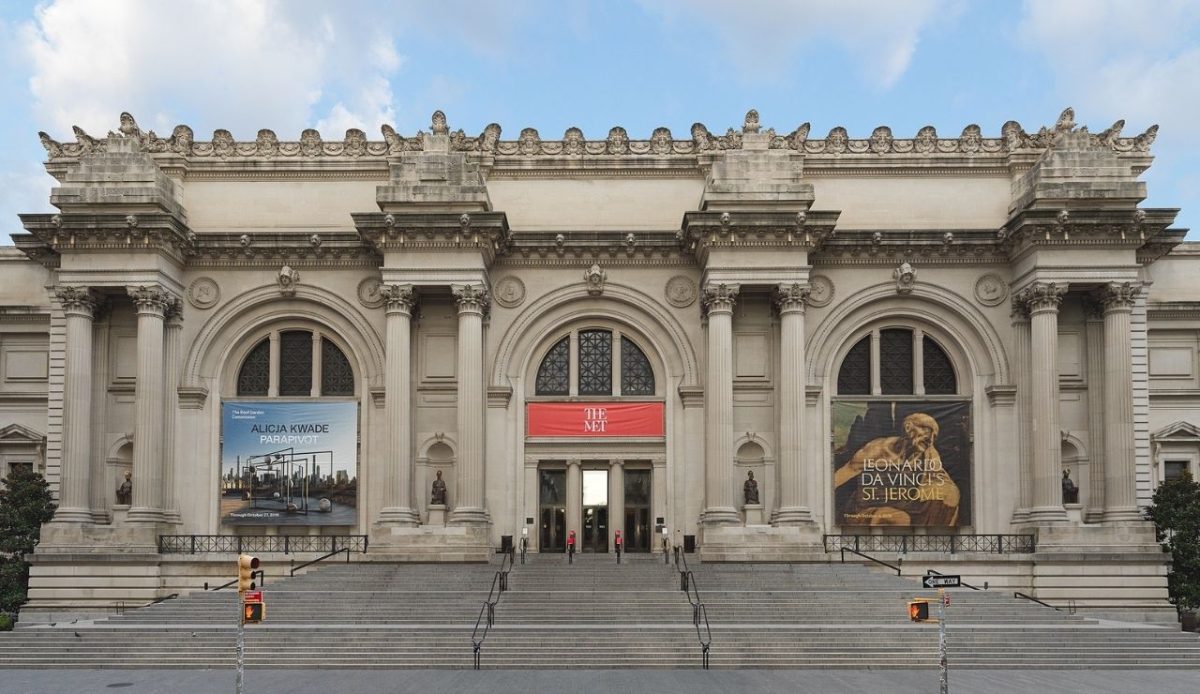
Urban museums use timed tickets to manage capacity in dense districts where transit and curb space are limited. When international arrivals fall, institutions near Fifth Avenue or the National Mall see weaker sell-through for peak entry slots.
Staffing, security checks, and gallery operations are scheduled against forecasts, so lower arrivals raise the cost per visitor. Since many tickets are bought in advance from abroad, visa limits reduce conversion before travel begins.
The outcome is lower slot utilization and fewer language-specific group entries. Border policy reduces cultural venue throughput, which then reduces turnover at nearby restaurants and transit nodes that depend on steady visitor foot traffic.
13. Rental Car Fleets Idle in Arrival Corridors

Arrival corridors around airports like LAX, MCO, and LAS host large rental car centers that depend on inbound leisure volume. When bans reduce international arrivals, fleets idle and utilization falls because overseas visitors often rent for multi-stop itineraries.
Supply is constrained by fleet purchase cycles and parking capacity, so operators cannot resize instantly without cost. Lower demand reduces shuttle frequency and staffing, which can slow processing for remaining travelers.
Metrics show the change through lower rental days per arrival and higher lot inventory. A border rule then affects ground mobility for hotel zones, parks, and regional trips that rely on driving access.
14. Tour Coach and Rail Segments Lose Feeder Demand

Motorcoach and rail segments link airports to tourism districts and park gateways. When international arrivals drop, feeder demand declines on corridors like NYC to DC, Los Angeles to San Diego, and Denver to mountain towns.
Operators face fixed costs in vehicles, stations, and driver schedules, so lower ridership reduces frequency rather than price alone. Fewer departures reduce connectivity for travelers who might otherwise extend a trip beyond the first gateway.
The outcome is measurable in ticket sales, seat occupancy, and service cuts at secondary stops. A border rule then shrinks regional touring by weakening the links that make multi-city itineraries feasible.
