
Airfare rarely rises from one thing. It’s taxes, airport fees, staffing, fuel, and the rules that shape what airlines must do, or can avoid doing. In President Donald Trump’s second term, a mix of security changes, regulatory rollbacks, and trade moves has created new ways for costs to land on passengers.
Some items are obvious, like new identity-check fees. Others are indirect: fewer consumer protections can mean more surprise charges, and tariffs can raise aircraft and parts costs that eventually show up in ticket prices.
Here are 14 policy “rules” travelers should watch. They don’t guarantee your fare will literally double, but stacked together, they can make a cheap trip look a lot pricier by checkout time.
1. TSA ConfirmID fee for non-REAL ID flyers
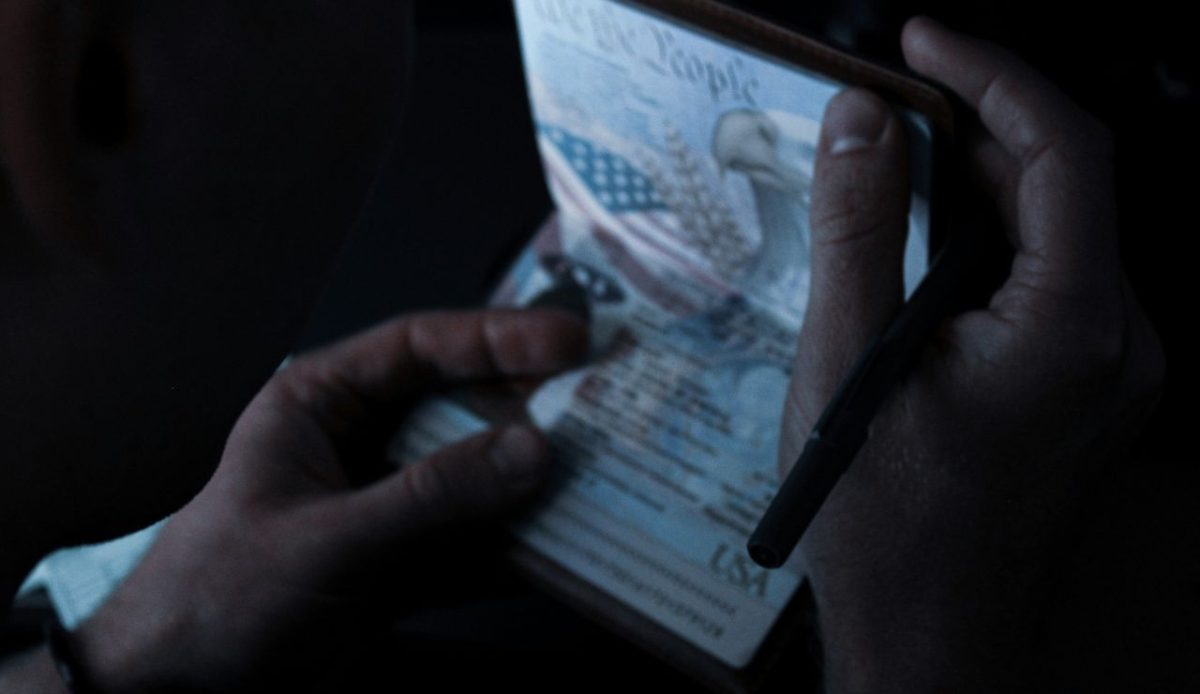
Starting February 1, 2026, TSA offers a ConfirmID option for travelers who show up without a REAL ID-compliant credential. Using it costs $45 for a 10-day travel period, on top of whatever your trip already costs.
The fee does not replace a ticket or a bag charge; it’s a paid workaround for identity verification. For families or frequent flyers who ignore REAL ID updates, that add-on can repeat on multiple trips.
The cheapest way around it is boring: update your ID before you travel. If you can not, budget the $45 and expect extra screening time, which can also trigger missed-connection expenses.
2. New tariffs on imported aircraft and parts
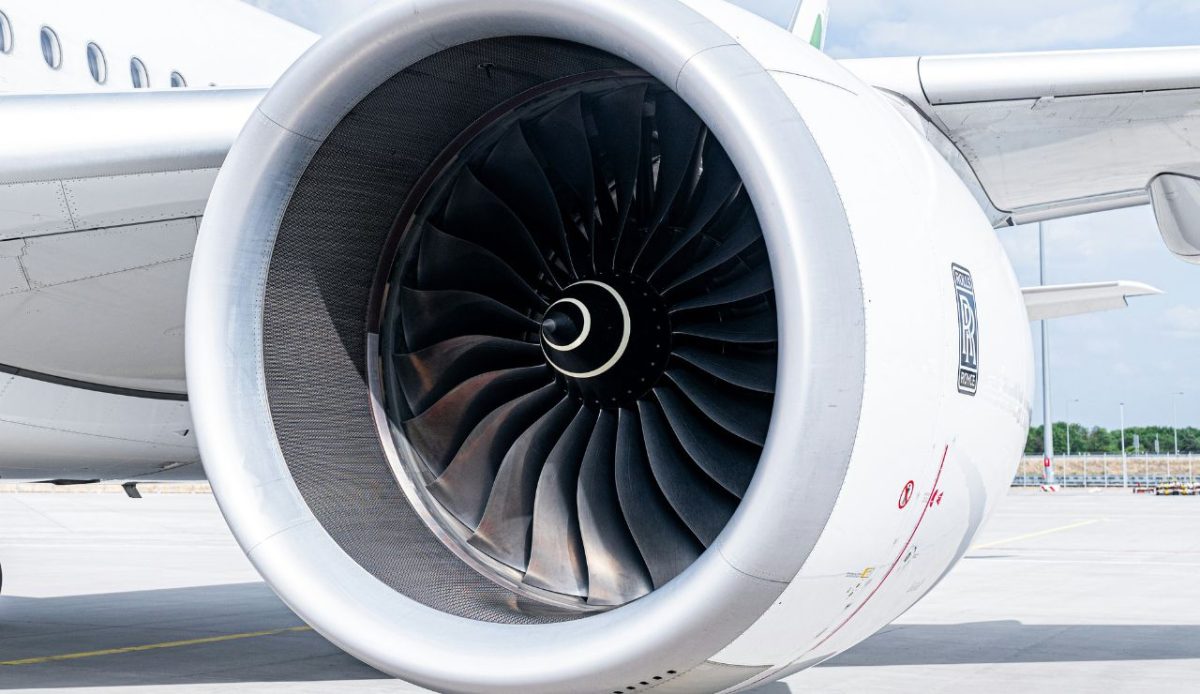
Trade policy can hit airfare in slow motion. Legal analyses of the Trump administration’s 2025 tariff policy note that it ended long-standing duty-free treatment for civil aircraft trade, raising costs on imported aircraft and components.
Airlines don’t pay those bills and shrug. Higher acquisition and maintenance costs can push up operating expenses, especially for carriers that rely on leased fleets or imported engine and airframe parts.
For flyers, this shows up as higher base fares on routes where demand is strong and competition is thin. It can also mean fewer discounts during sales, because the cost floor for running each flight rises.
3. Higher steel and aluminum tariffs feeding aircraft costs

Airplanes are basically flying supply chains. When broad tariffs raise the price of steel and aluminum, those increases bleed into aircraft manufacturing, cabin retrofits, and even ground equipment.
A January 2026 aviation trade analysis noted U.S. tariffs on aluminum and steel imports increased to 50% as of December 2025 (with a lower rate for the UK). Those materials are everywhere in aviation.
Passengers won’t see a “tariff fee” line item, but airlines recover higher input costs through fares and surcharges over time. The effect is most visible when carriers refresh fleets or refurbish cabins and need parts now, not later.
4. Aircraft and engine tariffs tied to Section 232 actions
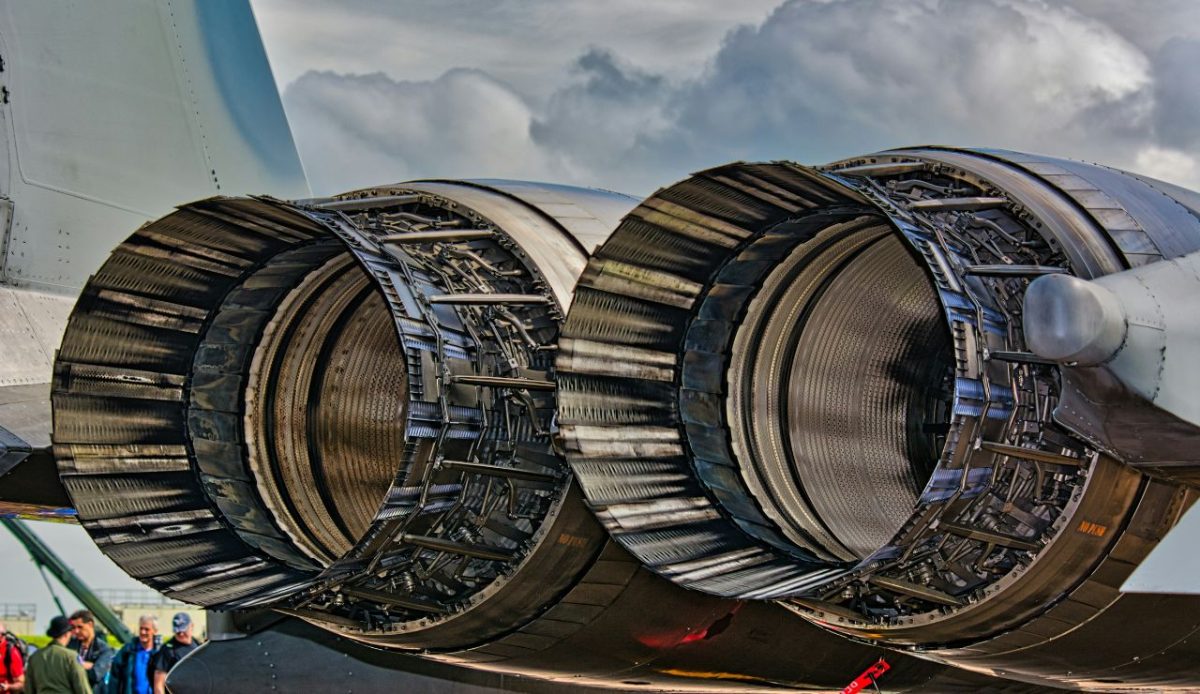
In mid-2025, the U.S. launched a Section 232 investigation that could lead to new tariffs on imported commercial aircraft, jet engines, and parts. Aerospace leaders warned it could disrupt supply chains and raise costs.
Even before any tariff lands, uncertainty matters. Airlines and lessors price risk into contracts, and manufacturers adjust supply plans. That can translate into higher lease rates, pricier spares, and slower maintenance cycles.
If your airline’s fleet depends on imported jets or engines, higher procurement costs can pressure fares. It can also cap capacity growth, keeping prices elevated on busy routes because there are fewer seats chasing the same demand.
5. Threats to decertify Canadian-made aircraft and add tariffs
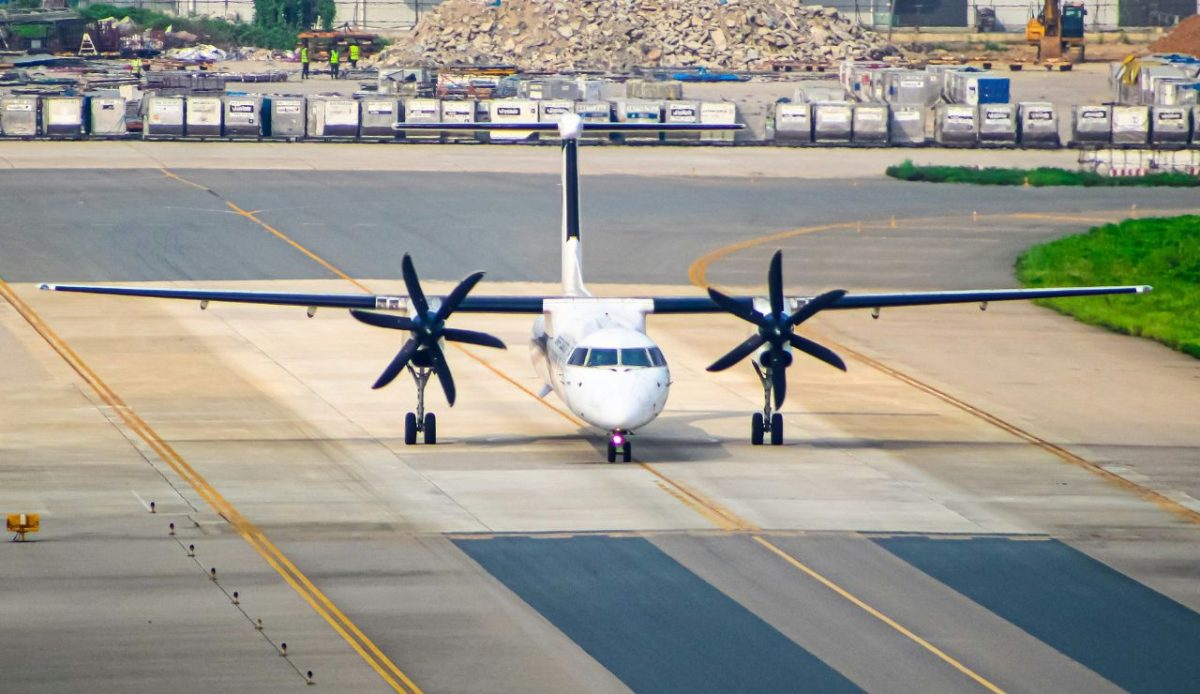
Regional air travel depends on specific aircraft, and certification politics can ripple fast. In late January 2026, reporting said President Trump would decertify aircraft manufactured in Canada and threatened a 50% tariff on Canadian planes sold into the U.S.
Analysts cautioned that many Canadian-made jets are in U.S. service, so disruption could mean grounded jets or costly substitutions. Airlines price that uncertainty into schedules and budgets.
Even if the policy later changes, the shock can raise costs for carriers tied to those fleets. Flyers often feel it as fewer seats on smaller-city routes and higher fares when there aren’t many competing options.
6. Weaker upfront disclosure of baggage and change fees

One of the fastest ways a “cheap” ticket gets expensive is the fees you only discover late. A DOT rule finalized in April 2024 would have required airlines and ticket agents to display key ancillary fees, like baggage and change limits, during itinerary search.
In early February 2026, Reuters reported a federal appeals court vacated the rule, a major win for airlines and a blow to the policy’s rollout. Less standard disclosure makes comparison shopping harder.
When you can’t see the true trip cost early, you’re more likely to book on price and pay later at checkout or at the airport. That doesn’t always double fares, but it can turn budget travel into a stack of add-ons you didn’t plan for.
7. Dropping proposed compensation rules for disruptions

Delays don’t just waste time; they create direct costs like meals, hotels, and rebooking. In September 2025, House Transportation Democrats said the Trump administration rescinded a proposed rule that would have required airlines to compensate passengers for lengthy carrier-caused delays or cancellations.
Without a stronger federal backstop, what you get depends on airline policy, fare type, and persistence. Many travelers pay out of pocket just to keep the trip alive.
On tight itineraries, one disruption can snowball into a pricey day. If compensation isn’t built in, the burden shifts to the passenger, and the real cost of flying becomes ticket price plus a risk budget.
8. Less aggressive enforcement, fewer fines, more gray areas

Rules only matter if they’re enforced. In January 2026, Skift reported the Trump administration was dialing back airline consumer-protection enforcement, leaning more on warnings and fewer fines than the prior approach.
When penalties are rarer, airlines have more incentive to push policy edges: tighter rebooking windows, slower refunds, and stricter interpretations of “voluntary” changes. None of that shows up in the first fare you see.
The cost lands later as time and money spent fixing problems, rebooked hotels, and missed connections. For frequent flyers, small frictions compound, and the trip that looked cheap becomes expensive in places you can’t easily compare.
9. More flexible airfare advertising that hides the true total
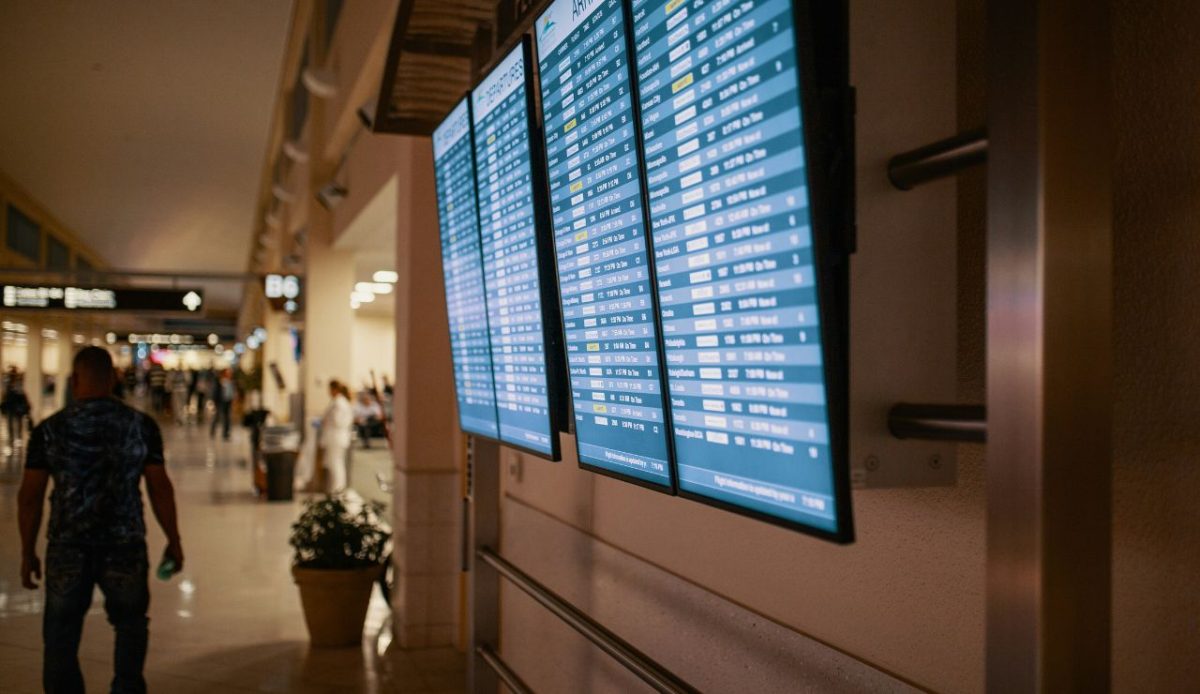
Airfare advertising rules decide what must be shown up front. A 2025 transportation regulatory agenda summary listed a proposed DOT rule titled “Enhancing Flexibility of Air Fare Price Advertising,” pointing to looser standards for how prices are presented.
Looser standards can encourage drip pricing: a low headline fare that grows as you add a carry-on, select a seat, or change plans. The final number may be accurate, but it arrives late.
For travelers, late transparency is a cost. It wastes time, makes comparisons harder, and increases the chance you’ll book based on the wrong price. The result is often higher effective fares, especially for groups booking multiple seats.
10. More flexible ancillary-fee disclosure for airlines and agents
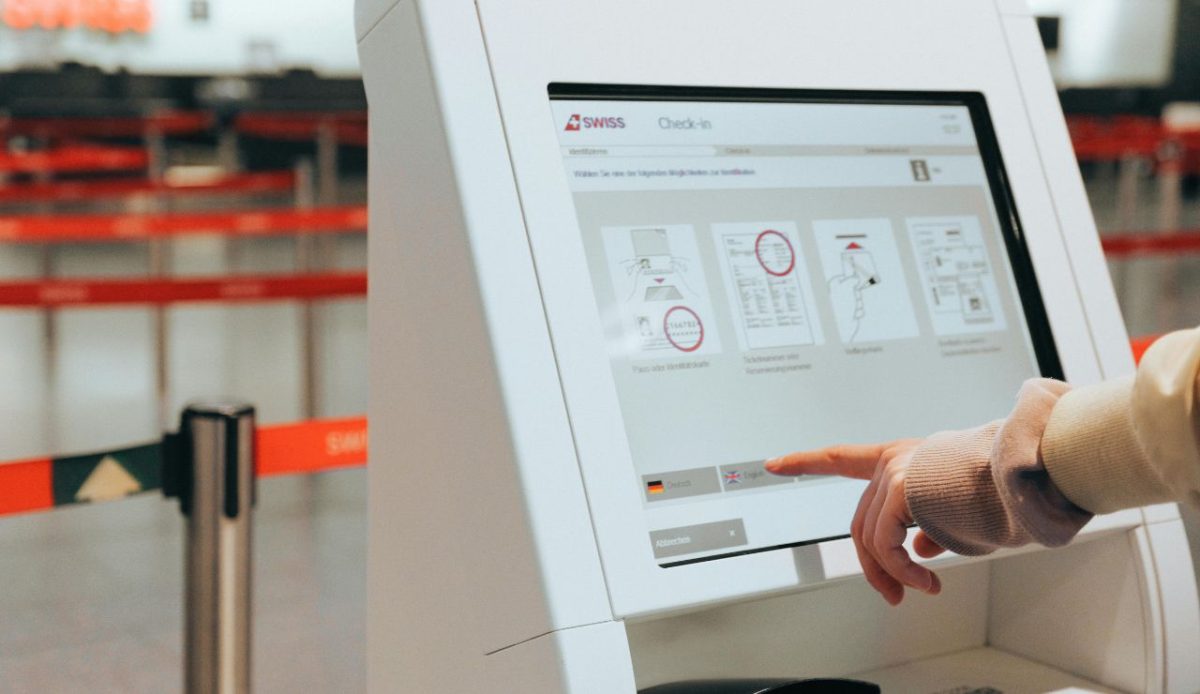
Ancillary fees are a major revenue stream, and disclosure rules decide how visible they are. A 2025 regulatory agenda list included a proposed DOT rule called “Increasing Flexibility on Disclosure of Airline Ancillary Fees.”
Flexibility can mean less standardization. If airlines and ticket agents can present fees in different ways, comparisons get harder, and the cheapest-looking option can turn into the most expensive by checkout.
This matters most on basic economy and low-cost carriers, where bags, seats, and changes are the real price. When disclosure is inconsistent, passengers pay more in add-ons and face more surprise costs at the airport when choices are limited.
11. Narrower “unfair or deceptive” standards that limit crackdowns

Many airfare disputes hinge on what counts as “unfair or deceptive.” A 2025 regulatory agenda summary listed a DOT final rule on procedures for regulating and enforcing unfair or deceptive practices, shaping how DOT can pursue cases.
If the standard is narrower, fewer practices qualify for action, and airlines face less risk when they design fees, deadlines, and booking flows. The line can tilt toward technical disclosure over plain clarity.
For passengers, that means higher friction costs: time spent chasing refunds, misunderstanding restrictions, or paying change penalties. Over trips, small charges, and do-overs can add up, especially when you’re booking for a group.
12. TSA funding shifts that can raise the “time cost” of flying
Ticket price isn’t the only cost; time is money when you miss flights. In May 2025, Reuters reported the White House budget proposal sought to cut TSA funding while boosting some aviation-safety spending, a signal that screening capacity could be squeezed.
Less capacity can mean longer lines, more rebooking, and more overnight stays when a missed flight cascades. Airlines may not reimburse you if the miss is treated as passenger-caused.
Even without a new fee, you can pay in hotel nights, last-minute fares, and lost vacation time. Blunt it by arriving earlier and avoiding tight connections, but that buffer is still a real cost.
13. Rewriting refund and consumer-protection rules midstream
Refund rules are where passengers feel the stakes. A 2025 transportation regulatory agenda summary listed a proposed DOT rule titled “Airline Refunds and Other Consumer Protections III,” signaling another reset of the framework for cancellations and major changes.
Any rewrite creates uncertainty for travelers and ticket agents. If requirements are narrowed, cash refunds can be harder to secure, and more cases can be pushed into credits, strict deadlines, or “contact the airline” loops.
The cost isn’t just the ticket. When refunds are slow or limited, you may need to rebook on a different carrier at a price while your original funds are tied up. That overlap is how costs spike.
14. New DOT enforcement procedures that slow consumer fixes

Sometimes the “rule” is how the regulator acts. A 2025 regulatory agenda summary listed a DOT proposal on administrative rulemaking, guidance, and enforcement procedures, which can change how quickly DOT issues guidance and brings cases.
More processes can mean slower responses to new pricing tactics and fewer fast clarifications when consumers complain. That gives airlines more room to keep policies in place while disputes grind on.
For travelers, slow enforcement means higher out-of-pocket costs: booking mistakes that can’t be unwound, fees that stay common, and refunds that take longer. The fare may look similar, but the cost of fixing problems rises.
