
The best snorkeling beaches reveal an underwater world that feels alive with color and motion. Across the globe, certain coastlines stand out for their clear water, easy shore access, and diverse marine life. Some stretch along vast reefs, while others hide in calm bays protected by cliffs or coral barriers. Each destination offers something different, from sea turtles grazing on seagrass to tropical fish weaving through coral heads. Whether exploring tropical lagoons or unexpected cold-water sites, these 20 beaches deliver snorkeling experiences that stay vivid long after the swim ends.
1. Great Barrier Reef, Australia
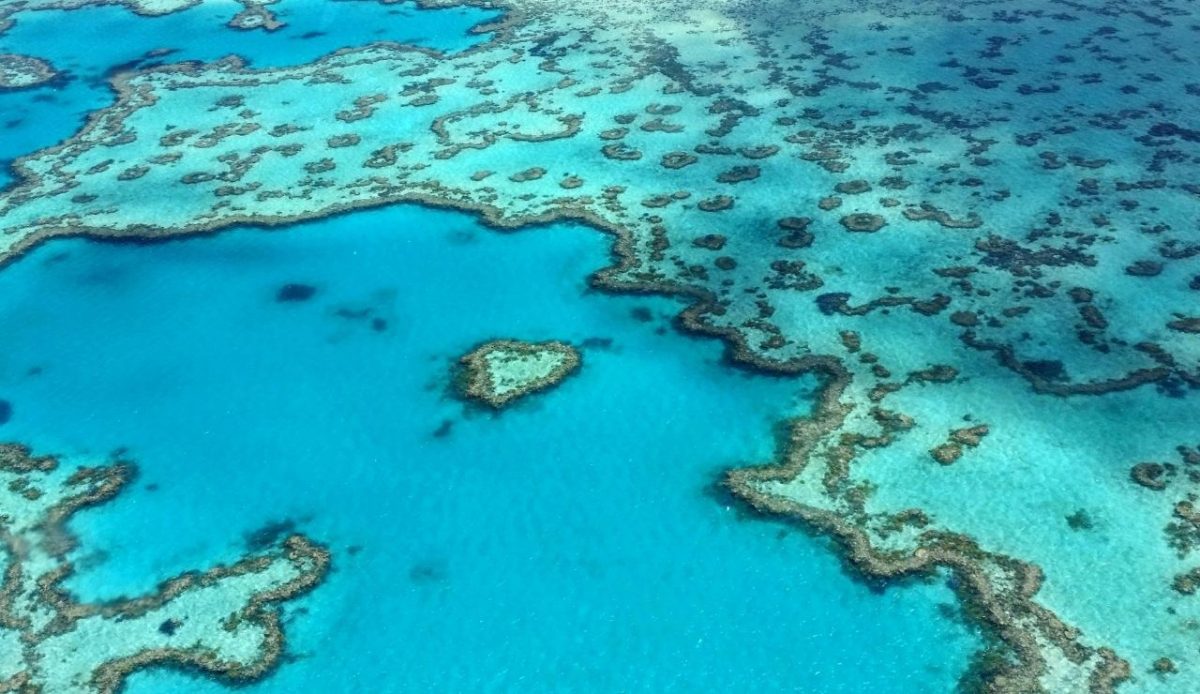
The Great Barrier Reef is the world’s largest coral system, stretching over 1,400 miles along Australia’s northeast coast. Its vast underwater world encompasses more than 1,500 species of fish, 400 types of coral, and numerous marine creatures, including sea turtles and manta rays. Visitors can snorkel directly from beaches such as Green Island or Fitzroy Island, or join guided reef tours from Cairns and Port Douglas. Calm lagoon areas are suitable for beginners, while outer reef sites offer deeper, more vibrant coral gardens. With excellent visibility year-round, it remains a must-see for anyone seeking a once-in-a-lifetime snorkeling experience.
2. Ningaloo Reef, Australia
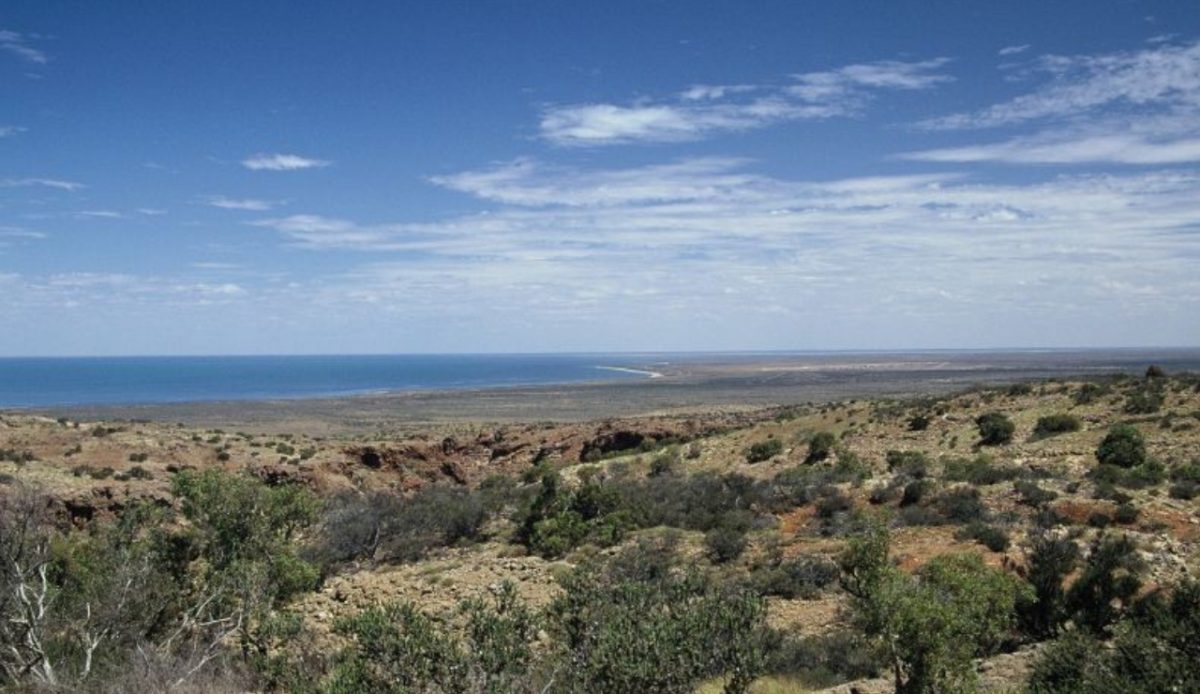
Located off Western Australia’s Coral Coast, Ningaloo Reef rivals the Great Barrier Reef for its beauty but offers easier access from the shore. This UNESCO-listed site spans more than 160 miles and is famous for seasonal whale shark encounters between March and August. Snorkelers can walk straight into the reef at Turquoise Bay, where coral and fish thrive just a few feet offshore. Calm water and minimal currents make it ideal for families and beginners. Marine life includes turtles, reef sharks, and rays gliding through shallow channels, creating one of the world’s most rewarding snorkeling environments.
3. Hanauma Bay, Oahu, Hawaii, USA
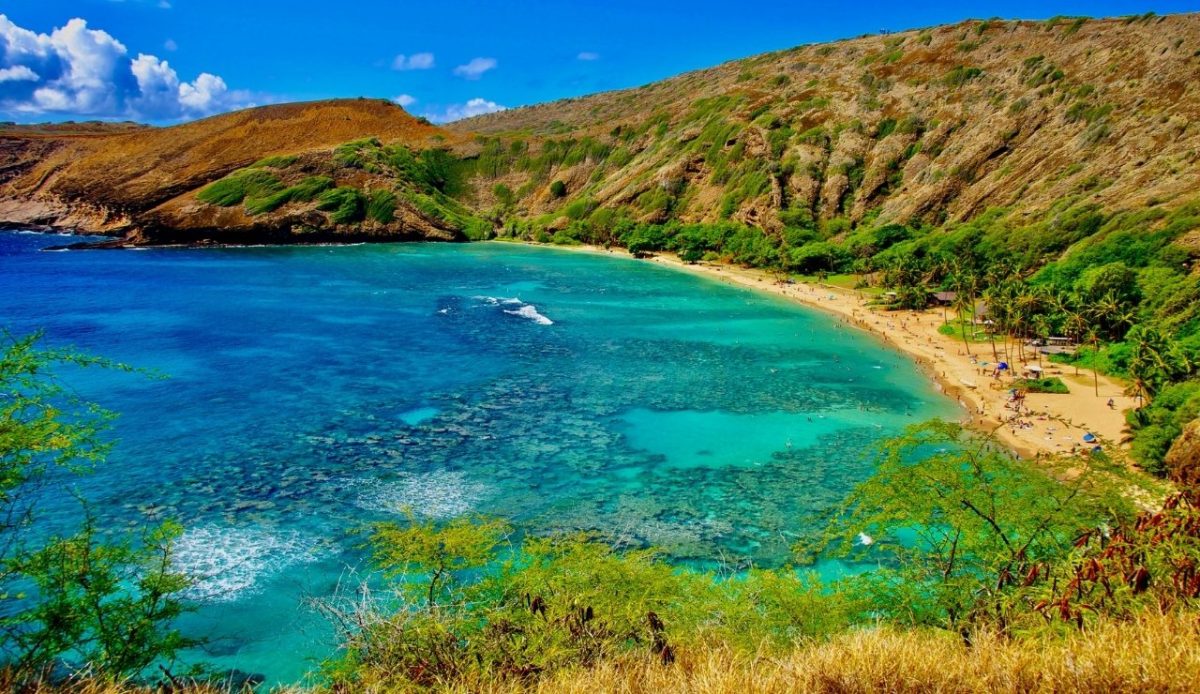
Formed inside a volcanic crater on Oahu’s southeast coast, Hanauma Bay offers one of Hawaii’s easiest and safest snorkeling experiences. Its shallow water shelters hundreds of fish species, including the colorful state fish, the humuhumunukunukuāpuaʻa. The protected conservation area limits daily visitors to preserve coral health, and onsite education programs teach eco-friendly practices. Gear rentals and lifeguards make it beginner-friendly, while early arrivals enjoy calm conditions and fewer crowds. With crystal water and close coral formations, Hanauma Bay is a model for sustainable snorkeling in the Pacific.
4. Kapalua Bay, Maui, Hawaii, USA
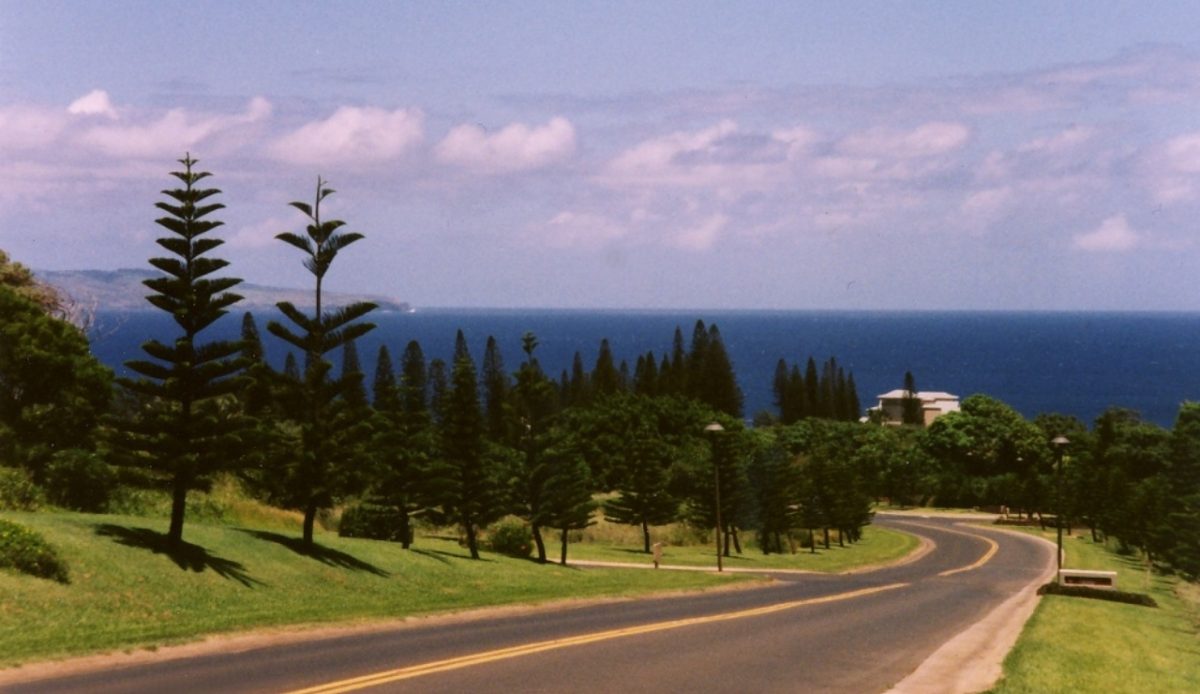
Kapalua Bay is one of Maui’s calmest snorkeling beaches, tucked between two rocky points that protect it from waves and strong currents. Shallow reefs near the shore make it easy to spot butterflyfish, sea urchins, and turtles in clear water. Families and first-timers appreciate the sandy entry and lifeguard presence, while experienced snorkelers can explore deeper sections along the lava rock edges. Facilities include parking, showers, and rental stands. With consistent visibility and a relaxed setting, Kapalua Bay provides a perfect mix of safety, beauty, and marine variety.
5. Hol Chan Marine Reserve, Belize
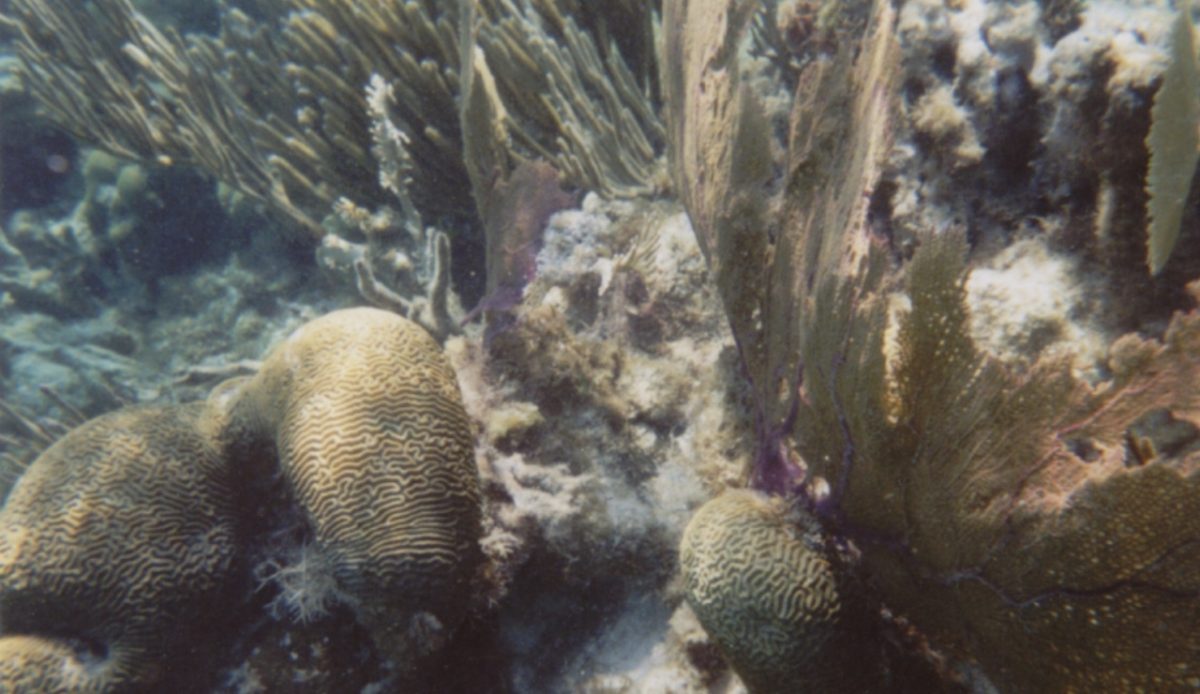
Off the coast of Ambergris Caye, Hol Chan Marine Reserve is part of the Belize Barrier Reef, the second-largest reef system in the world. “Hol Chan” means “Little Channel” in Maya, referring to the natural cut through the reef where marine life gathers. Snorkelers can see nurse sharks, rays, and colorful fish in calm water about 30 feet deep. Nearby Shark Ray Alley adds extra excitement, offering close but safe encounters with these species. The reserve’s clear visibility, accessible depth, and strong conservation rules make it Belize’s premier snorkeling spot.
6. Cozumel, Mexico
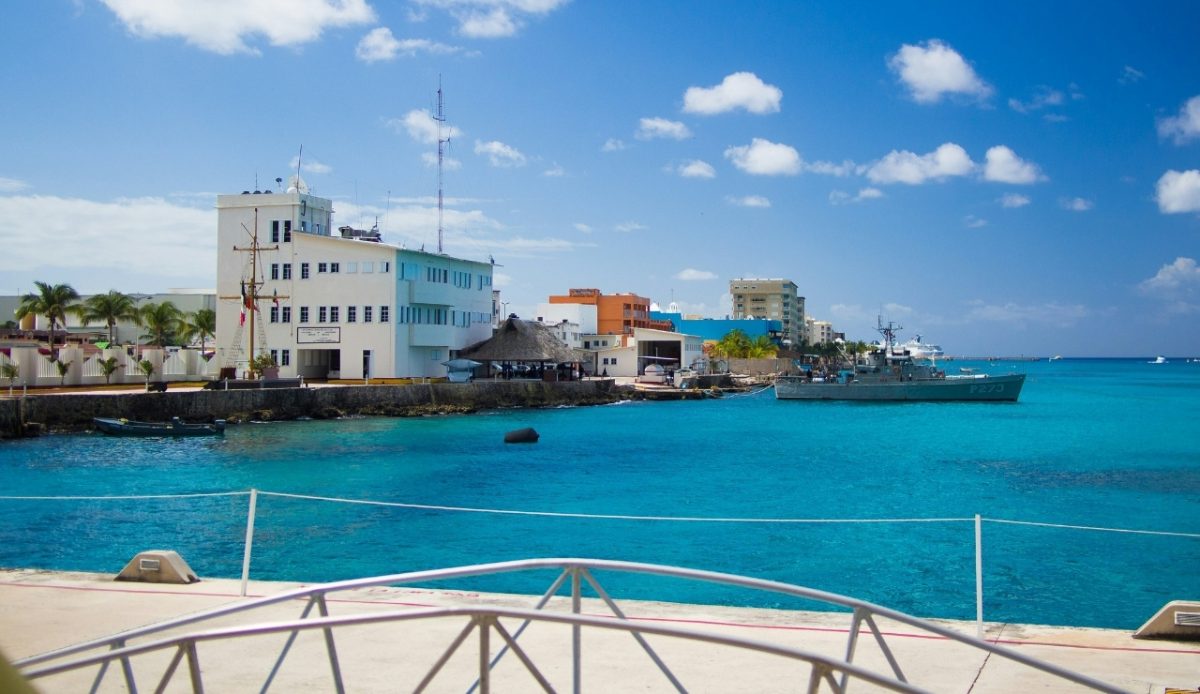
Cozumel lies along the Mesoamerican Reef, known for clear water and colorful coral gardens. Popular beaches like Playa Palancar and Chankanaab Park allow easy access for snorkelers who prefer to start from shore. The calm current carries swimmers past fan corals and schools of angelfish, while deeper reefs host rays and turtles. Guided drift snorkeling tours add an extra thrill for advanced visitors. Cozumel’s marine park protections ensure healthy coral and thriving wildlife, while local operators promote eco-friendly tours that keep the underwater world vibrant for future travelers.
7. Akumal Beach, Riviera Maya, Mexico
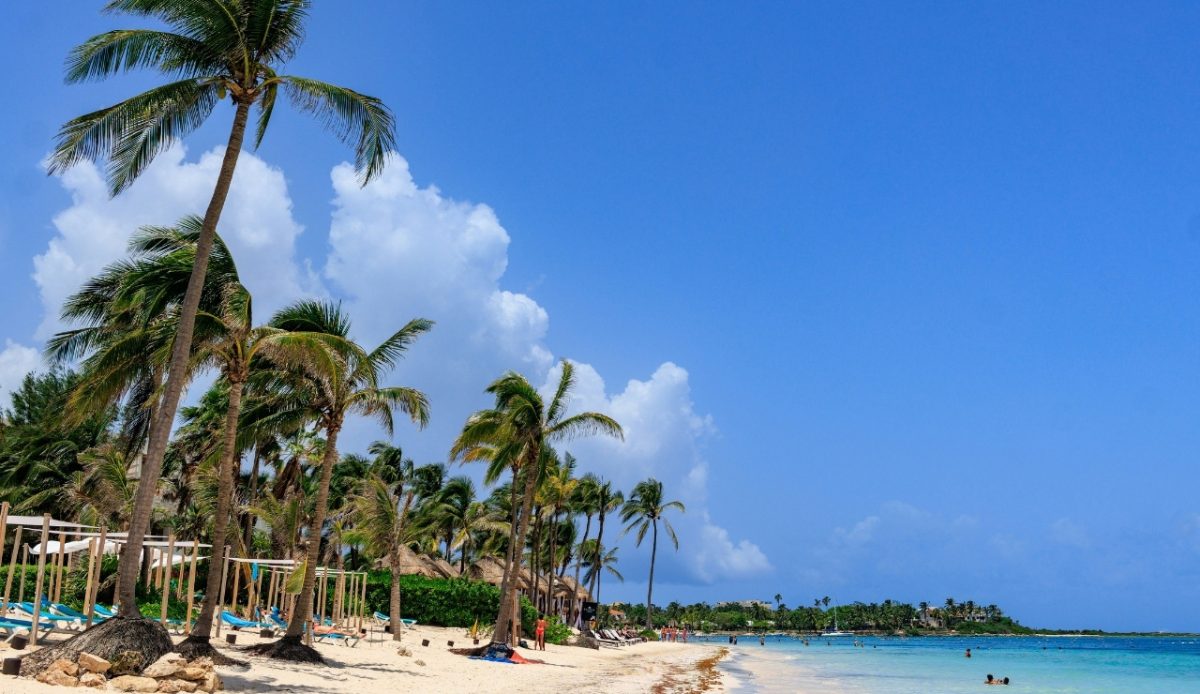
Akumal, meaning “Place of the Turtles” in Mayan, is famous for its shallow seagrass beds that attract green and loggerhead turtles year-round. The calm bay is ideal for both beginners and families. Visitors can rent equipment from local stands or join guided turtle tours that emphasize respectful distance. The reef lies just beyond the bay, offering a blend of coral, fish, and rays within easy swimming reach. Limited daily entries help preserve the bay’s balance between tourism and wildlife, making Akumal one of the Riviera Maya’s most peaceful snorkeling locations.
8. Buck Island Reef National Monument, St. Croix, USVI
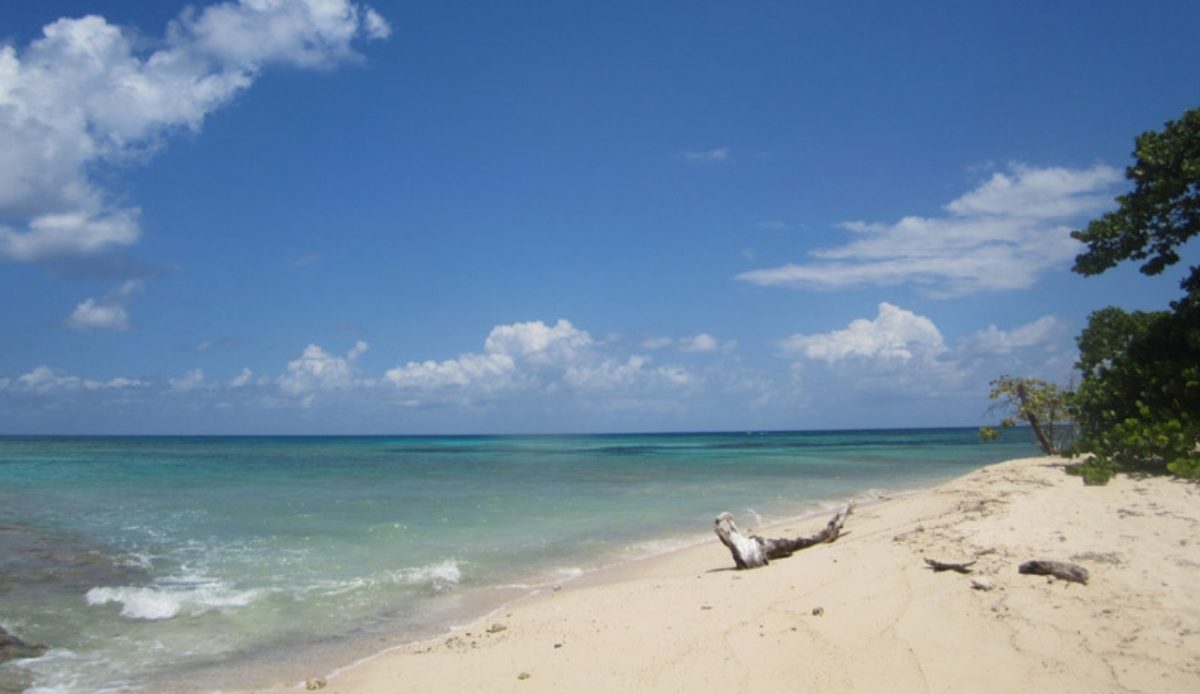
Buck Island, located off St. Croix, offers protected reefs and a famous underwater trail marked by signs explaining coral species and fish behavior. Schools of blue tangs and parrotfish glide between elkhorn coral branches, creating a vivid underwater landscape. Guided tours from Christiansted provide snorkeling gear and safety briefings, ensuring a smooth experience for all skill levels. Turtle Beach, nearby, offers a white-sand break between sessions. The island’s national monument status keeps its coral gardens thriving and its water clear, making Buck Island a cornerstone of Caribbean marine conservation.
9. Bonaire, Caribbean Netherlands
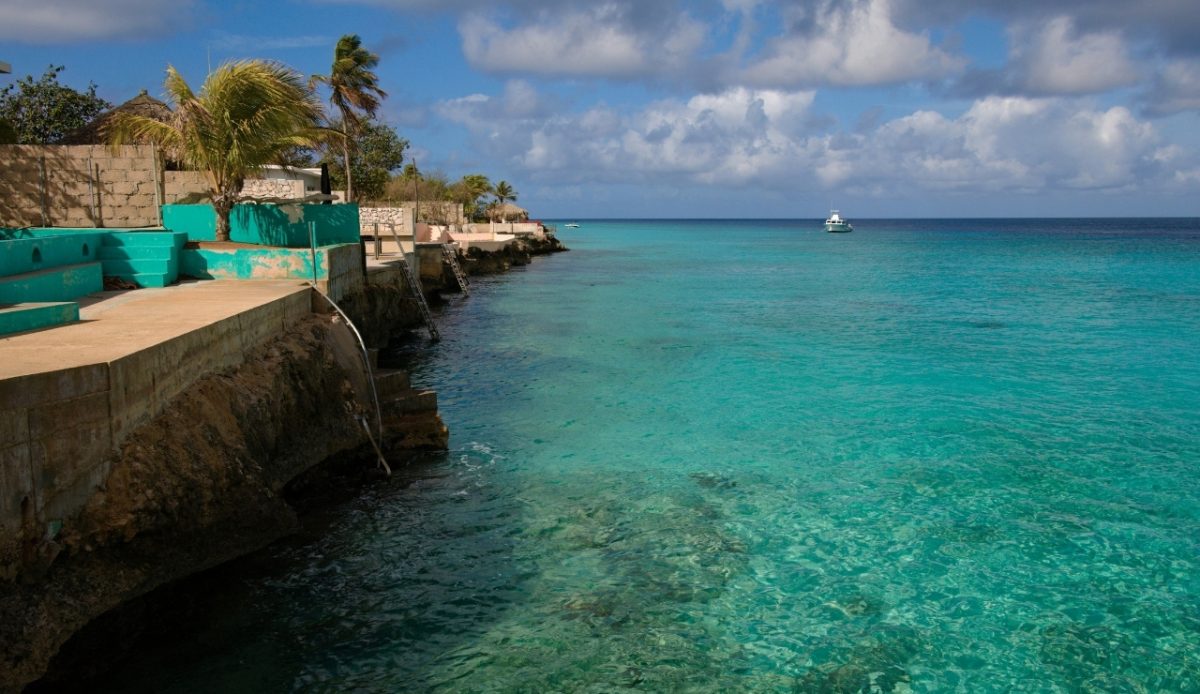
Bonaire’s entire coastline is a designated marine park, giving snorkelers unparalleled access to protected reefs directly from shore. Sites like 1000 Steps and Bari Reef are just a few kicks from land, filled with tropical fish, sponges, and occasional seahorses. Calm water and minimal currents allow beginners to explore easily, while advanced snorkelers enjoy vivid drop-offs close to the beach. The island’s clear water, consistent conditions, and reef-friendly policies make it one of the most sustainable snorkeling destinations in the world.
10. Playa Lagun, Curaçao
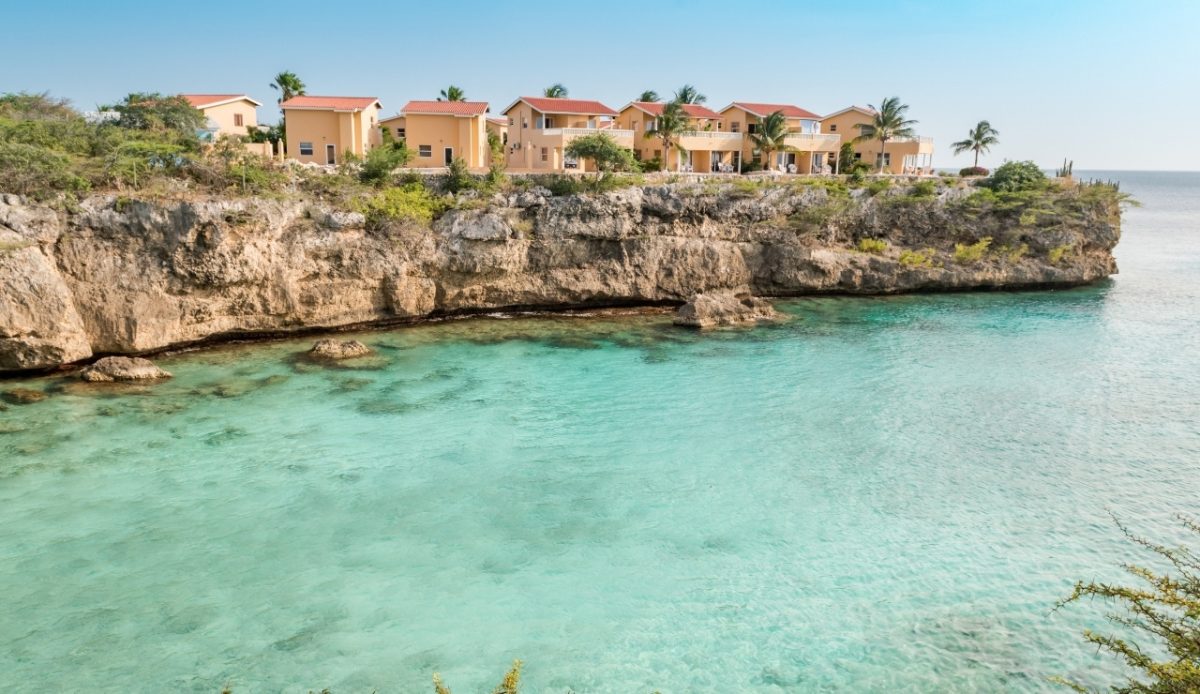
Playa Lagun, a narrow cove surrounded by limestone cliffs, provides calm water and excellent visibility. The rocky sides harbor colorful fish and soft corals, while turtles often rest near the sandy center. Its sheltered layout blocks strong currents, creating ideal conditions for families and beginners. Dive shops nearby rent snorkeling gear and organize guided reef excursions. Local restaurants overlook the bay, offering convenient breaks between swims. With easy access, calm surf, and lively marine life, Playa Lagun delivers an intimate snorkeling experience on Curaçao’s scenic coast.
11. Fernando de Noronha, Brazil
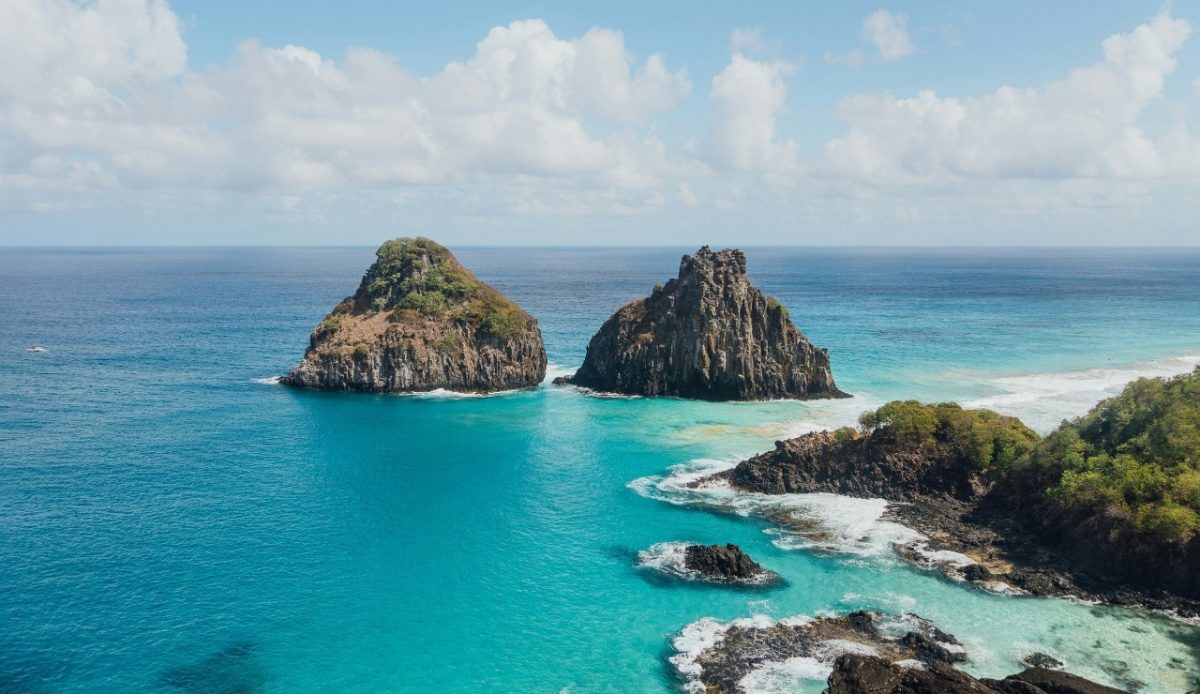
Fernando de Noronha’s turquoise bays and volcanic cliffs host some of South America’s most unspoiled snorkeling environments. Baía do Sancho, often listed among the world’s top beaches, provides clear water filled with turtles, rays, and reef fish. Strict visitor limits protect its fragile ecosystem, while local guides educate travelers about preservation efforts. The area’s exceptional visibility and warm currents make every swim feel like gliding through an aquarium. Its remote setting and regulated access ensure that Fernando de Noronha remains as pristine as nature intended.
12. Maldives
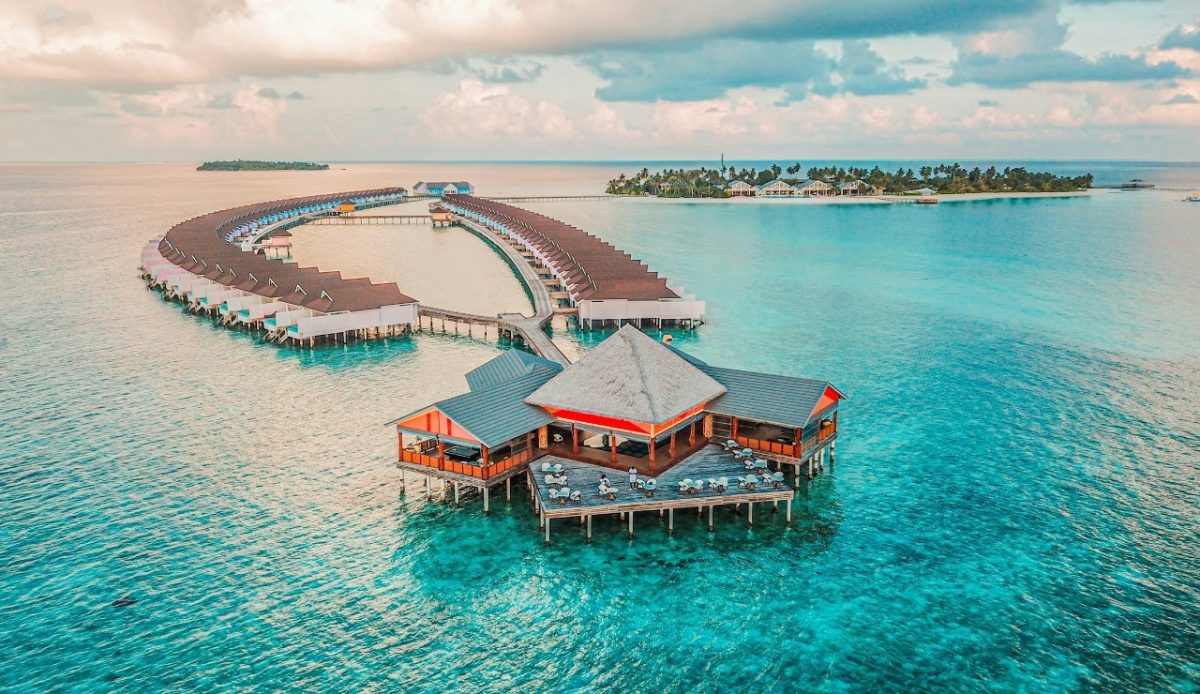
Across the Maldives, more than 1,000 islands create endless snorkeling opportunities. Each resort island typically has its own house reef, where vibrant corals and schools of fish thrive just offshore. The warm, shallow lagoons host turtles, rays, and reef sharks that coexist peacefully with snorkelers. Sites such as Banana Reef and HP Reef are famous for dense coral formations and crystal clear visibility. With calm seas and consistent temperatures year-round, the Maldives stands out as one of the world’s most accessible and luxurious snorkeling destinations.
13. Raja Ampat Islands, Indonesia
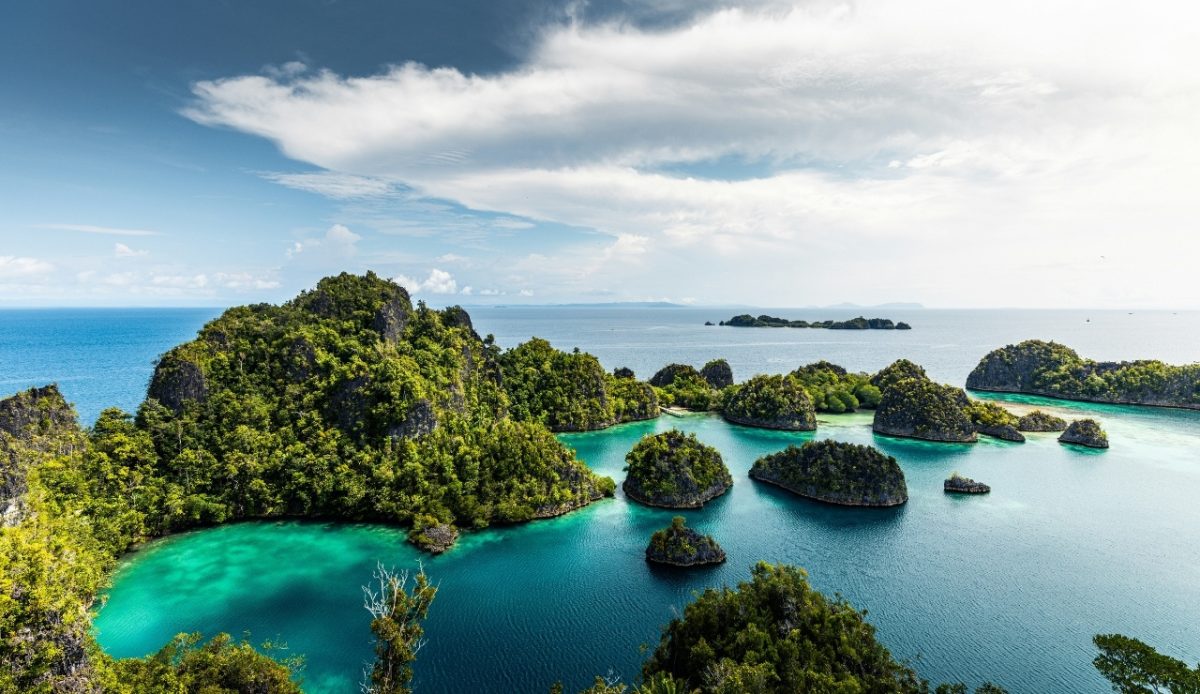
Raja Ampat is situated in the heart of the Coral Triangle, home to the richest marine biodiversity on the planet. Shallow reefs around Kri Island and Arborek Village reveal hard and soft corals in every color imaginable. Over 1,400 fish species live here, from tiny clownfish to massive Napoleon wrasse. Local community programs limit tourism impact and support conservation. Snorkeling feels like entering a living kaleidoscope, where each movement reveals new patterns and life forms. Remote but rewarding, Raja Ampat remains one of the most spectacular marine environments anywhere on Earth.
14. Komodo National Park, Indonesia
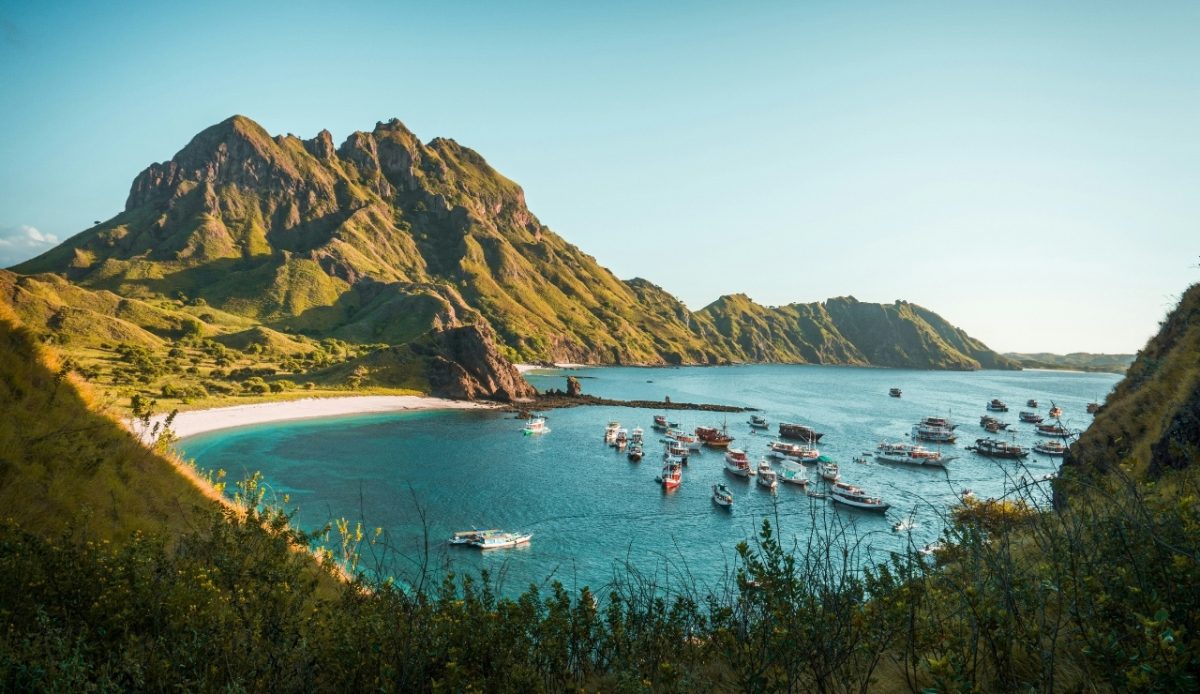
Komodo National Park combines rugged volcanic islands with some of Indonesia’s most dynamic snorkeling waters. Coral reefs at Pink Beach and Manta Point teem with life, from colorful anthias to graceful rays. The park’s strong currents nourish the coral, creating vibrant ecosystems visible right from the surface. Snorkelers should join guided tours to ensure safe timing with tides. Because it’s a UNESCO World Heritage Site, all visitors follow strict marine rules. Komodo offers an unforgettable mix of terrestrial wonder and rich underwater diversity.
