
Few countries match China’s range of travel experiences within a single border. A short flight can take you from mountain parks wrapped in mist to futuristic skylines or quiet desert oases. Centuries of history remain visible in restored walls, royal courts, and canal towns that still follow traditional layouts. At the same time, new transport links and modern visitor centers make these sites easier to explore than ever before. The following 14 destinations were chosen for their mix of scenery, cultural value, and accessibility. Each one gives travelers a clear sense of place, whether they prefer cities built on dynastic legacy or landscapes that define China’s natural identity.
1. The Great Wall of China (Beijing)
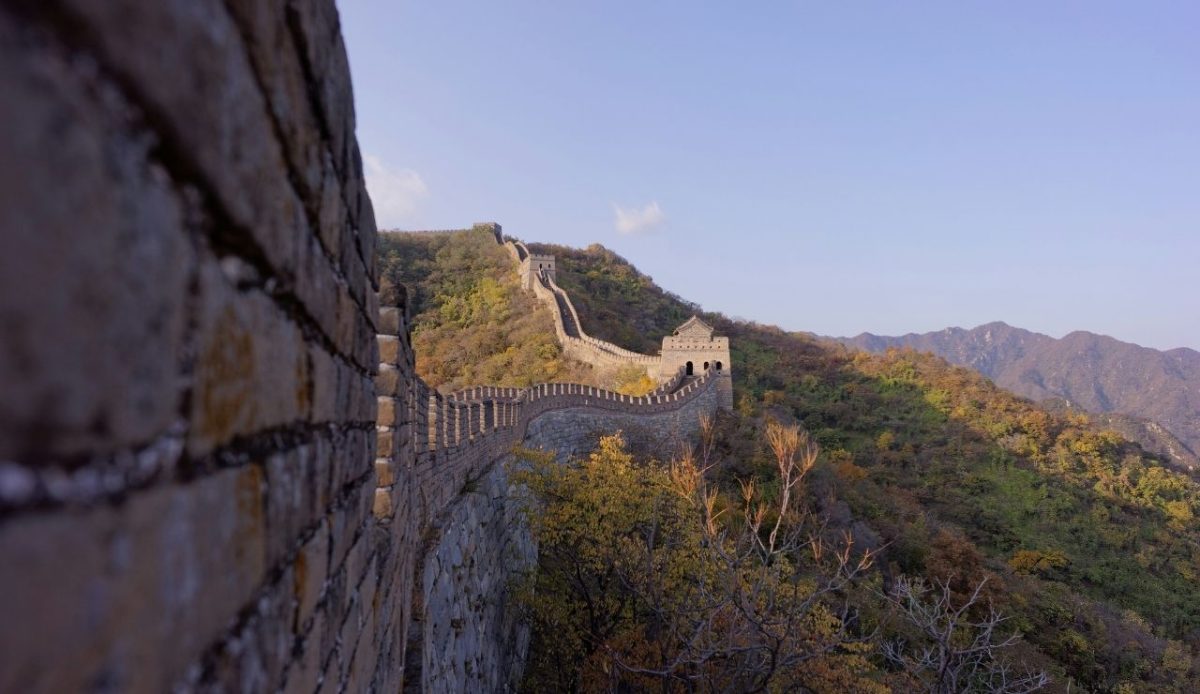
A defensive system that runs for thousands of miles, the Great Wall helps visitors understand how terrain supported security. Near Beijing, Badaling and Mutianyu offer restored masonry, cable cars, and firm steps that work for families. Hikers who want fewer people use Jinshanling or Simatai, where patrol towers and steeper grades add challenge. Aim for early morning or late afternoon to reduce wait times and heat. Winter can be icy, so bring traction. Vendors sell water near gates, but prices rise with distance from town. Plan two to four hours per section and avoid unauthorized off-trail climbs, which damage masonry and carry fines.
2. The Forbidden City (Beijing)
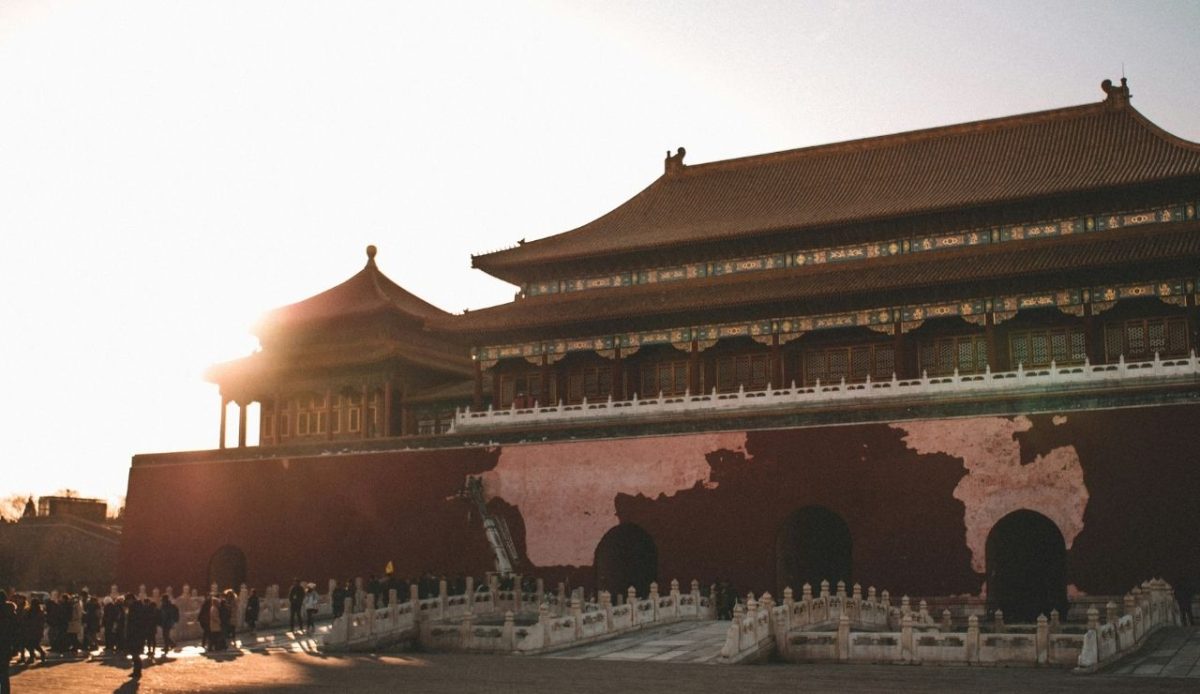
China’s best-known palace complex presents five centuries of court life in one walkable grid. Enter at the Meridian Gate, move through large courtyards to the Hall of Supreme Harmony, then continue to side halls and small gardens that show private routines. The Palace Museum labels major rooms in clear English and runs timed tickets that limit lines. Audio guides help with context if you move at your own pace. Photography rules vary by hall, so check signs. A half day covers highlights; a full day suits visitors who want galleries of porcelain, bronzes, and calligraphy. Pair with Jingshan Park for a roofline view.
3. The Terracotta Army (Xi’an)
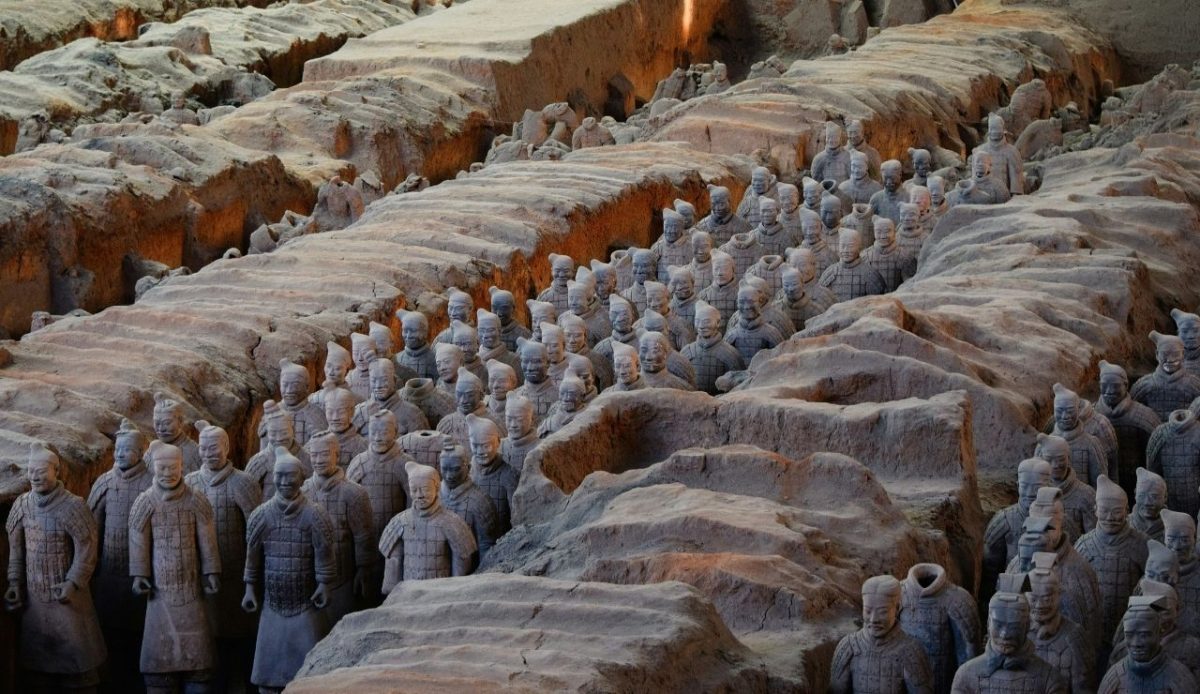
Built for the tomb of Qin Shi Huang, the Terracotta Army shows a full military layout in clay. Three main pits display infantry, cavalry, and command units, each section marked for easy reading. Differences in faces, hair, and armor are visible when you stand close to the railings. The onsite museum covers production methods, pigments, and site protection. Buy a combined ticket and arrive near opening to secure space along the front rails. Public buses and ride-hailing apps connect the museum to Xi’an’s city walls and Muslim Quarter, which fit well into the same day. Expect controlled temperatures, but bring water.
4. The Bund (Shanghai)
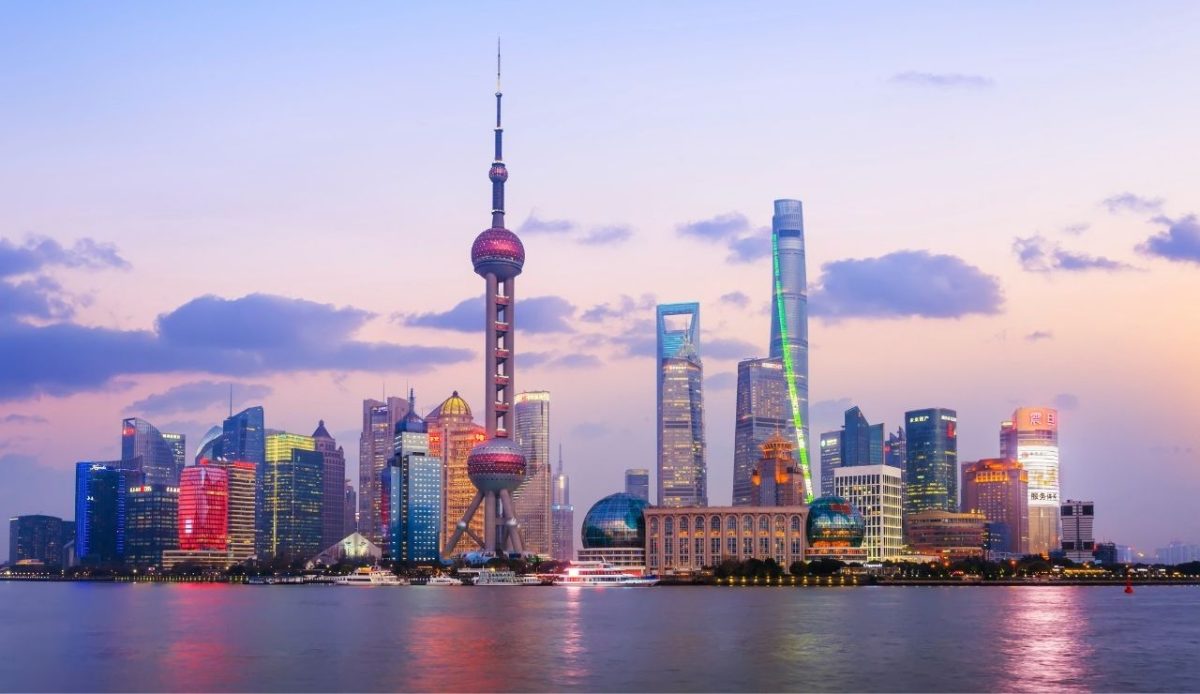
Along the Huangpu River, the Bund lines historic banks and trade houses that show early 1900s finance and architecture. Across the river, Pudong’s towers add a clean contrast that helps visitors read Shanghai’s growth. Walking the promenade takes 30–60 minutes at a casual pace. Night views draw crowds, so arrive before lights come on to secure a good spot. Ferries and rooftop platforms give alternate angles. Many buildings have plaques that note original owners and dates, helpful for self-guided tours. Combine the walk with Nanjing Road or Yu Garden for a full day that balances history, shopping, and food.
5. Zhangjiajie National Forest Park (Hunan)
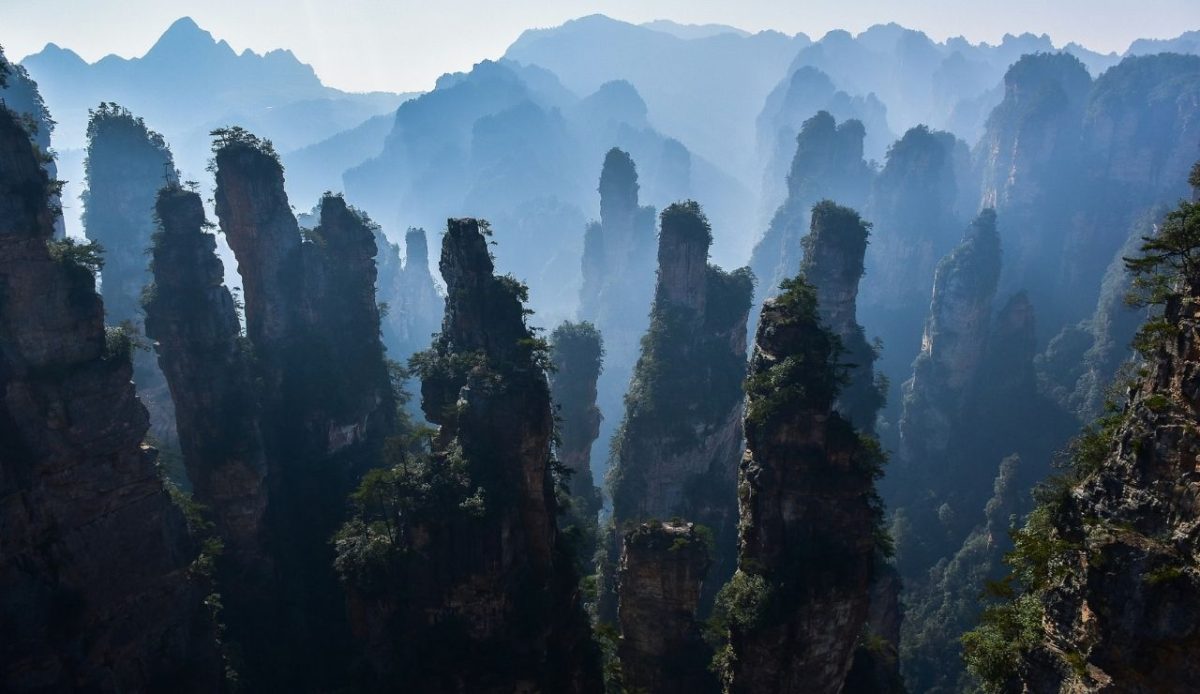
Vertical sandstone pillars define this park and shape most itineraries. Cable cars, buses, and marked trails connect main viewpoints such as Yuanjiajie, Tianzi Mountain, and the Golden Whip Stream. Clear signage and frequent shuttles make it easy to build a loop without backtracking. Glass bridge tickets at the nearby Grand Canyon sell out on busy days, so book ahead. Weather changes quickly; pack a light rain jacket and non-slip shoes. Peak months run from April to November. One long day covers major decks, but two days allow quieter walks on side paths and more flexible timing for photos.
6. Chengdu Research Base of Giant Panda Breeding (Sichuan)

Panda behavior is the main draw, and it tends to peak early in the day when animals eat and move more. The base lays out wide paths around large enclosures and posts regular updates on births and health. Red pandas live in separate areas with shaded viewing. Signs explain breeding timelines, nutrition, and release goals in plain English. Taxis and ride-hail are reliable; bus routes are posted at the gate. Tickets are often available same day outside major holidays. Plan two to three hours, then include a stop for Sichuan hot pot or a tea house to round out a simple Chengdu itinerary.
7. Huangshan (The Yellow Mountain) (Anhui)
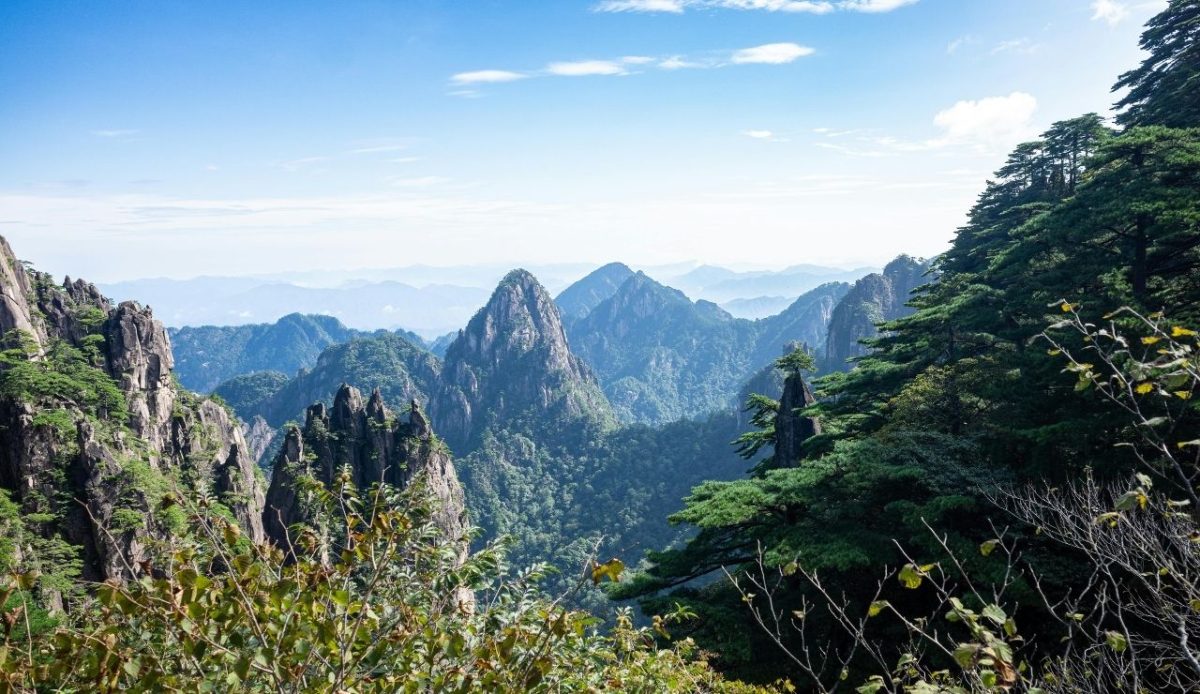
Granite peaks and stone steps make Huangshan a clear target for hikers who want structure without technical routes. Two cable cars shorten the climb; once on top, loops link Bright Summit, Lotus Peak, and West Sea Grand Canyon. Weather drives decisions: fog limits range but adds a calm mood, while clear days bring long views. Hotels on the summit allow sunrise starts without pre-dawn travel. Down in the plains, Hongcun and Xidi show classic Anhui homes and ponds in compact footprints that fit a half-day stop. A two-day plan covers one full mountain loop and one village visit at an easy pace.
8. Jiuzhaigou National Park (Sichuan)
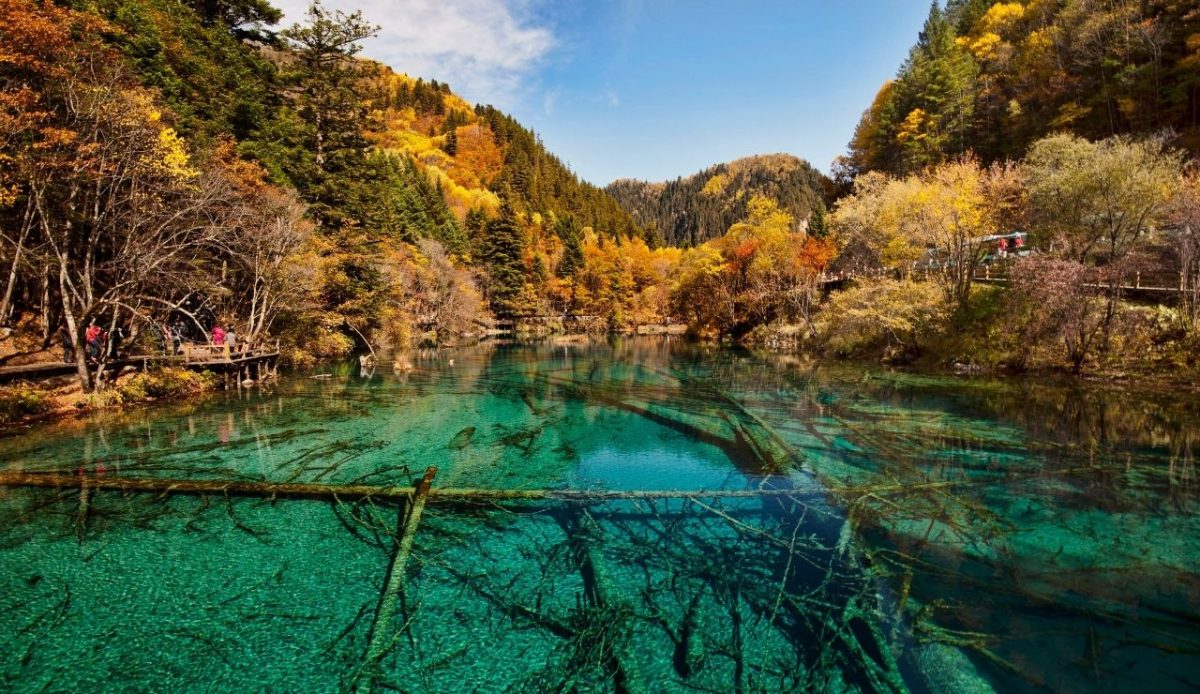
Color-clear lakes and stepped falls make Jiuzhaigou an efficient day trip if you follow the park’s shuttle map. Boardwalks protect the ground and keep walking safe in wet weather. The visitor center posts daily route advice based on crowd levels and maintenance. Autumn is popular for color; spring and early summer bring a steady flow over the falls. Tibetan villages inside the park offer simple snacks and crafts, and cash still helps in small shops. Carry layers, since temperatures drop fast in shade. Pick one or two valleys to avoid rushing; bus transfers make it easy to skip long uphill walks.
9. Yangshuo (Guangxi)
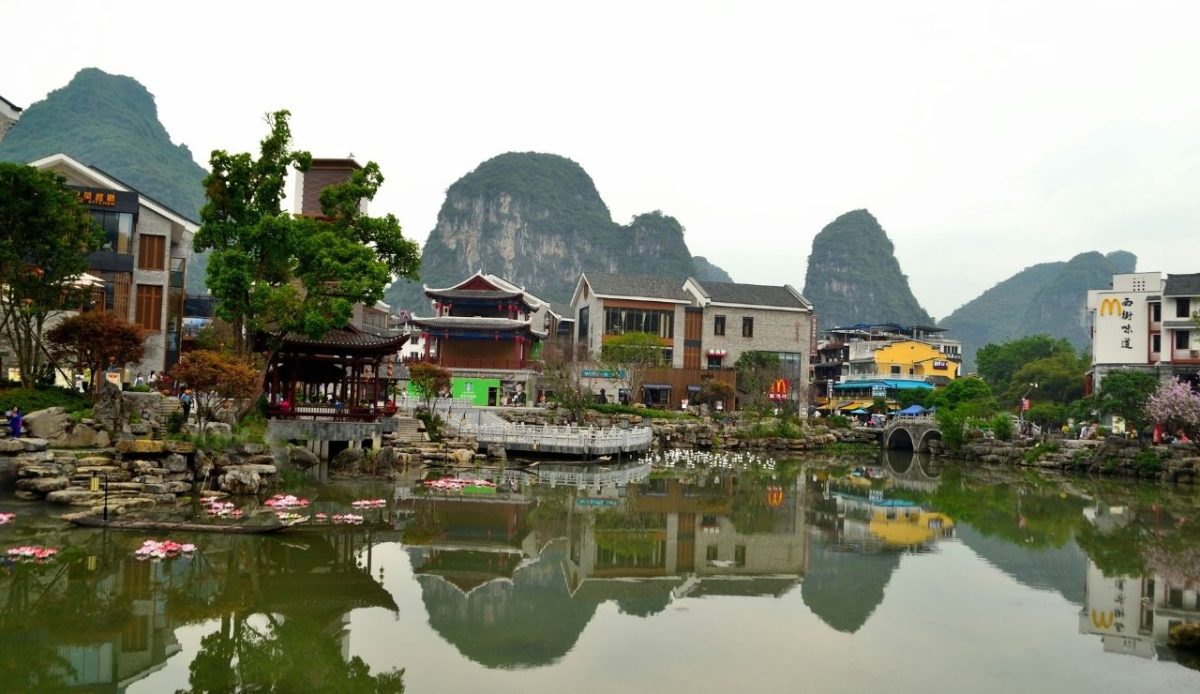
Karst scenery meets small-town travel basics in Yangshuo. A common plan is a morning Li River cruise from Guilin to Xingping, then bikes or bamboo rafts along the Yulong River in the afternoon. Rental shops provide simple maps and helmets. Paths pass farm plots, stone bridges, and view towers with posted distances. Evenings bring outdoor dining and a compact night market. Rock climbing gyms and guides can outfit beginners on bolted routes. Summer is humid; winter runs cool but clear. Trains link Guilin to major hubs, and buses or taxis cover the final stretch to Yangshuo in under 90 minutes.
10. Echoing-Sand Mountain and Crescent Lake (Dunhuang)
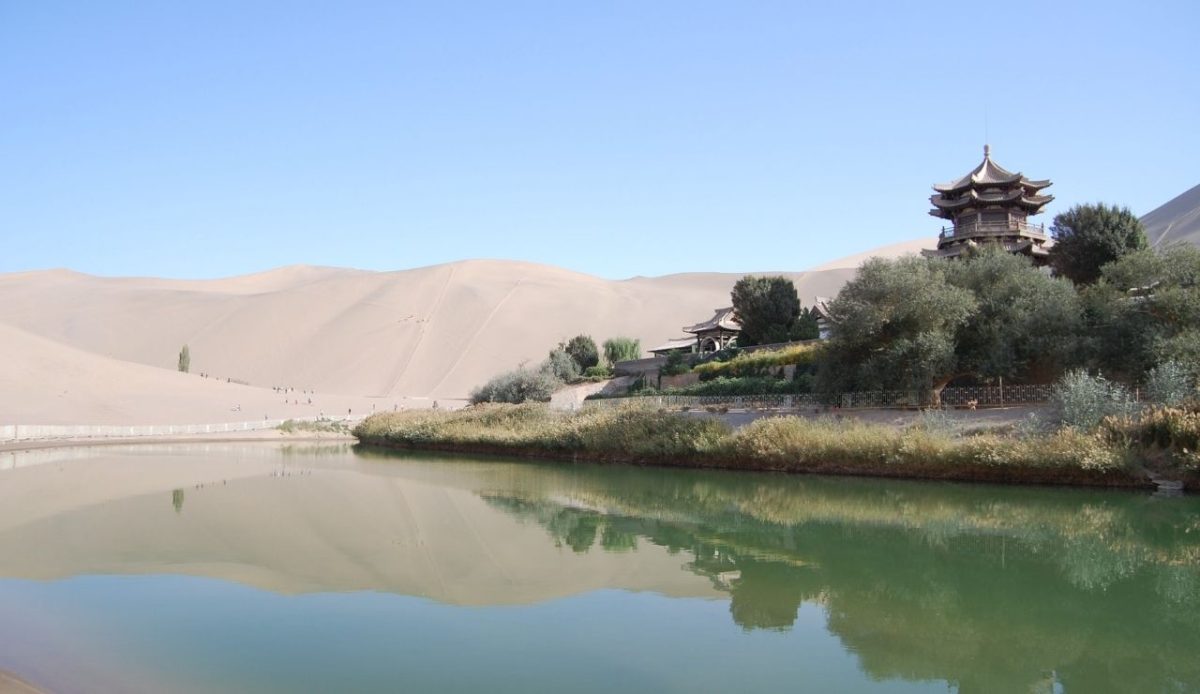
Dune climbs and a small desert lake create a short, focused visit near Dunhuang. Buy a combined ticket for dune access and lake viewing. Camel rides, sand sleds, and ridge walks are optional add-ons with posted prices at the gate. Early or late hours reduce heat and produce cleaner photos. Wear closed shoes and bring a scarf or mask on windy days. Pair the dunes with the Mogao Caves for a full day covering natural and cultural highlights. City buses, taxis, and tours all serve the site. Water and shade are limited on the sand, so plan breaks near the entrance area.
11. Victoria Peak (Hong Kong)
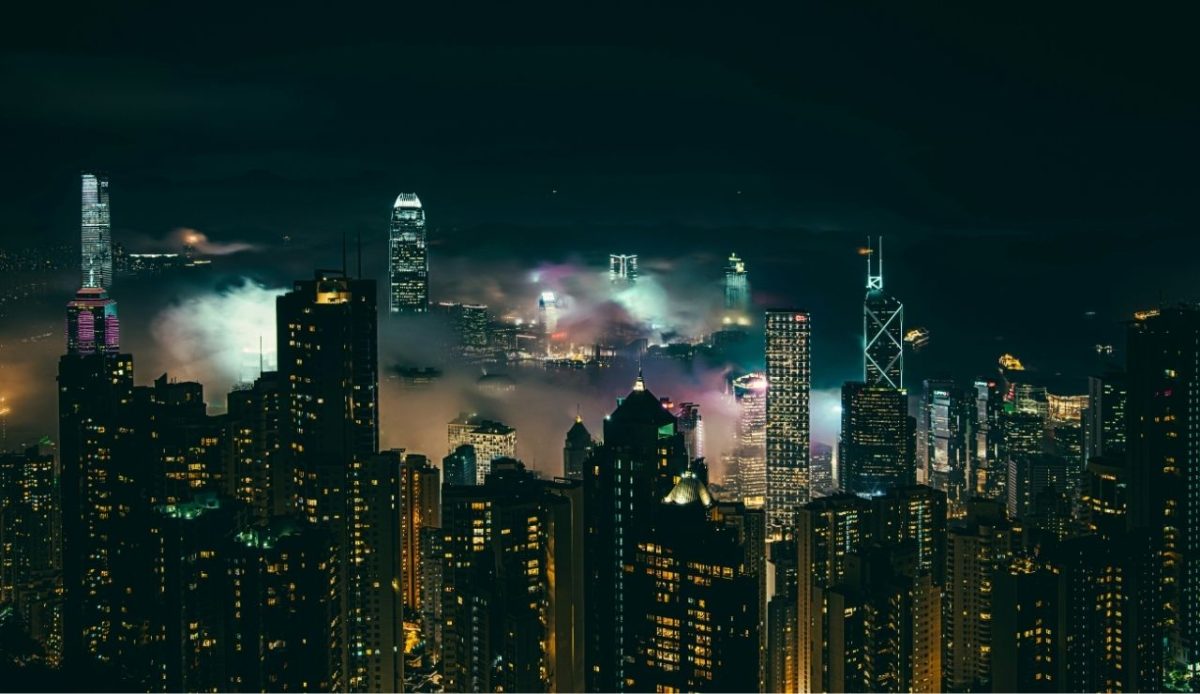
City views anchor most Peak visits, but the area also works as a short nature break. The Peak Tram offers a direct ride; bus routes and ride-hail are cheaper during peak hours. The Sky Terrace gives a controlled platform for photos, while the Peak Circle Walk adds a flat, shaded loop with posted distances. Air quality shifts by season; clear days often come after rain. Food courts and small parks spread crowds if the main deck feels busy. A flexible plan uses the tram up and a bus down to avoid lines in one direction.
12. Potala Palace (Tibet)
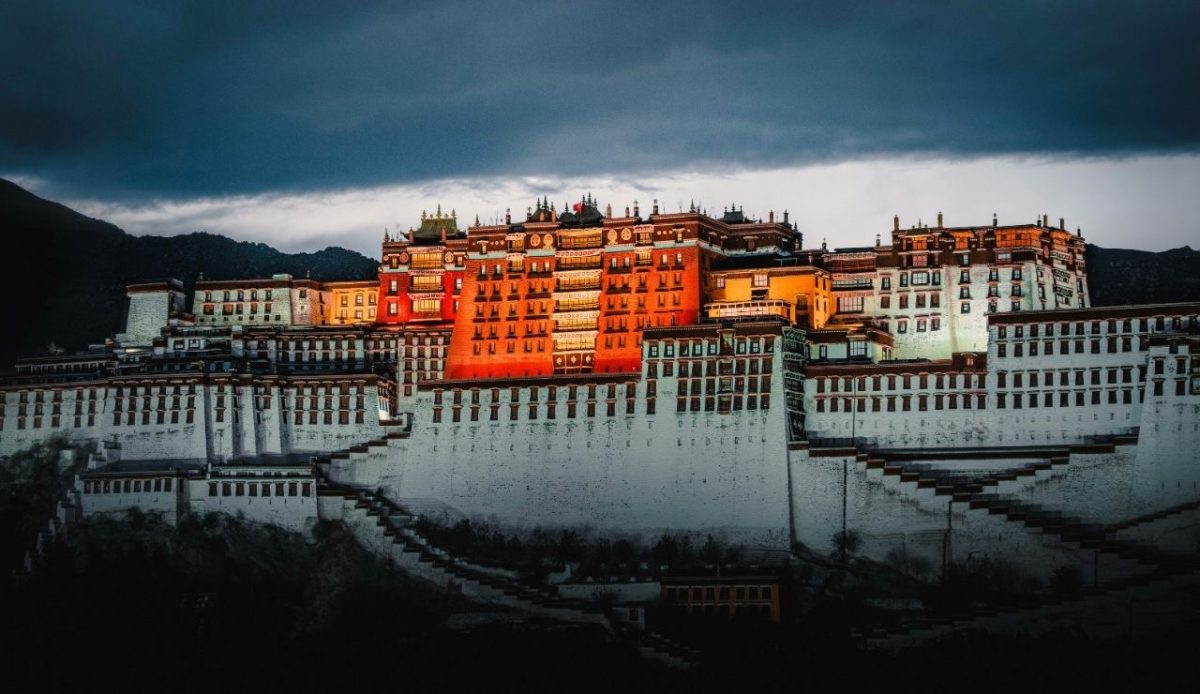
Altitude and stair counts shape a visit to the Potala. Tickets use time windows and move groups along set paths to protect rooms and murals. Dress for sun at elevation and carry water. Inside, you will see chapels, statues, and historic objects tied to Tibetan Buddhism and regional administration. Outside, the Barkhor area supports a steady circuit of pilgrims. Respect local customs and photography limits. Many travelers add Jokhang Temple on the same day for a broader view of practice and art. Even short stays benefit from one extra day in Lhasa to adjust to elevation before climbing.
13. Longji Rice Terraces (Guilin)
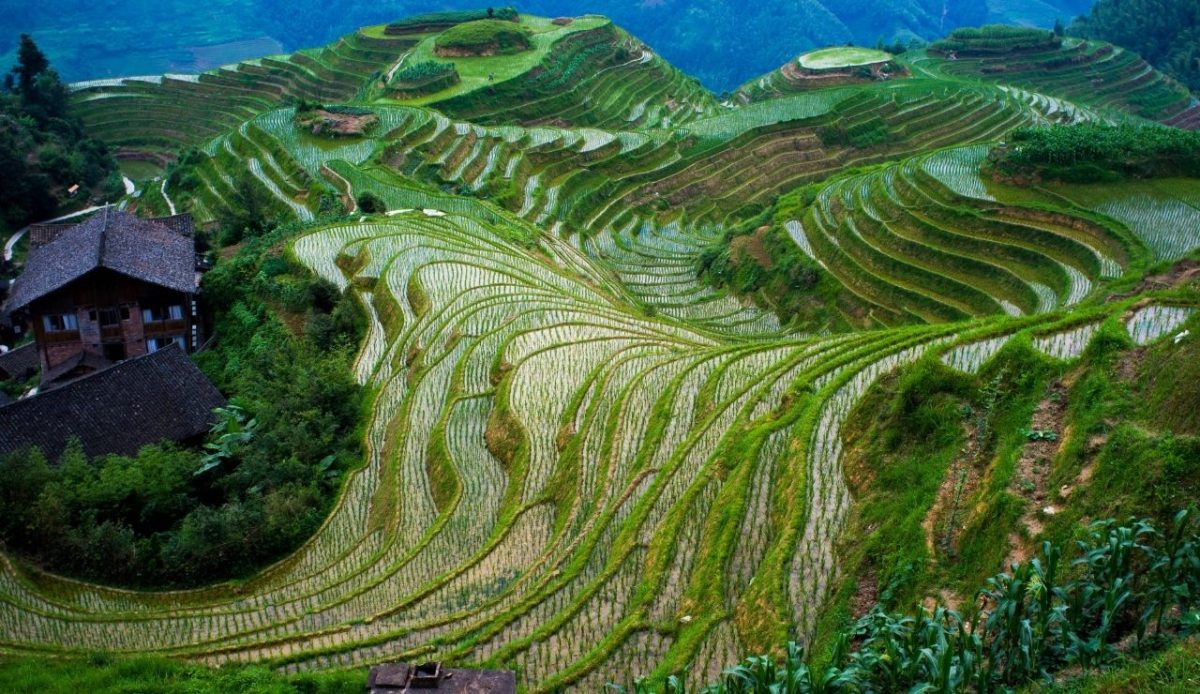
Agricultural steps across the hills make Longji a good case study in community land use. Villages such as Ping’an and Dazhai mark starting points for signed trails. Spring shows water-mirror paddies; summer brings green growth; fall highlights gold heads of rice. Local guesthouses provide meals and simple lodging near trailheads, which helps with sunrise or sunset views without long transfers. Cash may be needed in small shops. Weather can be wet, so plan for slick stone and carry a light jacket. Public buses and cable cars reduce steep climbs if knees or time are concerns.
14. The Three Gorges (Yangtze River)
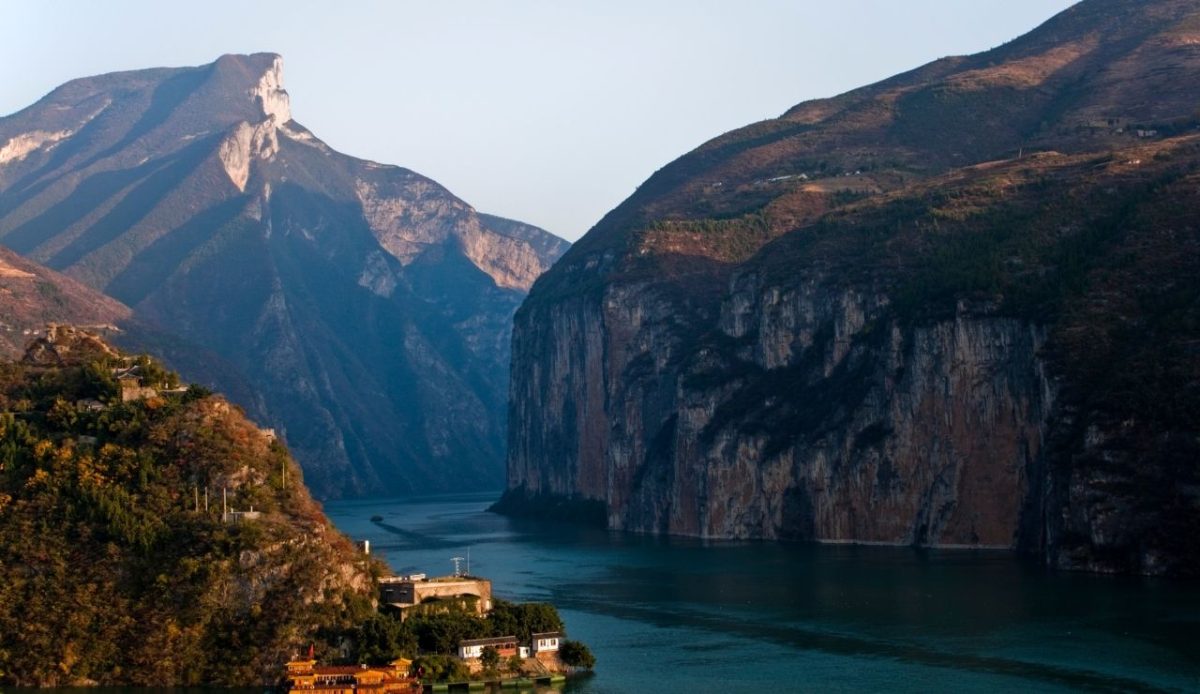
River cruises offer the easiest way to read the Three Gorges in sequence. Ships cover Qutang, Wu, and Xiling with scheduled shore stops at lookouts, small towns, and historic sites. Cabins vary by size and deck; choose one with a balcony if you plan to spend time outside. Guides explain changes from dam operations and point out smaller side valleys reached by low-wake boats. Bring a jacket for early deck time, when light is best, and the wind can be sharp. Upstream and downstream routes run similar sightseeing plans, so base your choice on how it fits your wider travel dates.
