
For decades, certain U.S. cities stood out for innovation, freedom, or cultural style. Yet many residents now describe how those same places feel less livable or less welcoming. Some blame rising costs or crowding, while others point to changing safety perceptions and weaker community ties. The cities below once symbolized opportunity, art, or adventure, but are now reassessing what daily life means for locals. Each still holds beauty and history, yet ongoing problems make it harder for residents to feel the same excitement they once did.
1. San Francisco, California
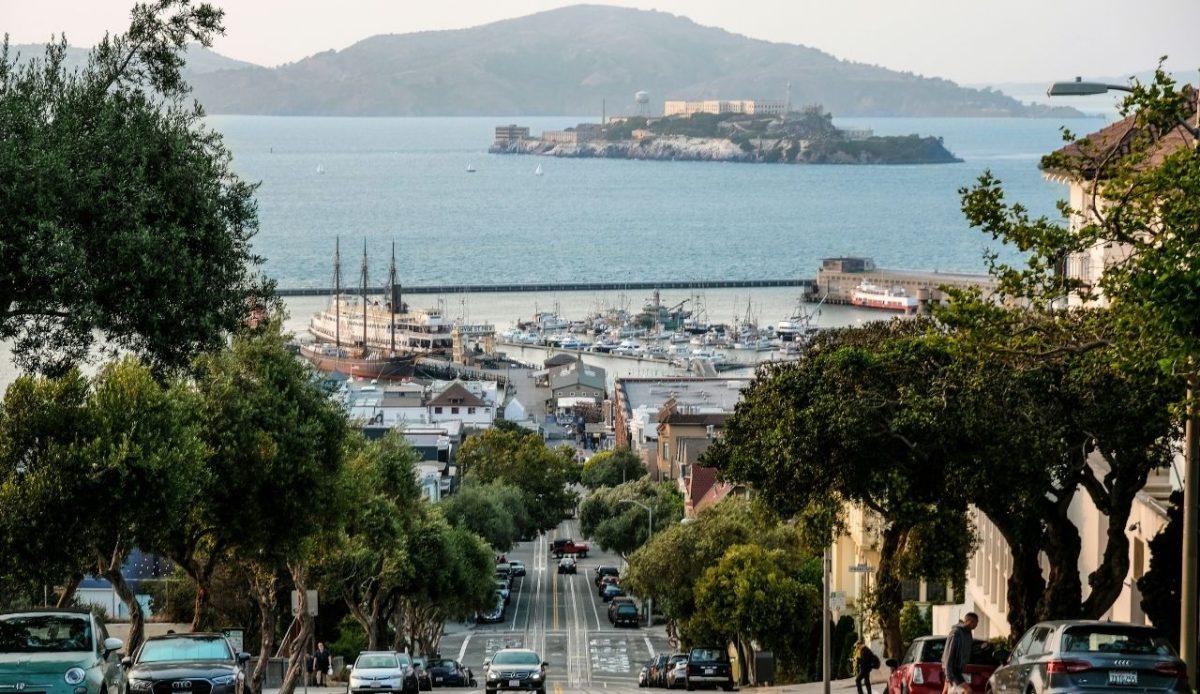
San Francisco earned global recognition for its steep streets, diverse culture, and Golden Gate views. Yet longtime residents report that costs and cleanliness now dominate conversations. Rent prices remain among the highest in the country, and office vacancies continue to reshape downtown traffic. Local news outlets highlight shop closures near Union Square and ongoing debates over public safety funding. While community events like Sunday Streets and the Chinese New Year Parade remain popular, many locals say the easy sense of openness that once defined city life feels harder to find.
2. Los Angeles, California

Los Angeles built its fame on sunshine, film studios, and the belief that creativity could flourish anywhere. Surveys now show declining satisfaction as daily challenges grow more visible. High living costs, traffic congestion, and housing shortages make life harder for middle-income residents. Homelessness remains widespread despite new housing programs, and some locals believe outdoor culture has given way to constant commutes. Even so, neighborhoods like Highland Park and Koreatown still show strong community ties. Many hope city investments in transport and housing will restore the balanced lifestyle they remember.
3. New York City, New York
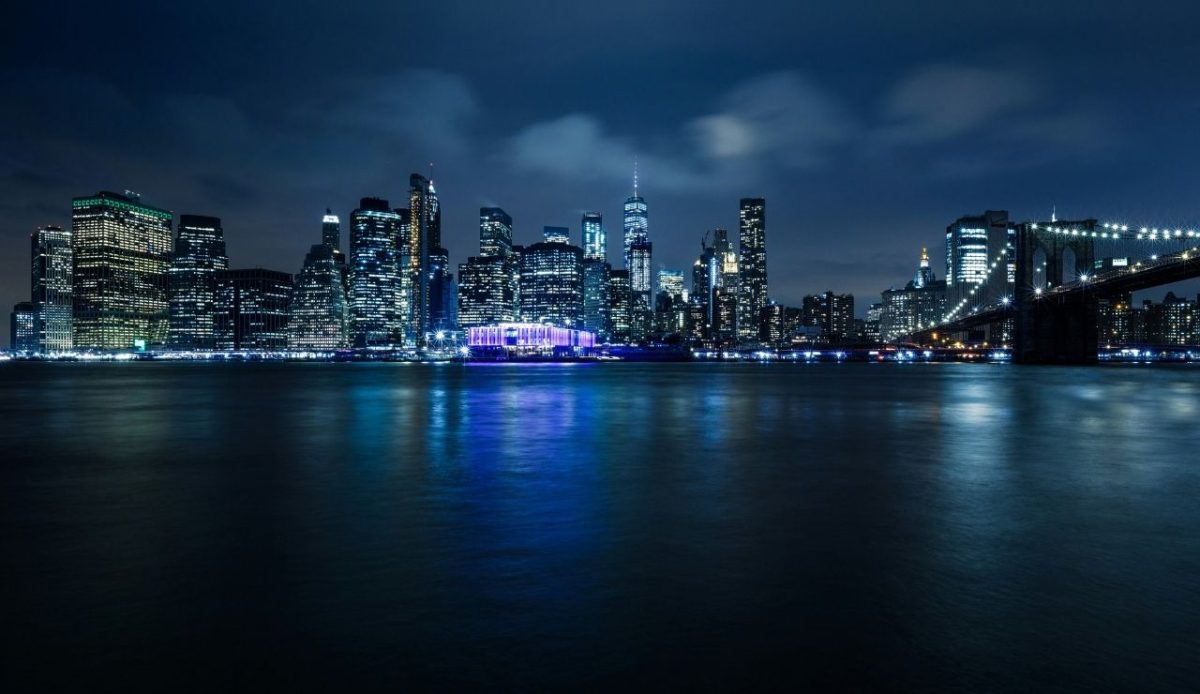
New York City still defines ambition for many, but residents say its nonstop pace feels heavier than inspiring. Housing prices push out young professionals, and service jobs no longer guarantee a stable life. Remote work keeps parts of Midtown quiet during weekdays, and empty storefronts alter the feel of blocks once full of local shops. Transit reliability and affordability rank high in public surveys as ongoing concerns. Yet the city’s spirit remains visible in community markets, street art, and parks. Many hope neighborhood renewal can revive the energy that built its image.
4. Portland, Oregon
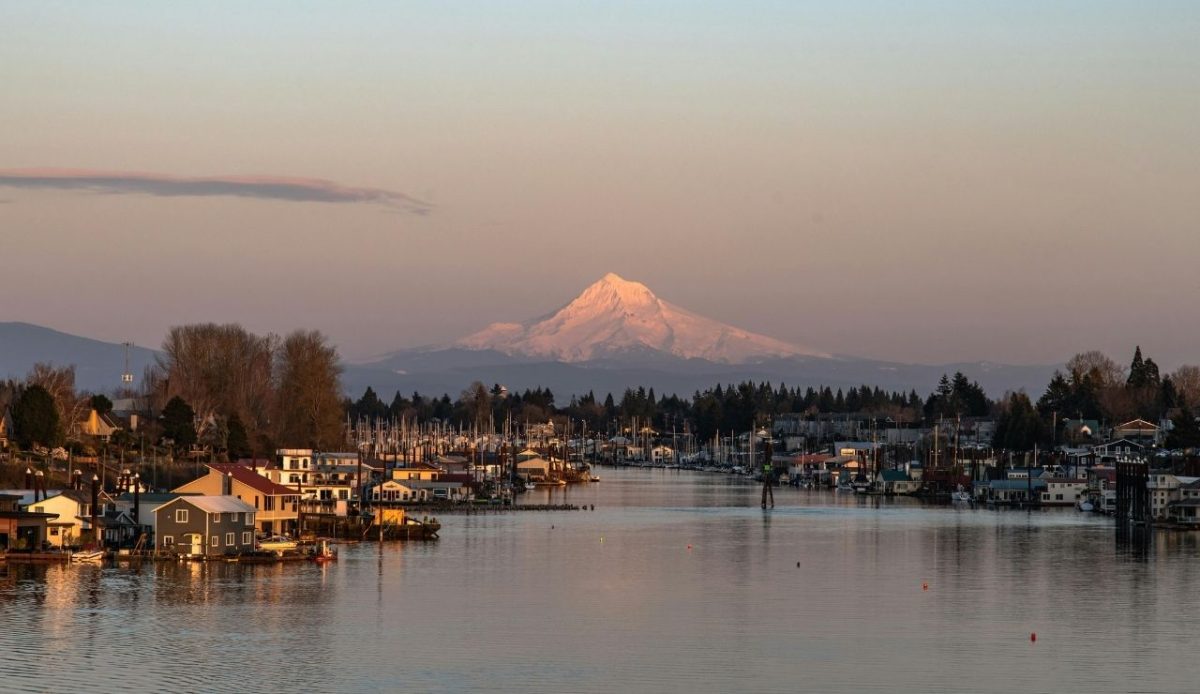
Portland once stood for sustainability, public art, and a relaxed, creative scene. Today, residents describe mixed feelings about how those ideals have changed. Visitor numbers are still below pre-pandemic levels, and some downtown areas show a slower recovery. Small businesses face high rents and reduced evening traffic, which limits variety in local restaurants and galleries. City programs now focus on cleanup projects and housing plans to restore confidence. Though cycling routes and weekend markets stay active, locals feel Portland’s casual energy needs stronger civic support to rebuild its culture.
5. Seattle, Washington
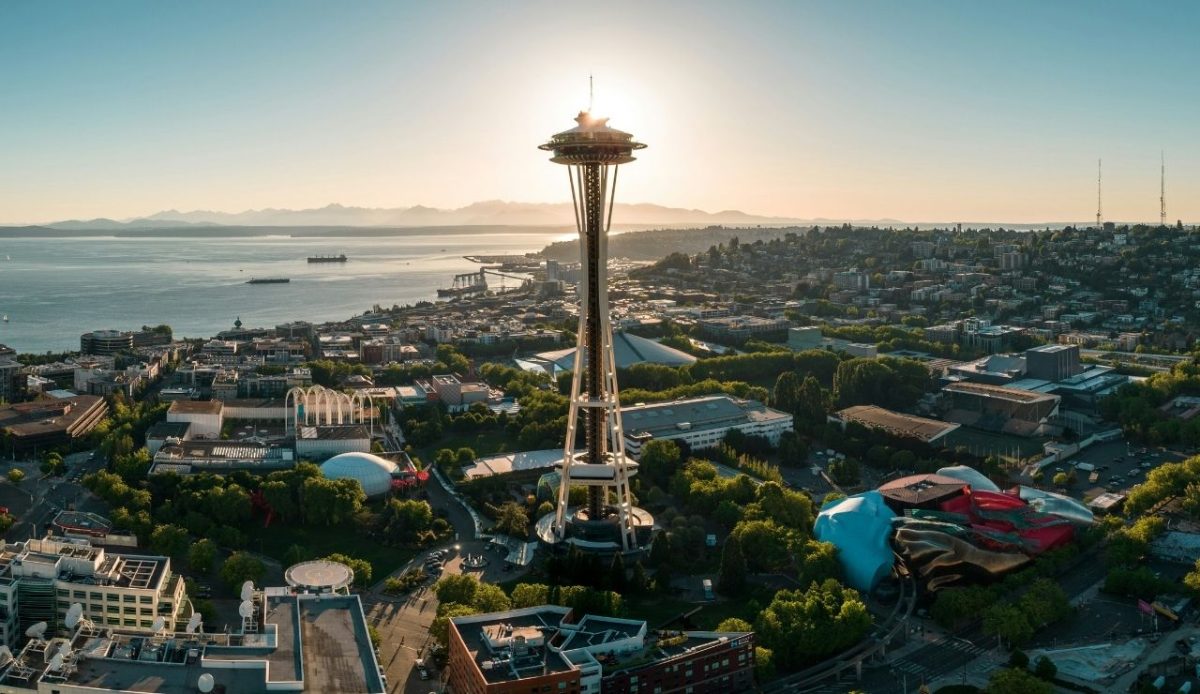
Seattle grew from a maritime port into a high-tech hub anchored by companies like Amazon and Microsoft. The city’s success also brought steep costs for housing, food, and childcare, leading many families to move farther from the core. Community surveys show strong support for new zoning laws and affordable housing efforts. Traffic congestion and long commutes remain constant complaints, along with visible homelessness downtown. Still, the city invests in public transit and green spaces to maintain livability, while residents look for a return to the balance between innovation and affordability.
6. Austin, Texas
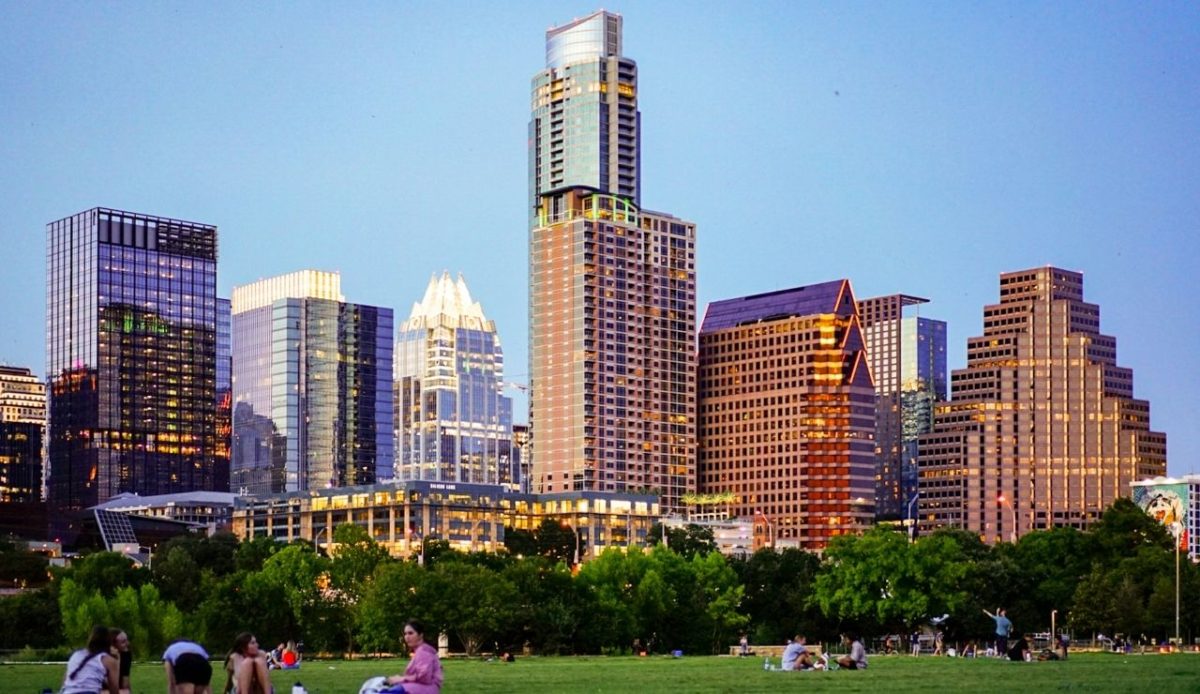
Austin became famous for live music, food trucks, and its “Keep Austin Weird” identity. In recent years, soaring home prices and heavy traffic have reshaped that easygoing image. The population boom that fueled its tech rise also brought infrastructure strain and higher costs. Residents now debate how much the influx of corporations changed the city’s local rhythm. Downtown’s skyline keeps expanding, but smaller venues struggle with rent and zoning pressures. City leaders emphasize rail expansion and affordable housing, yet locals worry the creative spirit that built Austin could fade away.
7. New Orleans, Louisiana
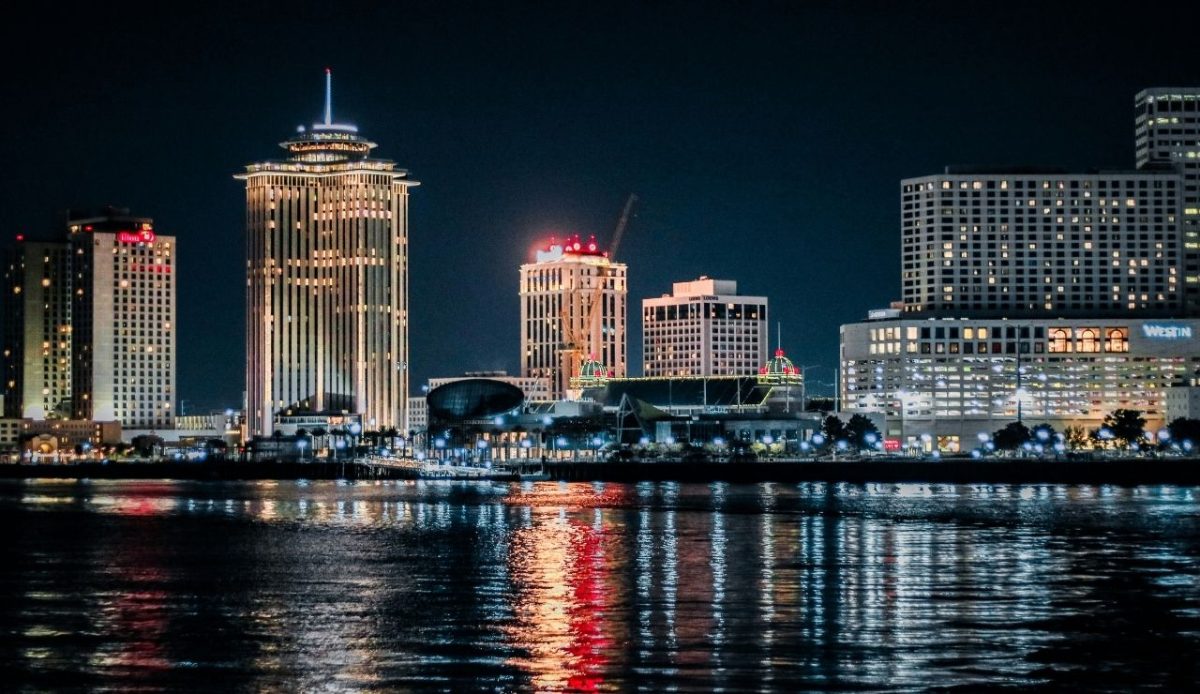
New Orleans has long been celebrated for jazz, cuisine, and resilience, but locals say the rhythm of life is shifting. Crime rates remain above national averages, and insurance costs have climbed after repeated storms. Some residents believe redevelopment benefits tourism more than historic neighborhoods. Despite challenges, culture stays alive in music clubs, parades, and family gatherings. City programs now fund youth jobs and community safety projects. Many locals hope these efforts preserve New Orleans’ warmth and authenticity while easing the financial pressures that make staying difficult.
8. Chicago, Illinois
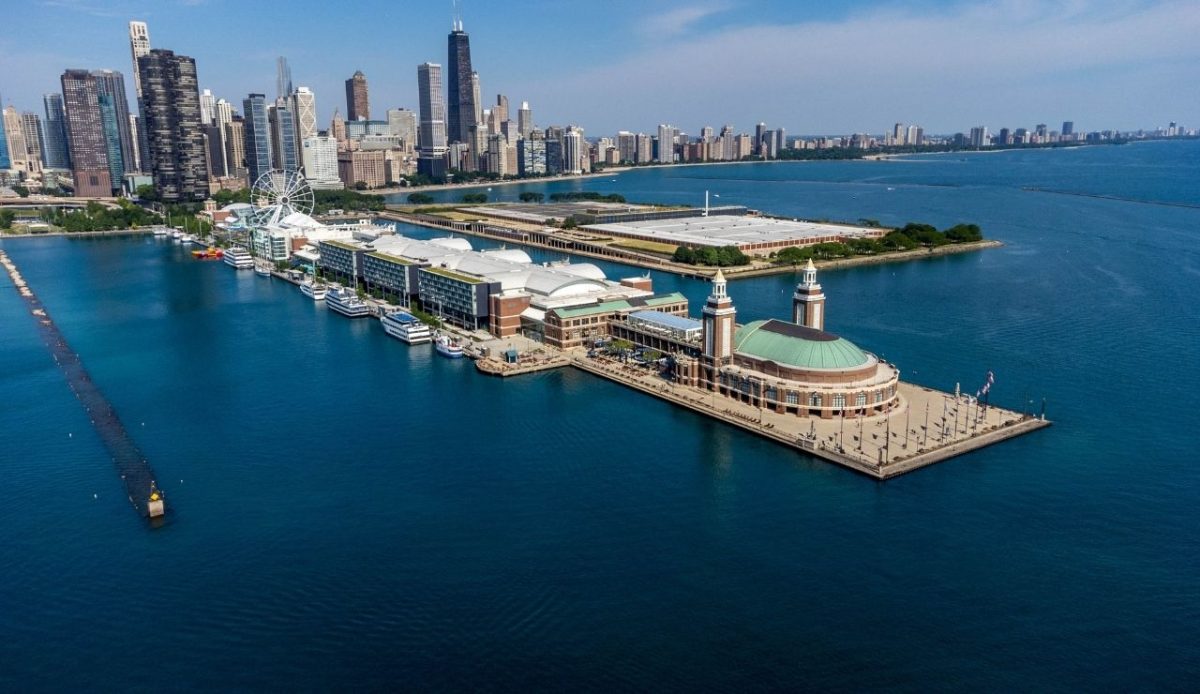
Chicago once represented the power of industry and the pride of strong neighborhoods, yet perceptions have changed. Public safety remains a top issue, though crime data shows a gradual improvement. Downtown office use trails behind pre-pandemic levels, reducing traffic for restaurants and retail. High property taxes and unequal school resources drive families toward the suburbs. Still, the city’s arts, its theaters, blues bars, and museums, remain vibrant. Many residents believe Chicago’s recovery depends on leadership that prioritizes community safety and supports the small businesses that sustain local identity.
9. Miami Beach, Florida
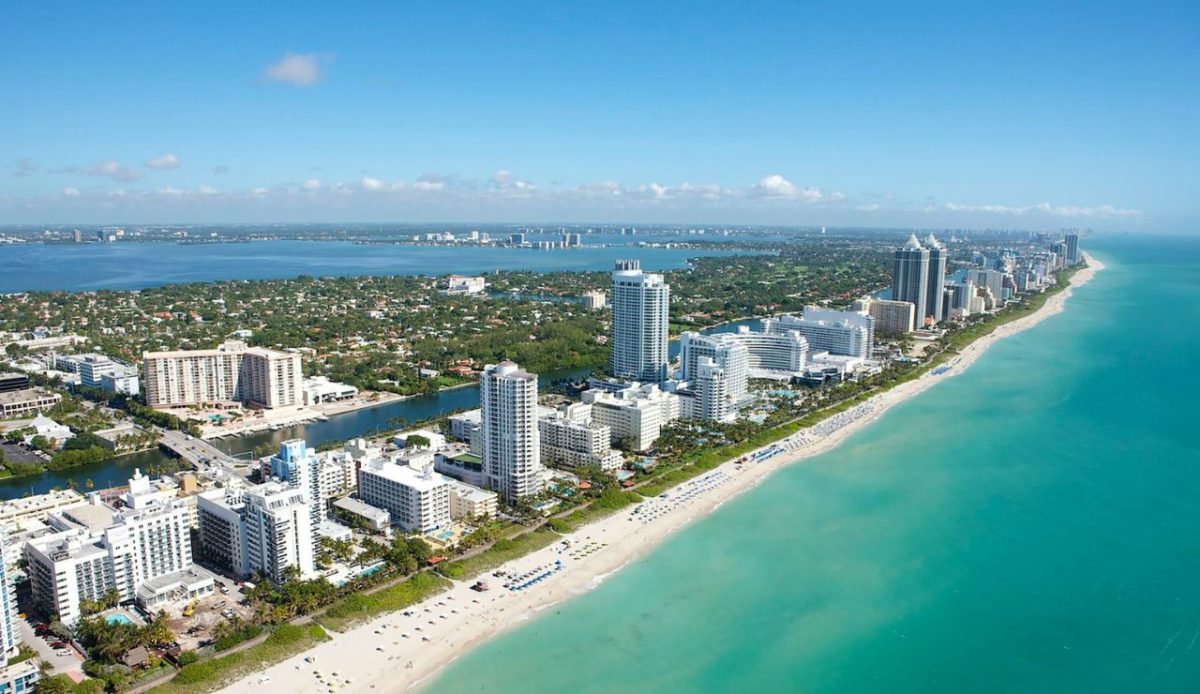
Miami Beach thrived on nightlife, art, and tropical glamour, but locals say its charm now competes with crowd fatigue. Seasonal tourism keeps the economy active, yet spring break restrictions and noise limits highlight tension between visitors and residents. Rising rents and flooding concerns add stress for year-round workers. The city is investing in sea-level projects and stricter zoning, but the local mood is divided. Even with world-class events like Art Basel, many say the city’s easygoing hospitality has given way to tighter rules and nonstop visitor pressure.
10. Honolulu, Hawaii

Honolulu’s beaches and island setting made it a dream destination, but locals face growing frustration. Tourism’s quick rebound pushed housing costs to record highs and strained infrastructure. Many workers now juggle multiple jobs, and native Hawaiians worry about cultural displacement. Traffic congestion and limited transit reduce the quality of life. Community groups promote local agriculture and education to restore balance. While the scenery remains stunning, residents say Honolulu increasingly feels managed for visitors instead of built for those who call it home.
11. Nashville, Tennessee
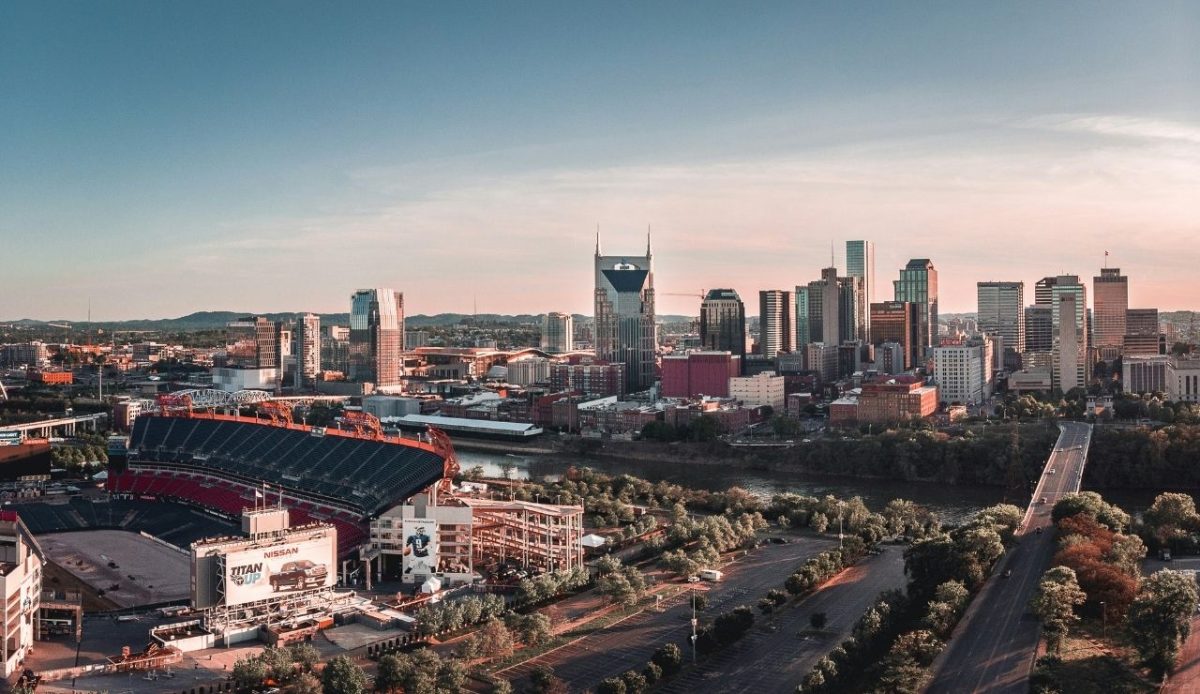
Nashville’s rise from quiet capital to global music hub came with trade-offs. Downtown crowds of bachelor and bachelorette parties fill streets once shared with locals. Noise, traffic, and short-term rentals challenge older neighborhoods. The city council tightened event rules and bus-tour limits, but pressure remains. Music still fuels the economy, though small studios and songwriters say they face higher rents than ever. Residents want a policy that supports artists and protects local culture before the city’s reputation for creativity turns into just another nightlife brand.
12. Asheville, North Carolina
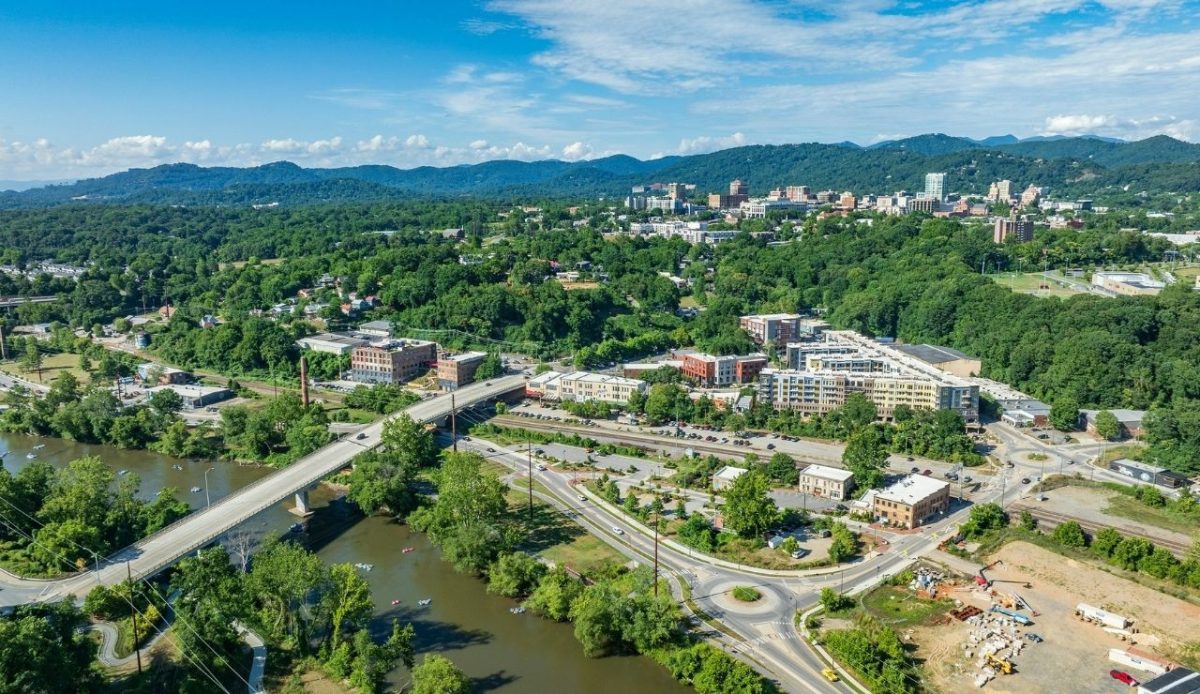
Asheville built its image on mountain views and local art, but tourism’s ups and downs changed its stability. Flooding and storm damage have hurt downtown foot traffic, leaving small stores struggling. Home prices climbed as vacation rentals expanded into residential areas. City officials are planning drainage projects and stricter rental permits to restore balance. Despite setbacks, community creativity endures through local markets and brewery gatherings. Residents say maintaining that identity requires policies that protect workers and artists who keep Asheville’s independent spirit visible year-round.
13. Charleston, South Carolina
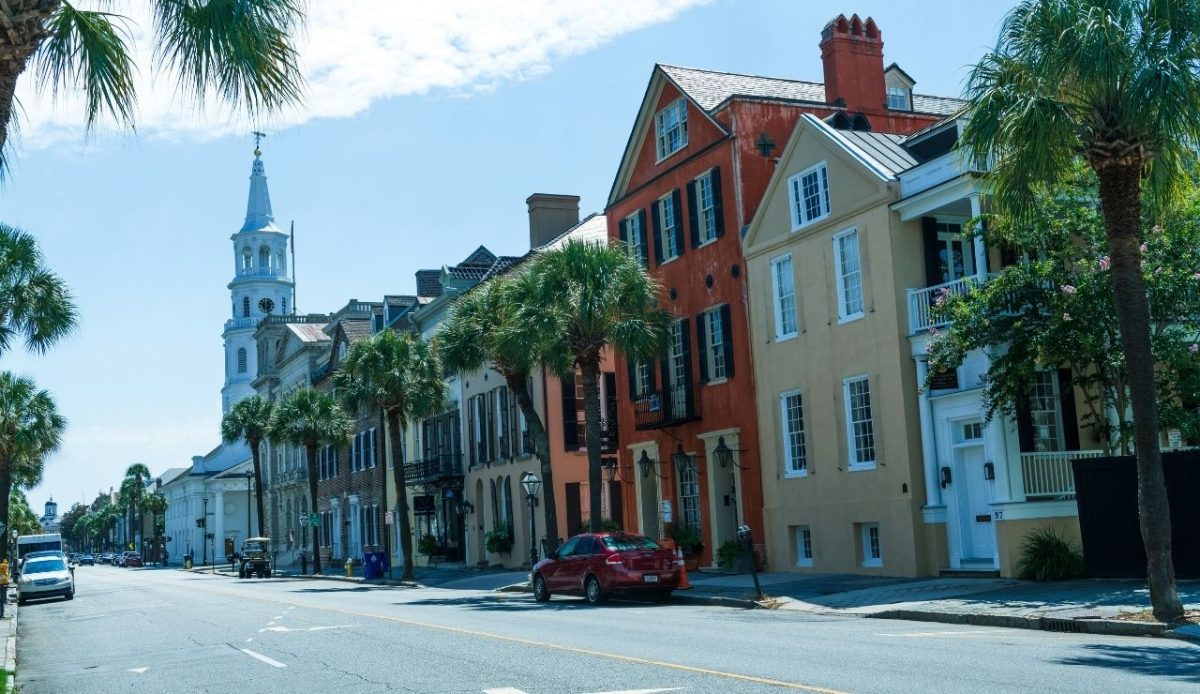
Charleston’s charm once felt effortless, but rising tides and rising prices threaten its pace of life. Flooding shuts roads and damages heritage buildings, while costs push families to distant suburbs. Preservation groups juggle tourism growth and neighborhood needs. City engineers invest in seawalls and drainage, yet locals argue progress lags behind the speed of climate change. Charleston’s historic beauty and food traditions remain central, but residents worry that everyday convenience and affordability are slipping away faster than new solutions appear.
14. Key West, Florida

Key West symbolized creativity at the edge of the map, yet mass tourism changed its scale. Cruise-ship crowds and new resorts crowd narrow streets, while state policies limit local control over port traffic. Housing shortages push workers to other islands, and storm recovery remains slow. Environmental projects now focus on coral restoration and reducing water pollution. Residents still celebrate festivals and street art but say the island’s relaxed social life feels harder to find. Key West’s challenge is balancing visitor income with the authenticity that made it special.
