
Europe offers countless travel experiences, but not all destinations are equally budget-friendly. Some countries are renowned for high costs, whether due to luxury accommodations, premium dining, or expensive attractions. From iconic cities to scenic regions, tourists should plan carefully to enjoy these destinations without overspending. High costs often reflect strong currencies, robust tourism industries, and top-tier services, but travelers can still find value with strategic planning. Knowing which European countries rank as the most expensive helps visitors budget effectively and prioritize their dream experiences.
1. Switzerland
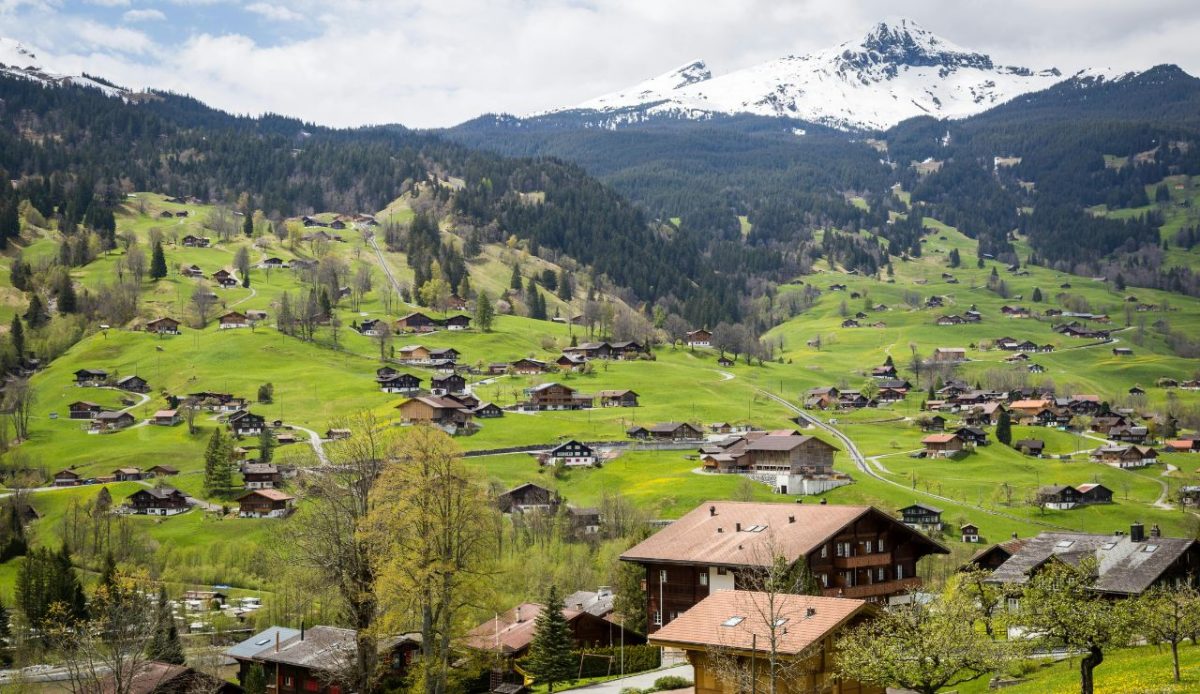
Switzerland is famous for its pristine landscapes, luxury resorts, and world-class amenities, but travelers quickly notice the high price of accommodations, dining, and attractions. Cities like Zurich, Geneva, and Lucerne offer unparalleled cultural experiences, scenic train rides, and alpine adventures, but they come at a premium. Even groceries and public transport are costly compared to most European countries. The combination of strong Swiss francs, high service standards, and premium tourist infrastructure positions Switzerland as one of Europe’s most expensive destinations for travelers seeking both adventure and comfort.
2. Norway
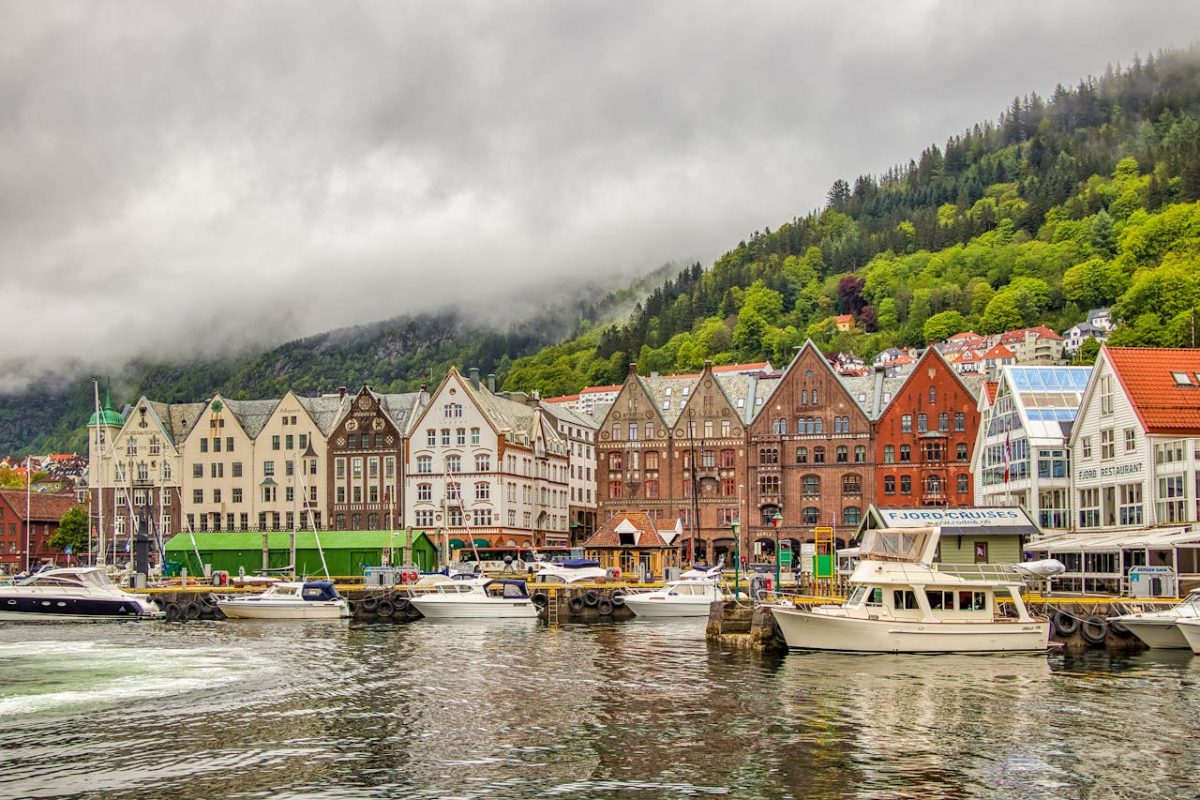
Norway’s breathtaking fjords, mountains, and northern lights draw travelers from around the globe, yet visiting comes with a high price tag. Accommodation, meals, and transportation are significantly more expensive than in neighboring countries. Visitors can explore Oslo, Bergen, and Tromsø while enjoying first-class infrastructure, scenic rail journeys, and world-class museums, but careful budgeting is essential. The high costs reflect Norway’s high living standards, strong currency, and focus on sustainable tourism. For nature lovers and adventurers, the extraordinary landscapes justify the expense, making Norway a bucket-list destination despite its steep prices.
3. Iceland
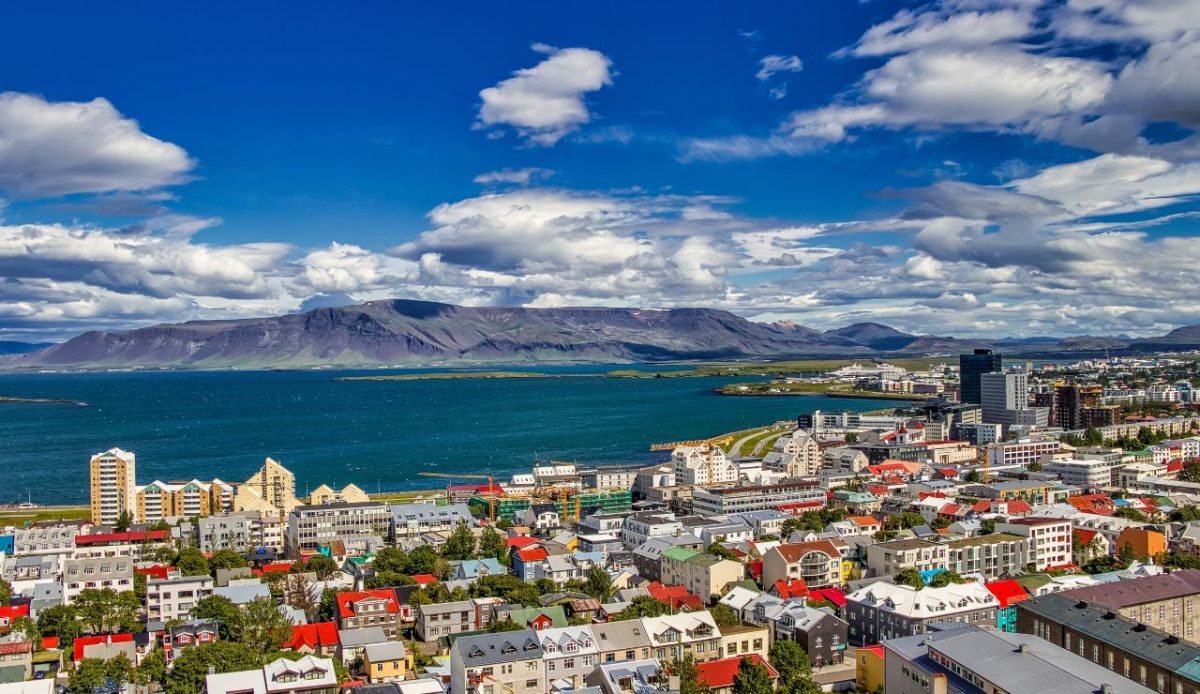
Iceland has surged in popularity due to its dramatic volcanic landscapes, waterfalls, and glaciers, but the costs for lodging, food, and activities are among the highest in Europe. Even basic meals and accommodations in Reykjavik are pricier than in most other European capitals. Adventure excursions, such as glacier hikes, whale watching, and geothermal tours, also add up quickly. The high costs stem from the country’s remote location, import reliance, and strong Icelandic krona. Despite the expense, visitors are drawn to Iceland’s surreal scenery, unique wildlife, and outdoor experiences that remain difficult to replicate elsewhere in Europe.
4. Denmark
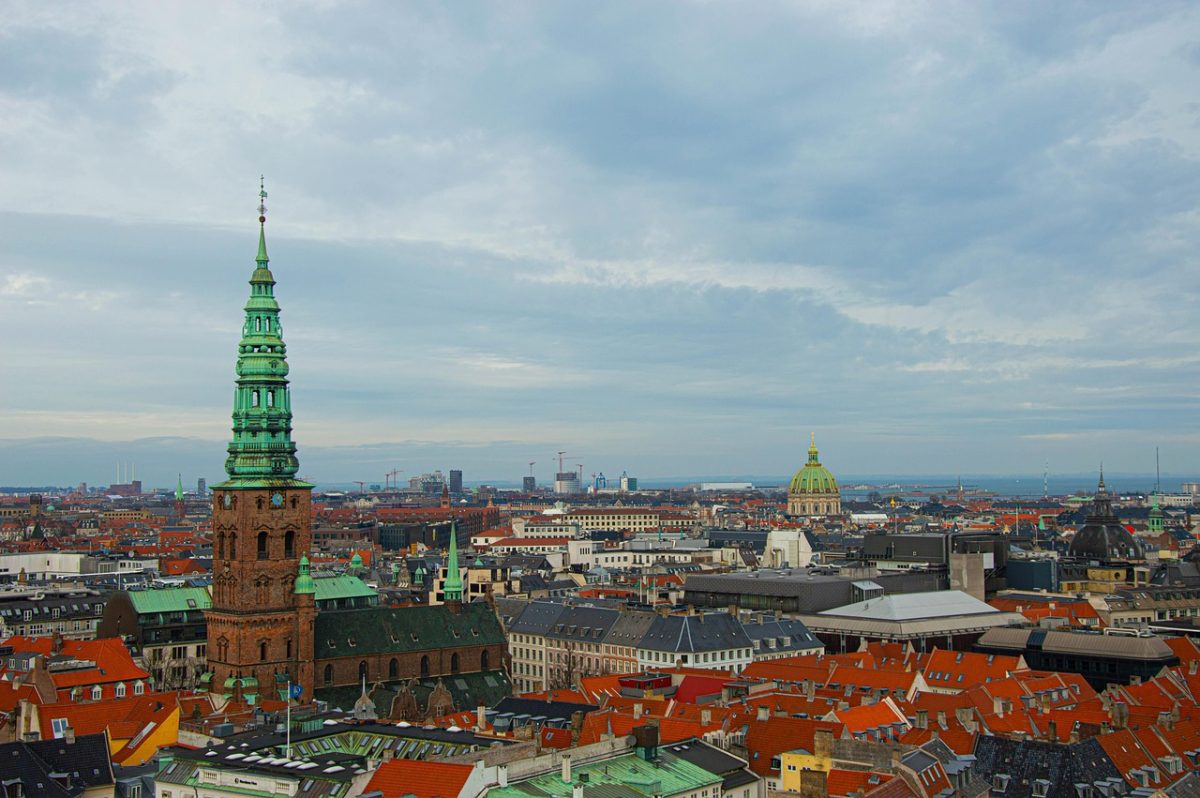
Denmark blends Scandinavian charm with modern design, clean cities, and high-quality services, but travelers will notice steep costs for accommodations, dining, and attractions. Copenhagen, in particular, is famous for gourmet restaurants, stylish hotels, and world-class museums, but these come with a premium. Transportation, nightlife, and even groceries are pricier than in many neighboring countries. Denmark’s strong krone, high living standards, and well-developed tourism sector make it one of Europe’s most expensive destinations. Nevertheless, the country’s picturesque canals, historic sites, and welcoming culture make the expense worthwhile for many visitors.
5. Sweden
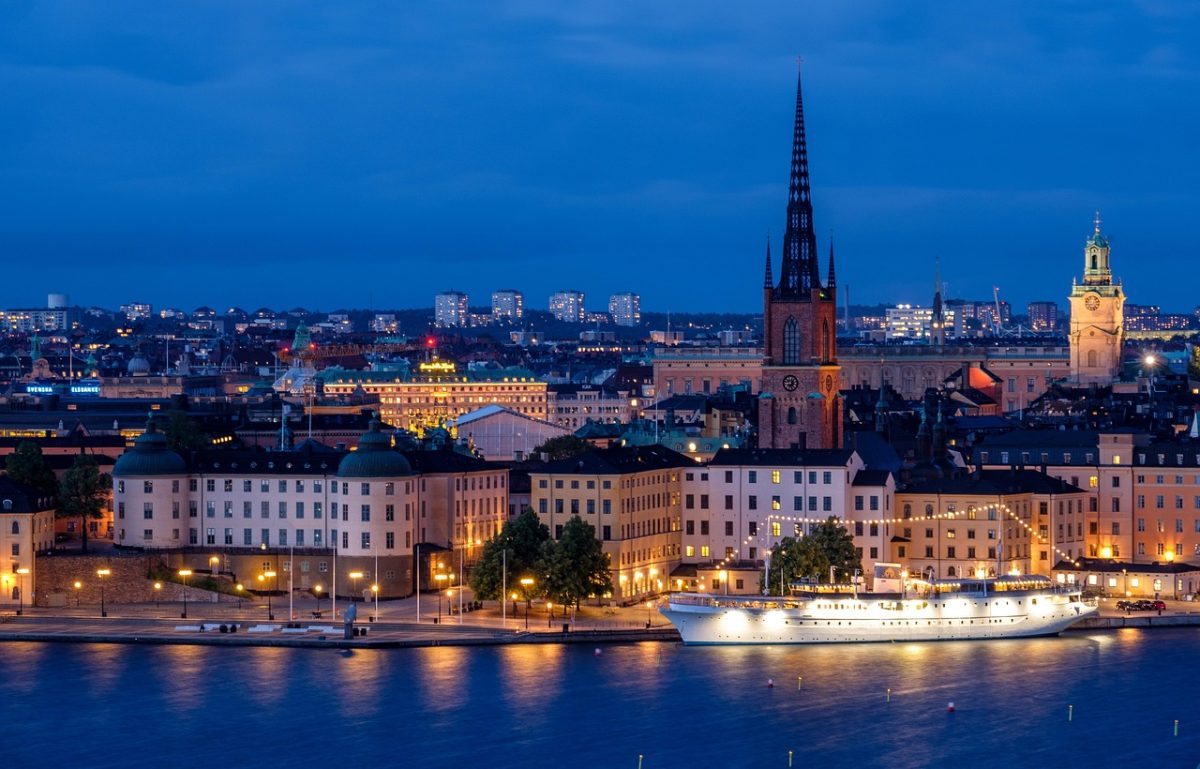
Sweden is another Scandinavian nation known for its high prices, particularly in Stockholm and other major cities. From hotels and restaurants to public transport and entertainment, costs can quickly add up. Travelers can enjoy historic landmarks, design-focused shops, and cultural experiences, but budget-conscious planning is essential. Sweden’s high standard of living, strong krona, and emphasis on sustainability contribute to elevated costs for tourists. Despite the price, visitors are rewarded with clean, safe cities, extensive green spaces, and cultural richness that make Sweden an appealing destination for those willing to pay for quality experiences.
6. Finland
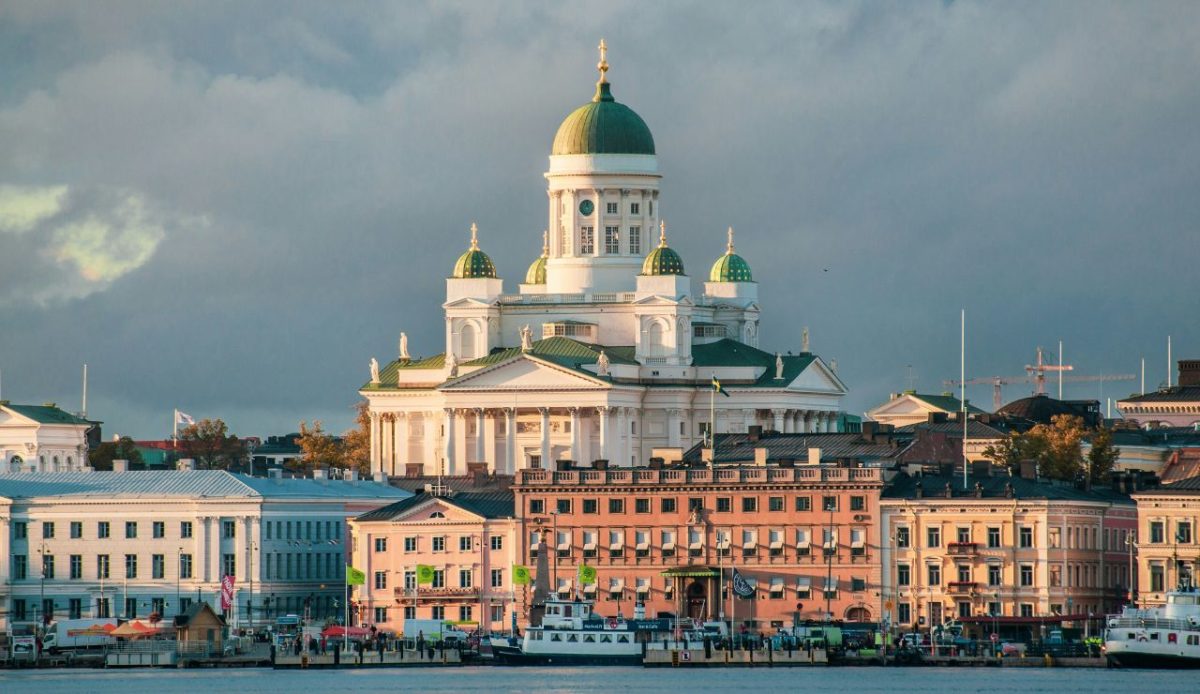
Finland offers serene landscapes, pristine lakes, and unique experiences like the Northern Lights, but travelers will notice elevated costs for lodging, dining, and excursions. Helsinki’s design district, Lapland’s winter activities, and cultural attractions are top-notch but carry premium price tags. Public services are efficient but come at a higher cost than in most European countries. The Finnish euro, combined with high living standards and quality tourism infrastructure, makes Finland one of the more expensive destinations in Europe. For visitors, the cost is offset by immersive nature experiences and a uniquely peaceful, scenic environment.
7. Luxembourg
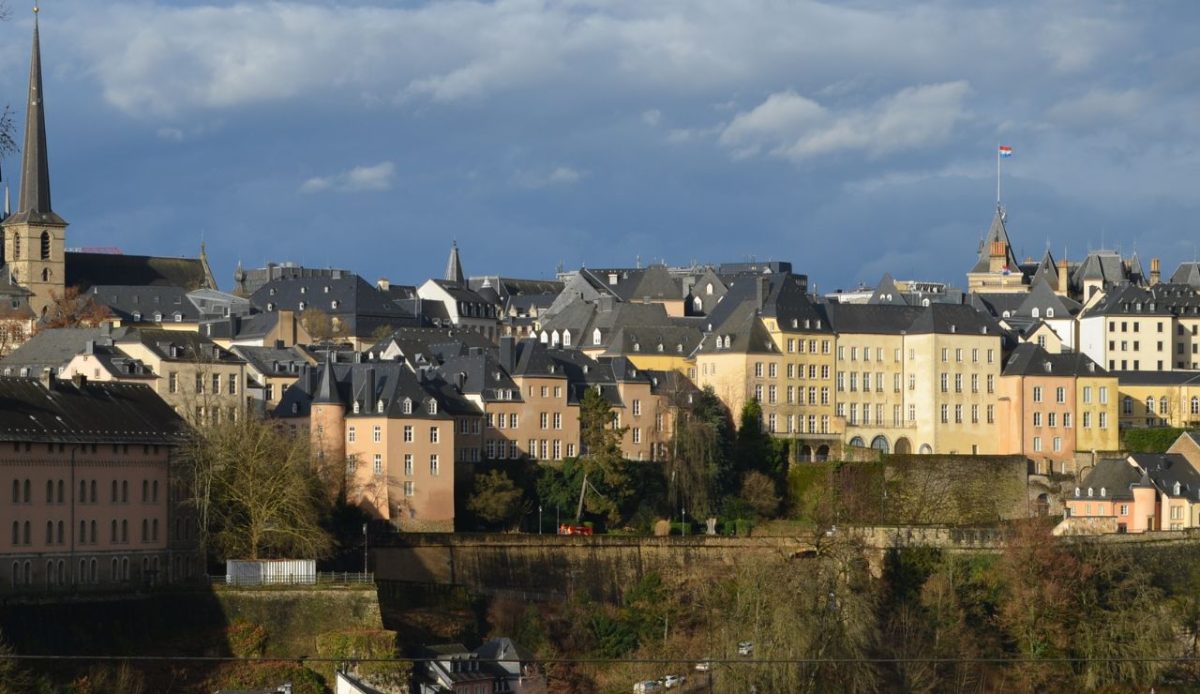
Luxembourg is a small European country with high living standards, reflected in the cost of visiting. Hotels, restaurants, and attractions are expensive, particularly in Luxembourg City. Despite its compact size, travelers can explore medieval castles, rolling hills, and cultural events, but prices remain steep. The strong euro, wealth-driven economy, and emphasis on quality infrastructure contribute to higher costs. While the country may not draw large tourist crowds, its scenic beauty, safe streets, and charming towns make it a worthwhile stop, albeit a pricey one, for travelers exploring Europe’s hidden gems.
8. Ireland
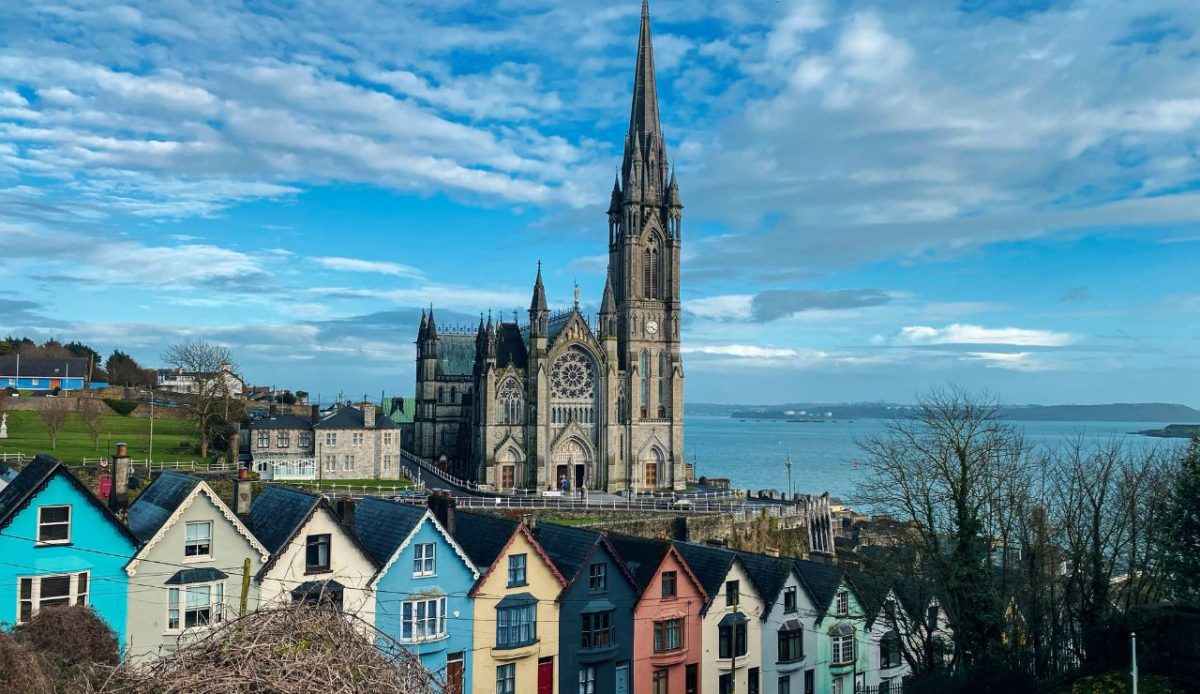
Ireland’s lush landscapes, historic castles, and vibrant cities are popular with tourists, but costs for accommodation, food, and transportation are higher than in much of continental Europe. Dublin, Galway, and Cork offer rich cultural experiences, lively pubs, and scenic drives, yet nightly rates and dining expenses can challenge budgets. Ireland’s high wages, strong euro exchange rate, and developed tourism industry contribute to its expensive reputation. Despite the cost, visitors enjoy a combination of natural beauty, rich history, and friendly hospitality, making Ireland a rewarding destination for those prepared to spend a bit more.
9. France
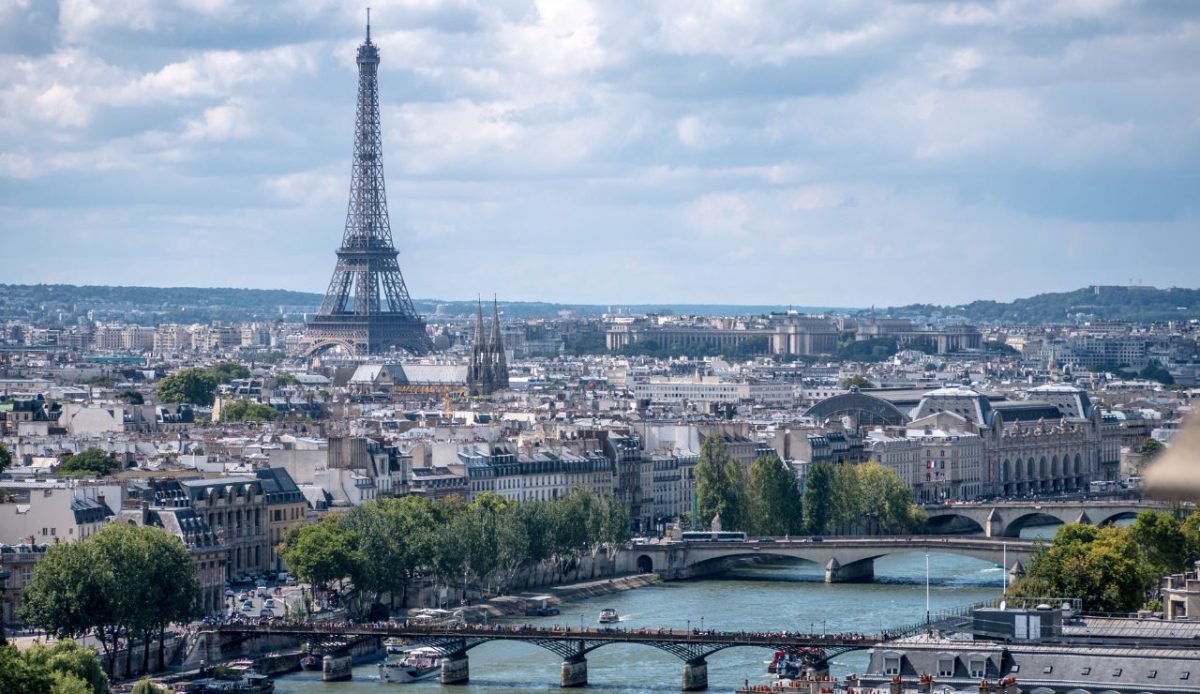
France remains a top European destination, but cities like Paris are known for high prices in hotels, fine dining, and attractions. The Eiffel Tower, Louvre, and luxury shopping areas add to the cost, while everyday expenses like cafés and public transport can be surprisingly high. Beyond Paris, regions like the French Riviera and ski resorts in the Alps also demand premium budgets. The strong euro, reputation for luxury tourism, and high living standards contribute to France’s ranking among Europe’s most expensive countries. Despite the price, the world-class culture, cuisine, and scenery attract travelers willing to invest in the experience.
10. Italy
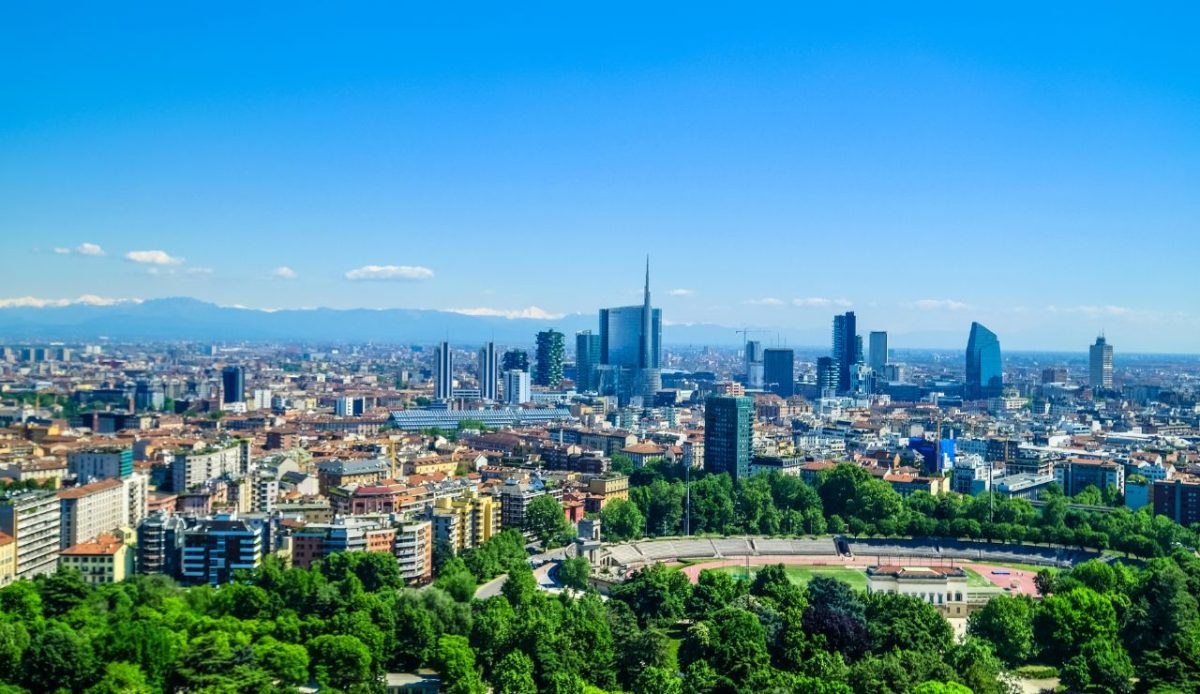
Italy captivates travelers with historic cities, art, and cuisine, but major tourist hubs such as Venice, Florence, and Rome come with steep costs. Hotels, popular restaurants, and museum entrances can quickly inflate a budget. Northern regions like Milan and the Dolomites also carry higher prices. The euro, high tourism demand, and luxury-focused services contribute to Italy’s reputation as an expensive destination. However, the country’s unparalleled history, cultural treasures, and culinary delights make the extra cost worthwhile for travelers eager to experience Italy’s charm at its best.
11. Netherlands
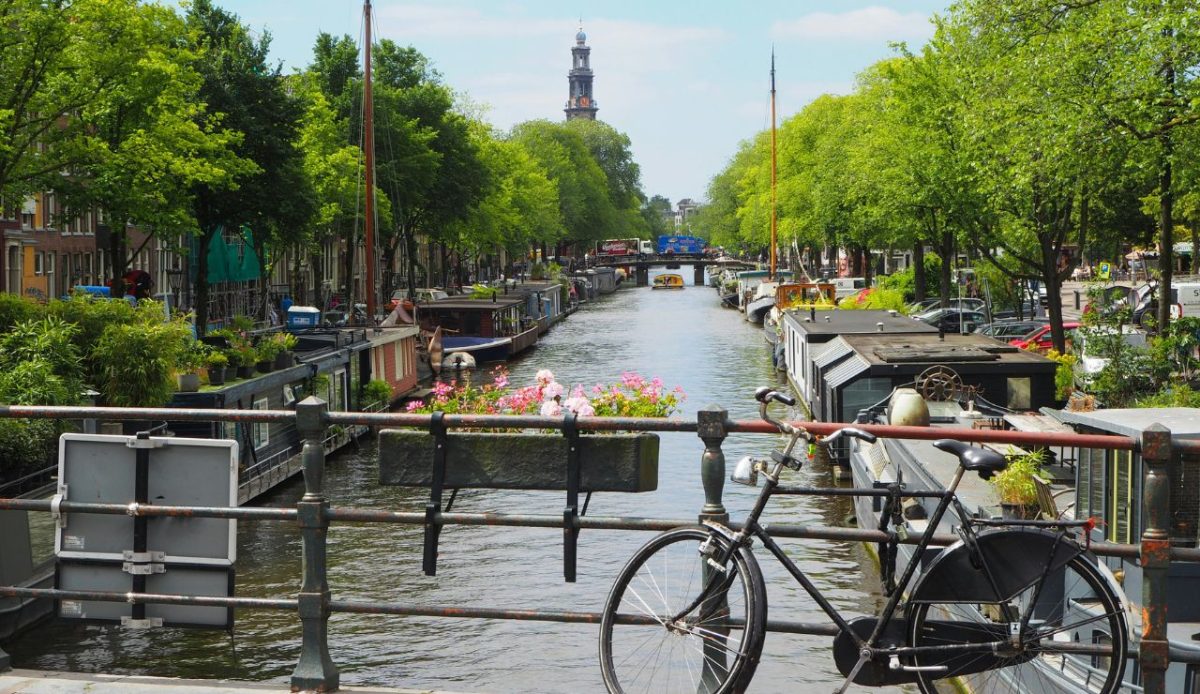
The Netherlands is popular for its canals, cycling culture, and vibrant cities, yet Amsterdam and other urban areas are known for high prices. Accommodation, dining, and entry to attractions like museums and canal tours can challenge budgets. The Dutch euro, high living standards, and dense tourism infrastructure contribute to elevated costs. Despite this, visitors enjoy an accessible, safe, and culturally rich environment. From picturesque villages to lively city streets, the Netherlands offers experiences that justify the expense, provided travelers plan and seek cost-saving options where possible.
12. Monaco
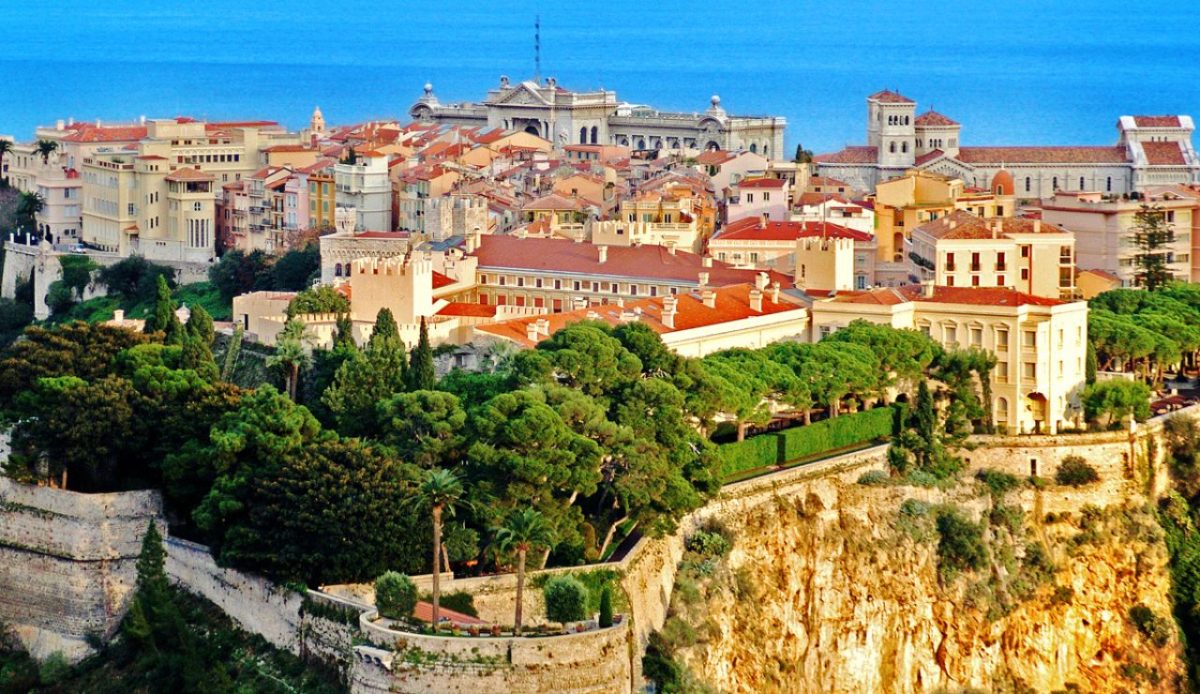
Monaco is synonymous with luxury, attracting travelers seeking glamour, casinos, and the high life. Hotels, dining, and entertainment are among the priciest in Europe, and everyday expenses can be steep. While tiny in size, Monaco offers scenic Mediterranean views, elite shopping, and exclusive events. The principality’s wealth, strong real estate market, and status as a luxury destination make it one of Europe’s most expensive spots for tourists. For visitors, Monaco provides a unique glimpse into opulent lifestyles, though budgets must be carefully considered to enjoy the experience fully.
13. Liechtenstein
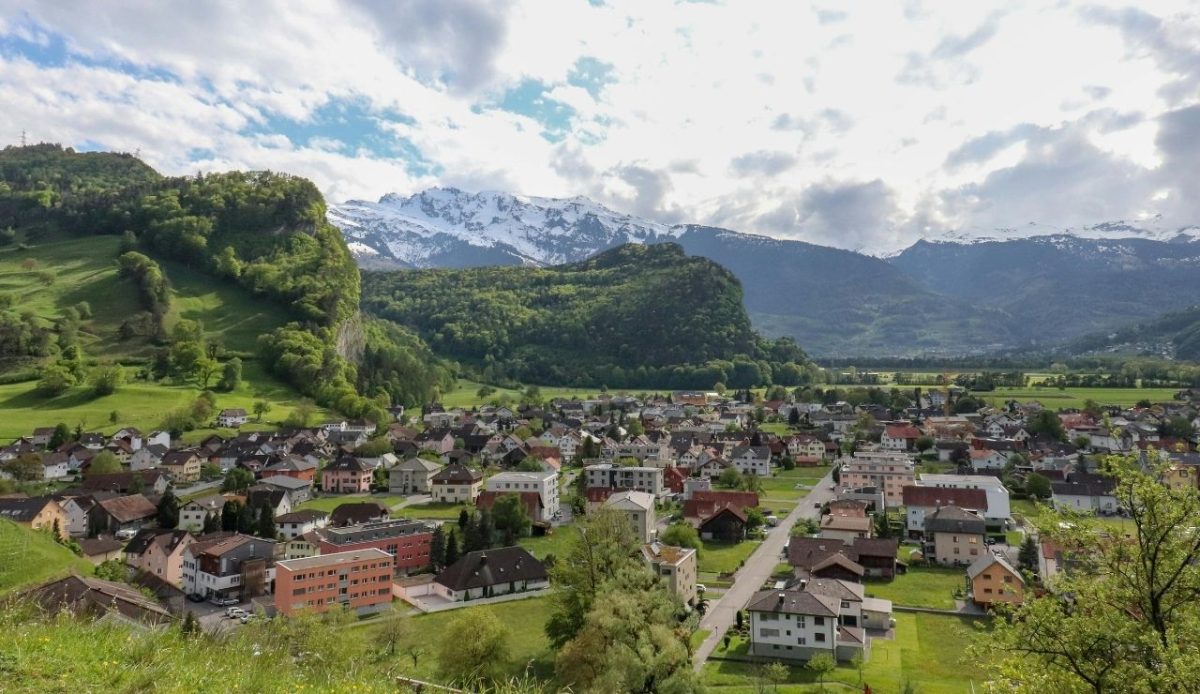
Liechtenstein, a small alpine country, is expensive due to high living standards, luxury goods, and limited accommodation options. Travelers can explore mountain scenery, castles, and charming villages, but lodging and dining prices are notably higher than in neighboring countries. The strong Swiss franc and wealth-driven economy contribute to its cost. Despite its size, Liechtenstein offers exceptional natural beauty, outdoor recreation, and cultural experiences. For travelers seeking a serene and exclusive European destination, the expense is offset by a peaceful, uncrowded, and picturesque environment.
14. United Kingdom
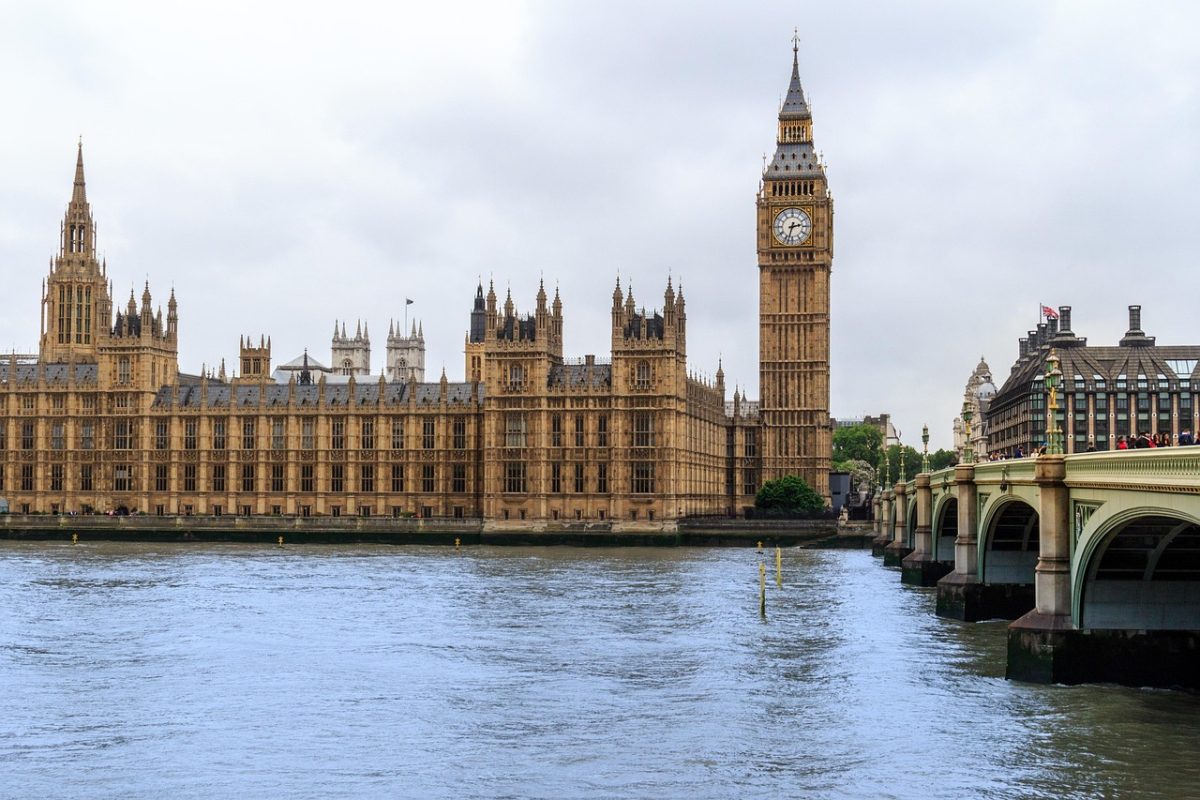
The United Kingdom, particularly London, is one of Europe’s costliest destinations, with high prices for hotels, dining, attractions, and transport. Major cities offer world-class museums, theaters, and historic landmarks, but travelers should expect premium costs for accommodations and nightlife. The British pound, high living standards, and strong tourism sector contribute to the expense. Outside London, costs may be lower, yet cities like Edinburgh, Oxford, and Bath still carry notable prices. For visitors, the UK’s rich history, cultural offerings, and scenic countryside justify the higher budgets required for a fulfilling experience.
