
U.S. travel controls for Mexico are increasingly set at the zone level, not the national one. When cartels hold territory, run checkpoints, or target transport, U.S. authorities tighten movement rules for their staff.
Those rules show up as Level 4 state advisories and embassy restricted area maps. While private Americans are not legally barred, the same limits are recommended, and support may be limited where staff cannot go.
This article explains fourteen regions where official movement is prohibited or tightly restricted in 2026. Each entry links the restriction to a concrete mechanism like corridor bans, boundary boxes, air-only access, and practical knock-on effects.
1. Guerrero Statewide
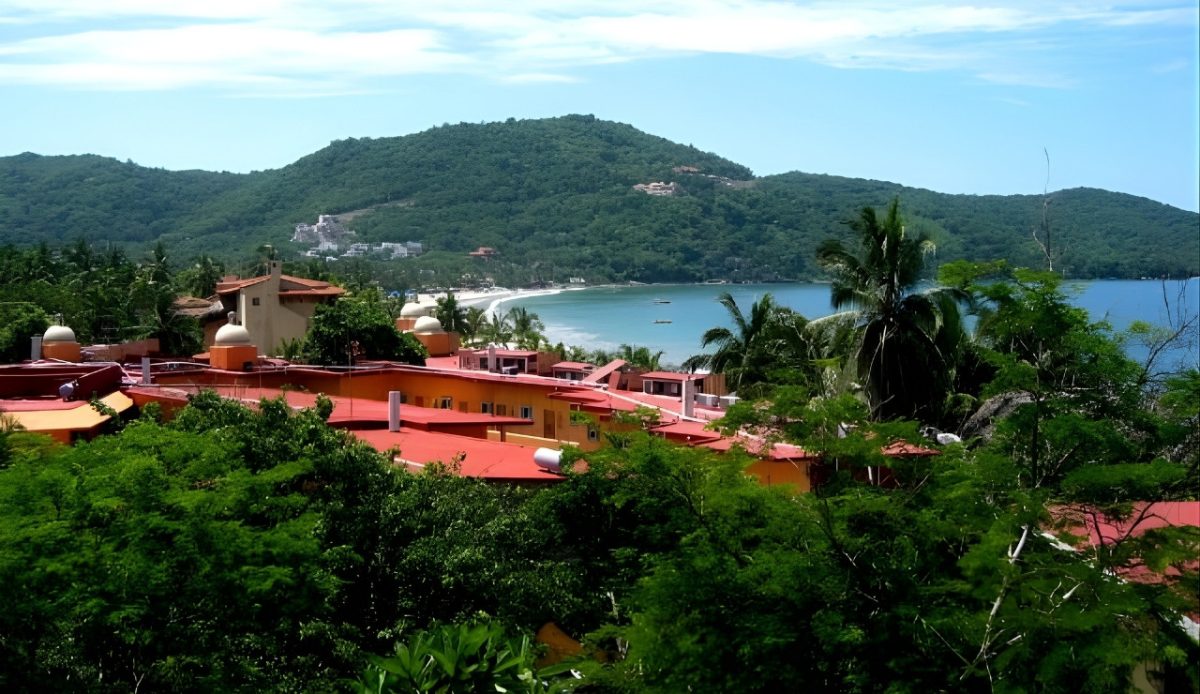
Guerrero is listed at Level 4 Do Not Travel, and U.S. government staff are barred from all parts of the state. No approved city pocket or transit route is provided for routine visits, and travelers are urged to mirror staff limits.
The policy reflects persistent cartel violence, frequent armed incidents, and weak local enforcement across resort zones and inland corridors. Travel on major highways can be disrupted without notice, especially after security operations or local disputes.
For Americans, the ban matters because evacuation support and consular services are constrained when staff cannot move. Tour operators and insurers often follow the same risk line, which sharply reduces viable trip planning.
2. Colima Outside Manzanillo Zones
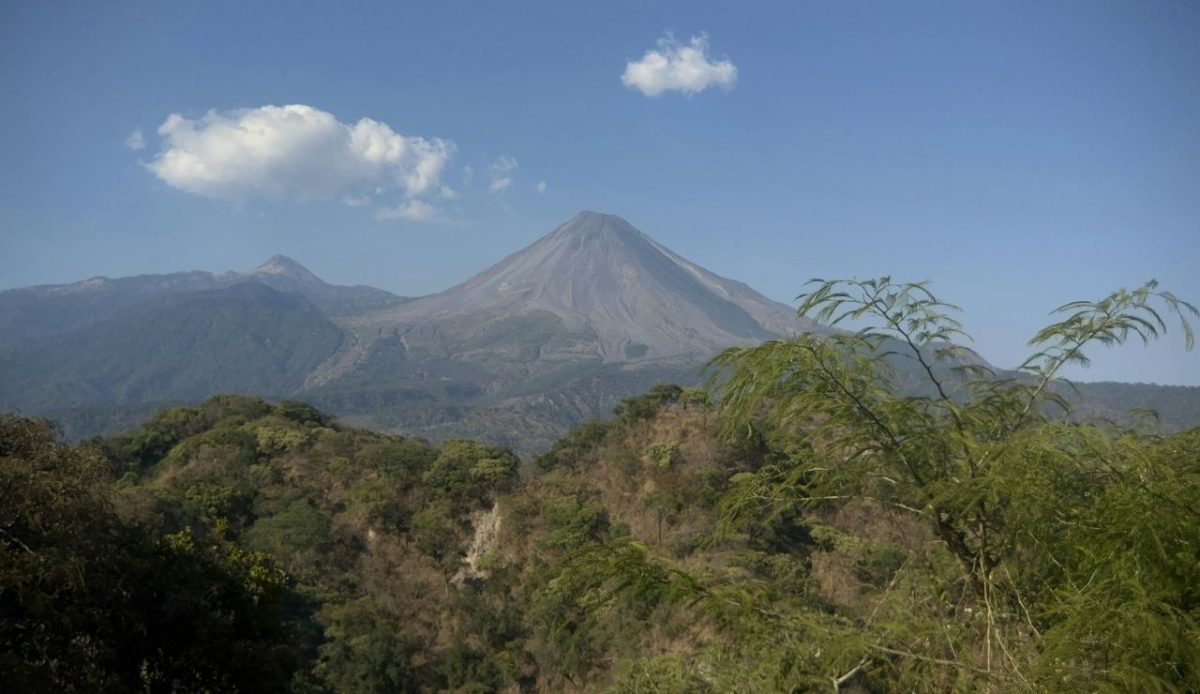
Colima is also under a Level 4 advisory, but the restriction is expressed as a carve-out around Manzanillo. Official travel is limited to central tourist and port areas and specified direct routes that reduce time on uncontrolled roads.
Outside that narrow allowance, movement is prohibited because cartel groups compete for control linked to port revenue and inland corridors. Violence has been concentrated around road access and logistics nodes, which raises the risk of roadblocks and armed stops.
The effect is a large no-go zone that surrounds a small permitted pocket. When staff access is cut, consular support for civilians becomes thin, and many carriers treat the wider state as uninsurable for standard tourism.
3. Michoacan Outside Approved Corridors
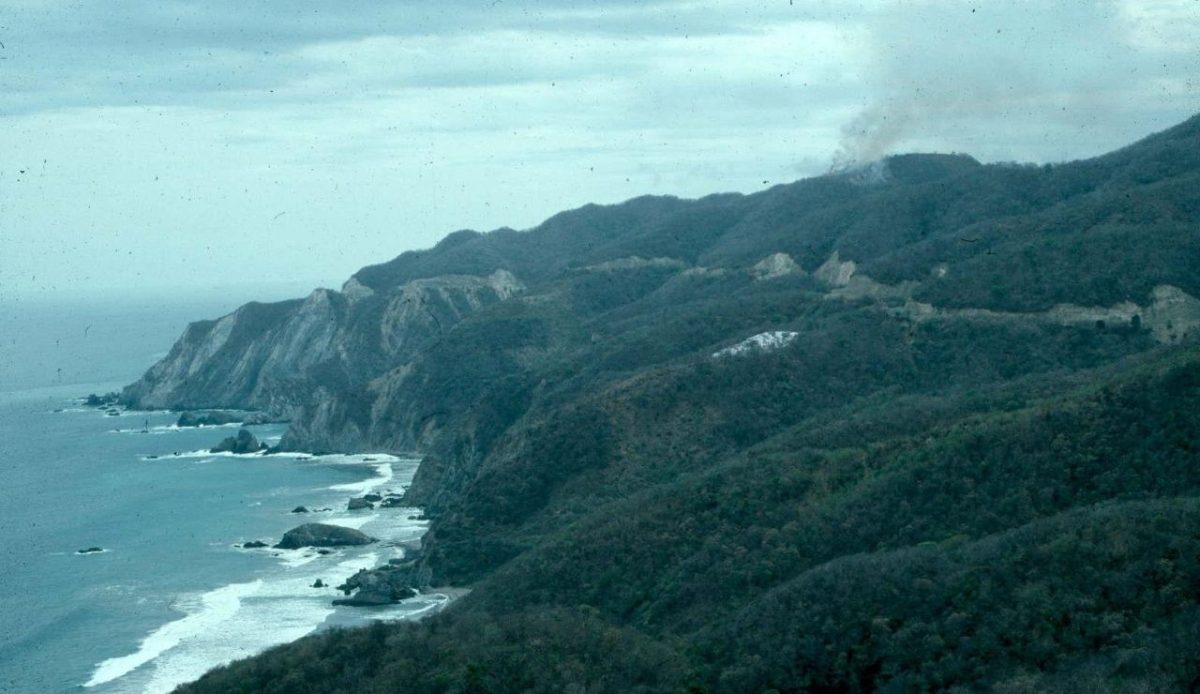
Michoacan is tagged Level 4, yet limited official movement is allowed through defined corridors and within certain city rules. Travel outside those parameters is not permitted for U.S. personnel during 2026.
Restrictions track cartel governance in key production areas and along coastal and mountain routes where extortion and armed patrols are reported. Highway risk rises when checkpoints appear or convoys move.
For American travelers, the practical barrier is reliable transit. If only select roads and daytime movements are tolerated for staff, private trips face the same bottlenecks, including fewer vetted drivers and higher cancellation rates.
4. Sinaloa Outside Defined City Limits
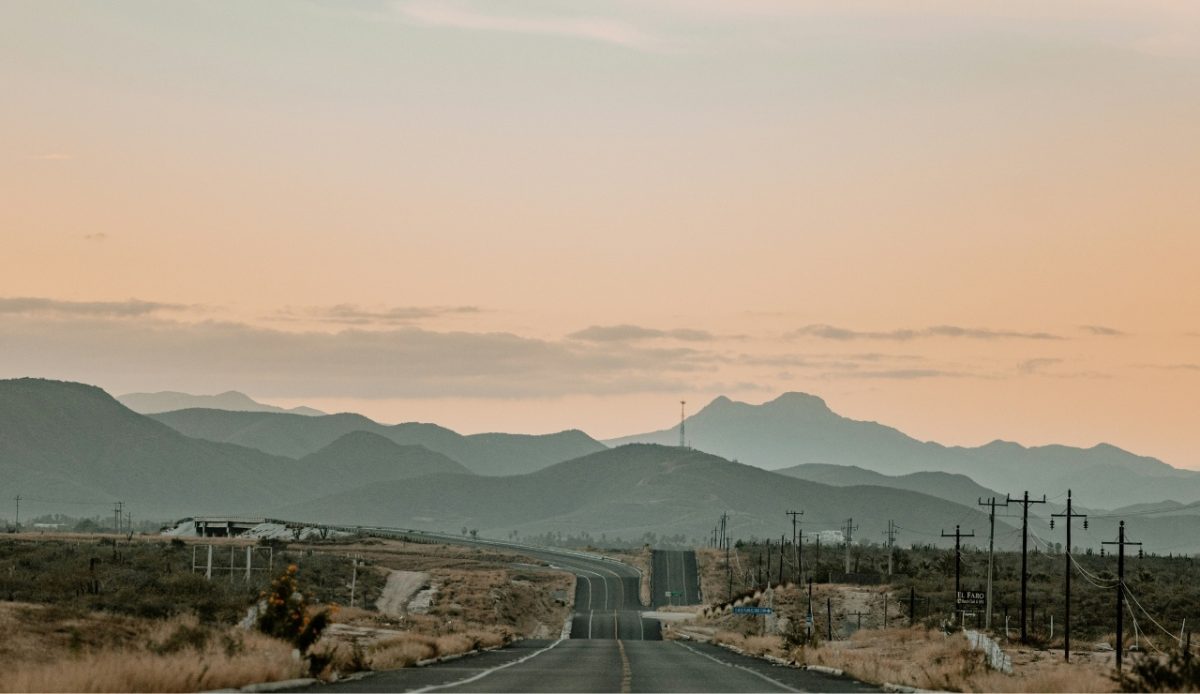
Sinaloa carries a Level 4 status, with access for U.S. officials confined to bounded areas in Mazatlan and in Los Mochis, Topolobampo. Entry is typically expected by air or sea rather than open road travel.
The limits reflect organized crime capacity across rural districts and on interior highways, where armed actions and forced stoppages have occurred. Control of transit corridors is a central driver of the restriction.
Because road movement is the key constraint, normal tourism logistics break down. Air-only access narrows emergency options, raises costs, and reduces the chance of rapid assistance if incidents occur outside the permitted city footprint.
5. Zacatecas Outside Airport Corridor
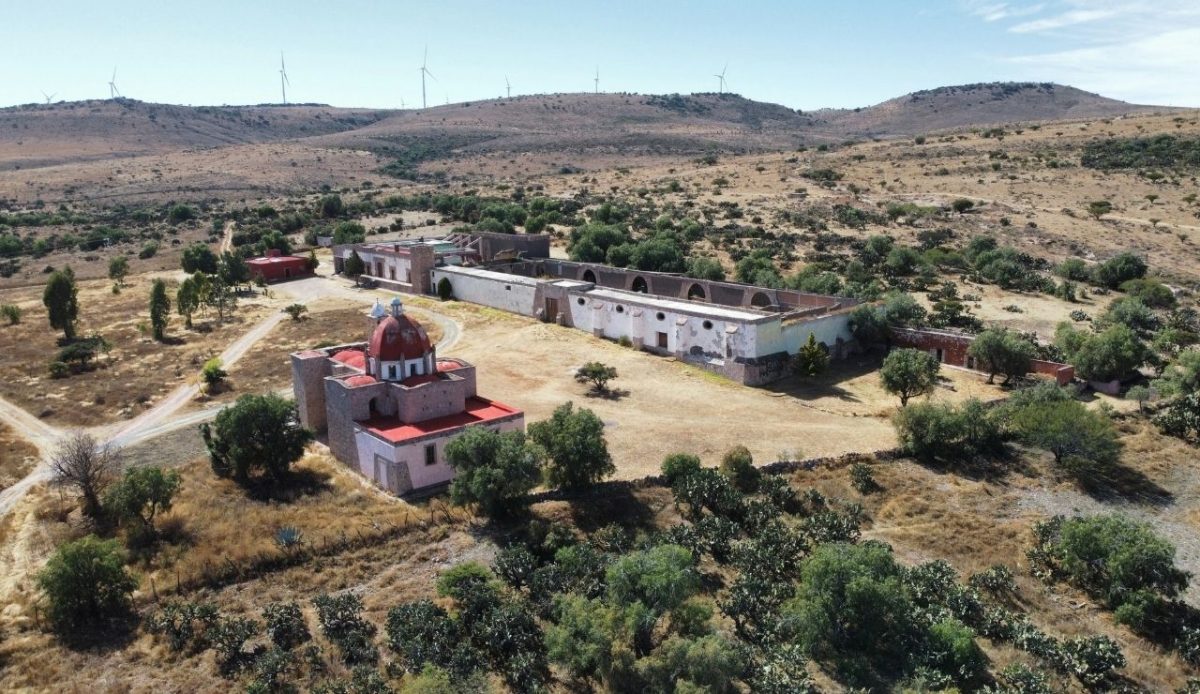
Zacatecas is designated Level 4, and U.S. personnel are directed to reach Zacatecas City by air, then stay within a defined city and airport corridor. Travel to other municipalities is prohibited.
This setup reflects conflict over north-south routes that connect multiple states. When rival groups contest highways, vehicle ambush risk rises, and routine policing is often overwhelmed. Night movement is treated as especially high risk.
For Americans, the corridor rule matters more than the label on a map. If movement is limited to a short route between the airport and the city, excursions become impractical, and service providers may refuse trips that leave the approved boundary.
6. Mexicali Valley Region
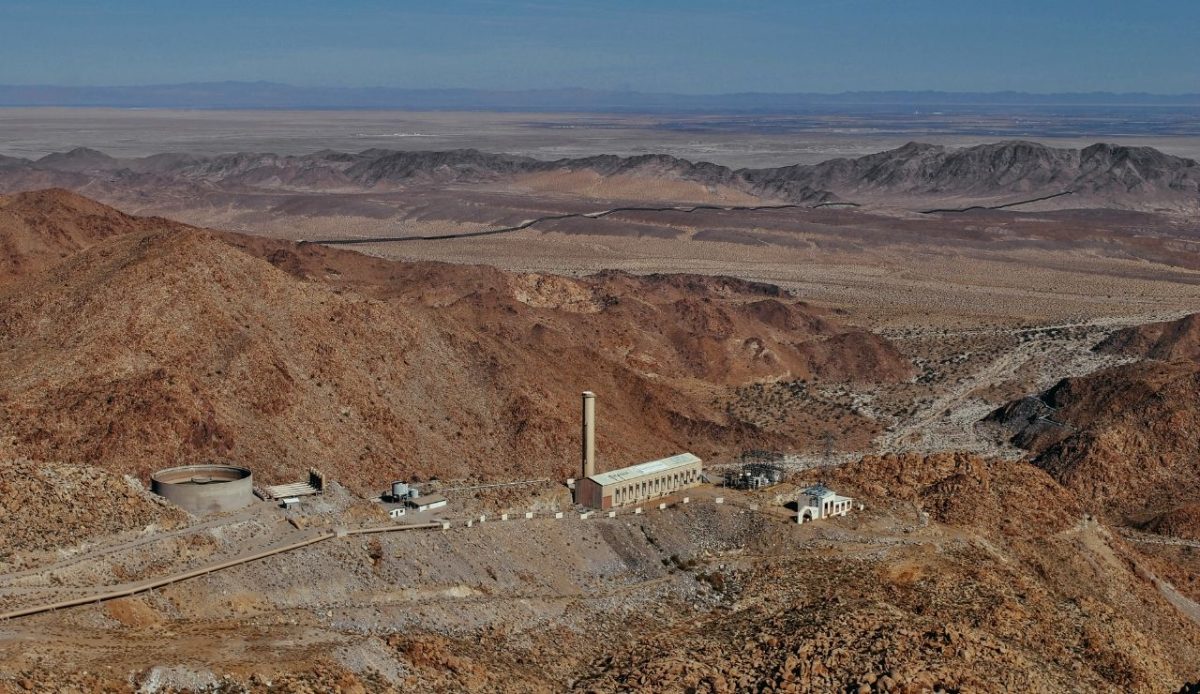
Baja California is not fully closed, but the Mexicali Valley is singled out as a no-travel zone for U.S. personnel. That makes it a distinct prohibited zone inside a state with broader access.
The valley sits on cross-border smuggling routes and has faced organized crime activity tied to extortion, cargo theft, and targeted violence. Remote farm roads and canals complicate policing and response times.
A sub-state ban often catches travelers off guard because nearby cities can be accessible. For Americans, the effect is reduced transport coverage, higher security vetting needs, and limited emergency support if travel drifts into the prohibited rural grid.
7. Southern Guanajuato South of Highway 45D
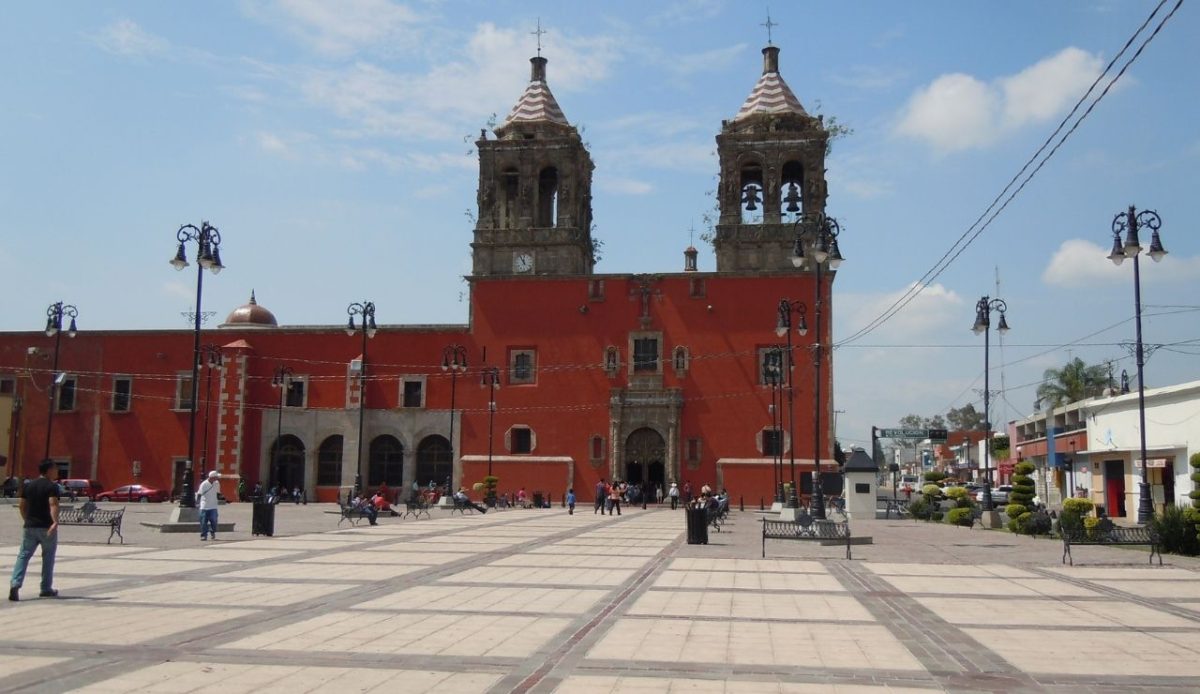
In Guanajuato, U.S. rules draw a hard line at Federal Highway 45D and bar personnel from traveling south of it, including the Celaya, Salamanca, and Irapuato area. This is a defined geographic restriction, not a statewide closure.
The zone has been associated with cartel rivalry and fuel theft networks that generate shootings, attacks on police, and rapid shifts in control. Violence can flare along commuter routes and industrial corridors.
For American visitors, the boundary shapes how trips are routed and what services remain available. When staff are restricted, private travel is discouraged in the same belt, and vetted drivers may decline bookings that would require crossing below 45D.
8. Jalisco Highway 110 Belt Toward Michoacan
Jalisco includes a restricted belt where U.S. government employees may not use Federal Highway 110 on a specified segment and may not enter the adjacent area toward the Michoacan border. The restriction targets a known conflict corridor.
Cartel groups have been reported to set roadblocks, enforce unofficial checkpoints, and retaliate around interstate routes. That pattern increases the chance of being stopped or misidentified while traveling.
For Americans, a highway ban changes the entire access map. Detours can add hours, push travelers onto smaller roads, and weaken communication coverage, so tour operators often avoid the region even when nearby cities remain open.
9. Jalisco Highway 80 South of Cocula
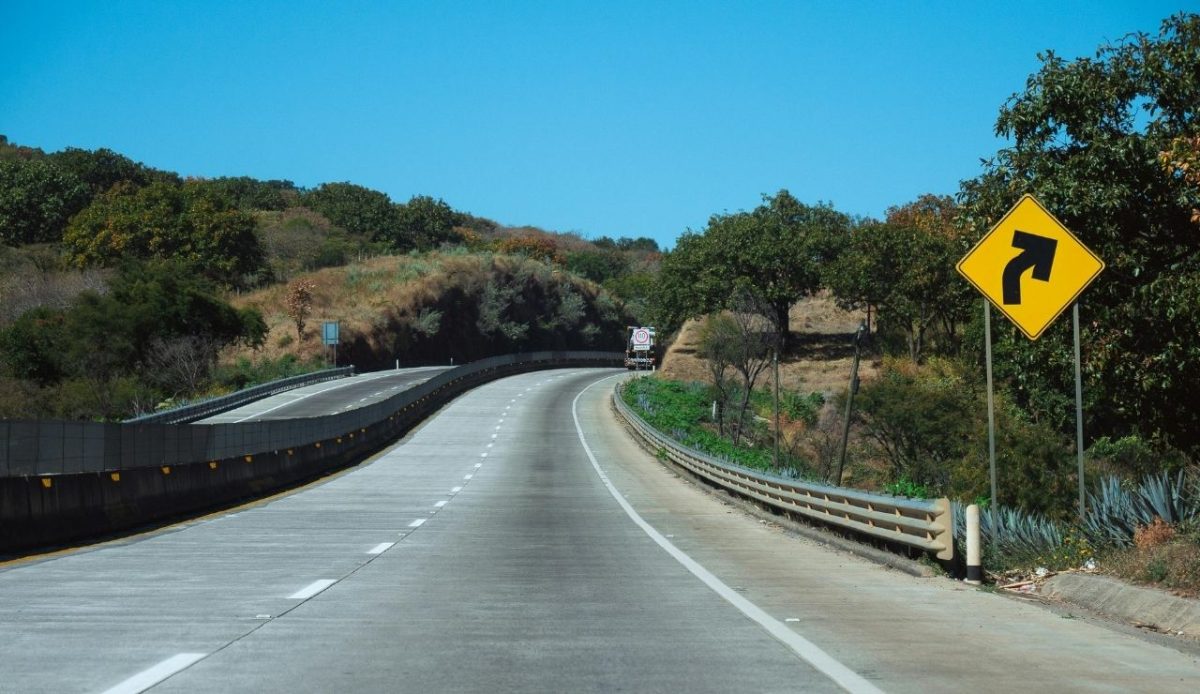
A separate Jalisco control bar prevents U.S. personnel from traveling on Federal Highway 80 south of Cocula. The rule is corridor-based and is meant to prevent routine passage through high-risk stretches.
The corridor has seen security incidents linked to cartel competition, including forced vehicle stops and sudden violence near junction towns. When a road is used for rapid armed movement, predictable travel becomes unsafe.
For Americans, the impact is felt in ground transport planning. If a main connector is off limits to official travelers, private routes must be rerouted through longer alignments, which raises costs and increases exposure time on secondary roads.
10. Oaxaca Isthmus Restricted Region
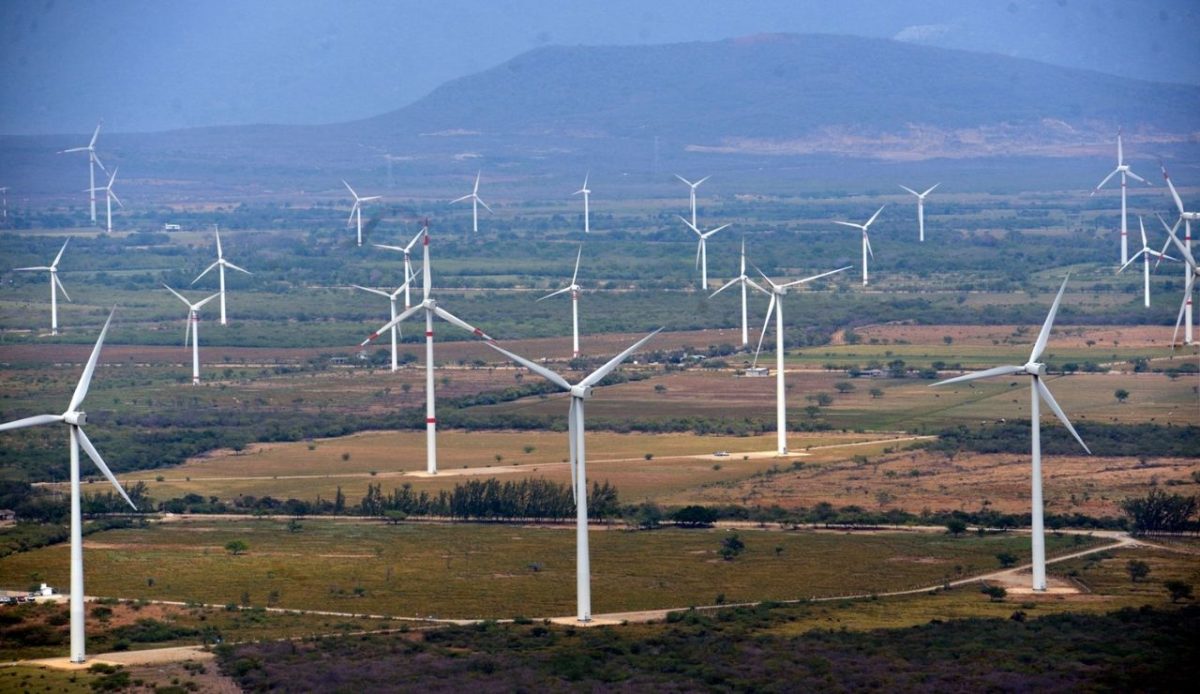
Oaxaca has a defined restricted area in the Isthmus region on U.S. government maps, limiting where personnel may travel. The restriction is regional and does not cover the entire state.
The Isthmus is a transit zone with ports, rail, and highway links, which can attract organized crime pressure and armed group activity. When local authorities cannot secure routes, restrictions are imposed to reduce exposure.
For U.S. travelers, the restriction is practical because it affects the main connective tissue between regions. Trips that rely on passing through the Isthmus can lose reliable transport options, and assistance may be delayed if incidents occur in outlying towns.
11. Oaxaca Highway 200 Toward Guerrero
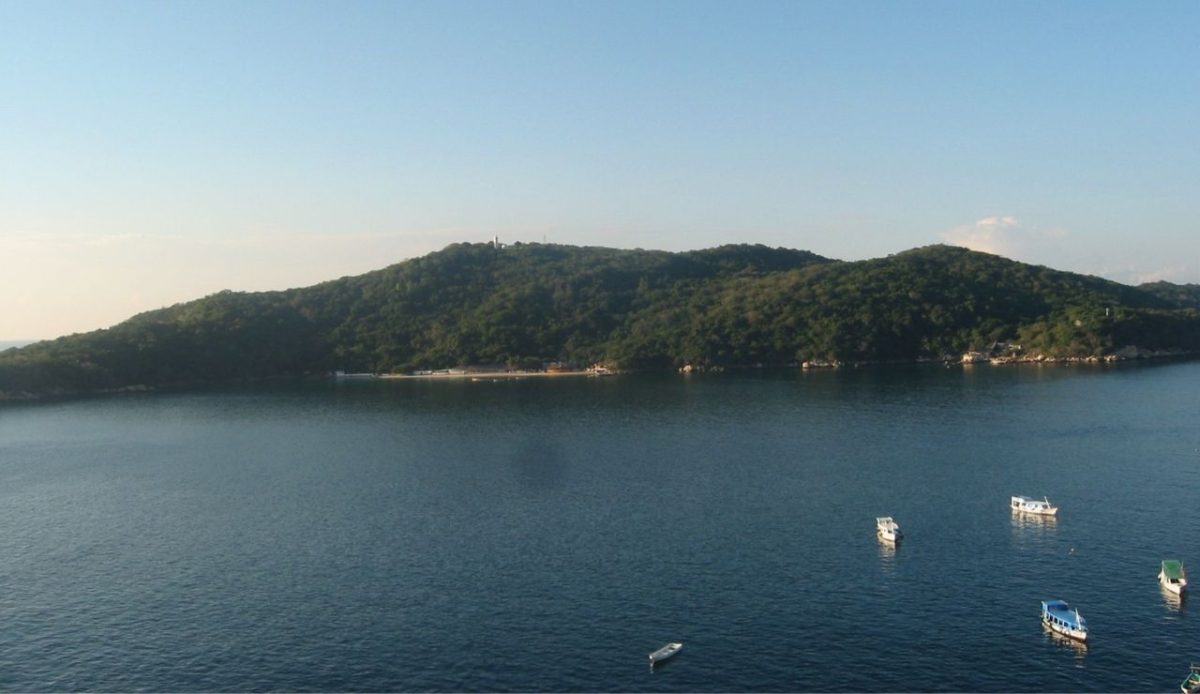
Oaxaca also includes a coastal corridor restriction on Federal Highway 200 from the Pinotepa Nacional area toward the Guerrero border. U.S. government employees are prohibited from using that segment.
Coastal highways can be vulnerable when criminal groups contest control of toll points, fuel, and access to beaches and ports. Ambush risk rises where terrain limits escape routes and patrol coverage.
For American travelers, a corridor ban interrupts common beach-to-beach itineraries. Detours inland may be longer and less serviced, and providers may cancel trips that would require transit near the border zone where official travel is restricted.
12. Matamoros Restricted Movement Area
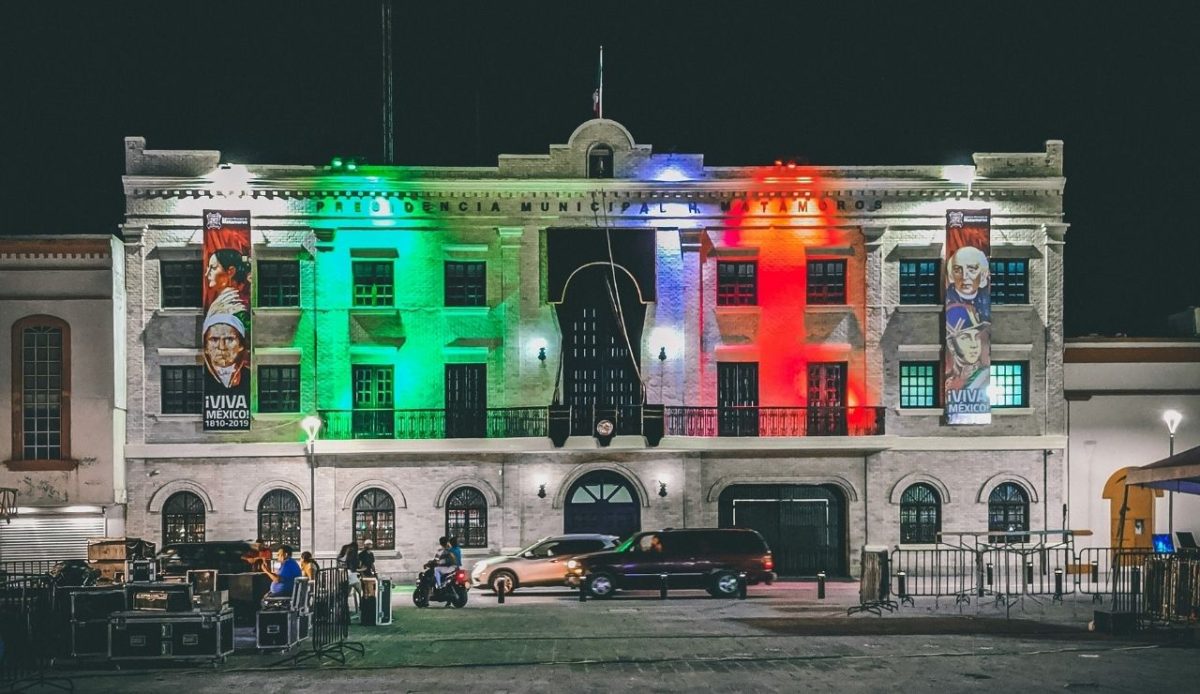
Matamoros in Tamaulipas is governed by a boundary-based restriction that confines U.S. personnel to a defined area and approved routes. Movement outside the box is prohibited, even for routine errands.
The mechanism reflects border cartel influence, kidnapping risk, and the speed at which violence can shift near crossing infrastructure. Control of streets near bridges can change quickly after enforcement actions.
For Americans, these limits signal that normal city travel is not supported. If only a small polygon is permitted for staff, civilians face the same practical barriers, including reduced secure transport options and limited response capacity beyond the boundary.
13. Nuevo Laredo Restricted Boundary Area
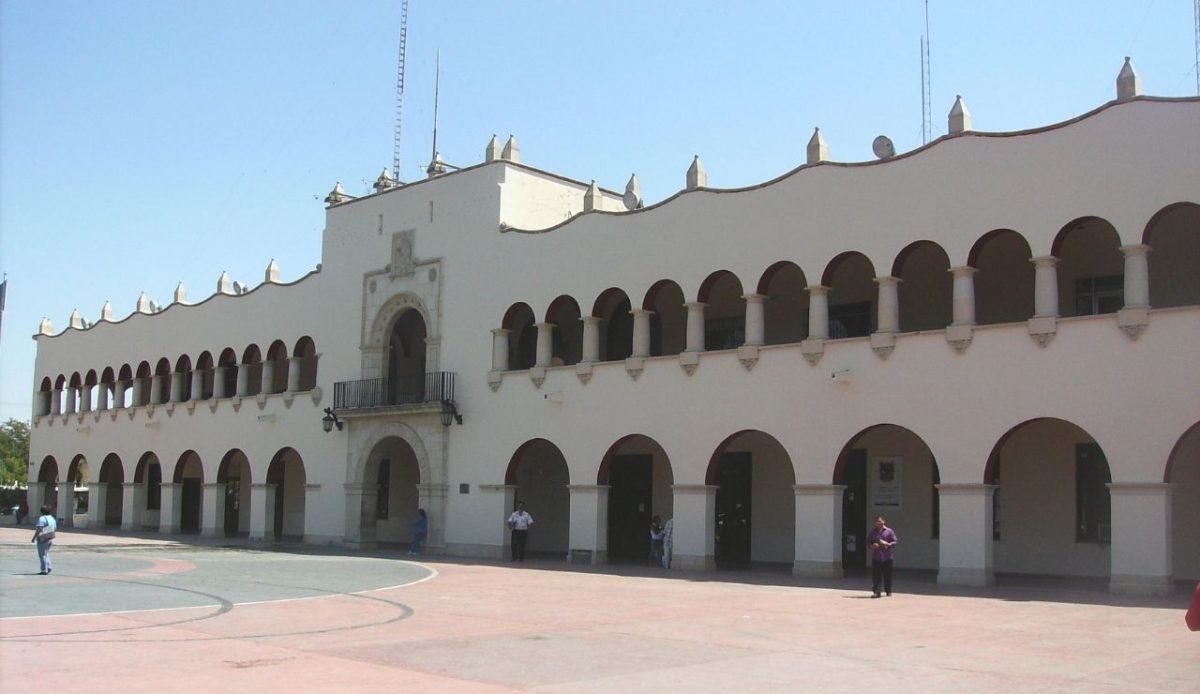
Nuevo Laredo is another Tamaulipas city with a strict permitted boundary for U.S. personnel. The rule functions as a stay within boundary requirement, with specified streets treated as safe passages.
This control tracks the city’s role as a high-value logistics hub tied to cross-border freight. When cartel groups contest crossings, shootings, and targeted attacks can spill onto main corridors with little warning.
For Americans, the restriction turns a large city into a narrow transit lane. Hotels, restaurants, and meetings outside the permitted zone become off-limits for officials, and civilians are advised to avoid the same areas because support is constrained.
14. Sonoran Desert Triangle Near Sonoyta And Altar
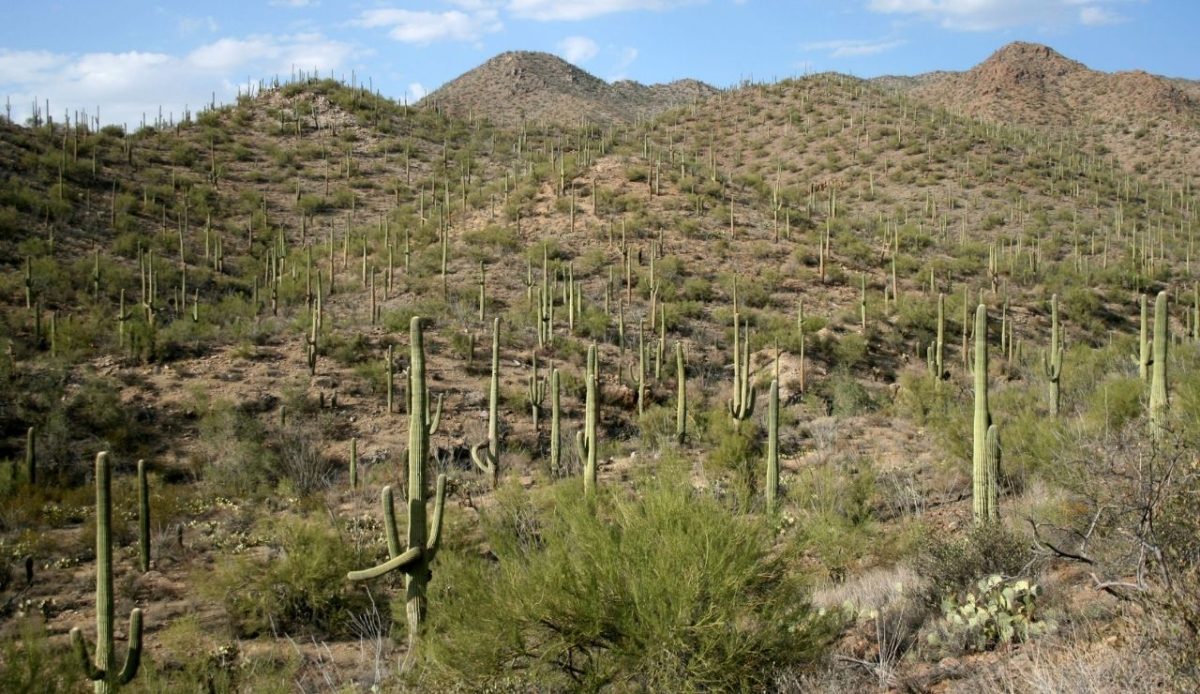
In Sonora, U.S. authorities designate a desert triangle near the Mariposa area as restricted, described as west of the port of entry, east of Sonoyta, and north of the Altar municipality. Travel into or through it is prohibited.
The zone sits on smuggling routes where armed escorts, surveillance, and rapid interdiction can occur. Sparse settlements, limited cell service, and long emergency response times amplify the danger from organized crime encounters.
For Americans, the key issue is exposure on isolated tracks that appear navigable on maps but are operationally controlled. When official travel is blocked, rescue options shrink, and the risk of being intercepted rises because there are few witnesses and limited patrol presence.
