
High elevation travel turns simple mistakes into emergencies because low oxygen slows thinking, disrupts sleep, and weakens coordination. Cold air and intense sun increase fluid loss, while distance from clinics stretches response times. Preparation should cover a staged ascent plan, symptom checks twice daily, layers for wind and snow, and a reliable way to call for help. The regions below are not casual viewpoints. They are places where planning decisions often determine whether a trip stays safe. Build extra days for weather holds, carry a small first aid kit plus a pulse oximeter, and confirm evacuation coverage before departure.
1. Khumbu Region, Nepal
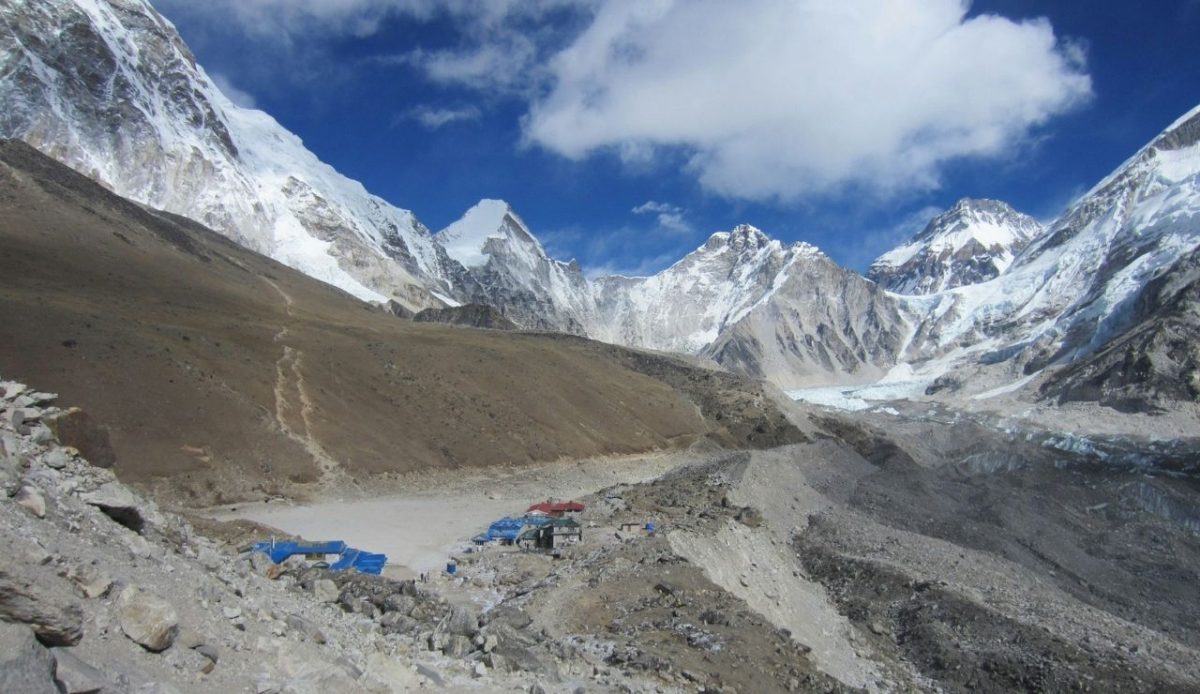
Khumbu treks in Nepal reach above 5,000 meters for days, so altitude illness can develop even on steady trails. Flight delays and limited road access mean rescues may be slow once you leave the lower valleys. A safe approach is built on rest days, strict limits on daily gain, and an early descent rule if headaches, nausea, or confusion increase. Keep water from freezing overnight, protect eyes from glare, and avoid alcohol until acclimatized. Discuss access to supplemental oxygen or a portable chamber before setting out. Lodges can be unheated, so pack an adequate sleeping bag and plan extra calories for long, cold mornings.
2. Tibetan Plateau, China
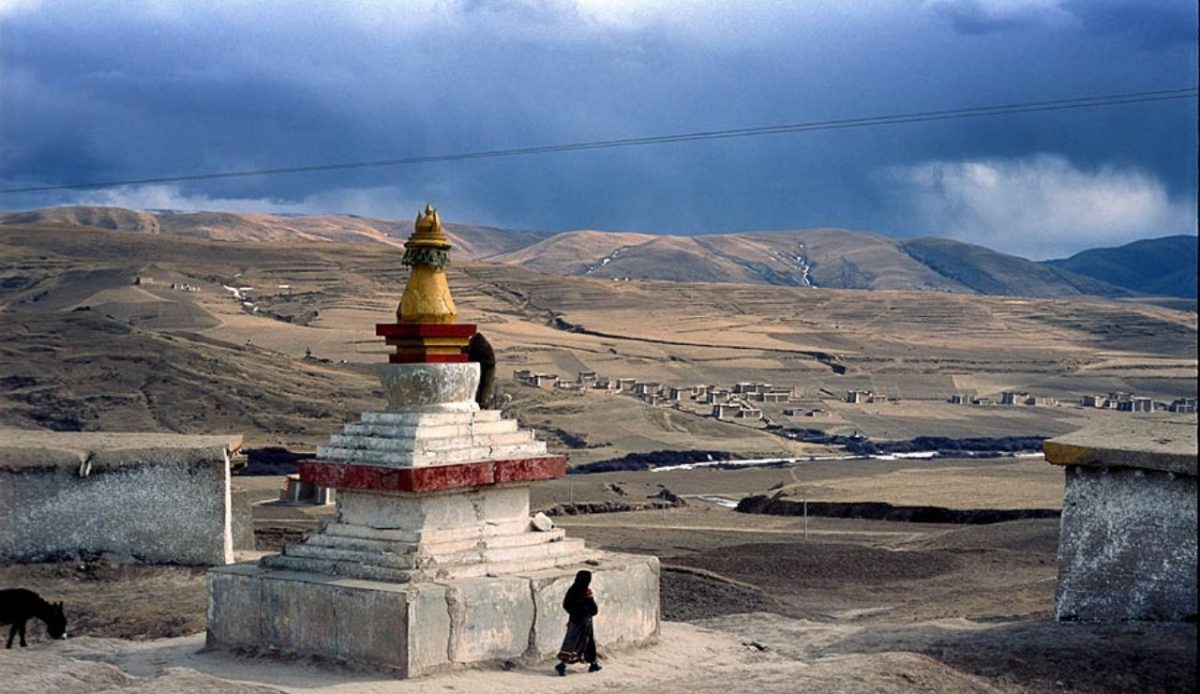
The Tibetan Plateau keeps travelers high for long distances, often above 4,500 meters, so oxygen debt builds day after day. Road trips can be deceptive because the land looks open while clinics remain far apart. Entry should be gradual, with light activity for the first two nights and attention to sleep quality. Drinking water may need longer boiling, and dehydration can be hidden by cold air. Offline maps and a satellite messenger help when coverage drops, and plans should include a lower stop for recovery. Driver fatigue increases risk, so share driving and stop often. Any preventive medicine should be used only after medical guidance.
3. Ladakh, India
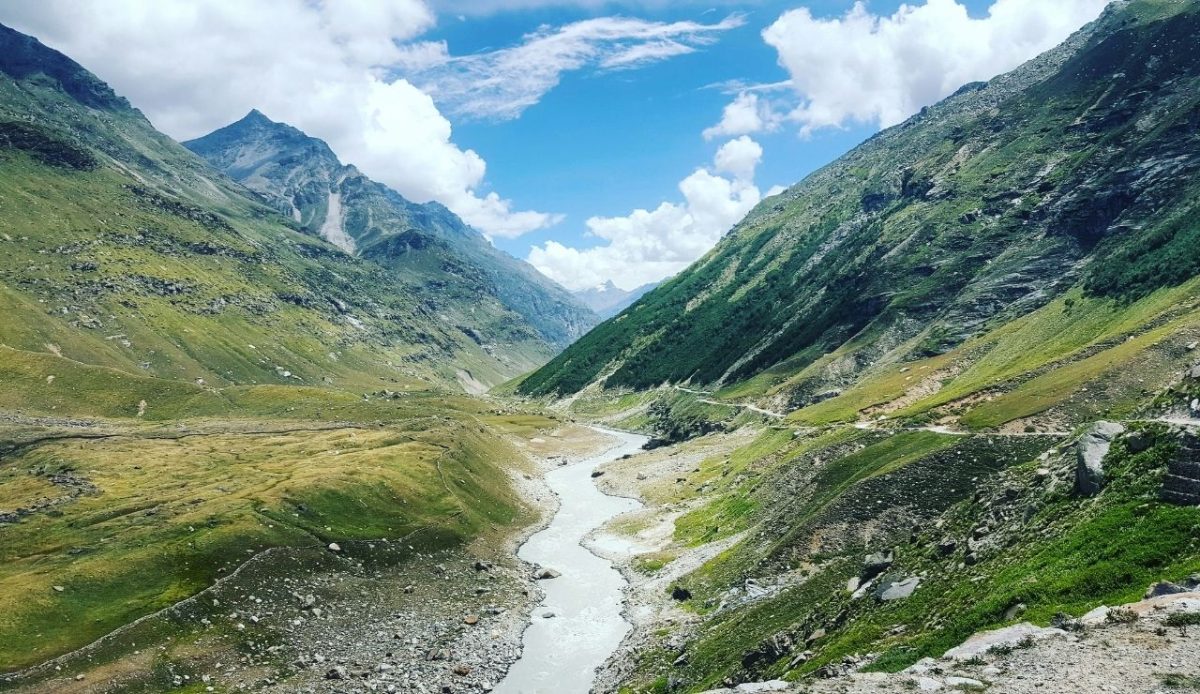
Ladakh places many visitors at altitude immediately because Leh is around 3,500 meters, and flights arrive from low elevations. Headaches and poor sleep often appear on the first night and can worsen if sightseeing starts too soon. Make the first full day quiet, drink regularly, and keep meals simple while the body adjusts. High passes on local roads add a quick jump in elevation, so schedule drives after acclimatization and pack layers for sharp drops. If vomiting, severe breathlessness, or staggering develop, descent to lower valleys should be arranged at once. Strong sun at altitude calls for high SPF, sunglasses, and lip balm.
4. Annapurna Circuit High Pass Zone, Nepal
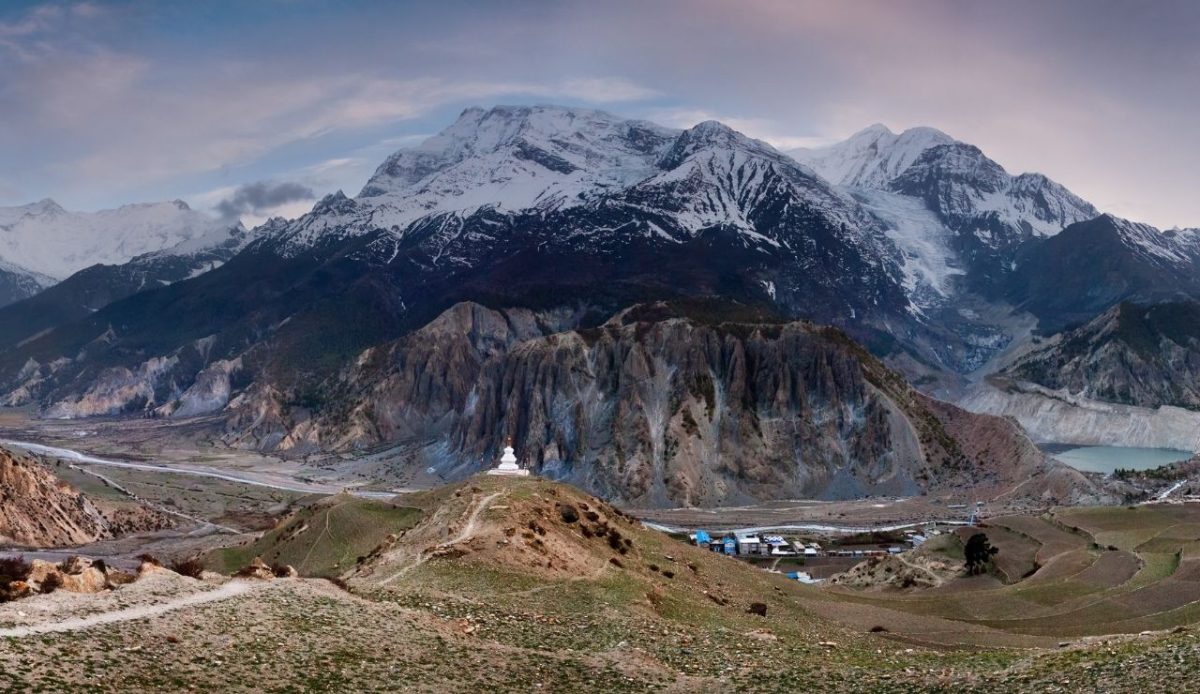
Thorong La on the Annapurna Circuit reaches 5,416 meters and is often crossed in one long push before dawn. Cold, wind, and low oxygen can turn mild symptoms into an emergency within hours. Preparation includes extra acclimatization nights on the approach, an early start, and a rule that no one climbs higher if confusion or chest tightness appears. Carry warm gloves, a headlamp with spare power, and snacks that still go down when appetite drops. Keep a spare day for weather closures and monitor symptoms after descent. Hot drinks help hydration, and guides should confirm every hiker is responding normally before committing to the final climb.
5. Baltoro Glacier And K2 Base Camp Corridor, Pakistan
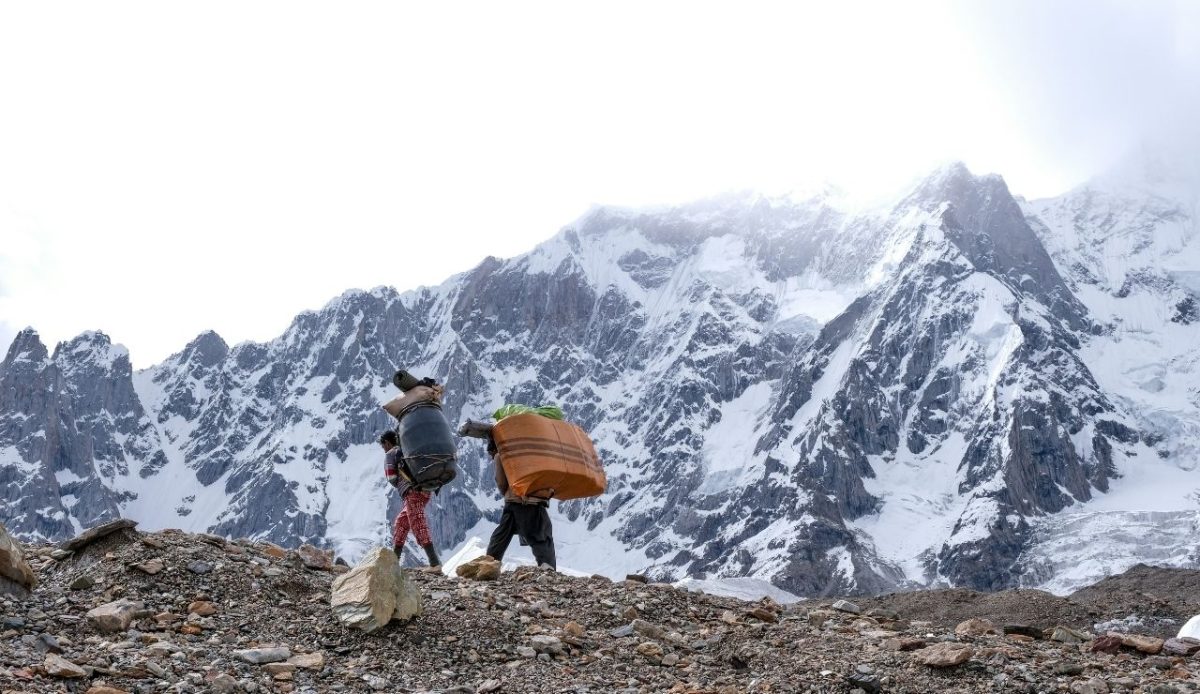
The Baltoro Glacier route to K2 Base Camp stays high for weeks, with long days on rock and ice above 4,000 meters. Because villages are sparse, injuries and illnesses may need to be managed in camp until help arrives. Preparation is built around redundant food, stove fuel, shelter repair items, and a communicator that works beyond cell networks. Acclimatization should be paced with short carries and rest days, and everyone must accept a retreat if symptoms worsen. Afternoon melt complicates stream crossings, so earlier travel hours lower risk, and extra days should be planned. Bring blister care and keep feet dry whenever possible.
6. Pamir Highway And GBAO, Tajikistan
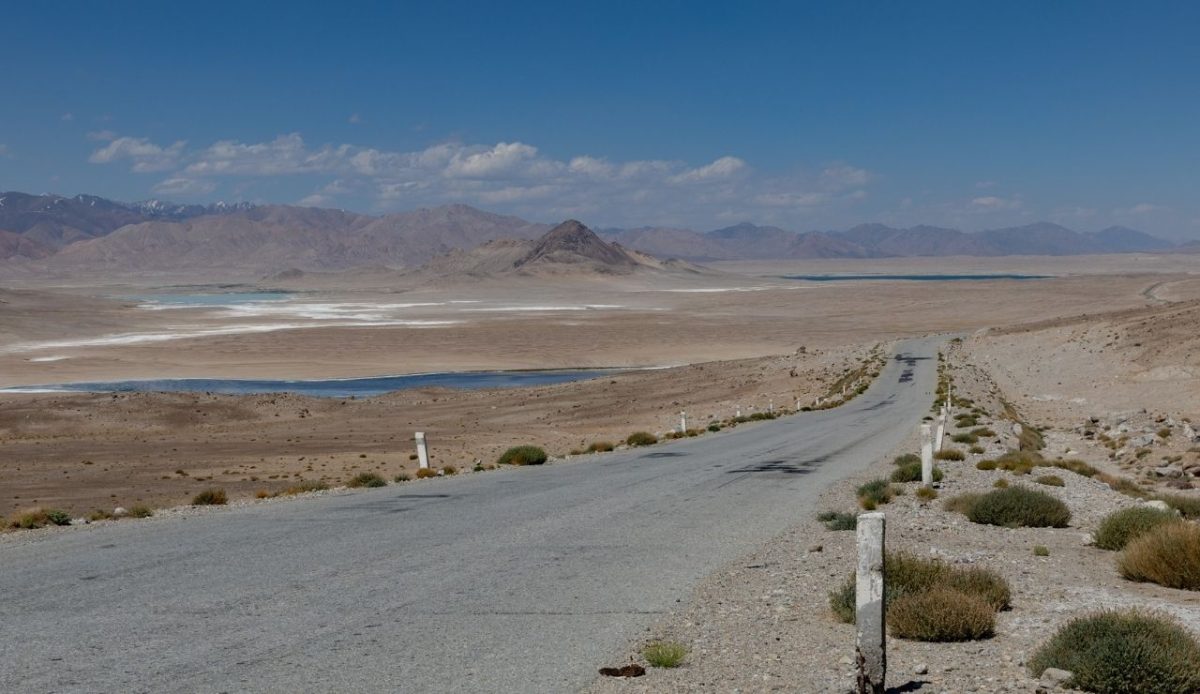
On the Pamir Highway, passes exceed 4,600 meters, and services can be separated by hours of driving. Altitude effects may be intensified by long days in a vehicle, poor sleep, and cold nights in simple lodging. Preparation includes a gradual climb profile, shared driving to reduce fatigue, and enough fuel, water, and food to handle closures or landslides. Carry warm bedding, a basic medical kit, and offline navigation because connectivity is unreliable. Keep water from freezing and ensure heaters are vented to prevent carbon monoxide buildup. A tire repair kit and extra filters can prevent a breakdown from becoming an overnight emergency.
7. Tian Shan Range, Kyrgyzstan And China
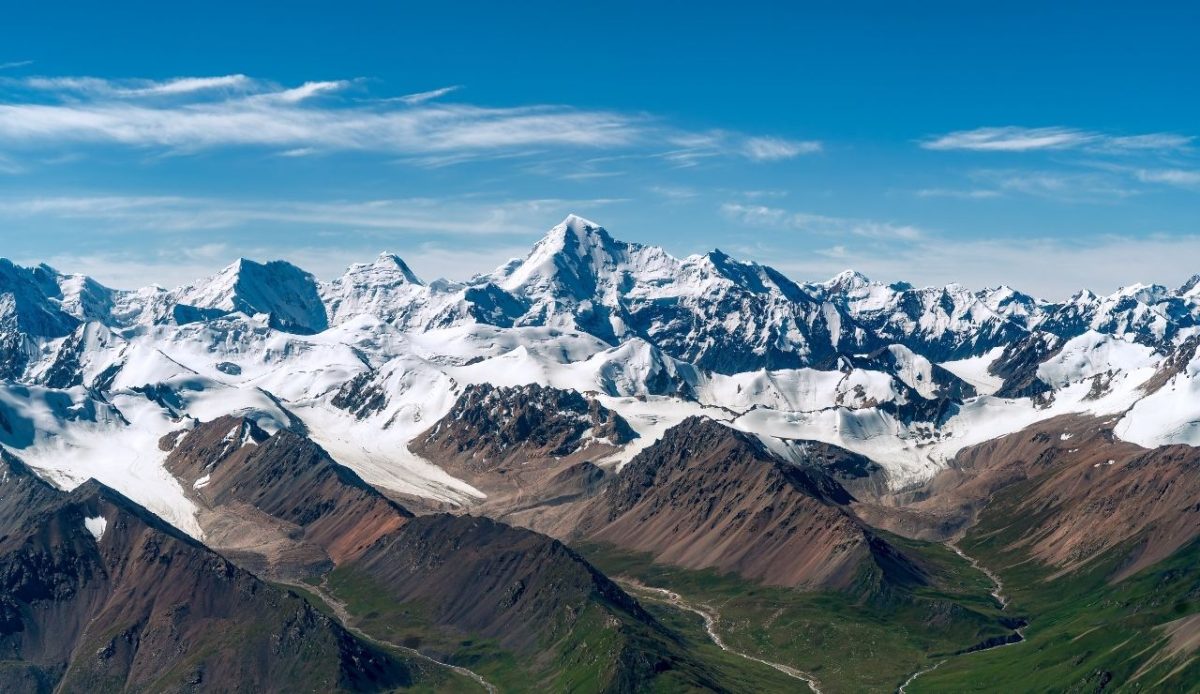
In the Tian Shan, routes cross glaciated basins where storms arrive fast, and tracks vanish in minutes. High camps are placed above treeline, so shelter quality and stove performance become safety issues. Preparation depends on skills for crampons, rope travel, and crevasse rescue, plus acclimatization that includes occasional descents. Carry spare gloves, goggles, and a tent repair kit because strong winds can break poles. Practice whiteout navigation, set regular check-ins, and pack fuel for unplanned nights. When fresh snow falls, travel early and avoid loaded slopes since avalanches can be triggered without warning.
8. Aconcagua Provincial Park, Argentina
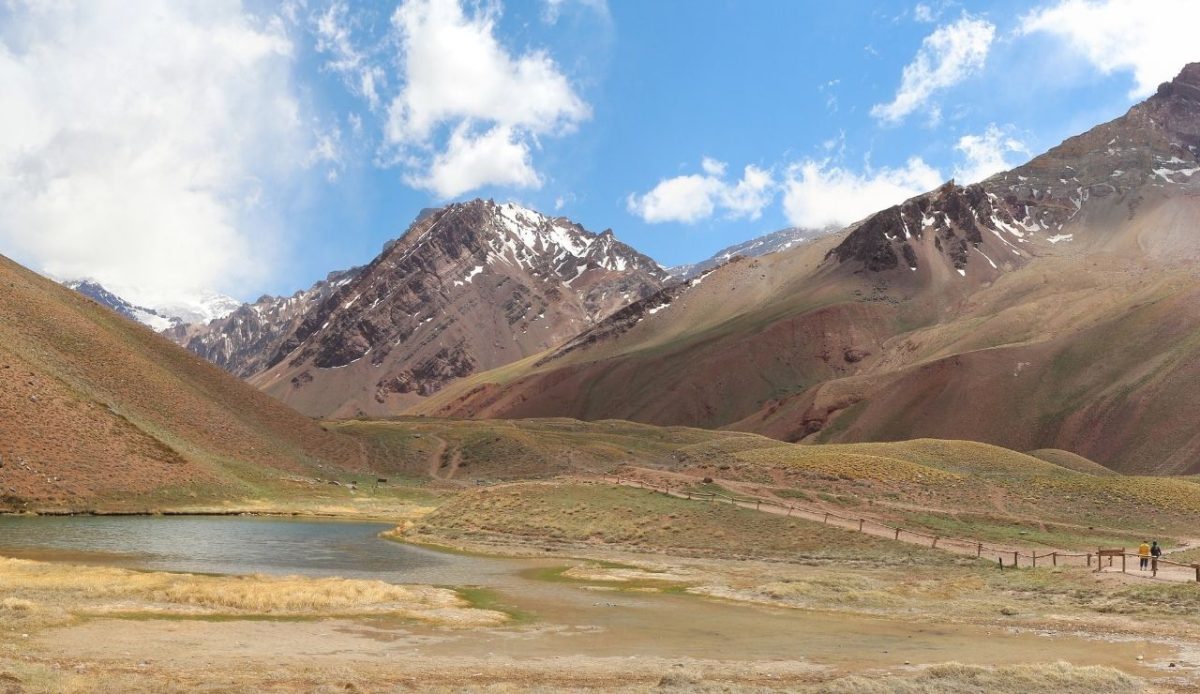
Aconcagua in Argentina reaches 6,961 meters and is known for winds that can halt movement for days. Even the normal route demands repeated carries to higher camps, so pacing and hydration influence acclimatization. Preparation includes permits, cold-rated sleeping gear, and monitoring for cough, confusion, or unusual fatigue. High UV eye protection prevents snow blindness, and fuel estimates should be generous because snow melting takes time. Treat weather windows as uncertain and keep a realistic descent plan if storms trap camps. Hygiene limits stomach illness that worsens dehydration, so carry sanitizer and basic water treatment.
9. Denali National Park High Country, Alaska, USA
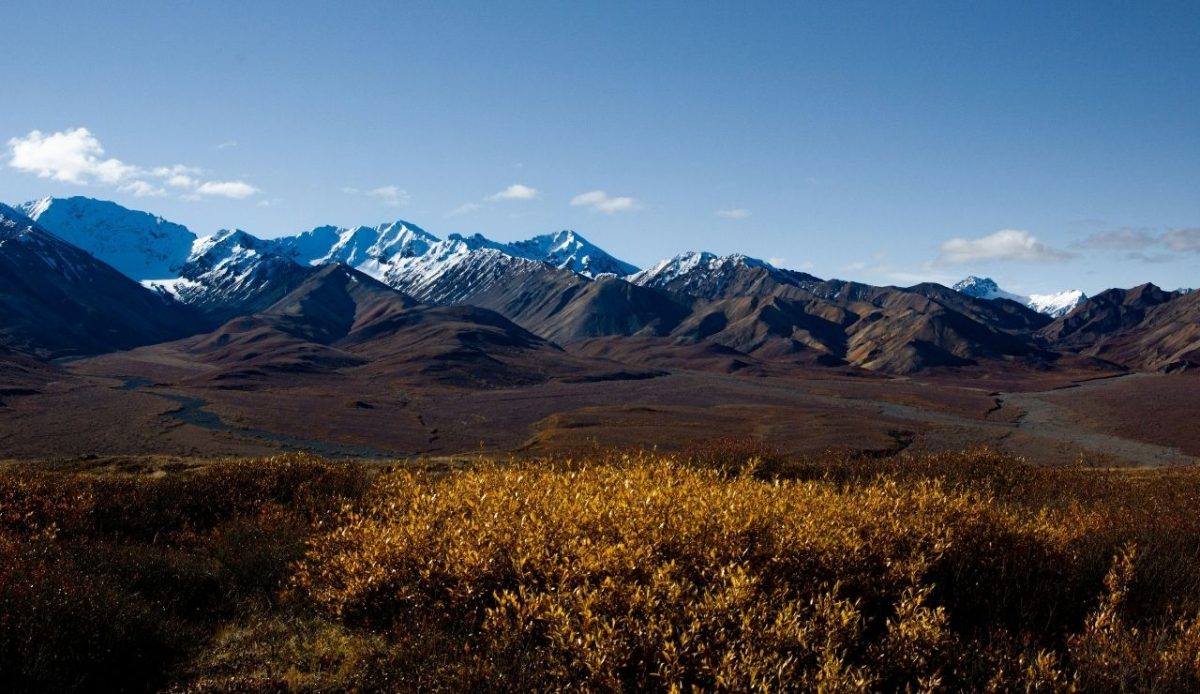
Denali expeditions in Alaska combine high elevation with Arctic cold, so frostbite risk rises as oxygen falls. Storms can pin teams in place for days, and glacier travel adds crevasse hazards that demand rope systems. Preparation includes a redundant shelter, a stove that works in wind, and the skills to treat injuries when evacuation is delayed. Loads are often hauled by sled, so gear must be tested for balance before departure. Carry insulation that stays warm when damp and set firm turnaround times because fatigue can mask worsening illness. Plan enough fuel to melt snow daily, and follow park rules for waste storage to keep camps sanitary.
10. Cordillera Blanca, Peru
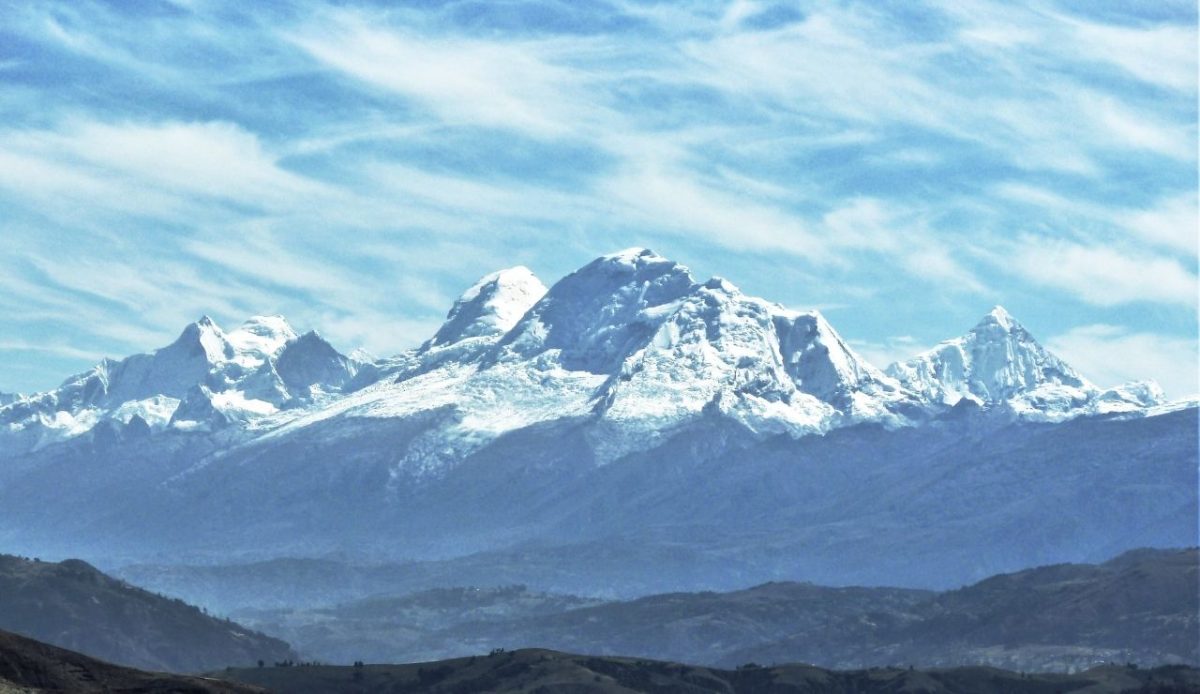
The Cordillera Blanca in Peru includes glaciated peaks where crevasses and avalanches can threaten even skilled climbers. Many routes reach above 6,000 meters, so acclimatization in lower valleys is essential before moving onto the ice. Preparation covers rope team practice, early starts to avoid afternoon soft snow, and a plan for sudden storms. Because the sun is intense, protect your skin and eyes and carry a headlamp, spare layers, and an emergency bivy. Review current hazards with local guides and keep schedules flexible for permit steps and weather delays. Check traction daily and keep boots dry since wet feet can become a cold injury fast.
11. Altiplano, Bolivia And Peru
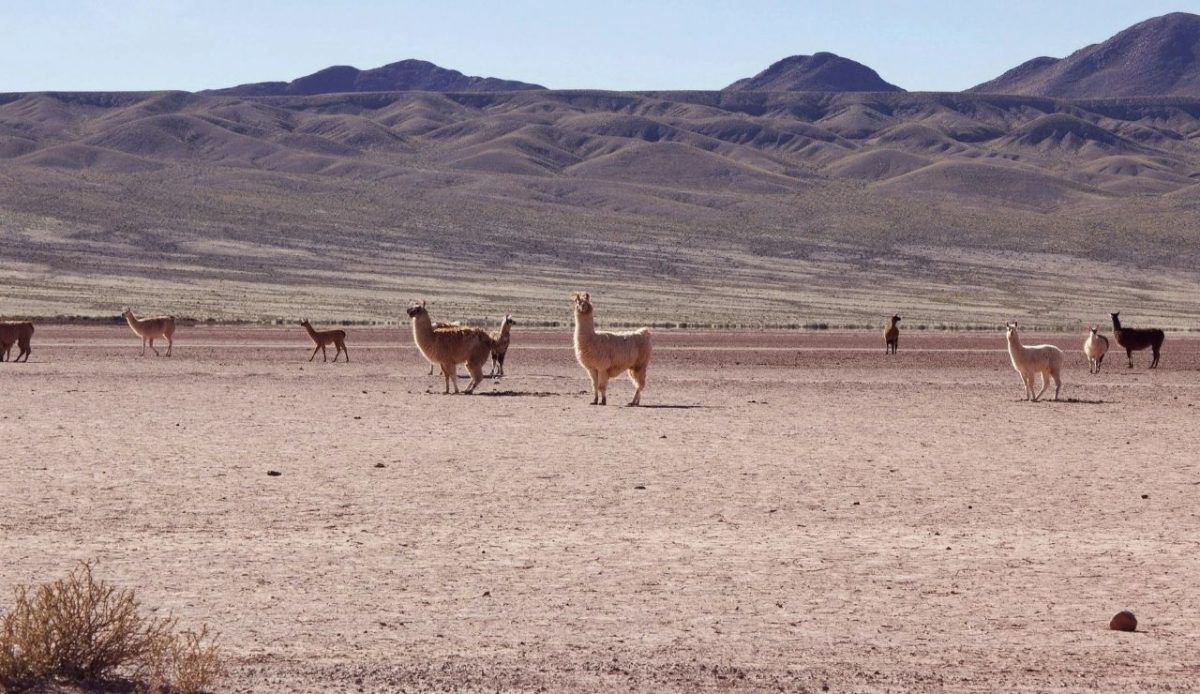
The Altiplano across Bolivia and Peru keeps travelers near 3,700 meters for long stretches, so fatigue can accumulate quietly. Many assume the risk is low because towns are nearby, yet altitude can still cause headaches, nausea, and poor coordination. Preparation starts with a slow first day, warm layers for icy nights, and steady hydration in dry air. Long drives worsen fluid loss, so stop often to drink and eat. Avoid heavy exertion early and know the nearest lower option, since descent often resolves symptoms before they become dangerous. Watch children and older travelers closely because early symptoms may be missed.
12. Puna De Atacama And Ojos Del Salado Region, Chile And Argentina
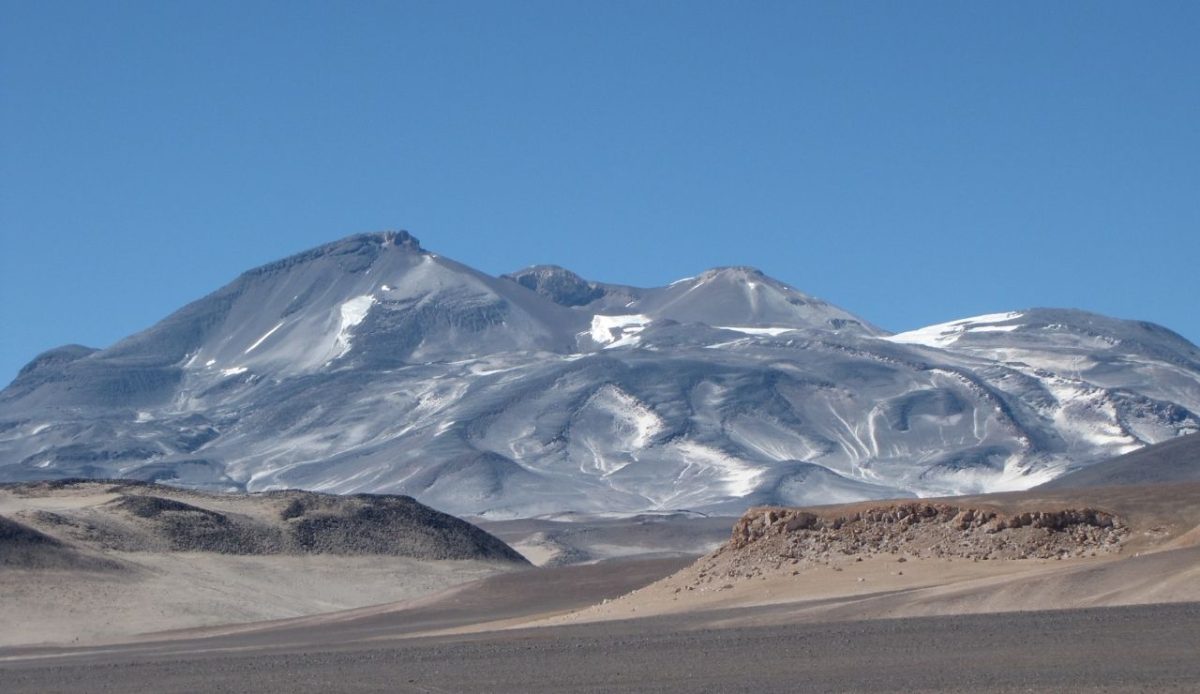
The Puna de Atacama spans high desert terrain above 4,000 meters, and the area near Ojos del Salado approaches 6,900 meters. Dry air accelerates dehydration and can make altitude illness progress faster than expected. Preparation should prioritize water planning, including extra reserves for delays, plus a vehicle that can handle remote roads. Pack windproof layers for sudden temperature drops and carry navigation tools that work offline. If headaches worsen or breathing becomes difficult at rest, descent to lower ground should happen immediately. High UV reflection demands sunglasses and sunscreen, and spare tires should be carried.
13. Mount Elbrus Region, Caucasus
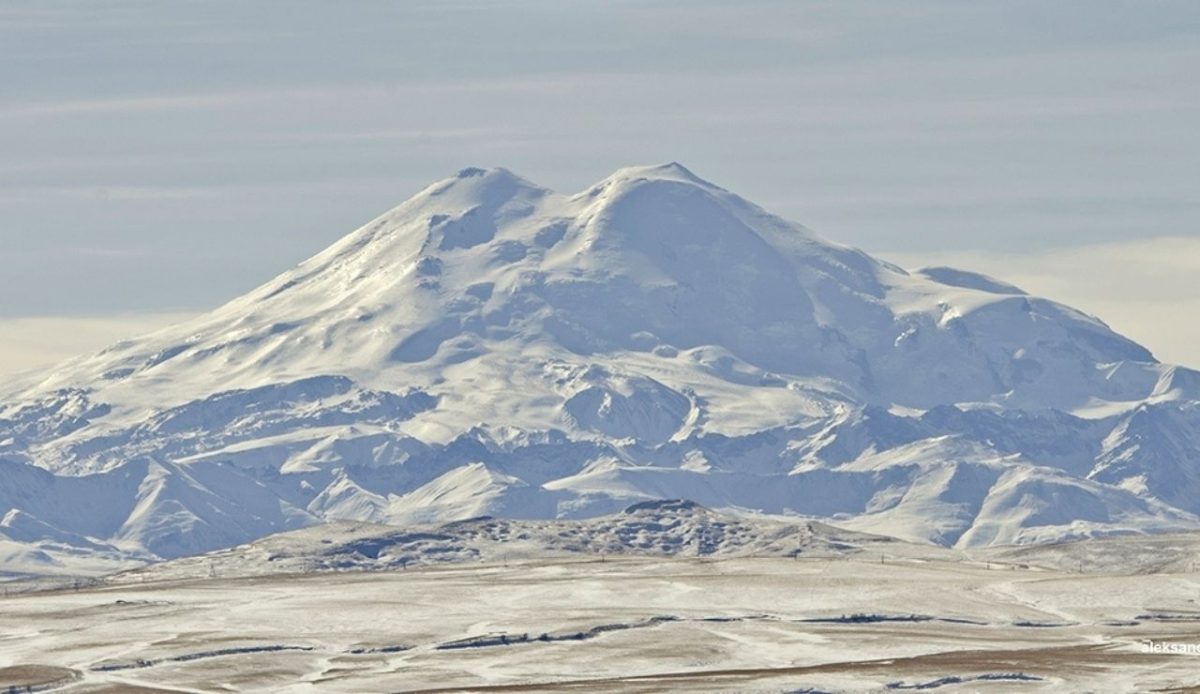
Mount Elbrus in the Caucasus reaches 5,642 meters, and its popularity can hide how serious conditions become above the lifts. Glaciers and sudden storms create disorientation, and crevasses remain a hazard even on standard lines. Preparation includes proper boots and traction, a tested layering system, and acclimatization days before a summit push. Teams should watch for worsening cough or confusion and turn back early, since descent is the most effective treatment. Navigation tools and spare gloves matter because wind can strip heat quickly. Start early, and confirm your guide has a plan for whiteout navigation.
14. Kilimanjaro National Park, Tanzania
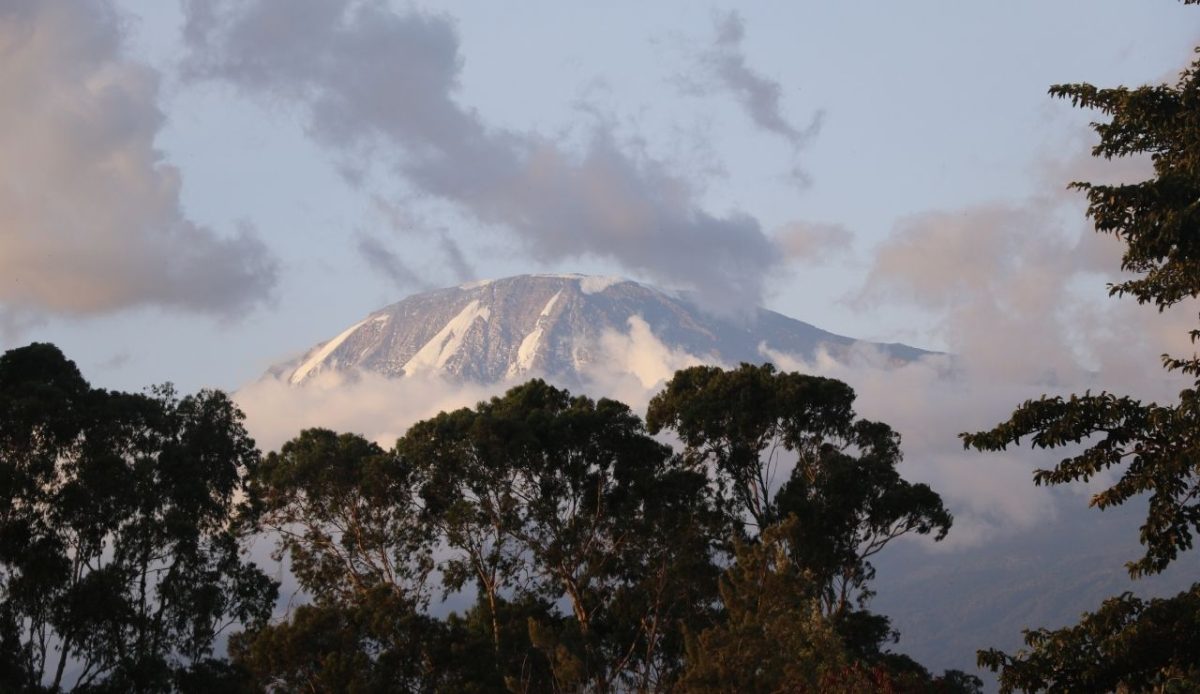
Kilimanjaro reaches 5,895 meters, and many routes gain altitude quickly, so the main risk is pace rather than technical terrain. Sleep can be poor at higher camps, which increases fatigue and reduces appetite. Preparation starts with choosing an itinerary that adds acclimatization nights and keeping the first days intentionally slow. Warm layers are needed for summit night, while sun protection matters on exposed trails. Guides should check symptoms daily, and any person with worsening headache, vomiting, or confusion should descend without debate. Drink even when cold, and avoid racing other hikers because overexertion can trigger illness.
