
Shanghai can feel huge on a first trip, so the best plan mixes signature sights with walks that teach how the city moves. Begin on the Huangpu River, where treaty-era buildings face Pudong towers, then use a high viewpoint to make the map in your head. A traditional garden and an Old City loop bring texture, while a museum visit adds quick cultural context. Night streets show the city’s tempo, and a short side trip offers a quieter scene. The fourteen stops below are chosen for first timers and can be grouped by area to avoid wasted time on transit. Each stop adds a different angle instead of duplicating views.
1. Walk the Bund in Late Afternoon
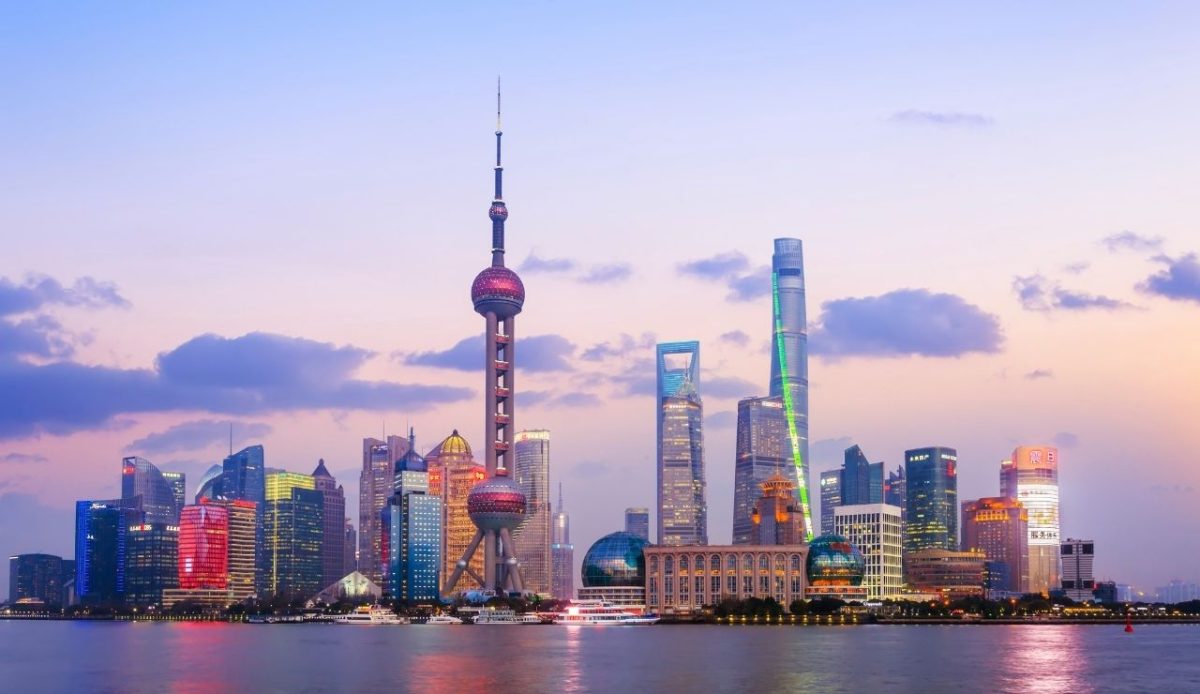
Walk the Bund in late afternoon and stay as the lights come on. The promenade runs beside former banks, hotels, and trading houses, so the street-level story is easy to read even without a guide. Across the Huangpu, Lujiazui’s towers line up in sharp contrast, and the river traffic adds motion that helps the view feel alive. Pause near the Customs House clock, then continue south toward the less crowded stretch. A short loop into nearby lanes reveals art deco facades and small cafés before you return to the waterfront. If the weather turns, the covered arcades on side streets keep the walk comfortable.
2. Take a Huangpu River Cruise
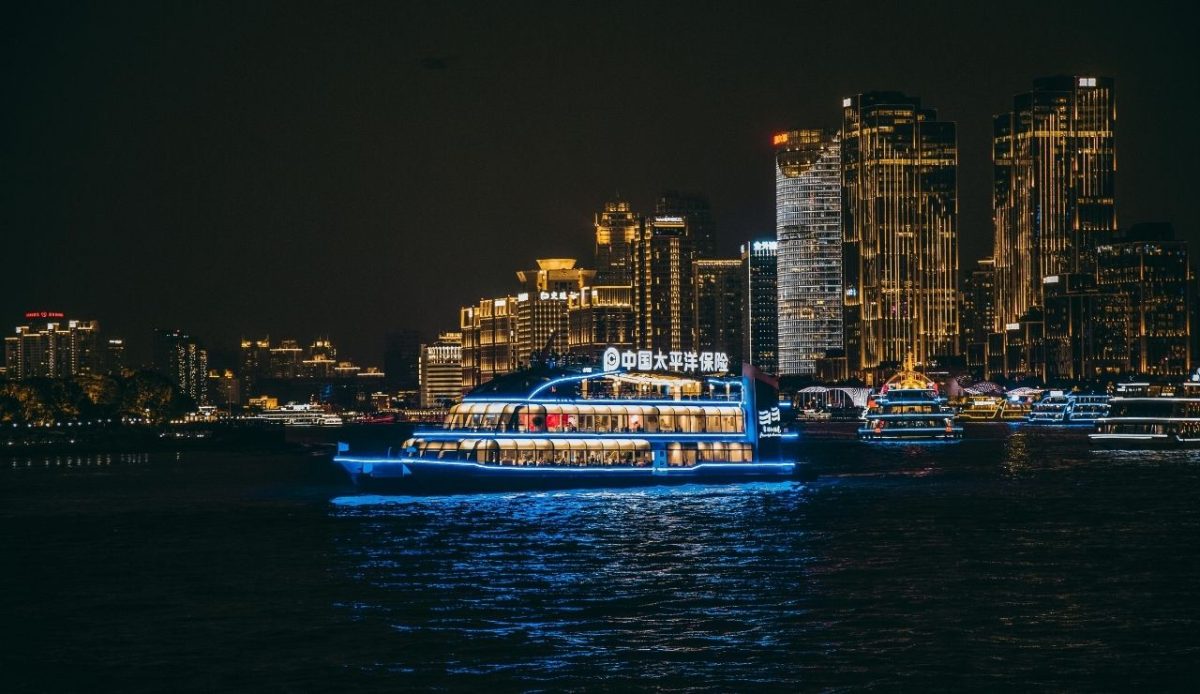
Take a Huangpu River cruise to connect the Bund and Pudong into one readable panorama. On the water, distances make more sense, and the layering of bridges, port cranes, and apartment blocks can be noticed between headline skyscrapers. Even a short ticketed loop shows both colonial-era facades and the newer financial district in a single sweep. Choose a dusk departure if possible, since daylight details are still visible and the skyline lighting arrives mid-ride. Seating is limited on busy days, so boarding early is recommended. Commentary may be offered in English, but the visuals alone explain why the river influenced Shanghai.
3. Visit Yuyuan Garden and the Old City
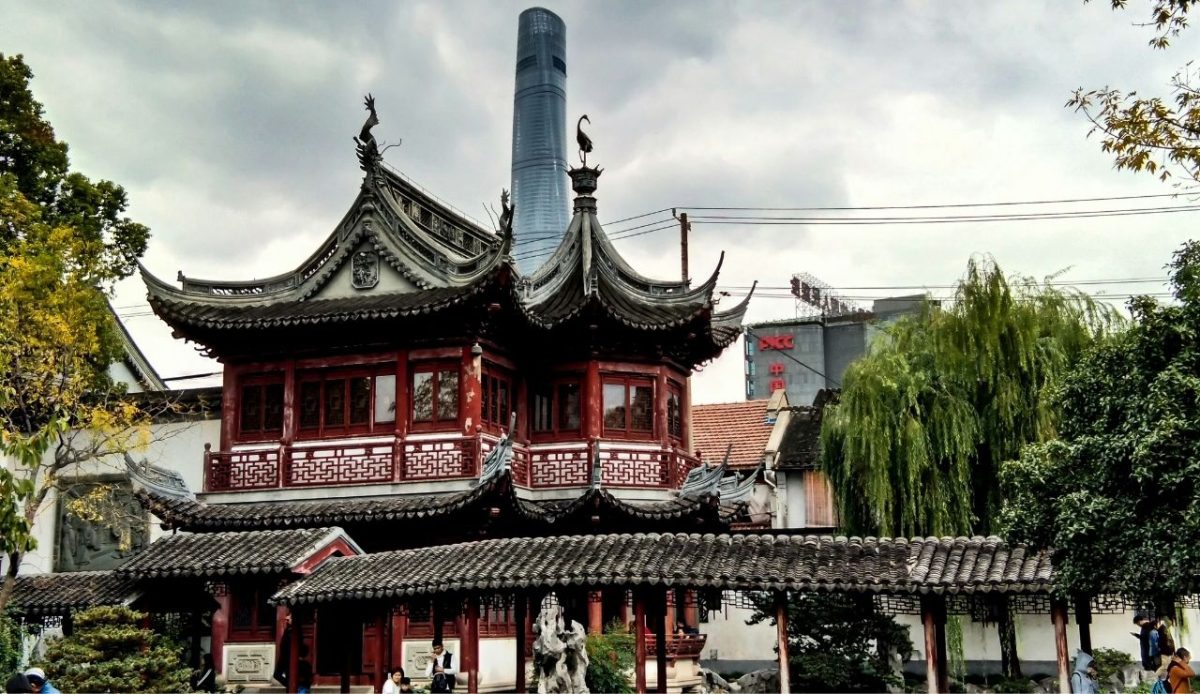
Visit Yuyuan Garden to see how classical design created calm inside a crowded city. Zigzag bridges, rockeries, and moon gates guide you through scenes that were arranged for changing viewpoints rather than straight paths. Next door, the Old City market area adds a different energy, with snack stalls, souvenir shops, and temples set behind busy lanes. Try one local bite, then step onto quieter side alleys where residents shop for daily goods. Going early helps, since tour groups arrive fast and narrow corridors can become slow-moving. A guided audio option can be used, yet the layout is clear enough to enjoy independently.
4. Explore the Shanghai Museum at People’s Square
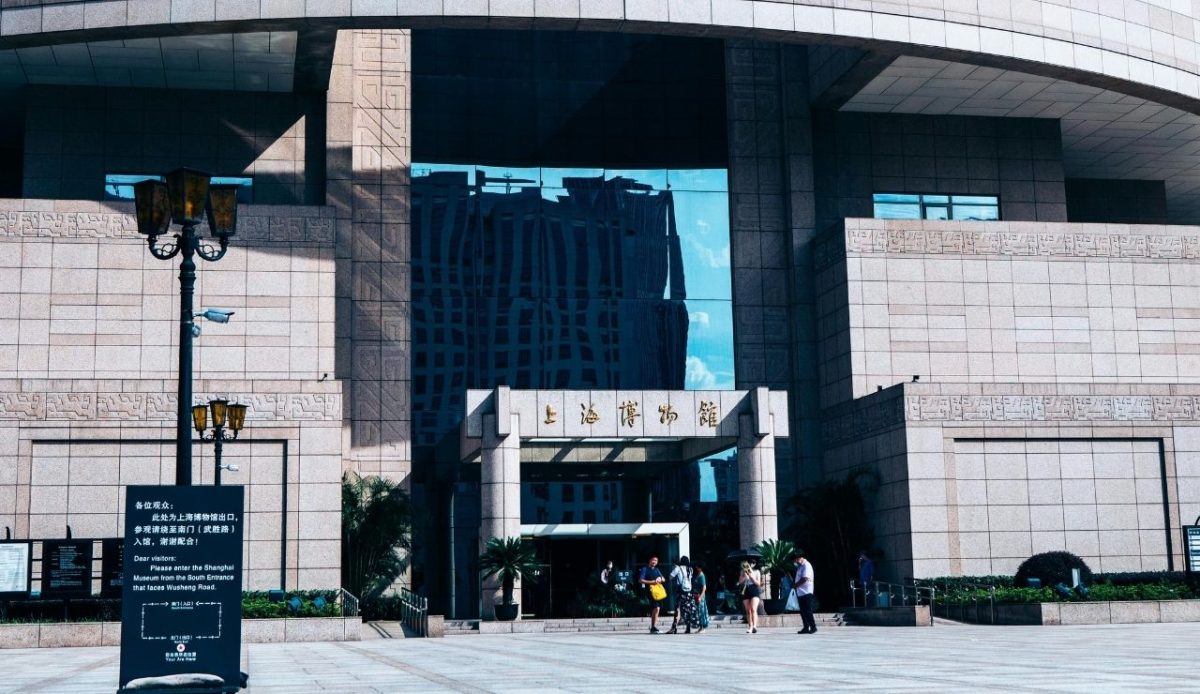
Spend a few hours at the Shanghai Museum in People’s Square to build context quickly. Galleries cover bronzes, ceramics, seals, and calligraphy, so later sights feel less like isolated photo stops. Labels are usually bilingual, and many displays are arranged by dynasty, which helps first-time visitors keep timelines straight. The building itself is part of the experience, with a circular roofline that was inspired by traditional forms. Arrive near opening for calmer rooms, then finish with the gift shop for well-made replicas. Nearby subway lines make it an easy anchor between neighborhoods on different days.
5. Ride Up Shanghai Tower for a City View
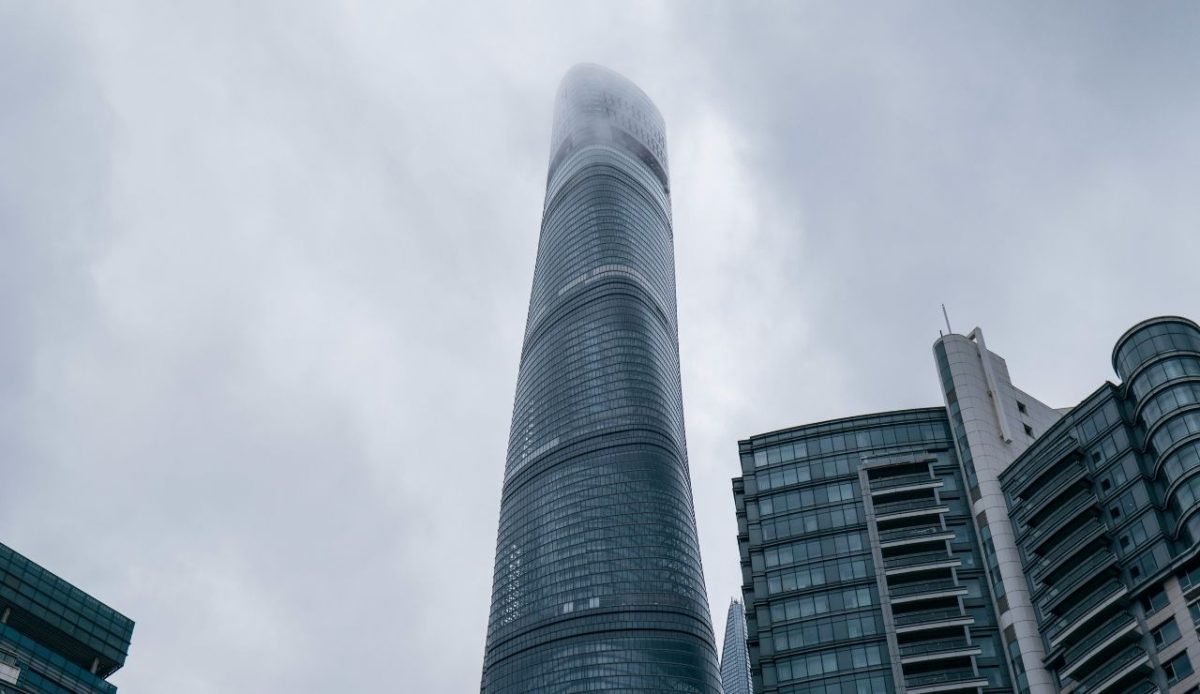
Go up the Shanghai Tower for the clearest sense of Shanghai’s scale. From the observation level, the river becomes a dividing line, and ring roads and waterways form patterns that are hard to notice on the street. Tickets are timed, so lines are reduced when you choose a morning slot. Visibility changes with the weather, and on hazy days, the view is still useful because neighborhoods can be traced by density and color. Afterward, walk outside in Lujiazui to match the aerial map to ground-level landmarks. Elevators are fast, and the ride itself becomes part of the memory for many first-timers. Bring a jacket since decks can feel cool.
6. Walk Lujiazui on Foot
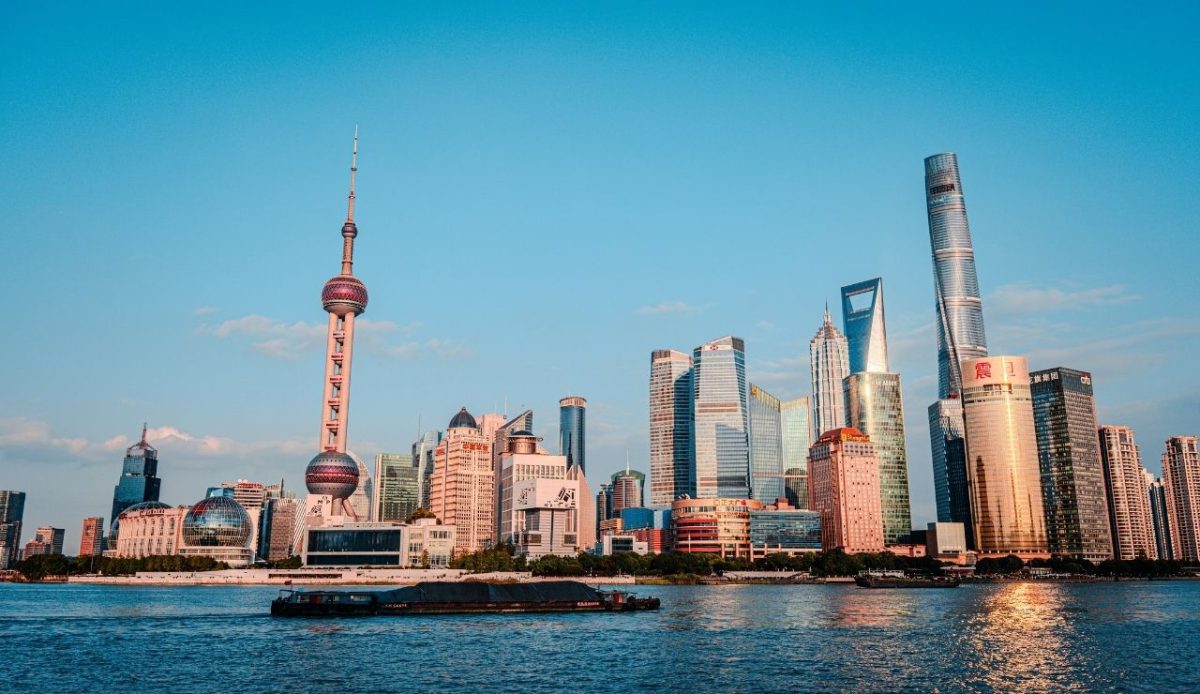
Spend time on foot in Lujiazui to understand Pudong beyond the view from above. Elevated walkways link plazas, malls, and office towers, so the district can be explored safely without constant street crossings. Public art, fountains, and riverside paths soften the business feel, and lunch options range from quick noodle counters to sit-down restaurants. If you time it near weekday rush, you will see how commuters use the space. The area also sets up an easy route back toward the Bund by metro or ferry when you are ready to switch eras. At night, building lights create a different mood without requiring another tower ticket.
7. Walk Nanjing Road After Dark
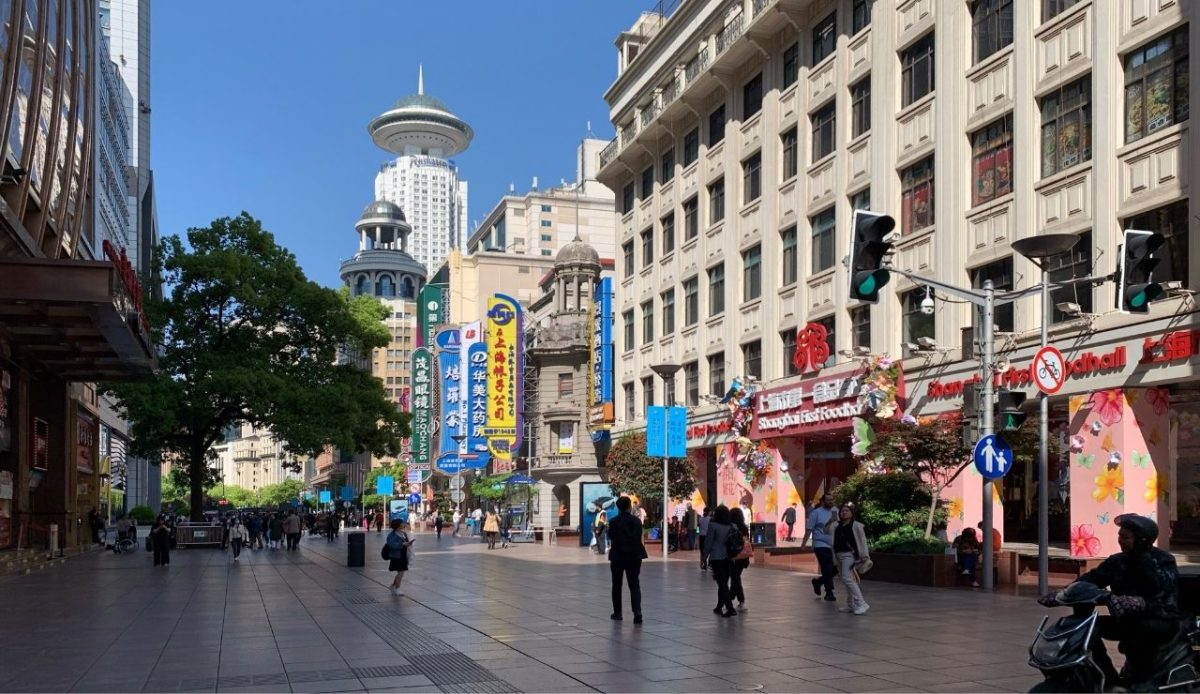
Walk Nanjing Road Pedestrian Street after dark to see Shanghai’s retail culture at full volume. Neon signs, flagship stores, and older snack brands share the same blocks, and the crowd adds to the spectacle. The western end near People’s Square feels broad and modern, while the eastern end points you back toward the river. Keep your route flexible, since side streets offer quieter tea shops and small bookstores. Street performers may be present, and security is visible, so the stroll stays orderly even when it is packed. If you want photos with fewer faces, arrive closer to weeknight dinner time than late evening.
8. Use People’s Square and the Planning Hall
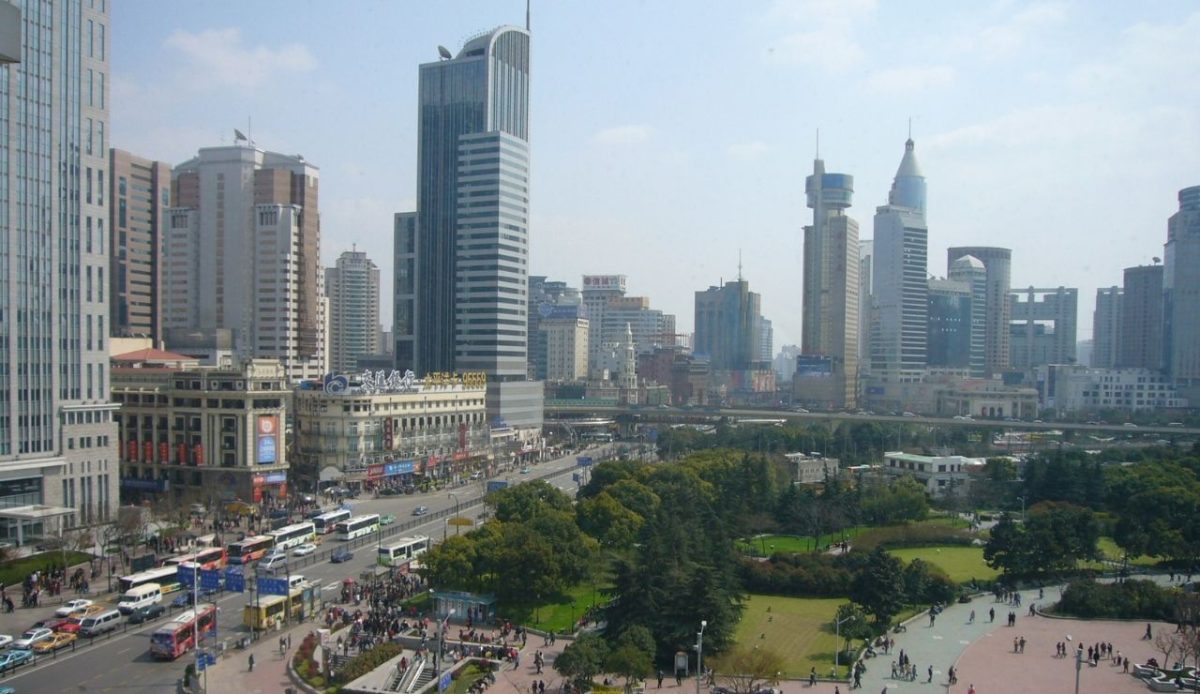
Use People’s Square as a central reset point between sightseeing clusters. The park space, government buildings, and museums show how civic Shanghai is organized, and the subway hub makes transfers simple. Inside the Urban Planning Exhibition Hall, large-scale models explain how older neighborhoods were rebuilt and how new districts were laid out. The exhibits are visitor-friendly, with visuals that work even if you skim text. This stop is especially helpful early in the trip, since the city’s geography becomes easier to predict once you have seen it in miniature. It also clarifies day trips by showing where suburban rail lines reach.
9. Wander the Lanes of Tianzifang
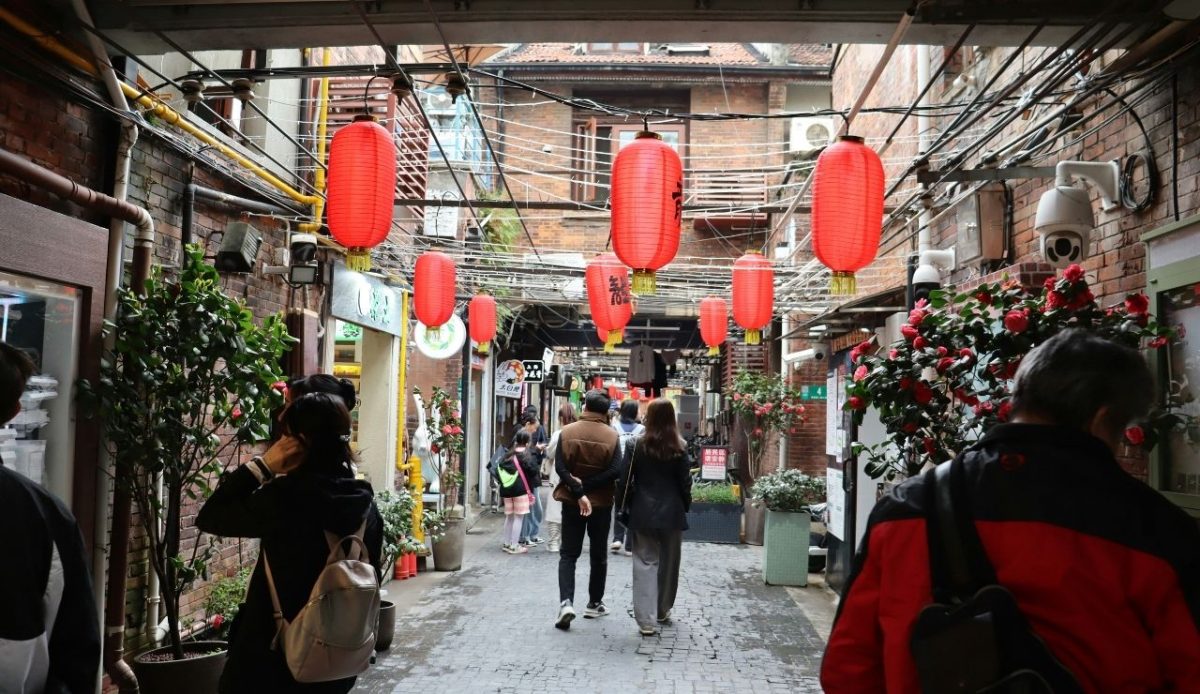
Wander Tianzifang for a compact maze of lanes that mix small studios, cafés, and design shops. The area grew within older lilong housing, so doorways and staircases feel close together, and the pace stays slow. Browse for handmade prints or simple souvenirs, then pause for coffee while watching foot traffic flow through the narrow passages. Signs are often bilingual, and payment is easy with cash or cards at many places. Visit in mid-afternoon to avoid morning tour waves, and be prepared for some shops to close earlier on weekdays. A quick detour to nearby residential streets shows how locals live just beyond the busy lanes.
10. Visit Xintiandi for Restored Shikumen Streets
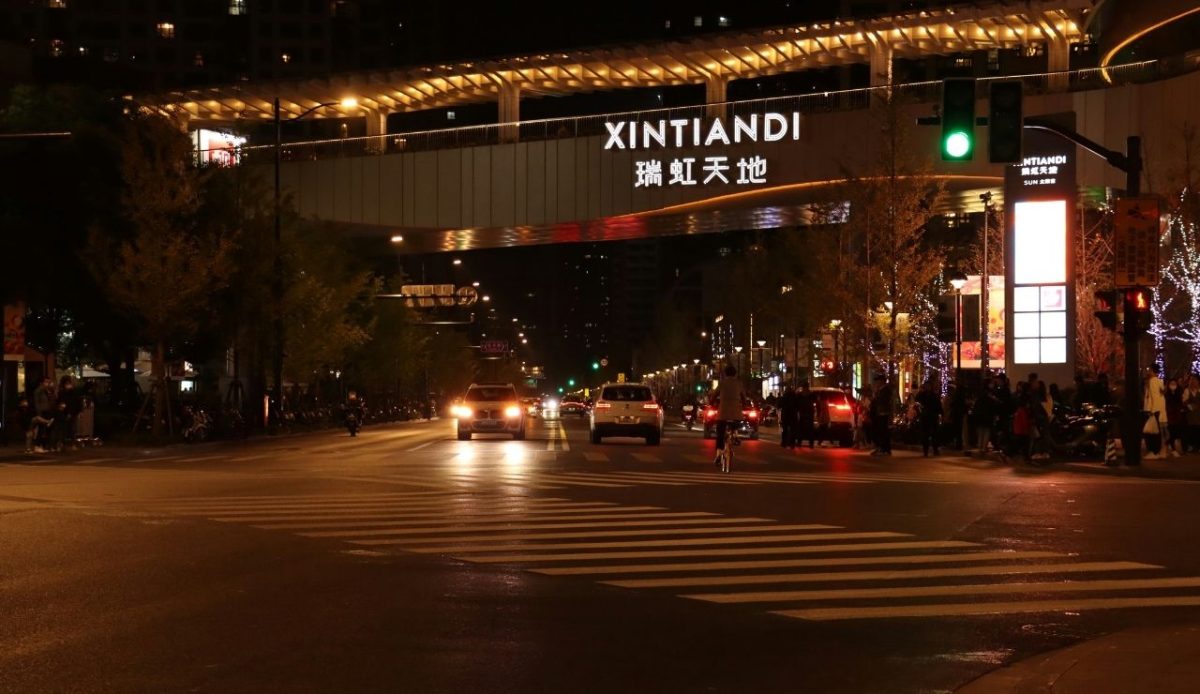
Visit Xintiandi to see how shikumen architecture was preserved while the interiors were rebuilt for modern use. Stone gate houses and narrow fronts remain, yet the streets now hold restaurants, bookstores, and patios that feel polished and planned. This makes it a useful stop for first-time visitors who want a comfortable break without leaving the city’s history behind. Come for an early dinner, then walk the surrounding blocks where quieter lanes continue the same building style with fewer crowds. The contrast between restored facades and contemporary lifestyle helps explain Shanghai’s approach to redevelopment.
11. Walk Wukang Road in the Former French Concession
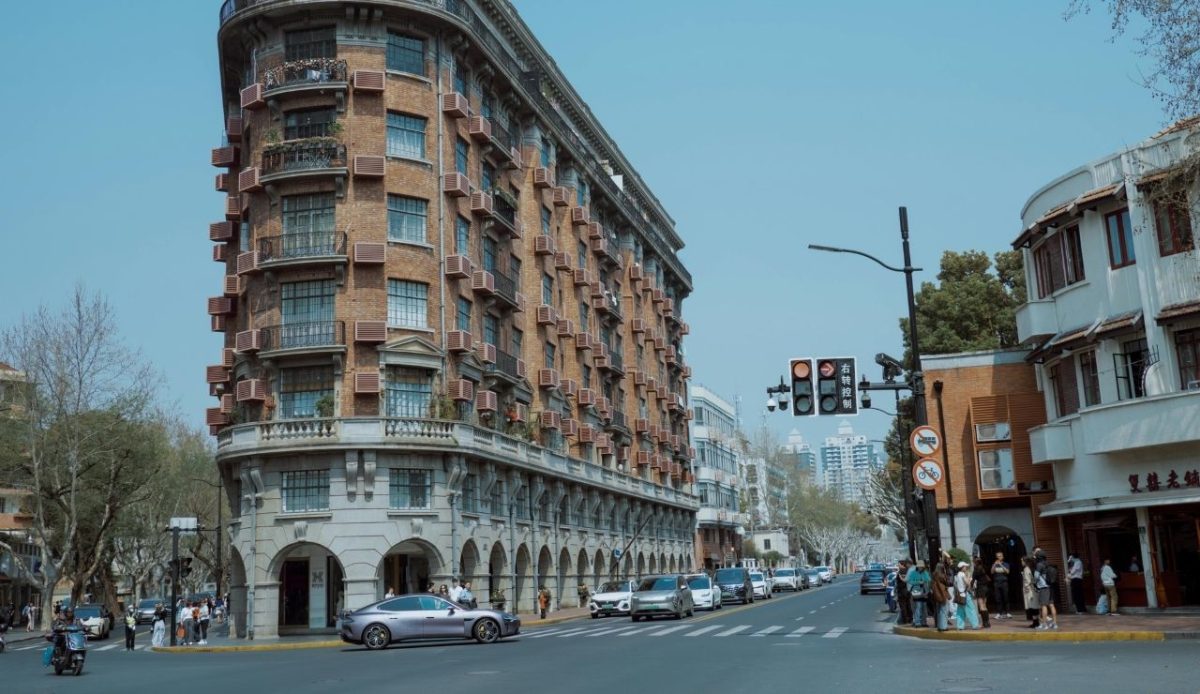
Walk Wukang Road in the Former French Concession for a street-level lesson in Shanghai’s twentieth-century architecture. Plane trees shade villas, apartments, and corner cafés, and the variety of styles shows how foreign concessions influenced housing patterns. The route is easy to pair with a morning coffee and a slow photo walk, since traffic is lighter than on major avenues. Look for the Wukang Building at the intersection that forms a dramatic wedge shape, then continue toward small galleries and bakeries. Weekends draw crowds, so a weekday morning is calmer and still lively. Benches and pocket parks offer simple rest stops along the way.
12. Stop at Jing’an Temple
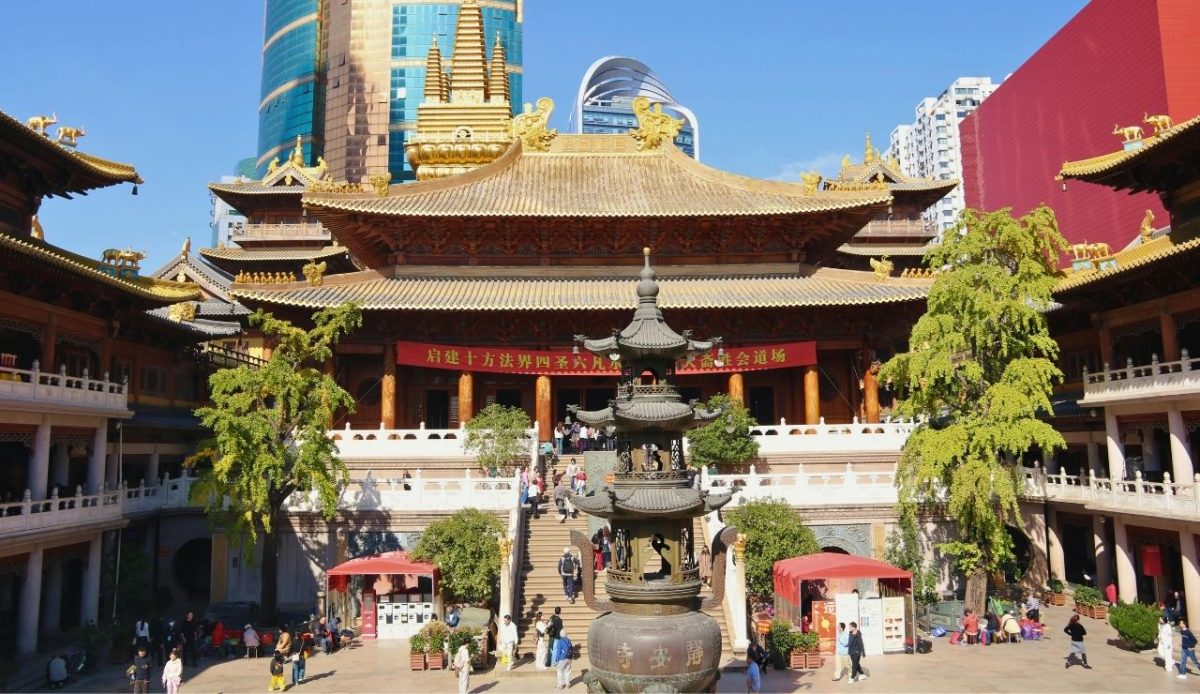
Stop at Jing’an Temple to feel Shanghai’s spiritual side in the middle of busy shopping streets. Golden roofs and incense halls rise beside glass towers, and the contrast is striking even for visitors who do not follow Buddhism. Inside, courtyards create quieter pockets where rituals can be observed respectfully from a distance. Information boards provide basic context, and the visit stays manageable in under an hour. Go near dusk when the complex is lit, and the air cools, then step outside to see how everyday city life continues around the temple walls. Dress is appreciated, and photography rules should be followed in the main halls.
13. Explore M50 Creative Park
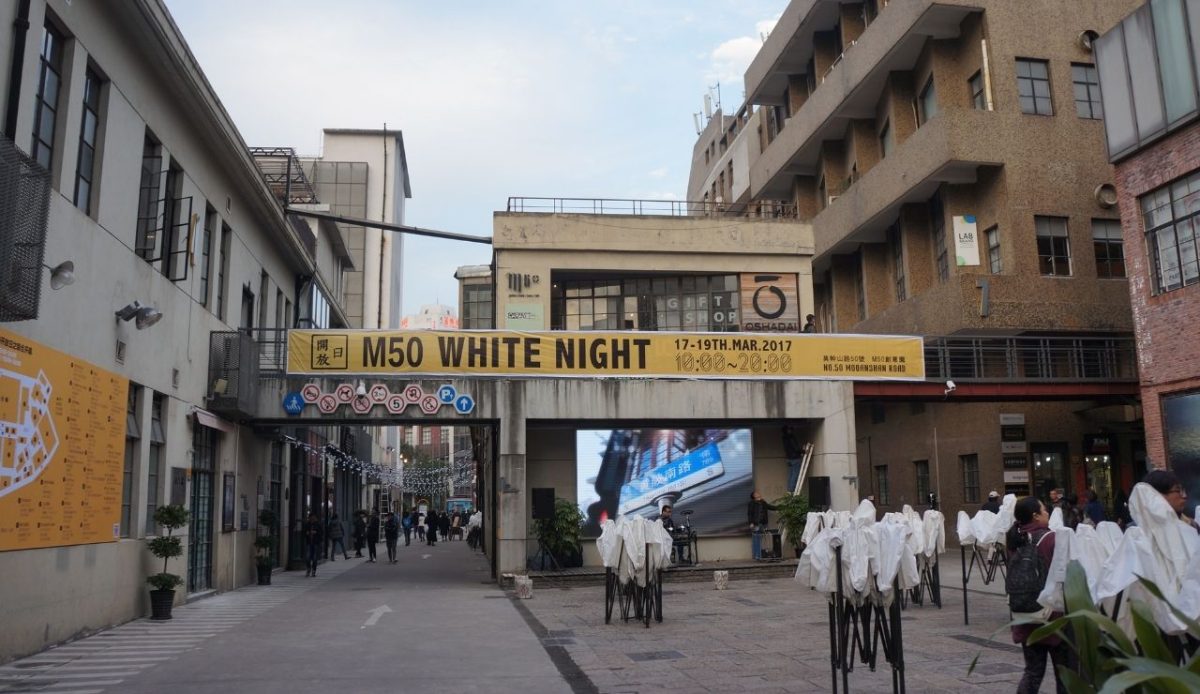
Explore M50 Creative Park to sample Shanghai’s contemporary art scene in converted warehouse spaces. Galleries range from established names to small studios, so you can browse quickly or spend time with a single exhibit. The industrial setting adds texture that differs from polished shopping districts, and murals outside often change. Many spaces are free to enter, and staff are used to casual walk-ins. Pair the stop with a nearby café break, then continue by taxi or metro since the surrounding streets are less walkable for sightseeing than central districts. Weekday afternoons stay quiet, making artist chats more likely.
14. Take a Half-Day Trip to Zhujiajiao
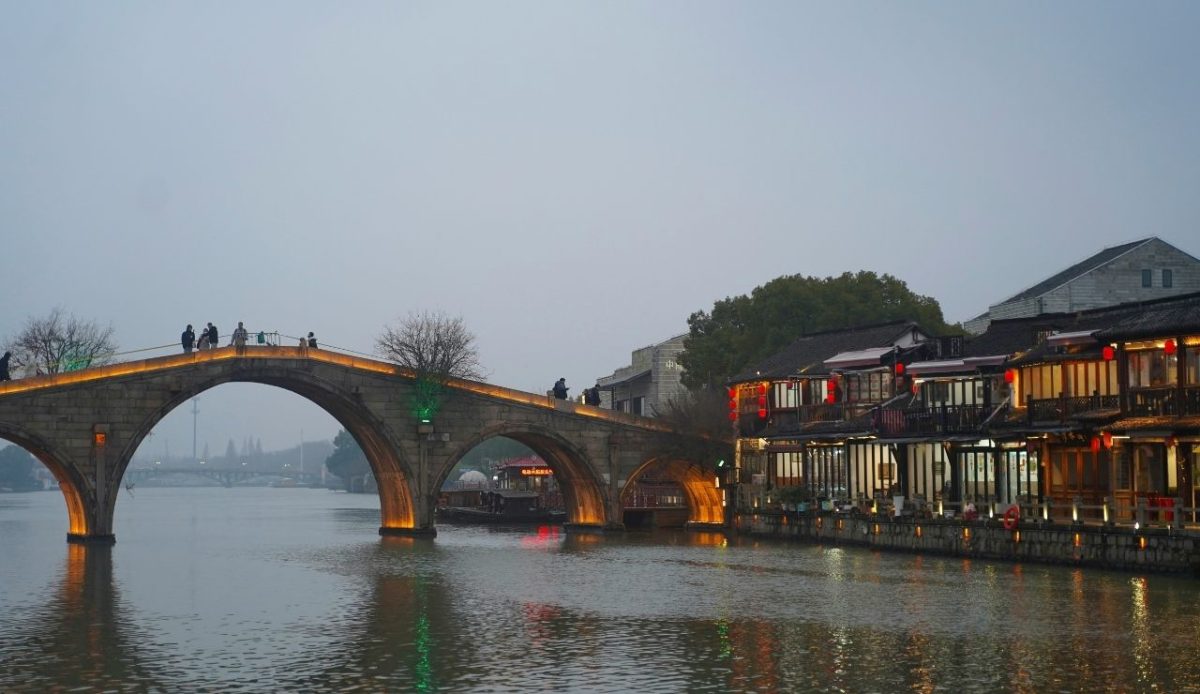
Take a half-day trip to Zhujiajiao for a classic water town experience without leaving the Shanghai municipality. Canals, stone bridges, and white-walled houses create a slower pace than the city core, and short boat rides show why waterways mattered to trade and daily life. Arrive early to avoid tour buses, then walk the back streets where residents run small groceries and tea shops. Try a simple lunch, browse local snacks, and budget time for the return ride since traffic can add delays. This outing works well after two or three intense city days, when a quieter setting is welcome. Comfortable shoes help on uneven stone paths.
