
Cities sometimes market themselves as innovation hubs to attract investors, talent, and grants. That strategy can work, but it fails when the brand arrives before zoning, transit capacity, lab space, or public oversight is in place. In those cases, the story is sold faster than buildings can be built, and promised job clusters are delayed, diluted, or canceled. The examples below illustrate instances where the innovation label was initially promoted, only to be reset by reality through slow leasing, political pushback, or the absence of anchor partners. Each case highlights a specific gap between messaging and the systems needed to sustain a real ecosystem.
1. Boston, Massachusetts
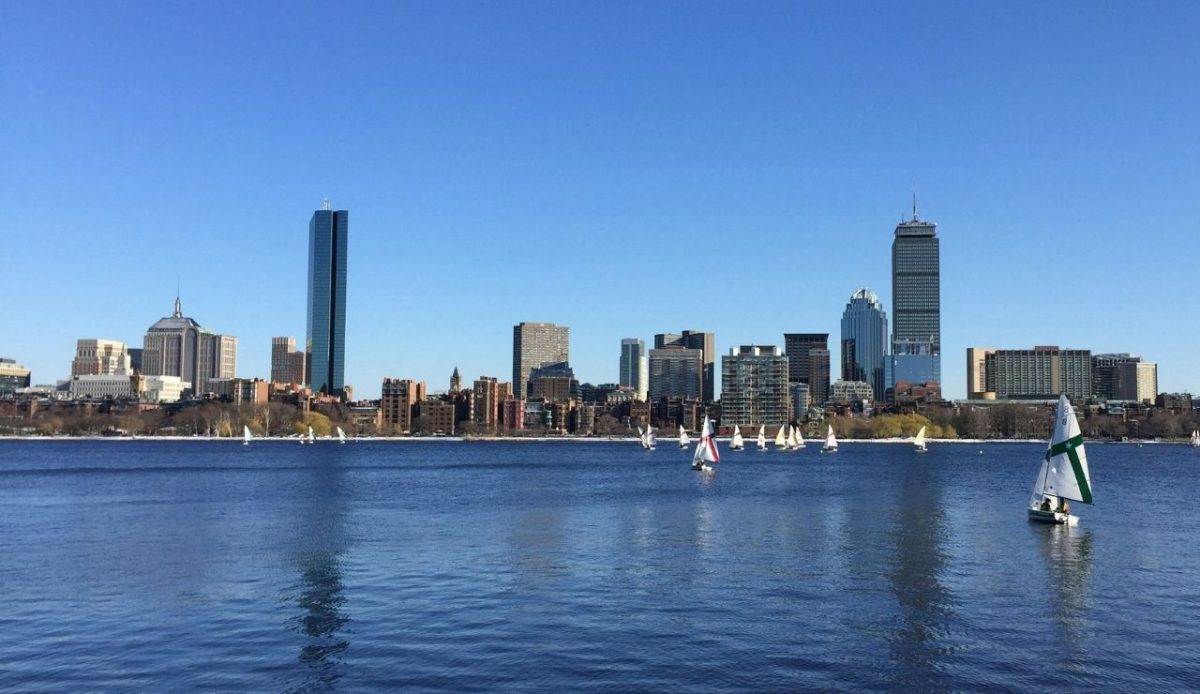
Boston promoted the Seaport as an “Innovation District” meant to concentrate startups, research teams, and creative employers near new transit and waterfront redevelopment. The label traveled widely, yet planning tools favored hotels, luxury apartments, and large corporate offices over affordable, flexible workspace. As the area matured, the term was used less often by City Hall because the outcome looked more like a high-end multiuse neighborhood than a coordinated innovation cluster with shared services and measurable goals. A strong market was present, but the ecosystem pieces were added unevenly and late.
2. Toronto, Ontario
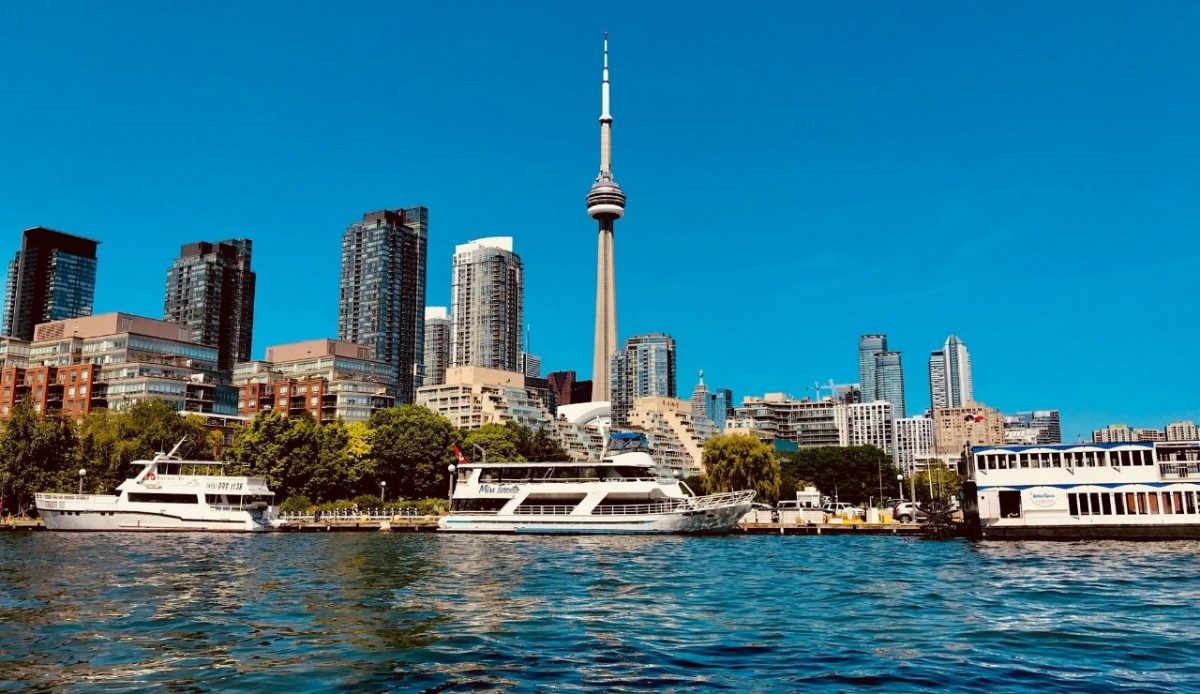
Toronto’s Quayside plan on the waterfront was branded as a model innovation district through the Sidewalk Labs partnership. Concept art promised sensor-informed streets, new mobility options, and data-supported city services. Those ideas reached global audiences before governance, privacy protections, and accountability rules were settled in plain language. Public concern increased, political support softened, and the project was cancelled. The episode showed that technological ambition can be promoted early, while the legal and civic framework needed to manage it may still be unfinished. Land control and oversight had to be earned first.
3. Detroit, Michigan
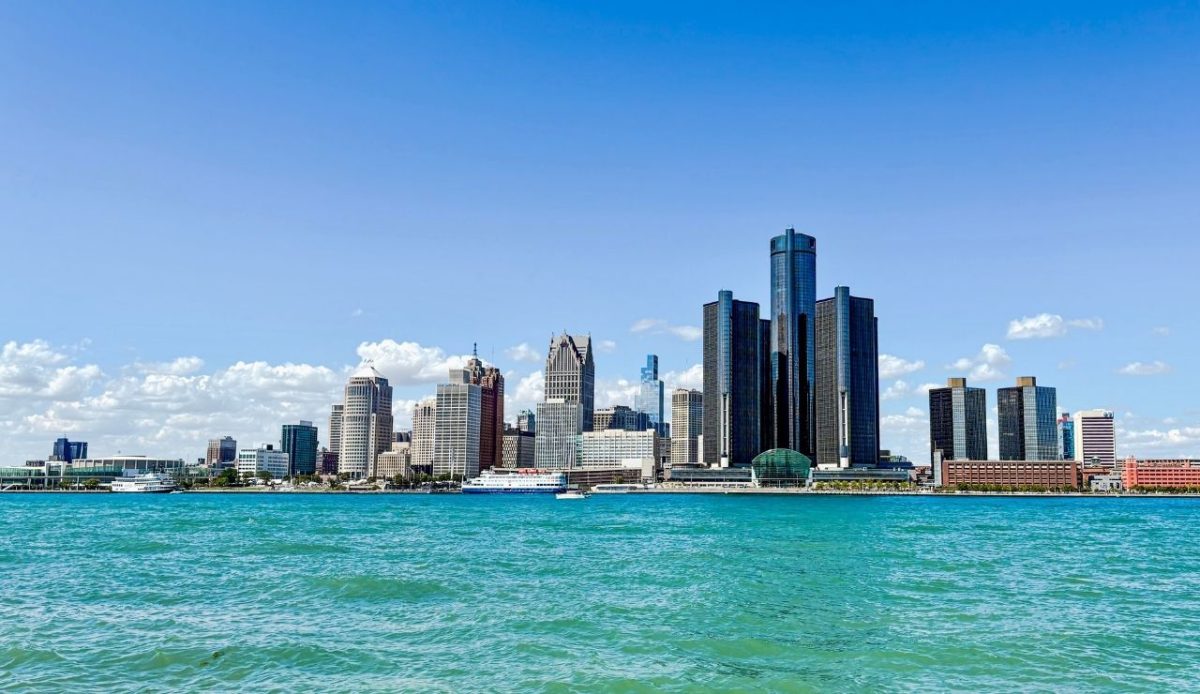
Detroit announced an innovation district concept for the long-stalled Wayne County jail site, aiming for life sciences, medical research, and tech jobs. The branding was positioned as a clean break after years of halted construction and public frustration. Yet basic hurdles remained, including financing structure, infrastructure upgrades, and the choreography of multiple public and private owners. By naming the district before those fundamentals were resolved, momentum was expected to appear through language. The plan could still succeed, but readiness depended on groundwork that was not complete when the label was launched.
4. Indianapolis, Indiana

Indianapolis marketed 16 Tech as a flagship innovation district designed to link universities, startups, and advanced manufacturing. Renderings and announcements circulated while land assembly, partner commitments, and infrastructure planning moved slowly. For years, the place existed more as a concept than as a dense employment center with active tenants and shared labs. Construction began only after prolonged coordination and fundraising, which meant early expectations were set long before the district could operate at scale. The branding helped attract attention, but a functioning ecosystem required time that marketing rarely mentions.
5. Miami, Florida
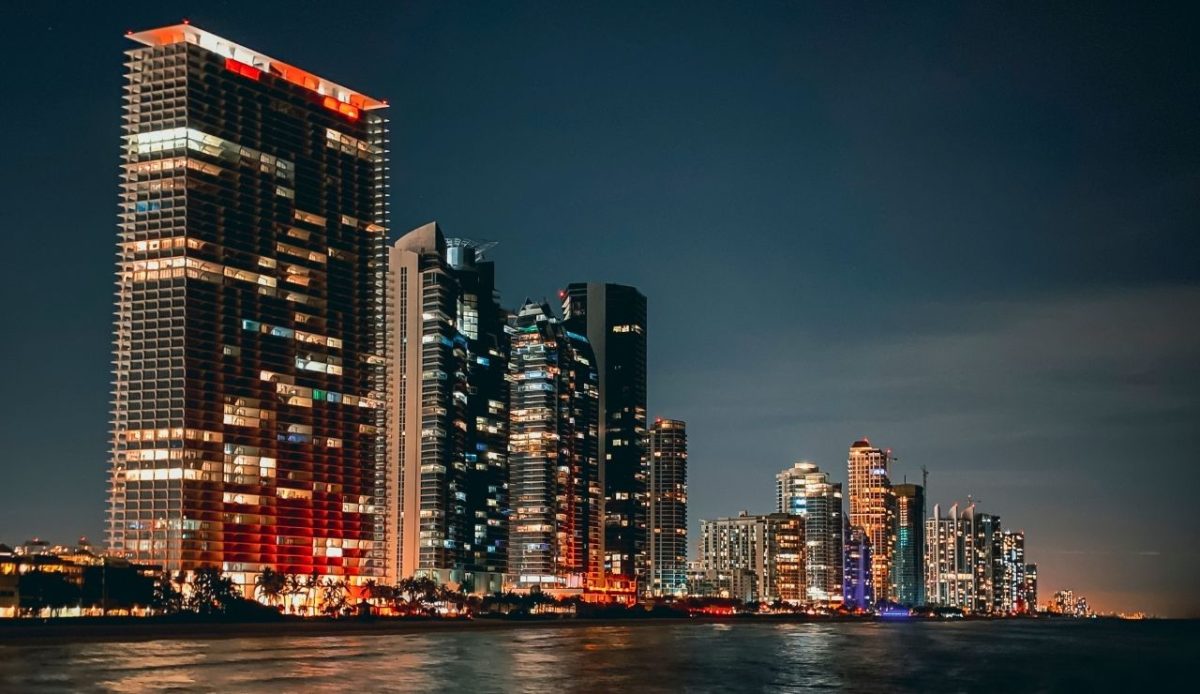
Miami’s Magic City Innovation District proposal promised a technology-forward redevelopment with jobs, housing, and research-oriented space. The pitch leaned on innovative language while major questions remained open, including zoning details, financing assumptions, and enforceable community benefits. Approval was delayed and challenged, stretching timelines beyond the initial hype cycle. Because the concept was promoted early, the public debate became a referendum on process as much as on design. The case illustrates how a hub identity can be marketed before regulatory certainty and neighborhood consent are secured.
6. Cincinnati, Ohio
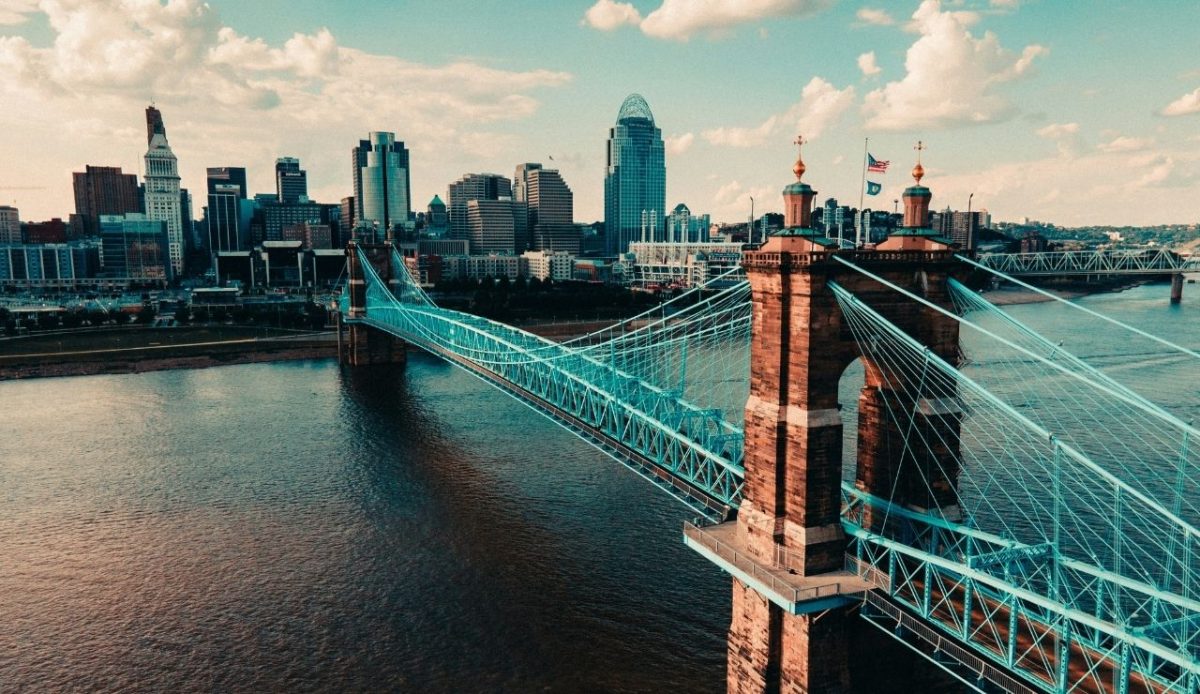
Cincinnati promoted an Innovation District anchored near its universities and hospitals, with promises of research growth and new employers. The idea was advanced as a regional engine, yet key sites stayed underbuilt, and some planned components failed to materialize on schedule. Without enough completed space and consistent coordination, the district struggled to deliver the concentrated activity the label implied. Branding can attract partners, but it also creates a clock. When visible progress lagged, the effort was judged against its own marketing, and the gap between message and on-the-ground capacity became hard to ignore.
7. Seattle, Washington

Seattle’s proposed innovation district around South Lake Union and the university side of Portage Bay relied on a major research building to signal scale. When that anchor plan was scrapped, the broader district narrative lost a key proof point. The brand had suggested a near-term hub, but the physical and institutional spine was no longer guaranteed. That shift did not erase the region’s tech strength, yet it exposed how district branding can depend on a few large bets. If the bets change, the identity becomes fragile, and the timeline is forced to restart. Public expectations were raised even though the delivery path was still uncertain.
8. Adelaide, South Australia
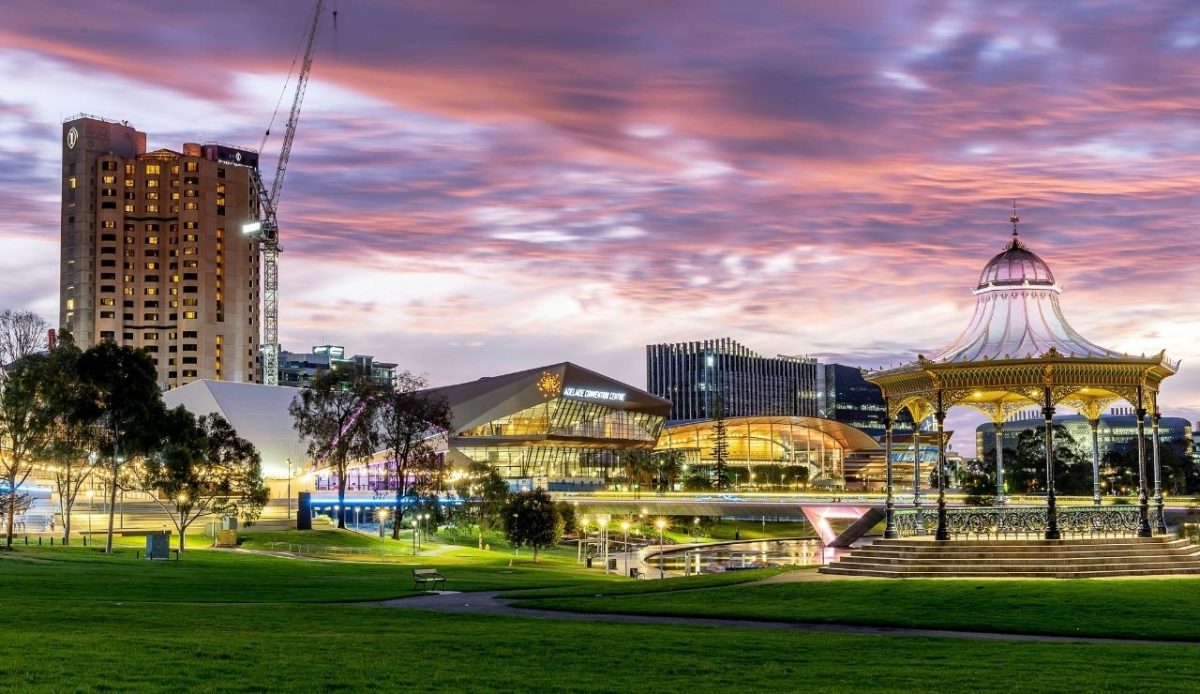
Adelaide’s Lot Fourteen was launched as a prominent innovation precinct, promoted as a home for startups, defense projects, and research-backed companies. A headline Innovation Centre was used as a symbol of readiness, yet delivery was slowed, and the project scope was reduced before completion. That sequence made the precinct feel more like a promise than a finished platform for new firms. Even when tenants arrive, an innovation hub needs dependable amenities, stable governance, and space that matches how teams actually work. Those elements were built gradually after the brand had already been broadcast.
9. Sydney, New South Wales
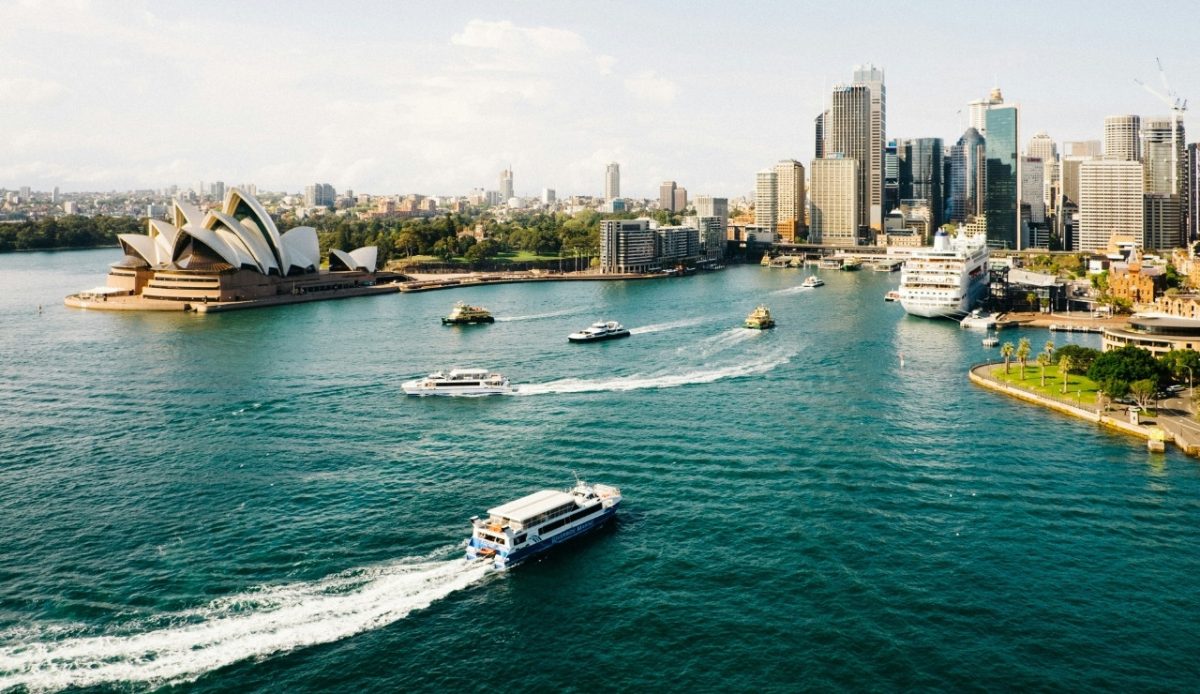
Sydney’s Tech Central branding aimed to define a corridor near Central Station as a magnet for tech employers and research institutions. A marquee tower and precinct plan were presented as evidence of a coming cluster, yet key development components were later revised as tenant demand proved harder to lock in. When an anchor project is adjusted, the surrounding ecosystem plan can lose coherence, because smaller firms watch the signals set by big leases. The district idea may endure, but early branding created a perception of readiness that depended on market conditions that were not guaranteed.
10. Nairobi, Kenya
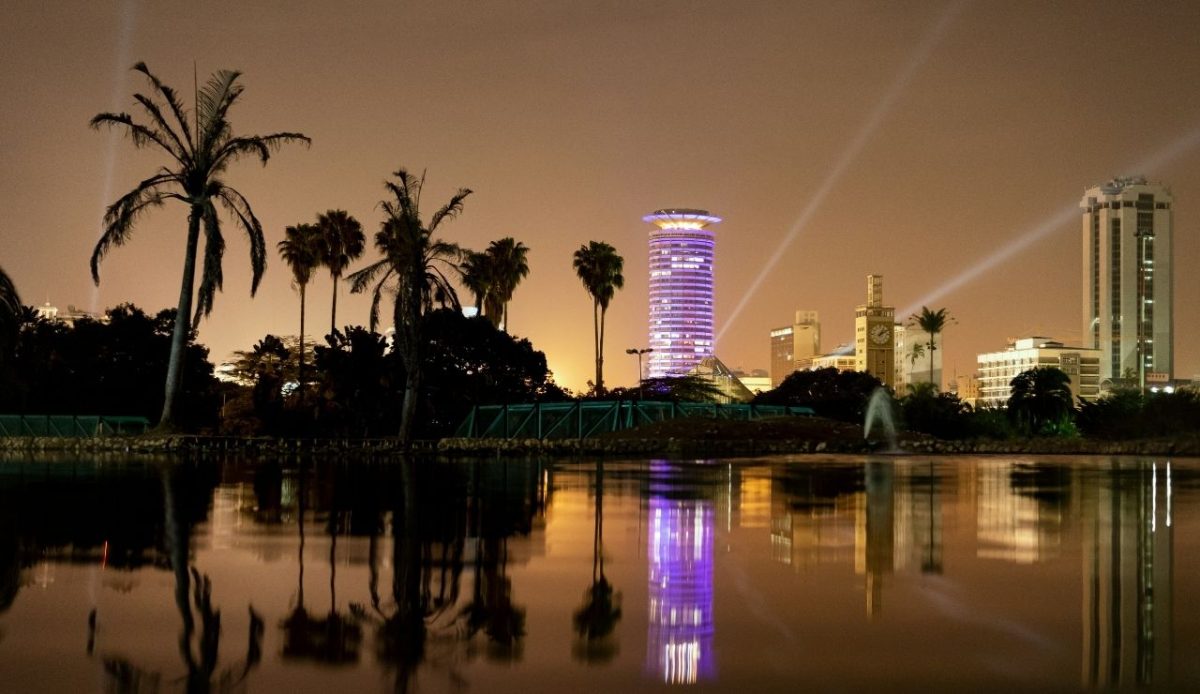
Nairobi has been marketed as “Silicon Savannah,” a phrase that suggests a mature innovation economy with broad opportunity. Startup energy is real, but the brand has often outpaced infrastructure reliability, formal job creation, and the policy capacity to protect workers in platform-driven growth. Many participants still face uneven power, unstable income, and limited pathways from pilots to scaled products. When a city brand implies a finished hub, gaps in broadband quality, capital access, and regulation become more visible. The result is a reputation that arrives faster than the systems needed to spread benefits widely.
11. St. Louis, Missouri
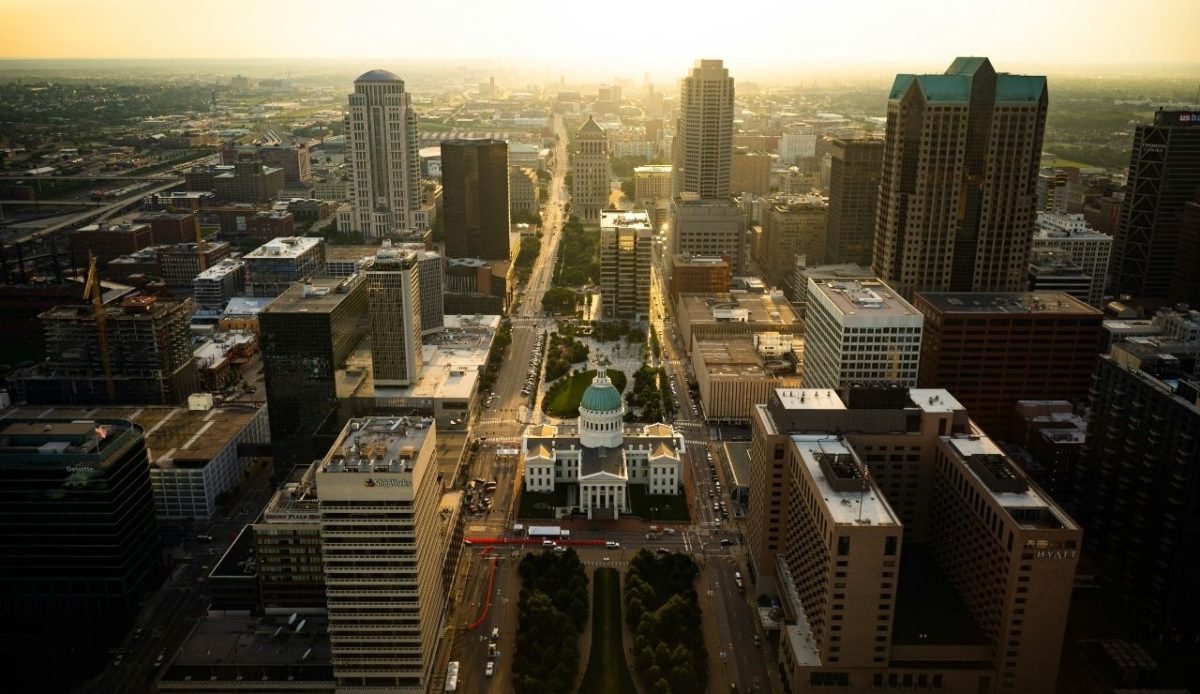
St. Louis promoted Cortex as an innovation district intended to connect universities, employers, and new ventures across a redeveloping corridor. Growth followed, yet criticism emerged when community leaders argued that participation goals and contracting promises were not being met. That type of dispute signals a readiness gap that is not about buildings alone. A hub claim also depends on trust, transparent targets, and shared governance. When those mechanisms lag, the district can look successful on paper while key stakeholders feel excluded from decision-making and economic upside. Branding was loud as accountability was negotiated.
12. Brampton, Ontario
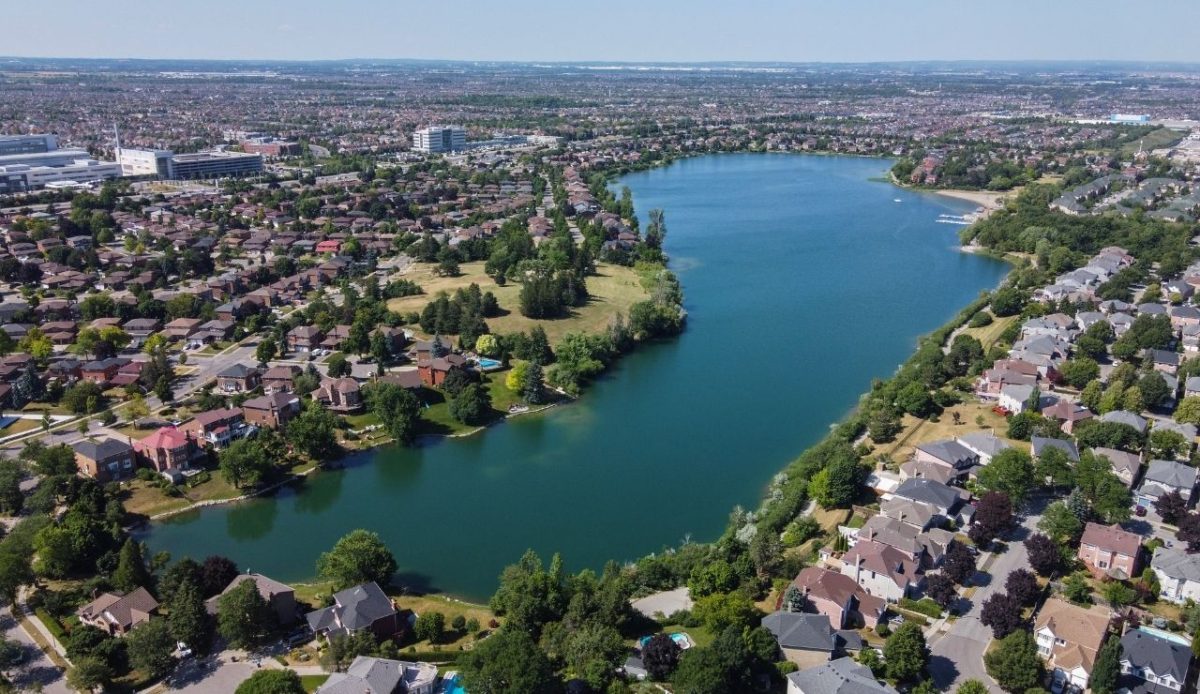
Brampton has pursued innovative branding in its downtown plans, linking redevelopment to new institutional space and a modern employment narrative. The messaging moved ahead while major partners, funding commitments, and project sequencing were still in flux. When political change or financing uncertainty interrupts a signature plan, the innovation story can become difficult to sustain because timelines slip and confidence weakens. For a smaller city, hub claims require unusually clear execution and stable stewardship. Without that stability, the brand can arrive first, and the functional ecosystem follows much later.
13. Kenosha, Wisconsin
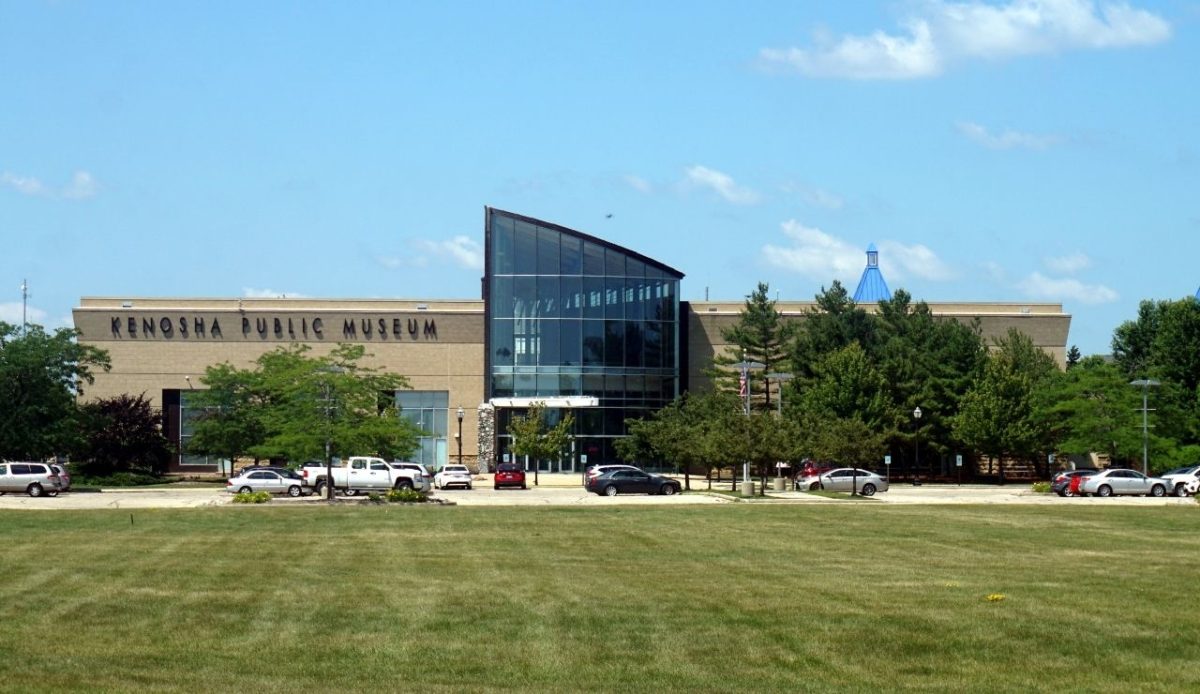
Kenosha opened an innovation center as part of a broader effort to brand a neighborhood around new ideas and entrepreneurship. Early reports noted that only a small share of the building was being used by tenants, which made the hub feel premature. Workforce training, mentorship networks, and business services can take years to mature, yet the “innovation” label suggests immediate momentum. When utilization stays low, the gap becomes measurable in empty desks and quiet corridors rather than in abstract debate. The episode shows how space can be delivered before demand is cultivated. Readiness is proven by steady traffic, not signage.
14. San Diego, California
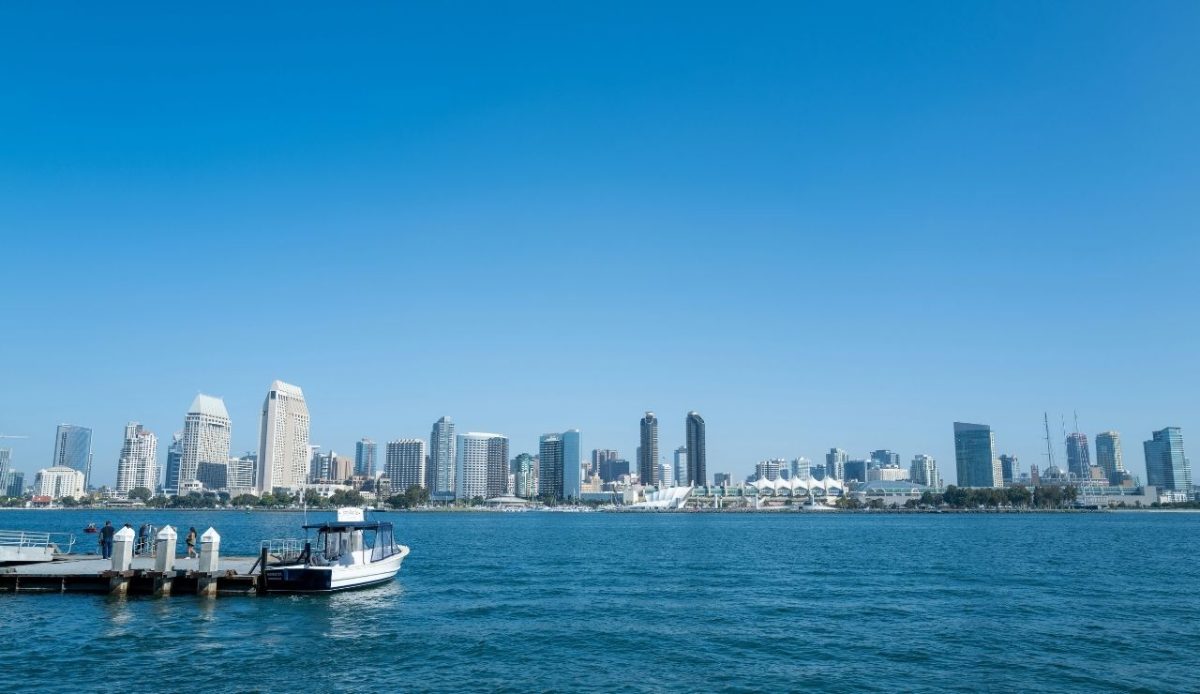
San Diego’s East Village I.D.E.A. District branding promised an urban innovation zone tied to universities, design firms, and technology employers. The concept was promoted through planning documents and partnerships, but building a true district required patient delivery of specialized space, transit comfort, and long-term tenant composition. When those inputs lag, the brand can read like a finished product even though the area is still in transition. An innovation hub needs more than a name; it needs repeatable reasons for companies and researchers to stay, collaborate, and hire locally year after year.
