
Camping can be one of the most relaxing ways to spend time outdoors, but even small mistakes can ruin a trip or lead to being asked to leave. Most campgrounds have clear rules designed to protect the land, wildlife, and other visitors. Breaking those rules, even by accident, can result in warnings, fines, or permanent bans from popular parks. From leaving food out to ignoring quiet hours, many problems start with simple carelessness. The following are some of the most common campground mistakes that can quickly turn an enjoyable getaway into an early checkout.
1. Ignoring Quiet Hours

Quiet hours in campgrounds usually run from late evening to early morning, giving everyone a chance to rest without noise from nearby sites. Playing music, talking loudly, or running a generator after these hours quickly irritates other campers. Park staff often receive complaints from those nearby, and if they must visit your site more than once, it can result in eviction. Even if it feels harmless to chat around a fire, sound carries far at night in open spaces. Keeping your voice low and turning off noisy equipment helps maintain a calm setting for everyone. Respecting quiet hours is one of the easiest ways to avoid warnings or being asked to leave.
2. Leaving Food Outside

Leaving food on picnic tables or coolers open is one of the biggest reasons campers get banned. Animals like bears, raccoons, and even squirrels can become a serious nuisance once they associate humans with food. They not only disturb your sleep but also cause safety risks for the entire campground. Many parks require that food be stored in metal lockers or sealed storage bins to prevent this issue. Ignoring these guidelines may lead to fines and future booking restrictions. Always clean up food scraps, rinse utensils, and keep your cooking gear secured when you are away from your site. Protecting your supplies protects wildlife too.
3. Breaking Fire Rules
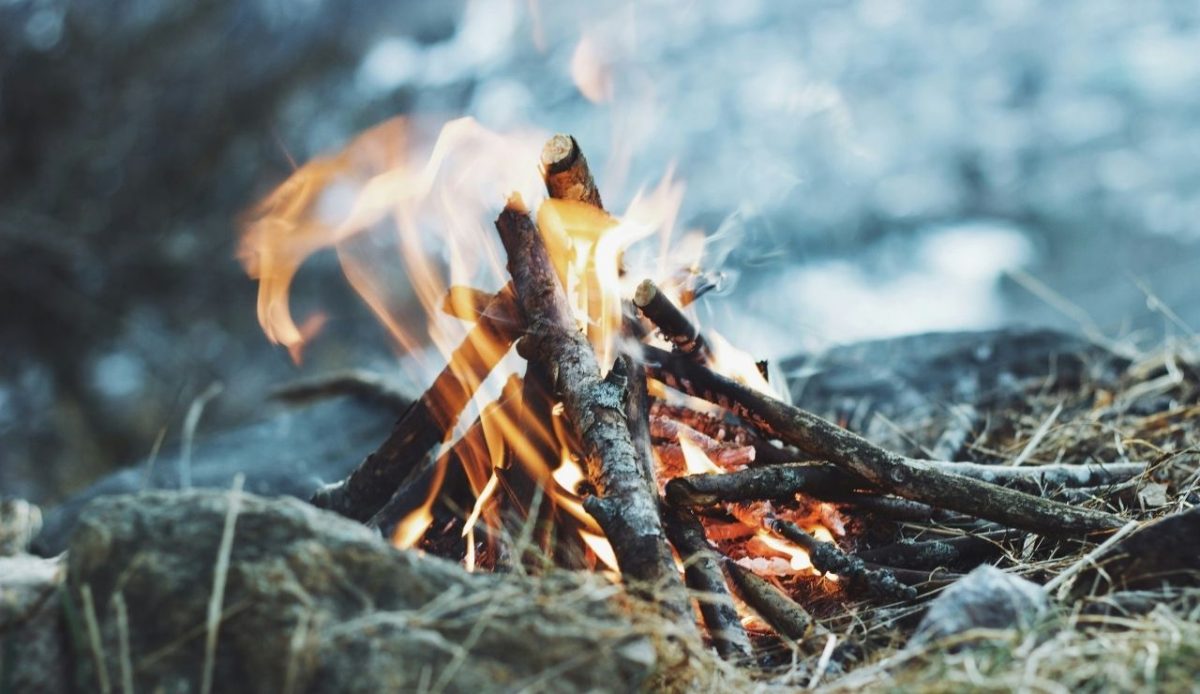
Every year, careless campers are responsible for wildfires that destroy acres of forest land. Starting a fire when conditions are dry or leaving it burning unattended can lead to immediate removal from the campground. Most parks display clear signs about fire bans or safety restrictions at the entrance. Campers are expected to use designated fire rings, never burn debris, and keep water or sand nearby for emergencies. A small spark can travel quickly in windy weather, so checking local fire danger levels before lighting up is essential. Following these rules keeps the park safe and ensures that everyone can continue to enjoy the campground.
4. Cutting or Damaging Trees
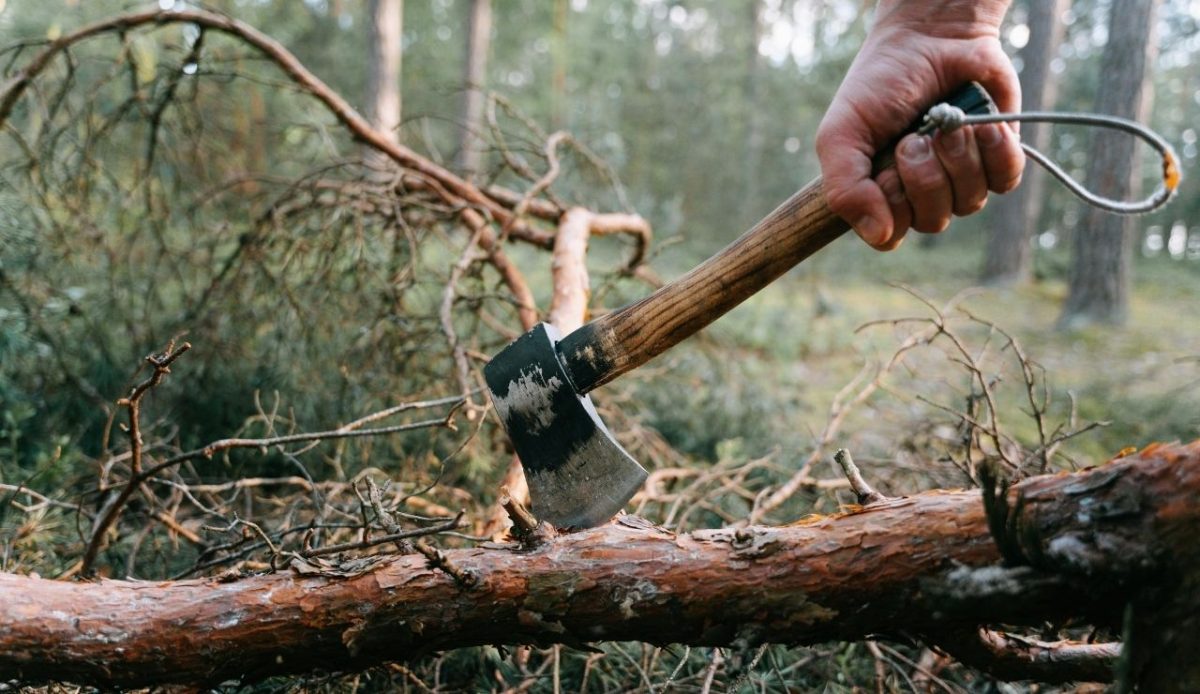
Some campers collect branches or carve names into trees without realizing it causes lasting harm. Trees are part of the ecosystem that provides shade, shelter, and stability for the land. Cutting live wood or peeling bark can kill a tree within a season. Most parks prohibit collecting firewood from natural surroundings because it spreads pests and diseases. Bringing or buying approved wood helps preserve the forest and keeps local habitats healthy. Rangers frequently check sites for tree damage, and anyone caught removing wood or carving trunks can be fined or banned. Treating trees with care ensures the beauty of the site remains for others.
5. Driving Off Approved Roads
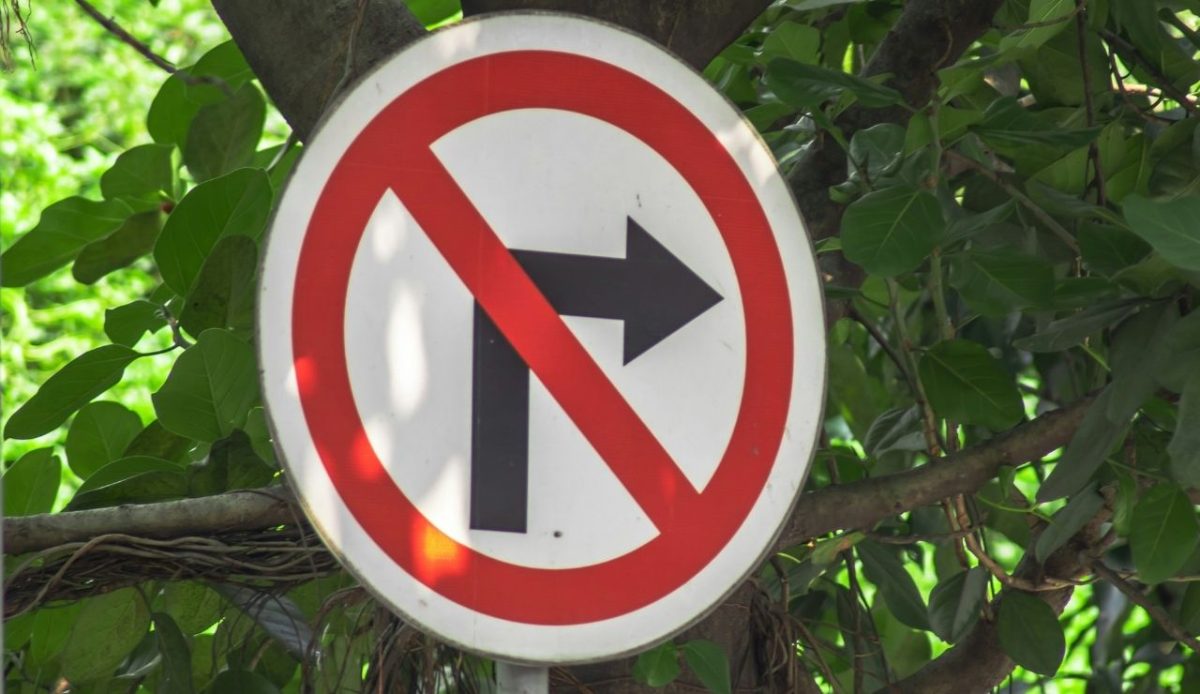
Many campers get into trouble by taking their vehicles or ATVs off the marked roads and trails. Doing this may seem adventurous, but it damages fragile soil and plants that take years to recover. Most parks monitor vehicle movement with cameras or ranger patrols, and driving off designated paths often results in immediate eviction. It also creates safety issues if the ground is soft or near protected wildlife zones. Always park within your assigned area and follow the route signs posted by the park office. Responsible driving keeps the campground safe, prevents erosion, and helps protect areas meant to stay untouched.
6. Bringing Aggressive or Uncontrolled Pets

Pets are welcome in many campgrounds, but rules exist to keep everyone safe. Unleashed or aggressive dogs often frighten children, chase wildlife, and cause conflicts with other campers. Most campgrounds require that pets stay on a leash shorter than six feet at all times. Owners must also clean up after their animals and prevent excessive barking. Ignoring these rules can lead to removal from the site or being blacklisted from future stays. Bringing familiar toys, keeping your pet calm, and following local pet regulations ensure a better experience for everyone, including your four-legged companion.
7. Leaving Trash Behind
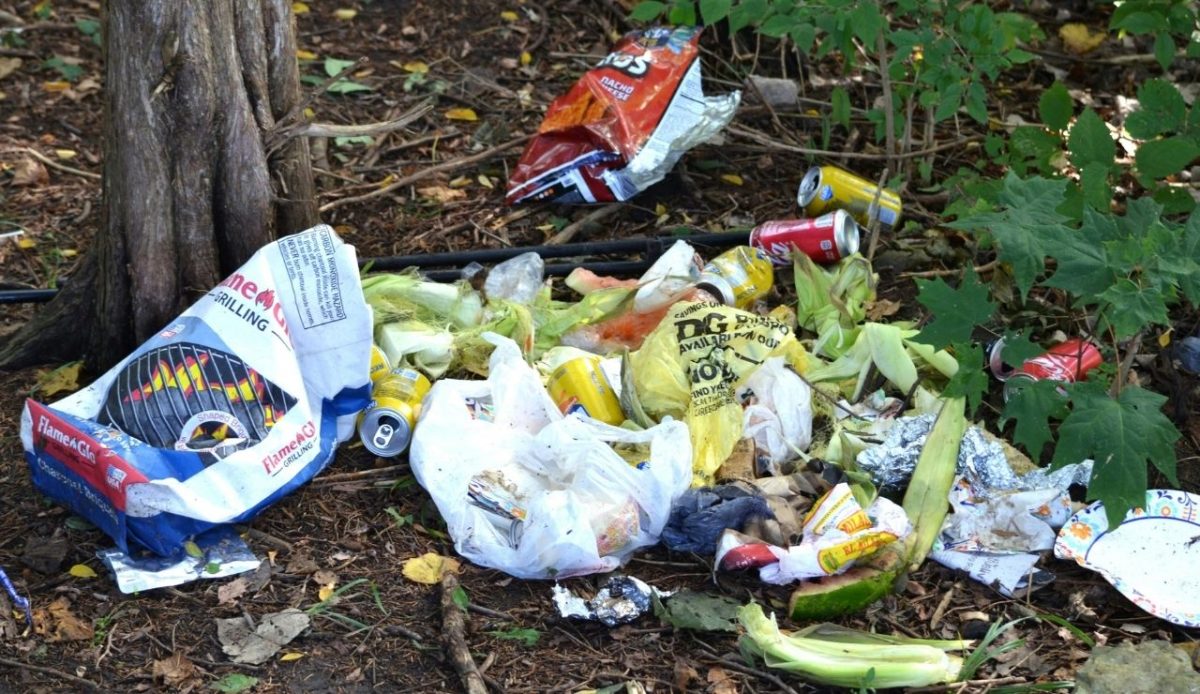
Leaving garbage at your campsite is one of the most common reasons campers lose their privileges. Trash attracts insects, raccoons, and even bears, creating danger for everyone. Rangers spend a lot of time cleaning up after careless visitors, which costs the park money and harms the environment. Many campgrounds use a “pack it in, pack it out” policy, meaning you must take everything you bring. Always carry extra bags, store waste properly, and never bury or burn trash. A clean site reflects good camping manners and helps keep natural areas open for responsible travelers.
8. Using Fireworks or Weapons

Fireworks and weapons are strictly banned in most public campgrounds. Even small fireworks or pellet guns can frighten wildlife, damage property, and start fires. Many campers have been permanently banned for lighting sparklers or firing air guns in restricted zones. Always read the campground rules about prohibited items before your trip. Fireworks are dangerous around dry brush, and even the smallest mistake can ruin the experience for everyone. Keeping entertainment simple and safe ensures you stay welcome and lets others enjoy their peaceful outdoor evenings without unnecessary risks.
9. Feeding Wild Animals

Feeding animals may seem kind, but it disrupts their natural habits and makes them dependent on human food. Campgrounds treat this as a serious offense because once wildlife associates people with snacks, they become aggressive and can harm both humans and pets. Animals also lose their ability to find food on their own. Many parks display clear “Do Not Feed Wildlife” signs for this reason. Feeding birds, chipmunks, or deer can earn you an instant warning or ban. Keeping food stored away and enjoying animals from a distance helps preserve a safe environment for everyone.
10. Public Intoxication or Disorderly Behavior

Having a drink by the campfire is fine in most private campgrounds, but loud, drunken behavior or fights quickly lead to removal. Alcohol consumption should always be moderate and respectful of those around you. Public intoxication, vandalism, or rowdy group gatherings attract complaints and law enforcement attention. Campgrounds are family spaces where many visitors bring children, so safety and courtesy are top priorities. Drinking responsibly keeps the atmosphere friendly and prevents embarrassing or costly incidents that could get you banned from returning.
11. Ignoring Generator Rules
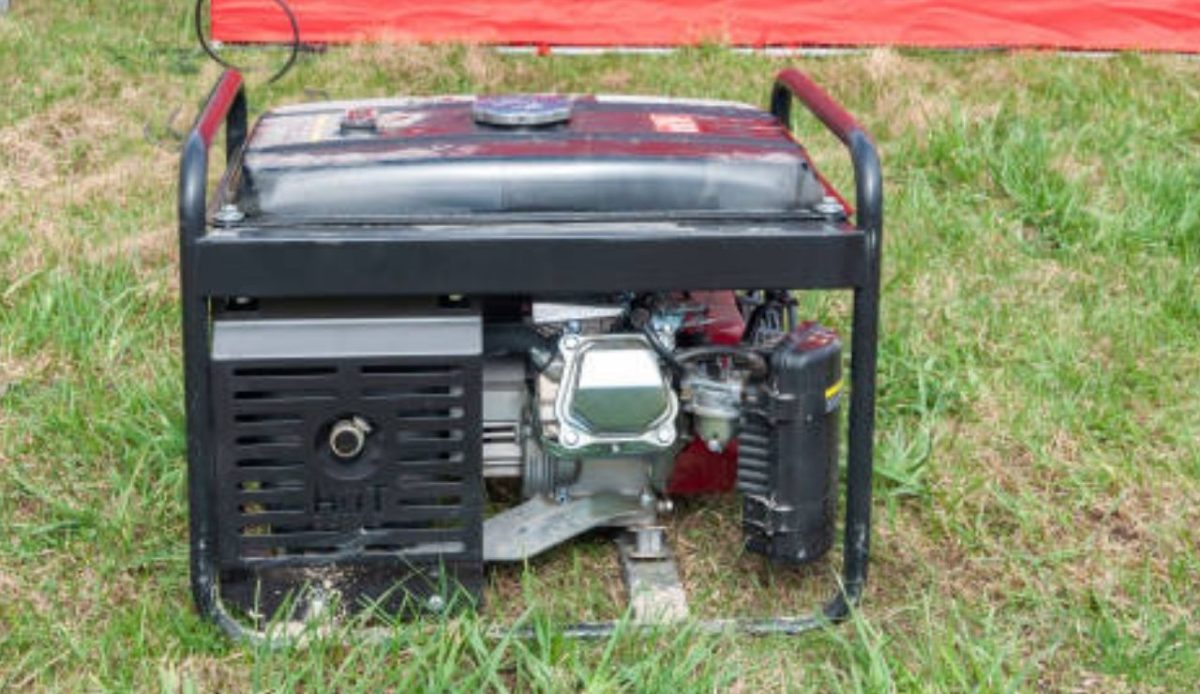
Generators are helpful for power, but are one of the most common sources of noise complaints. Most campgrounds limit when and how long they can run to avoid disturbing others. Using a loud generator early in the morning or late at night can break quiet-hour rules and upset neighboring campers. Some parks only allow models below a specific decibel level or ask that you place them far from shared areas. Checking local regulations before starting your generator prevents fines and keeps your trip peaceful. Respecting sound limits ensures you can use power without losing your spot.
12. Damaging Campground Property
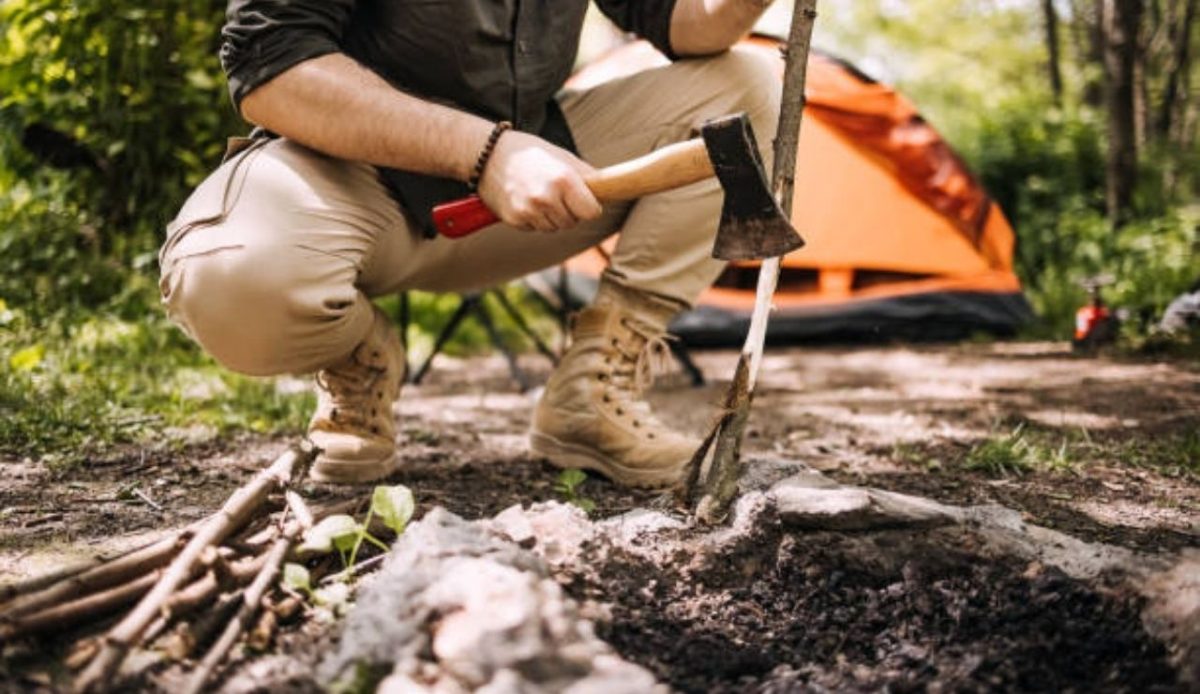
Breaking or stealing campground property, such as picnic tables, grills, or bathroom fixtures, is considered vandalism and can lead to legal trouble. Some campers carve names into benches or damage shared equipment without realizing the repair costs fall on the park service. Even small acts like leaving graffiti or removing signposts can earn an immediate ban. Campgrounds depend on visitors to treat facilities with care so that future guests can enjoy them. Always report damage you notice instead of trying to fix it yourself. Respect for property keeps these spaces open and enjoyable for everyone.
13. Camping Outside the Assigned Area
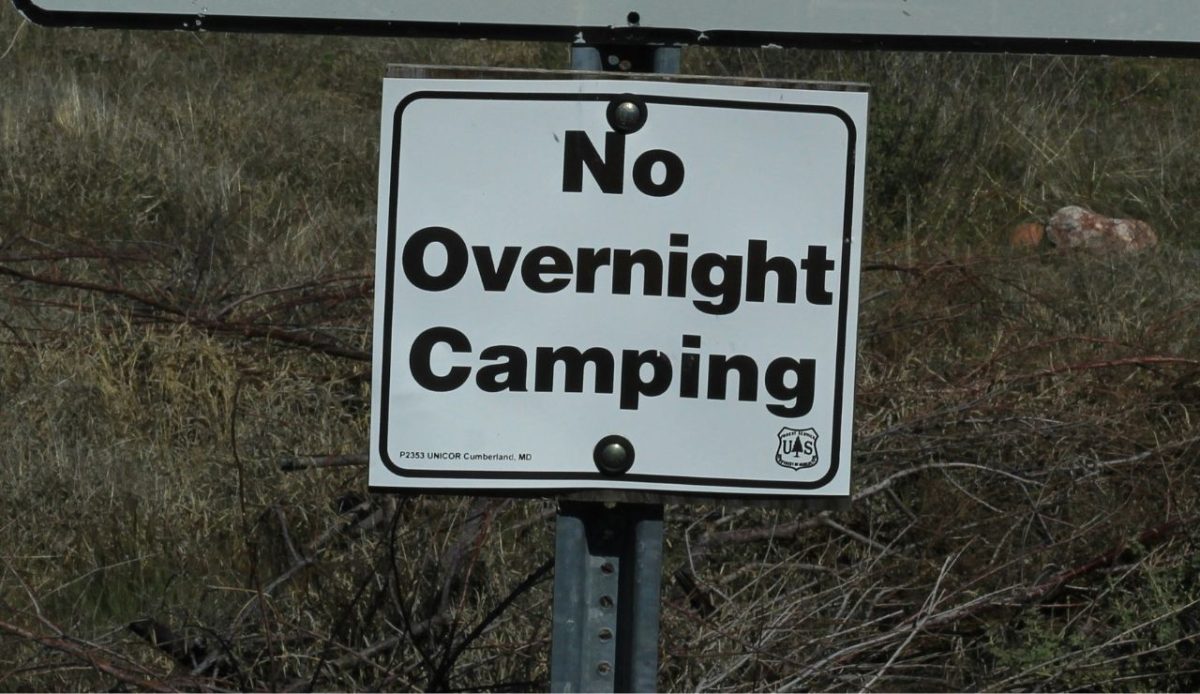
Every campsite has boundaries meant to protect the land and manage space for visitors. Setting up a tent, hammock, or vehicle outside your designated area may seem harmless, but it can harm vegetation or block access paths. Many campgrounds use numbered posts and maps to show where each site begins and ends. Ignoring those limits creates problems for staff and nearby campers. Rangers often issue warnings for this mistake, and repeated violations can result in being removed from the property. Always confirm your site layout at check-in and set up only within the approved zone to avoid conflict.
14. Using Illegal Substances

Drugs and controlled substances are prohibited in all public campgrounds, including those managed by national and state park systems. Some campers assume that remote locations make these rules less strict, but rangers regularly patrol and enforce state laws. Being caught with illegal items can result in arrest, fines, or a lifetime ban from the park. Even private campgrounds often have similar zero-tolerance policies. Bringing anything that violates state or federal regulations risks ruining your trip and harming your record. Keeping your stay free from substances ensures a safe, family-friendly atmosphere for everyone.
