
Across the United States, some cities have earned reputations for impatient and reckless drivers. Studies link these rankings to high crash rates, distracted driving, and dense traffic systems that test even experienced motorists. Despite new safety campaigns, insurance data and driver surveys continue to identify certain cities where risky habits and poor road conditions make every commute a challenge. Here are the American cities that consistently top the “worst drivers” lists.
1. Memphis, Tennessee
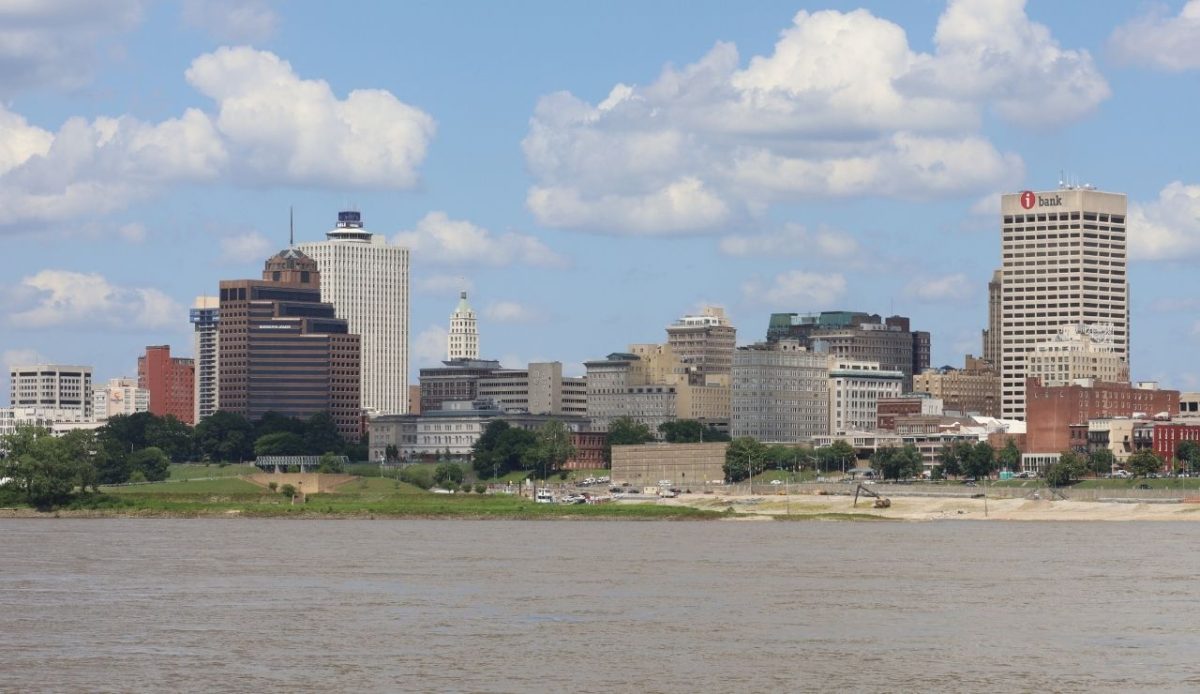
Memphis often appears near the top of national accident charts. Speeding, aggressive lane changes, and a high rate of uninsured drivers make it especially dangerous. The combination of worn roads and heavy truck traffic worsens conditions along major corridors like I-240. Despite law enforcement campaigns, distracted driving remains common. Residents describe their commutes as unpredictable and stressful, with many saying patience is as important as skill when driving in Memphis.
2. Knoxville, Tennessee
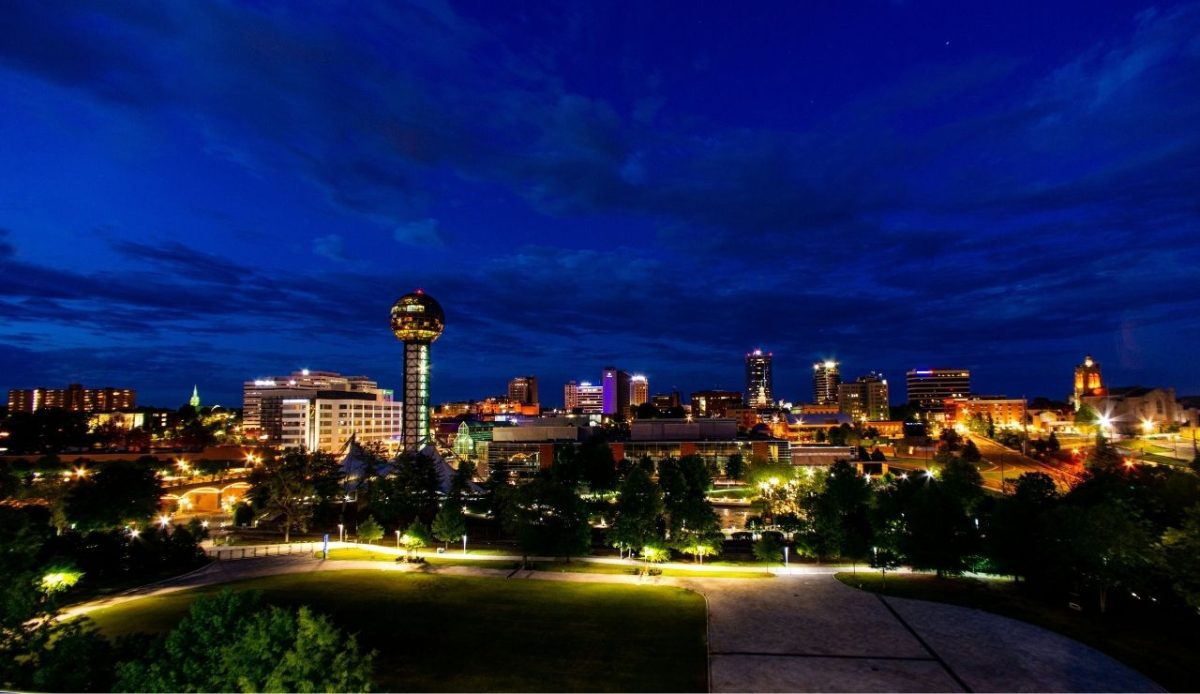
Knoxville’s rolling hills and limited public transit create constant congestion. Rear-end collisions and red-light violations are among the city’s top complaints. Rush-hour drivers crowd narrow routes, while long commutes add fatigue and frustration. Defensive driving schools are often full, as residents look to lower insurance premiums. Local officials have worked to synchronize traffic lights and increase signage, but accident data show habits like tailgating remain a consistent concern.
3. Waterbury, Connecticut
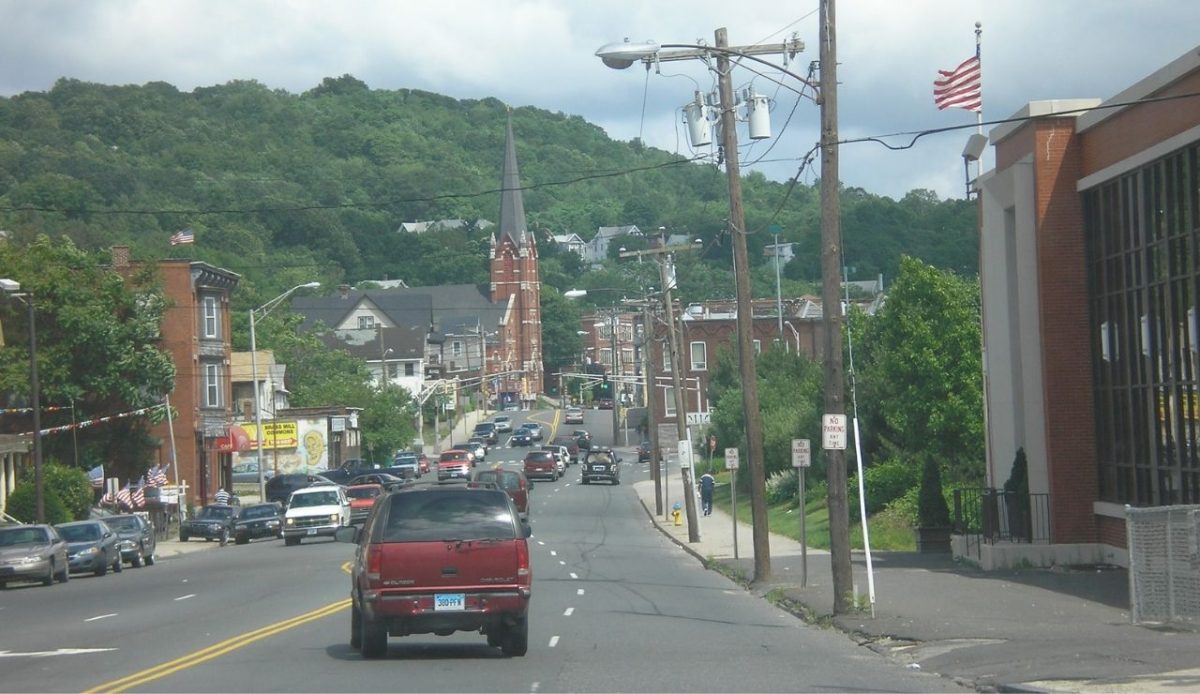
Waterbury’s compact roads and older intersections make driving a tense experience. Crashes frequently result from sudden stops, tailgating, and failing to yield. Commuters blame aggressive drivers and outdated traffic patterns for ongoing issues. City planners have started upgrading signal systems to reduce delays, yet congestion and impatience continue to define the local driving culture. Waterbury remains one of the most hazardous small cities for motorists in the Northeast.
4. Aurora, Colorado
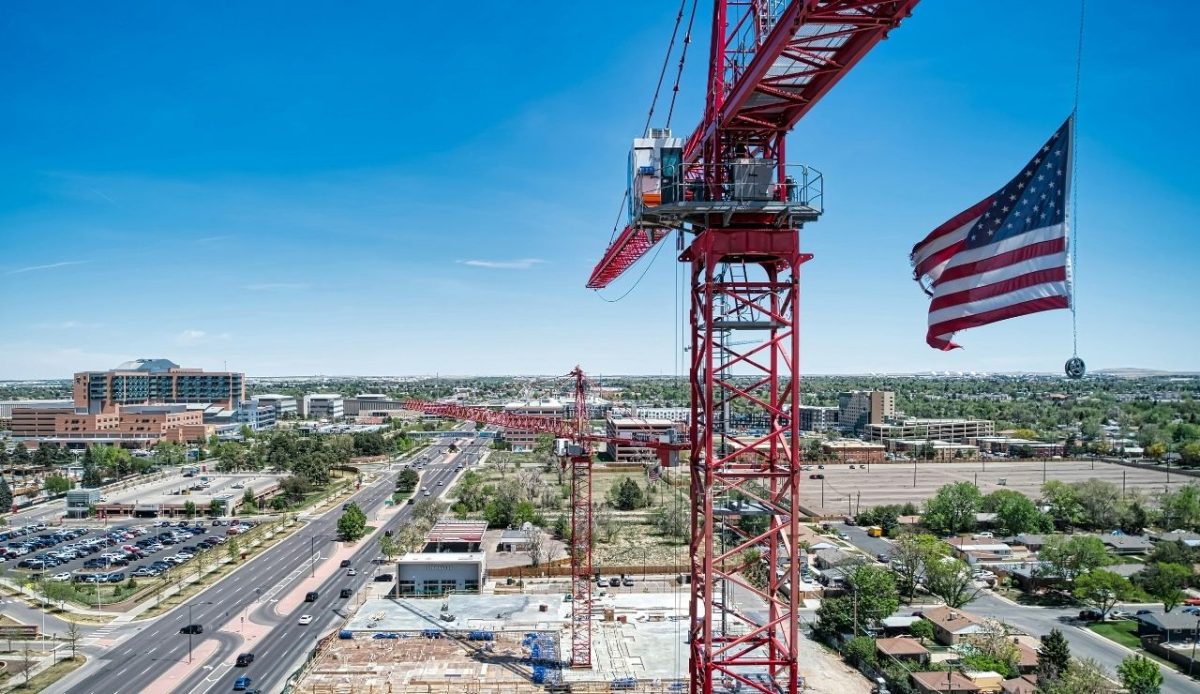
Aurora’s rapid population growth has stretched its road system thin. Accident reports highlight speeding, distracted driving, and unsafe merging as constant issues. Routes to Denver International Airport are particularly troublesome during peak hours. Even with strict enforcement and safety outreach programs, accident rates stay high. Residents often cite uneven road conditions and construction zones as daily frustrations, turning short trips into long tests of focus and caution.
5. Tucson, Arizona
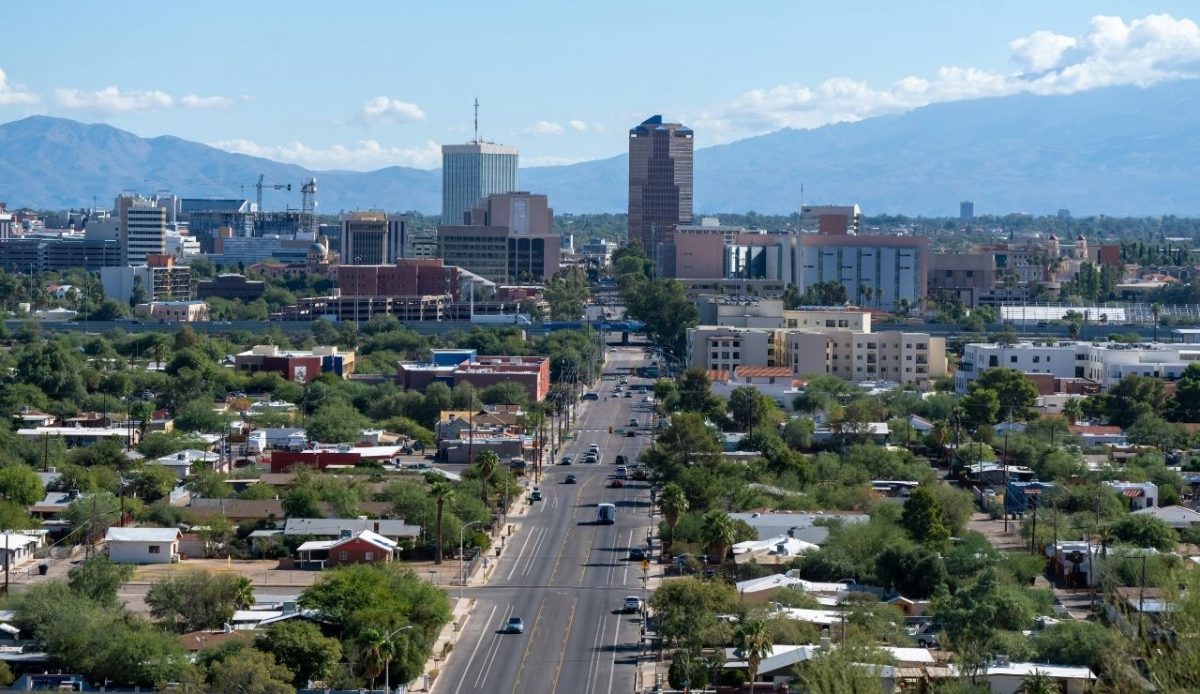
Tucson’s flat terrain and wide streets encourage fast driving, but the results are often dangerous. Police records show frequent intersection collisions and failure-to-yield violations. Long, open roads tempt drivers to speed, while distracted driving remains a growing problem. The city has expanded red-light cameras and awareness campaigns to improve safety. Still, residents complain that risky habits and rising commuter volume continue to make Tucson a challenging place to drive.
6. Kansas City, Missouri
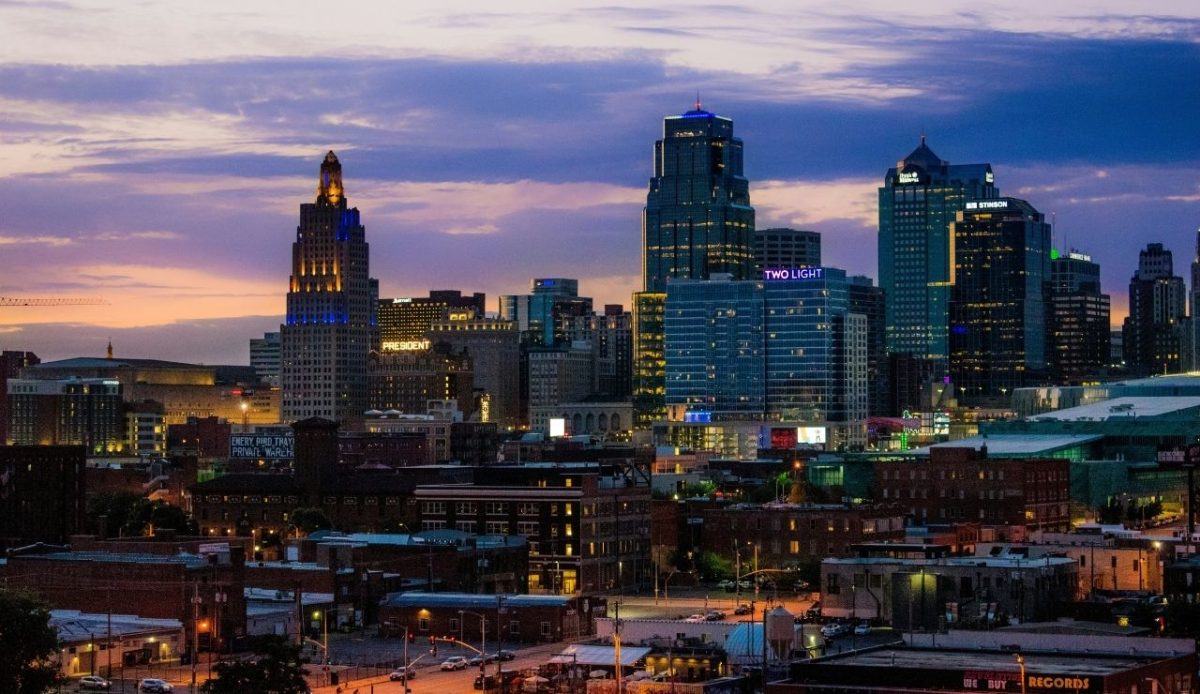
Kansas City ranks poorly in driver safety studies due to speeding and inconsistent signaling. The city’s wide avenues and suburban sprawl create conditions for reckless merging and tailgating. Weather extremes, especially icy winters, further heighten accident risks. Despite frequent enforcement efforts, insurance claim data remain high. Local transportation planners are updating traffic patterns, but drivers still describe the roads as unpredictable and often nerve-racking during peak hours.
7. Charleston, South Carolina
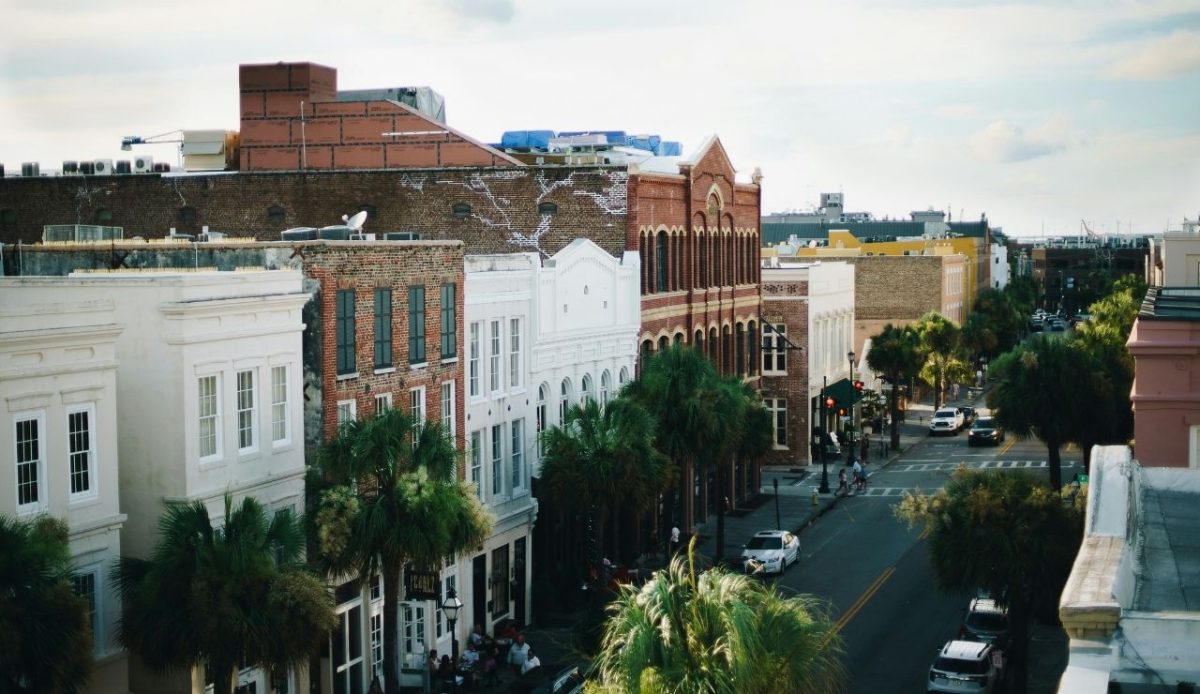
Charleston’s historic streets and narrow lanes make driving particularly stressful. The mix of tourists, delivery vans, and locals leads to constant congestion. Residents report impatience and distraction as frequent causes of crashes. Limited parking and confusing one-way routes compound frustrations. Although city officials have improved signage and pedestrian crossings, impatient driving continues to overshadow Charleston’s charm. Even locals admit that navigating its cobblestone streets demands steady nerves.
8. Mobile, Alabama
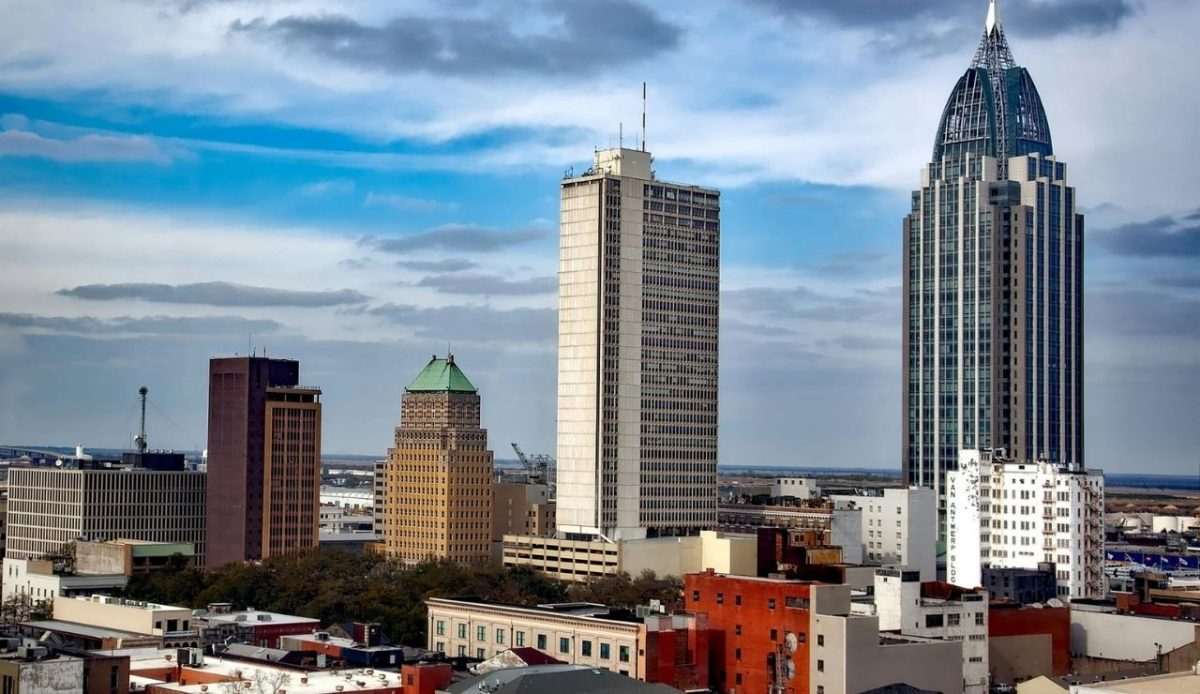
Mobile drivers are known for abrupt braking and inconsistent signaling, resulting in one of Alabama’s highest accident rates. The city’s humid climate and slick coastal highways add to the risk. Frequent bridge traffic toward Baldwin County causes fender benders during rush hours. Police have increased radar checks and public awareness campaigns, yet survey data show that residents still consider Mobile’s roads among the state’s most stressful. Congestion remains a daily frustration for commuters.
9. Birmingham, Alabama
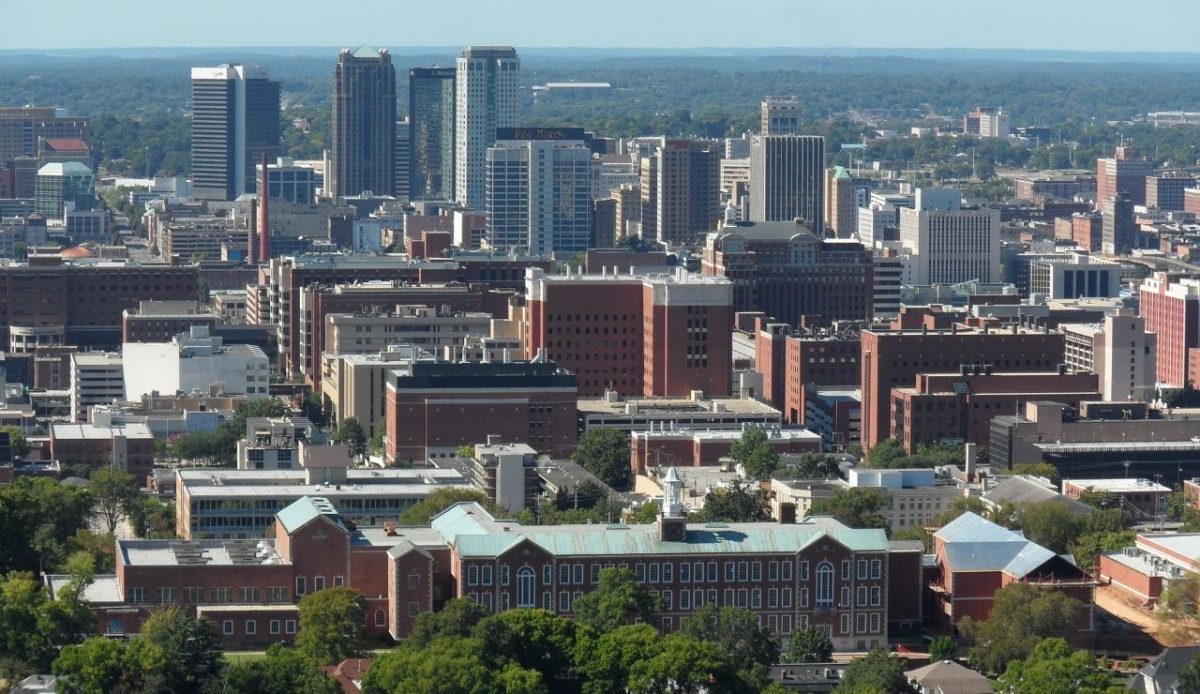
Birmingham’s steep streets and outdated intersections often contribute to accidents. The city records high crash rates tied to speeding and reckless lane changes. Road construction across downtown has caused delays, prompting risky shortcuts and aggressive maneuvers. Local planners are working to modernize traffic lights and widen lanes in key corridors. Despite these changes, residents say congestion and driver impatience still make Birmingham one of Alabama’s toughest cities to navigate safely.
10. Murrieta, California
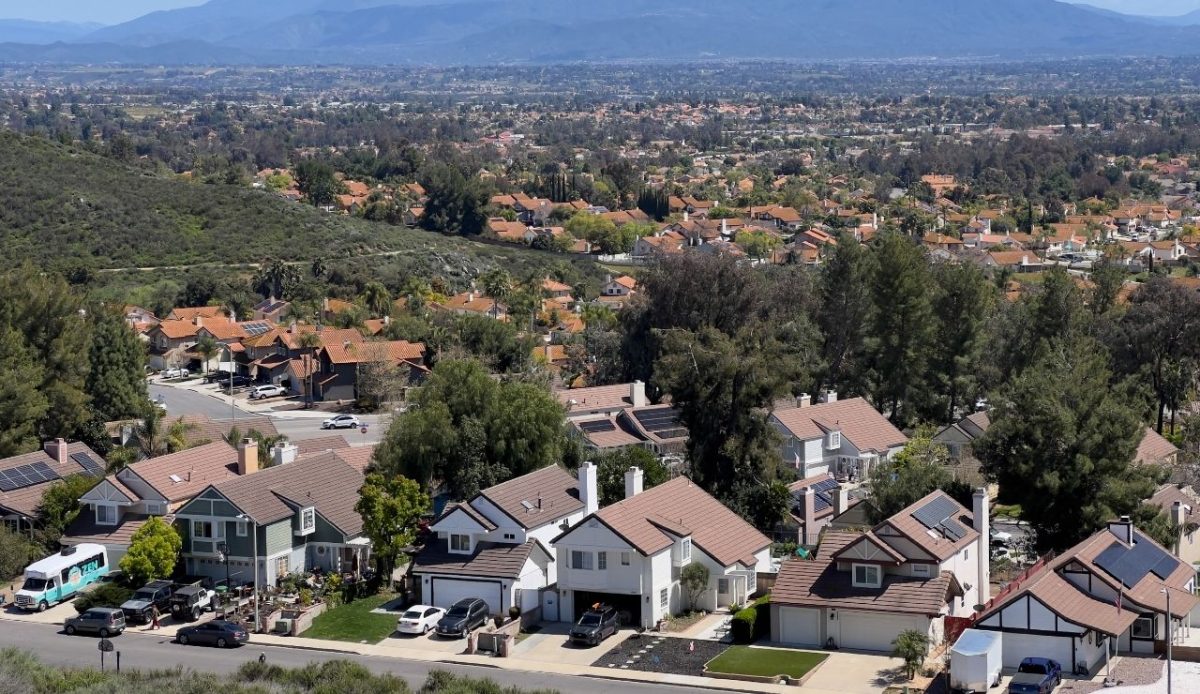
Murrieta consistently appears on state driving risk lists despite its smaller size. Most crashes occur at busy intersections where drivers fail to yield or become distracted. Expanding suburbs and rapid population growth have increased road pressure. Local authorities emphasize education programs and stricter traffic enforcement, yet accident rates remain high. Residents report that speeding through residential zones and limited police patrols make Murrieta’s roads far more stressful than expected for its size.
11. Boston, Massachusetts
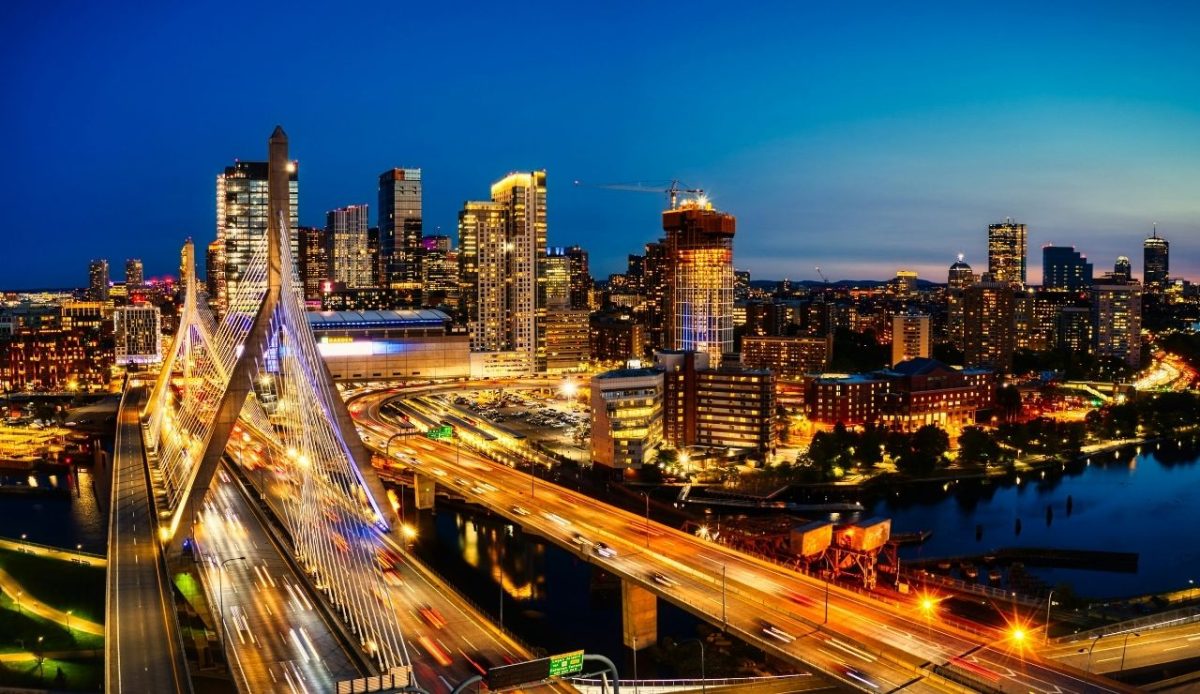
Boston’s winding roads and confusing intersections often frustrate both residents and visitors. Drivers are notorious for weaving through narrow lanes and ignoring signals under pressure. Snow and ice in winter make these challenges even harder. The city’s ongoing efforts to coordinate signals and expand transit options have improved flow slightly. Yet, insurance data still rank Boston among the highest for collision risk, proving that quick reactions are essential for survival here.
12. Washington, DC
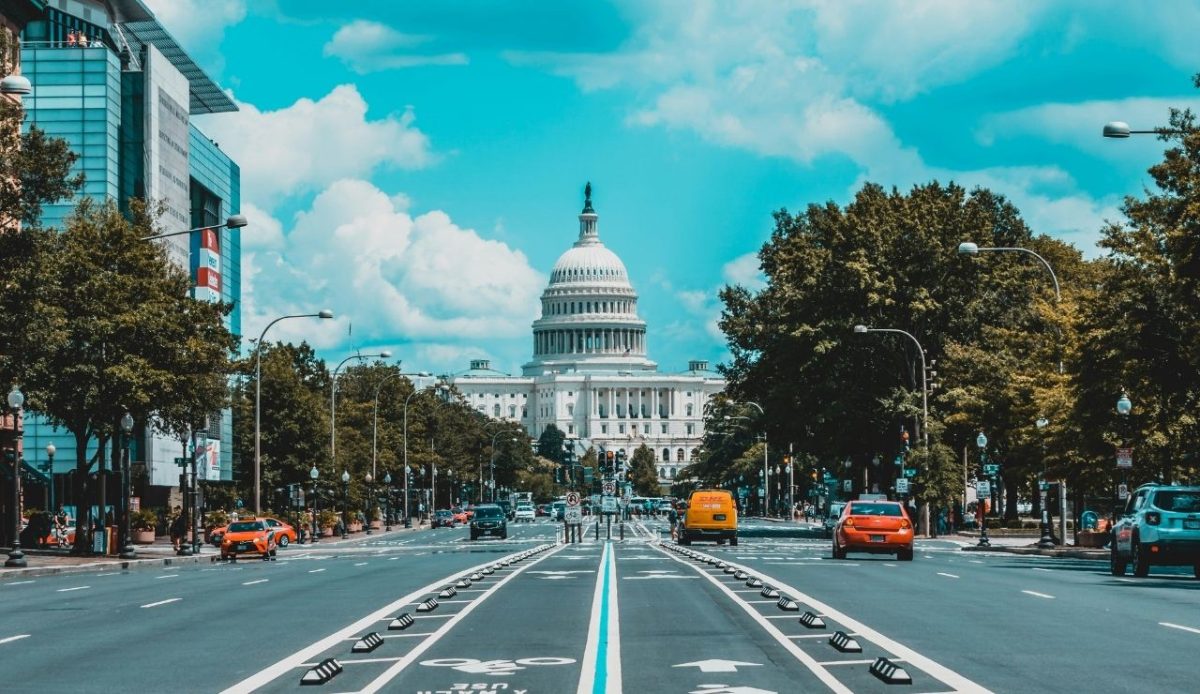
Washington, DC’s constant construction and dense layout create ideal conditions for traffic trouble. Roundabouts and one-way streets confuse many newcomers, while impatient locals add to the tension. Lane closures for infrastructure projects make commutes longer and more stressful. Despite new metro expansions, many residents rely on cars for daily travel. Reports continue to place DC near the top of national accident rankings, driven largely by distracted driving and congestion fatigue.
13. Baltimore, Maryland
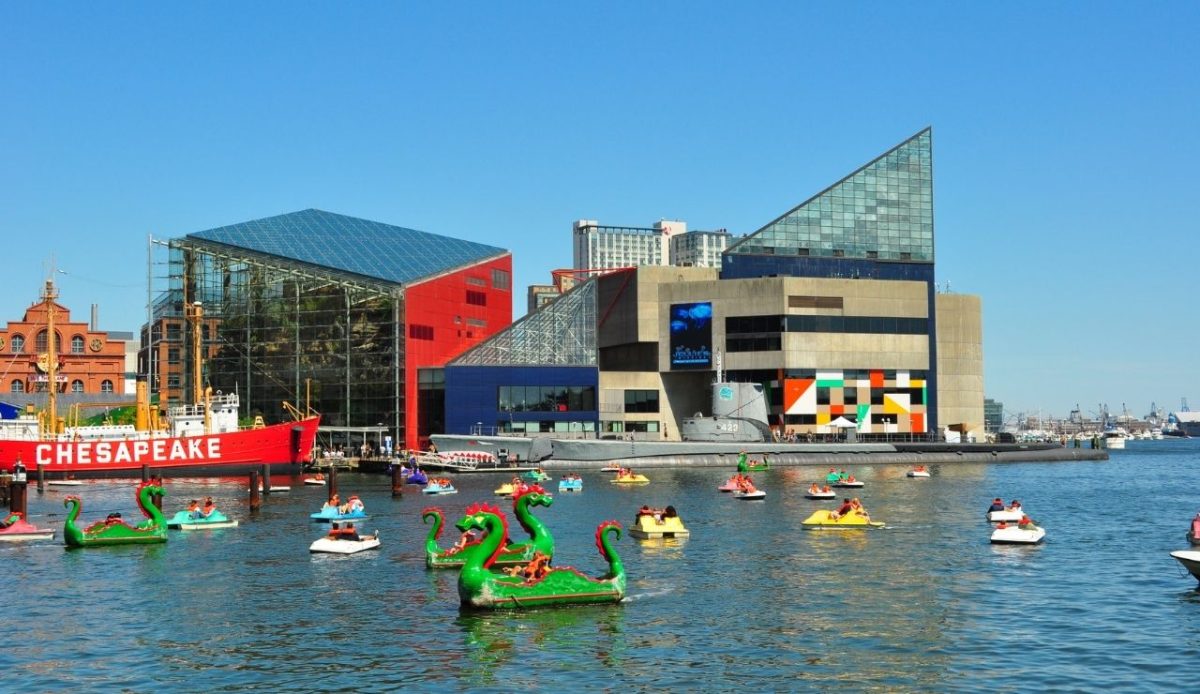
Baltimore’s aging roads and high commuter traffic combine to form one of the East Coast’s roughest driving environments. Stop-and-go patterns often lead to fender benders, while sudden speeding on open stretches adds danger. Local enforcement has increased, and digital signs help manage flow, but behavior behind the wheel remains inconsistent. Residents report that frustration from long delays frequently leads to aggression, keeping Baltimore among the hardest cities for cautious drivers.
