
Short-form travel posts can redirect huge crowds to tiny viewpoints in days. When toilets, bins, and hauling schedules stay sized for locals, trash builds fast and spreads beyond hardened paths. Wind and runoff move it into creeks and coves.
This piece tracks places where managers reported litter, human waste, or disposal failures after viral attention. Responses often include timed entry, shuttle rules, fines, and temporary access bans.
Each destination shows a different breakdown point, such as parking saturation, missing restrooms, weak hauling capacity, or illegal access. Together they show why clean scenery can degrade when visit volume outpaces basics.
1. Lake Tahoe Beaches
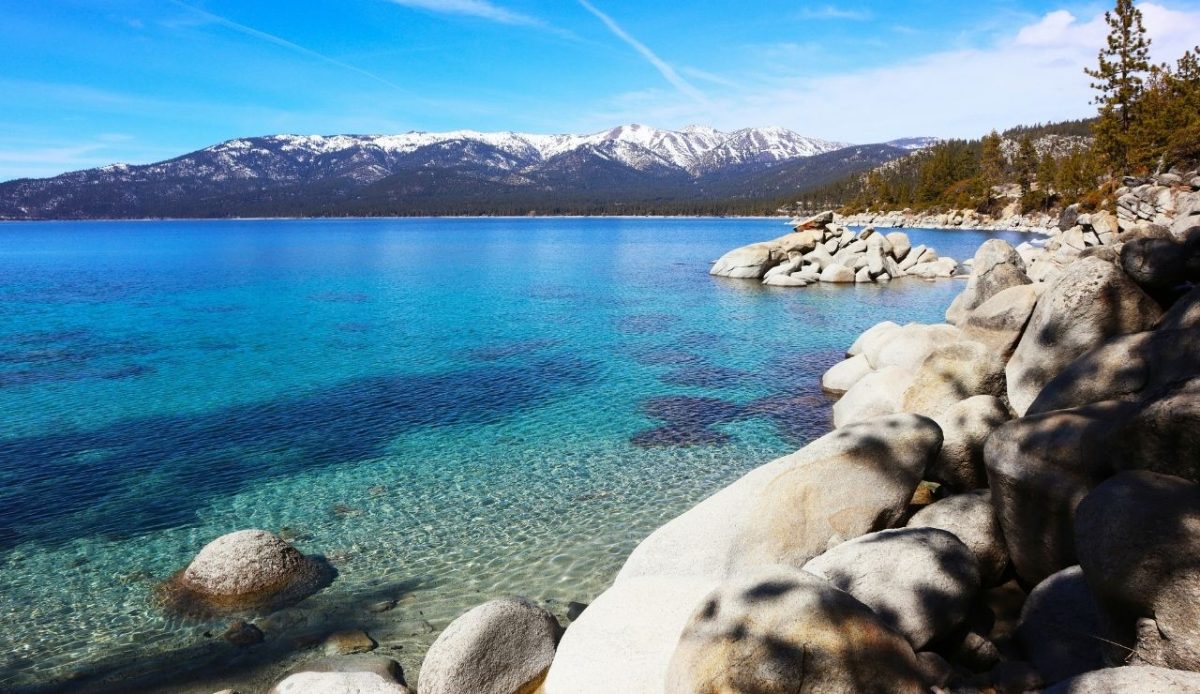
Holiday weekends drive extreme shoreline use around Lake Tahoe, especially at easy-access beaches. Temporary restrooms and dumpsters fill early, and overflow appears along pullouts, rocks, and sand. Afternoon winds scatter light trash toward the waterline.
Keep Tahoe Blue reported collecting more than four tons of litter after a July Fourth surge. Frequent finds include single-use food packaging, bottles, cans, cigarette butts, and broken glass. Cleanup crews also pull debris from parking edges and nearby trails.
Agencies add pop-up bins, extra hauling, and volunteer sweeps, yet spikes repeat each summer. The core issue is that disposal capacity is planned for ordinary days, not mass arrivals driven by trending posts.
2. Horseshoe Bend, Arizona
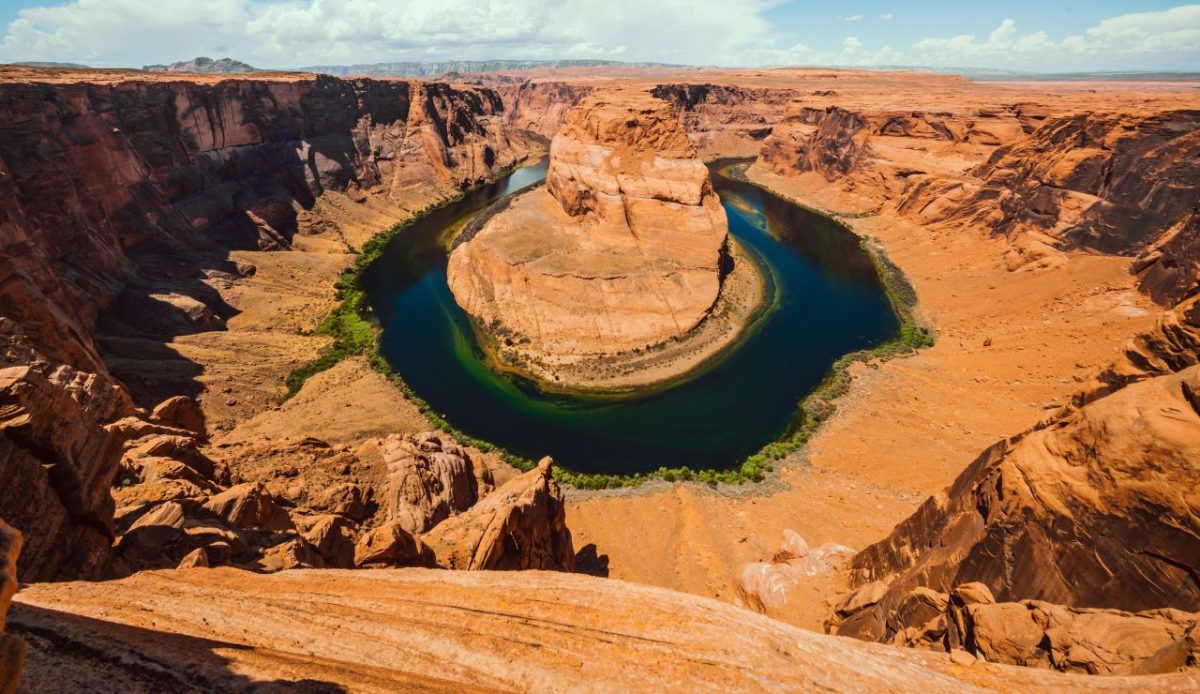
Horseshoe Bend’s short walk from the paid lot concentrates thousands of visitors on a single rim. With few shade spots, people carry drinks and snacks, then discard items as bins reach capacity. Litter also collects along the trail where photo stops cluster.
A Glen Canyon visitor study recorded complaints about too much trash at the overlook. Wind pushes wrappers and bottles into cracks and down slopes where retrieval is slow and risky. Debris can persist because access off the rim is limited.
Managers expanded parking, added safety features, and adjusted collection runs, but demand stays intense in peak season. The spot behaves like a stadium turnout without the staffing, restrooms, and hauling rate needed for that scale.
3. San Carpoforo Creek Beach, California
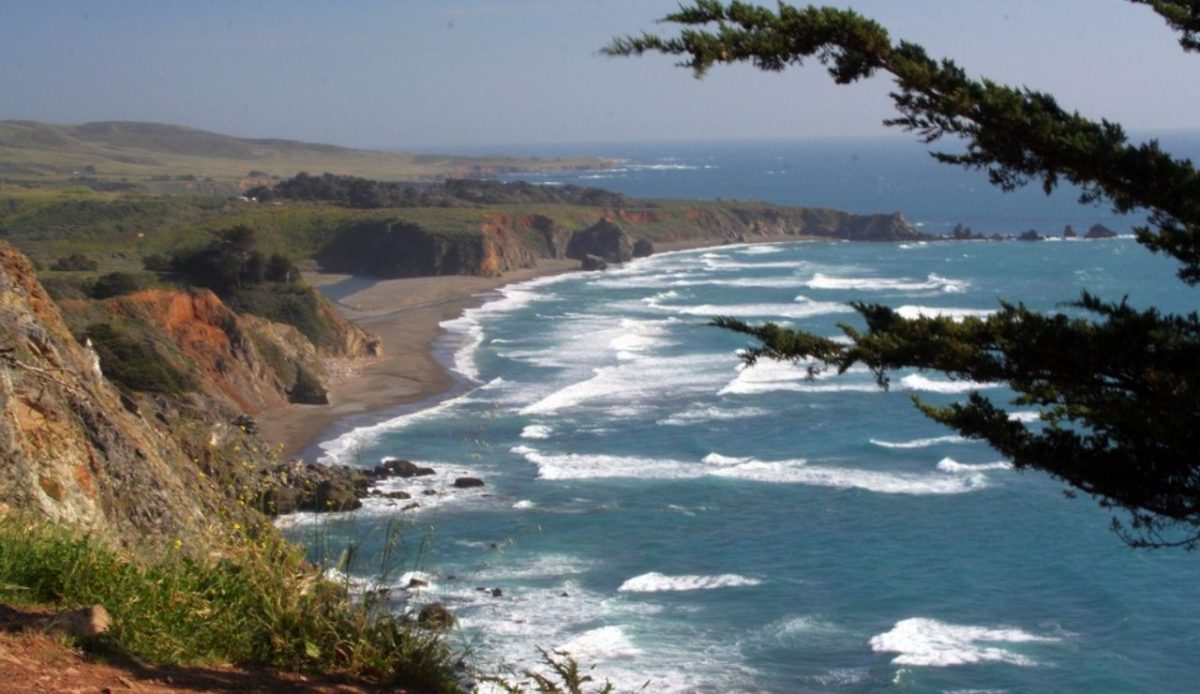
San Carpoforo became known online as a rare no-fee coastal camp on the Big Sur edge. Overnight use grew while the site had minimal toilets and limited ranger presence. Parking spillover also widened disturbed ground near access points.
Land managers moved to ban camping and fires after repeated garbage piles and human waste impacts were reported. Discarded tents, food waste, and toilet paper were found near the creek and in the dunes. Such waste raises contamination risk where the stream meets the beach.
The mechanism is straightforward. Multi-day stays generate steady trash, but there is no on-site collection system. When visitors leave items behind, cleanup requires staff time and truck access on a narrow coastal road.
4. Haiku Stairs, Oahu
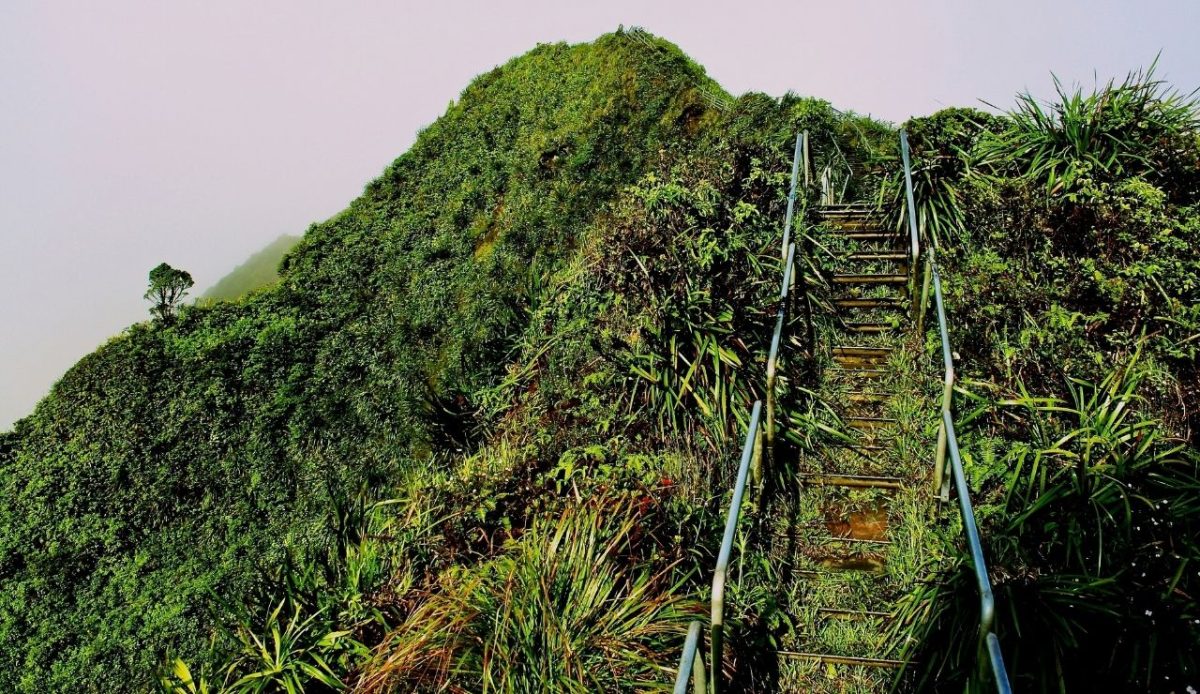
Haiku Stairs drew constant trespass traffic because it delivered dramatic ridge footage. Since the route crossed neighborhoods and private land, there were no legal restrooms, bins, or staffed entry points. Cars are parked on residential streets at dawn.
Residents and news reports describe repeated litter, property damage, and people using yards and vegetation as toilets. The closed status made basic sanitation impossible, since services would imply permission. Trash accumulated near fences and informal trail junctions.
City enforcement relied on fines and patrols, yet illegal visits continued. Officials approved the removal of the structure in part because unmanaged use created ongoing waste and safety problems for nearby communities.
5. Yosemite Firefall Viewing Areas
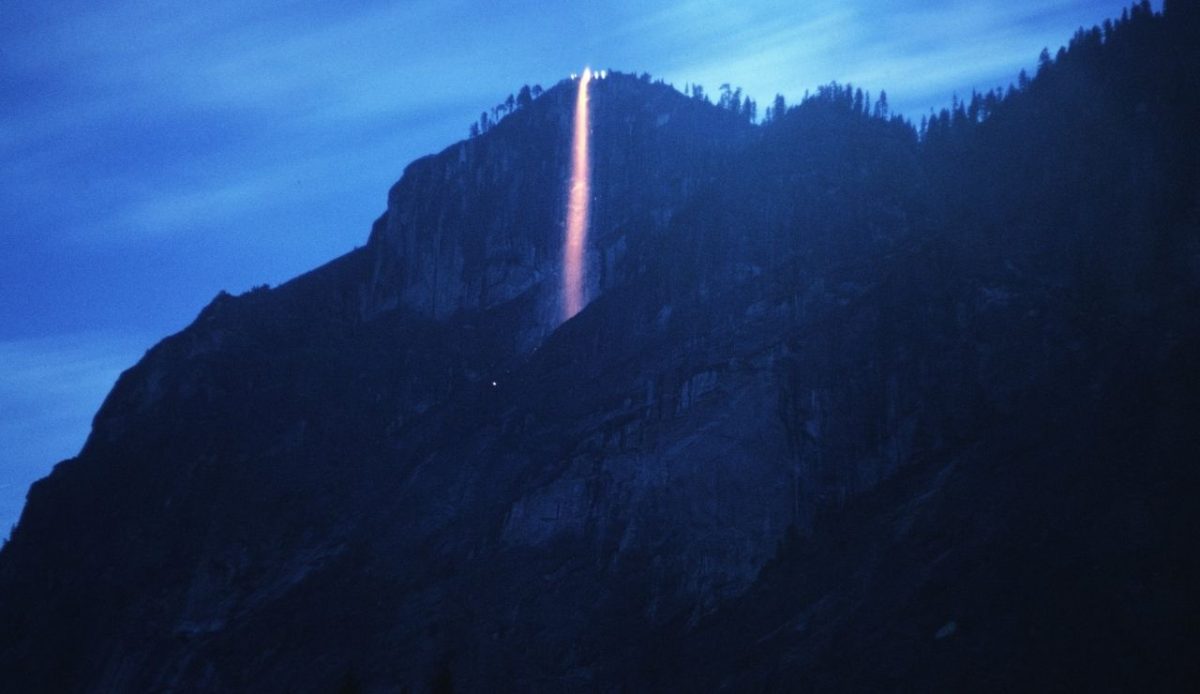
The Horsetail Fall glow draws concentrated crowds for a few evenings in February. Vehicles stack along Valley roads, and people gather in spots with limited restrooms. Informal footpaths form as viewers seek angles beyond marked pullouts.
The National Park Service has warned that trash and unsanitary waste appeared in undeveloped areas during heavy viewing nights. When toilet demand exceeds facilities, waste ends up in meadows and along river edges. Rangers then remove litter and repair compacted soil.
Yosemite responded with a reservation system, parking limits, and shuttle access in some years. These controls reduce both visitor volume and the garbage that would otherwise be left on sensitive ground.
6. Fjaðrárgljúfur Canyon, Iceland
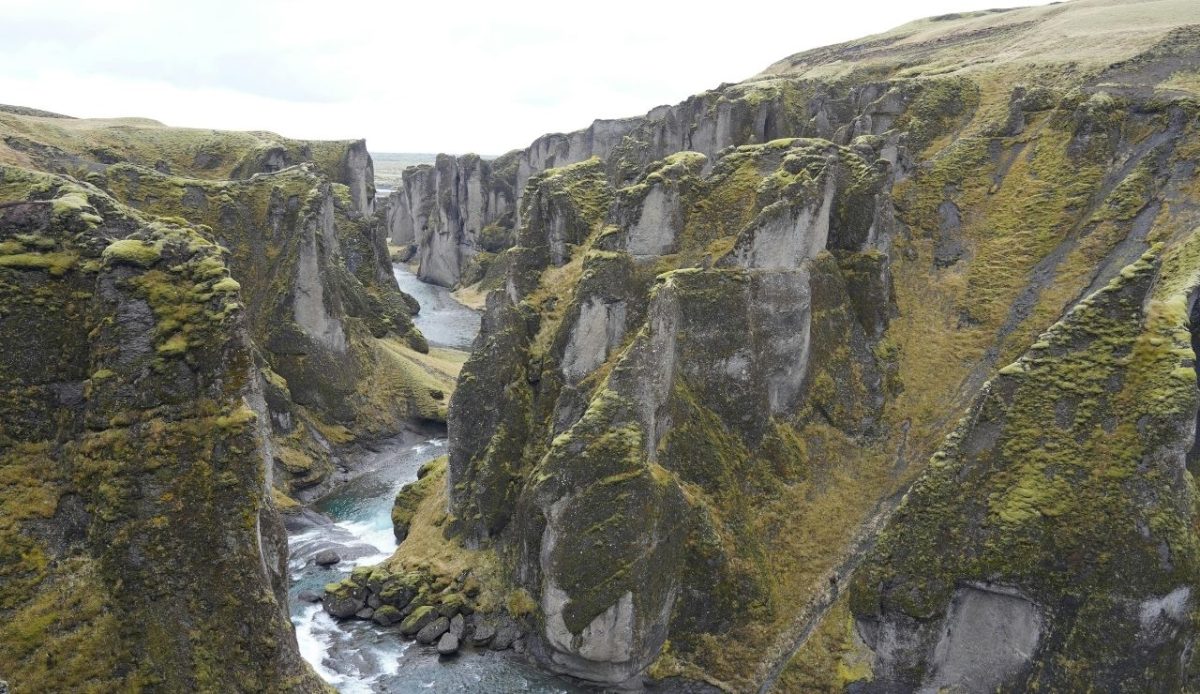
Fjaðrárgljúfur saw a sharp surge after viral clips highlighted its rim walk. The trail network was narrow, and visitors spread onto fragile moss and steep edges while searching for shots. Parking and toilet provision were limited.
Icelandic authorities have closed the area at times to let vegetation recover after heavy traffic. Along with erosion, staff have had to remove discarded items from paths and viewpoints, since even small litter volumes stand out and persist. Wind can push plastic into the canyon, where retrieval is difficult.
Boardwalks, marked routes, and clear closure notices are used to keep people on durable surfaces. It demonstrates how a low-maintenance landscape can shift into a high-maintenance zone once crowd size jumps.
7. Maya Bay, Thailand

Maya Bay is a small cove that received mass boat traffic after constant online promotion. Thousands of day visitors arrived in short windows, creating high volumes of drink containers, food packaging, and fuel-related waste.
Thai authorities shut the bay for rehabilitation after severe ecological damage was recorded. Pollution control and waste reduction were part of the response, alongside limits on boats that could anchor near the beach.
Reopening came with caps, timed entry, and rules that keep boats at a distance. Waste handling is now monitored more tightly because even brief crowd surges can overload a small shoreline with no room for excess disposal.
8. Boracay Island, Philippines

Boracay’s rapid hotel buildout expanded faster than its sewage and solid waste systems. During peak periods, garbage piled near service areas and runoff carried pollutants toward beaches.
The Philippine government ordered a six-month closure after inspections found widespread violations. Wastewater discharge and improper disposal were cited as core issues behind the decision, not minor cleanliness complaints.
Reforms included stricter zoning, business compliance checks, and upgrades to treatment capacity. Visitor numbers were also managed more tightly. The episode shows what happens when marketing-driven demand grows while sanitation investment lags behind housing and nightlife.
9. Mount Everest South Route, Nepal

Everest season now draws both climbers and a global audience that follows viral camp footage. Temporary settlements form at Base Camp and higher sites, producing trash and human waste in a place with no natural disposal pathway.
Nepal has used rules such as refundable deposits and required waste returns to reduce garbage left on the mountain. Cleanup teams remove legacy debris, including canisters, packaging, and abandoned gear that accumulates over many years.
Even with policy, removal is hard because loads must be carried or flown down in narrow weather windows. The core mechanism is that every extra visitor adds waste weight, while transport capacity is fixed by altitude and safety constraints.
10. Mount Rinjani, Indonesia
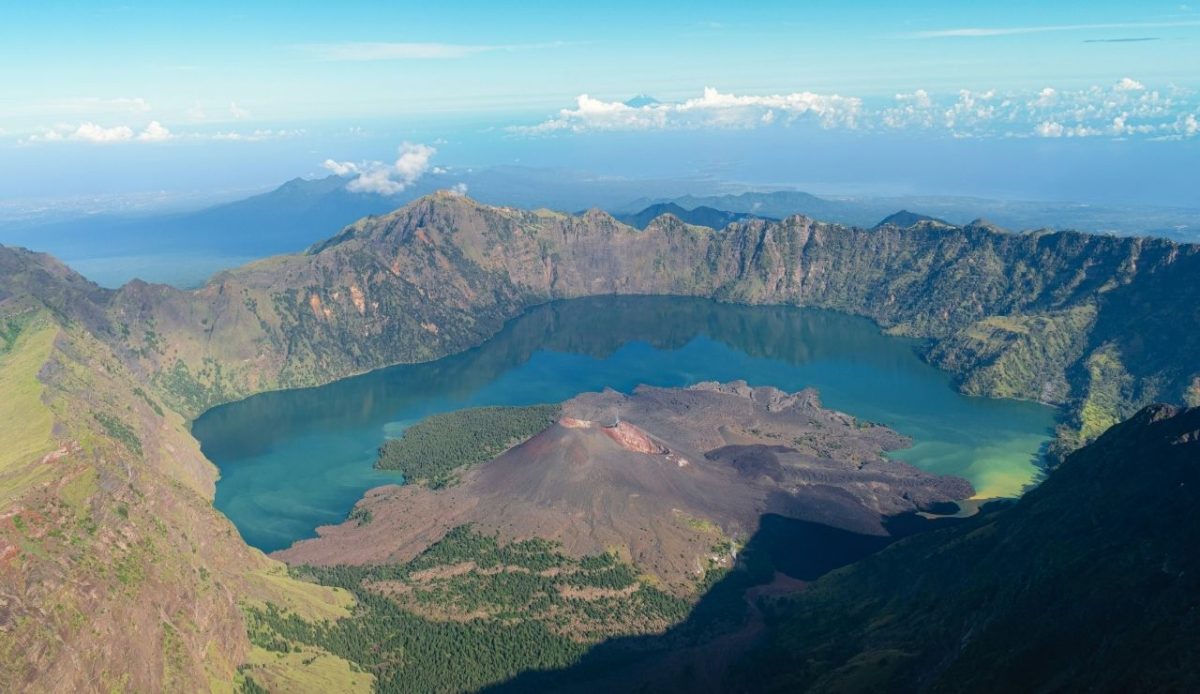
Rinjani’s crater lake trek became a social media staple, and multi-day hikes increased campsite density. When groups cook and camp, waste output rises sharply, especially plastic packaging and disposable cookware.
Indonesian reporting has described large quantities of garbage collected from trails and camps each year. Park managers have responded with measures such as visitor tracking and sanctions for littering to change behavior.
Cleanup drives help, but prevention matters more because hauling trash off steep routes is labor-intensive. It illustrates how long-duration visits can generate a steady stream of refuse that overwhelms small ranger teams if rules are weak.
11. Komodo And Labuan Bajo Beaches, Indonesia
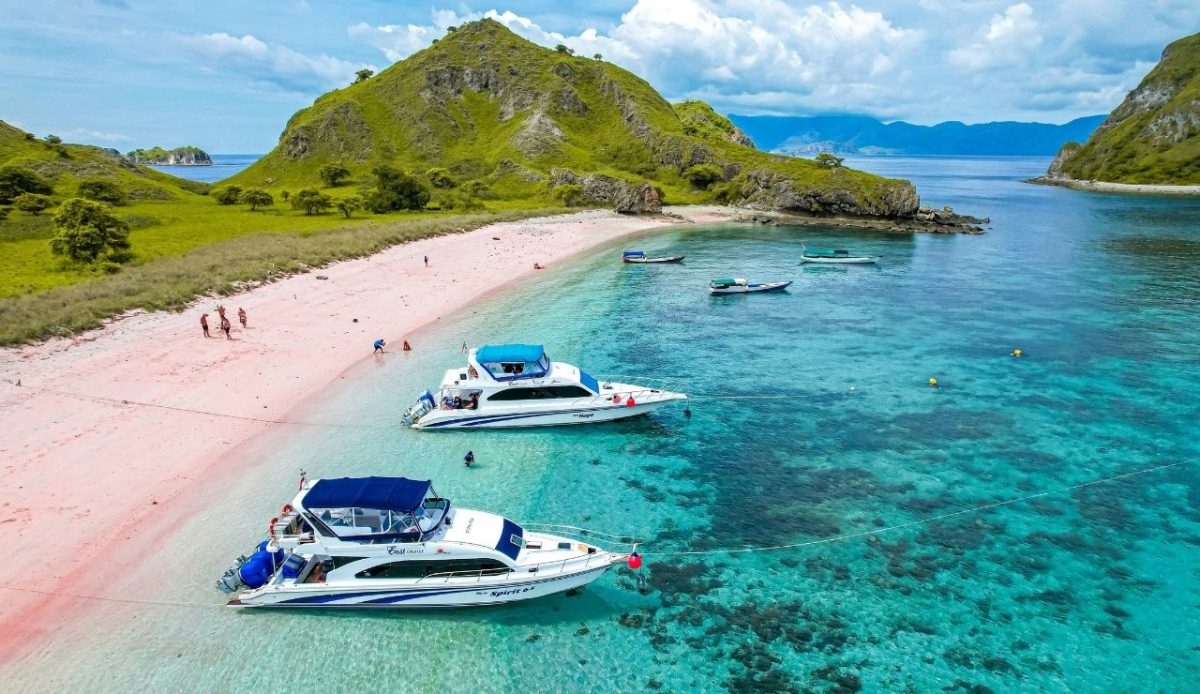
Boat tours around Labuan Bajo and Komodo deliver repeated short stops at small beaches. Visitors bring snacks and drinks, and some waste is left behind when boats cycle quickly between sites.
WWF Indonesia monitoring has reported plastics as the dominant material in recorded shoreline trash across surveyed beaches in the area. Items include bottles, wrappers, and fragments that break down into smaller pieces and are spread with tides.
Operators are being pushed to carry all waste back to port and limit single-use items on board. Community cleanups reduce visible piles, yet the system depends on consistent boat compliance plus broader marine debris control beyond tourist behavior.
12. Tulum, Mexico

Tulum expanded fast with beach road development and high turnover visitors drawn by short clips. Waste service coverage did not scale evenly, and dumps grew near access roads and construction zones.
Major reporting has described beaches affected by tourist litter and weak disposal logistics. When collection schedules fail, bags are left outdoors, animals tear them open, and plastics spread into mangroves and surf.
Local rules now target illegal dumping and require better waste handling from hotels and contractors. The destination shows that growth without matched hauling capacity turns a brand-driven hotspot into a sanitation headache that visitors can see on arrival.
13. Arakurayama Sengen Park, Japan
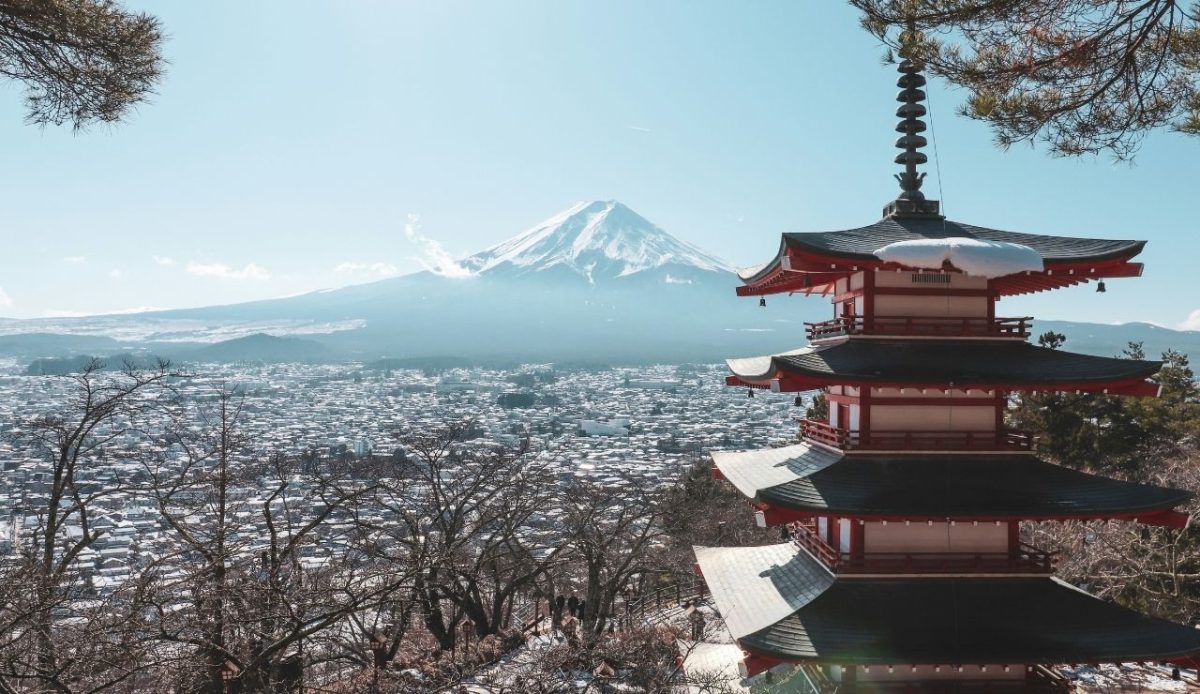
Arakurayama Sengen Park concentrates crowds on stairways leading to a Mount Fuji viewpoint. Peak blossom weeks create long dwell times, food purchases, and heavy use of limited bins and restrooms.
Local officials cancelled a cherry blossom event after complaints that included littering and other misconduct tied to overtourism. Extra barriers and staff were needed to manage lines, protect nearby homes, and keep walkways clear.
Seasonal controls now include stricter crowd guidance and more frequent waste collection. The mechanism is that a small hillside site faces big city-style disposal needs for a short period, yet storage space and truck access remain limited.
