
The American housing market is not only about big cities and sprawling suburbs. Across the country, smaller towns are quietly gaining attention from buyers who want more value, space, and a stronger sense of community. These towns combine lifestyle perks with real estate potential that appeals to families, remote workers, and retirees. While each place has its own character, they all share one thing in common: demand is rising, and people are taking notice. Here are 23 small towns that are quickly becoming real estate hotspots.
1. Bentonville, Arkansas
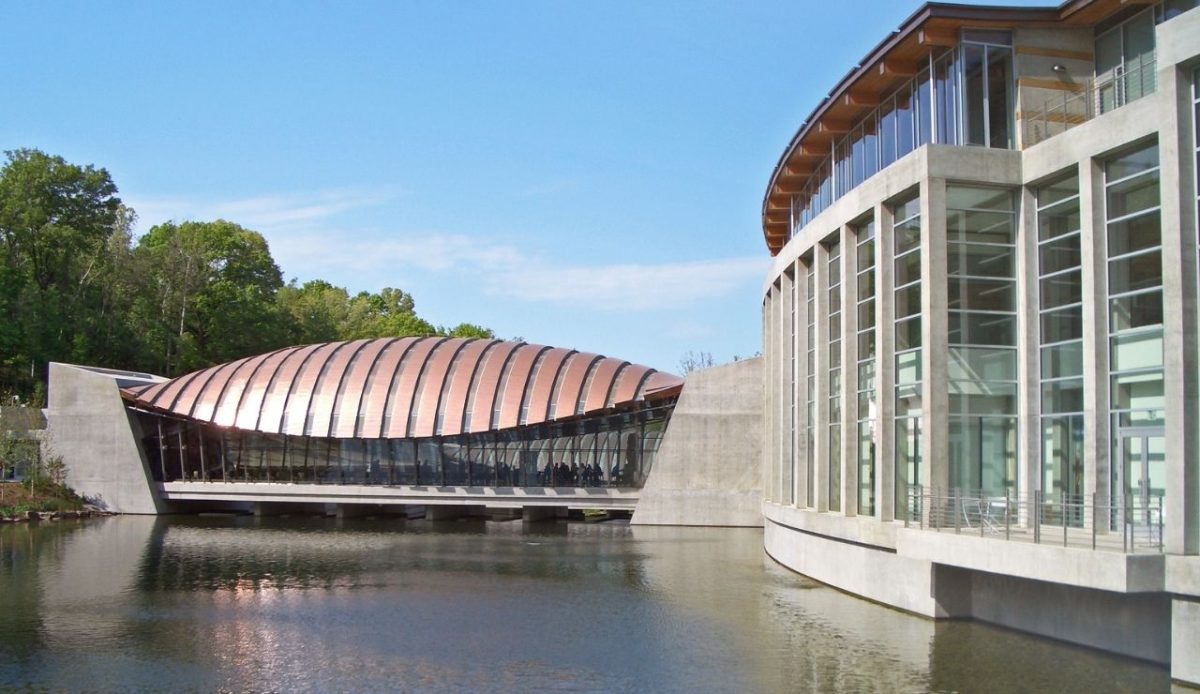
Bentonville has moved beyond being just Walmart’s hometown and turned into a lively center for art and culture. Home prices remain below those in major Texas and Missouri cities, which makes the town an attractive choice for young families and professionals. The Crystal Bridges Museum of American Art draws visitors, while new bike trails and outdoor spaces make daily life active. Tech workers relocating from nearby states are helping drive demand, and long-term rental housing is holding steady. As prices climb, buyers still see room for growth.
2. Eureka Springs, Arkansas
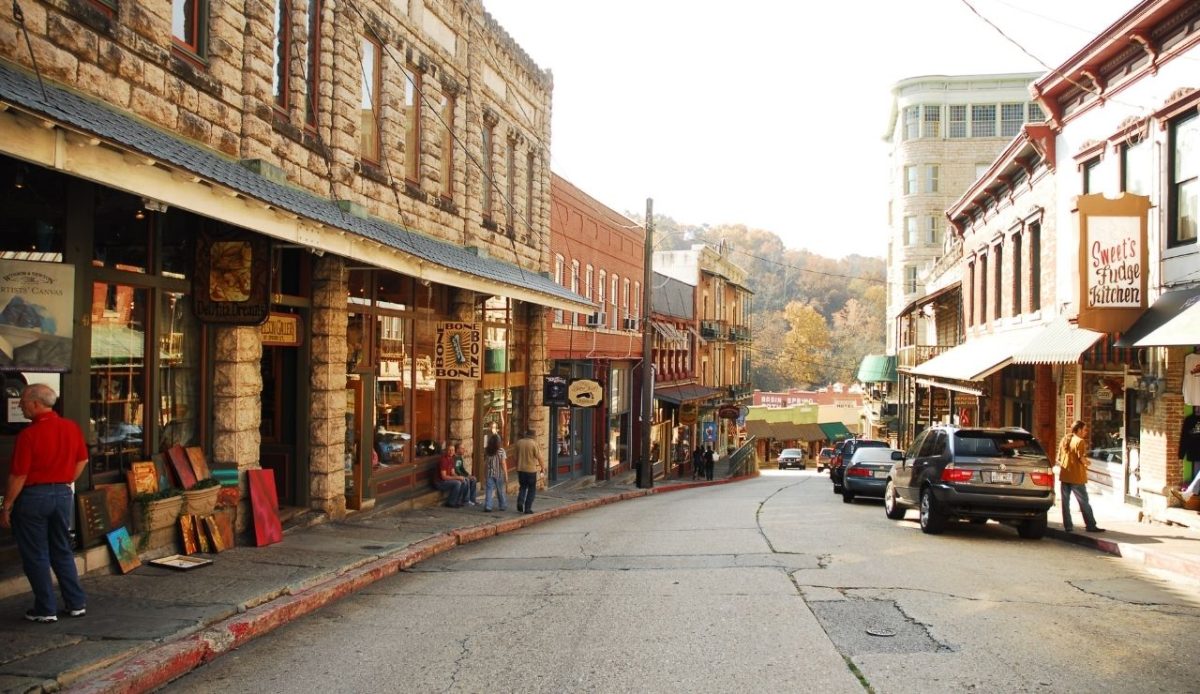
Eureka Springs feels like a step back in time, with Victorian homes stacked along steep hillsides and winding streets. While it has long been known as a tourist town, it is now seeing more second-home buyers and retirees settling permanently. The housing stock is limited, which has created competition for historic homes and cottages. Short-term rentals thrive during festivals and summer weekends, giving investors a reliable stream of bookings. Buyers need to be careful about maintenance costs on older properties, but demand shows no sign of fading.
3. Fredericksburg, Texas
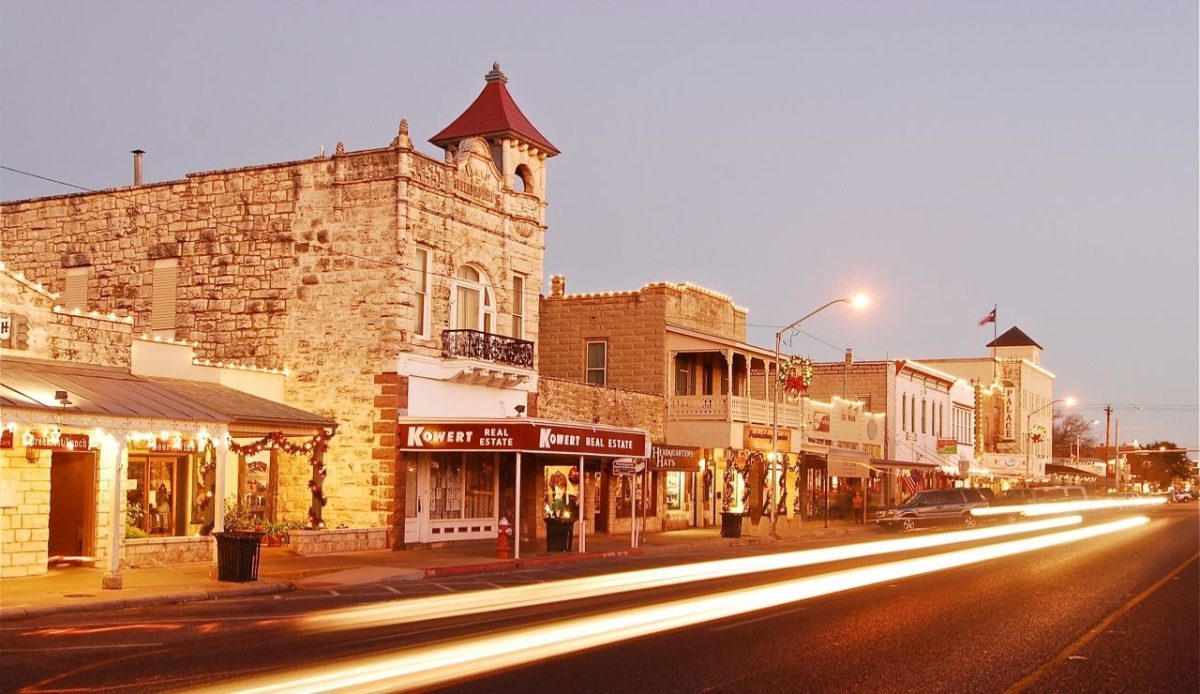
Set in the Hill Country, Fredericksburg combines German heritage with a fast-growing wine industry. The town’s strong dining scene and walkable downtown make it more than a weekend stop. Real estate here has become attractive to retirees and Austin residents who want a quieter pace while staying close to the city. Historic houses near Main Street sell quickly, while land on the outskirts draws buyers who want privacy. Weekend rentals tied to the wine trail remain strong, though investors must watch for stricter rental limits.
4. Dripping Springs, Texas
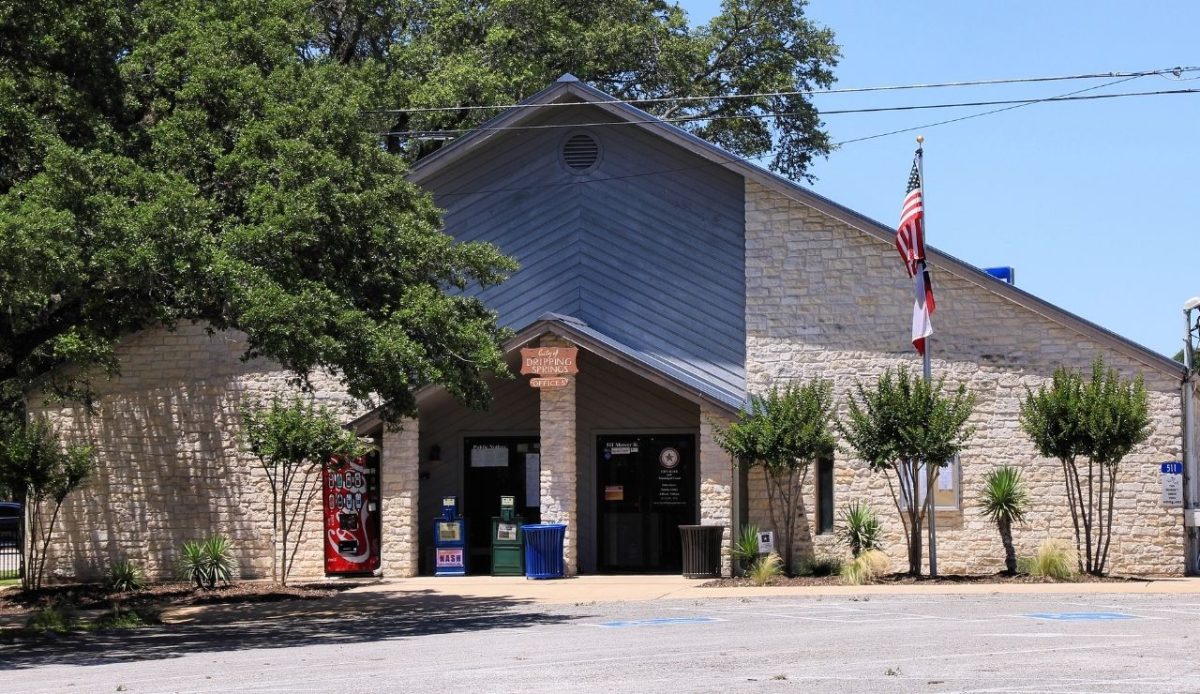
Just west of Austin, Dripping Springs offers a blend of suburban convenience and rural charm. Families are drawn to its respected schools, while remote professionals enjoy the scenic views and easy access to the city. Builders have added new neighborhoods, but demand still runs ahead of supply. Homes on larger lots, often with space for guest houses, give buyers flexibility for future income. Some areas face water and septic limitations, yet steady growth and a balanced pace of development make this a rising star in Texas real estate.
5. Wimberley, Texas
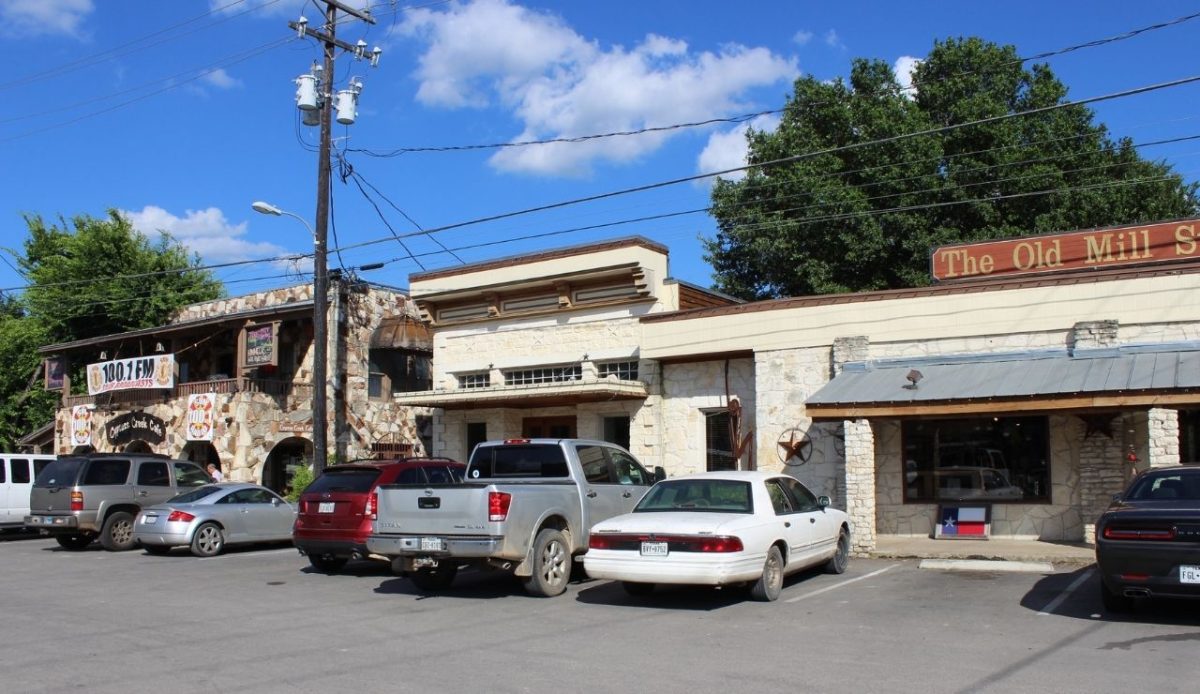
Wimberley has gained attention as a peaceful town set between Austin and San Antonio. Known for its swimming holes, arts scene, and tree-covered hills, it attracts people looking for a slower pace without giving up city access. Buyers hunt for cottages and custom homes with land, but turnover is low, making inventory tight. Seasonal cabin rentals remain popular with visitors, adding to investment potential. Flood zones in certain areas mean buyers must research carefully, yet demand for this lifestyle-focused community keeps pushing prices upward.
6. Marfa, Texas

Marfa has become a magnet for artists and design lovers who want desert views with cultural flair. Once a quiet ranching town, it now mixes art galleries, modern cafes, and open skies that draw weekend travelers from Dallas and Houston. Home supply is very limited, and unique adobe or mid-century houses sell quickly. Remote buyers see potential in restoring older buildings into creative spaces or boutique rentals. While services remain sparse and summers are harsh, the town’s reputation keeps demand strong, making it a niche but steady hotspot.
7. Taos, New Mexico
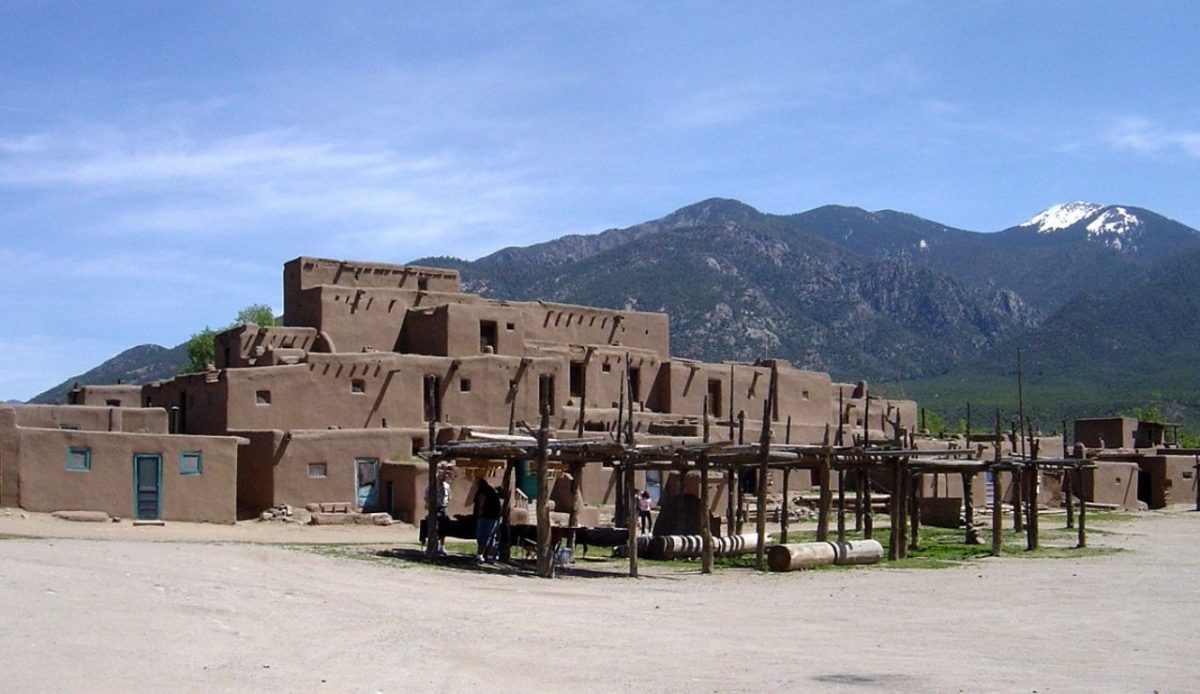
Taos blends Pueblo heritage with mountain recreation, offering both ski slopes and desert trails. Buyers are drawn to adobe houses and rustic cabins that cost far less than similar homes in Colorado. The town’s arts scene and year-round outdoor activities add lifestyle appeal, while investors benefit from steady tourism. Homes near the plaza or ski valley move fast, especially during peak seasons. Fire risk and water rights remain issues to check before closing, yet the consistent pull of art and scenery makes Taos a reliable choice for buyers.
8. Los Alamos, New Mexico
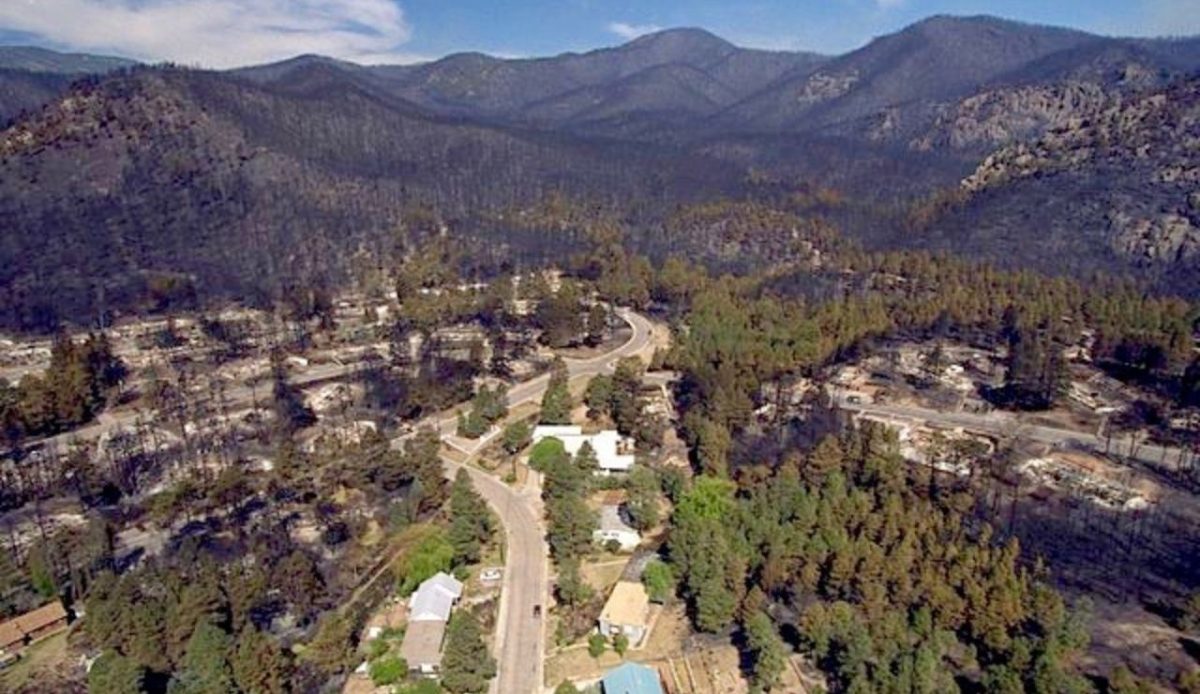
Los Alamos stands apart for its high-paying lab jobs and top-ranked schools, giving it long-term stability in both rentals and sales. Families compete for a small pool of homes, and prices have risen faster than many surrounding markets. The town offers safety, mountain views, and an easy pace that appeals to professionals who want more space. Long-term rentals tied to the lab workforce rarely sit empty, which adds security for investors. Wildfire planning is important here, but the employer base helps keep real estate values strong and steady.
9. Durango, Colorado
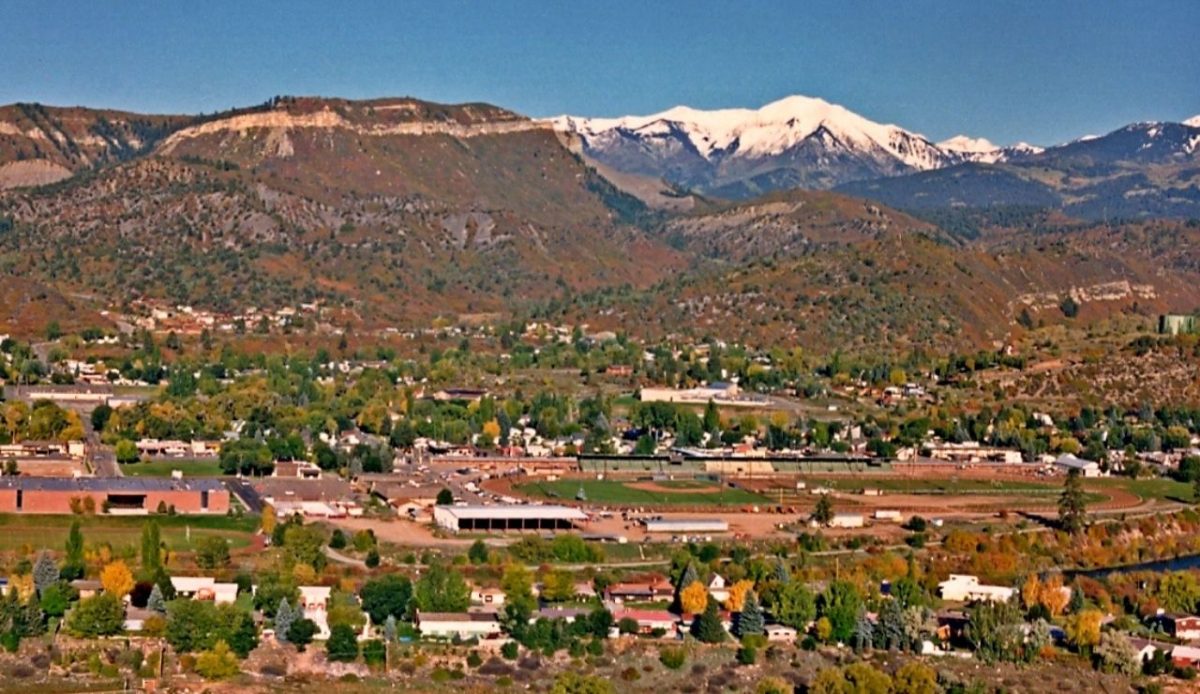
Durango combines a historic downtown, a popular narrow-gauge railway, and a river lifestyle that draws outdoor fans. Housing demand comes from both second-home buyers and remote workers who want year-round recreation without Front Range prices. Homes close to Main Avenue or near the college see strong competition, while land outside town offers building options. Investors focus on short-term rentals tied to ski season and summer rafting. Insurance costs and rental permits can be hurdles, but the mix of tourism, college life, and scenery gives Durango strong momentum.
10. Salida, Colorado
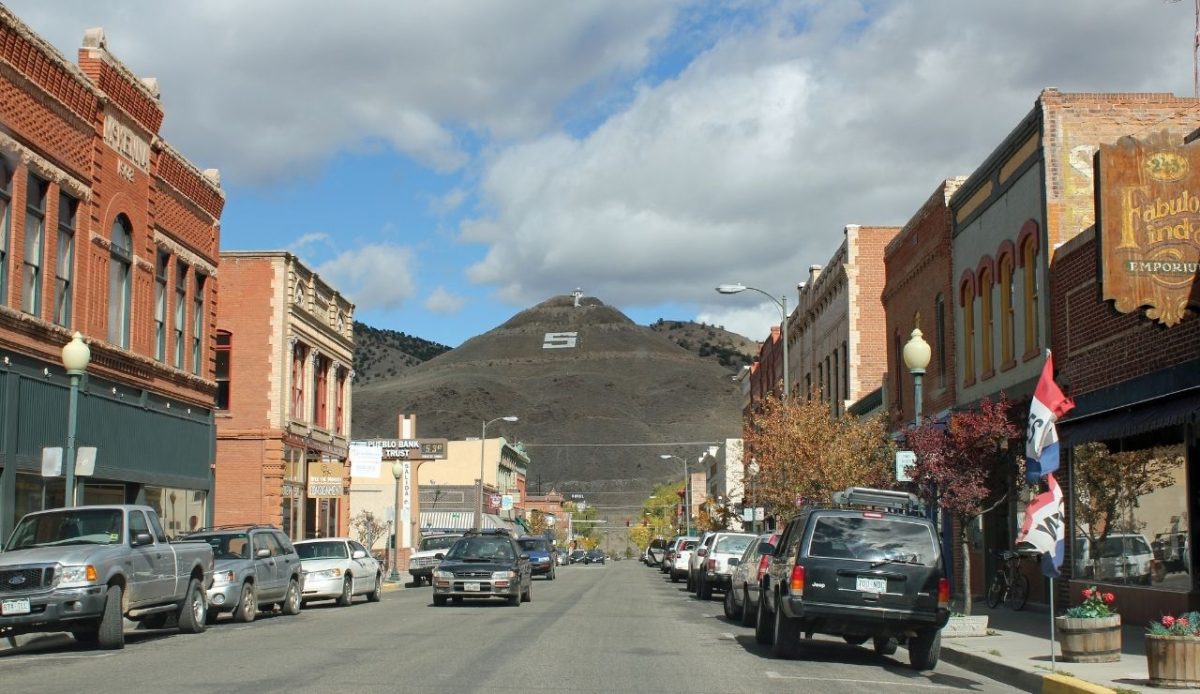
Salida is a growing hub for outdoor recreation, located along the Arkansas River and surrounded by mountains. Buyers like the walkable downtown and the small but lively arts scene. Historic homes command premium prices, while infill construction has added a few modern options. Remote workers and retirees are key drivers, with many drawn by the mix of riverside living and mountain trails. Rental demand comes from both seasonal visitors and locals tied to tourism. Water rights and wildfire zones need care, yet the town’s charm supports lasting value.
11. Whitefish, Montana
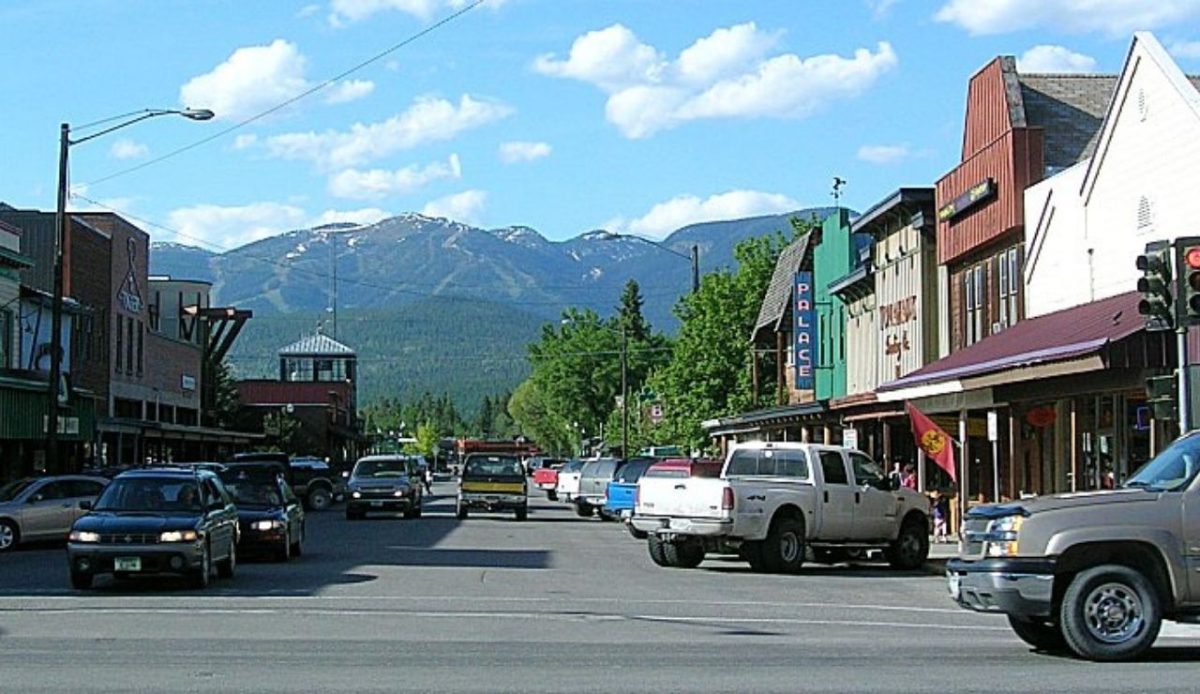
Whitefish has earned national attention as a gateway to Glacier National Park and a base for skiing. Buyers see it as a more affordable alternative to Vail or Aspen, while still offering a high-end mountain lifestyle. Luxury cabins and chalets close to the slopes are in demand, and properties with lake access are rare finds. Short-term rentals stay strong across both summer and winter seasons, though local caps limit availability. Insurance costs on forested lots add to expenses, but the strong brand and dual-season appeal keep prices rising.
12. Livingston, Montana
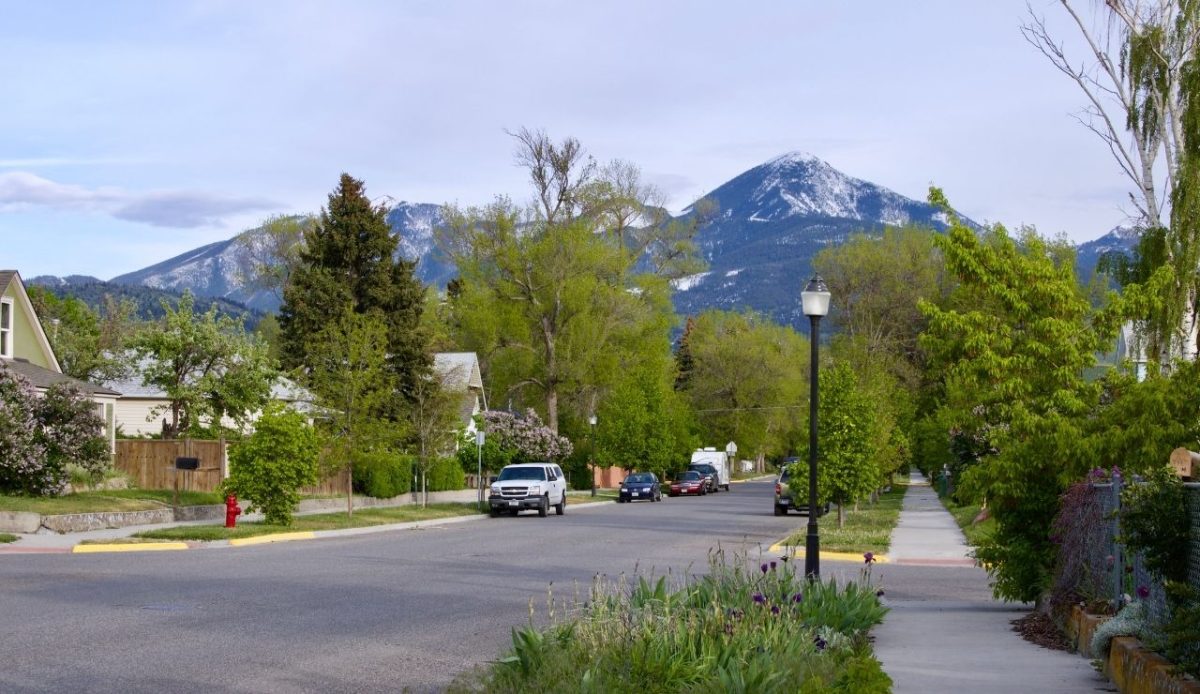
Livingston combines Western charm with access to the Yellowstone River and nearby trails. The town offers more reasonable prices than Bozeman, though it benefits from being within commuting distance. Buyers seek historic homes, bungalows, and newer houses on the edges of town. Anglers and creatives help fuel demand, while service workers rely on affordable rentals. Harsh winters and wind exposure challenge residents, yet many accept this for the beauty and sense of place. With Bozeman’s market still hot, Livingston is capturing spillover demand and showing steady growth in housing.
13. Sandpoint, Idaho
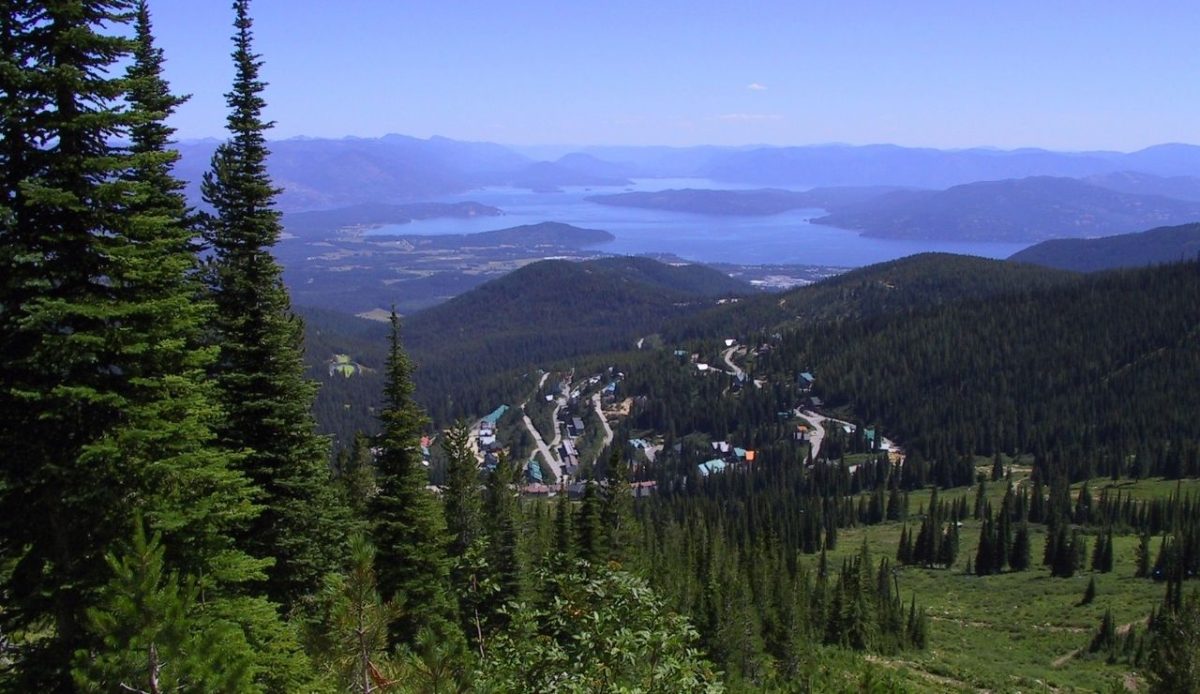
Sandpoint is a lakefront gem set beside Schweitzer Mountain Resort, offering both summer boating and winter skiing. Buyers prize waterfront properties on Lake Pend Oreille, which rarely come to market. The town has attracted remote workers looking for scenery without the price tags of major ski hubs. Rental demand is supported by both summer visitors and ski tourists, giving investors strong dual-season potential. Risks include wildfire insurance costs and heavy snow loads, but with limited waterfront supply, the long-term outlook for values remains very strong in Sandpoint.
