
Colombia is climbing fast on U.S. travel shortlists because the trip has become simpler, safer to plan, and more rewarding once you arrive. More nonstop flights now link American hubs to multiple Colombian cities, and entry rules remain straightforward for short visits. Verified visitor figures show Americans arriving in record numbers, while standout heritage districts, coffee country, and wildlife seasons add clear reasons to go. These factors create repeatable itineraries that fit long weekends or full vacations without feeling overbuilt. Costs for meals and local transit stay reasonable, helping families and solo travelers stretch plans.
1. Expanding Nonstop Flight Access From the U.S.
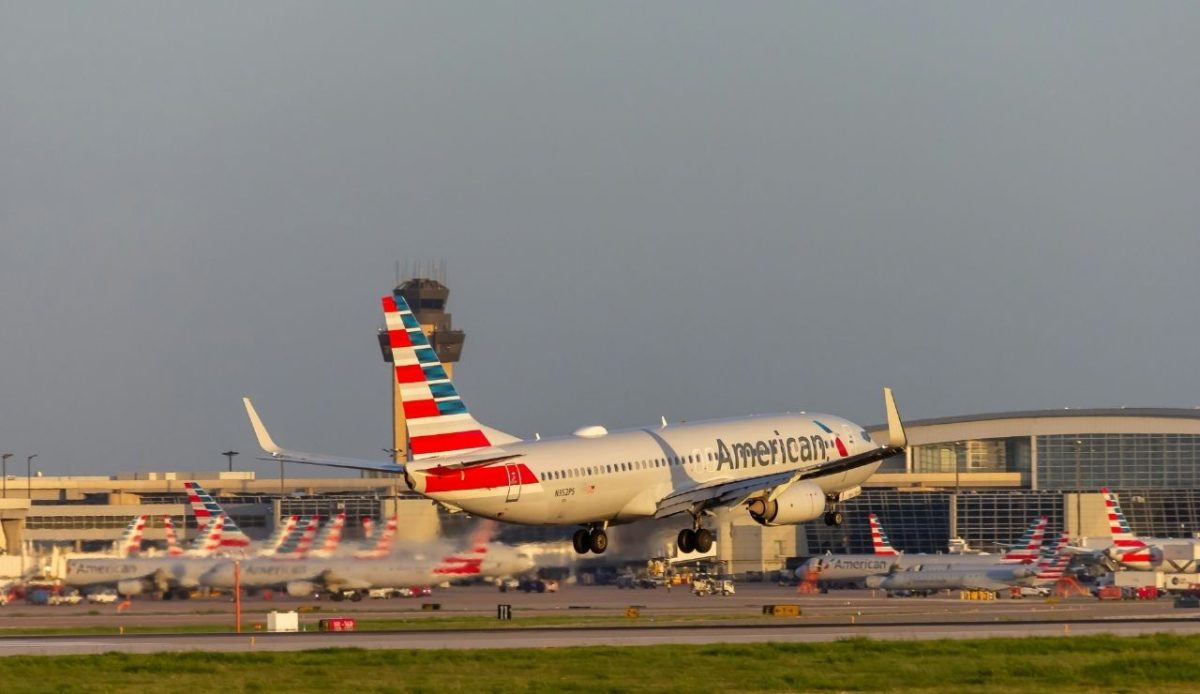
Nonstop air service from the United States has broadened beyond a single gateway, so travelers can choose routes that match their home airport. Direct flights now reach Bogotá, Medellín, Cartagena, and other points, trimming connection time and reducing missed flight risk. When fewer legs are involved, short trips become realistic, and packing becomes simpler. This access shift has been noticed by tour operators and independent travelers alike, since schedules support weekend breaks as well as longer loops. More seats also tend to create fare sales during off-peak weeks, which encourages first-timers to test the destination.
2. Medellín’s Direct Links to Major U.S. Cities
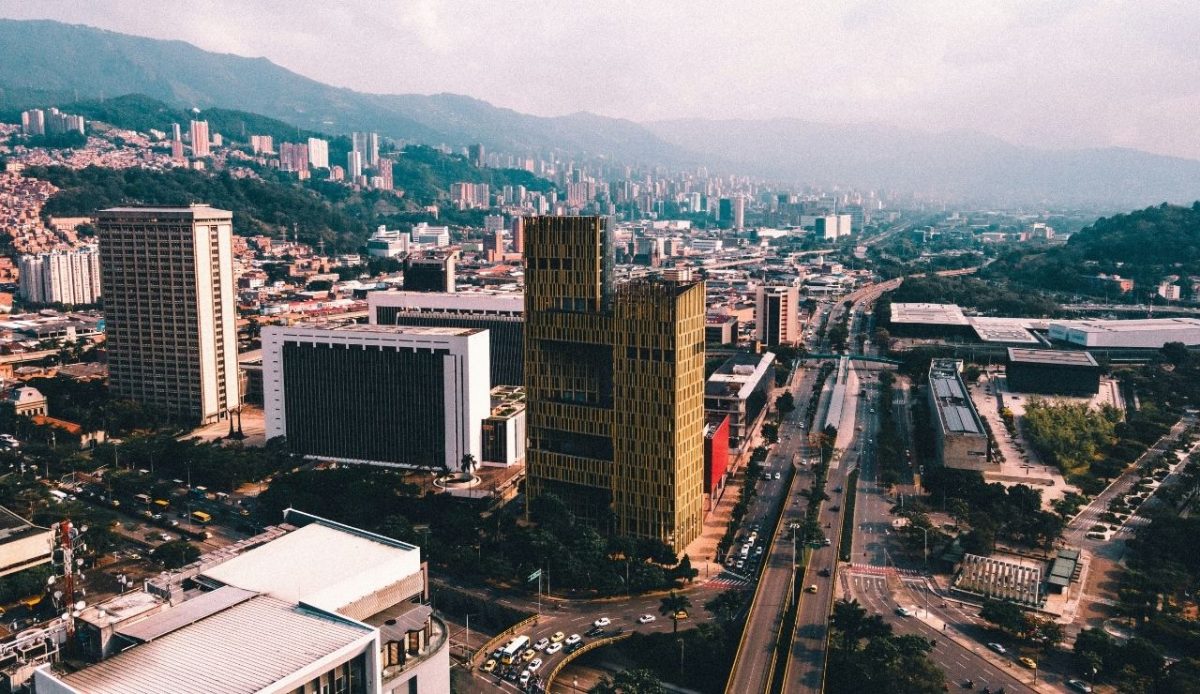
Medellín has become far easier for Americans because new direct routes remove the need to connect through Bogotá. Arrivals can land earlier in the day, making check-in, dinner plans, and neighborhood exploring feel unrushed. Return flights also avoid overnight layovers, which matters for people using limited PTO. With easier access, the city is being revisited for concerts, sports, and food trips, not just a one-time stop. That repeated behavior is a strong sign of a favorite in the making. Mild weather and walkable areas like Laureles and parts of El Poblado help visitors build itineraries without constant driving.
3. Florida Routes Driving Weekend Travel
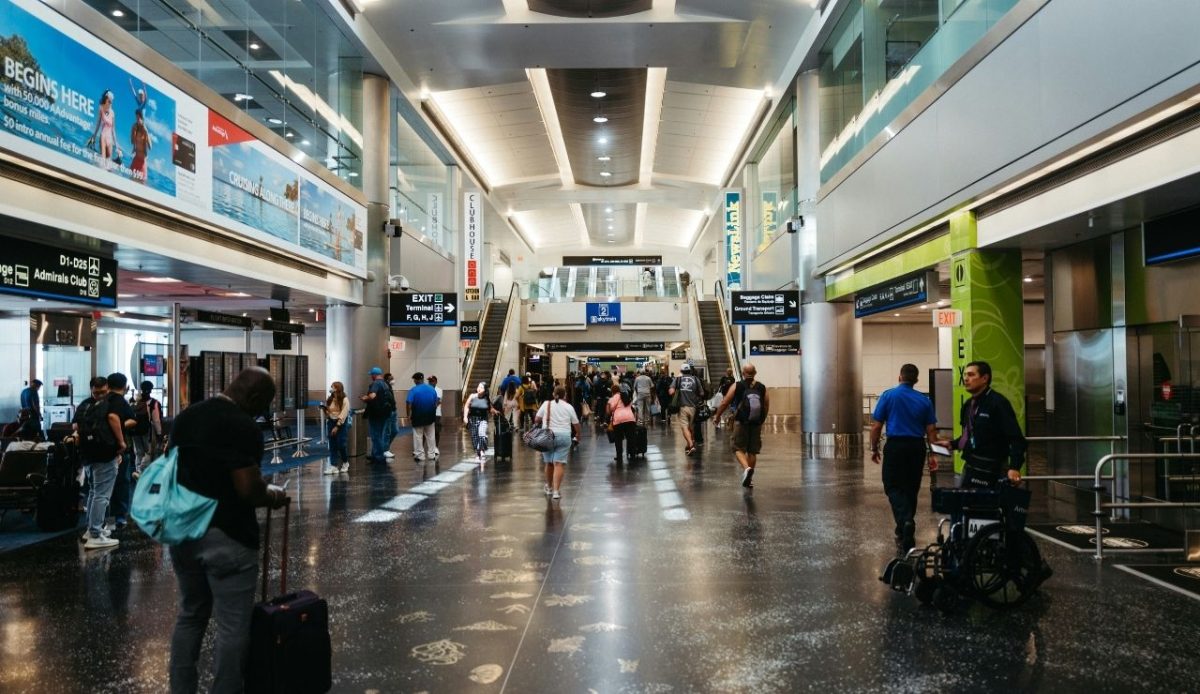
Florida has turned into a key launching point for Colombia, especially for travelers who want a quick international reset. Short flight times from South Florida reduce the mental barrier that often comes with South America. Added schedules from airports near large Colombian American communities, which also support visits tied to family events. For leisure travelers, the same routes make three or four-night escapes to Cartagena or Medellín feel workable. When a destination fits the weekend rhythm, it tends to get booked again. Jet lag is limited because time zones stay close to Eastern Time, so the first day is not lost to recovery.
4. Visa-Free Entry for U.S. Passport Holders
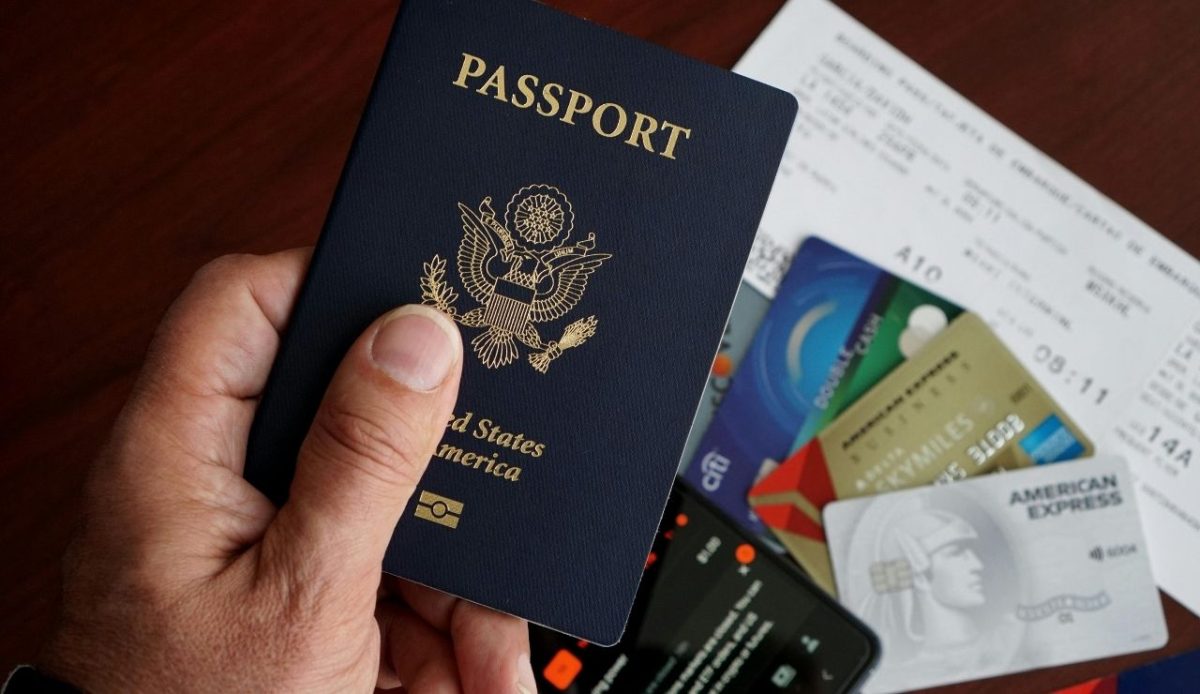
Entry is straightforward for U.S. citizens because tourist travel does not require a visa application in advance. A passport, an onward plan, and normal screening are usually enough for short visits. That simplicity lowers the chance that a trip will be delayed by paperwork or unclear timelines. It also helps spontaneous planning, since flights can be booked when prices drop without worrying about documents. For travelers who want more time, extensions can be requested under the stay limits set by Colombia. Reduced bureaucracy is valued by remote workers and retirees who prefer flexible dates and do not want consulate appointments.
5. Strong Dollar Purchasing Power

For many Americans, the trip feels affordable once daily spending is compared with other popular international choices. The dollar has tended to go further for mid-range hotels, rides, museum tickets, and casual dining. That gap shows up most in cities, where travelers can stay in central neighborhoods without jumping to luxury pricing. Better value also supports guided day trips that might be skipped elsewhere, such as island boats or coffee farm tours. When good experiences cost less, longer stays become easier to justify. Predictable costs help families set a budget before booking, which reduces surprise charges that can sour a vacation.
6. Verified Growth in U.S. Visitor Numbers

Momentum is backed by hard numbers rather than social chatter. Official visitor reporting shows record nonresident arrivals, and Americans have ranked as the top source market in recent totals. That scale matters because it signals regular demand across seasons, not a brief spike tied to one campaign. High arrival counts also support more flights, tours, and hotels, which reinforces the cycle of access and choice. A destination that keeps drawing repeat guests earns favorite status. Recent tallies have put U.S. arrivals above one million for the year, a level that typically marks a mature travel corridor.
7. Depth of UNESCO-Recognized Sites
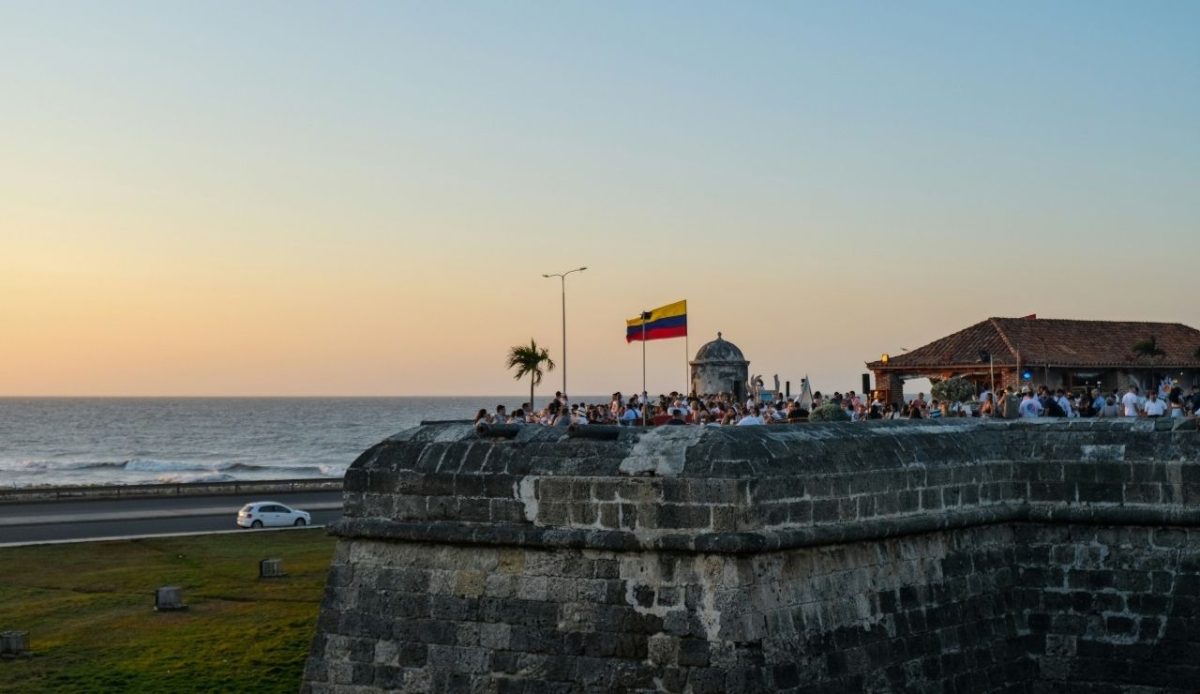
Colombia offers a rare mix of UNESCO-listed places that cover colonial towns, archaeological parks, and protected ecosystems. That variety lets U.S. travelers design a single trip with very different settings without crossing borders. Heritage status also tends to bring clearer signage, restoration work, and trained local guides, which reduces guesswork. Cartagena and Mompox appeal to history lovers, while sites tied to ancient cultures add depth beyond beach time. When planning feels straightforward, travelers are more willing to explore. For families, these sites provide learning moments that do not require a museum-heavy itinerary.
8. Cartagena’s Walkable Historic Core

Cartagena draws Americans who want history and relaxation in a compact setting. The walled center can be covered on foot, so travelers can move between plazas, galleries, and restaurants without arranging transport. Nearby beaches and islands add easy day trips, while sunset hours bring a lively street scene. Because the city is visually striking, it fits well for milestone trips like birthdays or anniversaries. Walkability also helps older travelers and families with kids. Fortifications and museums can be visited with short guided walks, and the heat can be managed by planning indoor stops around midday.
9. Coffee Cultural Landscape Experiences
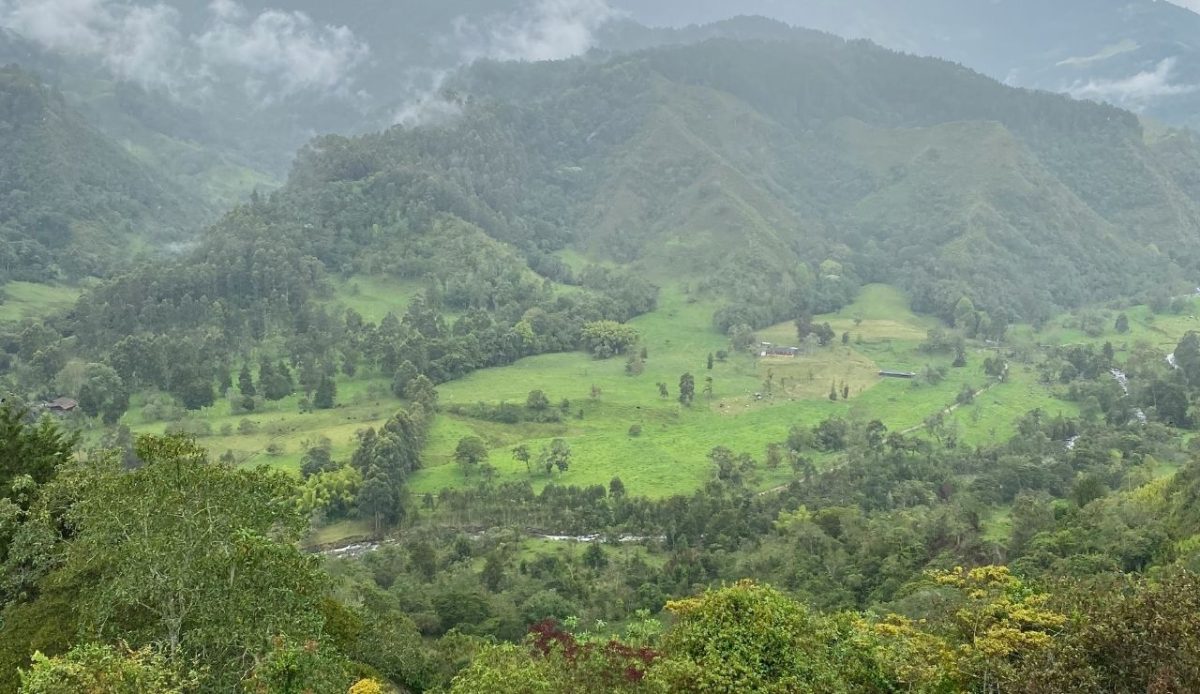
Coffee travel in Colombia feels authentic because farms are part of working communities, not isolated attractions. In the Coffee Cultural Landscape, visitors can see picking, washing, drying, and roasting in one region, then sleep in small towns with mountain views. Many tours include tastings that explain why altitude and processing change flavor. For Americans used to cafe culture, the origin story adds meaning to something familiar. The area also pairs well with nearby cities, keeping a trip balanced. Short drives between stops and mild temperatures make it comfortable for travelers who do not want high-intensity hiking.
10. World Leading Bird Diversity

Birding is a major pull because Colombia has the highest number of bird species recorded worldwide. Guides and lodges have built specialized routes for hummingbirds, toucans, and Andean species that Americans often dream of seeing. Trips can be planned around seasonal conditions, which improves sighting odds and photography light. Even non-birders benefit, since cloud forests and wetlands visited on these tours are scenic on their own. This niche strength also spreads tourism income into rural areas beyond the big cities. National bird counts have also kept Colombia in the spotlight, giving U.S. travelers a clear reason to time a visit.
11. Pacific Coast Whale Season

A defined whale season on the Pacific coast adds a time-sensitive reason for Americans to book. Humpbacks arrive to breed and nurse in warmer waters, and boat trips are offered from coastal towns during peak months. Because the window lines up with U.S. summer breaks, families can plan around school calendars. The experience feels different from Caribbean snorkeling trips, with rainforest scenery and dark sand beaches nearby. Seasonal anchors like this make a destination easier to choose over competing options. Many operators follow approach distance rules, and guided briefings are given, so first-time whale watchers feel prepared.
12. National Tourism Promotion in the U.S.
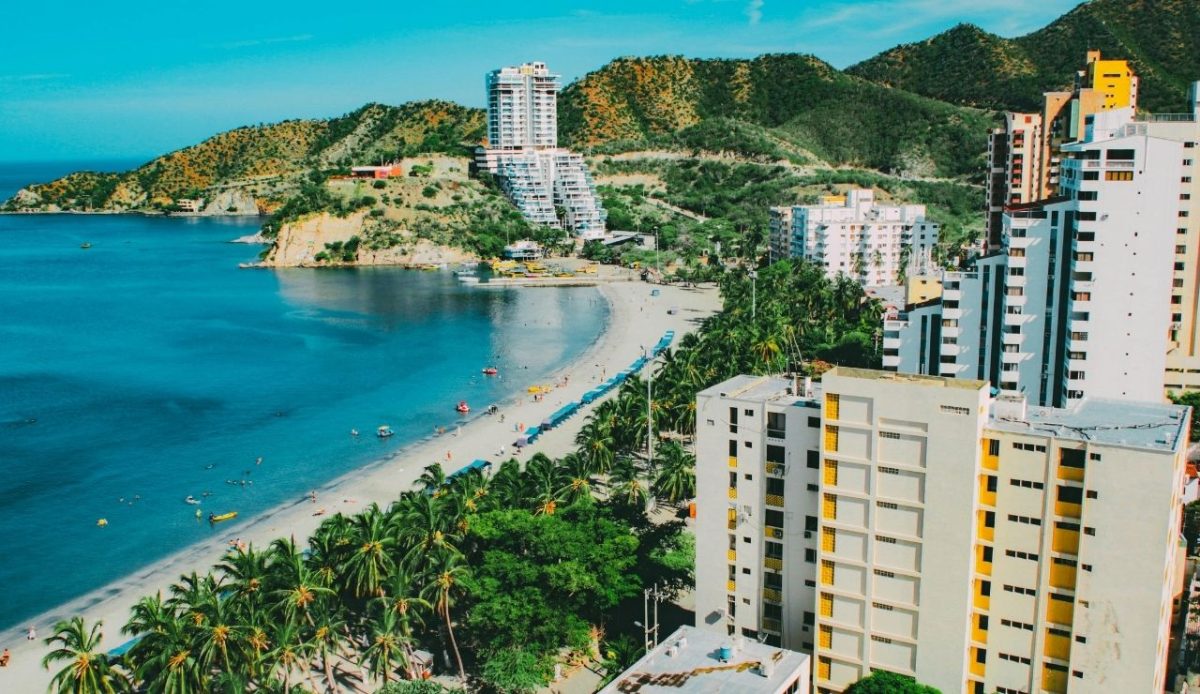
Colombia has marketed itself more directly to U.S. audiences with campaigns that highlight landscapes, culture, and modern cities. This matters because perception lags reality, and many Americans still rely on outdated impressions. Consistent messaging across airlines, tourism offices, and media has made the country feel familiar before arrival. Once a place feels knowable, travelers are more likely to book hotels and tours with confidence. Promotion alone does not create favorites, but it accelerates the shift when access and experiences already deliver. It also encourages language learners who want a practical place to practice Spanish.
13. Rising Global Air Network Visibility

Rising international connectivity has lifted Colombia’s profile in travel media, which influences U.S. planning even indirectly. When major airlines add service, the destination is treated as stable and in demand, and that signal spreads quickly online. More coverage leads to more guide updates, better hotel competition, and clearer information for visitors. Americans benefit from that ecosystem because it reduces research time and uncertainty. A country that appears regularly in route news and travel rankings feels current, not risky or remote. Business trips also increase with connectivity, and leisure days may be added before flying home.
