
For many travelers, Portland promises creative neighborhoods, walkable streets, and a relaxed urban culture. Yet visiting the city can feel unexpectedly challenging, especially for those unfamiliar with its layout and nighttime rhythms. What seems manageable during the day often becomes complicated in the evening hours.
Several visitor frustrations stem from practical realities rather than dramatic events. Transit patterns change, businesses close early, and navigation becomes less intuitive once daylight fades. These issues are rarely highlighted in travel planning.
Understanding these common difficulties helps visitors set realistic expectations. While Portland remains welcoming, nighttime conditions can reshape how smoothly a trip unfolds.
1. Confusing Downtown Street Layouts
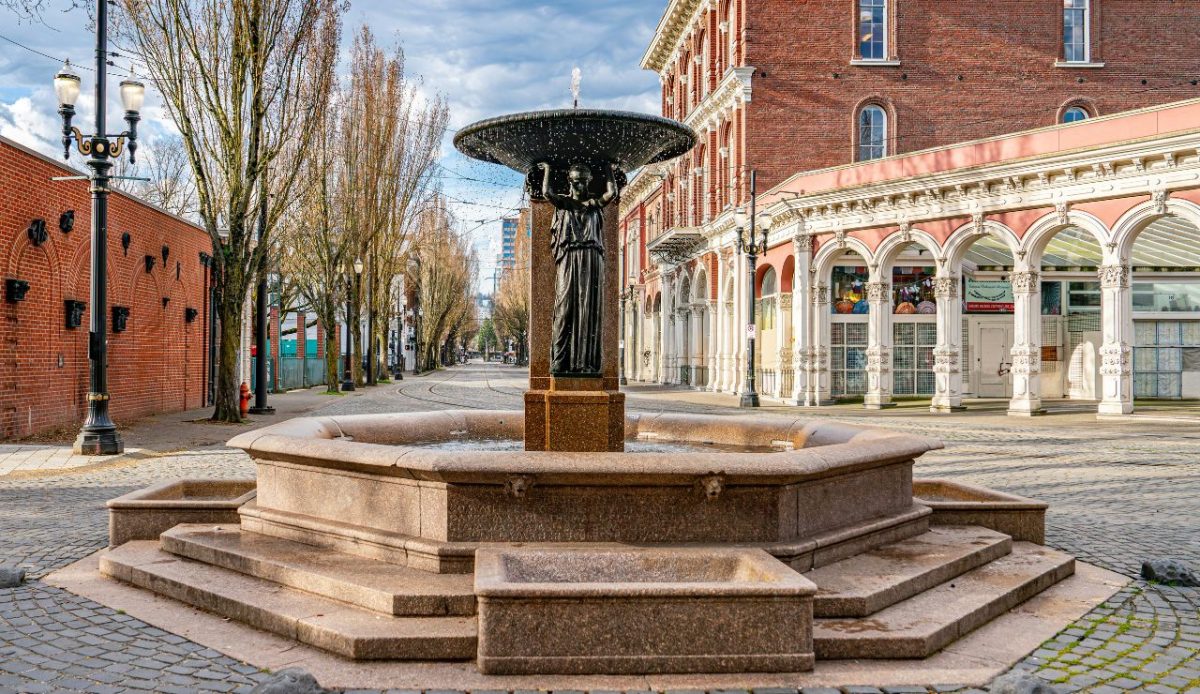
Portland’s downtown street grid appears orderly on maps, but visitors often find it confusing in real conditions. One-way streets, short block lengths, and frequent turns make navigation less intuitive, especially for drivers unfamiliar with the area.
At night, visual reference points become harder to identify. Buildings look similar, street signs are easy to miss, and navigation apps may lag or reroute unexpectedly in dense areas.
For visitors on foot, the problem can be just as frustrating. What seems like a short walk can turn into repeated wrong turns, creating stress rather than convenience.
2. Late-Night Transit Gaps
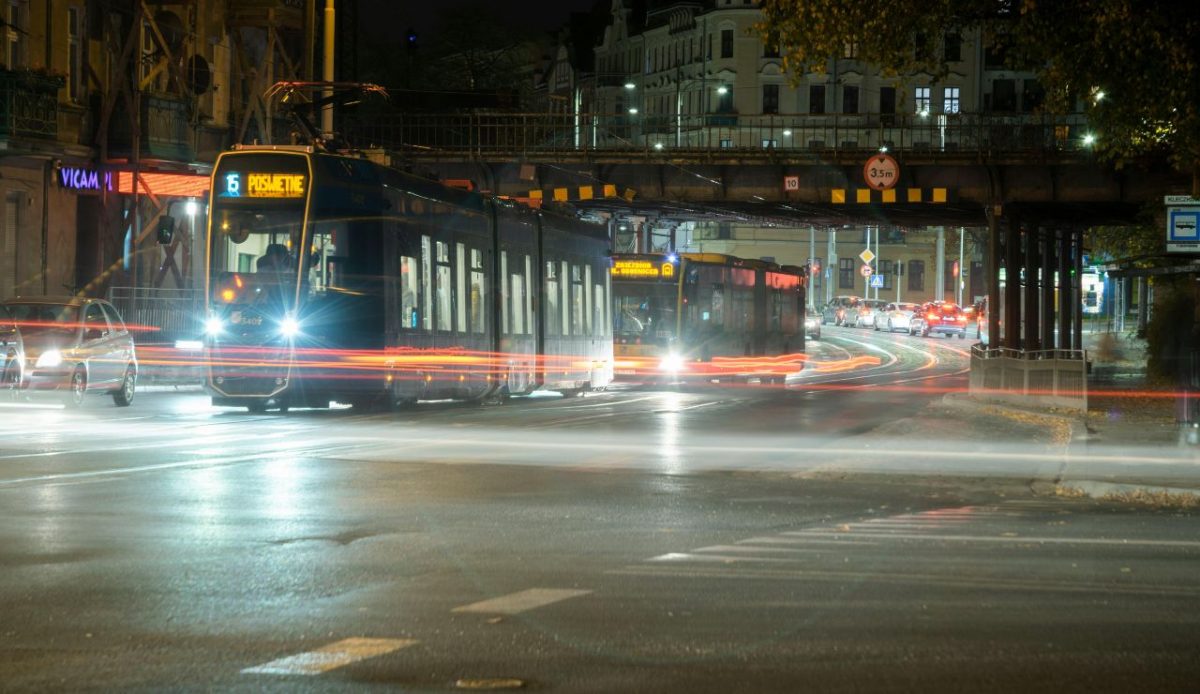
Public transportation in Portland works efficiently during daytime hours, but service becomes more limited late at night. Some routes reduce frequency significantly after evening rush hour, while others stop running altogether earlier than visitors expect.
Tourists relying on buses or light rail may face long waits, missed connections, or unexpected route changes. This often affects plans for dining, concerts, or returning to hotels after events.
Without advance planning, these gaps can force visitors to rely on ride-shares or walk longer distances. For those unfamiliar with the city, limited late-night transit can add stress and uncertainty to evening travel.
3. Limited Parking in Central Districts
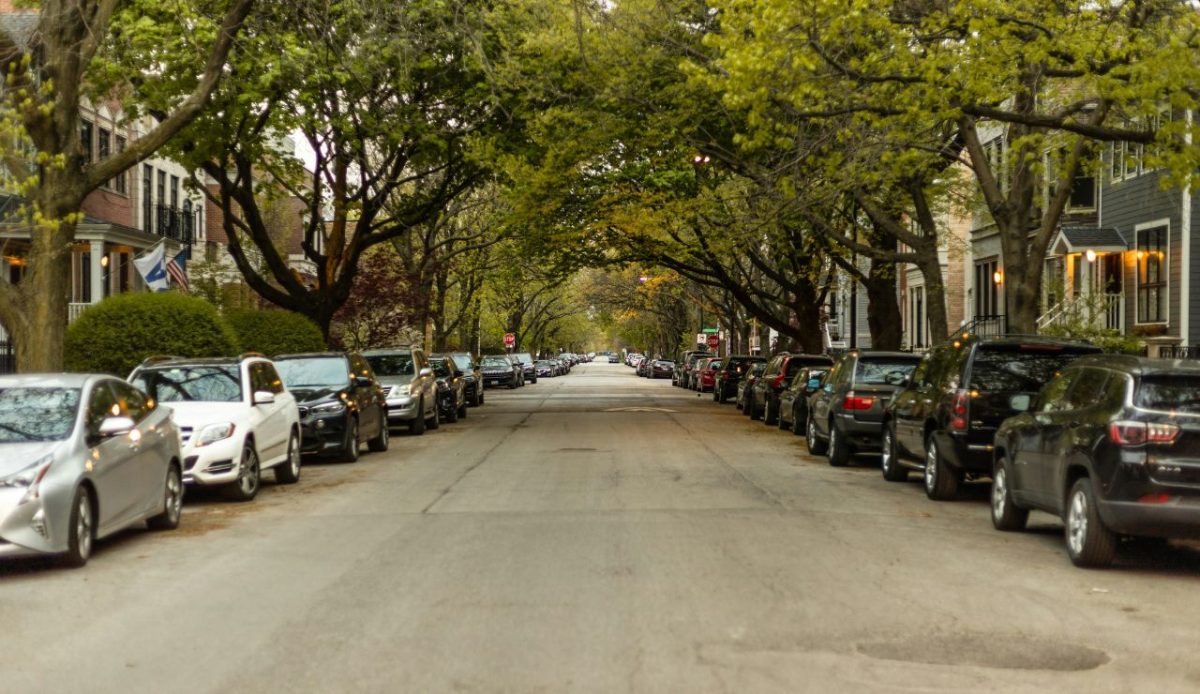
Parking becomes increasingly difficult in Portland’s central districts once evening activity increases. Popular neighborhoods attract diners, concertgoers, and nightlife crowds, quickly filling both street parking and paid garages. Visitors unfamiliar with local demand often underestimate how quickly spaces disappear.
Drivers may circle multiple blocks without success, especially near downtown, the Pearl District, or entertainment corridors. Time-limited zones and permit-only streets further reduce available options for short-term visitors.
As frustration builds, parking challenges can delay reservations or events. For travelers on tight schedules, finding a legal space after dark can become one of the most stressful parts of the visit.
4. Unexpected Business Closures
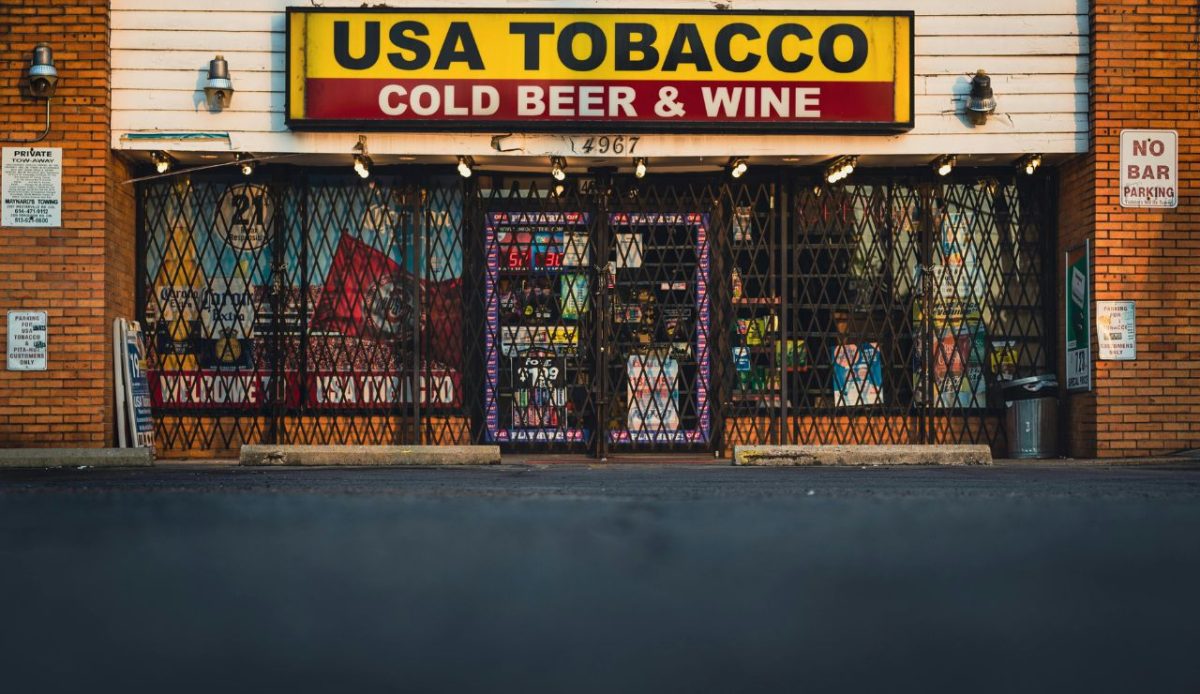
Many visitors are surprised by how early businesses close in Portland, particularly outside weekends. Shops, cafés, and neighborhood restaurants often shut their doors by early evening, even in areas that appear busy during the day.
Travelers arriving after sightseeing or events may find planned stops unavailable. This is especially noticeable for retail shopping, dessert spots, and casual dining that visitors assume will stay open later.
The mismatch between expectations and reality can disrupt evening plans. Without advance research, visitors may spend time searching for options that have already closed.
5. Weather Shifts After Dark
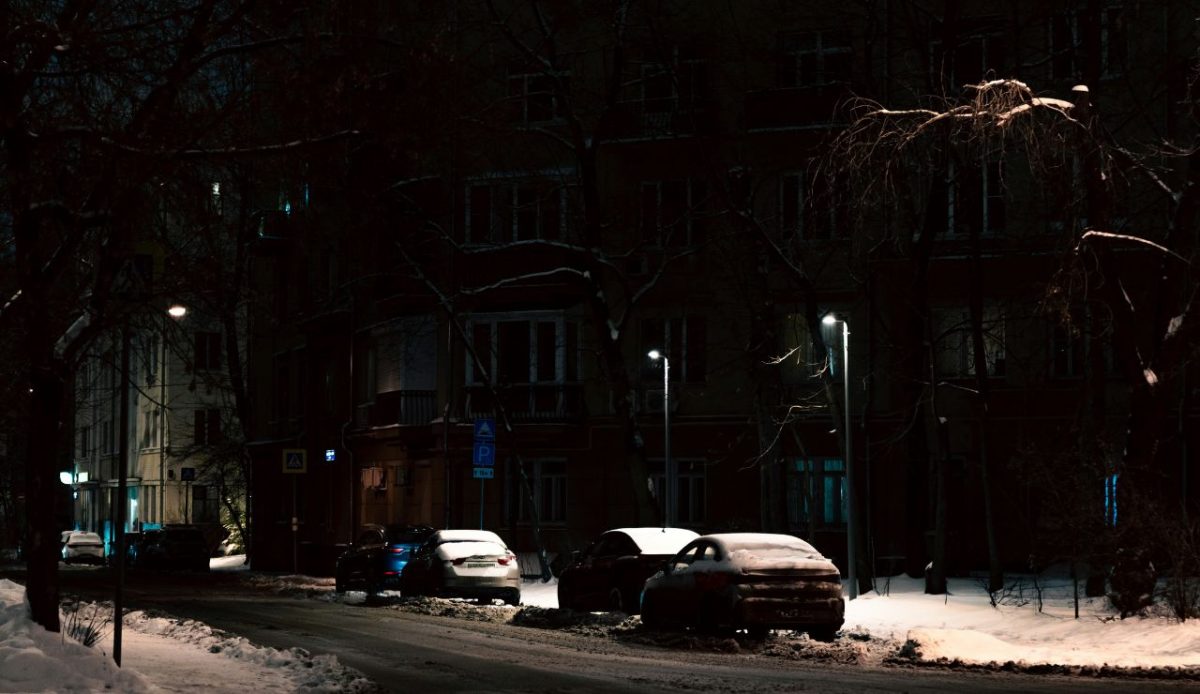
Weather conditions in Portland often change noticeably once daylight fades, catching many visitors unprepared. Even after a mild afternoon, temperatures can drop quickly, and light rain or mist may appear without warning during evening hours.
Visitors dressed for daytime sightseeing may feel uncomfortable as conditions cool and dampen. Walking between neighborhoods, waiting for transit, or spending time outdoors becomes less appealing when weather shifts unexpectedly.
While locals anticipate these changes, travelers frequently underestimate their impact. Evening plans that seemed simple during the day can feel more tiring or inconvenient once nighttime weather sets in.
6. Sparse Lighting in Certain Neighborhoods
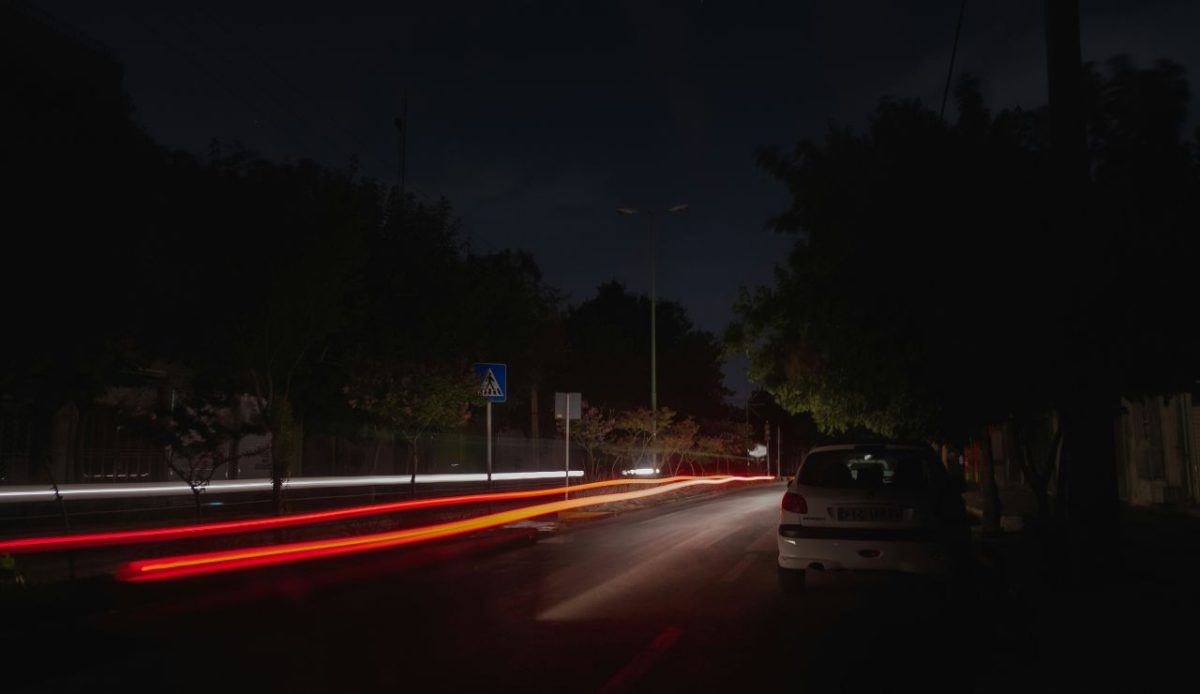
Some Portland neighborhoods have noticeably limited street lighting, which becomes more apparent after dark. Residential blocks and quieter commercial streets may feel dim, especially to visitors unfamiliar with the area or local patterns.
Low lighting affects more than the atmosphere. Street signs, building numbers, and sidewalk edges can be difficult to see, increasing the likelihood of navigation mistakes or missed turns for pedestrians and drivers alike.
While these neighborhoods are often calm and residential, reduced visibility can affect visitor comfort. Many travelers choose to shorten evening walks or rely on transportation rather than exploring on foot.
7. Noise Complaints in Mixed-Use Areas
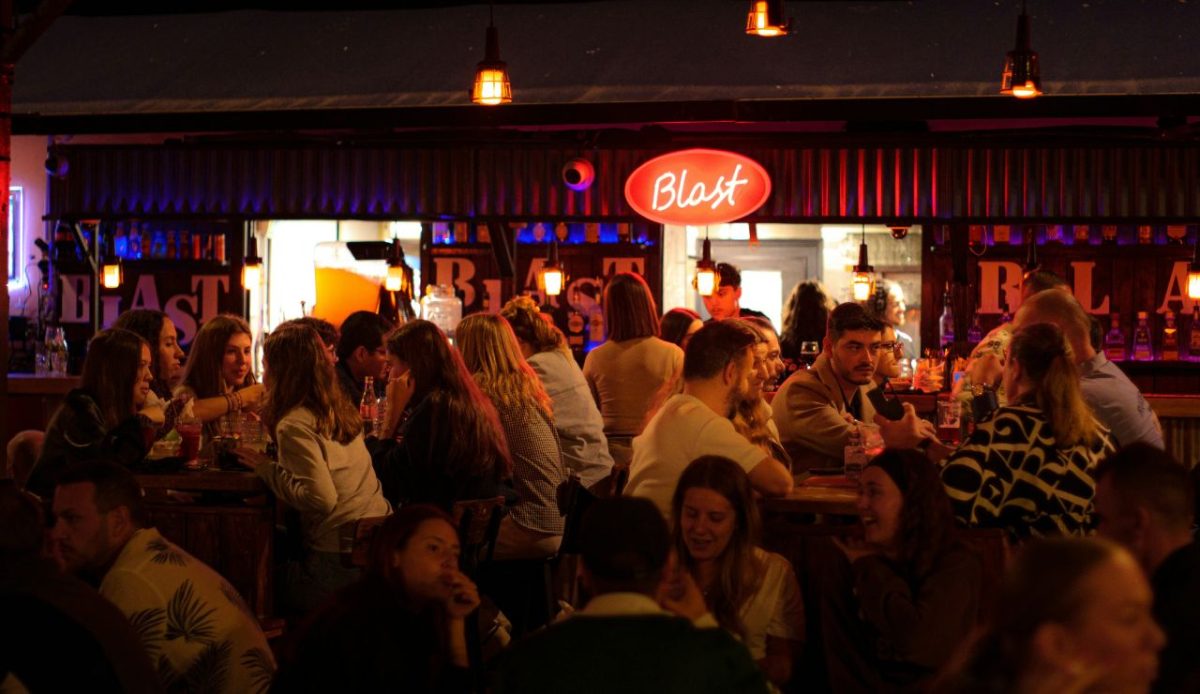
Portland’s mixed-use neighborhoods blend residential housing with bars, cafés, and music venues. While this creates lively districts during early evening hours, it also brings strict enforcement of local noise regulations later at night.
Visitors staying near entertainment areas may notice activity winding down abruptly. Outdoor seating closes, music volume drops, and venues shift indoors sooner than expected to comply with local rules.
For travelers expecting an active nightlife atmosphere, this sudden quiet can feel disappointing. The transition from busy to subdued streets happens quickly, reshaping nighttime expectations.
8. Navigation Issues Along the Riverfront
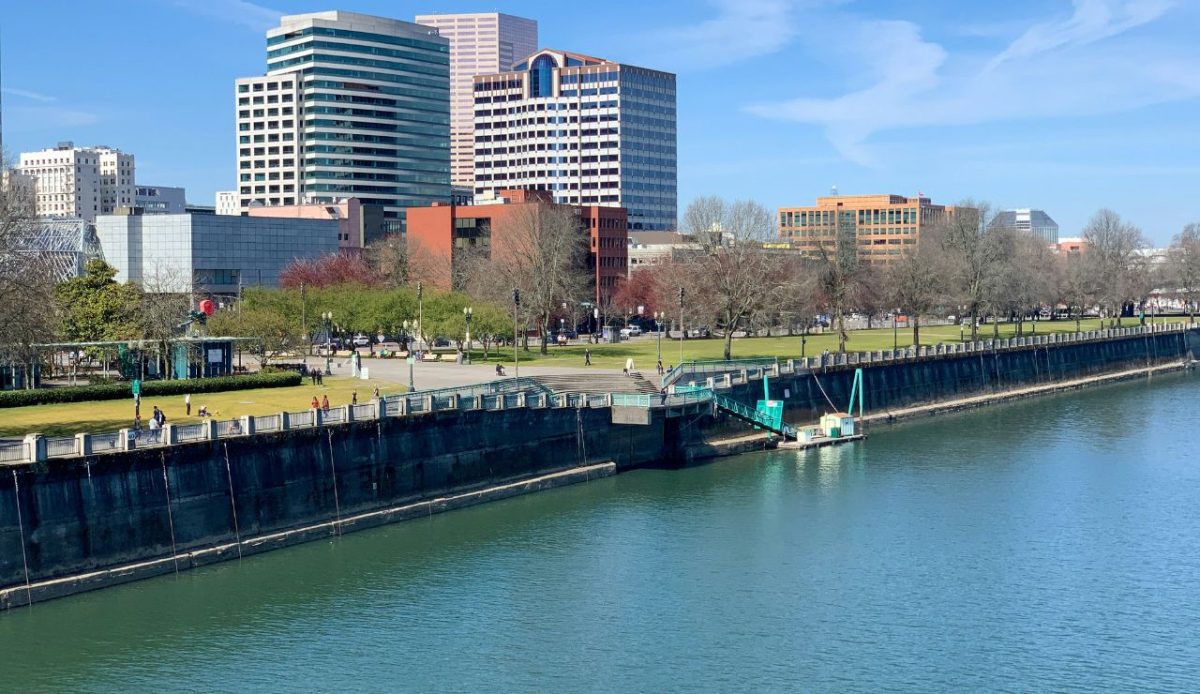
Portland’s riverfront is one of the city’s most visually appealing areas, but navigation becomes more complicated after dark. Pathways intersect with roads, bridges, parks, and transit lines in ways that are not always clearly marked for visitors.
Lighting varies by section, leaving some stretches dim and harder to follow. Signage can be inconsistent, and scenic detours often branch off without clear direction indicators, causing confusion for those unfamiliar with the area.
Visitors exploring on foot may overshoot destinations or double back unexpectedly. What feels intuitive during the day can become disorienting at night, especially for travelers relying on limited visual cues.
9. Event Crowds Disrupting Access
Evening events regularly reshape movement across Portland. Concerts, sports games, and festivals concentrate large crowds into specific neighborhoods, changing traffic patterns and pedestrian flow.
Road closures, rerouted buses, and packed sidewalks become common near venues. Visitors may encounter blocked routes or delayed transit without prior warning, complicating carefully planned schedules.
Without advance awareness of local events, travelers can arrive late to reservations or miss activities entirely. Crowding often extends beyond venues, affecting surrounding districts well into the evening.
10. Safety Perceptions at Night
Perceptions of safety in Portland vary widely depending on neighborhood and time of night. Some areas remain active and well-lit, while others quiet down quickly, creating a different atmosphere after dark. Visitors unfamiliar with these shifts may feel uncertain.
Sparse foot traffic, limited lighting, and closed storefronts can make certain streets feel less comfortable, even without actual incidents. Travelers often rely on perception rather than local knowledge when choosing routes.
These concerns influence behavior. Visitors may shorten evening plans, avoid walking, or depend more heavily on transportation, shaping how freely they experience the city at night.
11. Early Closing Hours for Dining
Portland’s dining scene is diverse and creative, but many restaurants close earlier than visitors expect, especially on weekdays. Kitchens may stop taking orders by mid-evening, even in busy neighborhoods that still appear active.
Travelers arriving late often discover reduced menus or closed doors, forcing quick changes to dinner plans. This can be frustrating after long sightseeing days or evening events that run later than anticipated.
While locals plan around these schedules, visitors may feel limited by fewer late-night options. The early shutdown reshapes nighttime experiences and narrows spontaneous dining choices.
12. Ride-Share Delays During Peak Times

Ride-share services are widely used by visitors, but delays become common during peak evening hours. Demand increases sharply after concerts, sporting events, and popular dining times, stretching driver availability across the city.
Visitors may experience longer-than-expected wait times, frequent cancellations, or sudden price increases. Short trips can become costly, and estimated arrival times often change multiple times before pickup.
For travelers relying entirely on ride-shares, these delays can disrupt evening plans. Missed reservations or late returns to accommodations become more likely when demand overwhelms availability.
13. Wayfinding Challenges Outside the Core
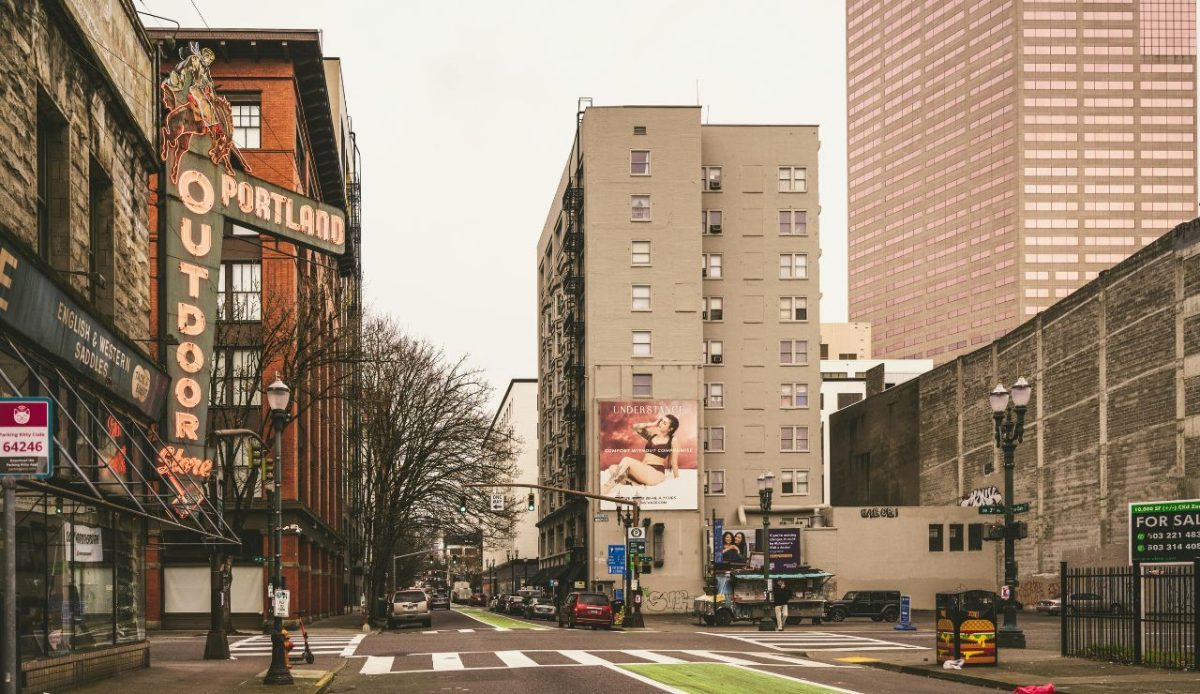
Outside Portland’s central districts, navigation becomes less intuitive for visitors. Residential neighborhoods feature irregular street patterns, limited signage, and fewer recognizable landmarks to guide movement after dark.
Navigation apps sometimes reroute travelers through quiet side streets that feel unfamiliar or poorly lit. This can increase uncertainty, especially for those walking or driving without local knowledge.
As a result, visitors may hesitate to explore beyond well-known areas. The effort required to orient oneself can reduce spontaneity and make nighttime exploration feel more complicated than expected.
