
Nashville’s live music scene still draws huge crowds in 2026, but getting inside many venues now takes more planning than visitors expect. Across the city, music halls, clubs, and amphitheaters are enforcing tighter rules on bag size, mobile tickets, photo ID, age limits, and security checks at the door.
That matters because one venue may allow a small purse, while another expects digital entry or stricter screening. A guest who gets in easily at one stop can be delayed at the next for bringing the wrong bag or missing a rule.
These 13 venues show how entry policies now shape the night before the first song starts. For travelers, the smartest move is simple: arrive early, carry less, and assume every venue has its own playbook.
1. Ryman Auditorium
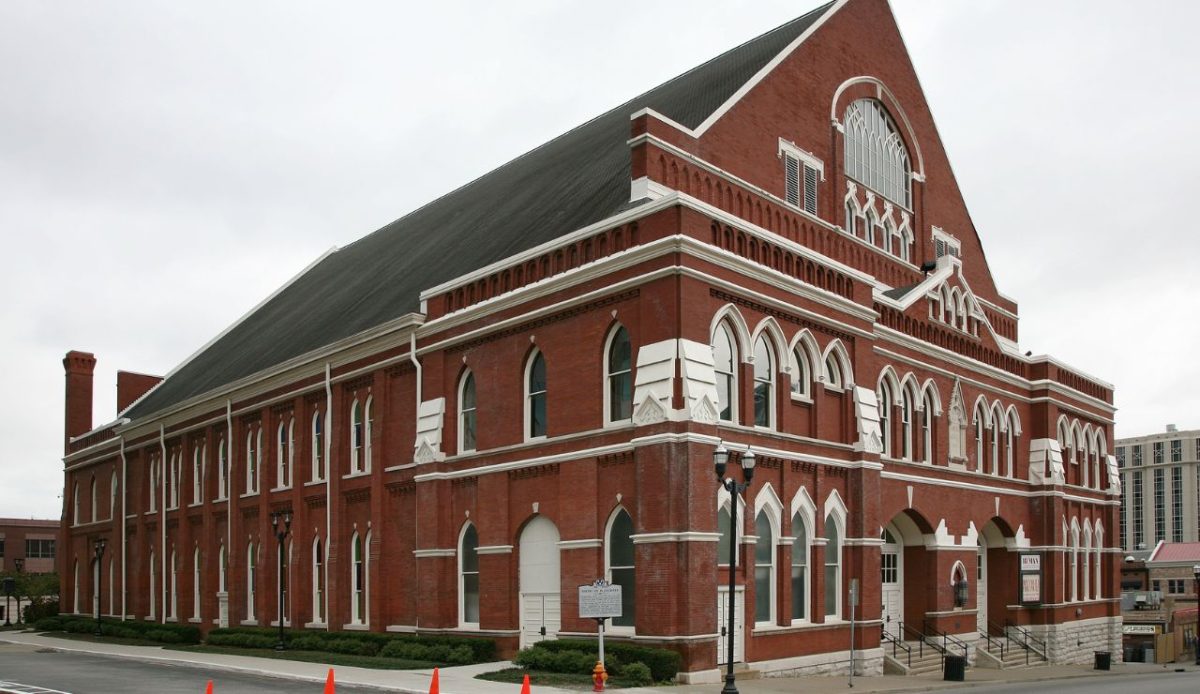
Ryman Auditorium expects guests to plan for both digital entry and screening at the door. The venue says oversized bags and weapons are prohibited, and guests are subject to security screening before entry. It also points ticket holders toward AXS Mobile ID, making phone-based admission a standard part of arrival for many shows.
That can catch travelers off guard, especially those who rely on screenshots, printed confirmations, or last-minute transfers. The venue has options for some guests without smartphones, but digital access still leads the process for many events.
In 2026, the practical move is to download tickets before leaving, charge your phone, and avoid bulky bags. At the Ryman, old-school walk-up habits can slow entry fast.
2. Grand Ole Opry House
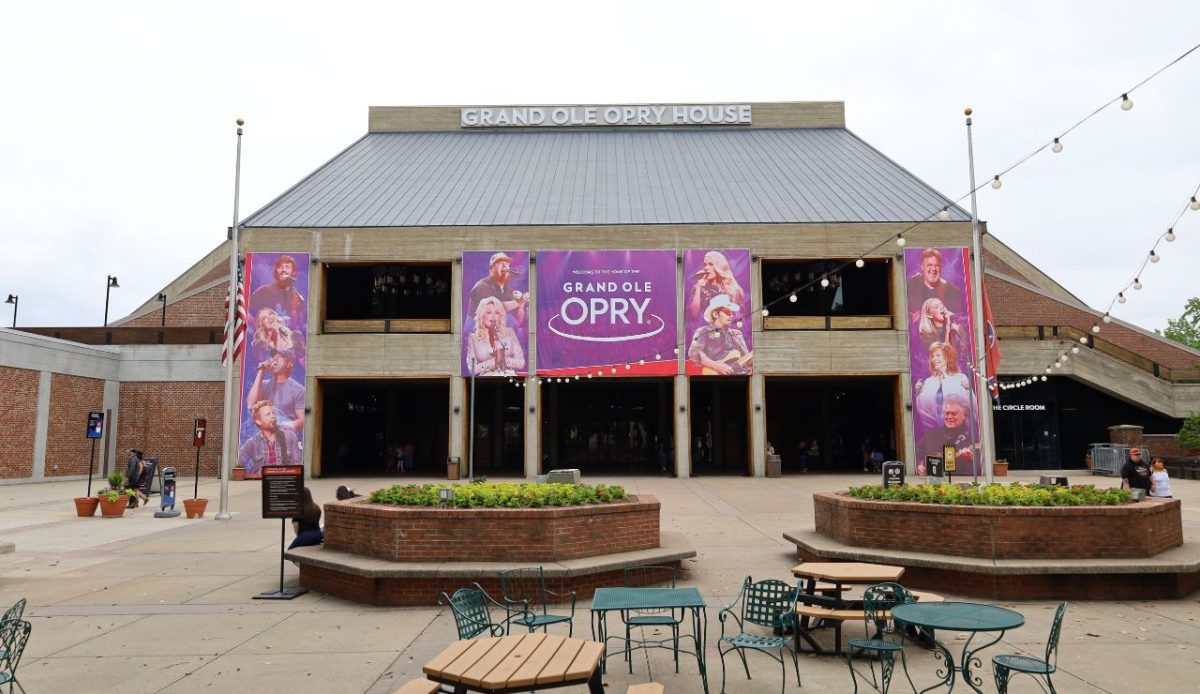
The Grand Ole Opry House has made enhanced screening part of the standard arrival process. Its safety guidance says guests should expect metal detectors and other enhanced entry screenings, with prohibited items and bag rules enforced for shows, tours, and special events.
That means the Opry experience now starts with a security procedure rather than a casual stroll indoors. Guests are also expected to follow staff instructions around restricted areas, prohibited items, and general venue conduct.
For 2026 visitors, the biggest adjustment is timing. This remains one of Nashville’s busiest music stops, and screening can slow the line. Showing up early and carrying only the essentials makes a real difference here.
3. Bridgestone Arena
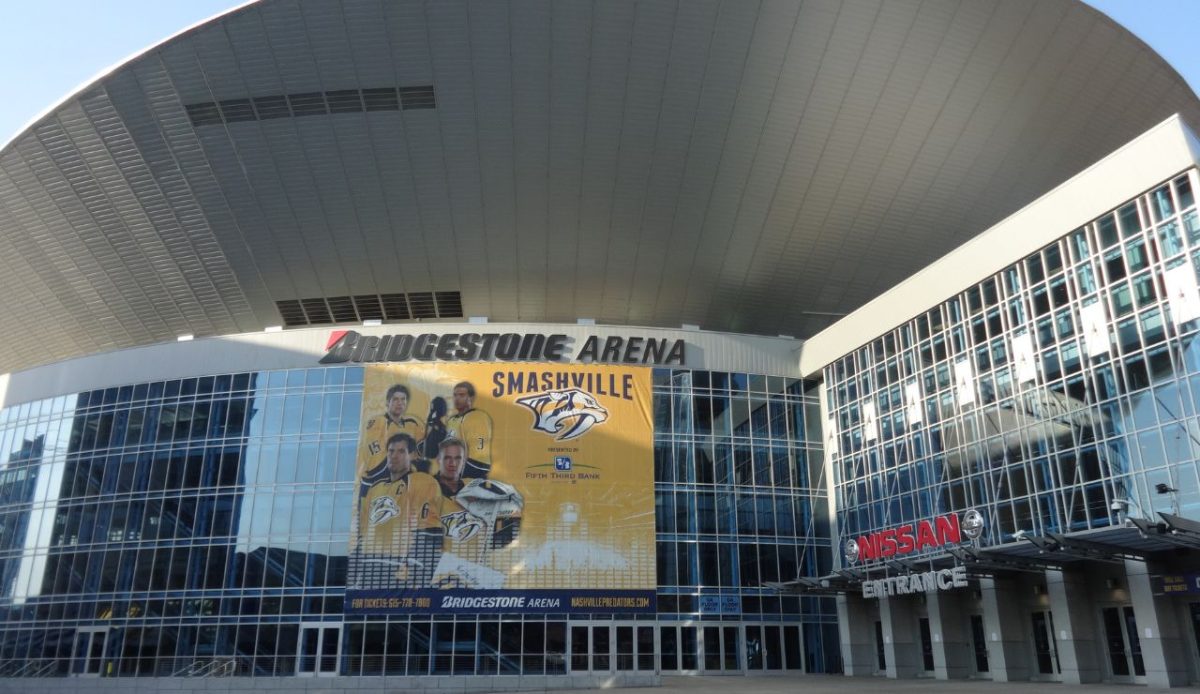
Bridgestone Arena has one of the strictest bag systems in Nashville. Backpacks of any size are banned, bags larger than 12 by 12 by 6 inches are not allowed, and medium-size bags must go through x-ray screening and visual inspection. Smaller bags can use faster visual lanes, but size still matters.
The arena also tells guests to travel light for faster entry, which fits its major-event setup. Concert nights with large touring acts can create long lines, especially when fans arrive with bags that need extra review or do not meet the rules.
For 2026 visitors, this is not a venue for guessing. A sightseeing bag can be a problem at the door. Measure first, skip the backpack, and expect a very controlled entrance.
4. Ascend Amphitheater
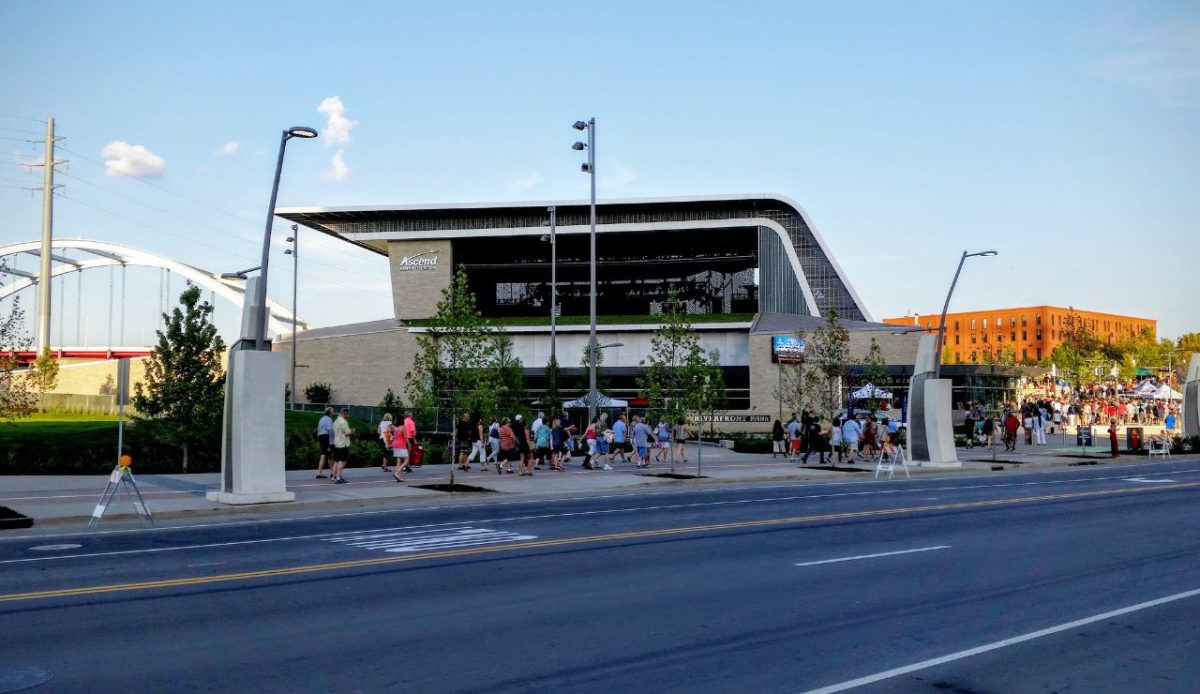
Ascend Amphitheater uses a clear-bag style approach that changes the routine for outdoor concerts. Venue guidance says guests should bring only approved bags, usually clear totes within set dimensions or a small clutch, and all bags are subject to search on entry.
Because it is an amphitheater, many visitors assume they can arrive with picnic-style gear or a larger day bag. That is where trouble starts. Ascend’s event guidance also stresses checking day-of-show details, since permitted items can change at an artist’s request.
In 2026, the safest approach is to treat Ascend like a screened concert venue, not an open park lawn. Pack lightly, review the event page, and do not assume outdoor seating means relaxed gate rules.
5. Brooklyn Bowl Nashville
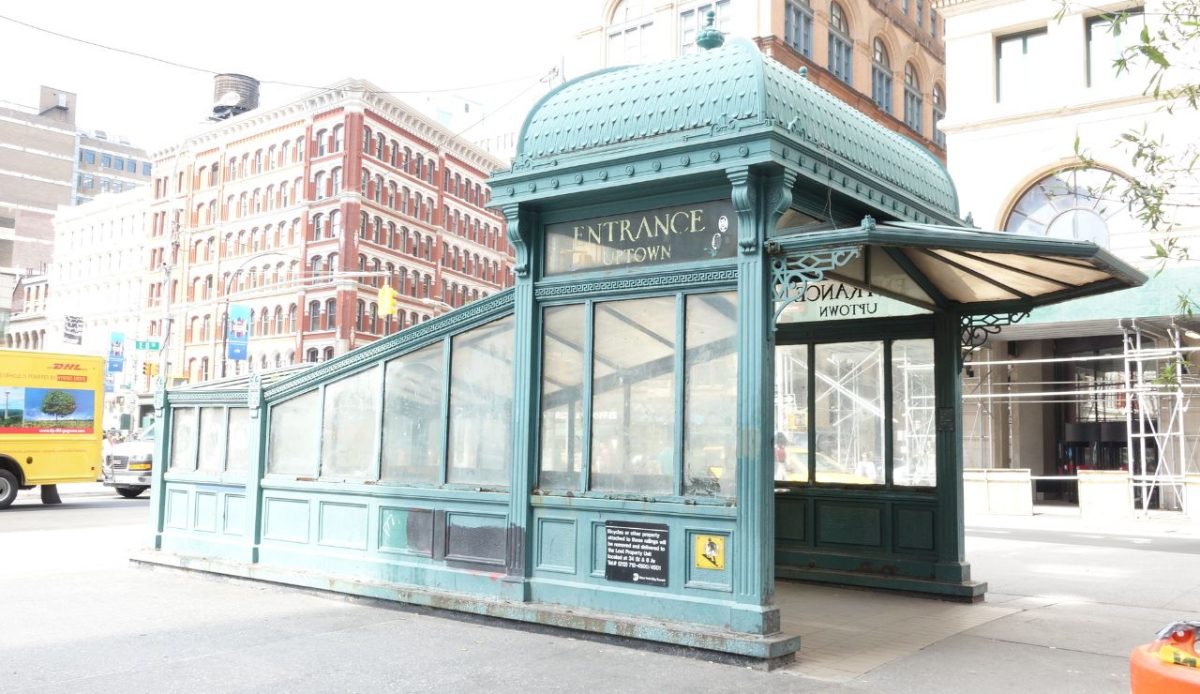
Brooklyn Bowl Nashville mixes a casual vibe with a firm door policy. The venue says it does not require clear bags, but large bags and backpacks are not allowed, and all bags will be searched. It also bans weapons, outside food and drink, and several camera and prop items that can slow security.
Age rules can also vary by event. Some shows are 18-plus unless accompanied by a parent or legal guardian, and the venue notes that a physical, valid government-issued photo ID may be required for entry.
For 2026 visitors, Brooklyn Bowl is easy enough if they read the listing first. Bring a small bag only if necessary, keep a real photo ID ready, and check the event page for age and language restrictions before heading out.
6. Tennessee Performing Arts Center
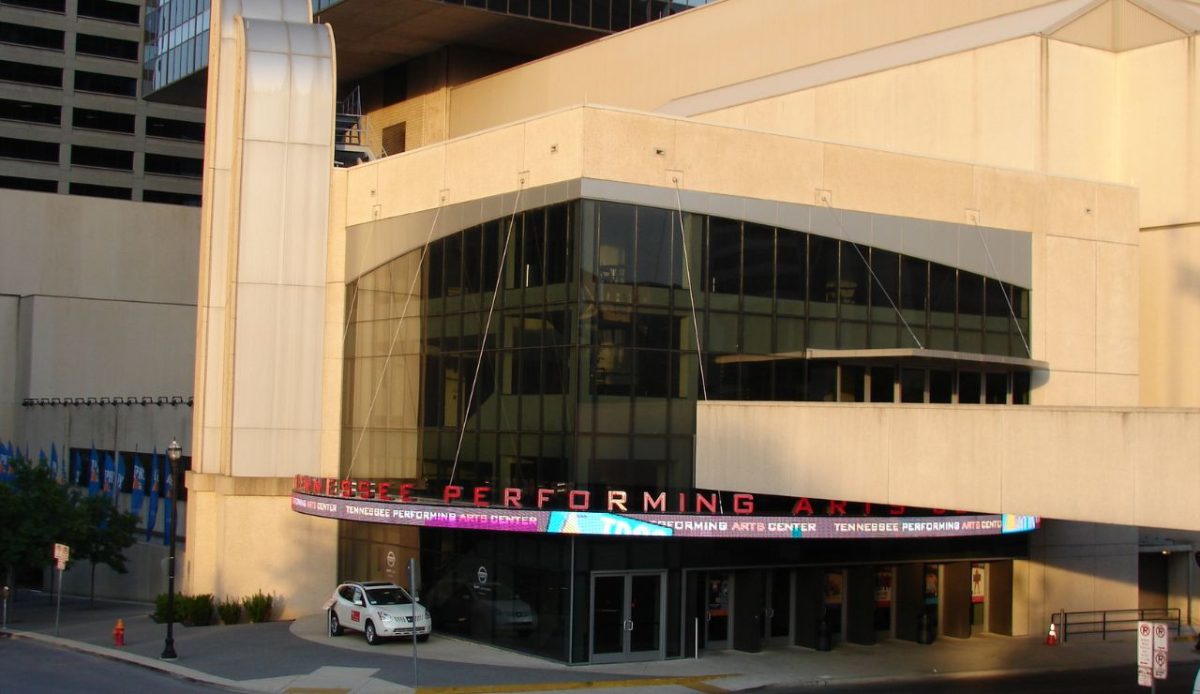
Tennessee Performing Arts Center uses a more controlled entry process than some visitors expect. Its safety guidance says small bags and personal items are allowed, but they must go through security screening on arrival. The center also enforces a prohibited-items policy, so entry depends on more than just showing a ticket.
That matters because TPAC does not work like a casual walk-in venue. Guests who arrive with extra belongings or wait until the last minute can face delays from screening lines and item checks before a performance begins.
For 2026 travelers, the best plan is simple. Bring only what you need, keep your bag small, and arrive with extra time. At TPAC, smoother entry usually comes down to preparation before the show.
7. Cannery Hall

Cannery Hall has adopted a screened-entry process closer to a modern theater than a loose club setup. The venue says all purses and bags are subject to search, no backpacks, large bags, or tote bags are allowed, and permitted bags must stay under the stated size limit.
Its safety guidance goes further by saying all persons, bags, and articles of clothing are subject to screening and search, while firearms are banned, whether a person has a permit or not. The message is clear: security checks are broad and enforced.
For visitors in 2026, Cannery Hall rewards a low-maintenance approach. Bring a compact bag only if needed, expect screening at the door, and do not count on oversized items slipping through because the venue feels smaller.
8. Exit/In
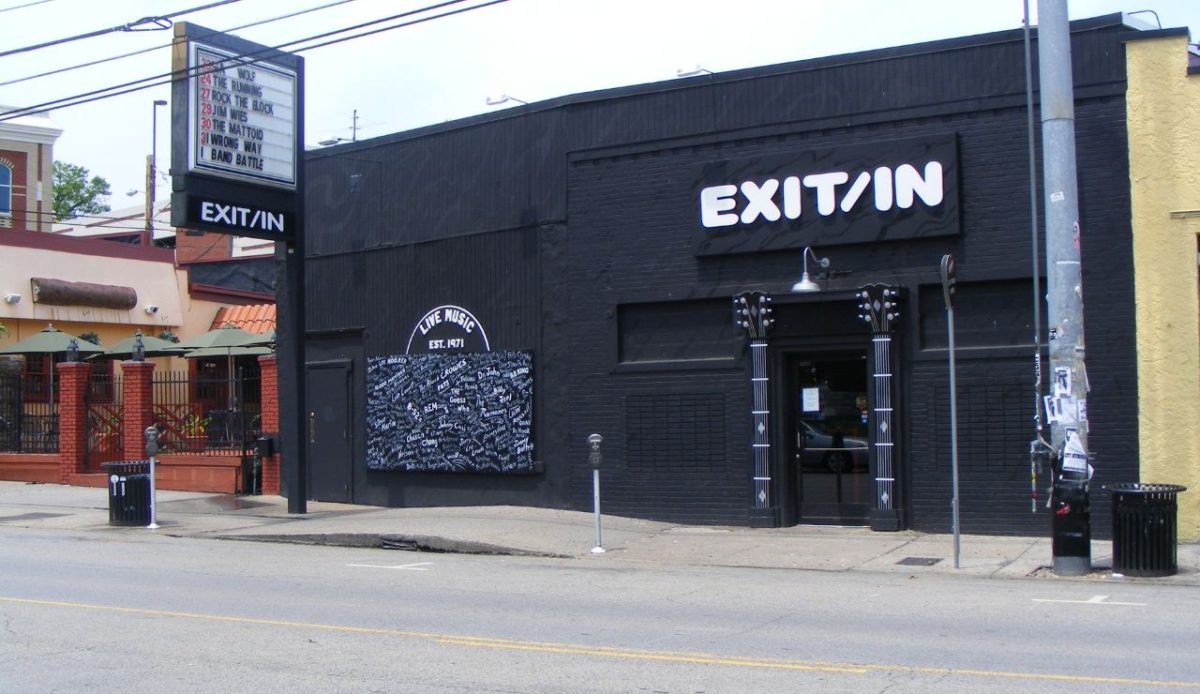
Exit/In keeps its policy list short, but the rules still matter. The venue says most shows are 18-plus unless otherwise noted. Prohibited items include backpacks, weapons, illegal drugs, glow sticks, and outside food or drink, and re-entry is not allowed once a guest leaves.
That no re-entry rule is easy to underestimate in a city built around hopping between bars and late-night plans. A person who steps outside expecting to come back can lose the rest of the show. The age rule also means younger travelers need to read the event page closely.
In 2026, Exit/In works best for guests who arrive ready to stay put. Bring only what you need, sort out plans in advance, and treat the ticket scan as a one-time doorway.
9. Nissan Stadium
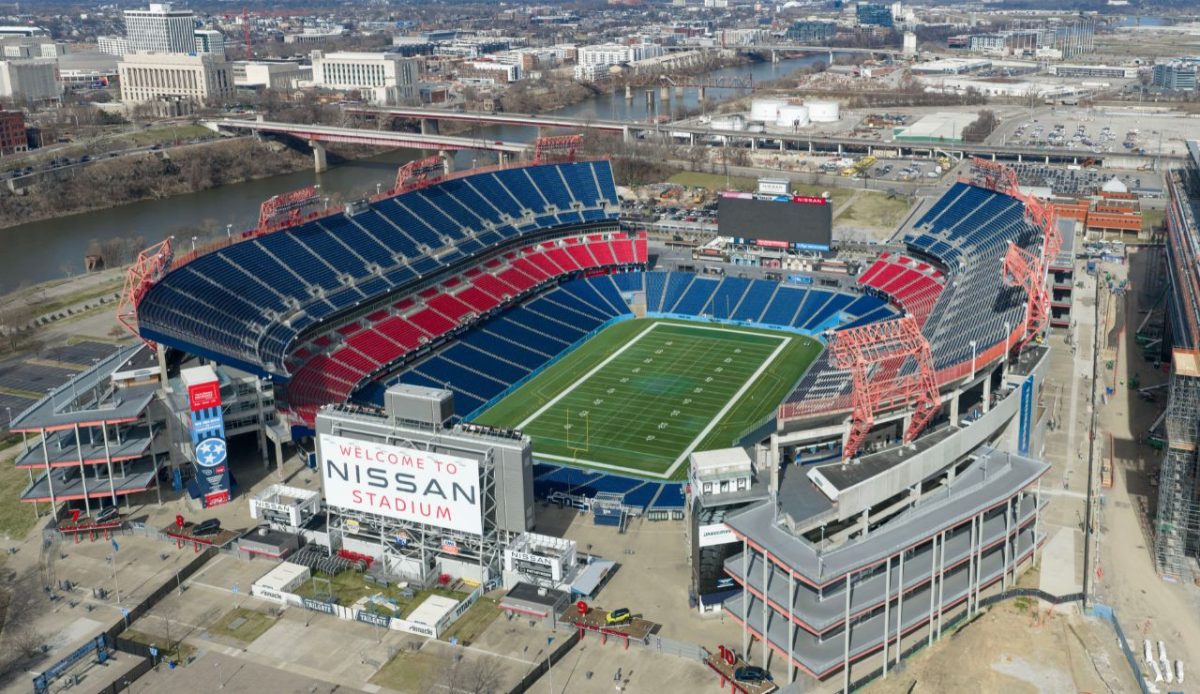
Nissan Stadium applies a strict clear bag setup that affects concerts just as much as football games. Venue policy allows clear bags no larger than 12 by 12 by 6 inches, while non-transparent bags must stay at or below 4.5 by 6.5 inches. Guests cannot empty a prohibited bag into a clear one at the gate, and small bags remain subject to inspection.
That makes the entry process less forgiving than many travelers expect from a major stadium show. Oversized bags, backpacks, and last-minute repacking can all slow the line or block entry entirely.
In 2026, Nissan Stadium is a classic case of why visitors should read the venue rules before heading out. Bring the approved bag, keep it small, and assume security will be thorough from the start.
10. The Station Inn
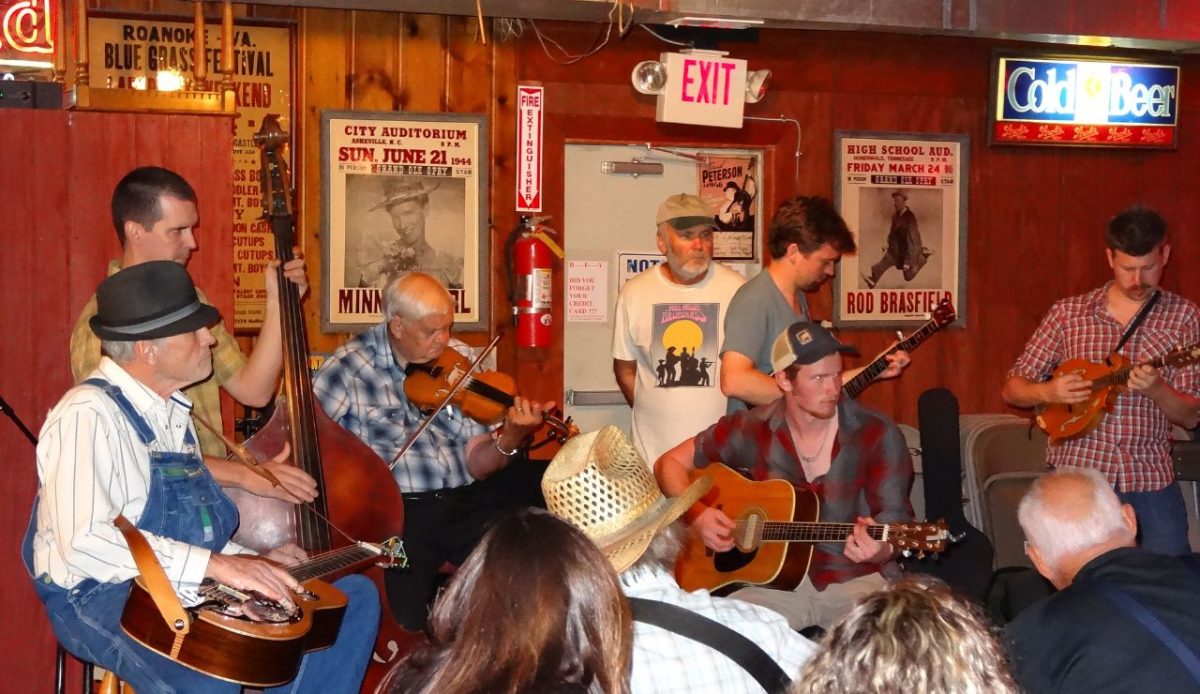
The Station Inn keeps a simpler door setup than many larger rooms, but its entry expectations matter. The venue says minors are admitted only with an adult chaperone, and it also reminds guests that children who become disruptive may need to step outside before returning. That creates a more controlled arrival standard than some visitors expect.
The policy is less about detectors and more about preserving the listening environment. At a venue known for close-up bluegrass sets, audience behavior is treated as part of the entry experience itself.
For 2026 travelers, The Station Inn is a reminder that access rules are not always about bags and scanners. Sometimes the real issue is whether your group can fit the room without interrupting it.
11. Country Music Hall of Fame and Museum
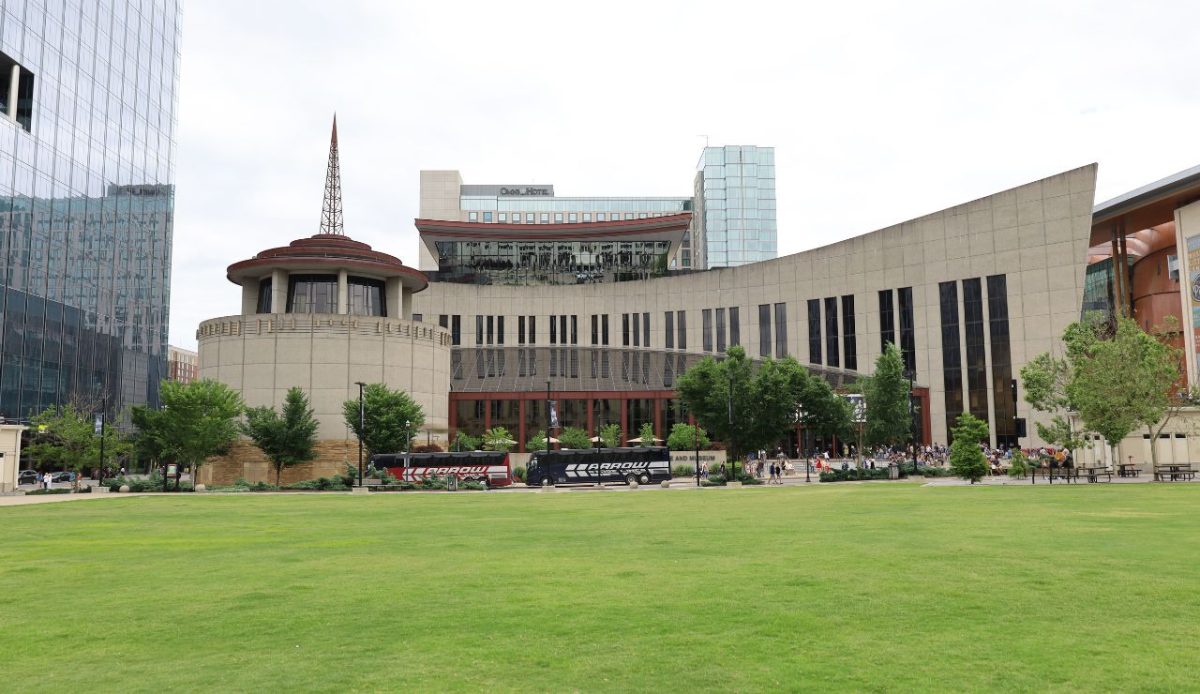
The Country Music Hall of Fame and Museum follows entry rules that can catch visitors off guard. Museum policies say bags may be inspected, personal items larger than 16 by 17 by 8 inches are not permitted, luggage-sized backpacks are banned, and children under 13 must be accompanied by an adult.
Those rules matter because many guests arrive after spending time downtown, often carrying shopping bags, travel items, or extra belongings from earlier stops. The museum also says it cannot check or store items, so bringing too much can become a problem before entry.
For 2026 visitors, the smartest approach is to carry only essentials, expect possible bag inspection, and avoid relying on onsite storage to fix a packing mistake at the door.
12. Bluebird Cafe
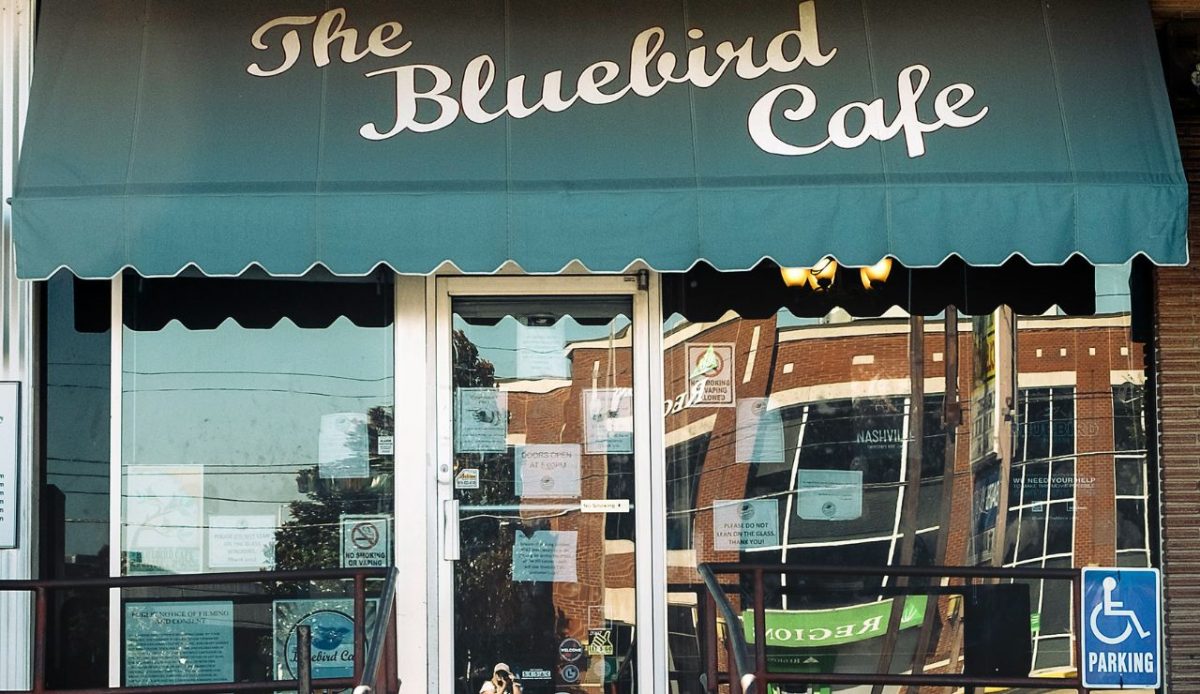
The Bluebird Cafe has one of the most distinctive entry systems in Nashville because the room is small and seating is tightly managed. The venue says it is all ages, but bar seats are limited to guests over 21, and anyone under 18 must be seated with a parent or guardian.
It also says walk-up seating is limited, spots in line cannot be held, and every guest wanting a first-come seat must be physically present. The venue further notes that it has no storage space for carriers or strollers, which can affect family visits.
For 2026 visitors, Bluebird is less about bag checks and more about respecting the room’s structure. Show up on time, keep your group together, and do not assume a tiny venue means flexible entry expectations.
13. Nashville Municipal Auditorium
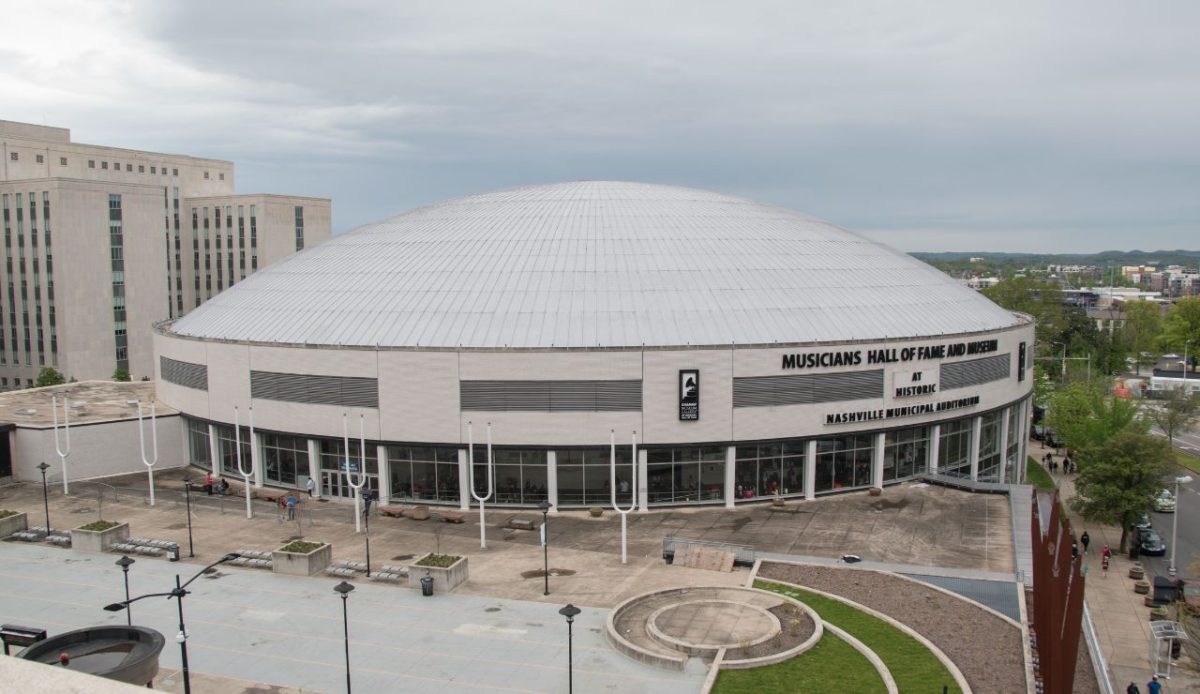
Nashville Municipal Auditorium uses a firm entry system that feels closer to an arena than an older civic hall. The venue strongly discourages bags, allows only clear bags up to 12 by 6 by 12 inches or small clutches, bans backpacks of any size, and says there is no on-site storage for prohibited items. All patrons entering the facility are also subject to search.
The auditorium adds more structure with lineup rules, stating that guests cannot begin lining up before 10 a.m. on the day of the show. That limits the camp-out habit seen at major concerts.
For 2026 travelers, this venue leaves little room for guesswork. Arrive early but not too early, carry less than you think you need, and assume anything outside the stated rules can stop entry
