
English is widely understood across much of Europe, though proficiency levels vary by country, region, and age. Travelers heading to these destinations will find it easier to navigate, ask for directions, and connect with locals. From Malta, where English is an official language, to the Netherlands and the Nordic countries with some of the world’s highest fluency rates, visitors can expect smooth communication. Learning a few local phrases is still a great way to show respect and build rapport.
1. United Kingdom
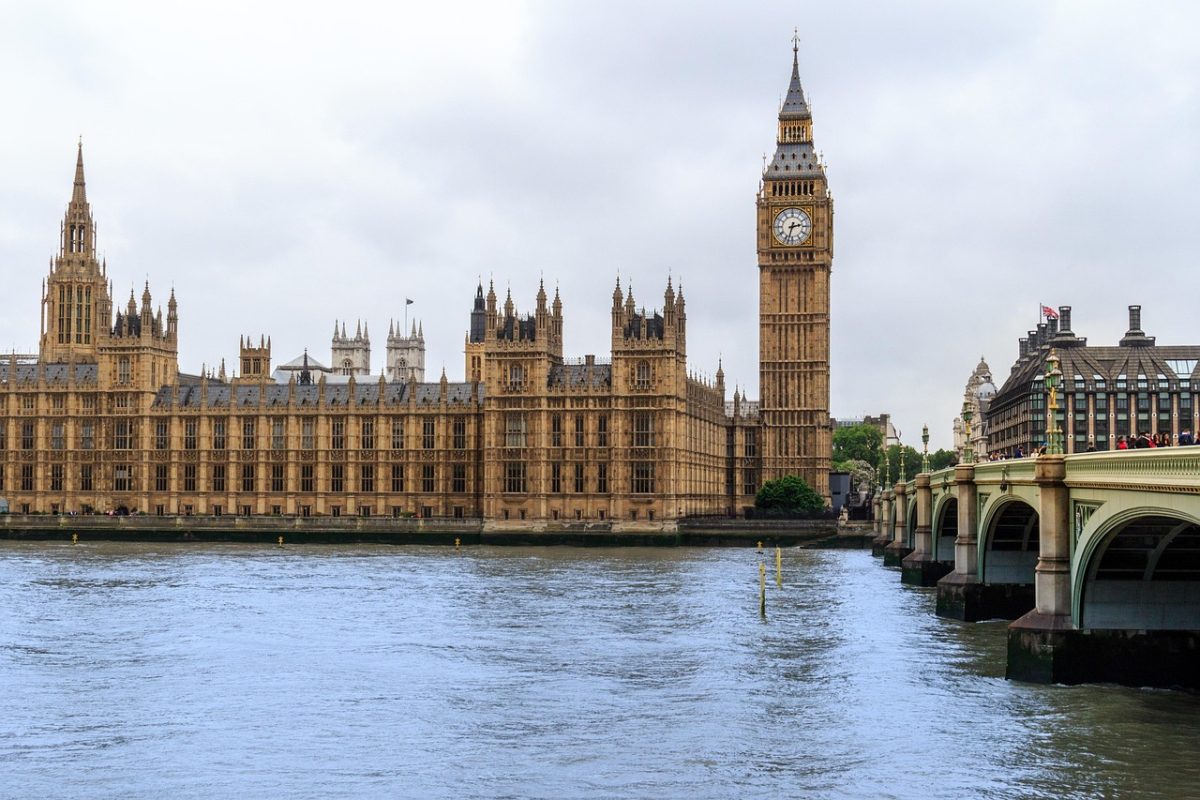
English is the native language across England, Scotland, Wales, and Northern Ireland, so language is rarely a barrier. From transport announcements and museum guides to menus and public signage, English is ubiquitous in urban and rural areas alike. Regional accents and local slang vary widely, sometimes quickly, so speak clearly and ask politely if something isn’t understood. Practical tip: try a friendly opening (a quick “Excuse me” or “Please”) and locals will usually help with directions, transit options, or recommendations.
2. Ireland
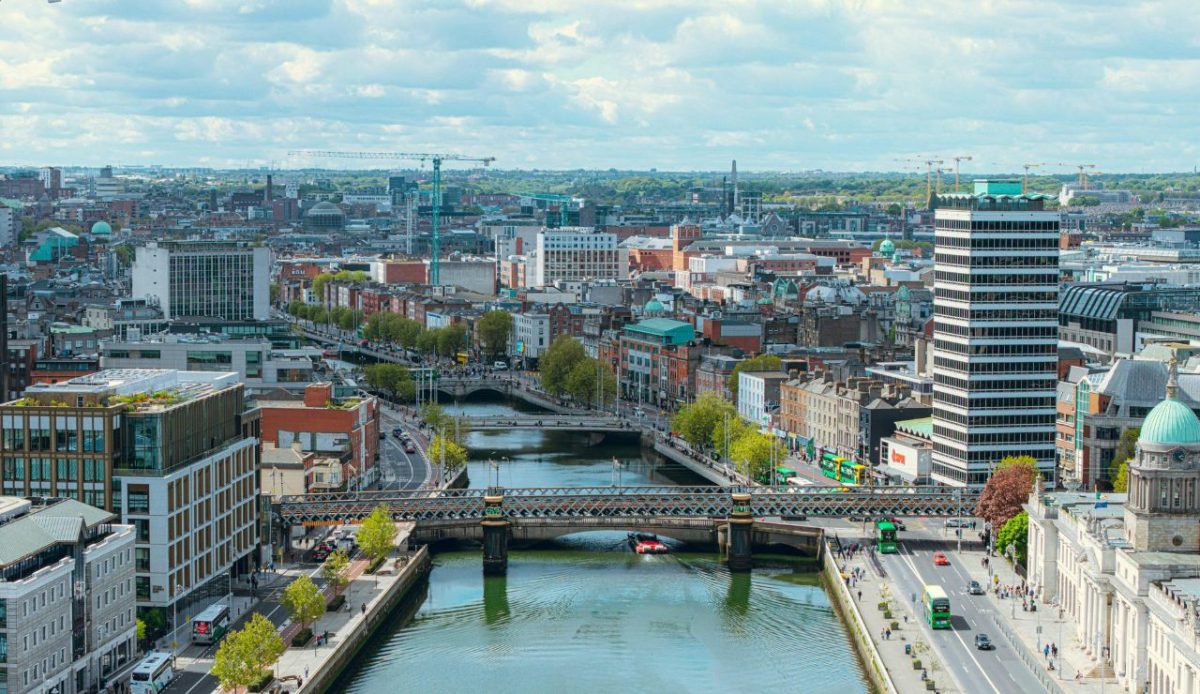
English is one of Ireland’s official languages and dominates business, tourism, education, and daily life, especially in Dublin, Cork, and other cities. Even in Irish-speaking Gaeltacht regions, locals commonly switch to English for visitors, making travel straightforward. Expect warm, conversational service in pubs, small shops, and guided tours; many locals enjoy chatting and offering tips. Practical tip: Use polite small talk to unlock local recommendations. Irish hospitality is real, and a friendly question often leads to memorable suggestions.
3. Malta
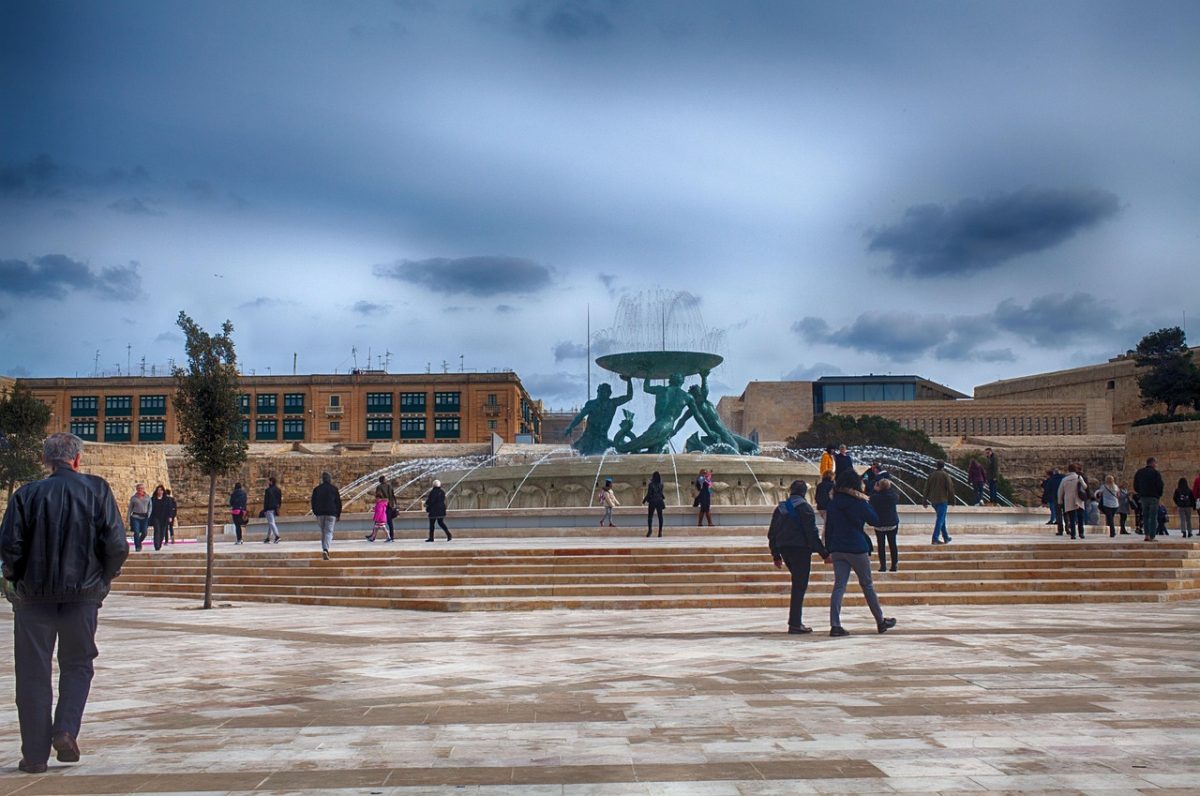
Officially bilingual, Malta uses Maltese and English in schools, government, and tourism, meaning visitors rarely need another language. Street signs, museum panels, and menus commonly appear in English, and many guides, hospitality workers, and students speak it fluently. The island’s small size makes getting help easy and communication fast, whether at the ferry, museum, or beach club. Practical tip: join an English-language walking tour to get orientation and local tips from guides who usually speak excellent, travel-ready English.
4. Netherlands
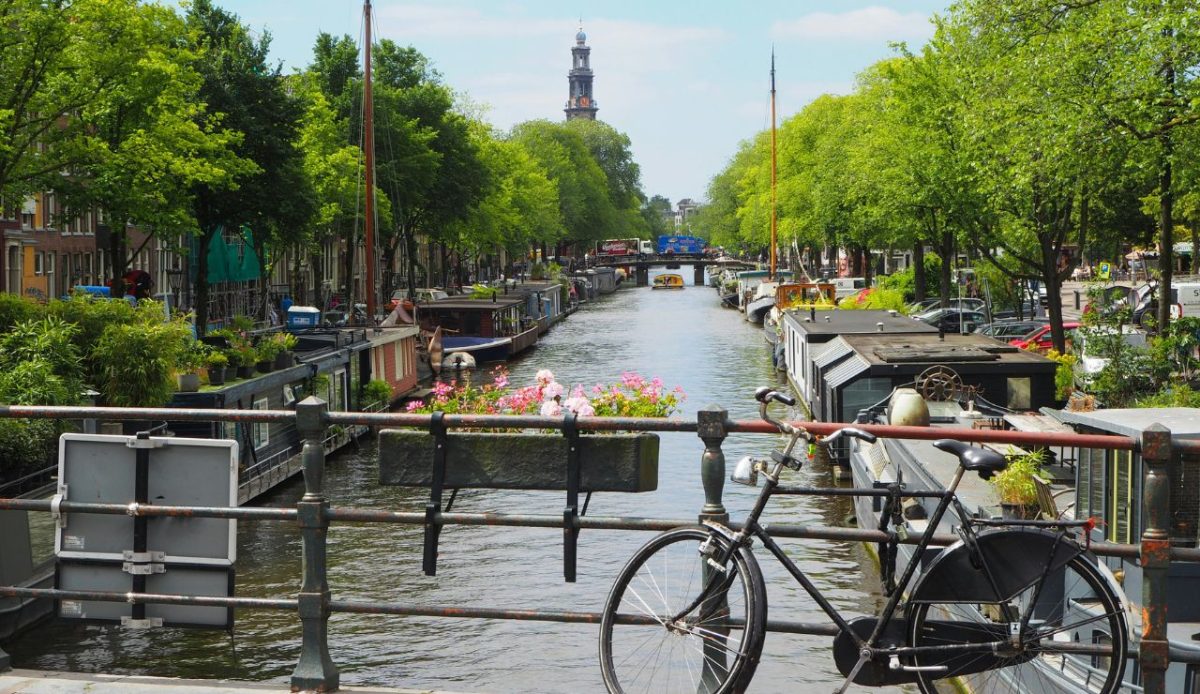
The Netherlands consistently ranks very high for English proficiency; Dutch people in cities and tourist hubs often speak near-native English. Public transport, museums, and cafes commonly provide English information, and many local websites and apps offer bilingual options. Young people and professionals are usually fluent, and signage in Amsterdam, Rotterdam, and The Hague caters to international visitors. Practical tip: learning a couple of Dutch greetings is polite, but in most urban and tourist settings, you can comfortably rely on English.
5. Sweden
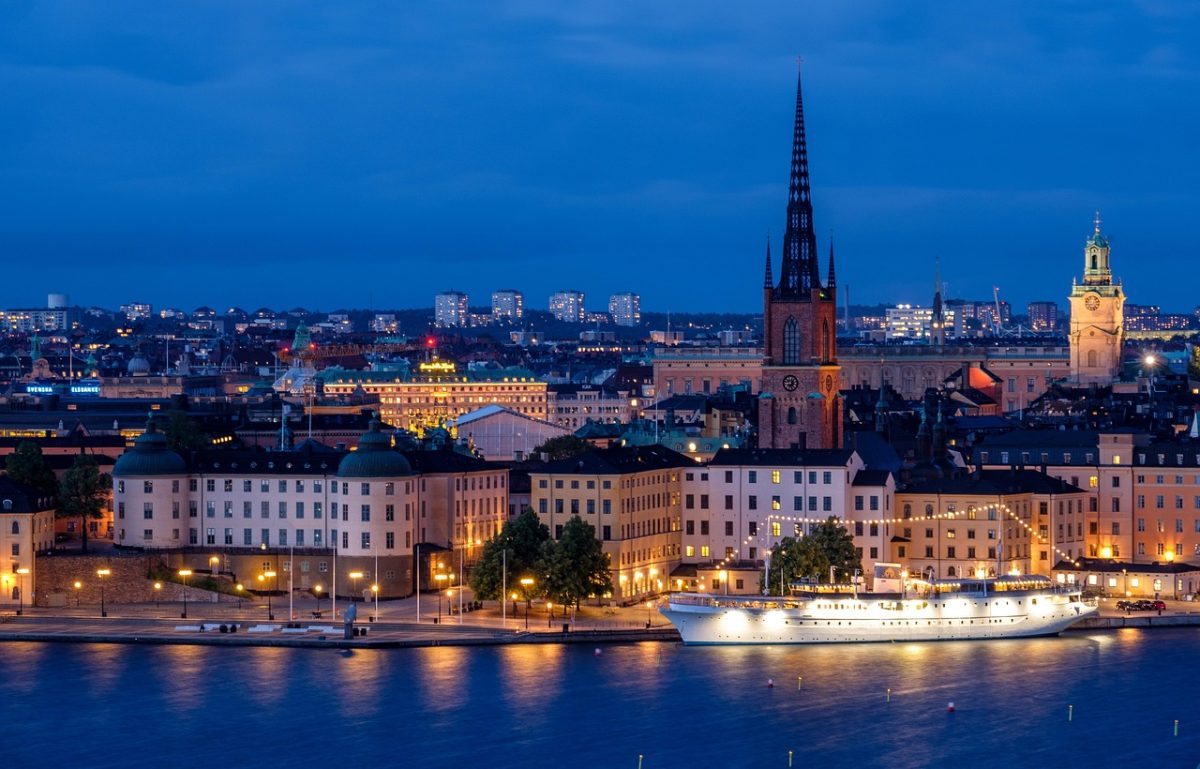
Strong English education and heavy exposure to English media mean most Swedes, particularly younger generations, speak excellent English. In Stockholm and other cities, English is frequently the working language in shops, restaurants ,and cultural venues; guides and hospitality staff are usually fluent. Older generations may prefer Swedish in private settings, but service workers commonly use English with international guests. Practical tip: speak clearly and politely, and use a few Swedish pleasantries if you want to be warmly received.
6. Norway
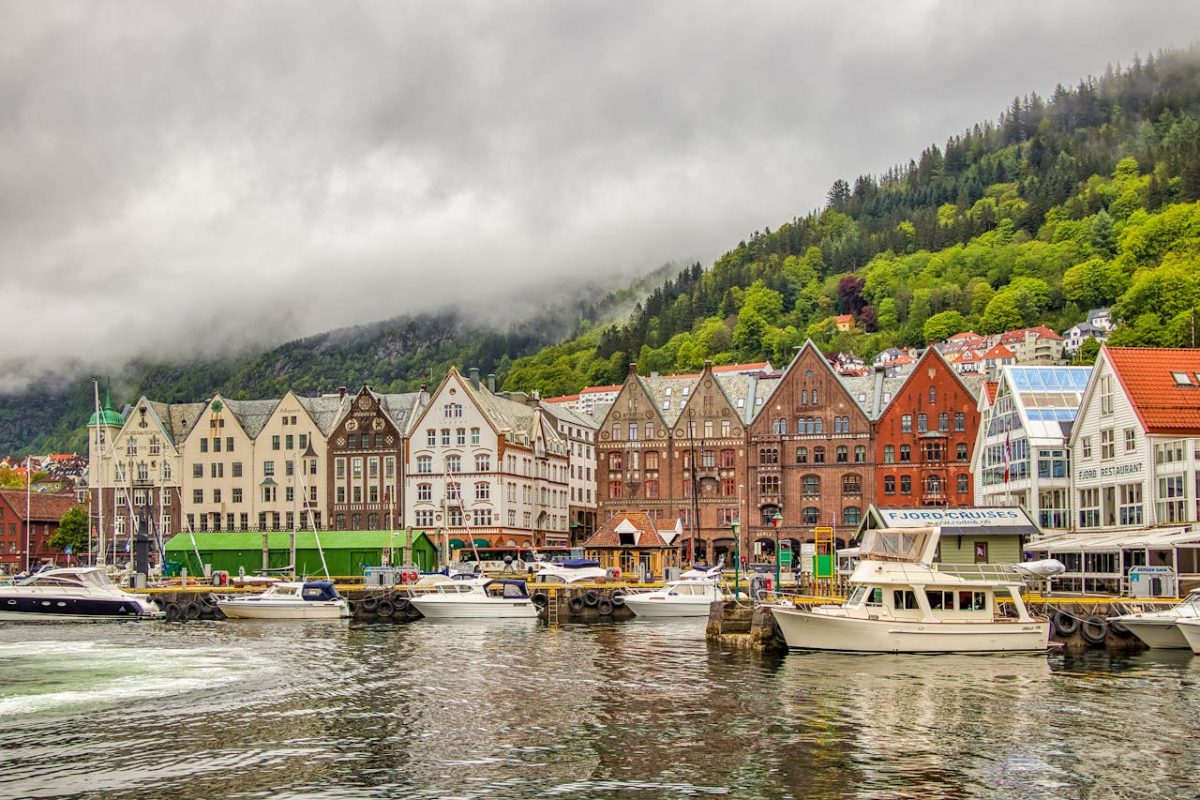
High English proficiency across Norway makes basic travel communication easy: menus, signs, and tourist materials often include English, and locals, especially in urban and tourist areas, commonly switch to English for visitors. Cities like Oslo and Bergen provide plentiful English-language tours and guides, and even many rural businesses can manage basic English. Practical tip: try a few Norwegian words to show respect, but don’t worry, people will readily use English to help with directions, bookings, and sightseeing suggestions.
7. Denmark
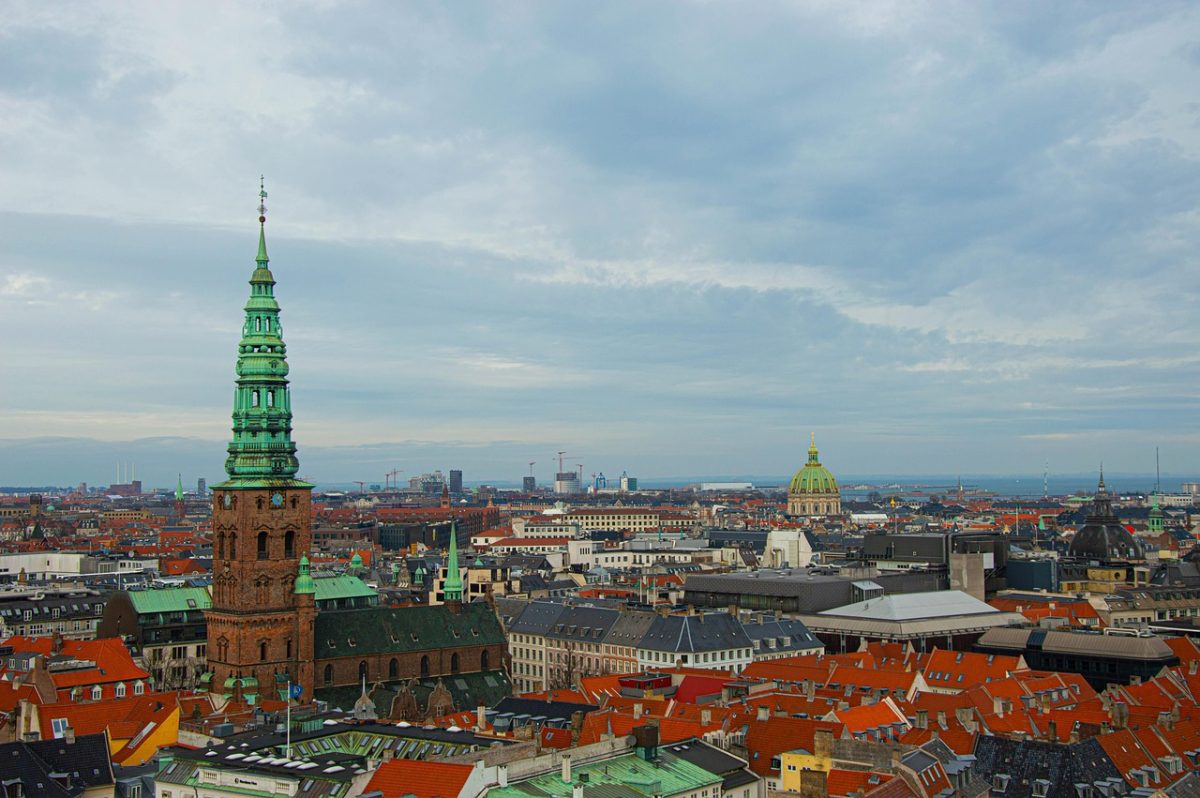
Denmark teaches English early and ranks highly in European proficiency measures; Copenhagen and other cities feel very English-friendly. Tourist attractions, restaurants, and public services often provide English options, and younger residents typically speak it fluently. In smaller towns, English remains common among service workers, while older locals may prefer Danish. Practical tip: Be straightforward and polite in English; Danes appreciate modesty and clarity and will usually offer quick, helpful answers when asked.
8. Finland
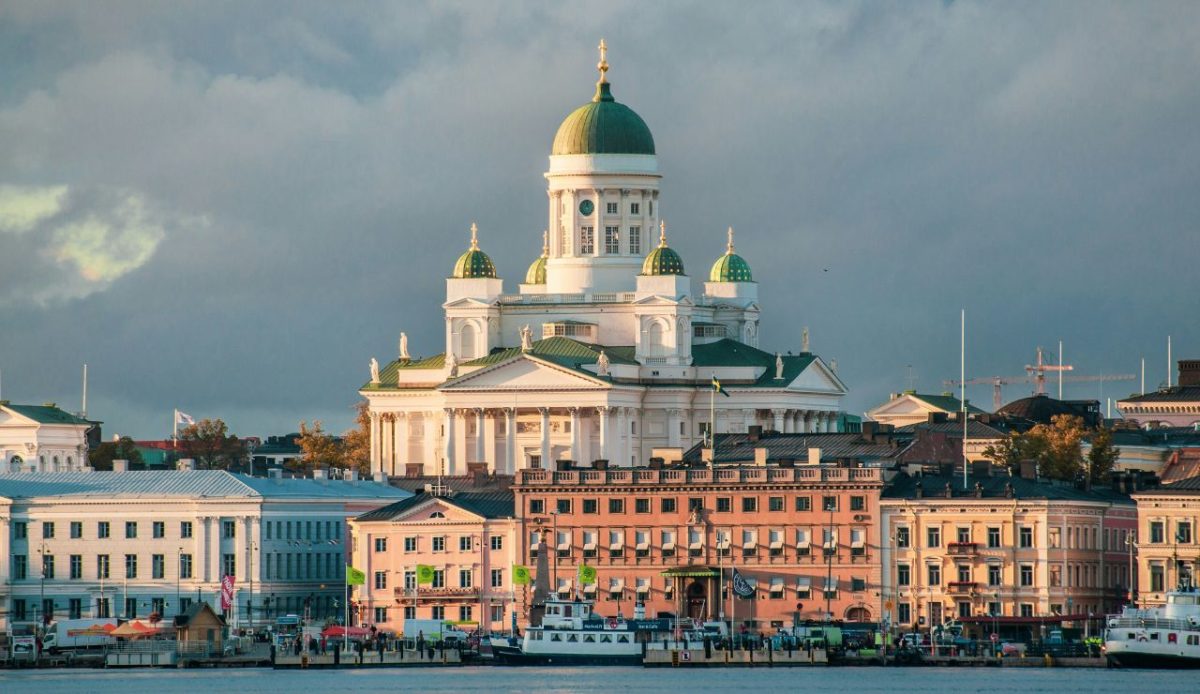
Finland’s strong education system and media exposure to English create a population with solid English skills, particularly in cities like Helsinki and Tampere. Tourist information centers, public transport networks, and cultural venues commonly supply English-language materials and signage. In rural areas or among older residents, English levels vary more, but basic service communication is usually possible. Practical tip: learning a short Finnish greeting shows respect and can make brief exchanges smoother, even though English is widely available in urban travel hubs.
9. Portugal
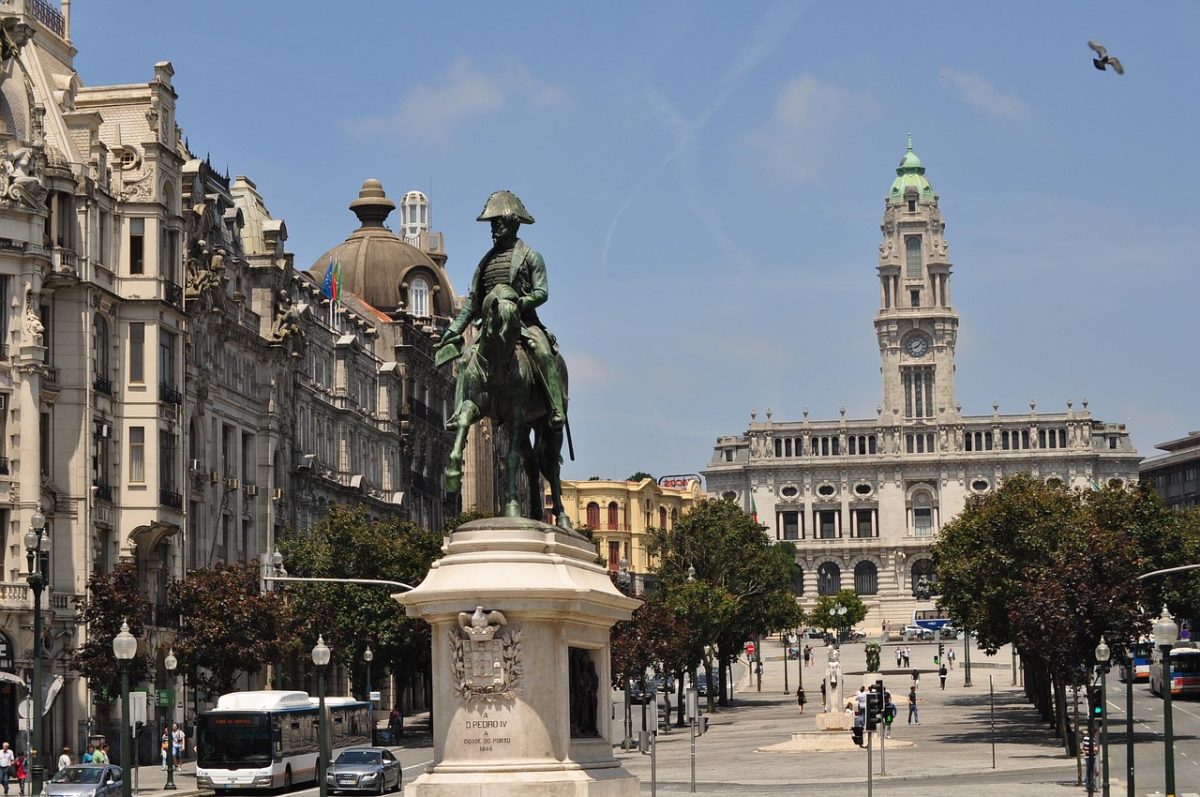
Portugal’s English proficiency has risen notably in recent years, with Lisbon, Porto, and the Algarve becoming highly English-friendly due to tourism growth. Younger people, hospitality staff, and tourist services often speak good English; menus and signs in popular destinations tend to include English translations. In inland towns or less-visited villages, English ability can be lower, but basic service English usually suffices. Practical tip: Try a simple Portuguese greeting. Locals appreciate the effort, even if you rely on English for most interactions.
10. Germany
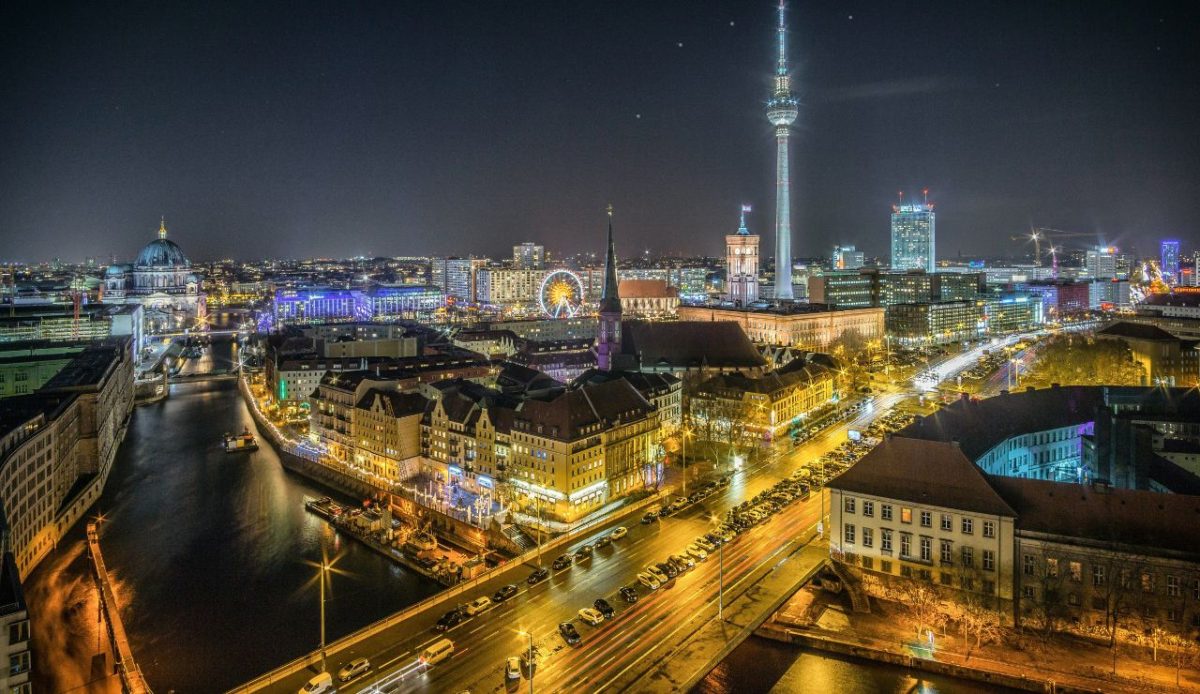
Germany’s urban centers, major train stations, and tourist hubs typically provide English-language signage and services; many young people and professionals speak solid English. Museums, hotels, and airports commonly offer English options, though older generations may prefer German. Practical tip: begin with a brief German greeting such as “Guten Tag”; locals often appreciate the attempt, and then continue in English if needed. Polite effort goes a long way when asking for help or directions.
11. Austria
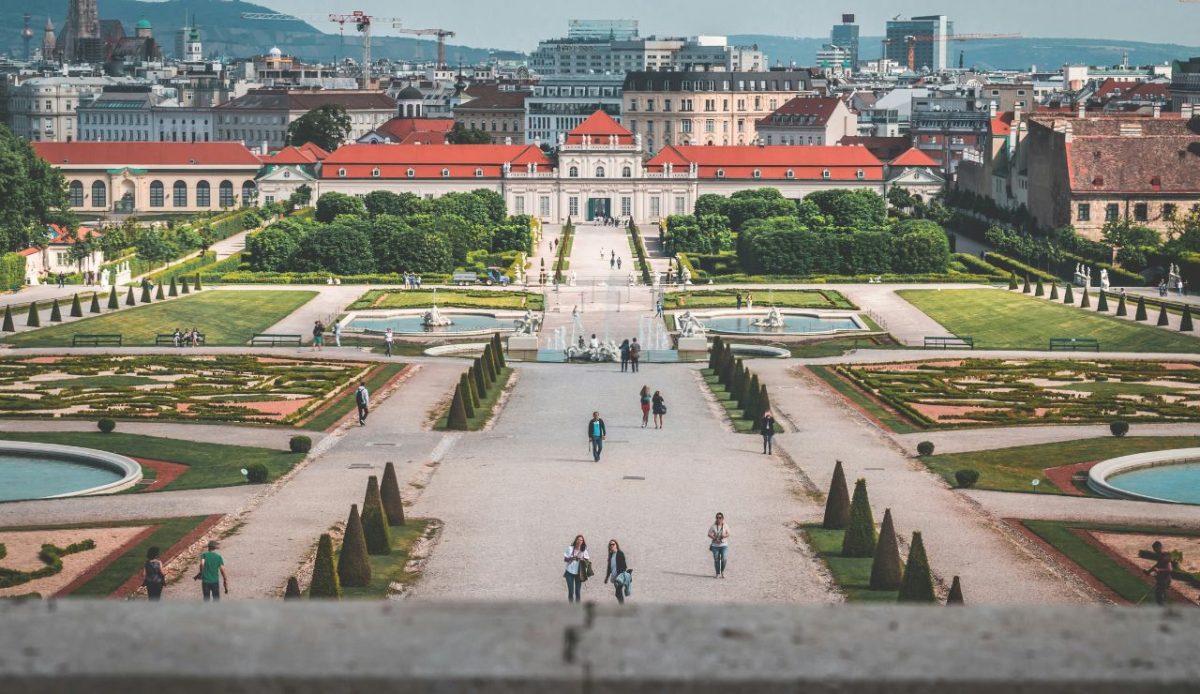
Austria’s tourist centers, like Vienna and Salzburg, offer widespread English usage in tourism, dining, and cultural institutions. Many Austrians study English in school, so younger people and service staff frequently speak it fluently. While German is the everyday language, popular attractions and hotel staff usually switch to English for visitors. Practical tip: a short German greeting is a friendly icebreaker; afterward, expect staff and guides to assist you comfortably in English during museum visits, concerts, or restaurant service.
12. Croatia
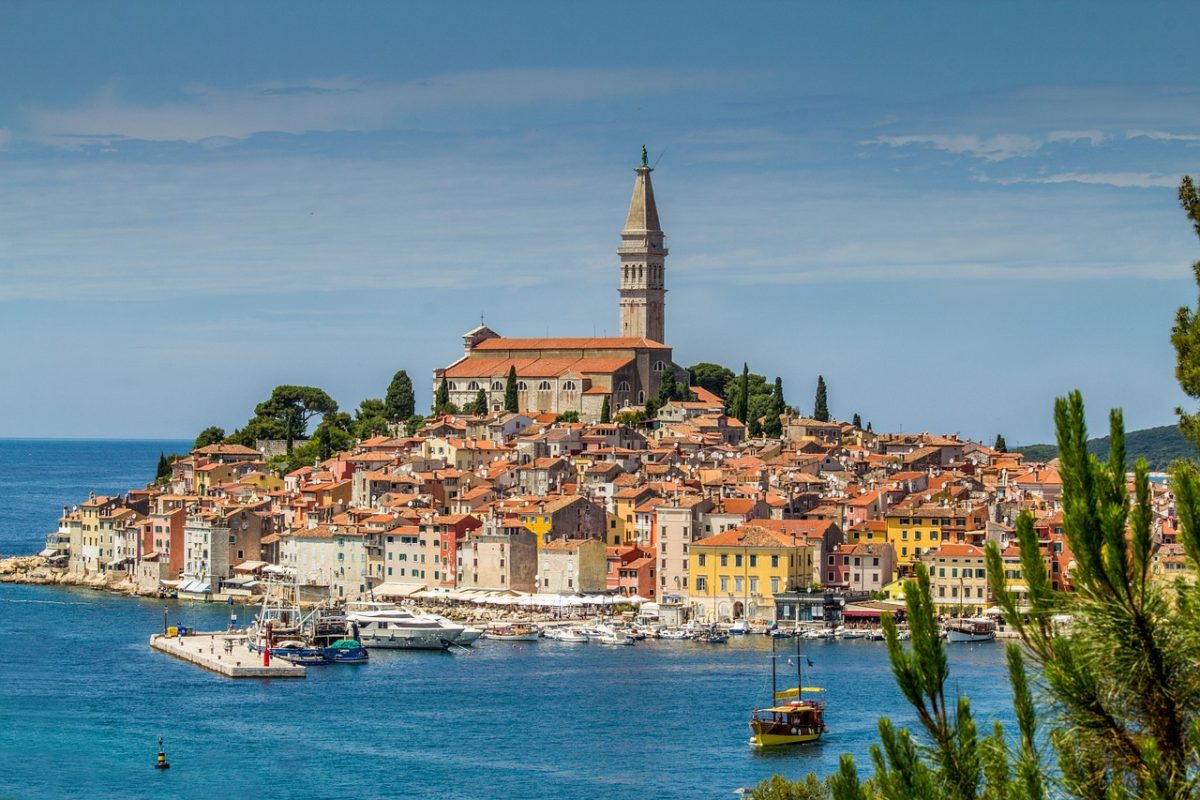
In recent years, Croatia, especially Adriatic coastal towns such as Dubrovnik, Split, and Zadar, has become very English-friendly for tourists. Hospitality workers, tour operators, and local businesses in resort areas commonly use English, and many younger locals speak it well. Inland and rural parts of the country may have lower English levels, but core tourist routes typically provide enough English signage and service to navigate. Practical tip: carry a map or offline guide and learn a few Croatian pleasantries for interactions outside the main resorts.
13. Belgium
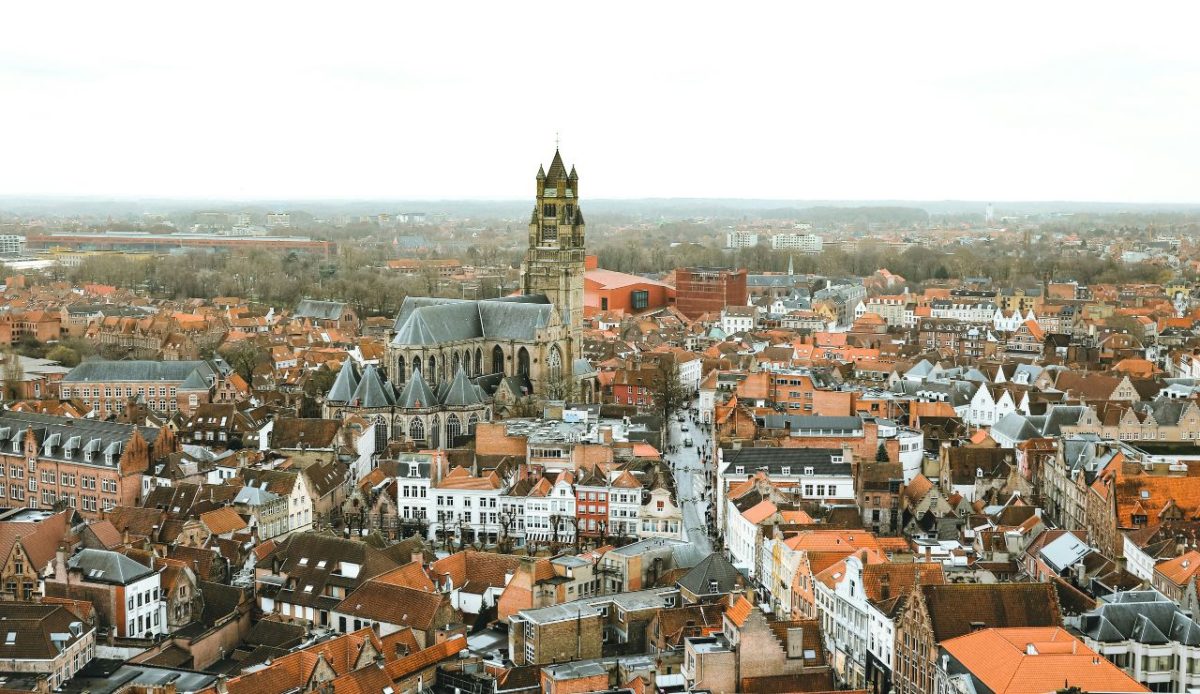
Belgium’s multilingual society (Dutch, French, and German) also uses English widely in Brussels, Antwerp, and other international hubs, particularly because of EU institutions and global business. Younger people and service professionals often speak good English, but regional language sensitivities matter: residents may prefer Dutch or French depending on where you are. Practical tip: notice the local language and ask politely which language someone prefers; switching to English only after checking shows cultural awareness and respect.
