
Budget airlines have reshaped air travel by offering lower fares in exchange for fewer included services. For many travelers, the trade-off once felt reasonable, especially for short flights where comfort sacrifices seemed manageable. Over time, however, the definition of “basic” has continued to change.
In recent years, several budget carriers have quietly removed features passengers once assumed were standard. Seat space and basic conveniences have been scaled back to reduce operating costs, often introduced gradually rather than announced.
For travelers, the result is a widening gap between expectations and reality. Understanding how comfort features are being reduced helps passengers make more informed booking decisions.
1. Spirit Airlines
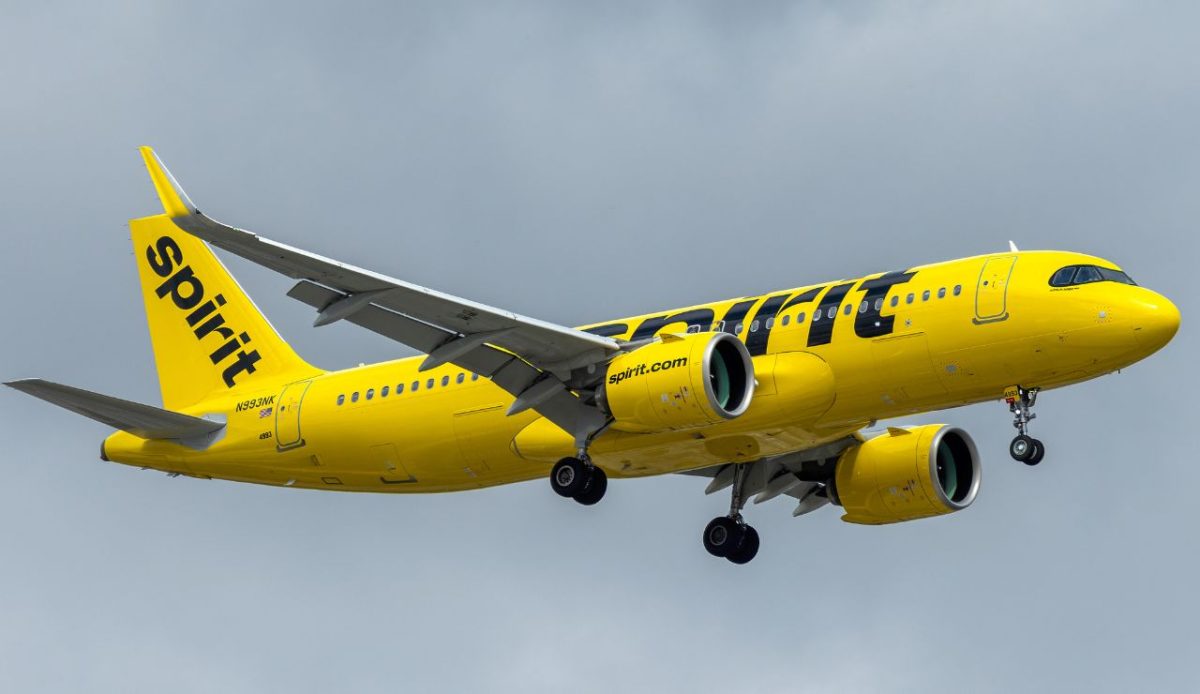
Spirit Airlines has long positioned itself around ultra-low fares, but recent years have seen further reductions in onboard comfort. Standard seat padding has been slimmed down, and recline options are increasingly limited, particularly on high-density aircraft used for short-haul routes.
Carry-on allowances have become more restrictive, pushing travelers toward paid add-ons at booking or during check-in. Even basic seat selection now comes at an extra cost for many fares, limiting flexibility for groups and families.
These changes reinforce a model where the base ticket covers transportation only, leaving comfort largely optional. Passengers must actively choose and pay for features once considered standard.
2. Frontier Airlines
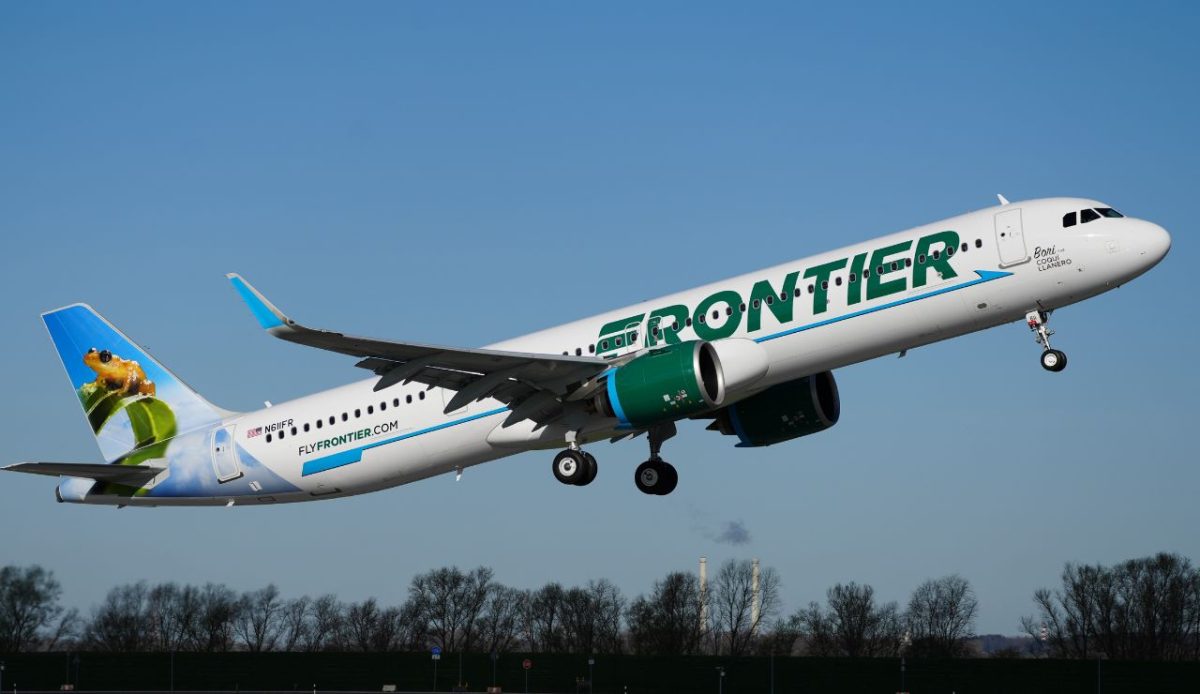
Frontier Airlines has reduced seat cushioning and pitch on many aircraft, prioritizing higher seat density across its fleet. This allows more passengers per flight, but noticeably reduces personal space, especially on longer routes where seating comfort becomes more apparent.
Complimentary onboard services have also been scaled back over time. Snacks, beverages, and in-flight entertainment are no longer included in base fares, requiring travelers to pay additional fees for items that were once standard.
For travelers, the experience increasingly resembles a basic transit option rather than traditional air travel. The airline’s pricing structure emphasizes low upfront fares while shifting comfort-related choices into optional add-ons.
3. Ryanair
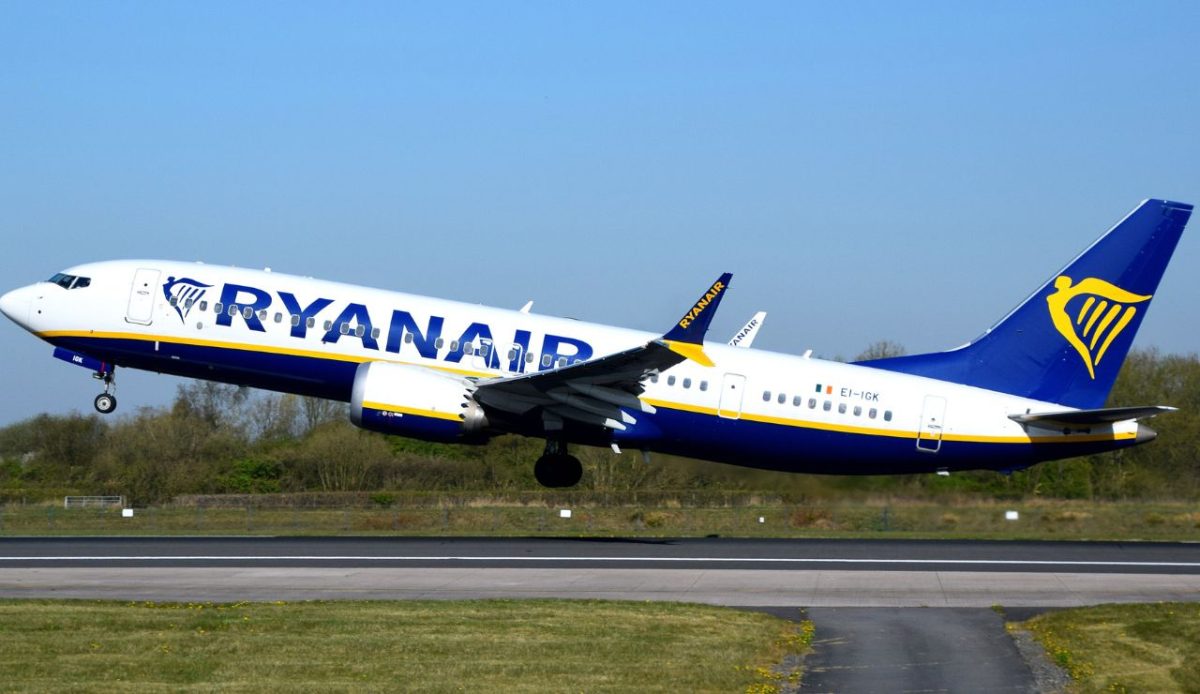
Ryanair has steadily removed comfort features to maintain low operating costs across its network. Seat recline was eliminated years ago, and padding remains minimal, reflecting a design focused on durability and efficiency rather than passenger comfort.
Cabin layouts have been optimized to maximize capacity, which has reduced legroom on certain aircraft configurations. Overhead bin access is limited for passengers traveling on basic fares, encouraging additional purchases.
These adjustments support low pricing but redefine what passengers receive as standard. Travelers increasingly view the airline as a functional means of transportation rather than a comfortable onboard experience.
4. easyJet
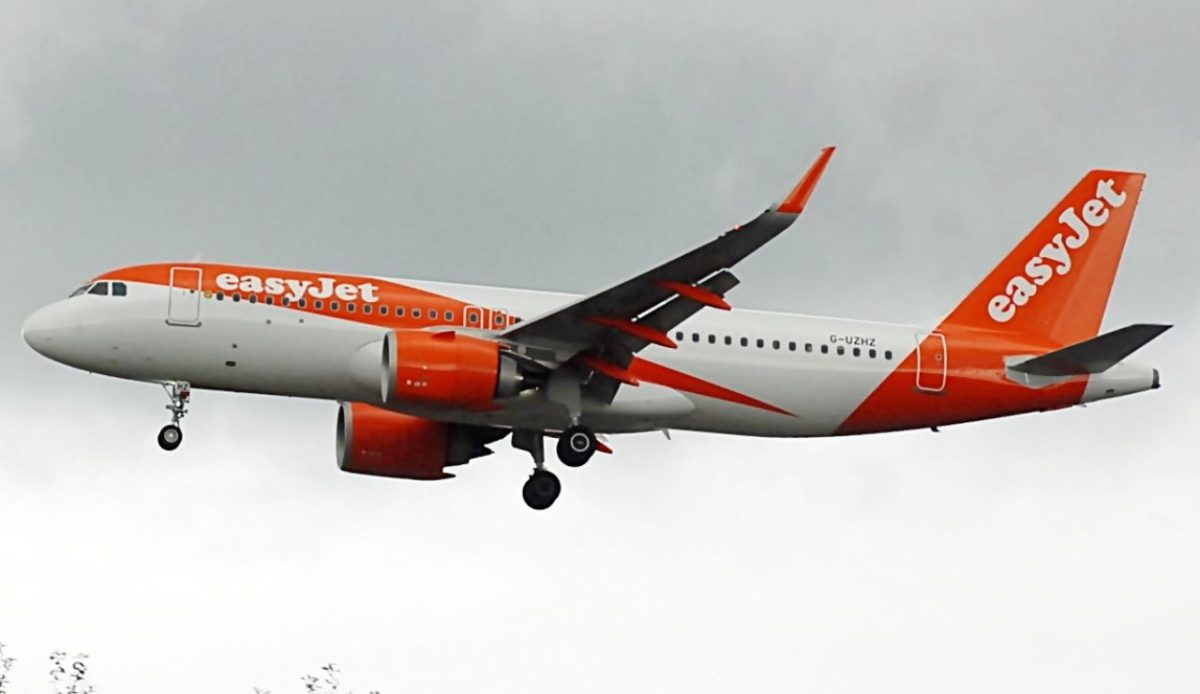
easyJet has reduced included seat selection and cabin flexibility across many fare types. Travelers who once expected to choose seats during booking are now often required to pay extra to sit together or secure preferred locations, particularly on busier routes.
Seat design increasingly prioritizes durability and weight efficiency over cushioning. While suitable for short flights, longer journeys can feel rigid, especially as legroom varies by aircraft and row placement.
The airline’s pricing structure separates transportation from comfort-related features, allowing fares to remain competitive while requiring passengers to budget for previously expected conveniences.
5. Wizz Air
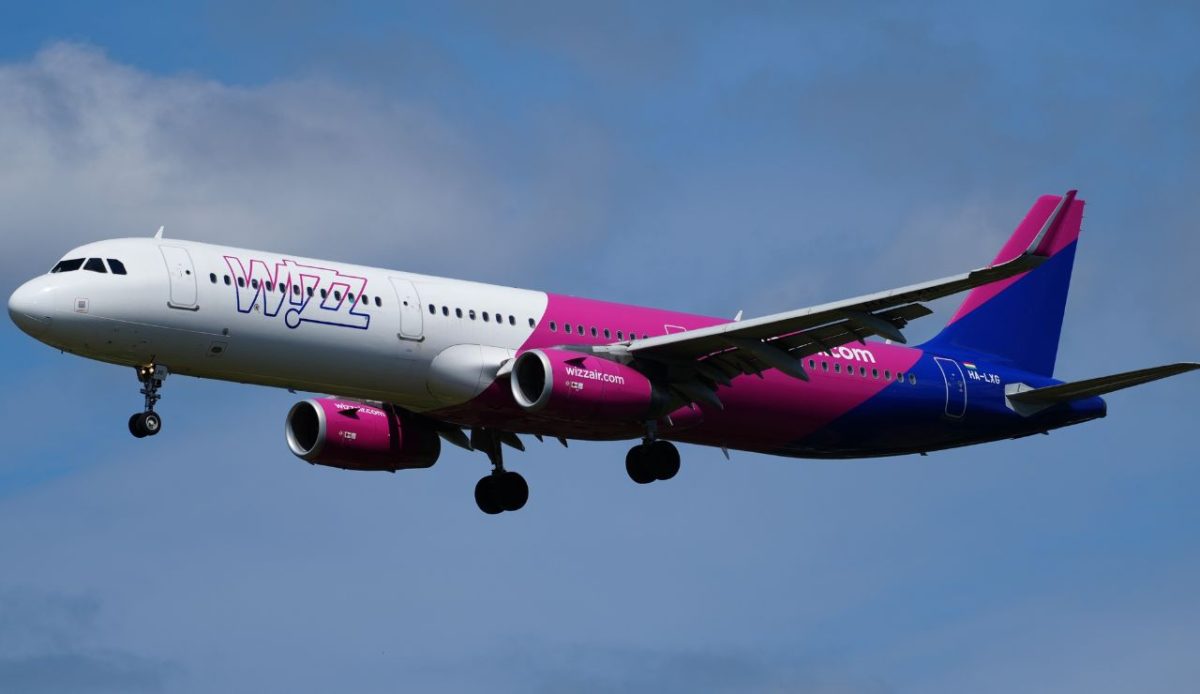
Wizz Air has expanded seating capacity across much of its fleet, with noticeable reductions in seat pitch on certain aircraft. These adjustments increase passenger volume but reduce personal space, particularly on longer intra-European routes.
Complimentary services have been scaled back significantly. Most food and beverages are sold onboard, and cabin baggage allowances are tightly controlled to encourage paid upgrades.
This approach supports lower base fares and route expansion, but it also reshapes expectations. Travelers increasingly experience flights that emphasize efficiency over comfort as a standard operating model.
7. AirAsia
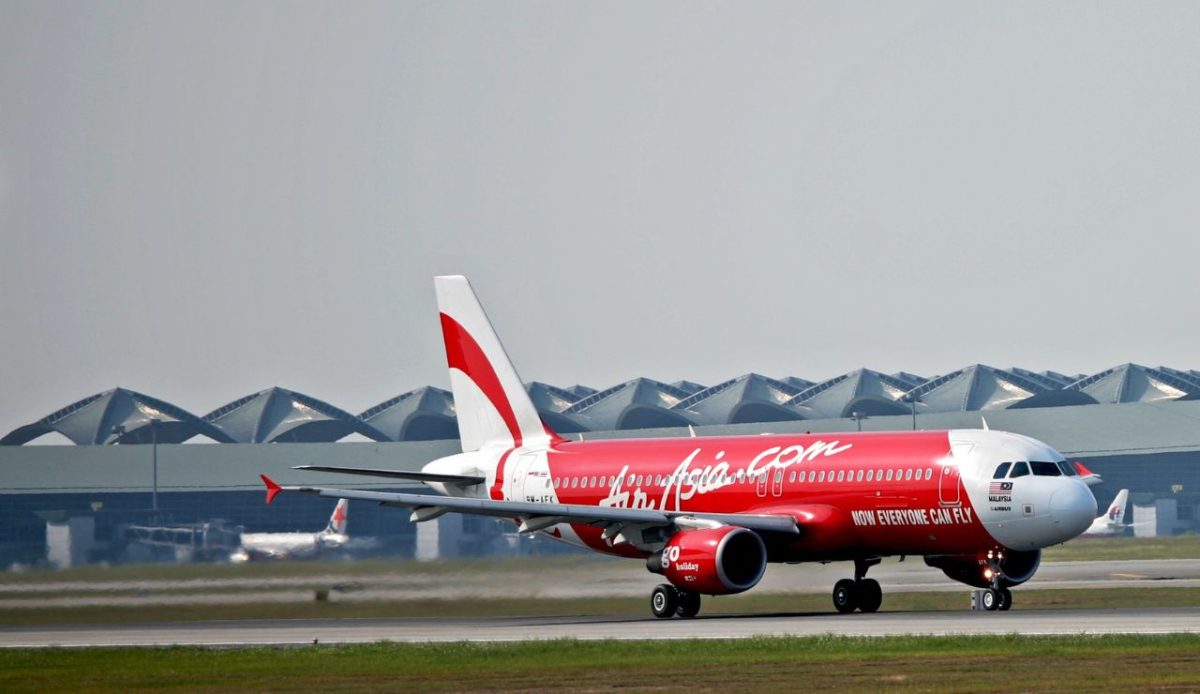
AirAsia has streamlined cabin features across its fleet as part of a long-term cost control strategy. Seat comfort is basic, with limited recline and reduced cushioning, particularly on short-haul aircraft configured for high passenger density.
Checked baggage, seat selection, and priority boarding are increasingly unbundled from base fares. Even brief regional flights can feel utilitarian, especially for travelers accustomed to included amenities on similar routes.
These adjustments allow AirAsia to maintain competitive pricing across Southeast Asia. However, they also signal a shift where comfort is no longer assumed, but instead treated as an optional add-on rather than a standard feature.
8. Scoot
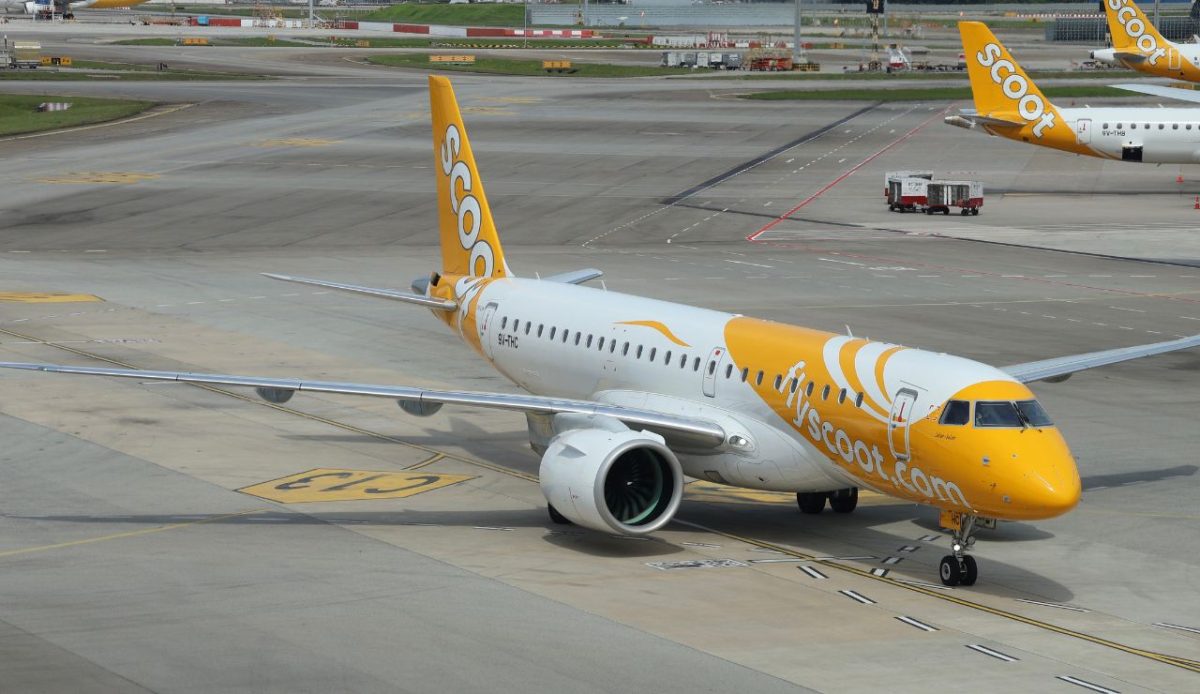
Scoot has reduced complimentary amenities to manage operating expenses more tightly. Standard fares typically include minimal onboard services, with most comforts requiring additional payment before or during the flight.
Seat spacing varies by aircraft type, with tighter layouts common on high-demand routes. While premium seating options exist, they are clearly separated from basic fares and priced accordingly.
This structure creates a defined divide between transportation and comfort. Travelers receive a lower entry fare, but the onboard experience increasingly depends on optional purchases rather than included services.
9. Allegiant Air
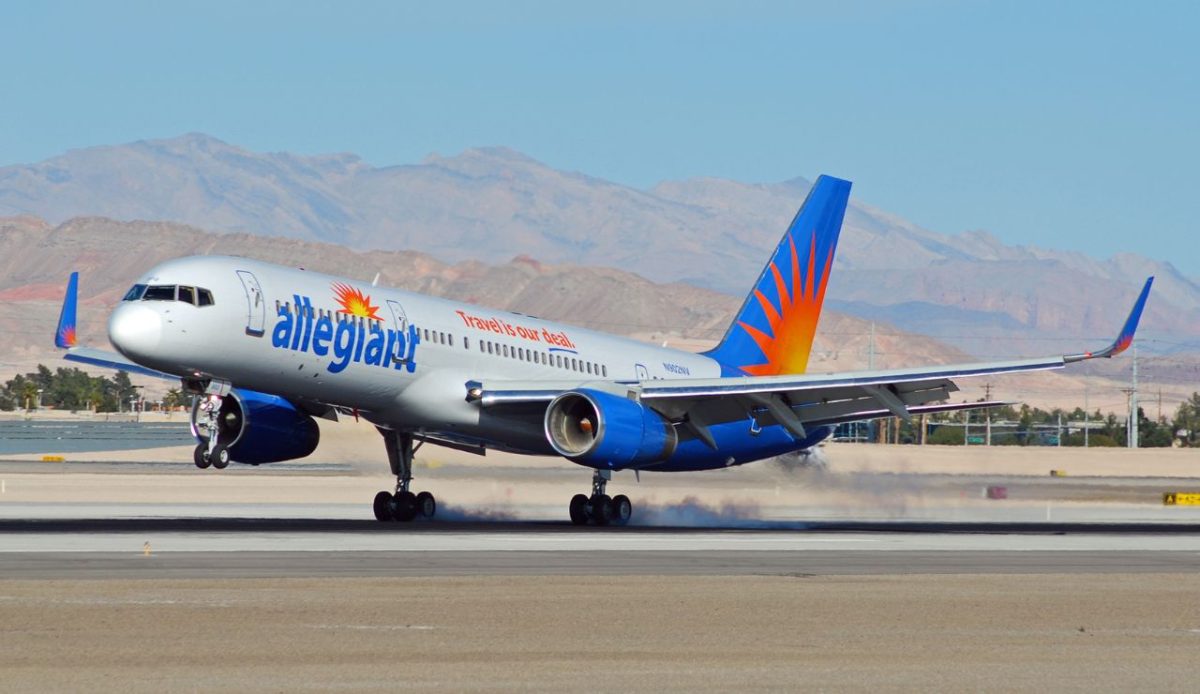
Allegiant Air focuses on point-to-point routes, often serving smaller airports with limited competition. Seats are firm and designed primarily for durability, reflecting the airline’s emphasis on operational efficiency rather than onboard comfort.
Cabin services are minimal, and most extras carry separate fees. Complimentary items are limited, and even basic refreshments may not be included on certain flights, especially on shorter domestic routes.
This approach keeps ticket prices low but narrows onboard expectations. The experience centers on direct transportation rather than passenger comfort, particularly on longer routes where reduced amenities and seating rigidity become more noticeable.
10. Volaris
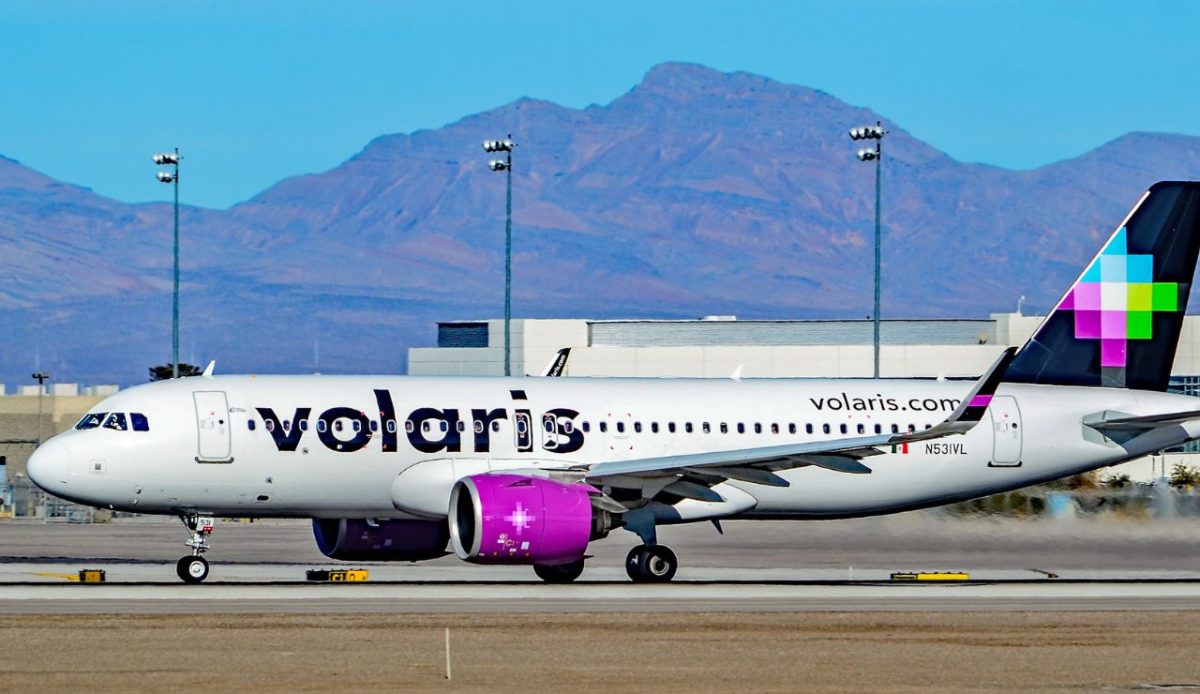
Volaris has reduced seat padding and personal space across parts of its fleet to increase seating capacity. Comfort features take a secondary role as the airline prioritizes fare competitiveness, particularly on short- and medium-haul routes with high demand.
Basic tickets exclude amenities once considered standard, including seat choice and checked baggage. Travelers must select paid upgrades to tailor their experience, often making comfort decisions during booking rather than later.
While this model supports affordability, it changes how passengers plan flights. Comfort is no longer built in but calculated as part of the overall travel cost, especially on longer journeys.
11. Pegasus Airlines
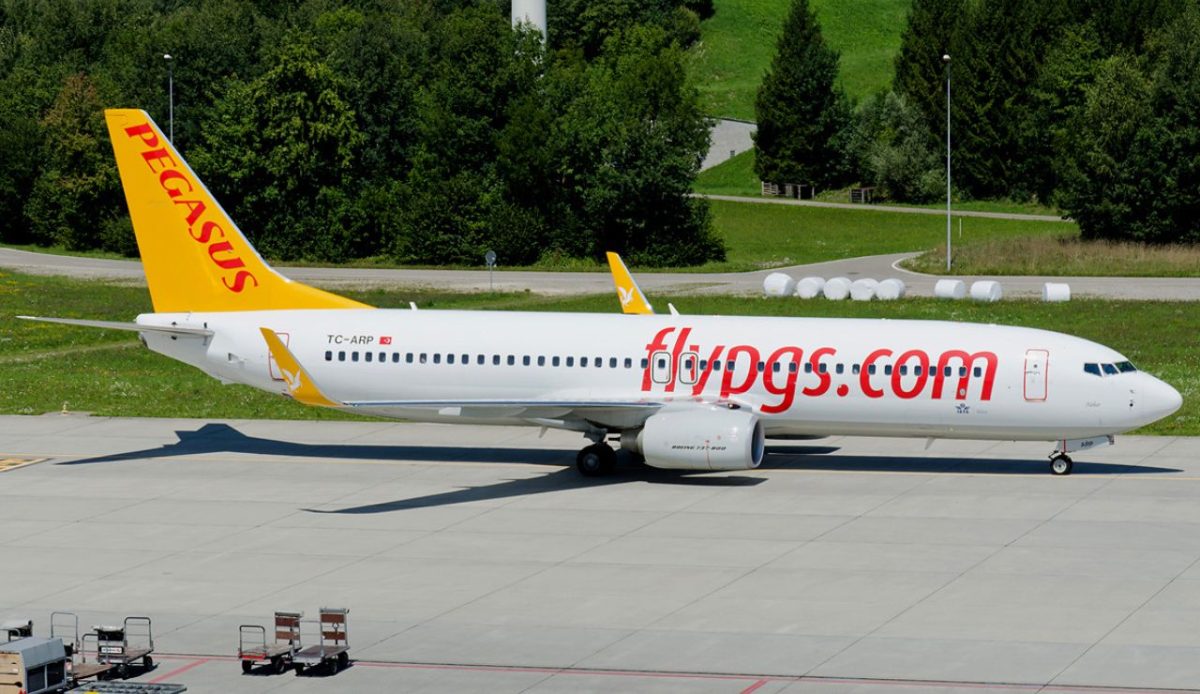
Pegasus Airlines has streamlined cabin interiors to reduce weight and maintenance needs. Seats generally offer limited recline and modest cushioning across most aircraft, reflecting a design focused on efficiency rather than relaxation.
Complimentary onboard services are minimal, with food, drinks, and comfort items available for purchase. Cabin layouts favor efficiency, allowing quicker cleaning and faster aircraft turnaround between flights.
This configuration allows the airline to operate frequent regional flights at a lower cost. However, it reinforces an experience where convenience outweighs onboard amenities for many travelers.
12. Norwegian Air Shuttle
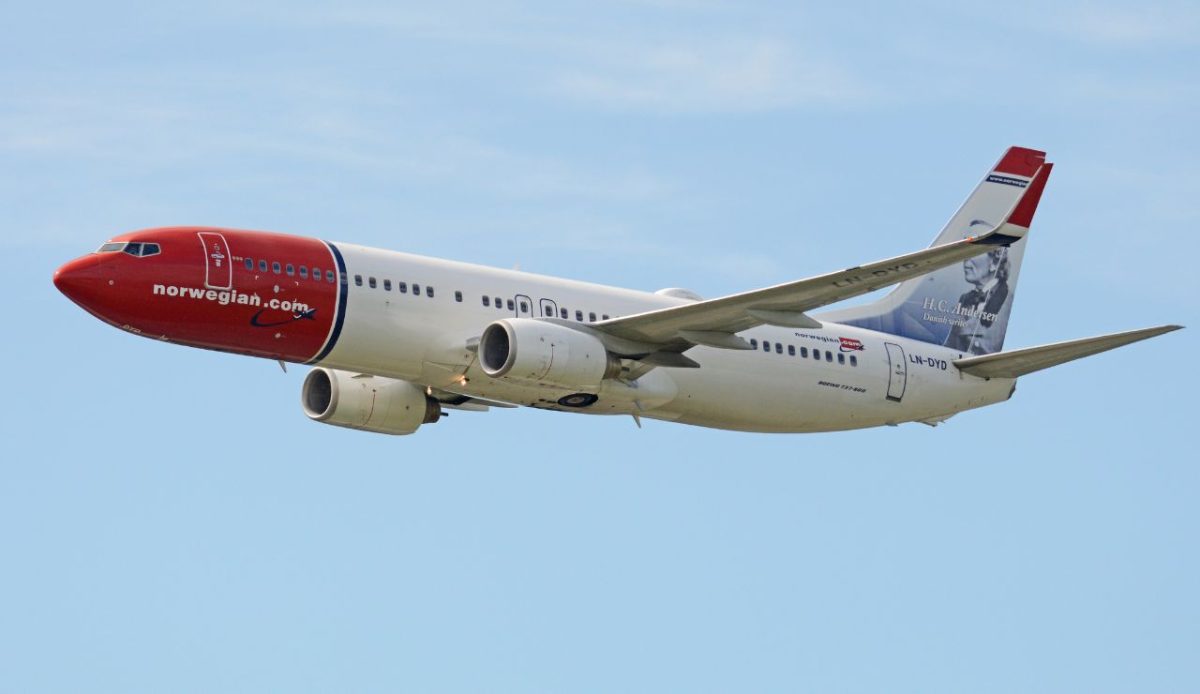
Norwegian Air Shuttle has reduced included services on many short-haul routes. Seat comfort varies depending on aircraft age, but remains basic across most of the fleet as the airline standardizes interiors.
Entertainment systems and refreshments are largely optional purchases. Cabin features have been simplified to reduce operational complexity and turnaround times, helping the airline maintain tight schedules across busy European routes.
These adjustments reflect broader cost-control measures following restructuring. Travelers benefit from lower fares but encounter fewer built-in comfort expectations, especially on routes where competition keeps prices low.
13. ZIPAIR
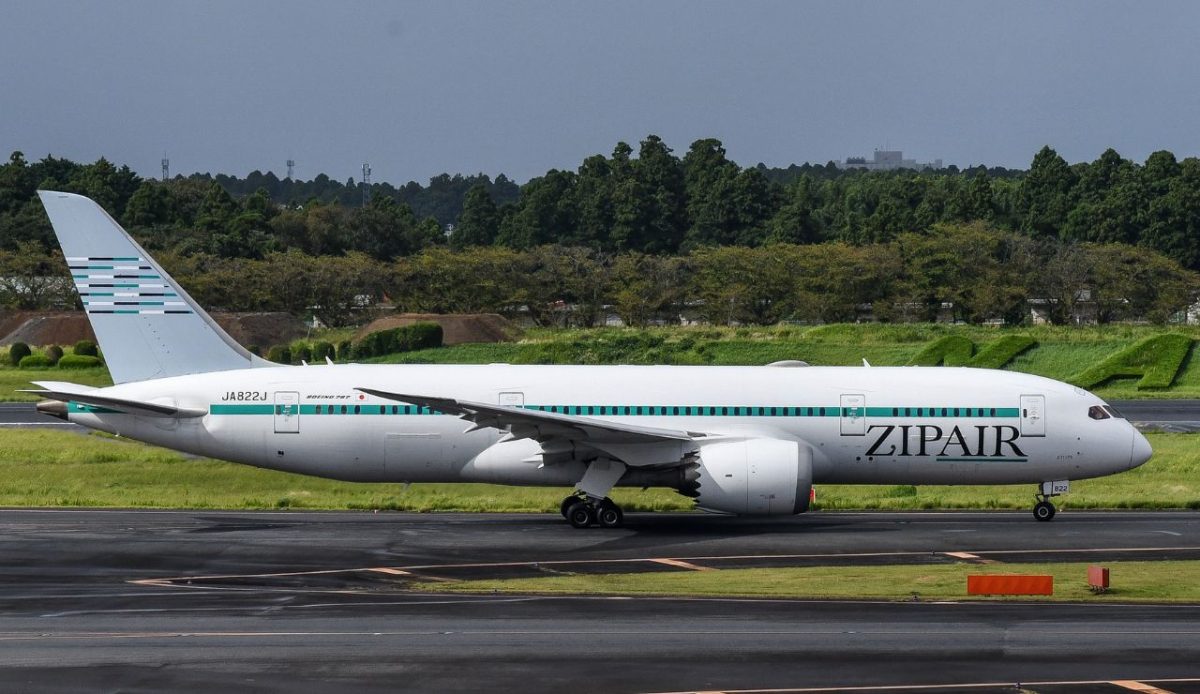
ZIPAIR operates with a deliberately stripped-down service model focused on long-haul affordability. Seats are functional, offering minimal cushioning and limited recline compared to full-service carriers on similar international routes.
Onboard amenities are largely unbundled, including meals, blankets, and comfort accessories. Passengers customize their experience through paid options selected in advance, often choosing only what they consider essential.
This structure allows ZIPAIR to offer competitive pricing on international routes. At the same time, it redefines baseline comfort as optional rather than inherent to the ticket, reshaping expectations for long-distance budget travel.
