
Airport lines get blamed on crowds, yet many slowdowns come from repeat habits at the checkpoint. Agents must keep screening consistently, so a small mistake can trigger a bag search, a rescan, or extra questions. This article focuses on behaviors that create friction during TSA screening and the simplest way to prevent them. Each item links the habit to what it interrupts, then gives a practical adjustment you can make before you reach the first bin. Rules differ by lane and equipment, so read signs and follow the officer’s directions. A few minutes of prep at home and in the queue can save much more time in line.
1. Waiting Until the Bins Are Prepared

Waiting until you stand at the bins to empty pockets and sort bags forces the belt to pause while you catch up. When trays stack, agents have to manage spacing and may redirect people, which adds more delay. Before you reach the front, step to the side, remove metal items, and place them in a pocket, pouch, or bag compartment. Arrive at the conveyor ready to load in one smooth motion, then move forward as soon as your bin is pushed. If you have a laptop or liquids that might need to come out, position them near the top while you wait. Keep shoes tied and jacket unzipped, so you are not stopping to fix clothing at the rollers.
2. Using an ID and Ticket Name That Do Not Match
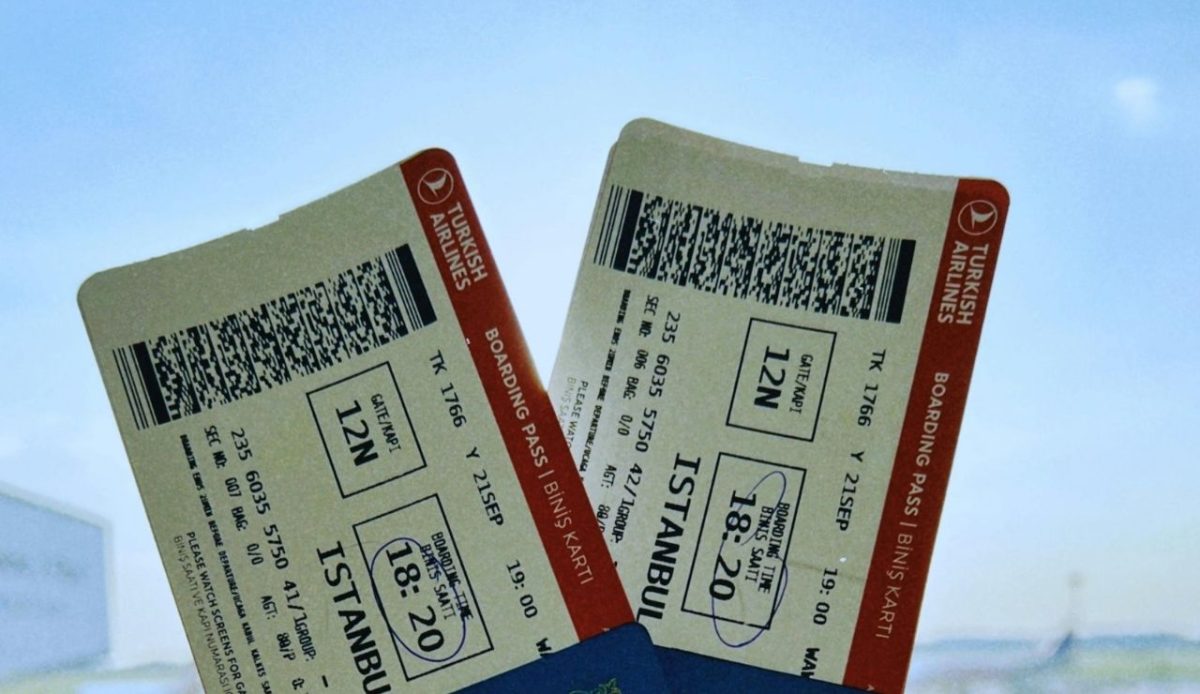
A boarding pass that does not match your government ID can slow document checks and trigger manual review. Common causes include missing middle names, swapped letters, or a nickname entered during booking. While the airline issues the pass, your identity has to be confirmed before you can proceed to screening. Check your reservation a day or two ahead and correct errors through the airline or travel portal. At the airport, present the same ID you used when the ticket details were fixed. If you are using an updated document or a temporary credential, bring supporting paperwork and extra time, since extra steps may be required.
3. Making Jokes About Weapons or Explosives
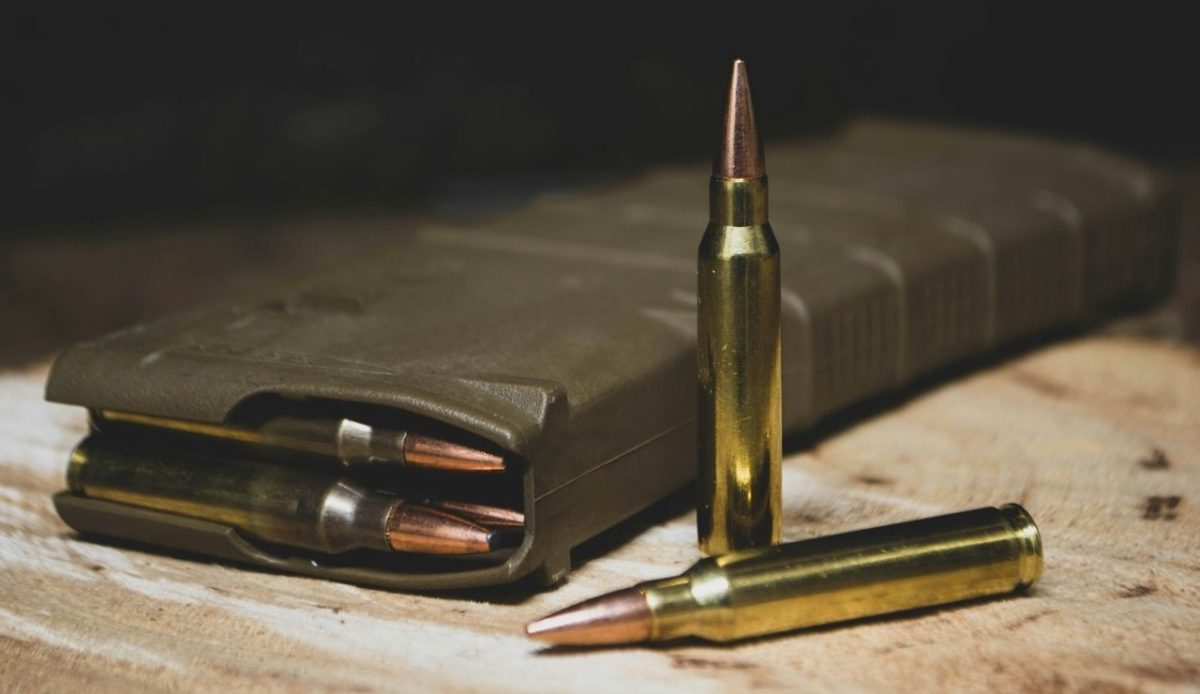
Security jokes about bombs, guns, or threats turn a routine screening into an incident that must be checked. Even a casual remark can require questioning and can bring supervisors or law enforcement into the area. That attention is not optional, so the line behind you is slowed as the checkpoint focus shifts. Keep your comments simple and answer only what is asked. If you are stressed, pause and breathe while you wait, but avoid humor tied to weapons or explosives. If you need to talk on the phone, finish the call before the officer speaks to you so your response is clear and the exchange stays brief.
4. Carrying Liquids That Break the 3 1 1 Rule

Oversized liquids in a carry-on bag are a frequent reason a bin is pulled for inspection. When a bottle over the limit is found, agents must stop the bag flow, open the case, and confirm what must be removed. To avoid that, pack liquids, gels, creams, and aerosols in containers of 3.4 ounces or less and place them in one quart bag. Do not hide items in side pockets. If you bought a drink before security, finish it or discard it before entering the queue. For larger medically needed liquids, declare them early and keep them easy to reach so screening can be done without unpacking your entire bag.
5. Forgetting Spreadable Foods Are Gels

Many foods that seem solid are screened like gels, so large containers of spreads can lead to a bag check. Peanut butter, frosting, hummus, and similar items may be treated like liquids for carry-on limits. When they are found, you may be asked to surrender them, and the belt time is lost while the bag is resolved. Pack spreads in checked baggage when possible. If you must carry them on, bring only small amounts that meet the size rule and keep them in the liquids bag. For snacks, choose items that scan cleanly, like crackers or whole fruit, after checking local rules, and avoid packing a jar that will be opened at the lane.
6. Packing Large Electronics Where They Are Hard to Remove

In many standard lanes, laptops and tablets still need to be removed and placed flat in a bin. Agents get frustrated when a traveler has to unpack layers of clothing to reach a device because the belt cannot keep pace. Pack large electronics in an outer sleeve or top compartment so they can be lifted out quickly if the sign requires it. Use a simple cable wrap so cords do not spill into the tray. After screening, move away from the rollers before putting everything back together. Place the device in its own tray when requested, with nothing on top, so a clear image is produced and a rescan is less likely.
7. Assuming CT Scanner Rules Are the Same Everywhere
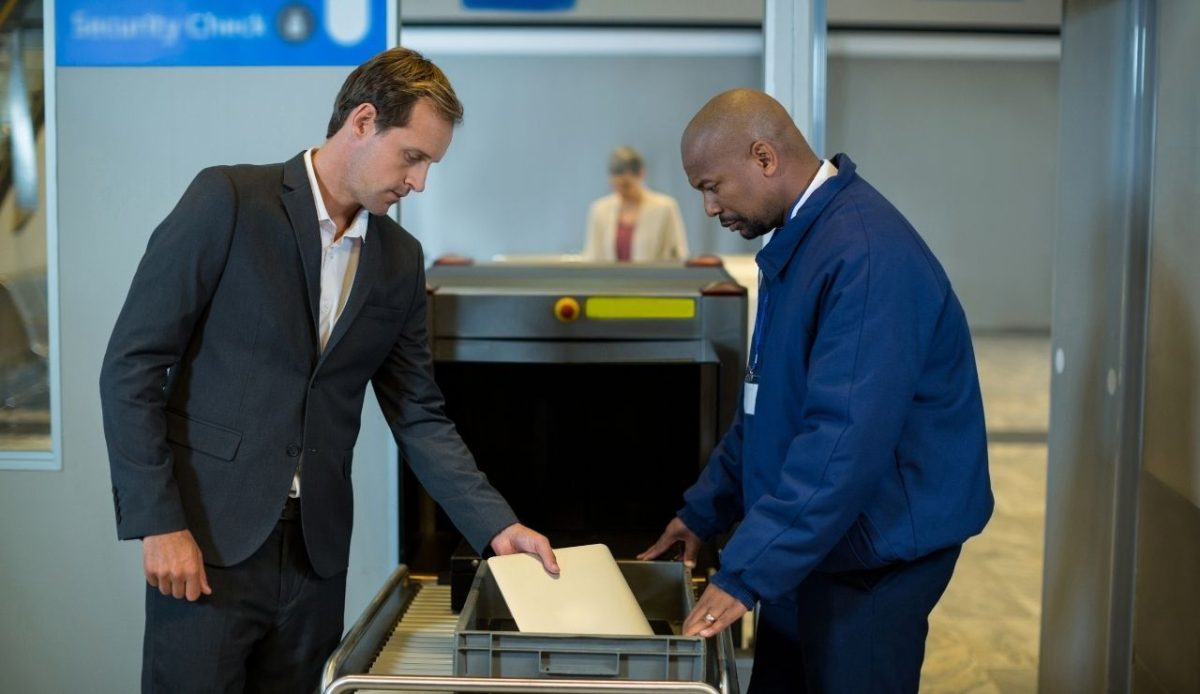
Checkpoint equipment varies, and CT lanes may allow liquids and electronics to remain in your bag, while other lanes do not. Trouble starts when travelers insist on the last trip rules and ignore the signs for the lane they are using. That can lead to a stop, a lecture, and a bag being sent back for another pass. Read the posted instructions as you approach and listen for the officer callouts. If you are unsure, ask before loading your tray, not after your bag has entered the scanner. Avoid switching lanes at the last second, since each lane can have different rules, and your repack plan will change.
8. Bringing Sharp Objects in Carry-On Bags
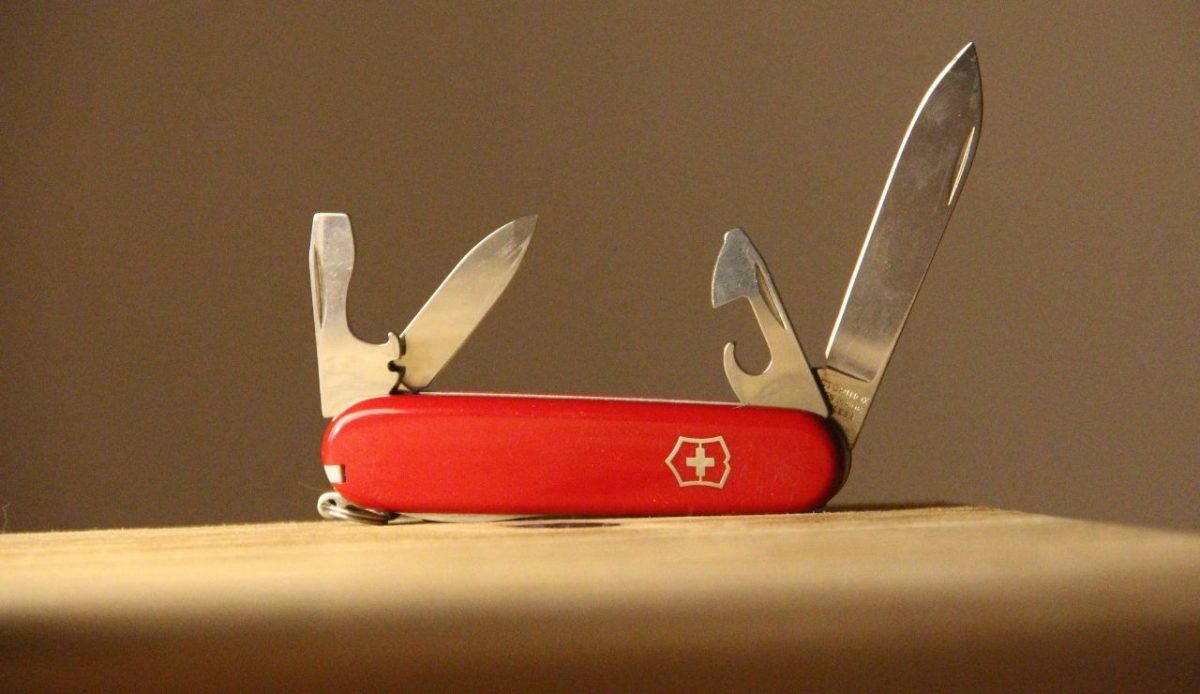
Sharp objects in a carry-on bag create a predictable problem because the bag must be opened and the item handled carefully. Pocket knives, multi tools, box cutters, and some scissors are common finds, especially in work or gym bags. Agents must pause the flow to decide whether it can travel, be checked, or be surrendered. Before packing, inspect every pocket and pouch, including small inner sleeves. If you travel often, keep a dedicated airport bag that never carries blades or tools. When returning from a trip, remember that souvenir knives or corkscrews are frequently missed and should go straight into checked luggage.
9. Packing Power Banks in Checked Luggage
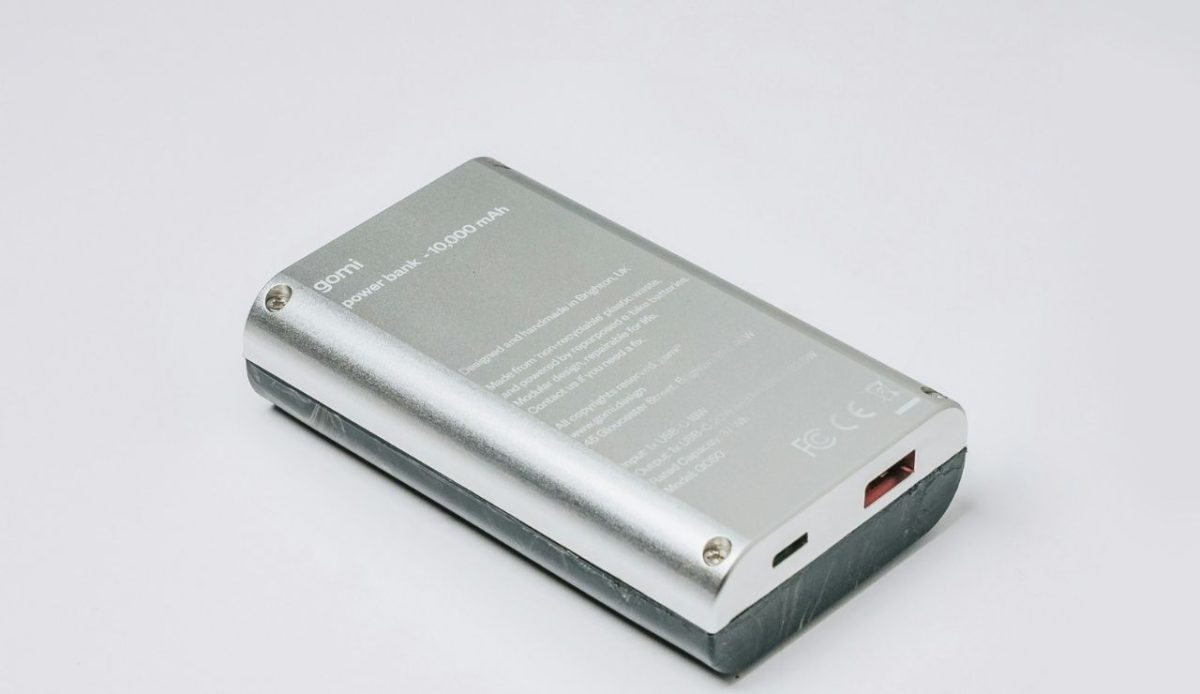
Placing power banks or spare lithium batteries in checked luggage creates problems because they are restricted there for safety reasons. When screening detects them, a bag may be opened, delayed, or removed from the flight so the item can be taken out. That adds work for agents and can separate you from your luggage. Keep power banks, spare camera batteries, and loose lithium cells in your carry-on bag instead. Protect terminals with the original cap or a simple cover to prevent contact with metal objects. If you carry several spares, store each in a small sleeve or plastic bag so they cannot rub together during the trip.
10. Checking Vapes or E-Cigarettes
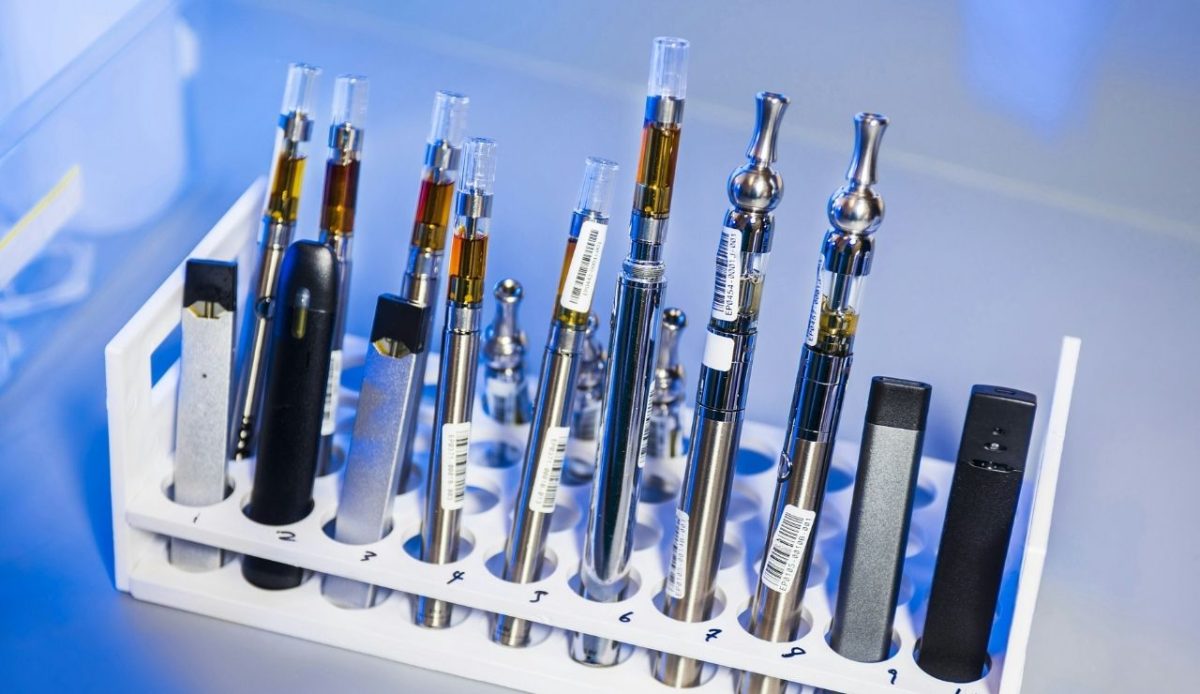
Vapes and electronic cigarettes are another frequent mistake because they should not be packed in checked bags. When a device with a lithium battery is found there, the bag may be held so the item can be removed, which can delay loading. Carry the device with you and make sure it cannot turn on in your pocket or bag. If you bring e-liquid, keep it within the same size limits used for other liquids. Dispose of damaged devices before travel, since swollen batteries can create extra screening concerns. For a smoother search, place the device and spares together in your carry-on so you can show them quickly if asked.
11. Attempting to X-Ray a Child or Pet
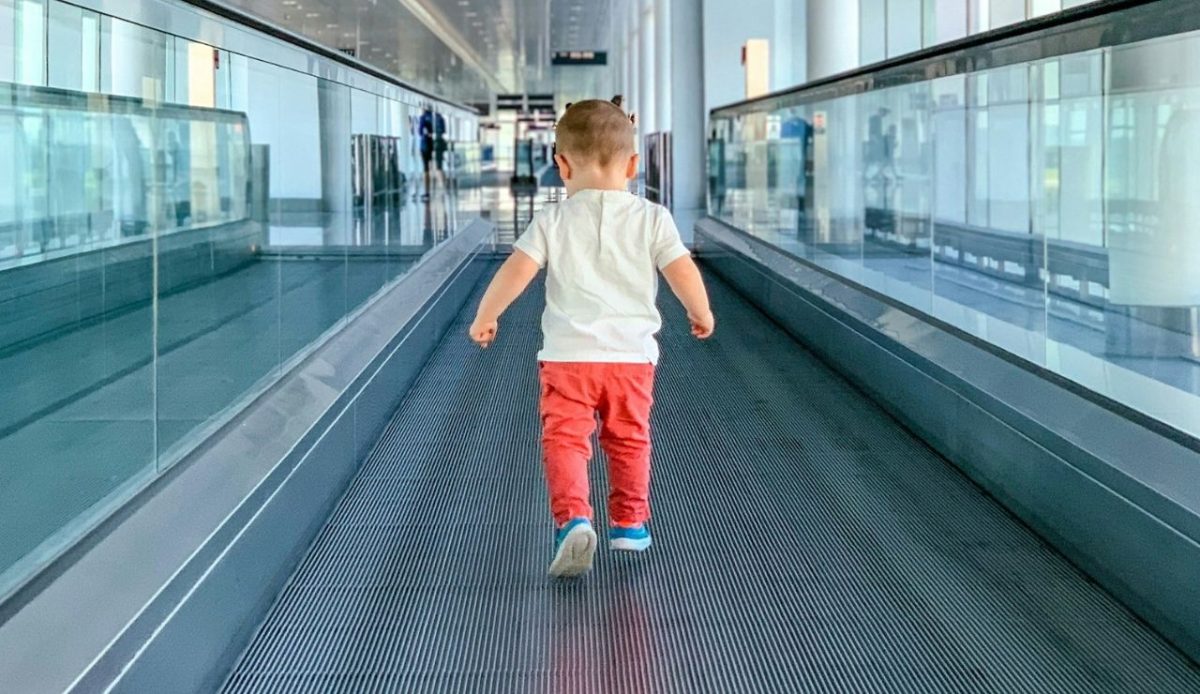
Trying to send a child or a pet through an X-ray machine forces an immediate stop because it is not permitted and creates safety risks. Agents have to intervene quickly, and the lane can be held while the situation is corrected. Carry small children through the walk-through detector when directed, and keep your hands free of metal items. For pets, remove the animal from the carrier and walk through while holding it, then send the empty carrier through the scanner. Ask the officer for help before you reach the belt if you have a nervous animal. Use a secure leash or harness so you maintain control during the walk-through.
12. Blocking the Belt While Repacking Bags
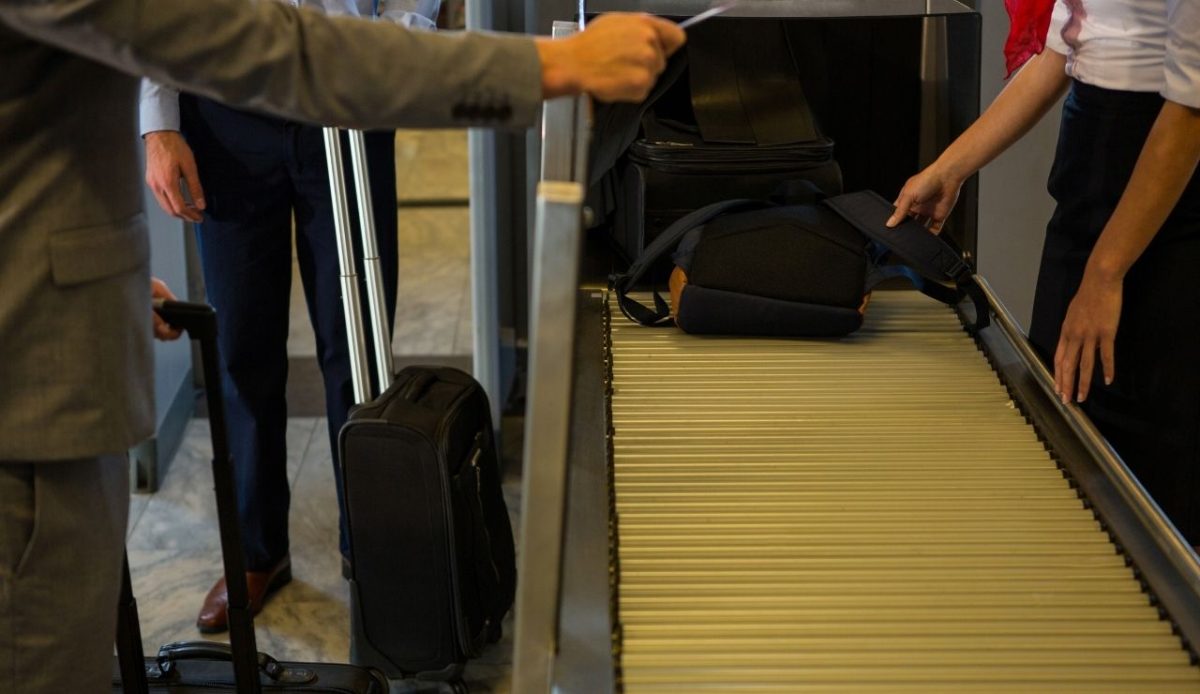
The area after screening becomes chaotic when people stop at the rollers to put on belts, tie their shoes, and repack bags. Bins then pile up, and agents may need to call for people to move, which adds tension and slows tray return. Collect your items quickly, check that you have your phone and passport, and step to a bench or repack table. Reassemble your bag there so others can exit the scanner zone without weaving around you. If you are traveling with family, agree on a meeting point past the belt to prevent crowding. Return empty bins only where the lane requests, and avoid stacking them randomly, since staff must keep a clear path for new trays.
13. Ignoring Lane Instructions Because It Worked Before
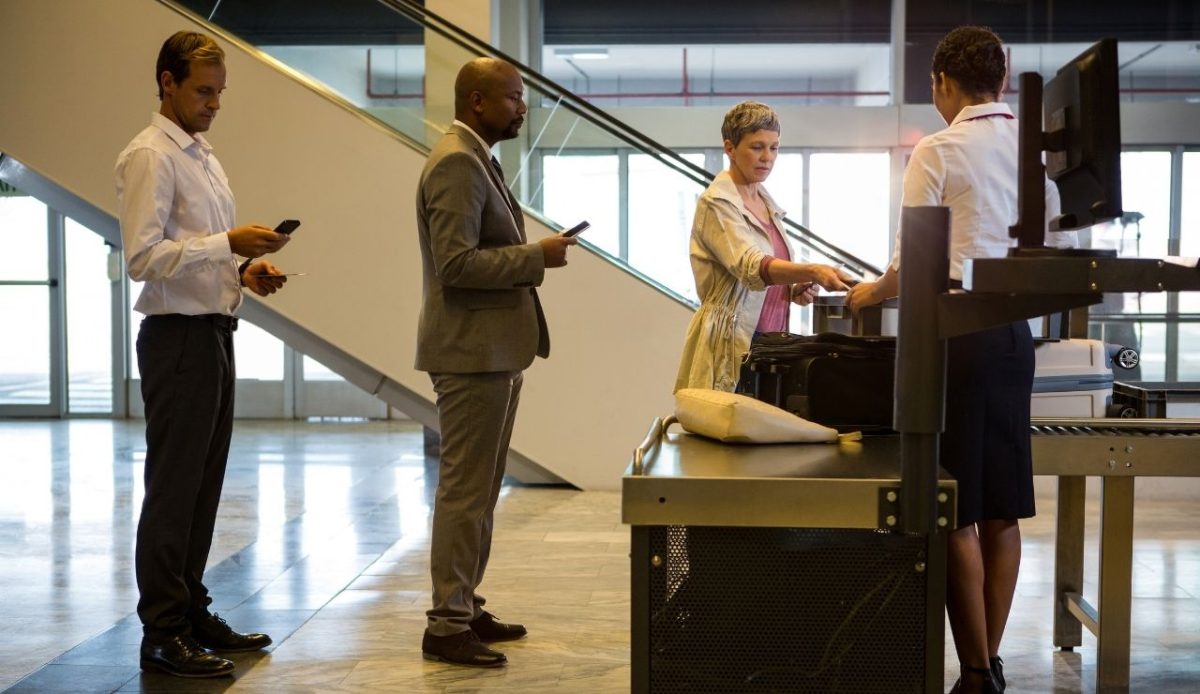
The habit that causes the most friction is treating every checkpoint like the last one. Rules can change by airport, lane type, staffing, and scanner model, so agents rely on travelers to follow signs and verbal calls. When someone refuses to remove an item or removes something that should stay packed, the bag may be pulled, and the line slows. Watch the person ahead of you for the current routine, then mirror it while listening for updates. If you qualify for PreCheck, still follow the lane directions since exceptions can occur during busy periods. Stay in your lane and do not swap lines at the last moment.
