
Air travel runs through a fixed network of sectors and arrival corridors with declared capacity and staffing rules. When a tower, TRACON, or center cannot staff all positions, managers cut the number of aircraft accepted per hour, so delay becomes gate holds and wider arrival spacing.
Delays worsen when the same constraint repeats on hub banks and dense corridors because alternate routings are limited. Training lead times and equipment redundancy are fixed, so flow programs and ground delay initiatives are used to cap demand.
The bottlenecks below the name control points where capacity limits have forced throttling. Each case links a place constraint to an operational response, such as metering, then to longer queues and missed connections.
1. Philadelphia TRACON and Newark Arrival Flows
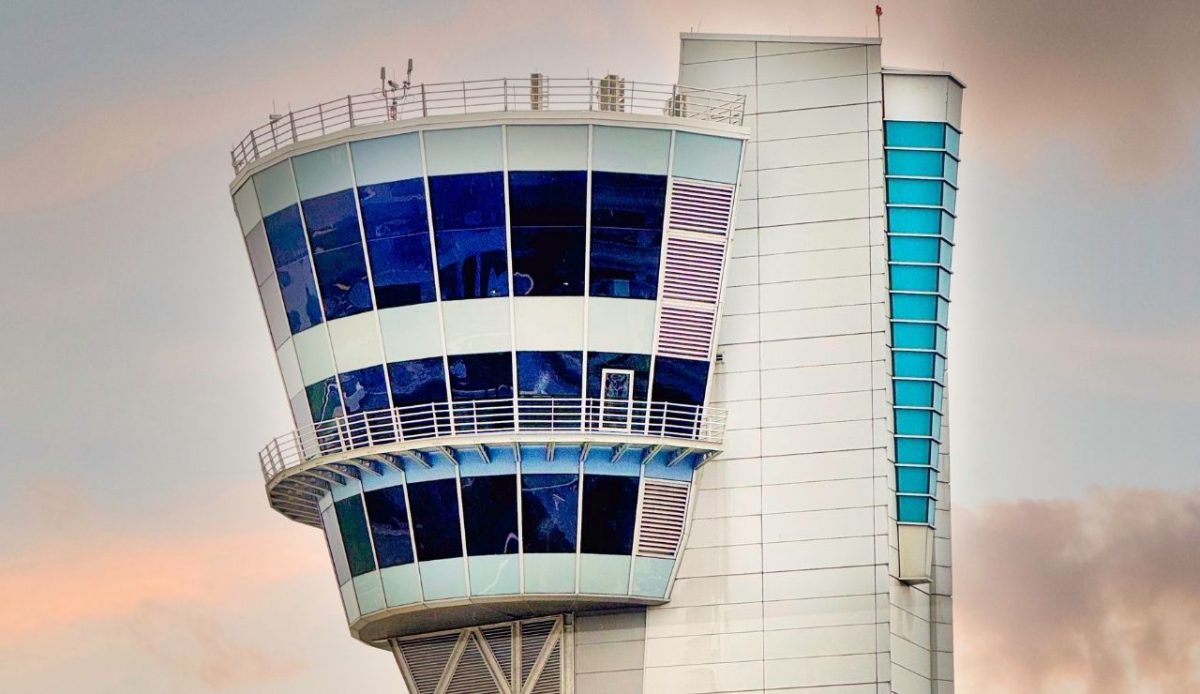
Philadelphia TRACON sequences much of Newark Liberty traffic in tight terminal airspace over the Delaware Valley. When certified controller numbers do not match the workload, the arrival rate is reduced to keep separation margins.
The capacity cut triggers ground delay programs at origin airports from New England to the Midwest, because holding arrivals near New York would overload adjacent sectors. That administrative choice shifts waiting time to gates and increases misconnects.
Newark sits inside a slot-constrained region with few alternative fixes, so demand cannot be rerouted without extra miles. Until staffing and training throughput rise, the hourly cap repeats and delays compound across the Northeast bank.
2. Dallas TRACON Communications Outage
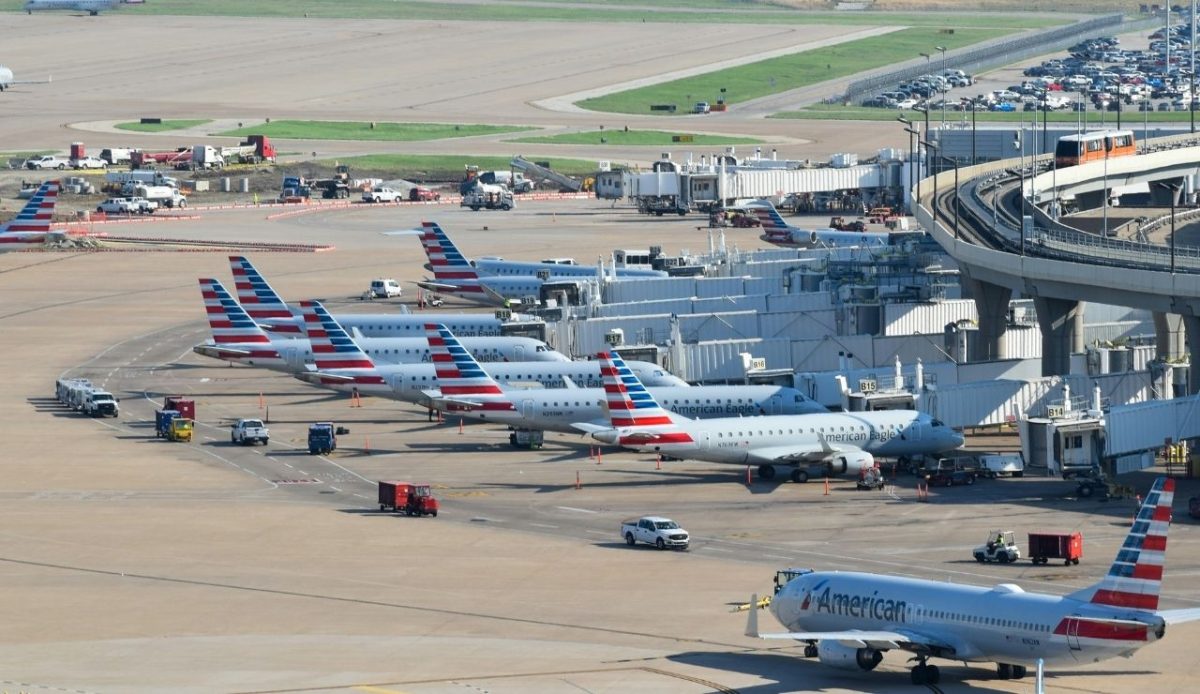
Dallas TRACON manages approach streams for Dallas-Fort Worth and Love Field inside shared arrival gates and departure corridors. A telecom or radio system failure forces the facility to reduce simultaneous operations because clearances cannot be issued reliably.
Traffic managers respond with miles in trail and reduced arrival acceptance, then airlines hold departures to avoid airborne holding stacks. Because the metroplex runs near peak runway utilization in afternoon banks, a short outage can produce hours of recovery delay.
The constraint is amplified by the limited alternative airports that can absorb diverted jets at scale. Once spacing is increased, downstream connections miss their windows, so the delay wave spreads beyond North Texas.
3. Houston George Bush Intercontinental ATC Staffing

George Bush Intercontinental depends on coordinated tower and approach staffing to keep parallel runways fully active. When absences reduce the number of staffed positions, arrival and departure rates are lowered to keep the controller workload within limits.
That rate cut leads to controlled departure releases from major origins because inbound aircraft cannot be sequenced fast enough. The administrative response prevents congestion at the airport but increases gate holds and crew duty time burn.
Houston also feeds long-haul departures with fixed international slots, so late domestic arrivals compress turn times. With limited spare capacity in peak periods, the staffing bottleneck converts into multi-bank delay accumulation.
4. Chicago O’Hare Arrival Rate Reductions
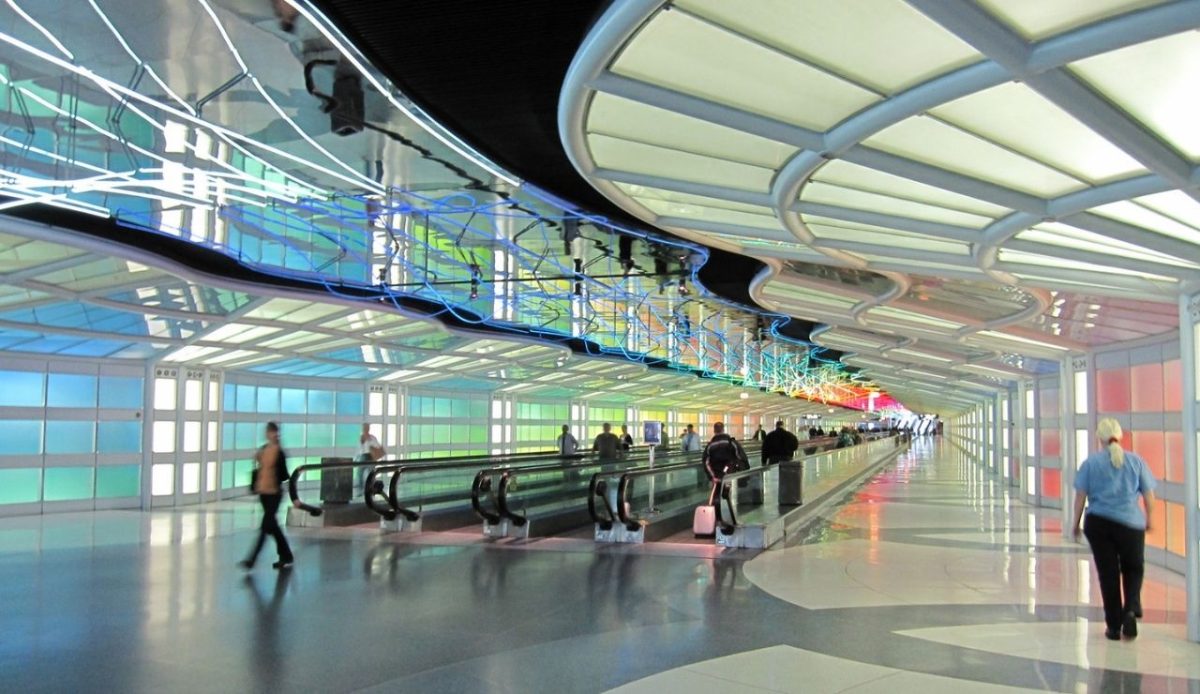
Chicago O’Hare sits on a dense Midwest route lattice where many flights must pass through one terminal area to connect. When approach or tower staffing is short, the FAA reduces the arrival rate per hour, increasing spacing on final.
The reduced acceptance rate triggers national ground delay programs because holding patterns over Lake Michigan have limited volume. Flights wait at origin gates, then arrive in compressed waves that strain taxiway and gate availability.
O’Hare has constrained runway configurations during certain wind patterns, so the effective capacity ceiling drops further. When the cap persists across consecutive banks, delays become structural rather than a one-hour disruption.
5. Atlanta Air Route Traffic Control Center
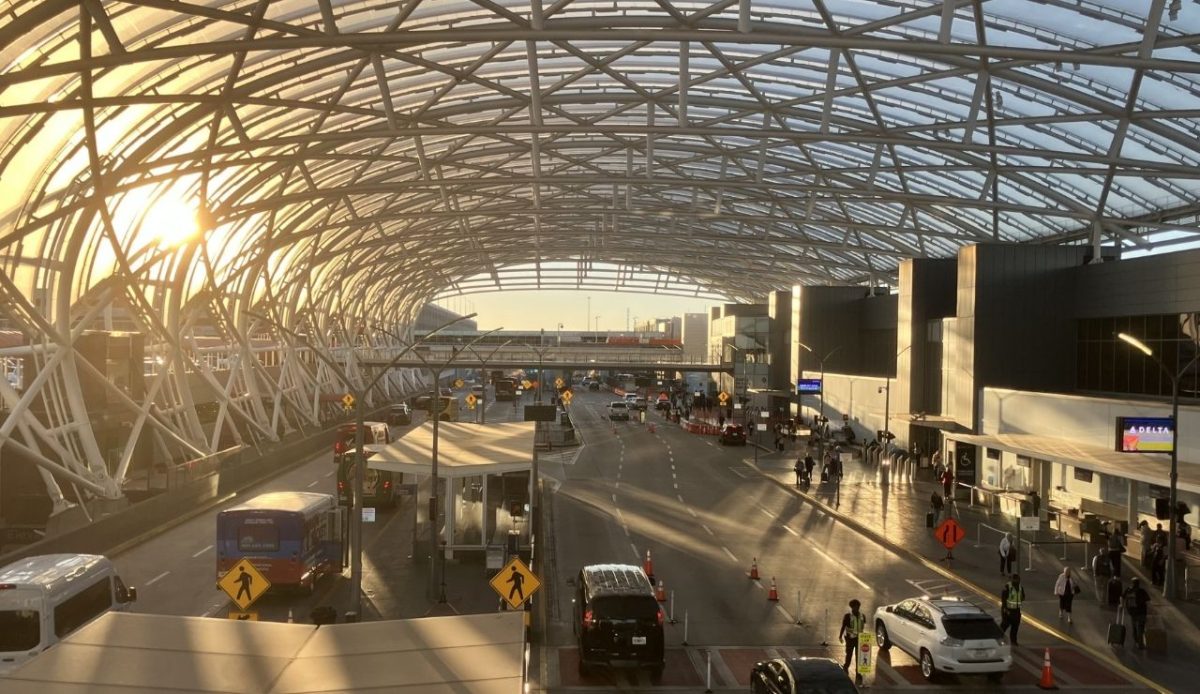
Atlanta Center controls high altitude sectors that feed Atlanta, Charlotte, and Florida gateways along narrow east coast corridors. If staffing cannot cover sector splits, controllers merge sectors, which lowers the aircraft count that can be handled safely.
Traffic management issues en route restrictions and reroutes well upstream, often adding miles or holding departures on the ground. The cause and effect is direct; fewer sectors mean fewer crossings, so flows are metered before they reach congested arrival fixes.
Because the center sits on major north-south tracks, constraints affect airlines that do not even stop in Atlanta. Once schedules slip, connection banks miss, and the delay spreads across multiple states in the same day.
6. Southern California TRACON and Los Angeles Arrivals
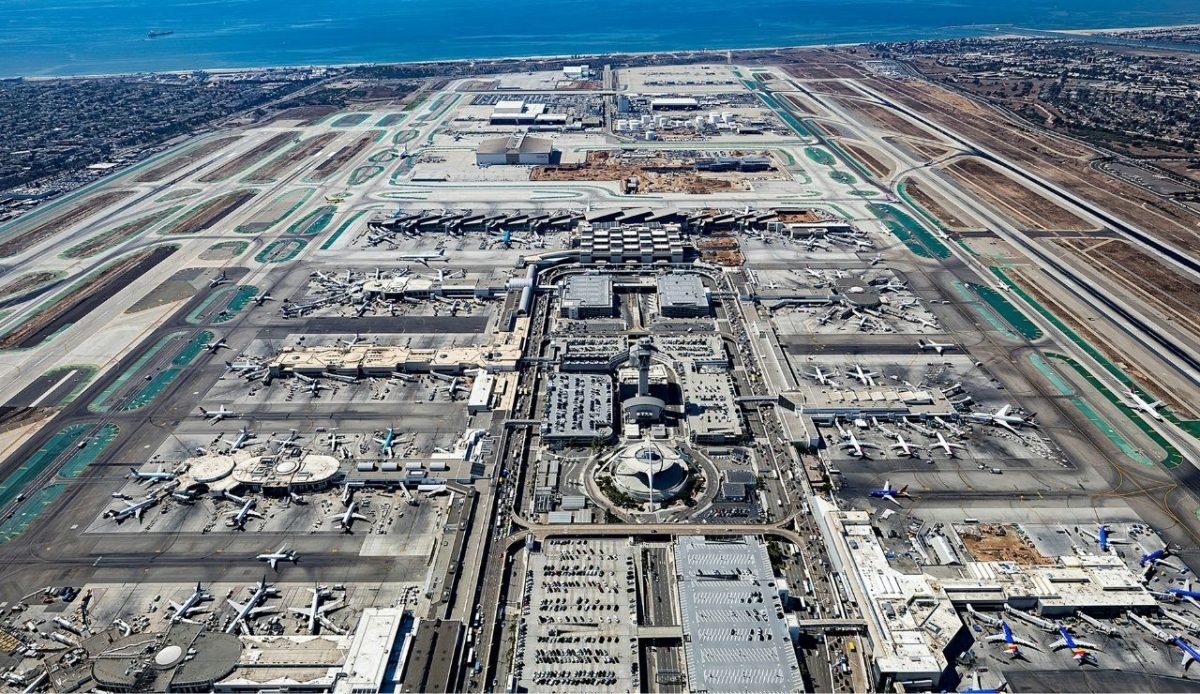
Southern California TRACON sequences arrivals to Los Angeles International through fixed ocean and inland gates with limited lateral room. When staffing shortages reduce available approach positions, the FAA may stop arrivals or cut the acceptance rate to control workload.
A ground stop at LAX pushes delays to departure airports across the West because aircraft cannot enter the terminal area. When the stop lifts, arrival spacing remains wider, so the recovery rate stays below demand and queues persist.
Local geography adds constraint because terrain and military airspace reduce alternate vectors. The result is measurable, longer airborne sequencing and longer gate holds even when runway conditions are normal.
7. Phoenix Sky Harbor ATC Constraints
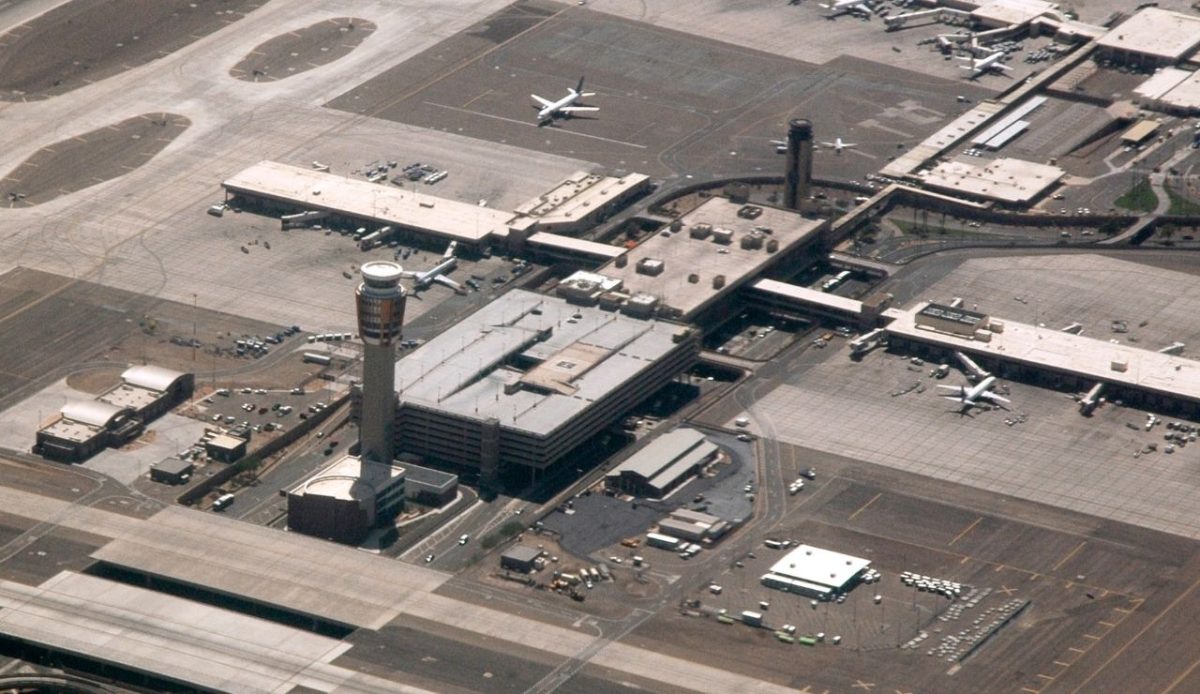
Phoenix Sky Harbor operates in a hot weather environment where climb performance can limit runway throughput in summer afternoons. If tower or approach staffing is short, the airport cannot run peak departure and arrival mixes, so rates are reduced.
Traffic managers use departure releases and arrival metering to prevent saturation in the terminal area. That administrative response increases gate holds, and high temperature days make reroutes less efficient due to fuel planning.
The airport is a major regional hub with fixed connection banks, so small delays convert into missed onward flights. With limited spare gates during peaks, the bottleneck produces visible ramp congestion and extended taxi delays.
8. Harry Reid International Airport Staffing Limits
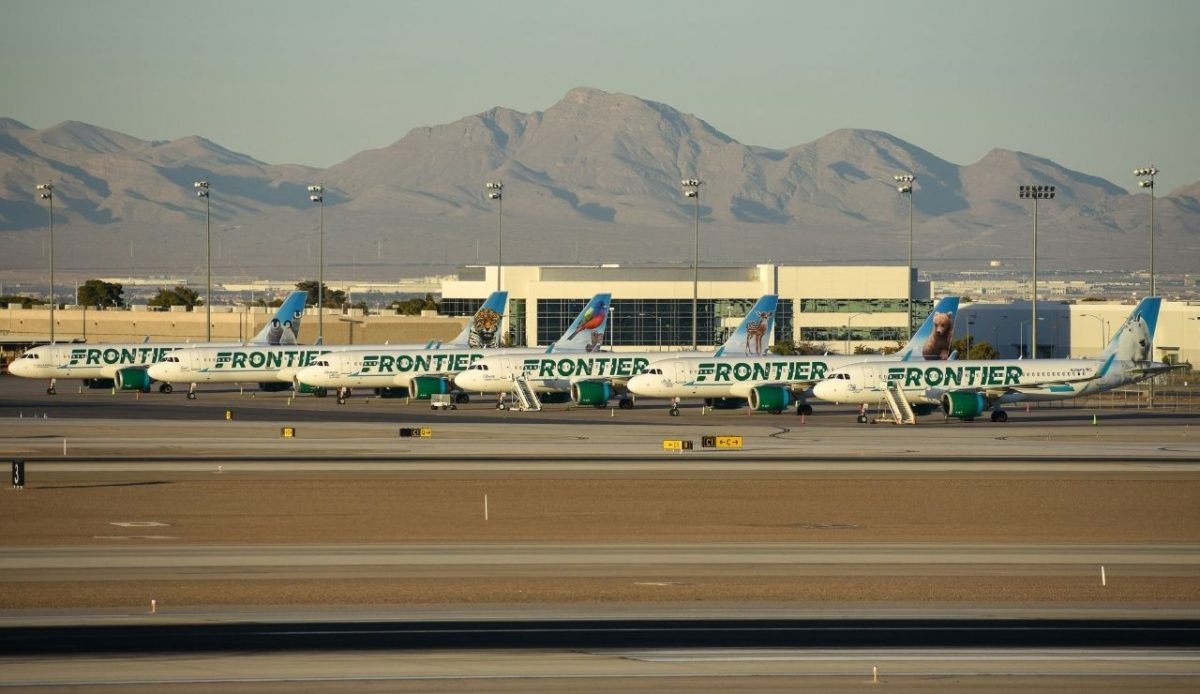
Harry Reid International handles large visitor surges tied to conventions and weekend demand that concentrate into predictable banks. When staffing shortages limit tower or TRACON coverage, the arrival rate is lowered, and departure spacing increases.
The reduced rate triggers ground delay programs at major origins like California metros because arrivals cannot be absorbed on schedule. Aircraft wait at gates to avoid airborne holding, which then disrupts crew rotations and turn times.
Las Vegas airspace has adjacent restricted areas that limit flexible vectoring, so capacity cannot be quickly regained. As a result, delays persist into late evening banks and propagate into the next morning departures.
9. San Diego International Airport Tower Coverage
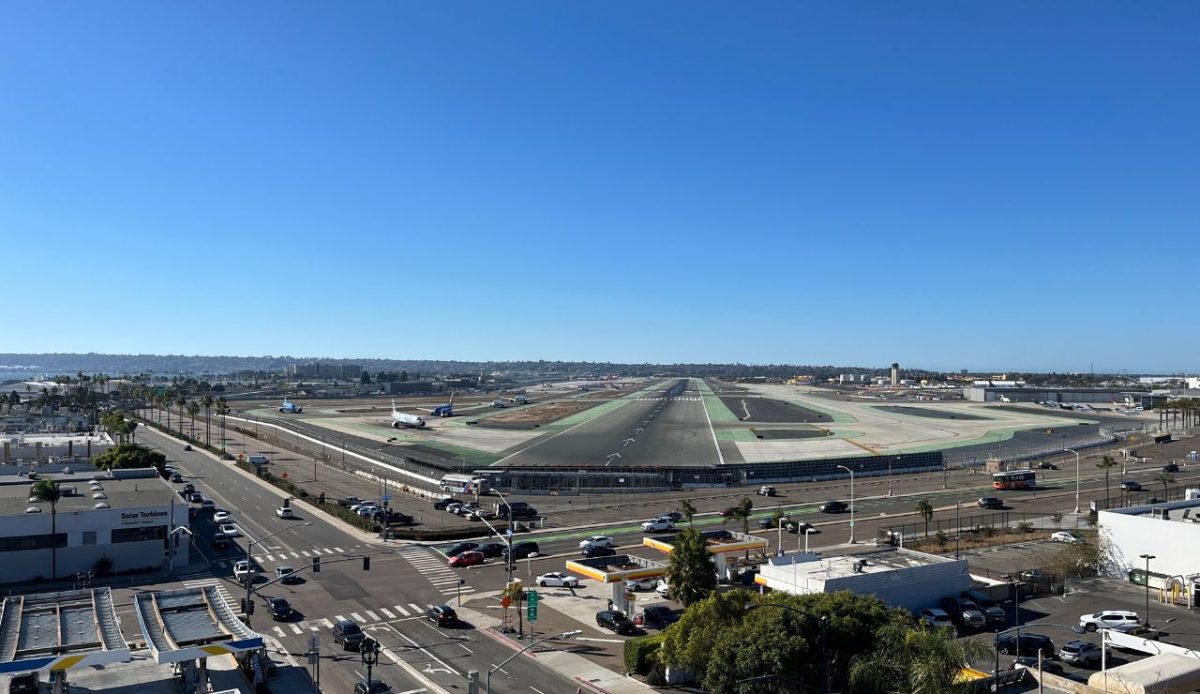
San Diego International relies on a single runway and a constrained approach path over urban areas and nearby terrain. When tower staffing is short, controllers must limit mixed operations, reducing departures during busy arrival periods.
Traffic management responds by spacing arrivals and holding departures at the gate to keep runway occupancy stable. Because there is no parallel runway, even minor rate cuts create queue growth that is easy to observe in taxi delays.
The airport shares regional airspace with military activity, which reduces alternate routing options. That constraint means delays often persist until demand falls rather than being cleared through added capacity.
10. Ronald Reagan Washington National Airport
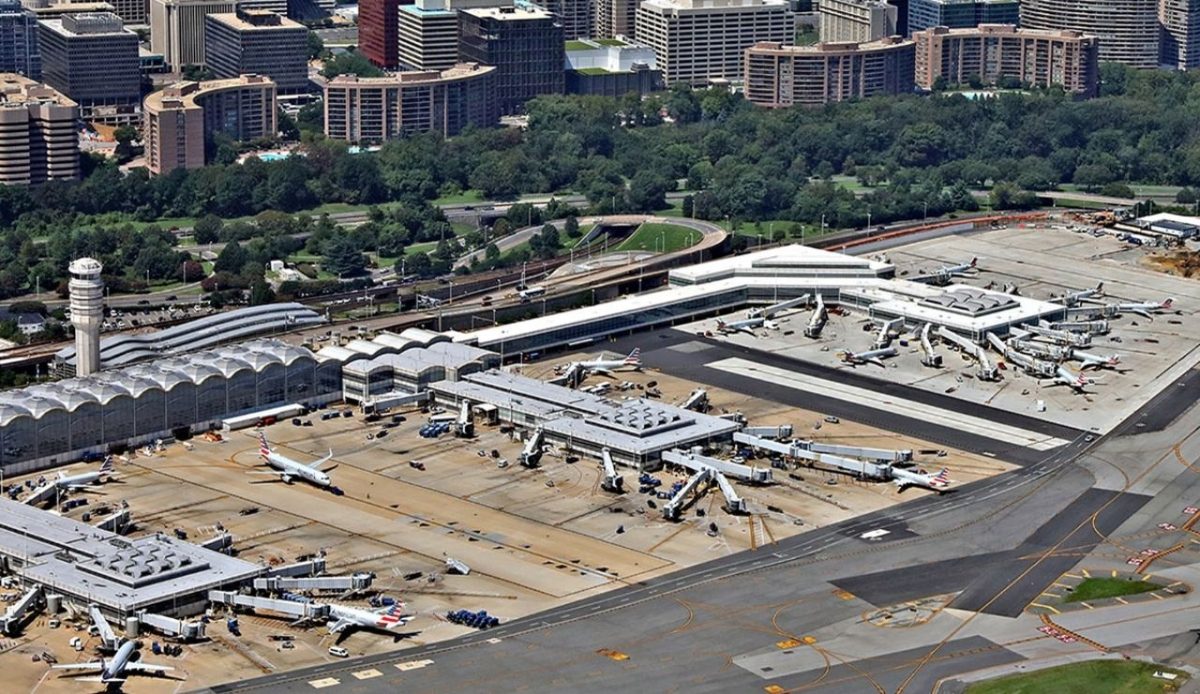
Ronald Reagan Washington National operates under slot limits and noise rules that compress flights into narrow time bands. When staffing is short in the tower or approach, the hourly handling rate drops below the scheduled slot volume.
The FAA then meters arrivals through ground delay programs because holding over the Potomac corridor is tightly managed. Flights are held at the origin, and missed slot times create further displacement since rebooking options are limited.
DCA has limited gate inventory, so late arrivals can block departures on the same stands. With few nearby alternates that can absorb diversion demand, the constraint becomes a regional delay amplifier.
11. LaGuardia Airport Arrival Sequencing
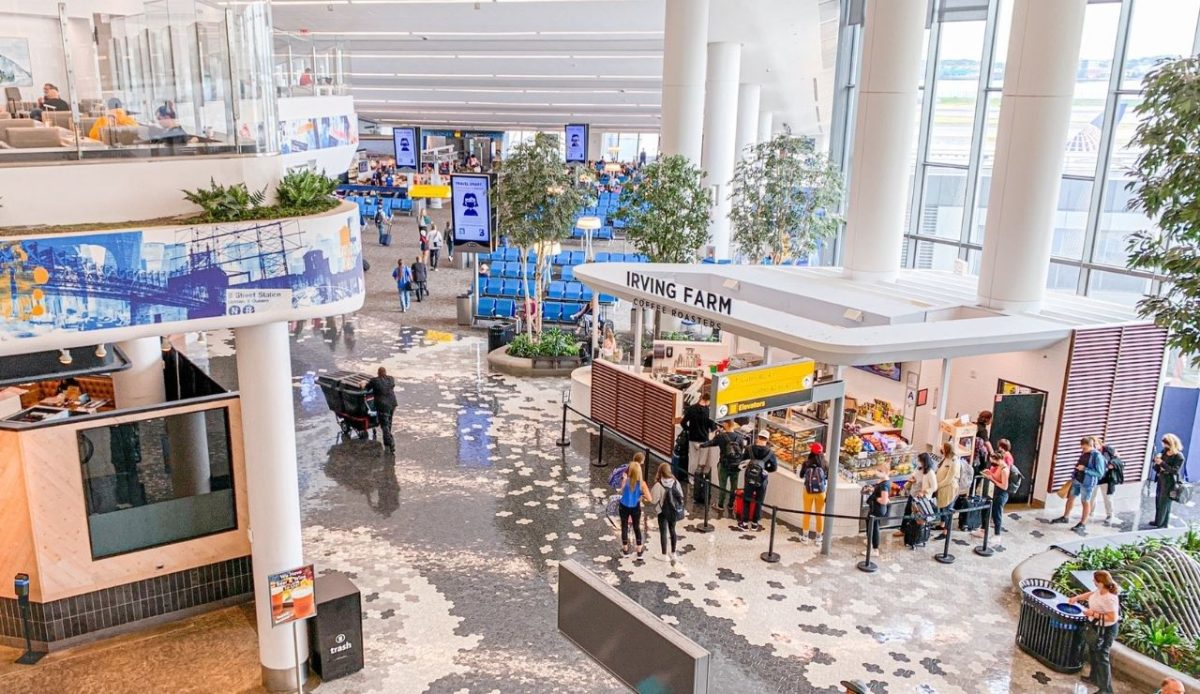
LaGuardia sits inside the New York terminal area where arrivals must fit into shared fixes and tight altitude strata. When controller staffing is short, the approach reduces acceptance rates and increases in trail spacing to keep complexity manageable.
That decision pushes the delay back to departure airports nationwide because airborne holding near New York has limited capacity. Gate holds rise, then arrivals land late and compress turnaround windows, which increases departure delays in the next bank.
Runway configuration changes with wind and can lower capacity further, so staffing gaps have a larger effect. The bottleneck is recurrent during peak business travel days when demand stays high.
12. Hollywood Burbank Airport Tower Staffing
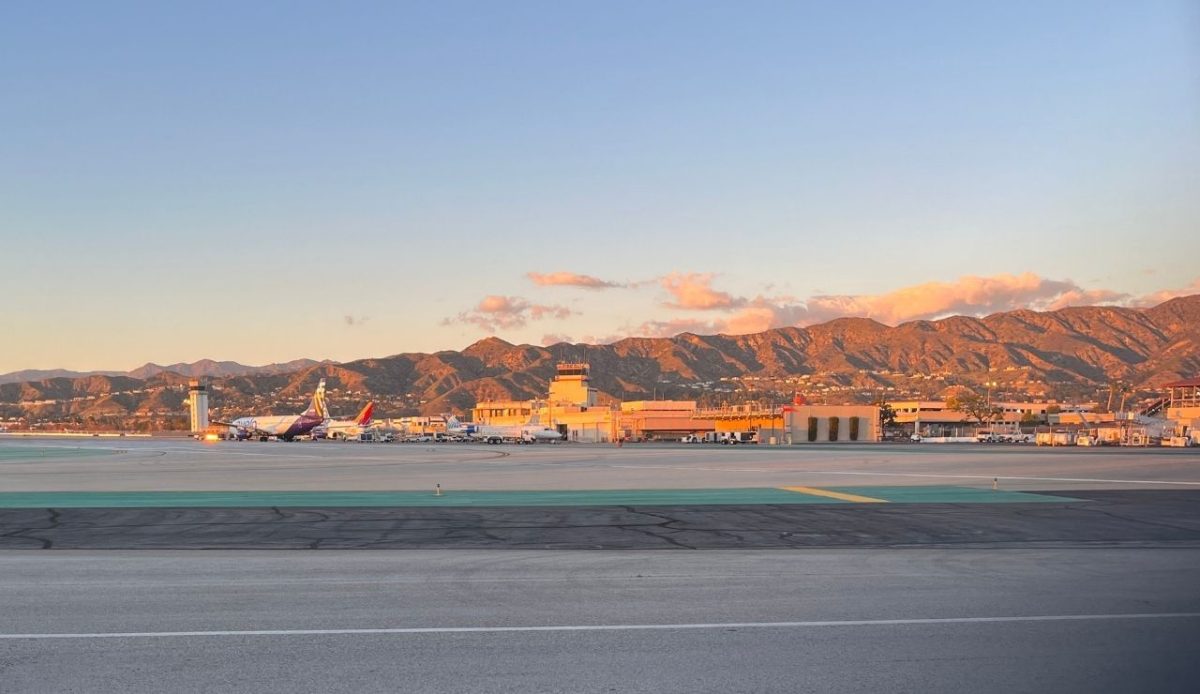
Hollywood Burbank serves a dense Los Angeles basin airspace where multiple airports share the same departure corridors. If tower staffing cannot cover operating hours, traffic must be limited or paused, reducing the number of movements that can occur.
Flights then queue for clearance, and departures miss assigned flow windows into the regional system. The administrative constraint is clear: without continuous tower service, IFR operations are curtailed, and delays rise quickly.
Burbank has limited gate space, so late departures can block arriving aircraft from parking. In a congested metro area, a small tower bottleneck can ripple into larger TRACON sequencing delays.
13. Barcelona Area Control Center
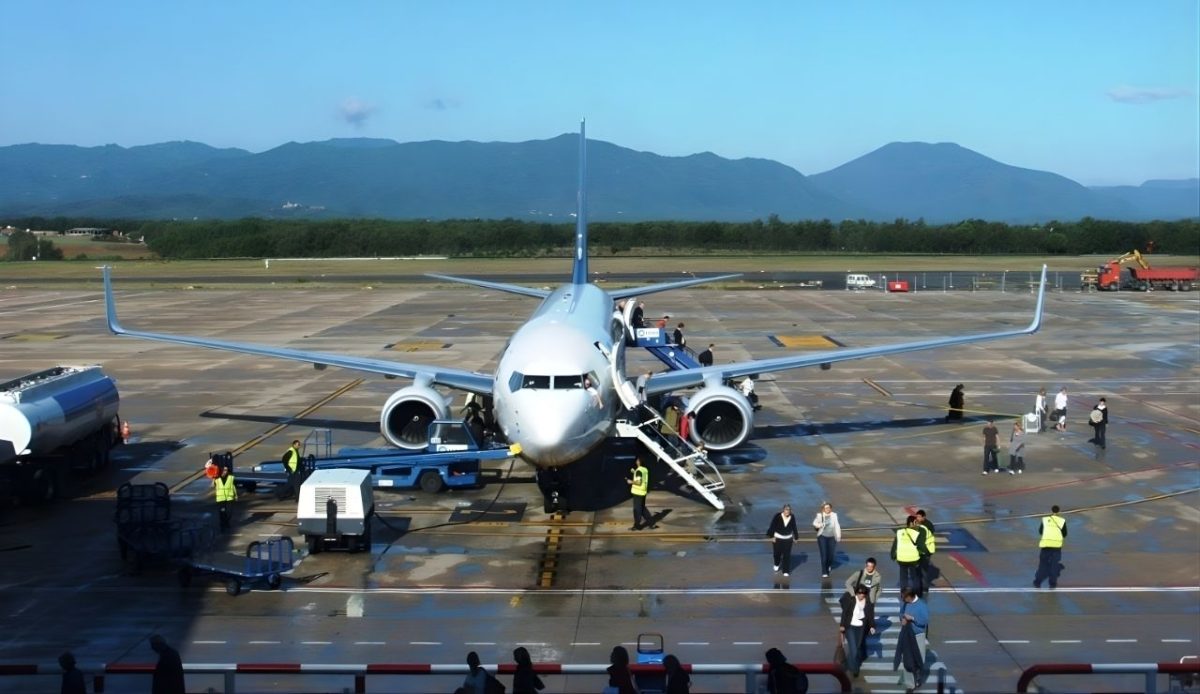
Barcelona Area Control Center handles heavy seasonal flows serving Catalonia and Balearic routes, with traffic peaks tied to summer weekends. When declared sector capacity falls short, flow management limits entries, and delays accumulate as regulated minutes.
The restriction is often absorbed as departure holds from northern Europe because airborne holding near the coast is limited. As delays grow, connection buffers at Barcelona El Prat shrink, leading to missed onward flights and gate conflicts.
Coastal geography and restricted areas reduce the number of usable altitude and route options, so capacity cannot be expanded quickly. With demand concentrated in short windows, the bottleneck produces recurring delay spikes.
