
Tourist towns can feel like a win-win: visitors spend money, small businesses grow, and main streets stay busy. Locals often tell a more complicated story when crowds become constant, and housing, traffic, and basic services don’t keep up.
This article looks at U.S. towns where residents commonly say daily life has gotten tougher as visitor demand rises. It’s not about blaming travelers; it’s about the pressure points, rent spikes, seasonal worker shortages, clogged roads, and strained water or waste systems.
These places still have plenty to love. The goal is to show how tourism changes livability, and what to do as a visitor: travel off-peak, respect neighborhoods, and spend in ways that support the community year-round.
1. Jackson, Wyoming
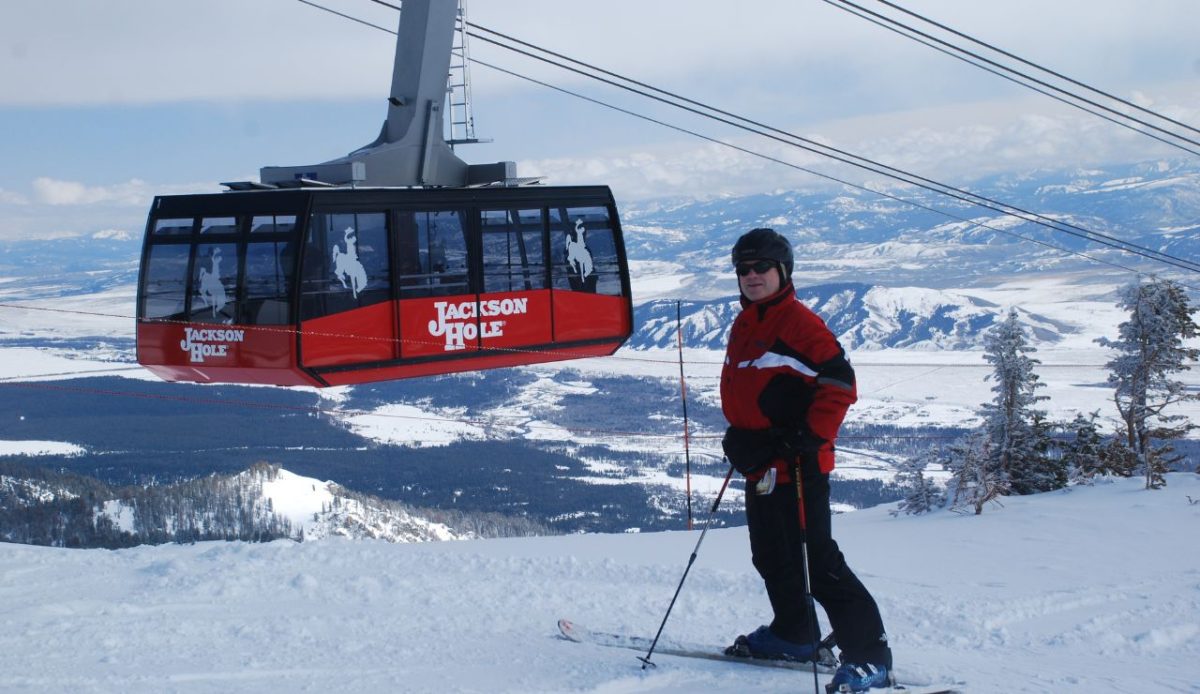
Jackson’s tourism economy runs hot, and locals often say housing is the stress point that changes everything. Second homes and short-term rentals compete with year-round rentals, so workers chase apartments farther out, and commutes grow.
Traffic compounds the squeeze because the road network is limited and many trips funnel through the same few gateways. In peak seasons, parking fills early, and even routine errands can require strategic timing.
The town still benefits from visitor spending, but residents often ask travelers to book legal lodging, respect quiet neighborhoods, and plan trips outside the busiest holiday weeks when possible, especially summer weekends.
2. Moab, Utah
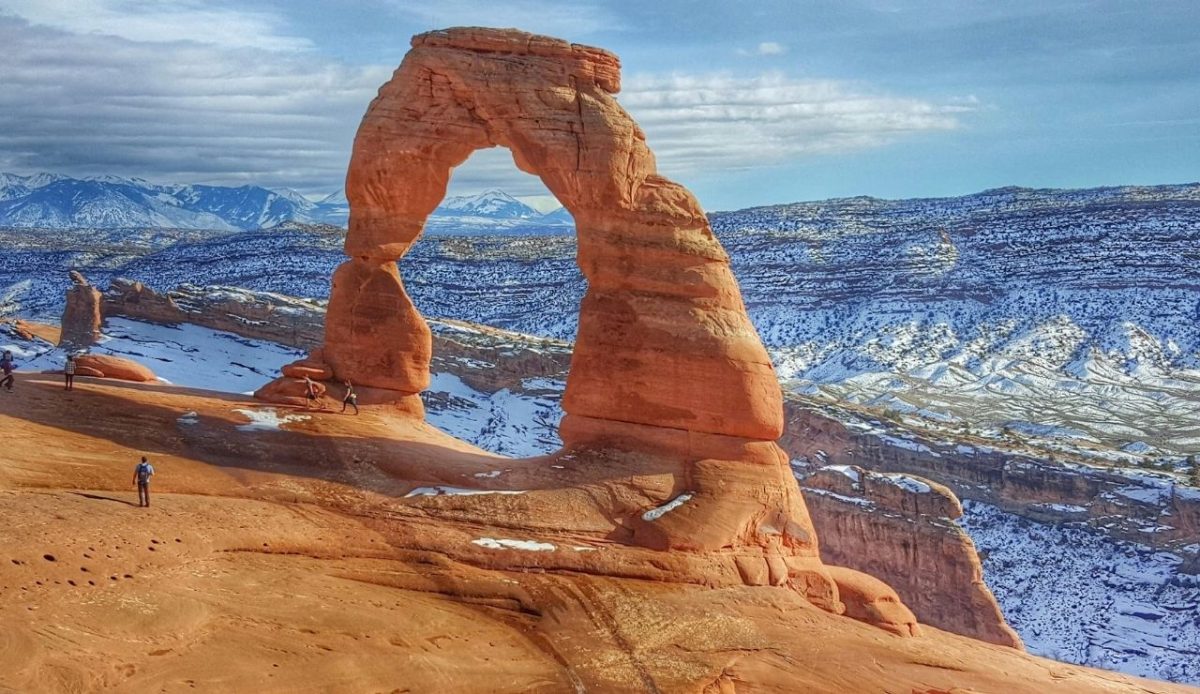
Moab’s red-rock access brings steady crowds, and locals frequently point to water, roads, and housing as the pressure zones. A small town has to handle big-event weekends, long shoulder seasons, and heavy recreation traffic all on the same limited systems.
Congestion rises with packed trailheads and off-road use, and spillover can reach residential streets as people hunt for parking. Trash, restroom demand, and emergency response can feel stretched when visitation spikes.
Visitors can reduce friction by staying on designated routes, using shuttle or carpool options when offered, packing out waste, and timing hikes early or late to avoid peak-hour crush.
3. Sedona, Arizona
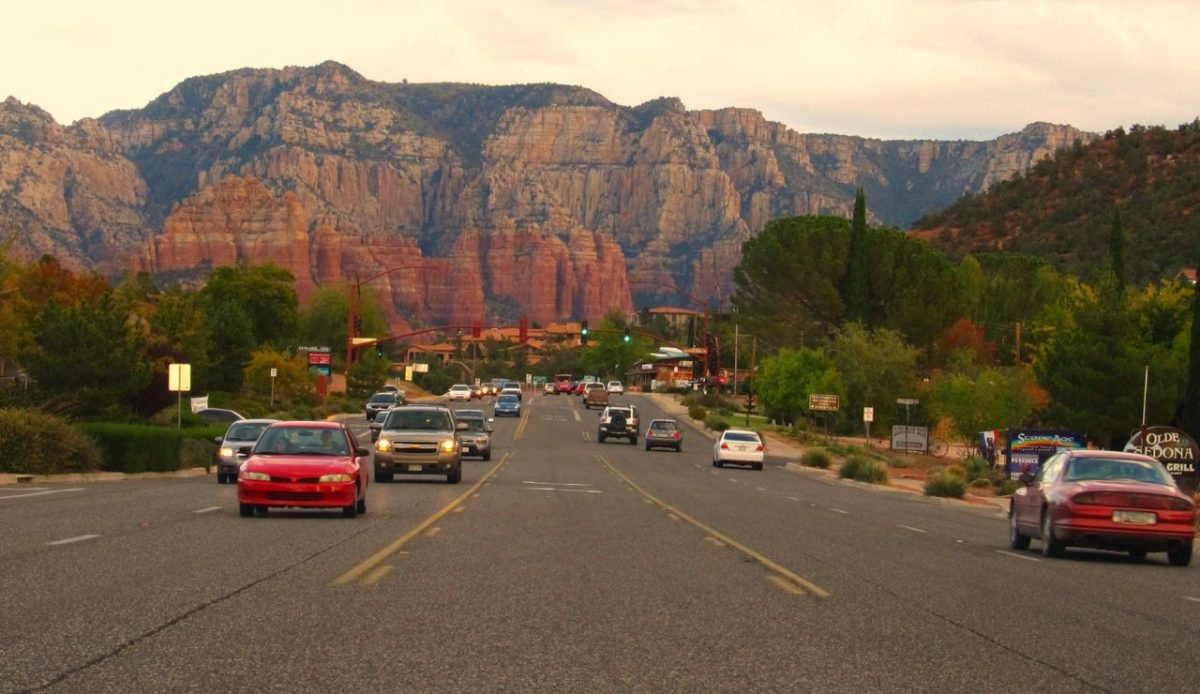
Sedona’s popularity has turned a once-sleepy destination into a daily traffic test, and locals often mention gridlock as the biggest change. Main routes back up quickly, trailhead lots fill before breakfast, and overflow parking creeps into nearby neighborhoods.
Housing pressure is quieter but constant. Short-term rentals and second-home demand can reduce long-term inventory, making it harder for hospitality workers and families to stay close to jobs and schools.
If you visit, use shuttle options when available, start hikes early, follow parking rules, and spend locally beyond the busiest hotspots. Even small choices, like traveling midweek, can make the town feel more livable.
4. Key West, Florida
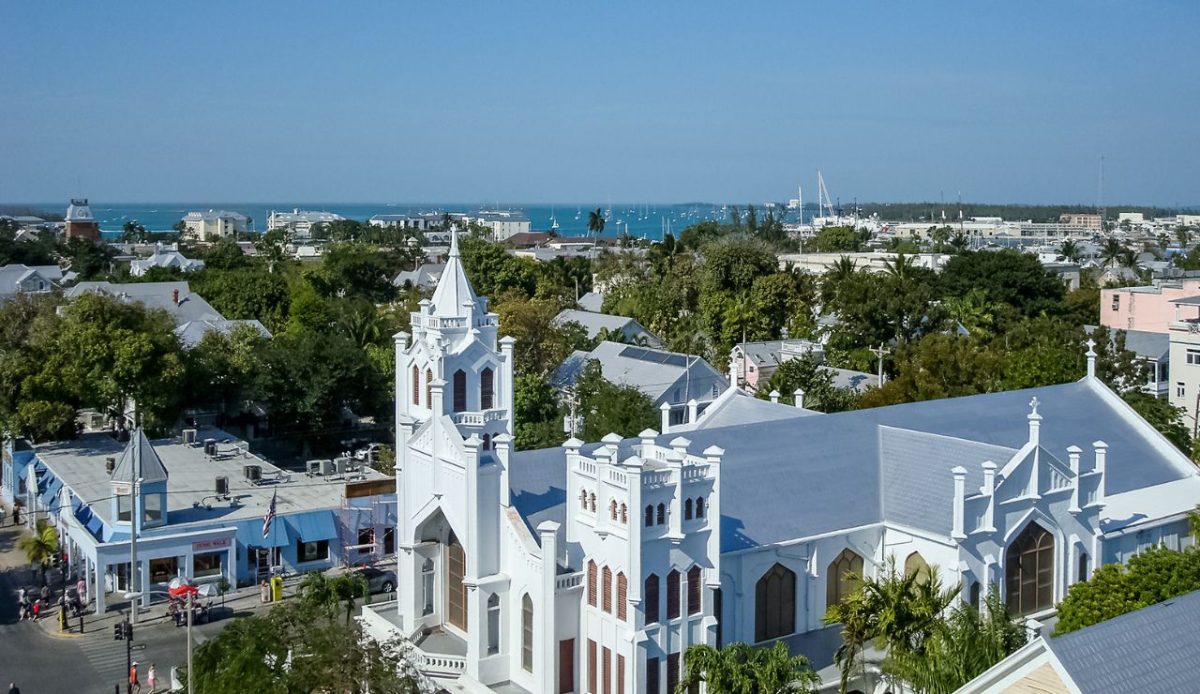
Key West draws visitors year-round, and locals often cite housing costs and limited space as the core issue. With a small island footprint, demand for short stays and second homes can crowd out long-term rentals for the people who keep the city running.
Traffic and parking become daily friction, especially when cruise schedules overlap with weekend travel. Utilities and waste systems also work harder when occupancy stays high, and service staffing can wobble during peak periods.
Travelers can help by choosing lodging that follows local rules, walking or biking when possible, and spreading spending to neighborhood businesses. Visiting off-peak and keeping noise down late at night also matters more on an island.
5. Bar Harbor, Maine
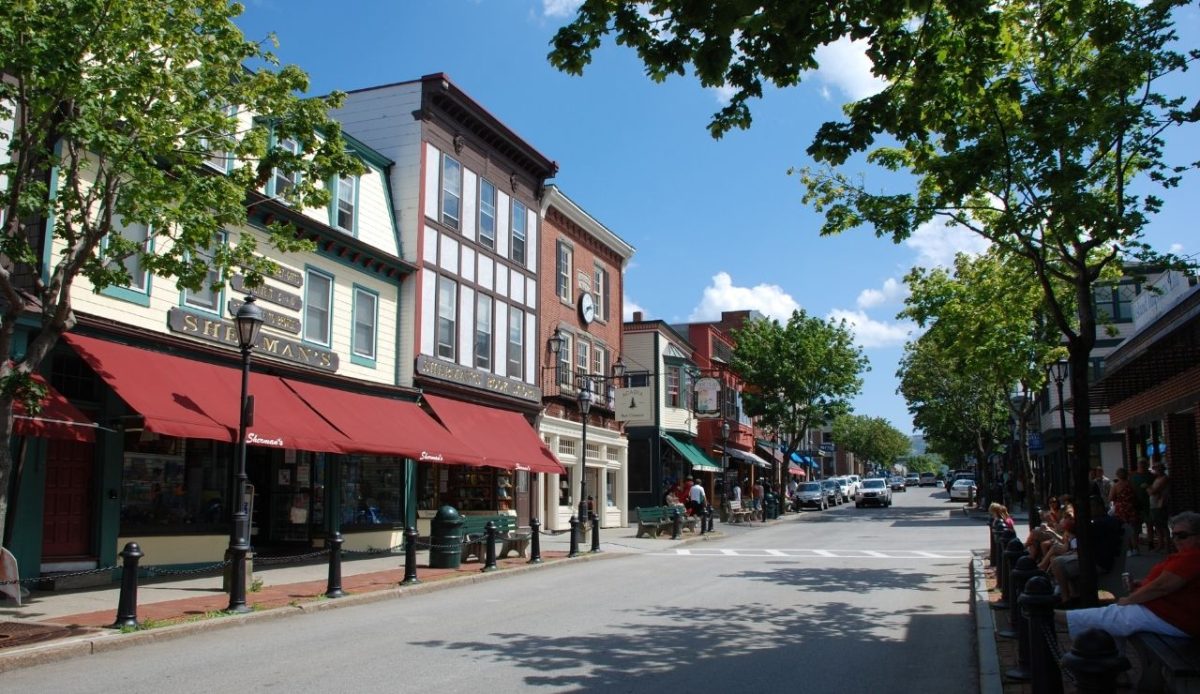
Bar Harbor’s summer surge brings economic energy, but locals often describe a town that runs out of breathing room. Parking fills early, sidewalks crowd, and simple errands can require planning that feels out of place in a small coastal community.
Seasonal housing is a recurring stress. When more units shift to short stays, workers commute farther and businesses struggle to staff up, which can reduce services locals rely on year-round.
Visitors can ease pressure by traveling in spring or fall, using shuttles into popular areas, and respecting residential parking. Support shoulder-season businesses, tip fairly, and treat the town like a community, not a theme park.
6. Aspen, Colorado
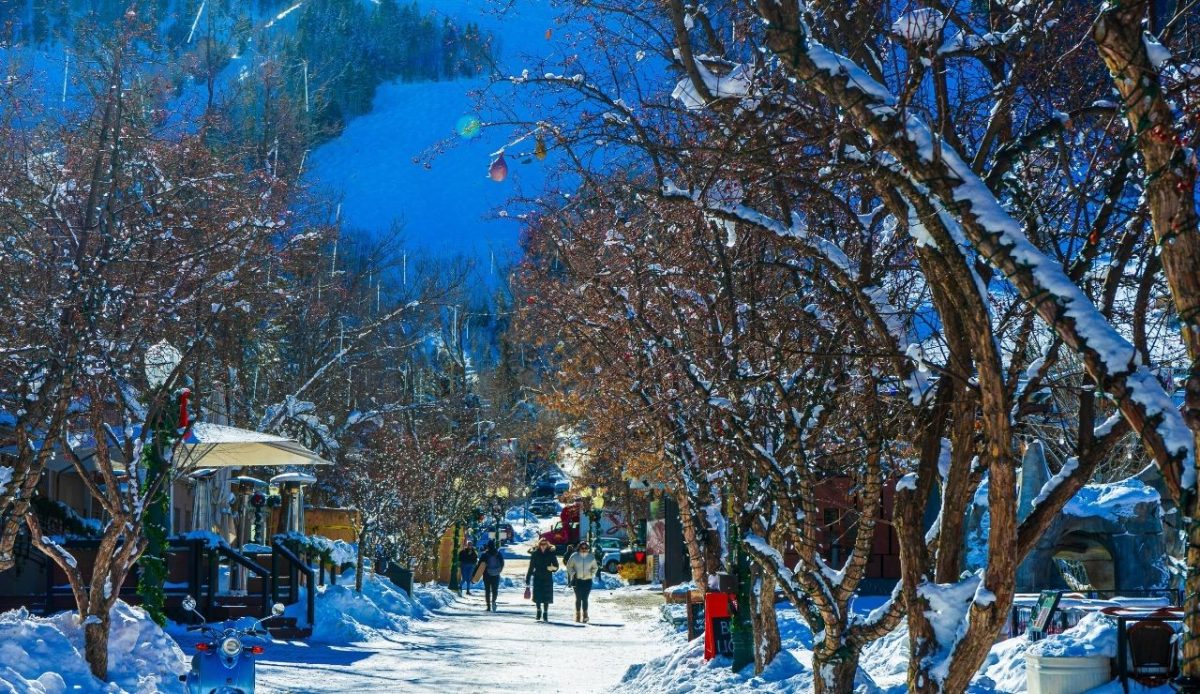
Aspen’s global pull brings money and jobs, but locals often point to housing as the defining hardship. When prices climb, teachers, cooks, and EMTs may live far away, turning staffing into a constant puzzle for schools and services.
Traffic in and out of the valley tightens quickly on weekends, and peak events amplify pressure on transit and parking. With limited routes, small disruptions can ripple into long backups.
Visitors can help by using buses and shuttles, being patient with service delays, and respecting quiet hours. Choosing shoulder-season travel and supporting local, year-round businesses can soften the boom-and-bust cycle for locals.
7. Bozeman, Montana
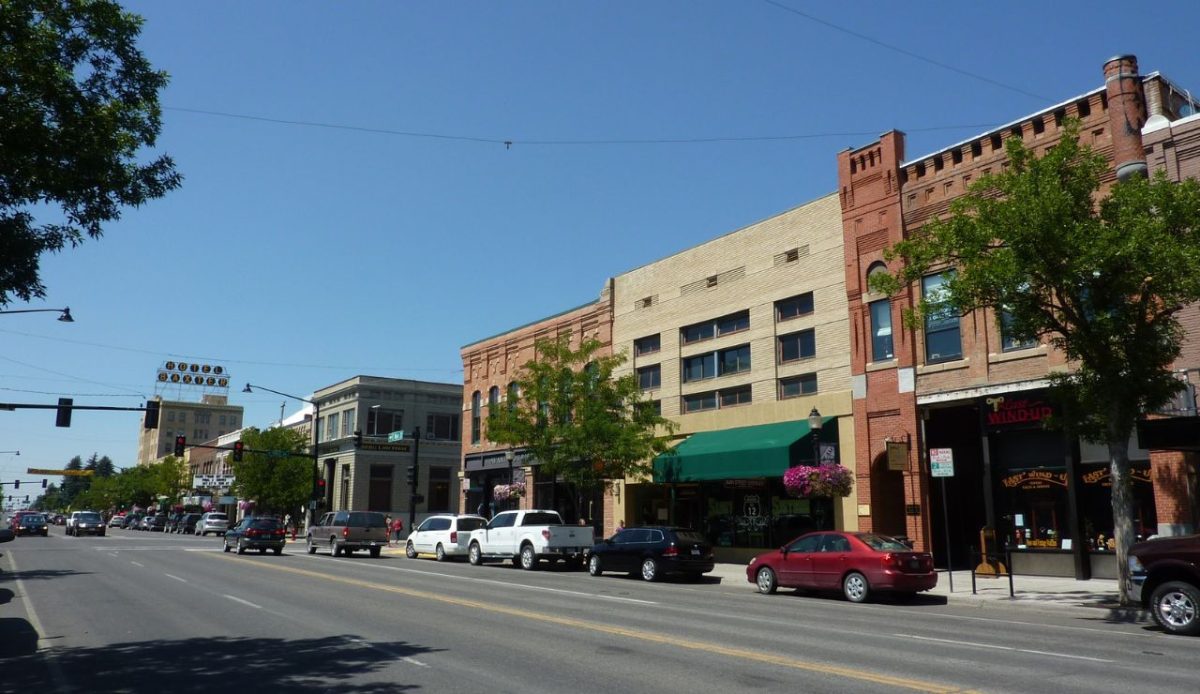
Bozeman sits near big landscapes, and tourism blends with fast growth. Locals often say housing and traffic shifted the town’s feel first, then everyday things, restaurant waits, school crowding, and staffing started reflecting the new demand.
Visitor peaks add another layer when recreation traffic overlaps with commuter hours. Popular trailheads and river access points can overflow, sending cars onto shoulders and into nearby neighborhoods.
If you visit, park legally, avoid blocking driveways, and respect private land boundaries. Choose less-busy access points, travel midweek, and spend with locally owned shops that stay open after the tourists leave.
8. Park City, Utah
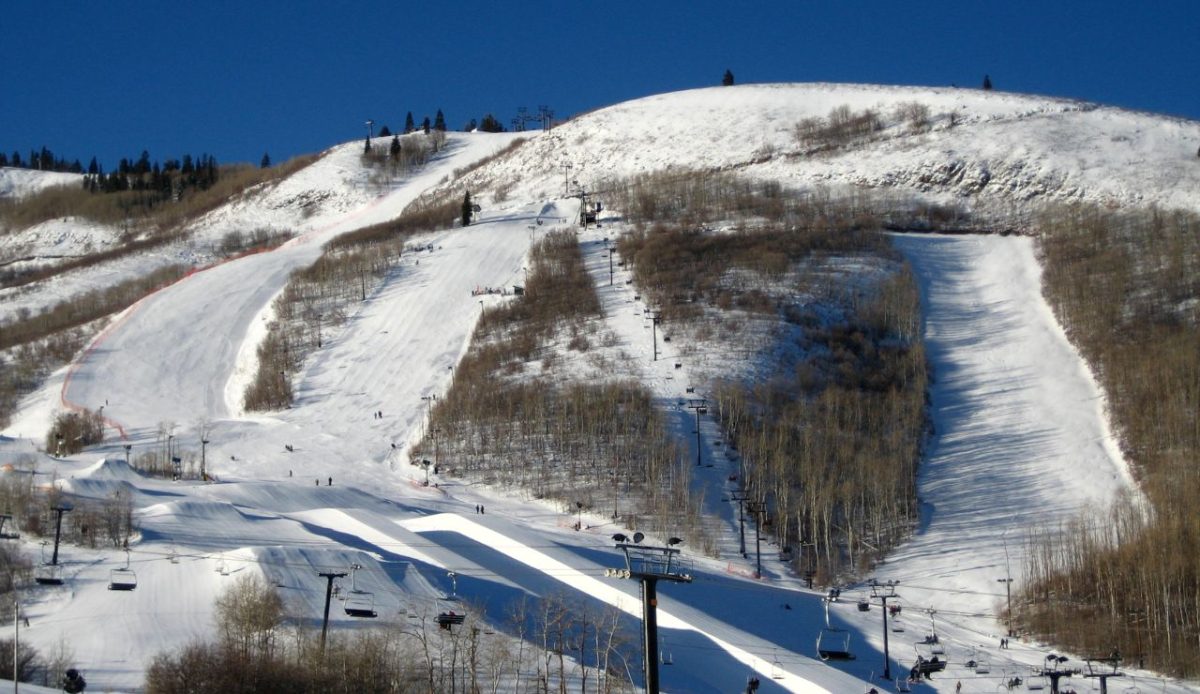
Park City’s tourism calendar is long, and locals often describe a place that never fully rests. Housing costs rise with vacation demand, and workers may commute from far down the valley, affecting staffing across restaurants and public services.
During ski season and major festivals, traffic and parking pressure can make basic movement difficult. Grocery runs, school drop-offs, and emergency access all compete on the same constrained routes and intersections.
Visitors can make trips smoother by using shuttles, skipping short drives that clog the core, and respecting neighborhood noise rules. Booking off-peak stays and spreading spending beyond event weekends helps the town function year-round.
9. Gatlinburg, Tennessee
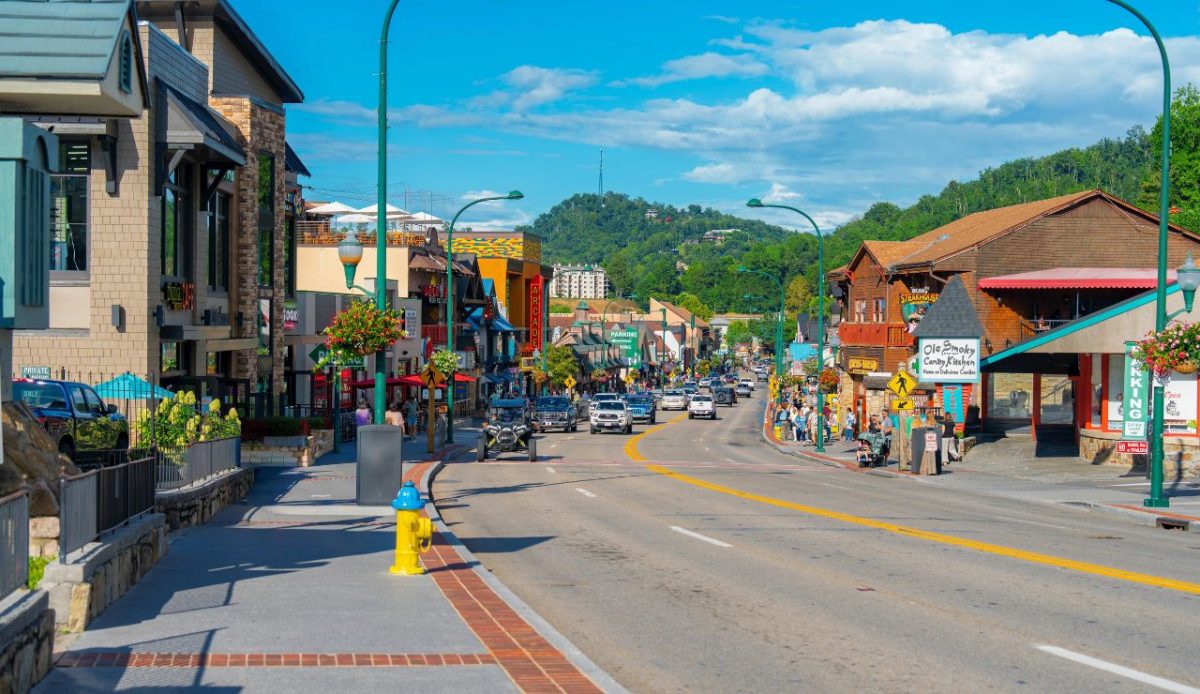
Gatlinburg’s gateway role to the Smokies creates huge seasonal swings, and locals often mention traffic as the everyday cost. When crowds flood the strip, short distances take forever and parking searches spill onto side roads.
Housing can get tougher too. Cabins and short-term rentals compete with local needs, and staffing becomes harder when workers can’t afford to live nearby. That can reduce services and increase wait times for residents.
Visitors can help by arriving early, using park-and-ride options, and keeping vehicles out of residential areas. Follow trail rules, don’t litter, and treat shoulder seasons as the default if you want a lighter footprint.
10. Stowe, Vermont
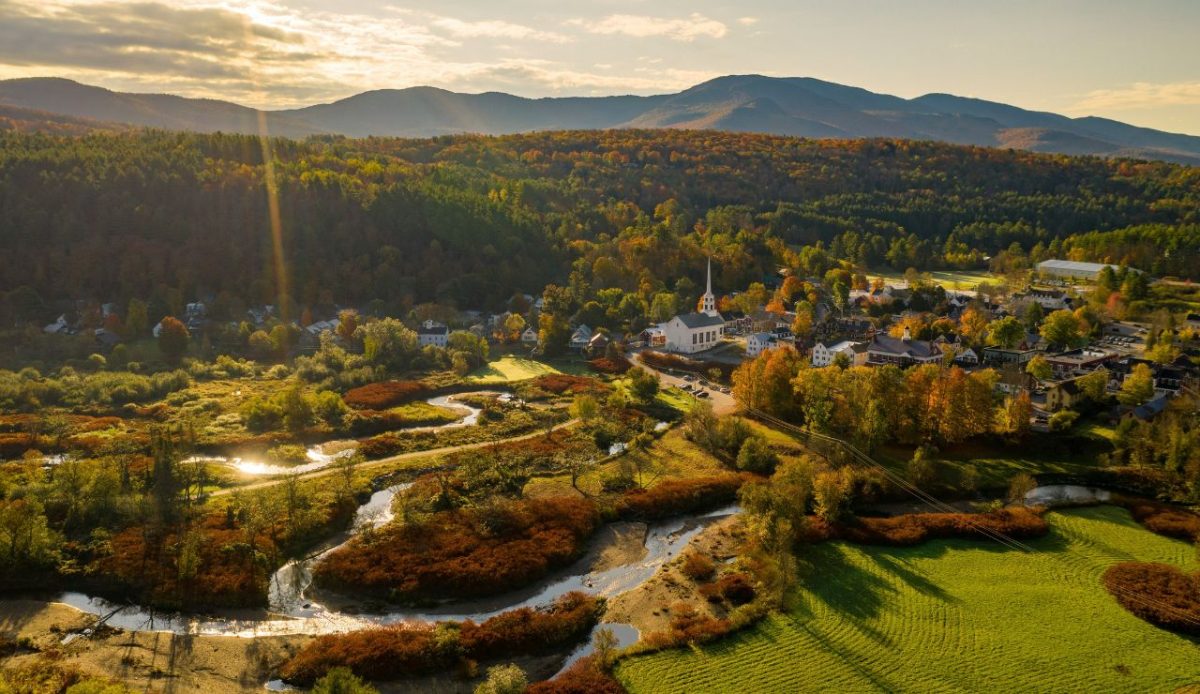
Stowe’s appeal draws weekend surges, and locals often say the stress shows up in housing and road capacity. Second homes and short stays tighten the long-term rental market, especially for service workers and school staff.
Two-lane roads and limited parking make peak leaf season and ski weekends feel chaotic. Trail access points can overflow, sending cars onto shoulders and into nearby neighborhoods, which raises safety concerns.
If you visit, plan for shuttles, choose weekday travel, and respect private property boundaries. Support local businesses beyond the busiest village blocks, and keep group sizes modest on trails and in small cafés.
11. Nantucket, Massachusetts
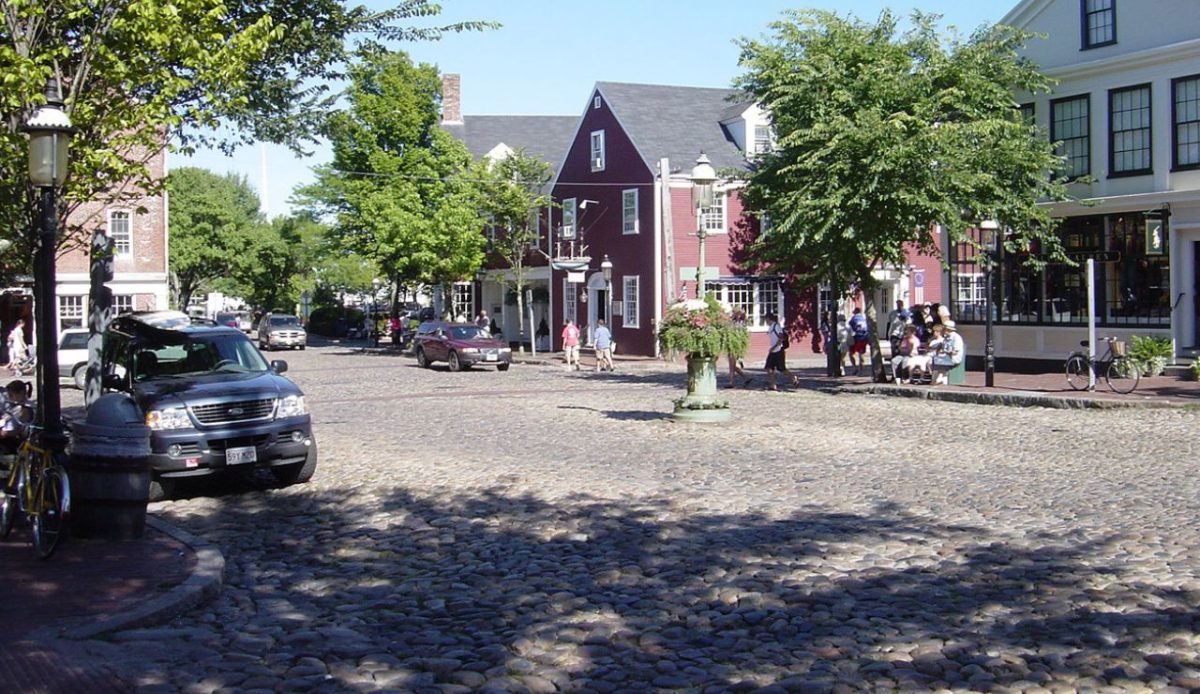
Nantucket’s island charm comes with hard limits, and locals often point to seasonal crowding that strains housing, ferries, and utilities. When summer demand spikes, prices rise quickly and essential workers struggle to find places to live.
Staffing gaps can appear everywhere, from restaurants to maintenance to public safety, because the housing market moves faster than wages. Traffic isn’t big-city heavy, but narrow roads and limited parking can feel constantly busy.
Visitors can help by booking responsible lodging, following beach and parking rules, and being patient with service delays. Traveling in shoulder seasons and supporting year-round businesses helps the island beyond peak weeks.
12. Taos, New Mexico
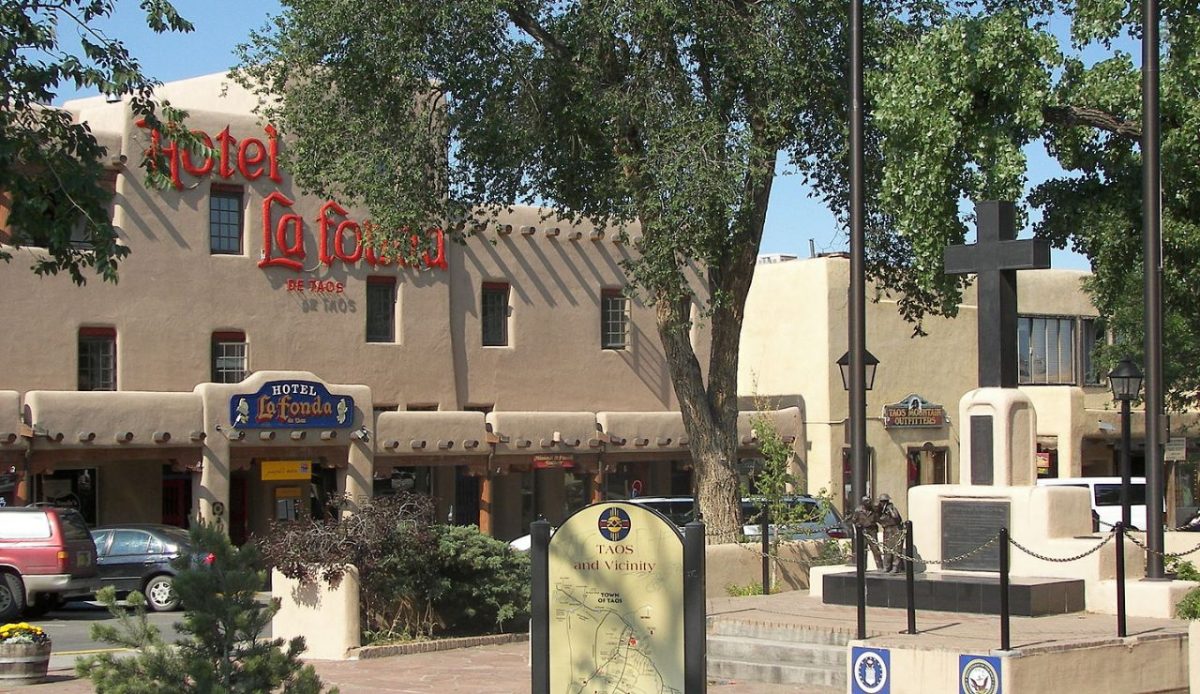
Taos attracts art lovers and outdoor travelers, and locals often describe a delicate balance between tourism and community life. Housing pressure rises when short stays and second homes compete with long-term rentals, especially in a market with limited inventory.
Traffic isn’t major-metro heavy, but it can bottleneck on a few routes during peak weekends and festival periods. In a high-desert environment, water use and land impacts also matter, and residents watch growth closely.
Visitors can help by staying in permitted lodging, respecting quiet neighborhoods, and following trail and cultural-site guidelines. Shop locally, tip fairly, and consider midweek trips that spread demand more evenly.
