
Some U.S. destinations sell a feeling as much as a trip. They’re famous, photographed, and easy to name-drop, so many travelers put them on an itinerary to “say they did it.” The experience can still be fun, but crowds, prices, and long lines sometimes outweigh the payoff, fast, for many people.
This list focuses on places where prestige, social proof, or a checklist vibe can drive visits. It doesn’t mean the locations are “bad,” only that expectations often run higher than the on-the-ground reality.
If you go, timing and a clear plan help. Off-peak hours, prebooked tickets, and a few nearby alternatives can turn a status stop into a genuinely good day.
1. Times Square, New York City
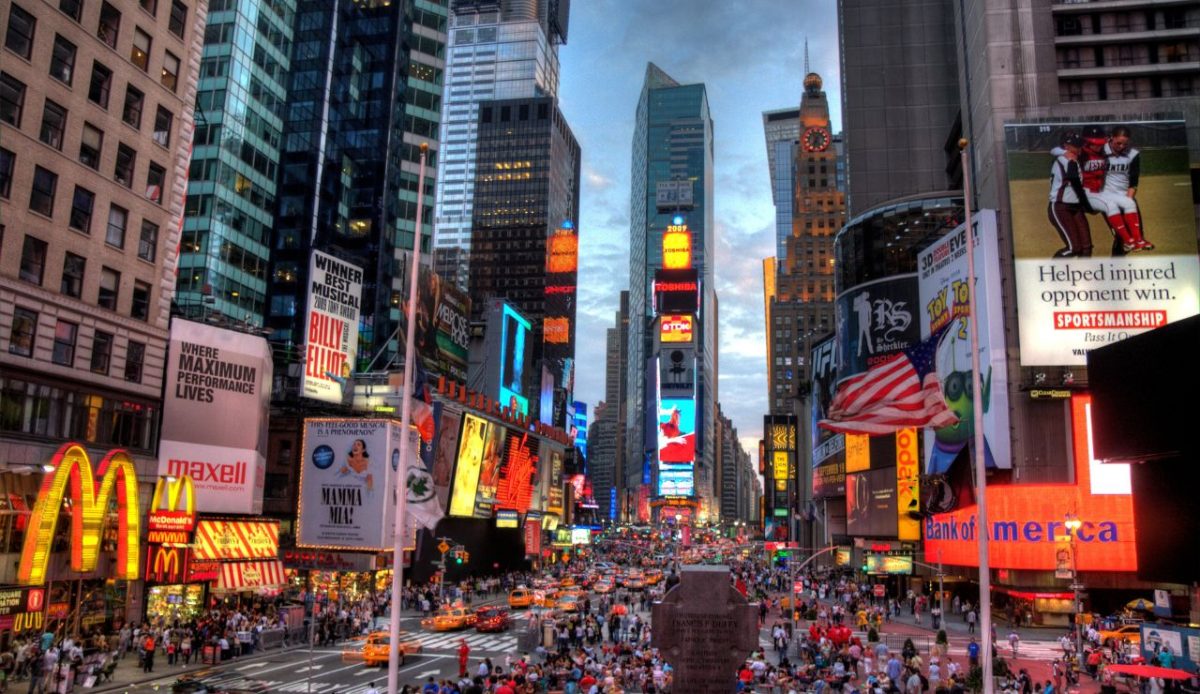
Times Square is a global symbol of “I made it to NYC,” and that recognition drives a lot of visits. Most people spend the time taking photos, scanning billboards, and dodging costumed performers, ticket hawkers, and street promoters.
The area can feel like a moving crowd funnel, especially at night and on weekends. Prices for food, souvenirs, and nearby attractions often reflect the foot traffic rather than the quality, and it’s easy to overpay for a rushed meal.
For a better experience, treat it as a quick stop and then move on. Nearby, Bryant Park, the High Line, or a neighborhood stroll delivers more of the city’s everyday charm without the sensory overload.
2. Hollywood Walk of Fame, Los Angeles
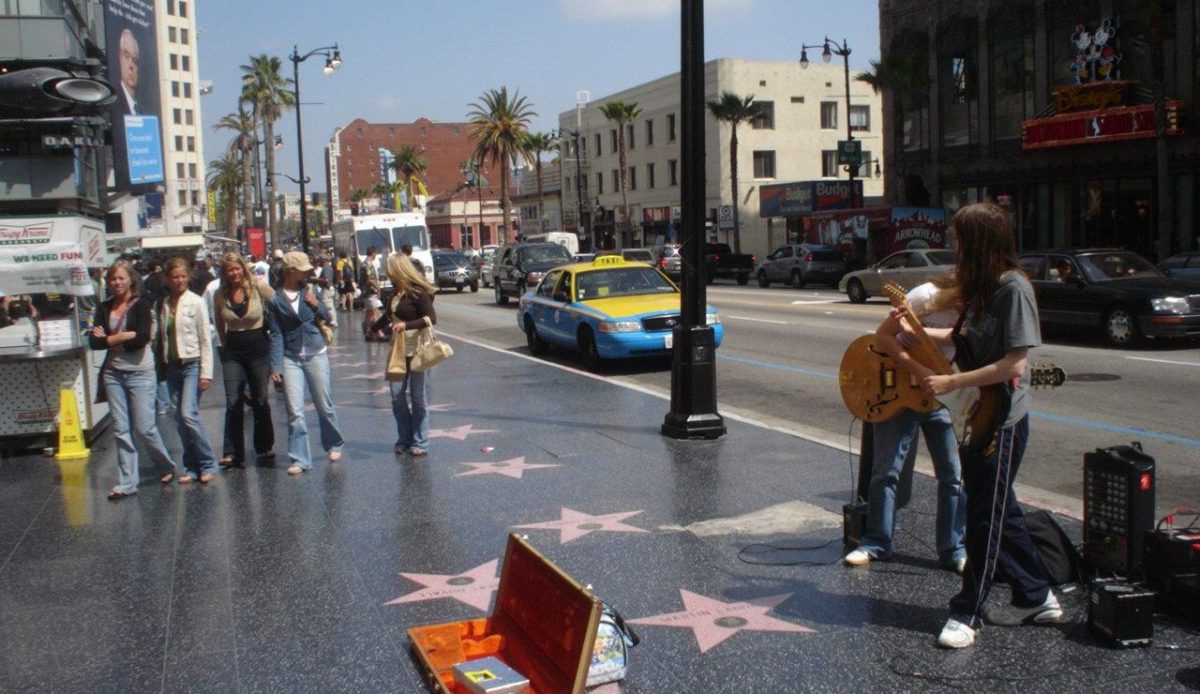
The Walk of Fame looks iconic online, but on the ground, it’s mainly a busy commercial corridor. Visitors often come for the “proof” photo with a star, then realize the setting includes traffic noise, vendors, and nonstop foot flow.
It’s not a theme park, and expectations can get inflated by movies and TV. The stars can be hard to spot when the sidewalk is packed, and the experience becomes a slow search while navigating tours, souvenir stands, and occasional street performances.
If you’re in the area, keep it short and pair it with something more engaging. A studio tour, the Academy Museum, or Griffith Observatory usually feels more rewarding and gives you a clearer sense of Los Angeles.
3. The Las Vegas Strip, Nevada
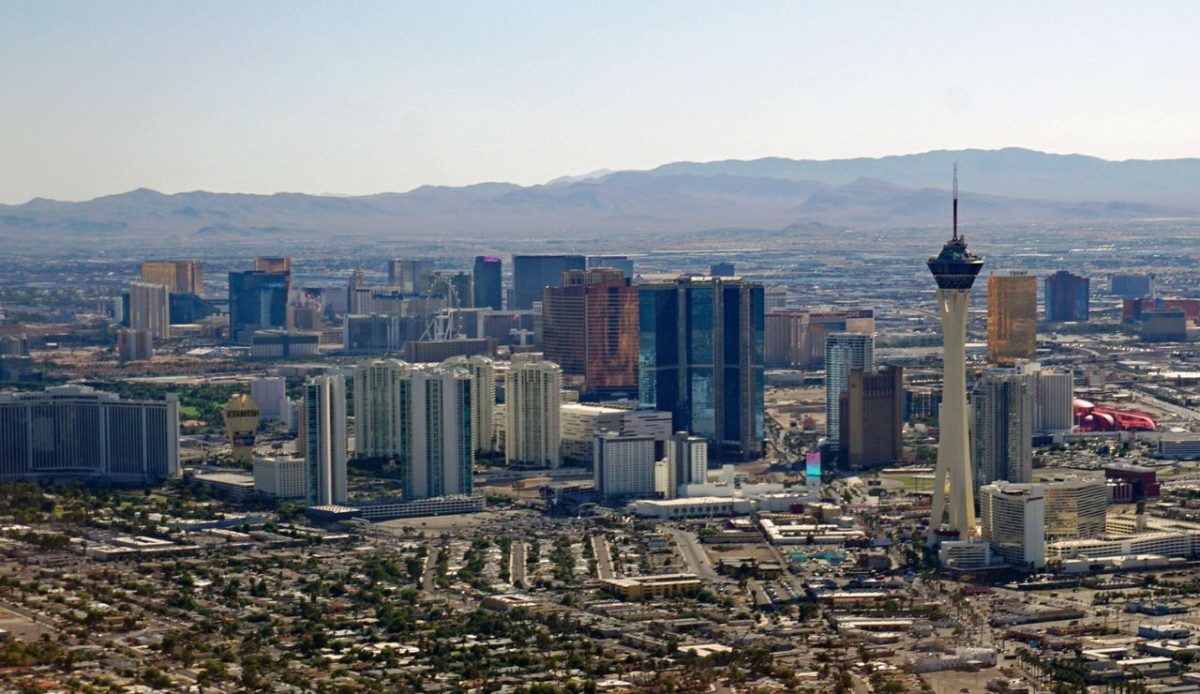
The Strip is designed to impress, and that spectacle is a big part of its status pull. Many travelers go to post the skyline, see famous resorts, and say they experienced Vegas, even if they’re not into casinos, clubs, or late nights.
The tradeoff is scale and sensory overload. Long walks, heat, crowds, and high prices for basics can turn a simple outing into a tiring one, and indoor spaces can still feel packed because everyone funnels through the same corridors.
Enjoyment improves when you plan around what you actually like. Choose one show or attraction, use rideshares strategically, and schedule downtime off-Strip where meals and pace feel less performative.
4. Rodeo Drive, Beverly Hills
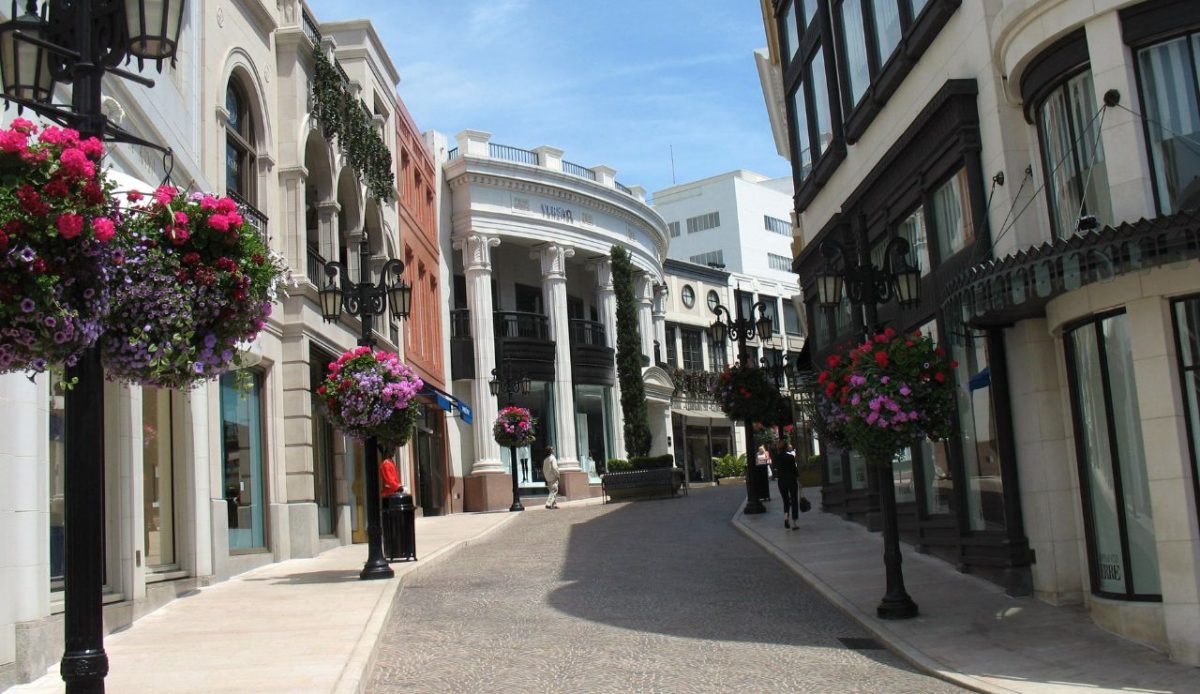
Rodeo Drive is a shorthand for luxury, so it attracts visitors chasing a “designer district” moment. Even without shopping, people come to window-shop, photograph storefronts, and soak up the idea of exclusivity and celebrity proximity.
For many budgets, the experience is mostly looking, not doing. The streets are tidy and photogenic, but the trip can feel brief once you realize it’s a compact stretch, and security-focused retail layouts don’t invite lingering.
If you visit, treat it like a short walk and then expand the day. Nearby museums, gardens, or food neighborhoods add substance, while still letting you enjoy the polished Beverly Hills atmosphere.
5. South Beach, Miami
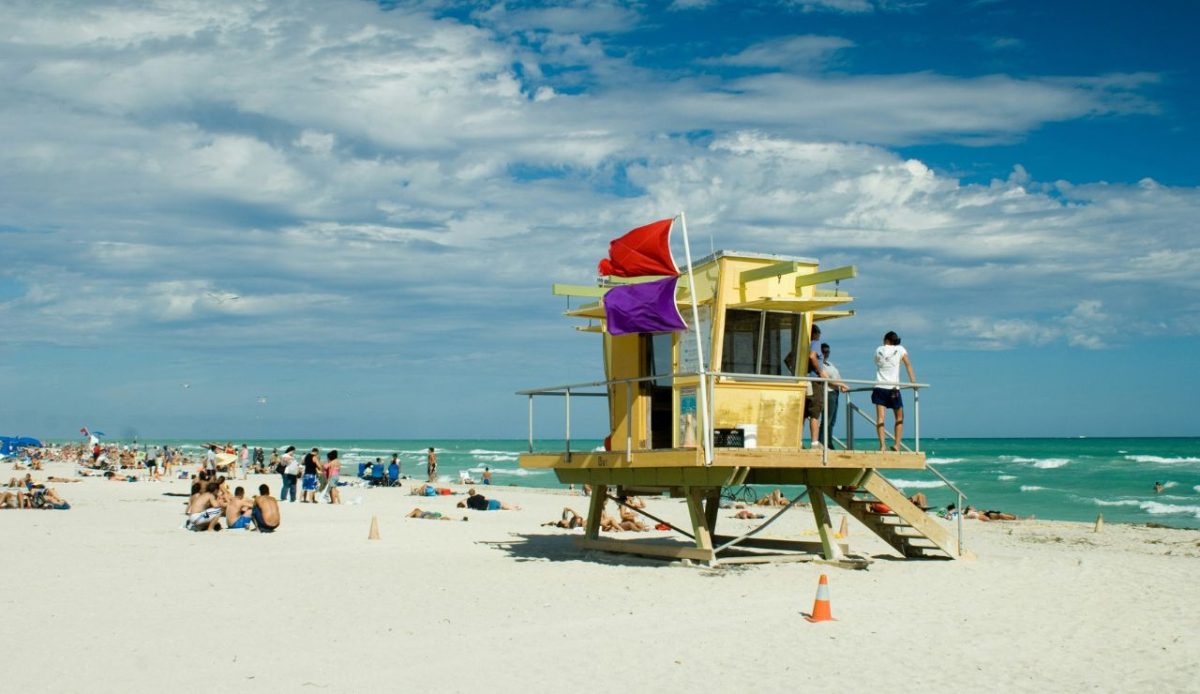
South Beach has a strong image: nightlife, fashion, and a postcard shoreline. That reputation draws travelers who want to be seen there, even if their ideal beach day is quieter, less crowded, and more shade-friendly.
The area can be loud and busy, with pricey parking, peak-time congestion, and long waits at popular spots. Beach access is easy, but comfort depends on weather, seaweed conditions, and how packed the sand gets during weekends and holidays.
For more enjoyment, go early, pick a calmer street, and plan shade and hydration. If you want the water without the scene, nearby beaches and parks offer a similar coastline with less pressure to perform.
6. Napa Valley, California
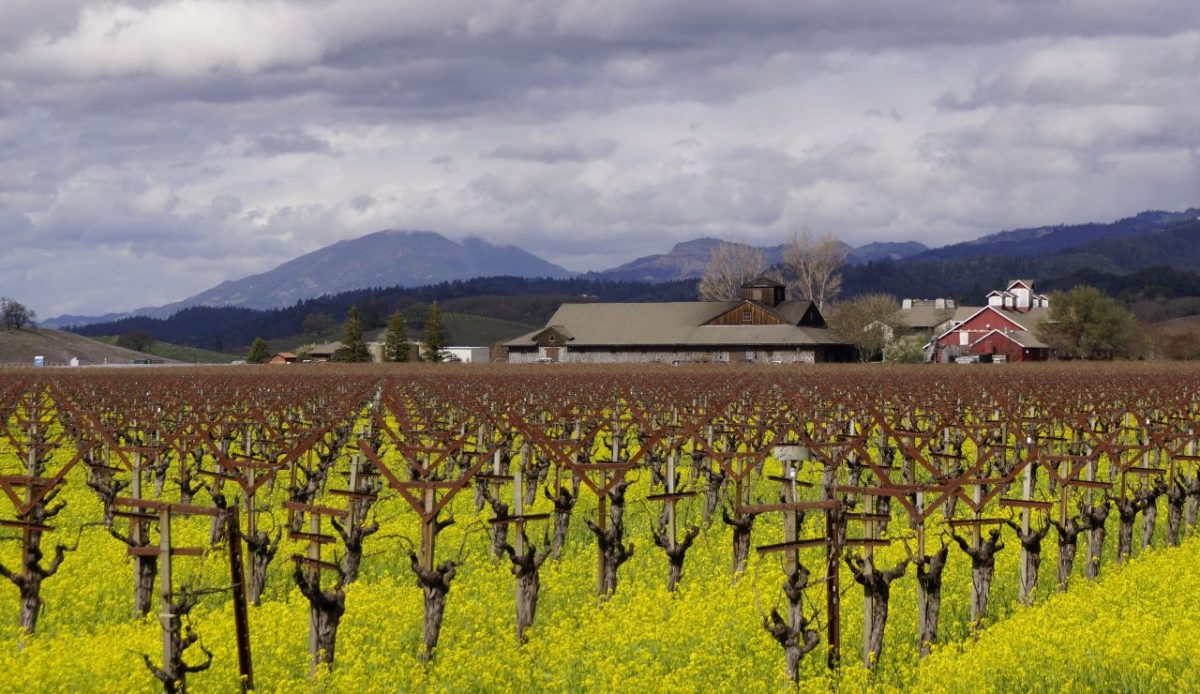
Napa Valley signals taste and status in a way few U.S. regions do, so trips can become a badge: tastings, photos, and a “wine country” itinerary. The downside is that the most famous stops book out, require reservations, and cost more than many first-timers expect.
Driving logistics and scheduling shape the day. Without planning, it can feel like commuting between venues, waiting for tables, and paying premium prices for a rushed lineup, especially if you try to squeeze in too many tastings.
To make it enjoyable, choose fewer wineries and linger. Consider smaller producers, picnic options, or nearby Sonoma for a less formal pace while still getting excellent wine and scenery.
7. Aspen, Colorado
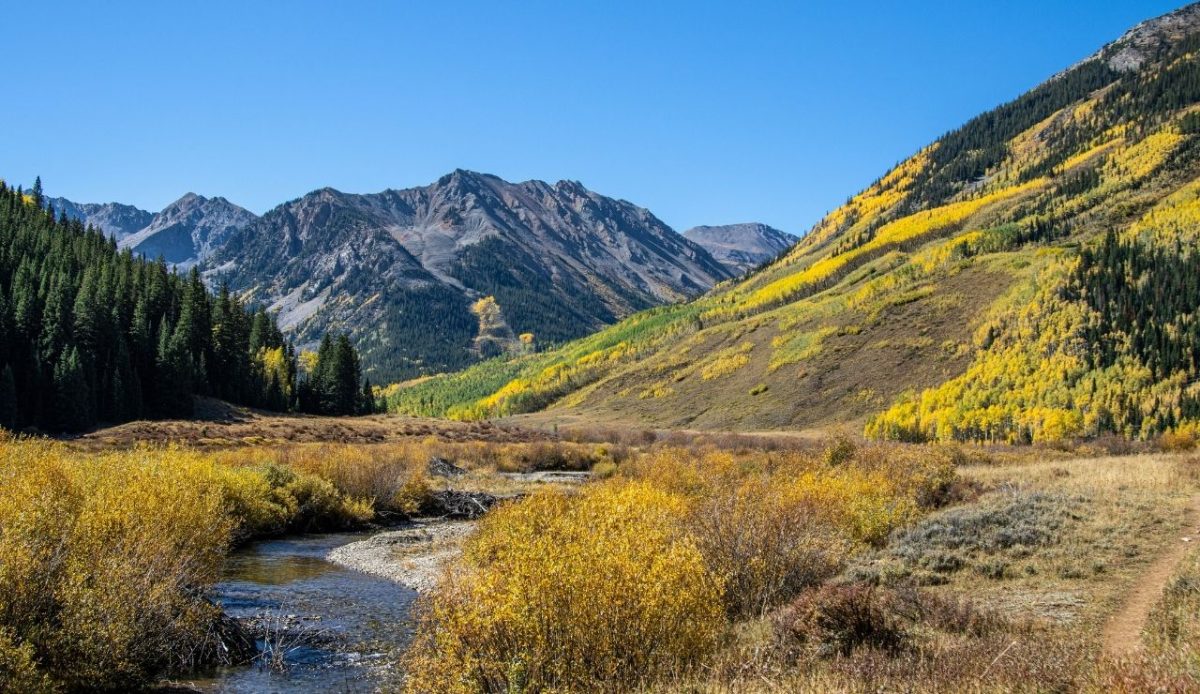
Aspen’s name carries social weight, and that brand draws visitors beyond the skiing itself. People come for the luxury vibe, celebrity sightings, and the idea of a glamorous mountain trip, even if they’re not chasing black-diamond runs.
Peak season can be expensive and crowded, and the town’s pricing reflects demand. Lodging and dining can dominate the budget, and lift lines or sold-out reservations can make the day feel scheduled around access rather than relaxation.
Enjoyment improves when you match the trip to your interests. Winter trails, art events, and shoulder-season hikes can be more calming, while nearby mountain towns offer similar landscapes with fewer status expectations.
8. The Hamptons, New York
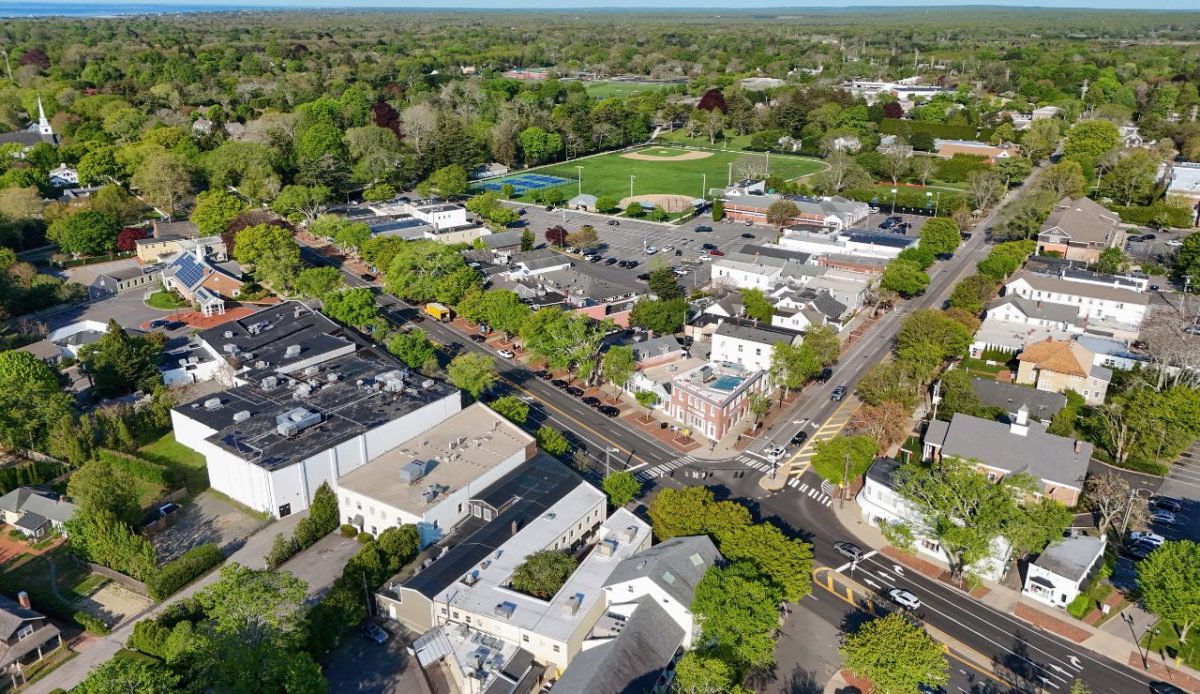
The Hamptons have a reputation as a summer “in” place, which makes them a classic status destination. Many visitors go for the association, beaches, restaurants, and the idea of a coastal escape tied to wealth, media, and celebrity culture.
In practice, getting there can be the hardest part. Traffic, limited parking, and high seasonal prices can dominate the experience, and some areas feel more residential than visitor-oriented, so “things to do” can require planning.
If you want the shoreline without the scene, timing matters. Weekdays, early mornings, and less-hyped Long Island towns can offer similar beach quality, with a calmer pace and fewer “seen and be seen” moments.
9. Waikiki, Oʻahu
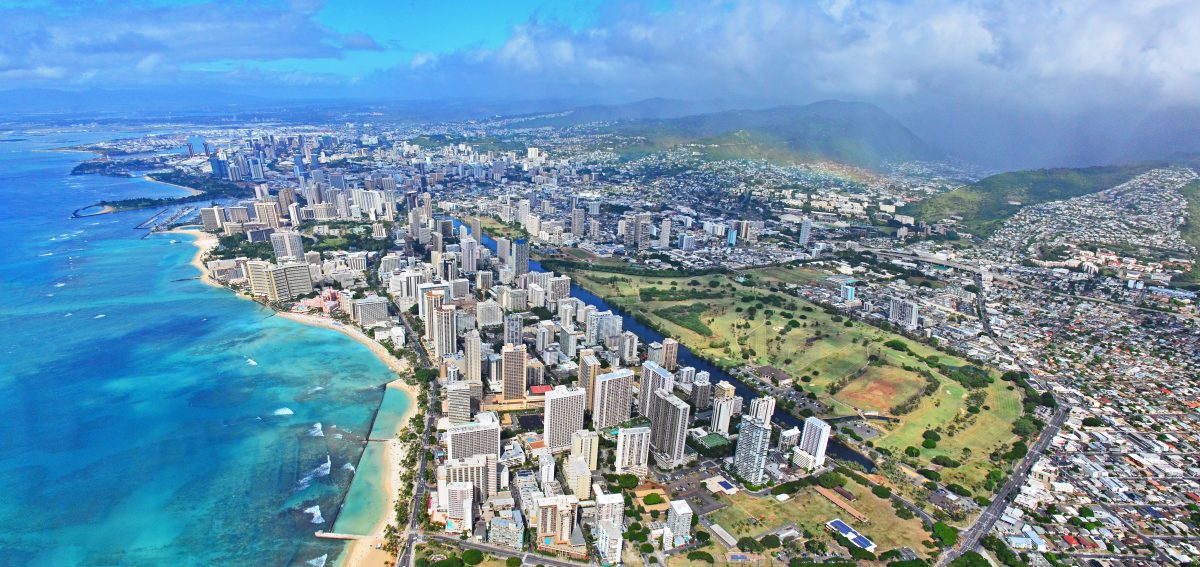
Waikiki is one of the most recognizable beach names in the U.S., so many travelers pick it because it’s famous. The photos deliver: a wide beach with Diamond Head in the background, easy swimming areas, and a walkable hotel zone.
The tradeoff is that it can feel more like a resort corridor than a local Hawaii experience. Crowds, chain storefronts, and heavy traffic make quiet time harder, and the shoreline can get busy enough that your “beach day” turns into managing space.
You can still enjoy it by treating it as a base, not the whole trip. Spend time on other Oʻahu beaches, book a cultural activity, and explore neighborhoods where food and daily life feel less staged.
10. Fisherman’s Wharf, San Francisco
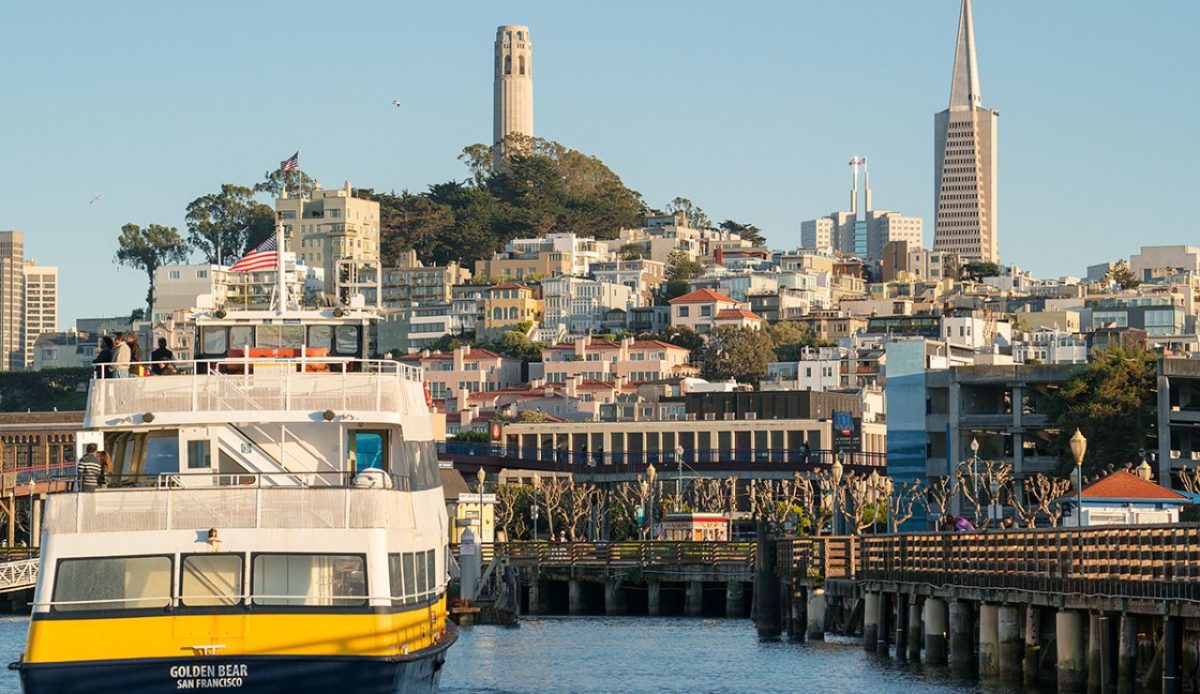
Fisherman’s Wharf is an easy “must-do” label, and that checklist energy keeps it busy. Travelers come for familiar photo spots, sea lions, and the sense that they’ve hit the iconic San Francisco postcard in one quick stop.
The area is heavily tourist-oriented, and prices and crowds reflect that. If you’re expecting a charming working waterfront, you may find more souvenir shops than local texture, plus long lines for classic snacks at peak hours.
For a better day, keep the Wharf short and then branch out. A walk to North Beach, a ferry ride, or time in Golden Gate Park often feels more distinctive, while still letting you tick the famous stop.
11. The Alamo, San Antonio
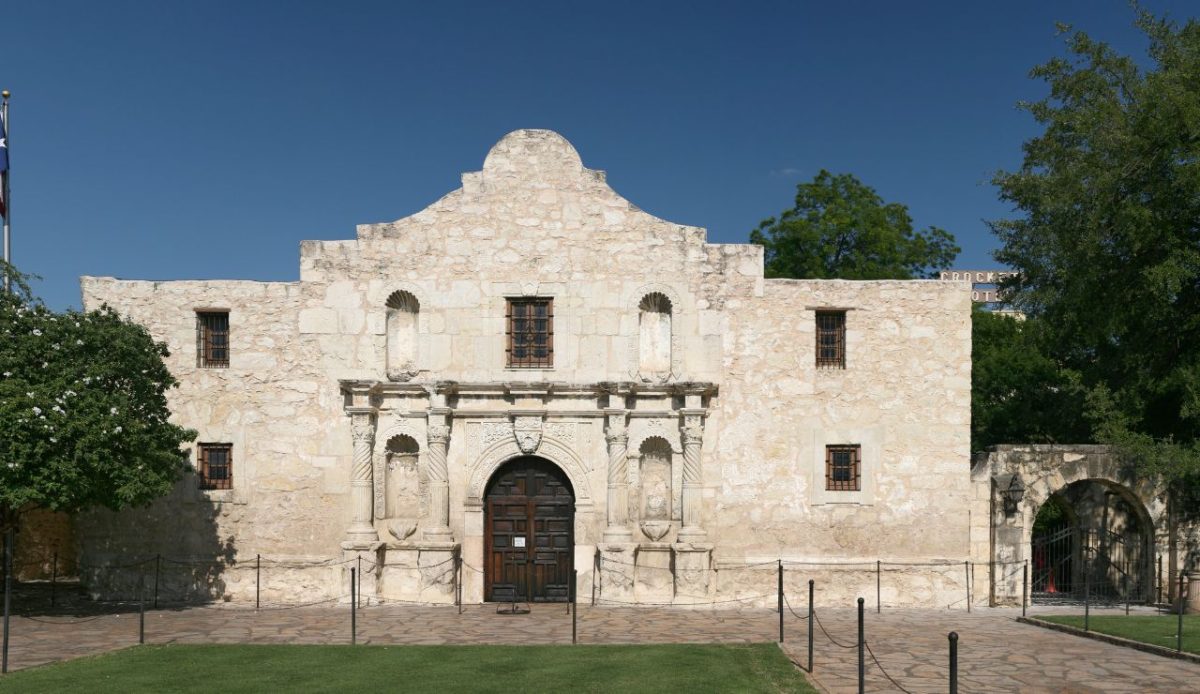
The Alamo is a nationally known landmark, so many visitors feel they “have to” see it. That recognition makes it a status stop in the cultural sense: a quick photo and a checkmark, even for travelers who aren’t deeply into history.
The site is smaller than some people imagine, and crowds can make the visit feel brief. Without context, it can come across as a fast museum moment, and visitors sometimes miss how it fits into the broader network of missions and the city’s past.
Enjoyment increases when you pair it with the surrounding area. The River Walk, nearby missions, and a guided history tour add depth and make the stop feel like more than a mandatory snapshot.
12. Key West, Florida
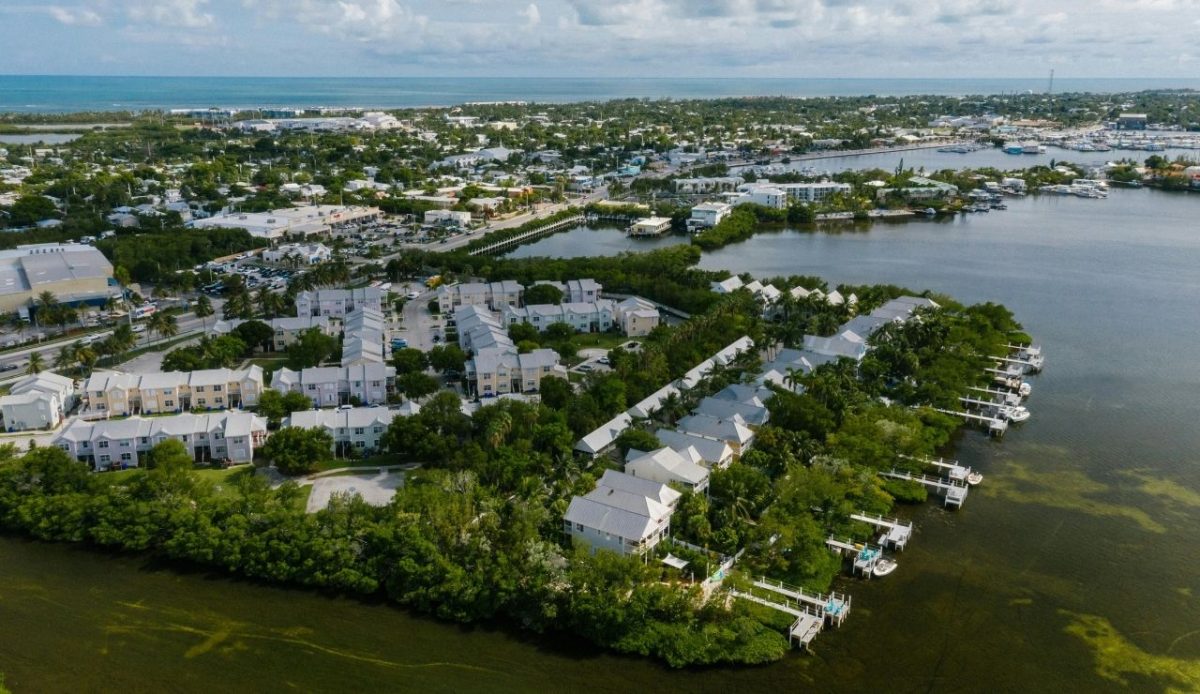
Key West has a strong reputation for quirky nightlife and “end of the road” bragging rights. Many travelers come to say they made it to the southernmost point and to post the classic buoy photo, even if they’re not into party streets.
Because it’s compact, it can feel crowded, and prices reflect island logistics. Hot afternoons and packed sidewalks can make the town less relaxing than the image suggests, and short stays can turn into a rush between the same few photo stops.
To enjoy it more, plan around the climate and crowds. Sunrise water activities, a quieter beach window, and a short trip to nearby nature spots balance the social scene with the Keys’ calmer side.
