
A travel comeback usually needs a clear reason, not just hope, and 2026 offers several for U.S. cities that have waited for the spotlight. Major tournaments, milestone anniversaries, museum openings, and better air connections can reset how a place is viewed and booked. Some demand will be driven by once-in-a-generation events, while other gains will come from steadier improvements that make visits easier and more enjoyable. The cities below share one trait: a concrete 2026 catalyst that can pull new visitors and bring back those who have been staying away. Together, they show where travel momentum is likely to return fastest.
1. New York City and New Jersey Region
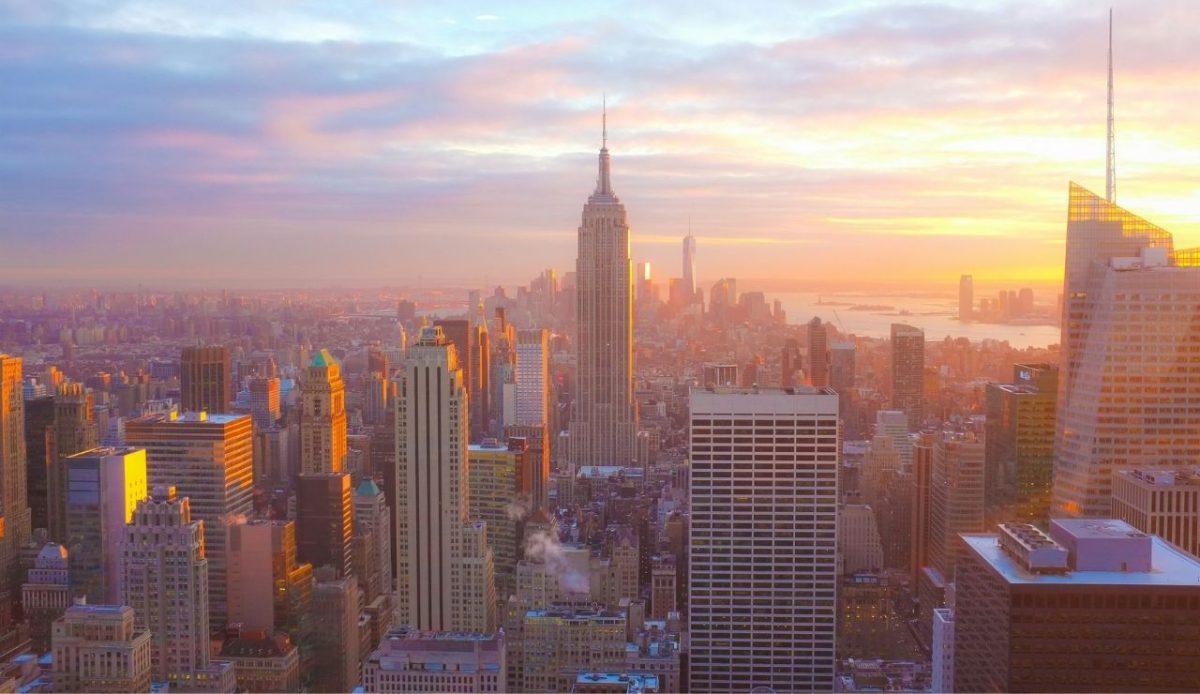
New York City and nearby New Jersey are set up for a surge because the 2026 FIFA World Cup final is scheduled at MetLife Stadium, and other matches will be played in the area. That scale of attention tends to push airlines to add seats and encourages longer stays that pair games with Broadway, museums, and neighborhoods outside Midtown. Visitor services are being expanded, and crowd management plans are being refined, so the region can handle peaks without feeling chaotic for travelers. For a market that has seen uneven international returns, the summer of 2026 could mark a visible reset for many travelers.
2. Los Angeles, California
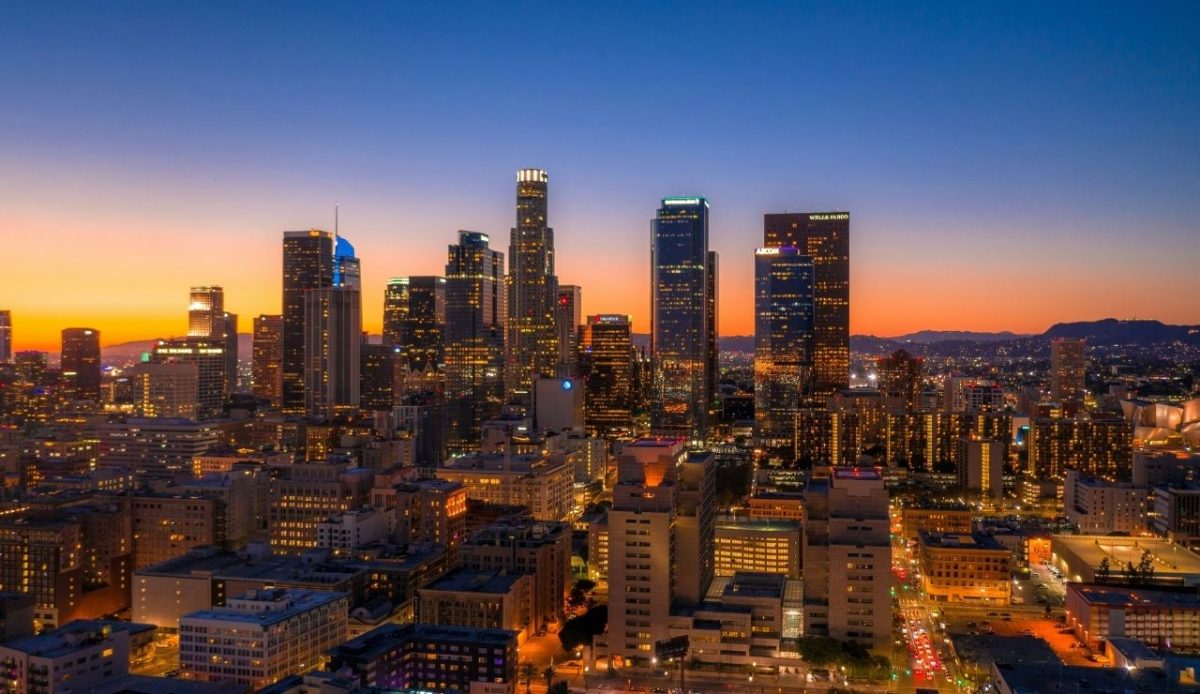
Los Angeles has dealt with softer overseas visitation and safety concerns that changed how some travelers planned trips, yet 2026 brings two strong draws at once. Tournament match dates will pull fans who might not have chosen Southern California otherwise, and the opening of the David Geffen Galleries at LACMA adds a headline cultural reason to go. With more time spent moving within the region, visitors can plan stadium days alongside beaches, food, and museums, making the city feel newly worth the effort. If service levels stay consistent, the rebound will be reinforced across hotels, tours, and nightlife corridors.
3. Miami, Florida
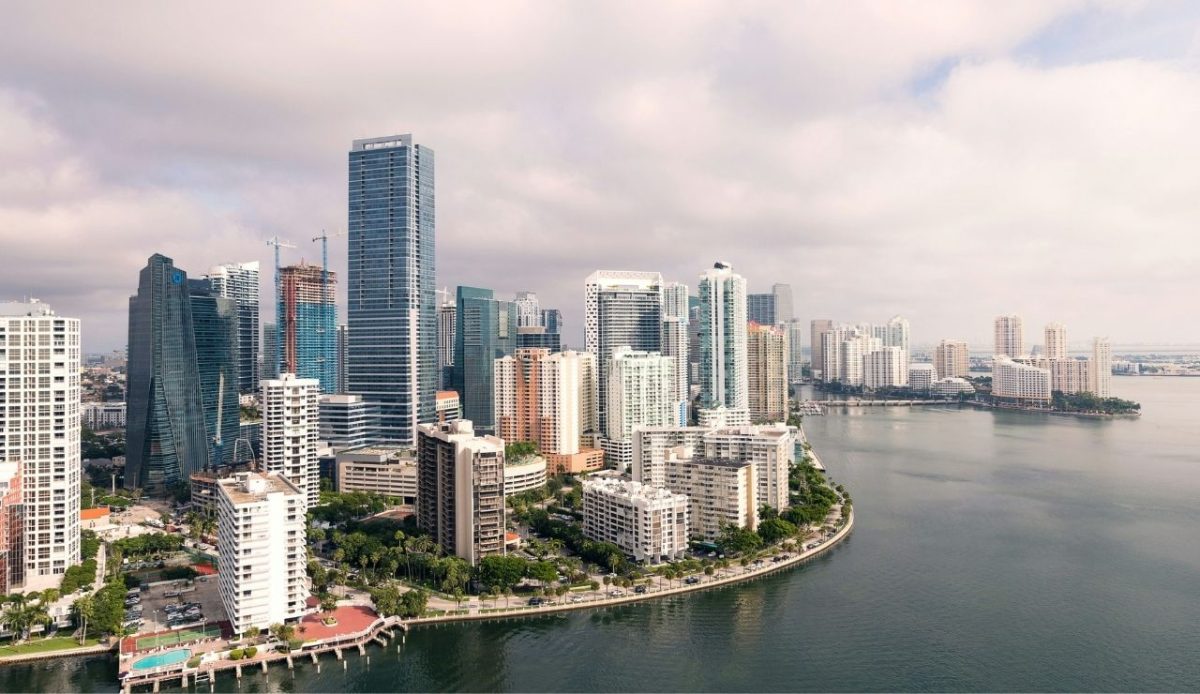
Miami’s travel comeback in 2026 is likely to be felt beyond the usual winter rush because the city will host World Cup games and be shown to a global audience. That visibility can convert sports travel into first-time visits from Europe and South America, especially when added flight capacity is offered into South Florida. Once visitors arrive, day trips to the Keys and the Everglades help extend stays, and a larger share of spending is captured outside the beach core. A rebound in group travel is also expected, since event calendars and corporate meetings tend to cluster around marquee years.
4. Philadelphia, Pennsylvania
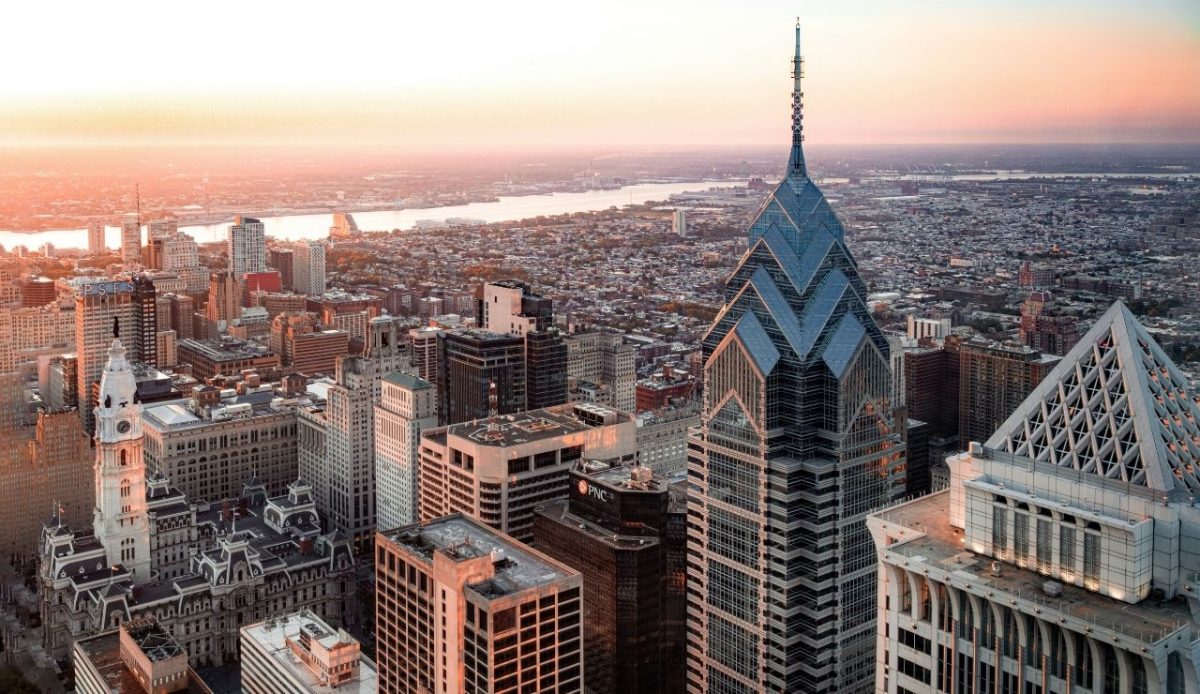
Philadelphia often gets treated as a day trip, but 2026 gives it a reason to be planned as a destination in its own right. As a tournament host, it will receive waves of visitors who may also ride rail lines to nearby towns or connect to New York and Washington. The city’s compact layout makes it easy to stack historic sites, restaurants, and art in one weekend, and that convenience can shift perceptions for travelers who previously skipped it. If the visitor experience is kept smooth, a short event bump can turn into repeat leisure trips and stronger convention demand. That is how a comeback takes hold.
5. San Francisco Bay Area, California
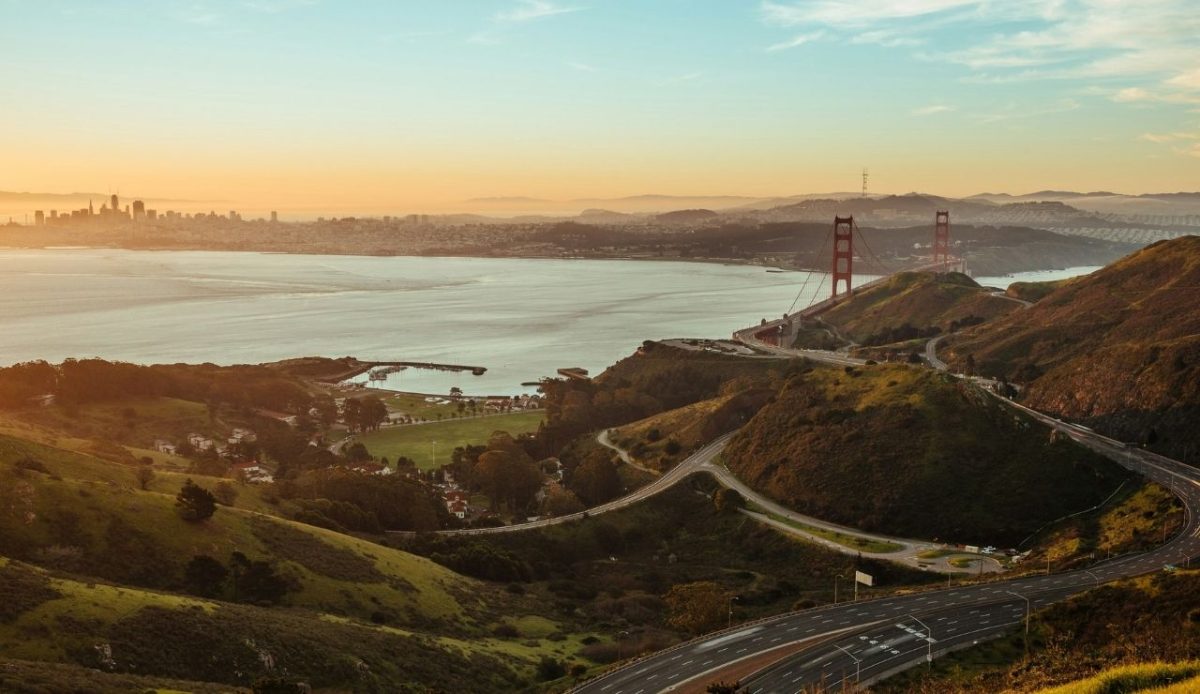
The San Francisco Bay Area enters 2026 with an opportunity to refresh its image as travel demand rebuilds, and match play at Levi’s Stadium will help. Fans who come for games may base themselves in San Francisco, Oakland, or the Peninsula, spreading bookings across the region. That distribution can benefit neighborhoods that rely on midweek business travel, which has been slower to return. With food, parks, and coastal drives close by, visitors have reasons to stay longer than a single match day. If transit connections and public safety messaging are handled well, the region can regain trust from hesitant domestic travelers.
6. Seattle, Washington
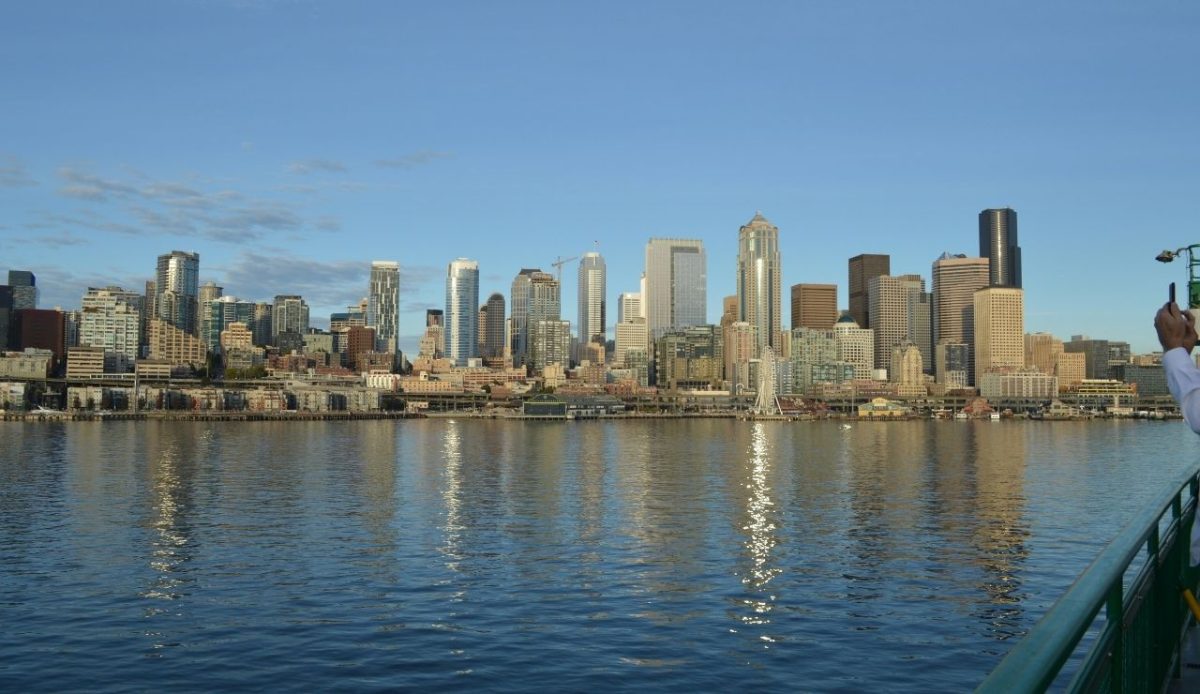
Seattle’s appeal has always paired urban energy with quick access to water and mountains, but 2026 gives the city a louder platform as a World Cup host. International visitors who fly in for matches can add ferry trips, national park drives, and food neighborhoods without renting a car for the whole stay. A stronger summer booking cycle would help hotels and attractions that have depended on local weekends. If service reliability is maintained, the attention can translate into return trips in shoulder seasons. Cruise departures and train routes also make it easier to bundle Seattle with other Northwest stops.
7. Atlanta, Georgia
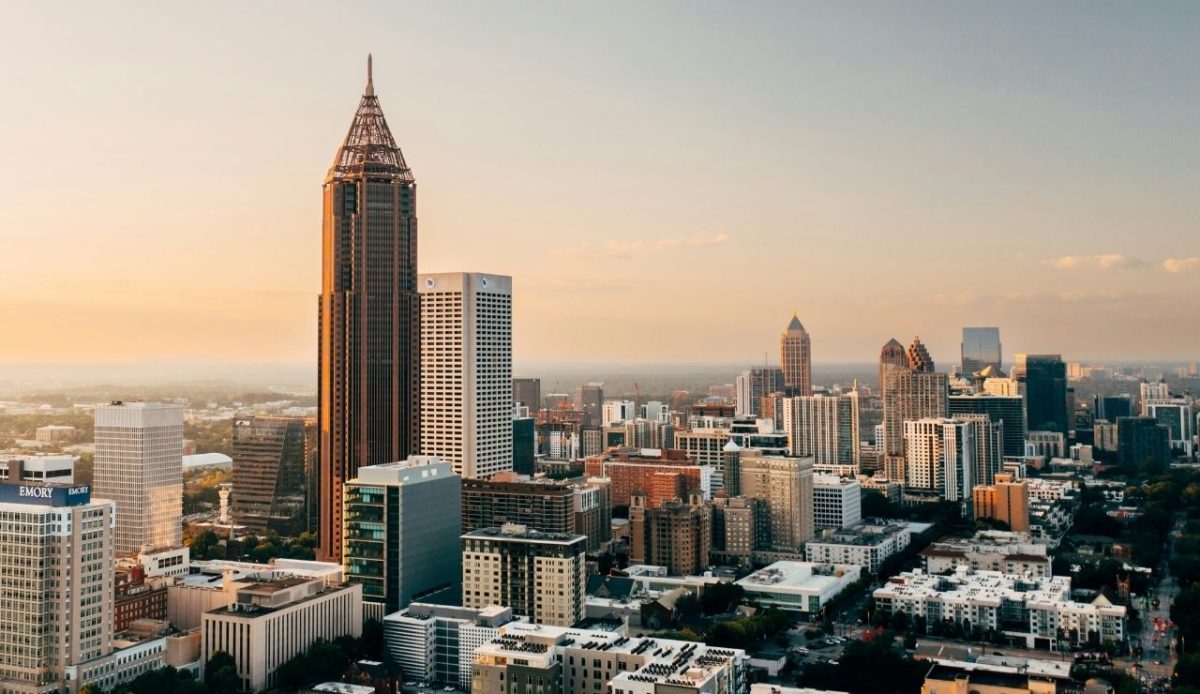
Atlanta is positioned for a 2026 rebound because it will host tournament matches, and it is one of the country’s biggest air hubs, which lowers friction for visitors. Large events tend to reward places with dense flight schedules, since last-minute travelers can still find workable routes. Once in town, attractions are spread across distinct districts, so crowds can be absorbed without concentrating everyone in one corridor. A successful 2026 summer could strengthen Atlanta’s case as a long weekend city, not only a layover. That shift would help restaurants, museums, and hotels that rely on steady foot traffic throughout the year.
8. Boston, Massachusetts
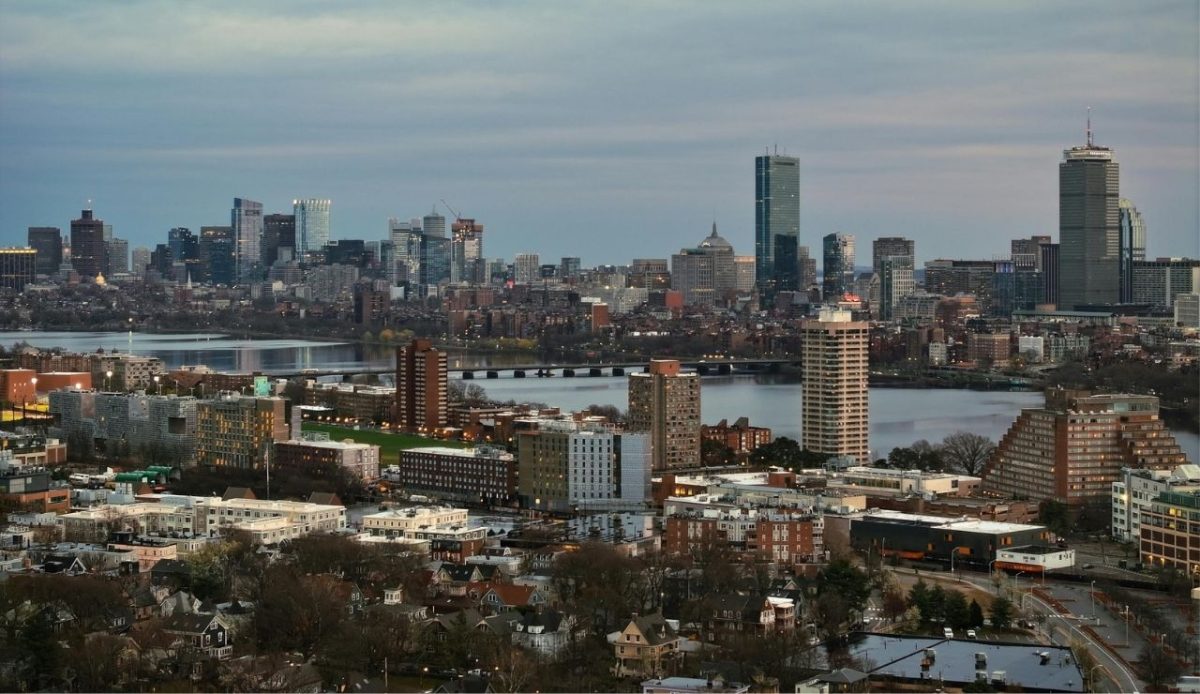
Boston’s 2026 comeback case rests on its hosting role and on how easily visitors can explore on foot and by transit. Fans can stay in the city and still reach matches at Gillette Stadium, then return to historic neighborhoods for meals and waterfront walks. That arrangement supports longer itineraries that pair sports with heritage travel, which is often chosen by international guests. Because Boston performs well in summer but can dip in other months, the global exposure can help widen demand across seasons. New England road trips in late summer and fall can be added, turning a match visit into a broader regional circuit.
9. Dallas, Texas
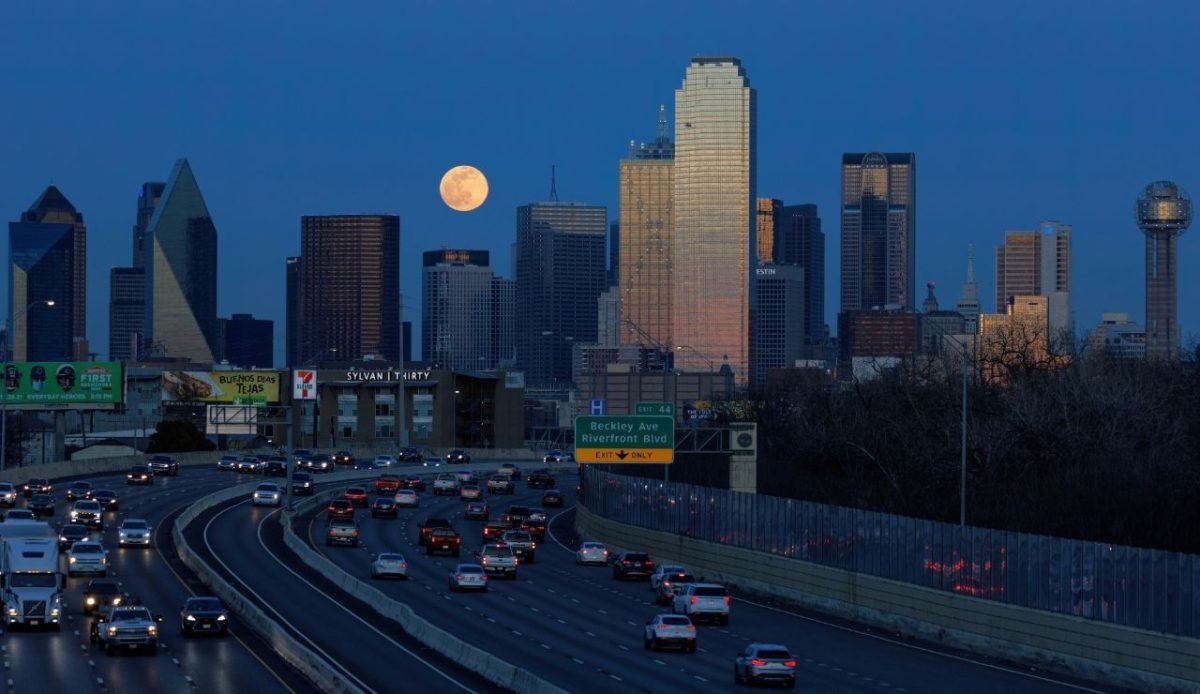
Dallas can see a travel rebound in 2026 because World Cup games will be staged in the region, drawing visitors who may be new to North Texas. Big event weeks push hotels, restaurants, and transport providers to coordinate in ways that improve the baseline experience afterward. Travelers can plan a match time with arts districts, barbecue, and day trips to Fort Worth, which helps spread benefits across cities. If summer heat is managed with smart scheduling and indoor options, first impressions can be improved for repeat demand. Strong airline connectivity through major airports makes the area easy to reach from both coasts and abroad.
10. Houston, Texas
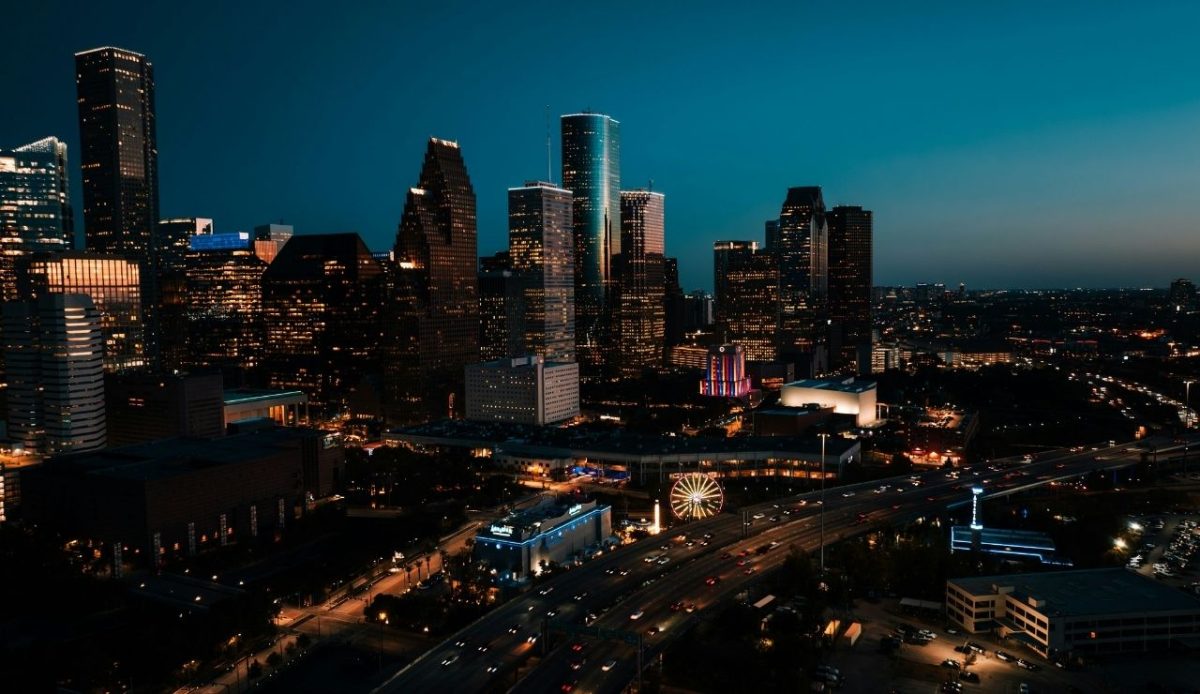
Houston’s travel comeback potential in 2026 comes from its tournament hosting status and from its depth of experiences beyond the central business area. Visitors who arrive for matches may be surprised by the city’s museum options, food range, and space-focused attractions, which can extend stays. Event years also prompt civic improvements that are noticed by tourists, such as clearer wayfinding and better coordination between venues and transit. If those upgrades are sustained, Houston can convert a one-time influx into ongoing leisure demand. Nearby Gulf Coast escapes, including Galveston, give visitors an easy add-on after city days.
11. Kansas City, Missouri
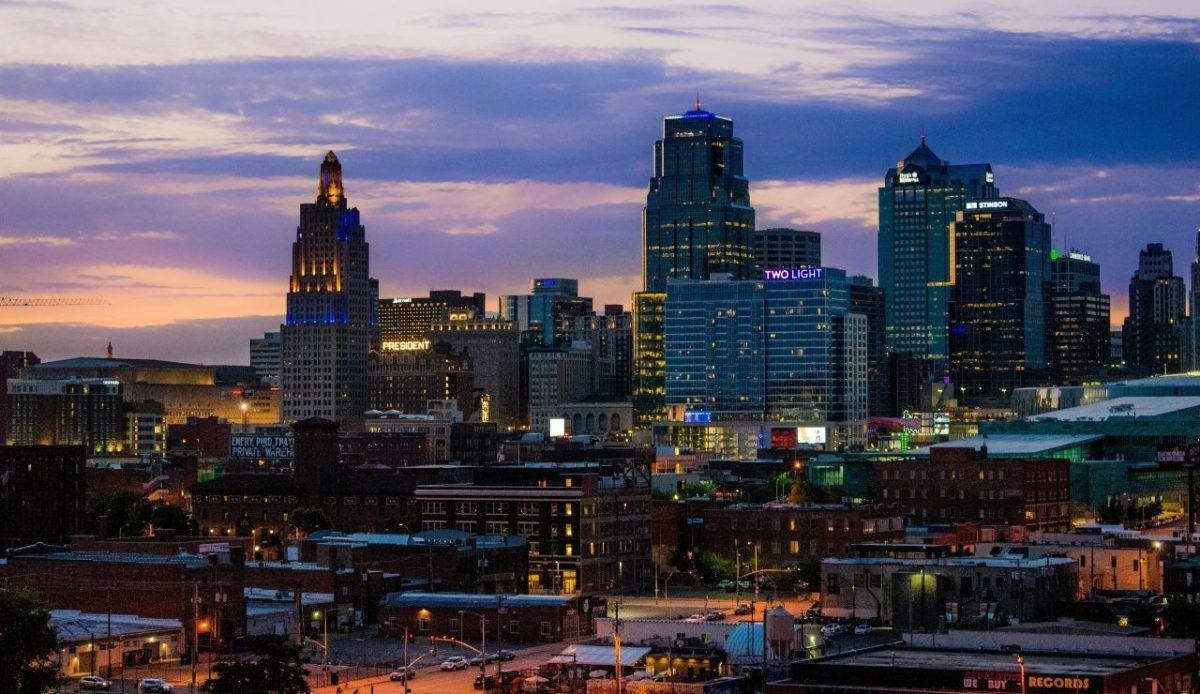
Kansas City rarely gets a global sports moment, which is why its 2026 tournament dates can drive a genuine travel reset. Many visitors will arrive with low expectations and leave with a clearer sense of the city’s jazz heritage, barbecue culture, and walkable districts. Because costs are often lower than in coastal hosts, longer stays become more realistic for families and groups. Local tourism benefits can be magnified if wayfinding, transit links, and visitor information are polished before kickoff, since first impressions will travel fast. It can also serve as a base for short side trips that keep rooms filled after match days.
12. Washington DC
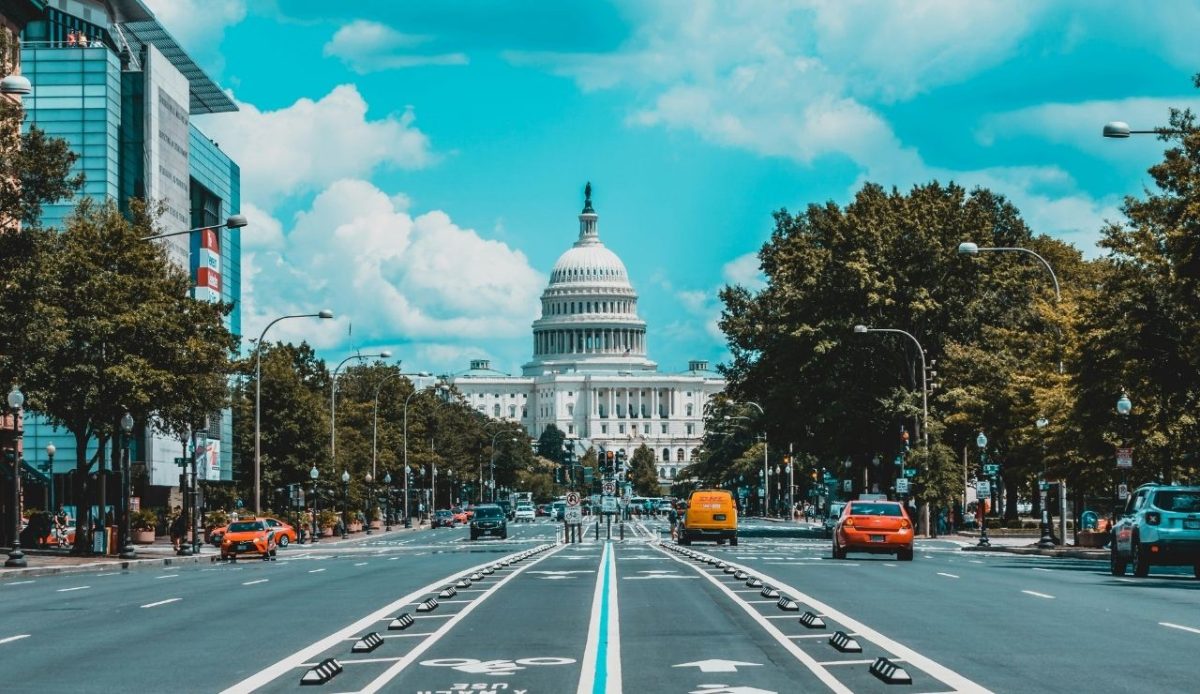
Washington DC has a different 2026 catalyst, the nation’s 250th anniversary, which will bring exhibitions, public programs, and special events across the year. Unlike a single tournament week, this kind of milestone can distribute travel demand from spring through winter, supporting hotels and attractions more evenly. For visitors, it also creates a reason to return even if they have been before, since museums and cultural sites tend to refresh content for landmark years. If crowd planning and security are handled smoothly, the city’s reputation as a group travel destination can be strengthened again.
