
Convention travel thrives on trust. Attendees expect cities that feel welcoming, organized, and safe enough to explore beyond the conference hall. But in recent years, perceptions of safety have quietly reshaped the meetings industry. From visible street disorder to reputational damage amplified by headlines and social media, some U.S. cities are losing repeat conventions despite strong venues and infrastructure. Event planners are becoming more cautious, weighing attendee comfort as heavily as cost, capacity, and convenience. This shift is not about panic, but about predictability. When a city feels uncertain, even great convention centers struggle to compete.
1. San Francisco
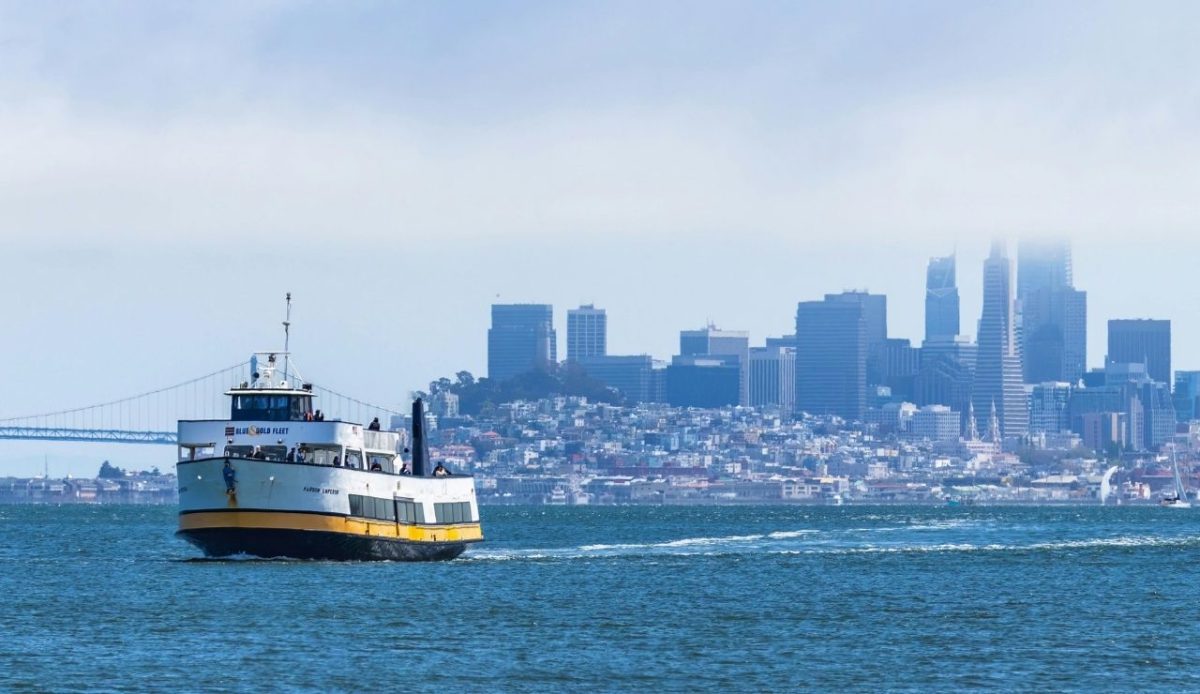
San Francisco built its convention reputation on innovation, walkability, and global appeal, but safety perception has become a deciding factor for many event planners. High visibility issues like property crime, open-air drug use, and street disorder near hotel and convention corridors have made some organizations uneasy about attendee experience. Large conventions rely on delegates feeling comfortable moving between hotels, venues, and restaurants without friction. When attendees report concerns about personal safety or theft, planners take note quickly. The city has also faced office vacancies and reduced downtown foot traffic, affecting convention energy and staffing.
2. Portland
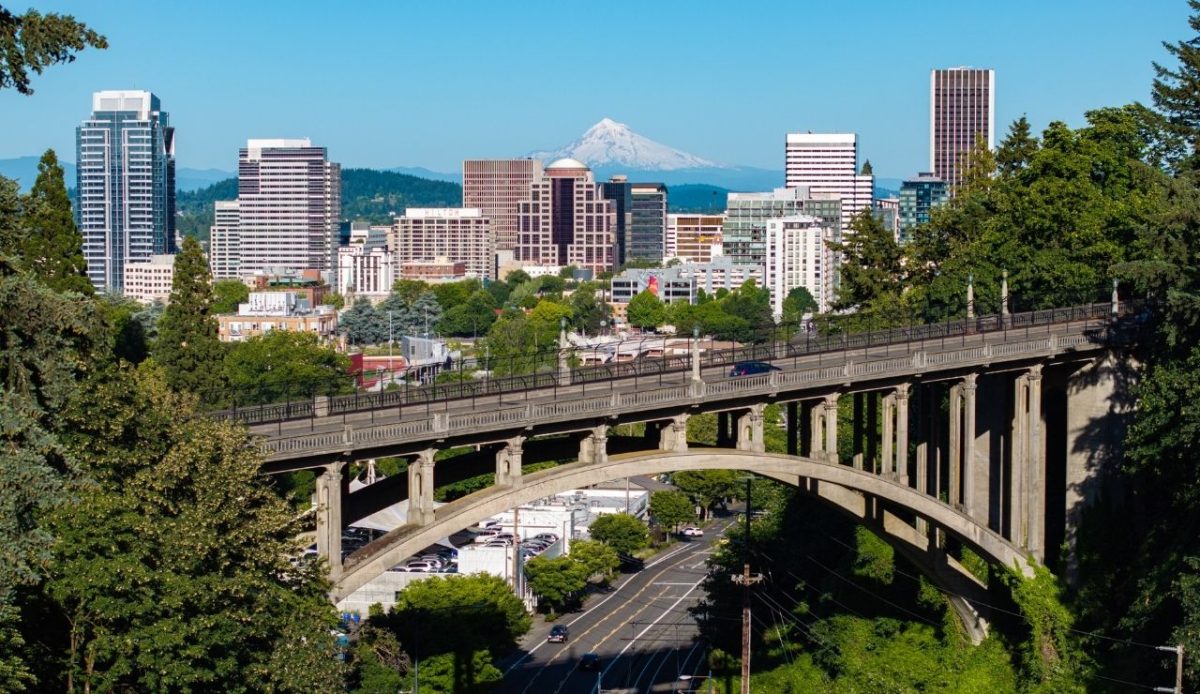
Portland’s convention challenges are rooted less in capacity and more in image. The city gained national attention during periods of prolonged protests and visible downtown disruptions, and that narrative lingered longer than the reality on the ground. Convention planners are risk managers by nature, and even outdated perceptions can influence decisions years later. Safety concerns are often tied to attendee walkability, especially for evening networking events that drive the value of in-person conferences. Portland’s compact downtown should be an advantage, but visible homelessness and reports of disorder around key corridors have created hesitation.
3. Chicago
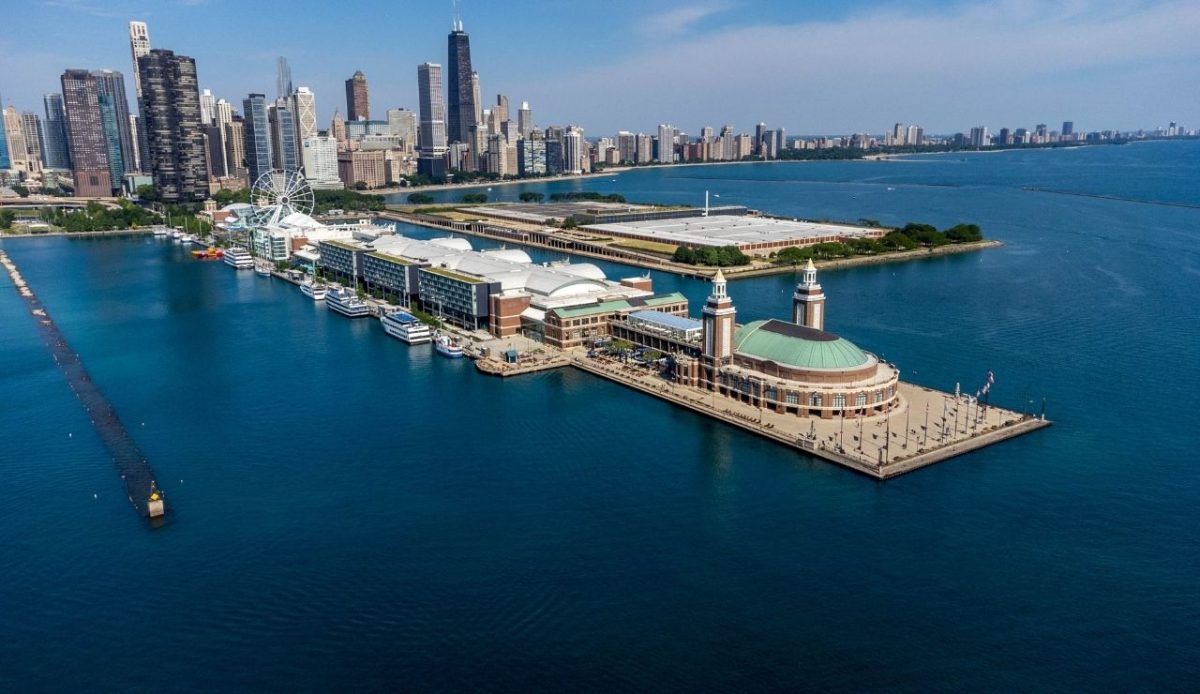
Chicago remains a heavyweight in the convention world, yet safety concerns have increasingly shaped how meetings are planned and promoted. High-profile crime reporting, even when incidents are far from convention districts, affects perception among attendees unfamiliar with the city. Large conventions depend on broad national and international attendance, and some organizations now report added questions from registrants about safety. Event planners respond by increasing private security and limiting off-site programming, which raises costs and reduces the city experience. Chicago’s size can work against it, since incidents in distant neighborhoods still shape overall reputation.
4. Los Angeles
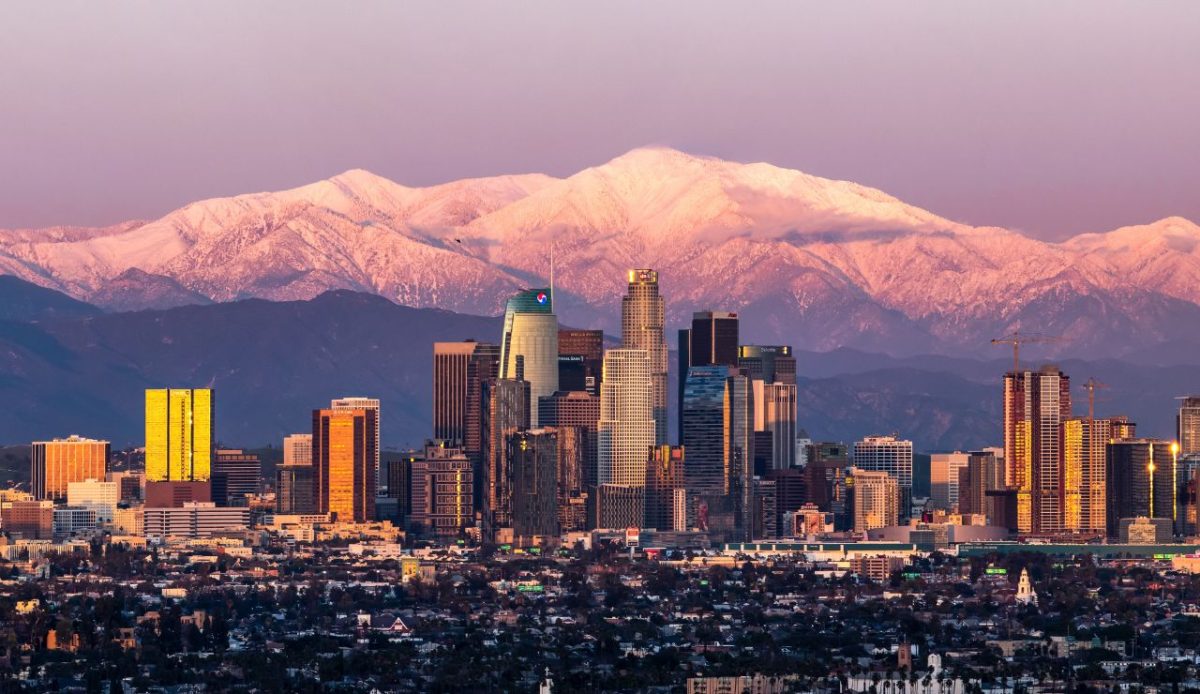
Los Angeles offers scale, global access, and entertainment appeal, yet convention travel has faced friction tied to safety and urban challenges. Event planners often cite concerns around homelessness near major venues, long travel distances between hotels and convention centers, and uneven public transit experiences for visitors. Safety worries are amplified when attendees must rely on rideshares late at night or navigate unfamiliar neighborhoods. For international conventions, perception matters as much as reality, and negative headlines can overshadow improvements. Los Angeles also competes with nearby destinations that promise a more contained and walkable convention experience.
5. New York City
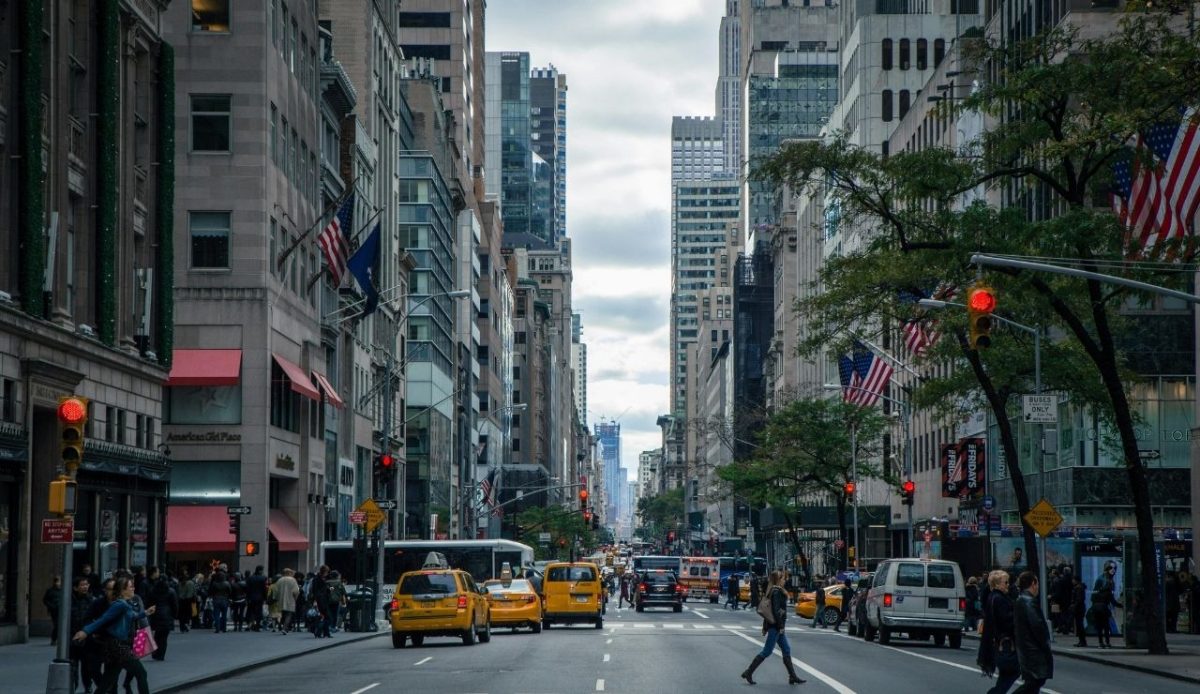
New York City continues to draw massive events, but it has not been immune to safety-driven hesitation. Concerns often focus on crowded transit, petty crime, and the complexity of moving large groups through busy areas. For conventions with international attendees, perceptions about public safety and entry processes add another layer of uncertainty. Rising costs for security, transportation, and staffing make planners more sensitive to any factor that could reduce attendance. New York remains unmatched in cultural appeal, but safety perception has become a variable that planners actively manage rather than assume away.
6. Las Vegas
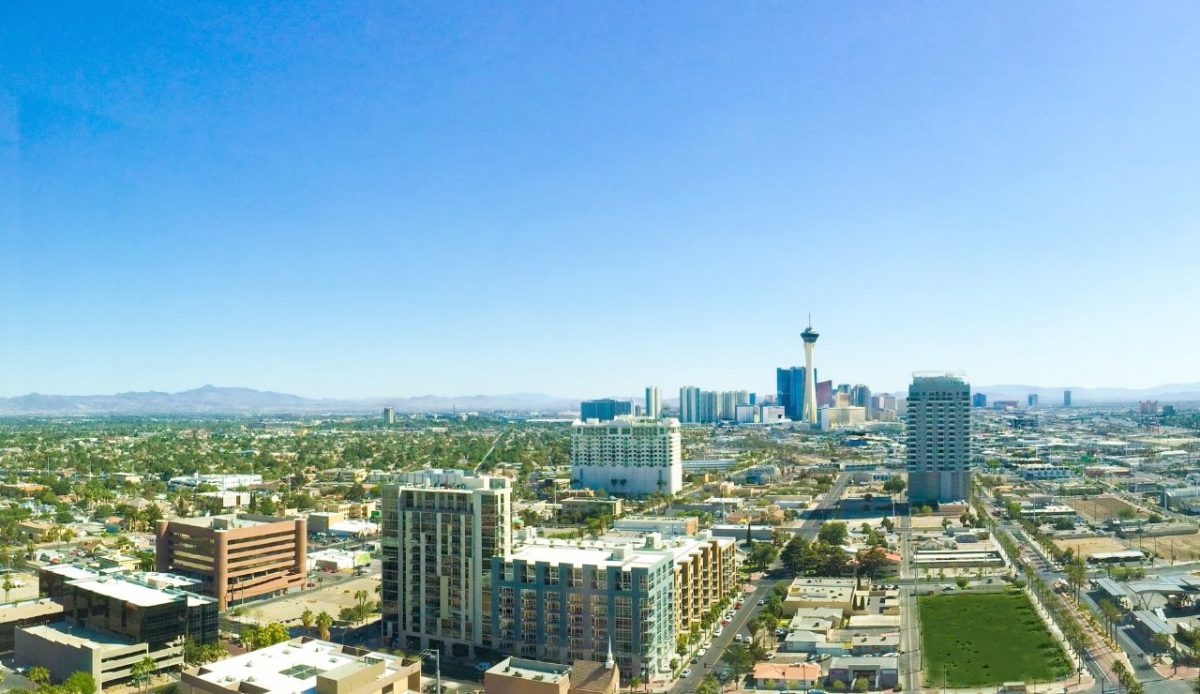
Las Vegas depends heavily on conventions, making even small perception shifts meaningful. While the Strip remains tightly controlled and well-policed, concerns arise around large crowds, isolated incidents, and the sheer scale of major events. International organizers have grown more cautious about attendee safety in high-density environments, especially after global travel disruptions reshaped risk tolerance. Las Vegas also faces competition from cities promoting quieter, more controlled convention settings. When safety concerns arise, planners may shorten event schedules or limit optional programming, which directly impacts hotel nights and spending.
7. Minneapolis
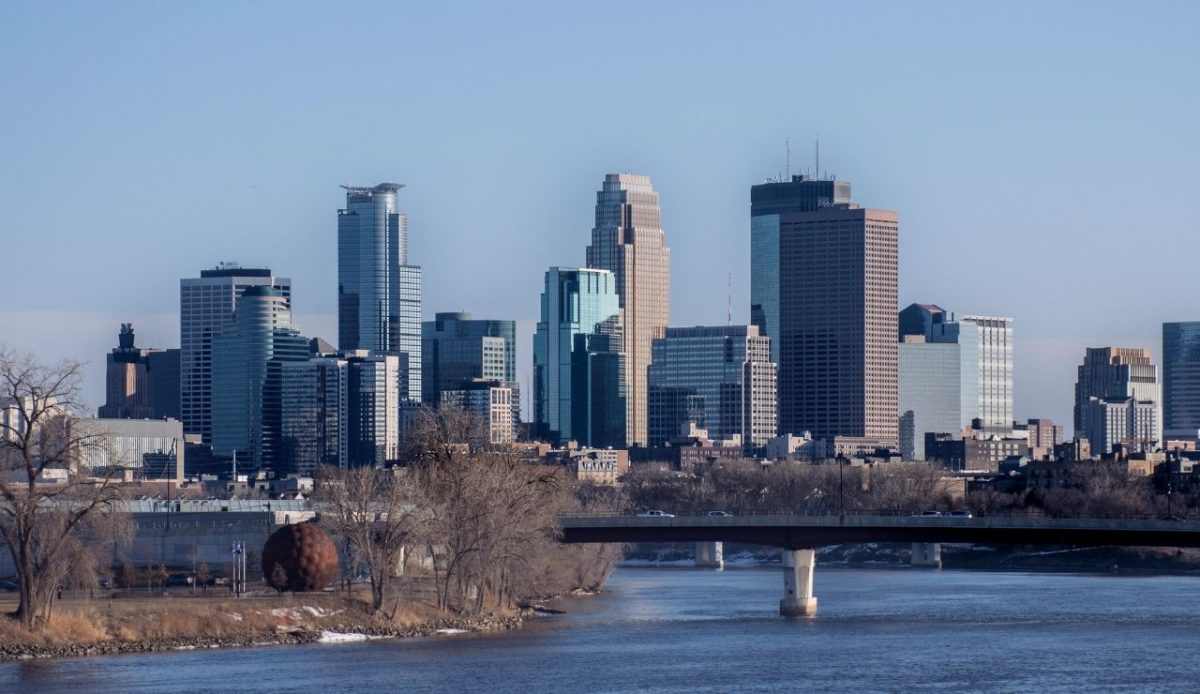
Minneapolis felt a sharp reputational shift after periods of unrest that received global attention. Even as the city stabilized, convention planners remained cautious, knowing that corporate and association boards are sensitive to perceived risk. Safety concerns often surface around evening events and off-site venues, which are essential for networking-driven conferences. Some organizations have opted for smaller meetings or relocated regional events to avoid potential attendee pushback. Minneapolis retains strong infrastructure and a skilled hospitality workforce, but rebuilding confidence takes time.
8. Washington, D.C.
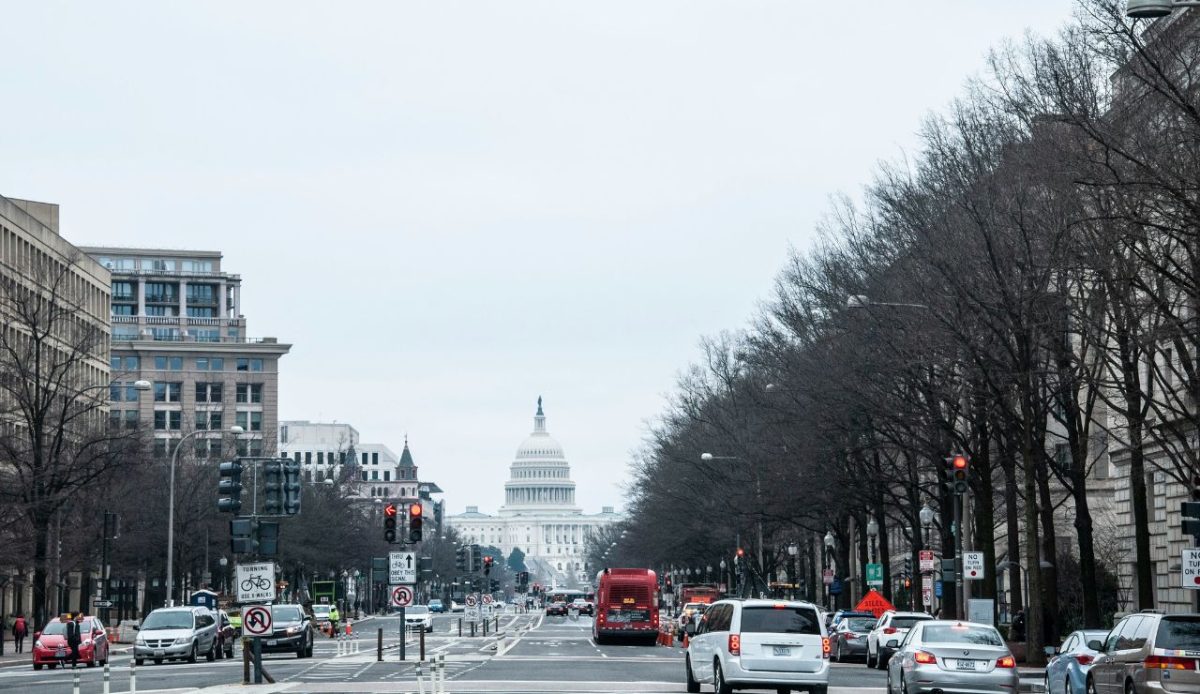
Washington, D.C. faces a unique mix of safety perception and political uncertainty. High-profile incidents near downtown, combined with visible security activity, can make visitors uneasy even when actual risk is limited. Conventions tied to policy, healthcare, or international groups are especially sensitive to these signals. Government shutdowns and protests add unpredictability that planners prefer to avoid. When safety concerns rise, some organizations choose suburban venues or entirely different cities to ensure smoother execution. D.C. remains important for many sectors, but its convention appeal fluctuates with public confidence in stability and safety.
9. Miami
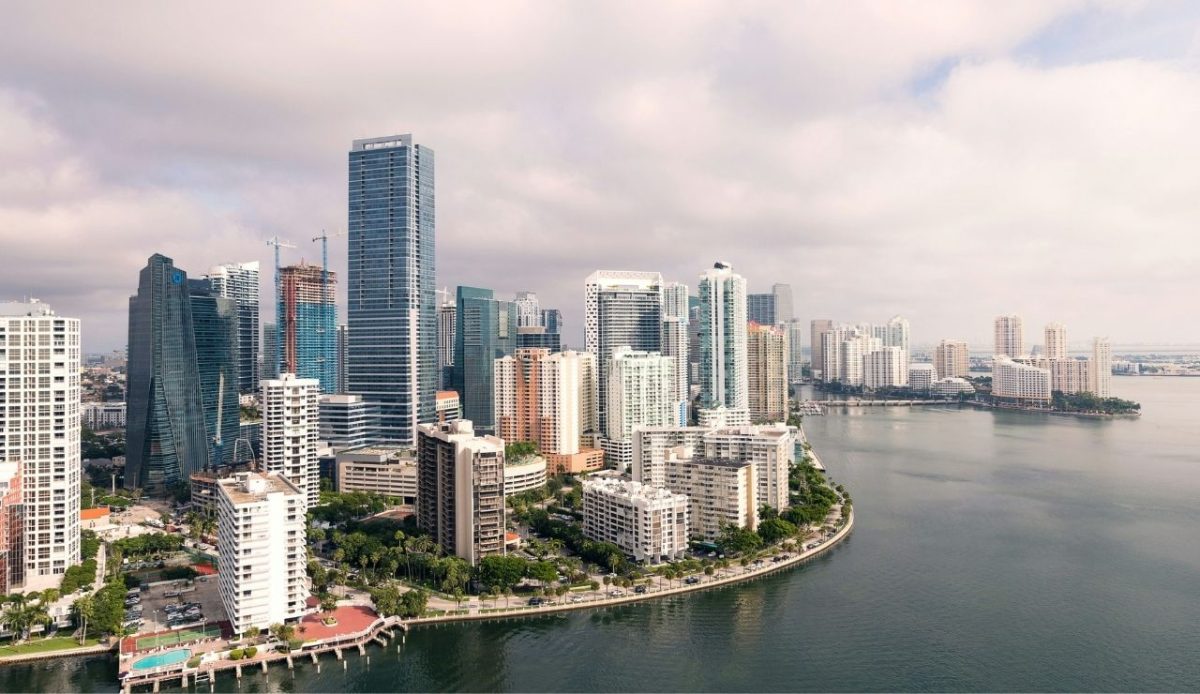
Miami’s convention challenges are less about violent crime and more about consistency and perception. Concerns include crowded tourist zones, late-night incidents, and uneven policing across districts. For large conventions, attendee comfort outside the venue matters as much as security inside it. International groups also weigh safety narratives alongside climate risks and infrastructure strain during peak seasons. When combined with rising costs, these factors push some conventions to explore alternative destinations that feel calmer and easier to manage. Miami remains attractive, but safety perception increasingly shapes how often events return.
10. Orlando
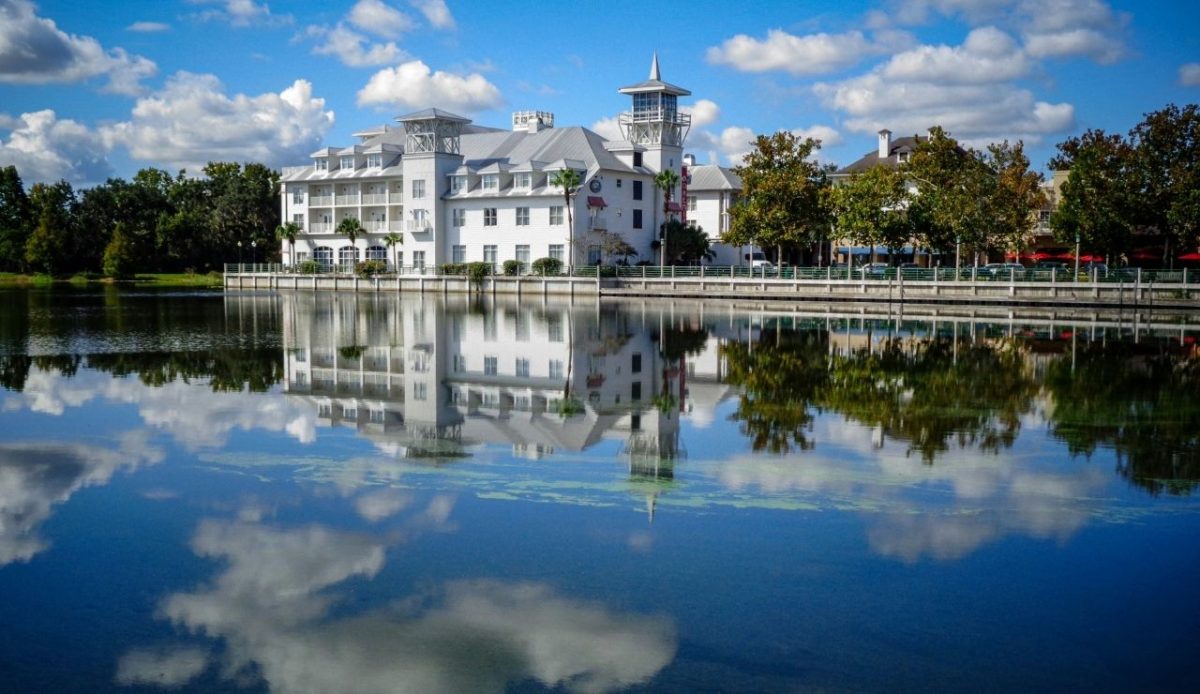
Orlando is built for conventions, yet safety concerns still influence decision-making. The city’s scale means attendees often travel long distances between hotels, venues, and dining areas, increasing reliance on transportation late at night. Event planners monitor incident reports closely, especially for family-friendly or international conventions. Even isolated events can affect perception when attendance includes first-time visitors. Orlando continues to host massive shows, but safety messaging and logistics planning now play a larger role in securing repeat business. Clear transportation plans and visible security are increasingly used to reassure attendees and planners alike.
11. Dallas – Fort Worth
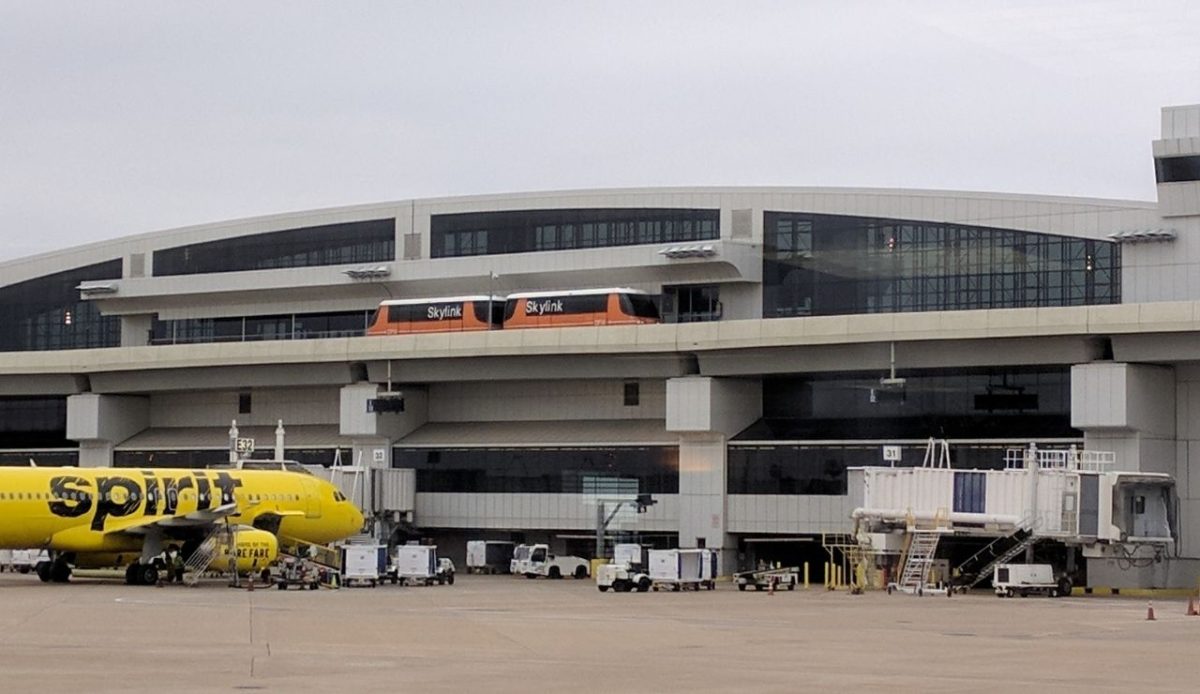
Dallas–Fort Worth benefits from strong infrastructure, yet safety perception varies widely by location. Large metro sprawl means conventions must carefully manage where attendees stay and socialize. Reports of crime in certain districts can influence how events are marketed and where off-site activities are allowed. For national associations, clarity matters, and any uncertainty adds planning cost. While the region remains competitive, some conventions opt for cities with more compact and uniformly perceived safe downtown cores. Planners often limit programming to specific zones to maintain consistency and attendee comfort.
12. Seattle
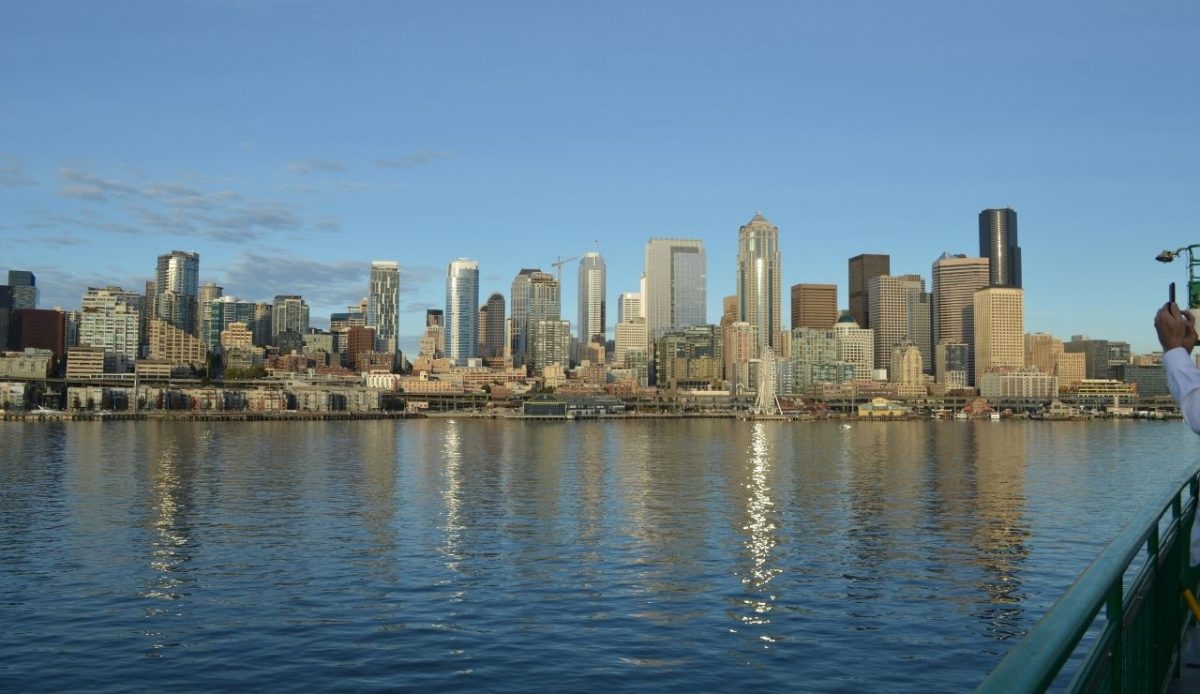
Seattle’s convention struggles mirror those of other West Coast cities, where perception often lags behind progress. Visible homelessness and reports of property crime near downtown corridors have raised concerns among planners. Attendees want to explore cities freely, and any hesitation reduces the overall value of travel. Some conventions have shortened stays or rotated out Seattle in favor of cities with stronger safety reputations. Seattle retains global appeal and strong venues, but rebuilding confidence in the convention sector requires sustained improvement and clear communication. Until confidence returns, planners favor destinations where safety feels visible and reinforced.
