
Even with dozens of boarding passes, many travelers hit the same confusing moments because airports run on layered rules. Airlines control fares, seats, and boarding order, while air traffic control manages runway flow and spacing. Security and border checks answer to government agencies, not the carrier at the gate. When these systems update on different timelines, passengers see contradictions on screens, apps, and announcements. The questions below focus on those repeat trouble spots and the real mechanics behind them. Knowing what triggers a change helps frequent flyers plan buffers, choose seats, and avoid avoidable fees.
1. Why Did The Ticket Price Change After Refreshing The Page
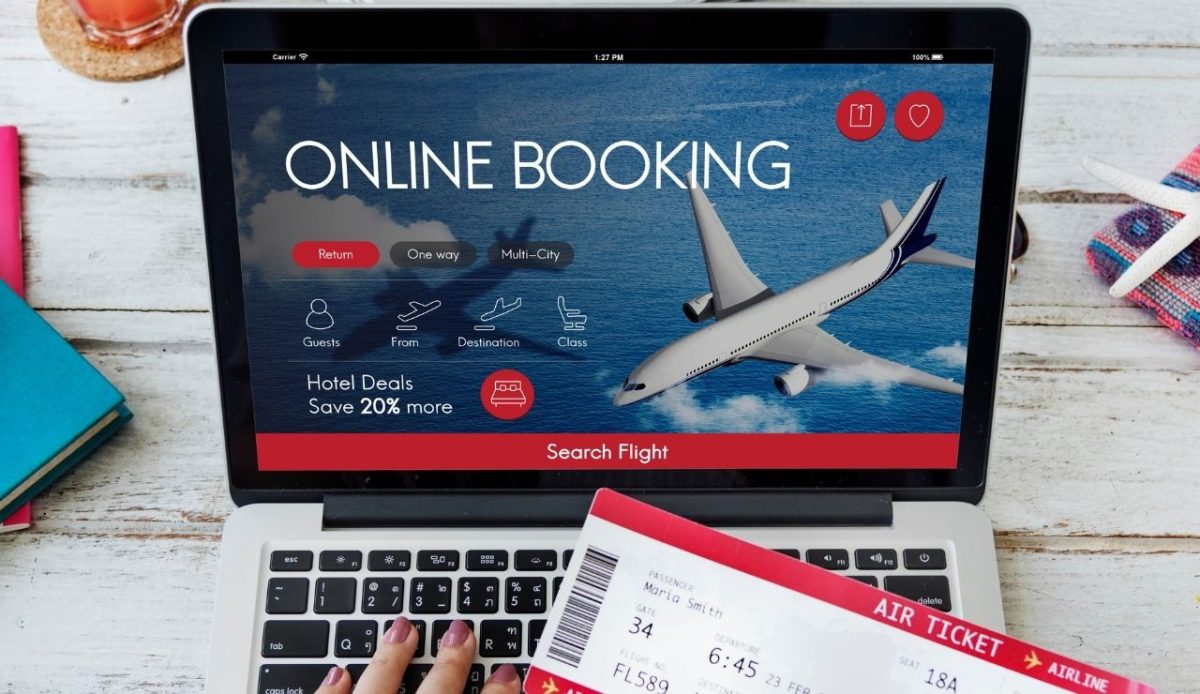
Airfare can jump after a refresh because the price shown is tied to a limited fare class, not a fixed seat value. When that bucket sells out, the system offers the next class at a higher price, sometimes within seconds. Search demand, time to departure, and competitive matching can also trigger automatic updates. A cart does not always hold the fare until payment is finished, so the number can change between tabs or devices. Some airlines sell short fare holds, and many sites reprice when taxes or exchange rates update, especially on international routes. Clearing cookies rarely changes the inventory logic that drives the switch.
2. Why Did Boarding Start On Time, But Departure Was Late
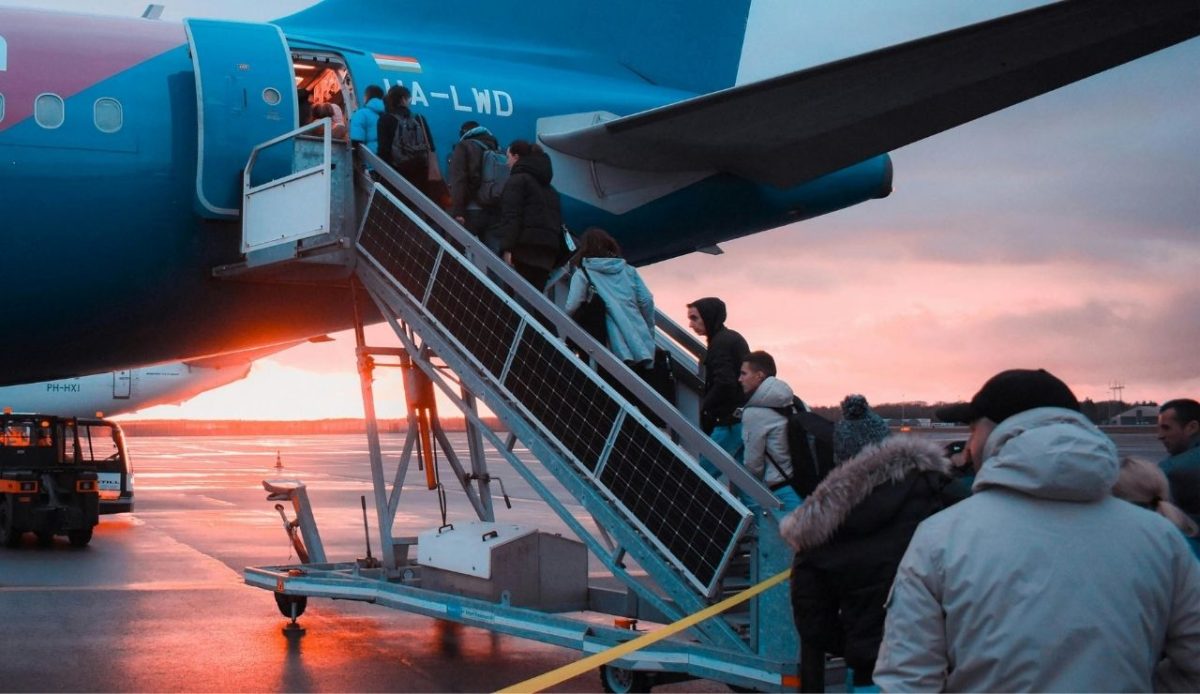
On-time boarding does not guarantee an on-time pushback because gate work is only one part of the chain. Takeoff order is assigned by air traffic control based on runway capacity, weather corridors, and traffic at nearby hubs. A crew may also wait for fueling paperwork, a maintenance signoff, or a late inbound aircraft. Apps can keep the original schedule while the flight is placed in a new departure slot, so screens disagree until final clearance arrives. Even after doors close, a plane can be held for deicing queues or to meet crew duty time rules that limit how long staff may work. These limits are enforced strictly.
3. Why Do Carry-On Rules Change On The Same Airline
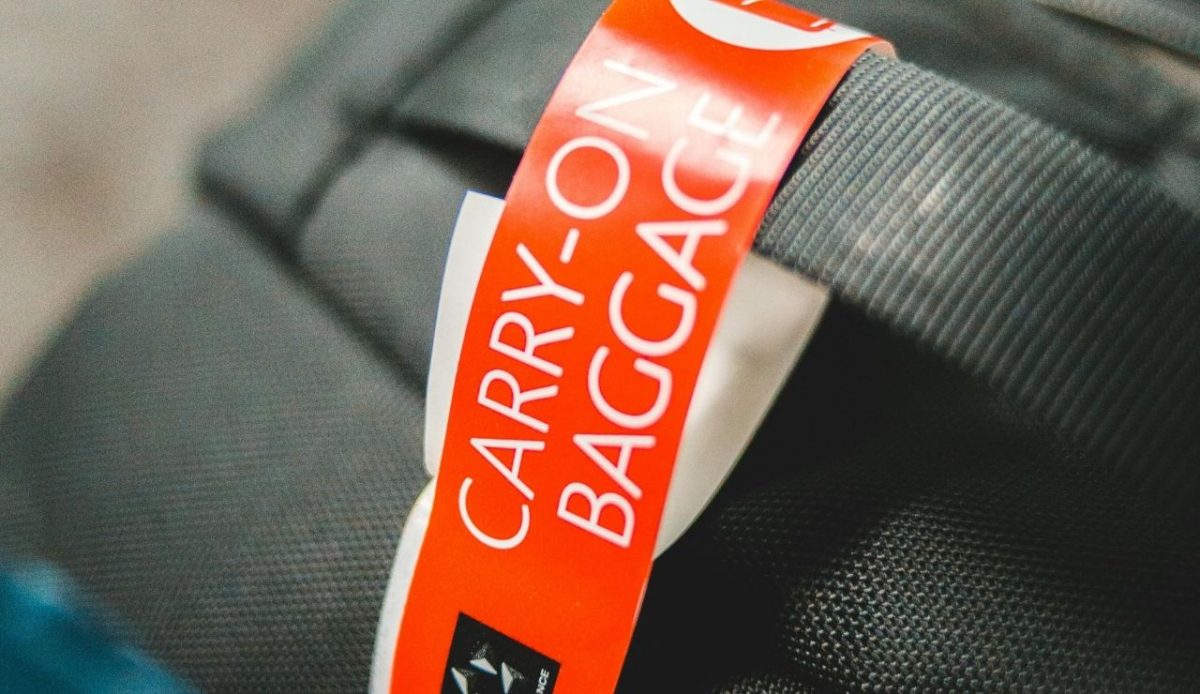
Carry-on rules feel inconsistent because bin space depends on the aircraft model and cabin layout used that day. A newer jet may fit larger rollers, while an older plane or a regional aircraft may force smaller limits. Some routes also face stricter local enforcement at the gate, especially when boarding is crowded, and delays are likely. Published sizes are guidelines, yet staff can require a sizer check when overhead space is expected to run short. Ticket type matters too, since certain fares allow only a personal item, and upgrades change priority groups that access bins first. Gate agents act to keep aisles clear.
4. Why Did My Seat Assignment Change After Check-In

A seat can change after check-in when the airline swaps to a different aircraft or blocks seats for operational needs. If the new plane has fewer rows or a different map, automated systems reseat people to keep families together and cabin classes intact. Weight and balance planning can also require moving passengers so the plane stays within limits for takeoff and landing. Even a broken recline or inoperative outlet can trigger a reseat late in the process. Crew positioning, wheelchair access, and emergency exit requirements may override preferences, and gate staff often cannot reverse changes once set.
5. Why Does Security Feel Different Every Time At The Same Airport
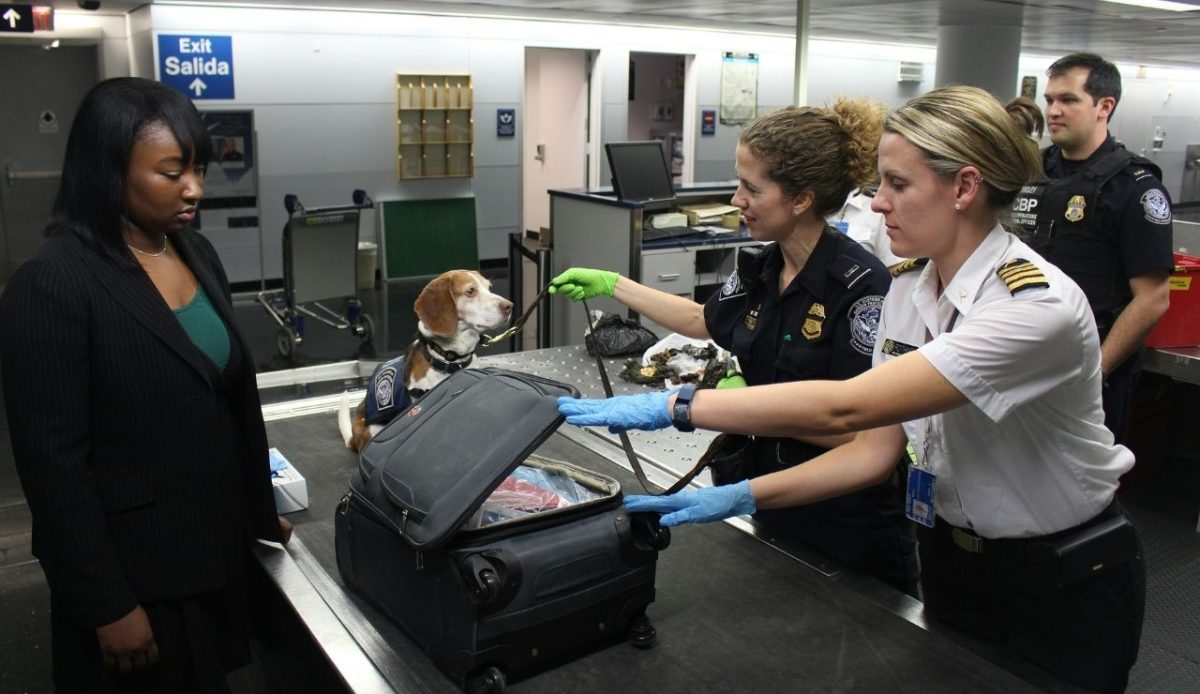
Security can feel different each trip because screening intensity shifts with staffing, equipment, and risk alerts. One day a lane may run advanced scanners, another day it may revert to older machines that need more manual checks. Random selection also adds variation, so two travelers with similar bags can face different steps. Peak waves from multiple departures create surges, and a single secondary inspection can slow the line behind it for minutes. Programs like TSA PreCheck or other fast lanes help, yet rules still change by airport, terminal, and contractor performance on a given shift. Expect surprises.
6. Why Do Passport Control Lines Move So Unevenly
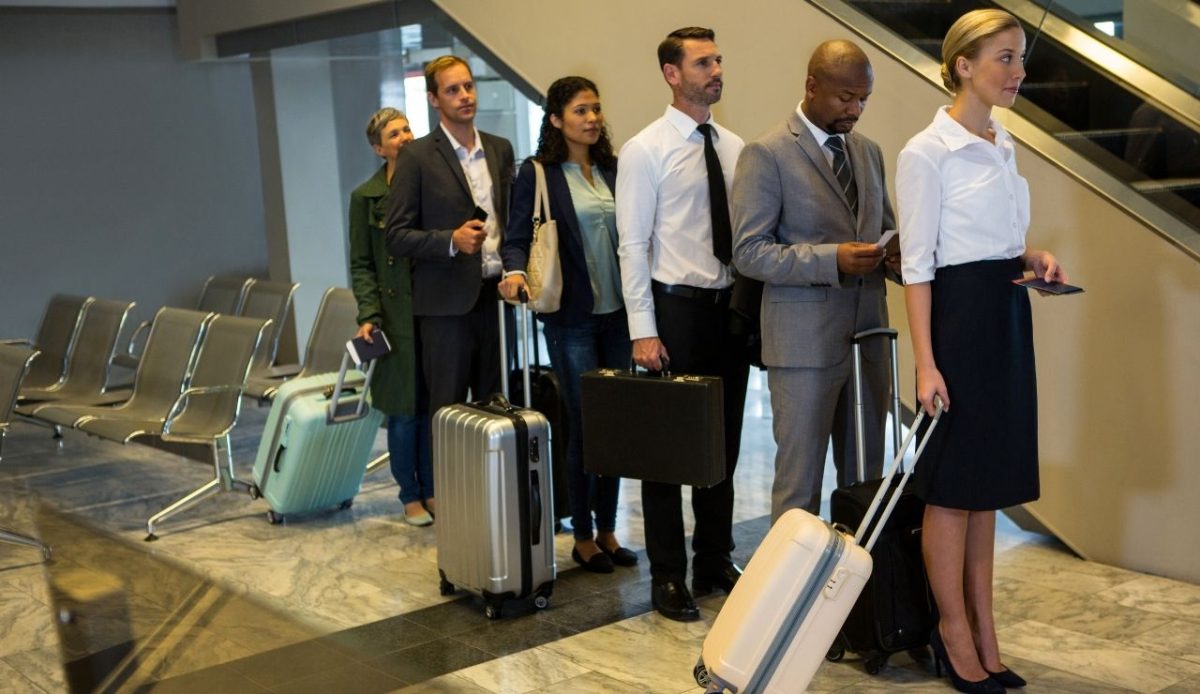
Immigration lines move unevenly because arrivals come in waves and booths may open or close without notice. Officers may be reassigned to interview rooms, crew processing, or a flagged traveler, reducing capacity for everyone else. Different lanes can apply separate rules for citizens, visa holders, and eligible eGate users, which changes throughput. Even when the hall looks calm, a data system issue or a late shift handoff can slow stamping and checks. If a connection is involved, missed arrivals may be routed to special desks, and that rework creates bursts that are not visible from the back.
7. Why Is The Same Flight Longer Westbound Than Eastbound
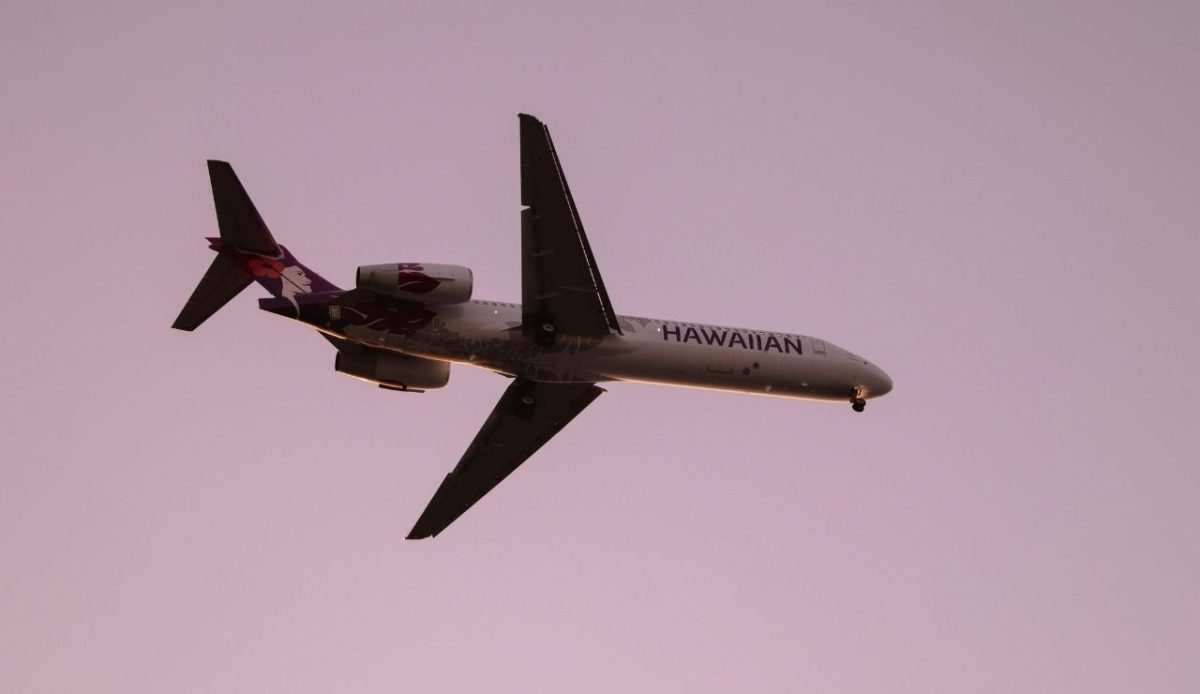
The same route can have different block times because winds at cruising altitude change by direction and season. Jet streams often speed eastbound flights and slow westbound ones, so the schedule builds in extra minutes to protect connections. Air traffic routing also differs, since controllers may assign longer paths to avoid storms, military airspace, or congestion. Pilots can request higher or lower levels for efficiency, yet the final track depends on traffic flow management. Ground time is included too, and a longer taxi or a short hold can be baked into the published duration without changing miles flown.
8. Why Does The App Say On Time When The Gate Shows A Delay
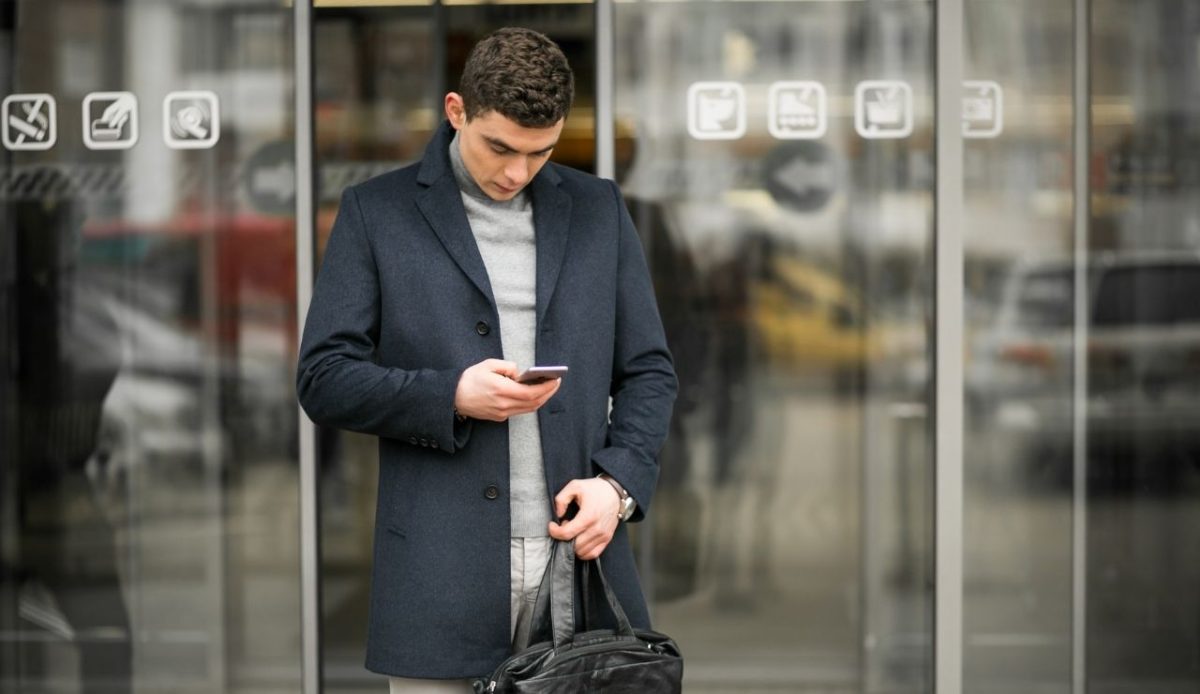
Status conflicts happen because different data feeds update at different times and for different audiences. Airline apps often show planned times until an operations center issues an official revision, while gate screens may reflect local constraints sooner. A late-arriving aircraft, a crew reassignment, or a new air traffic slot can be known at the airport before it is pushed to every channel. If you see a mismatch, the safest indicator is the pushback estimate given by the gate team. Codeshares add another layer, since partner systems can lag, and alerts may be delayed when your phone has a weak signal in the terminal.
9. Why Does A Short Connection Work In One Airport But Fail In Another
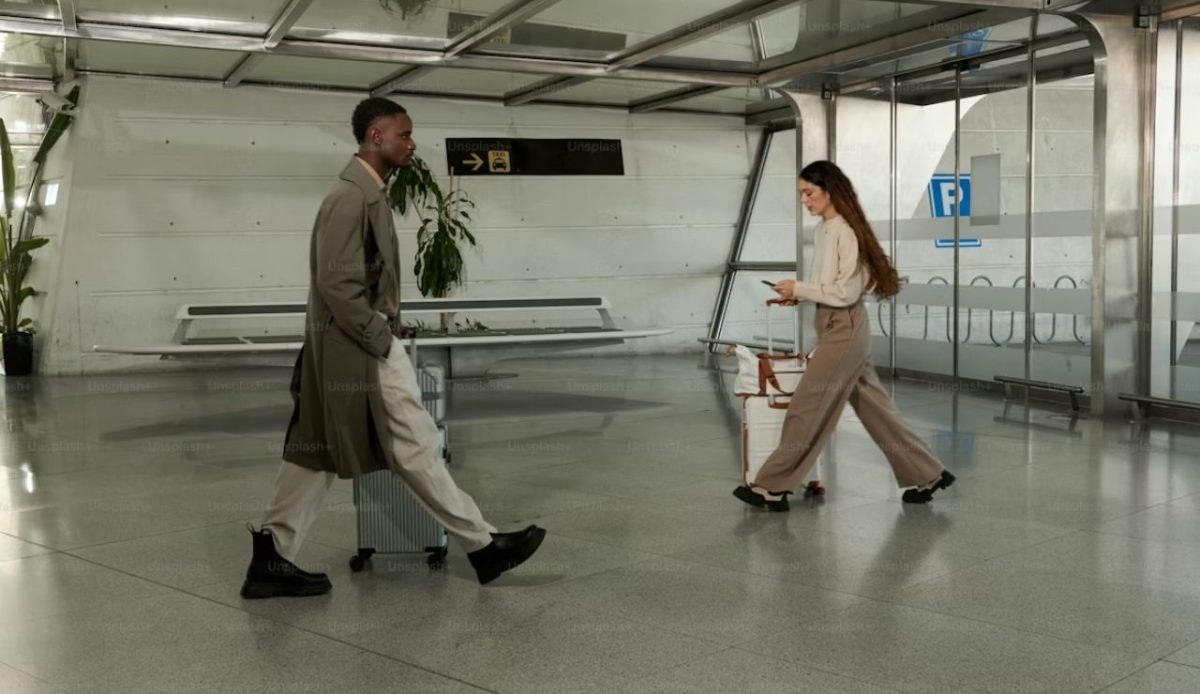
A tight connection can succeed in one airport and fail in another because minimum connection times are airport-specific and airline-specific. Terminal distance, train transfers, security recheck rules, and border controls change the real walking time. Some hubs allow sterile transfers, while others force passengers back through screening, which adds unpredictable queues. Airlines may still sell a short link when historical data shows it usually works, but one delayed gate or bus stand can break the plan. Also, boarding cutoffs can be earlier than departure, so arriving at the gate ten minutes before takeoff may still be too late.
10. Why Do Planes Circle Before Landing When The Weather Looks Fine
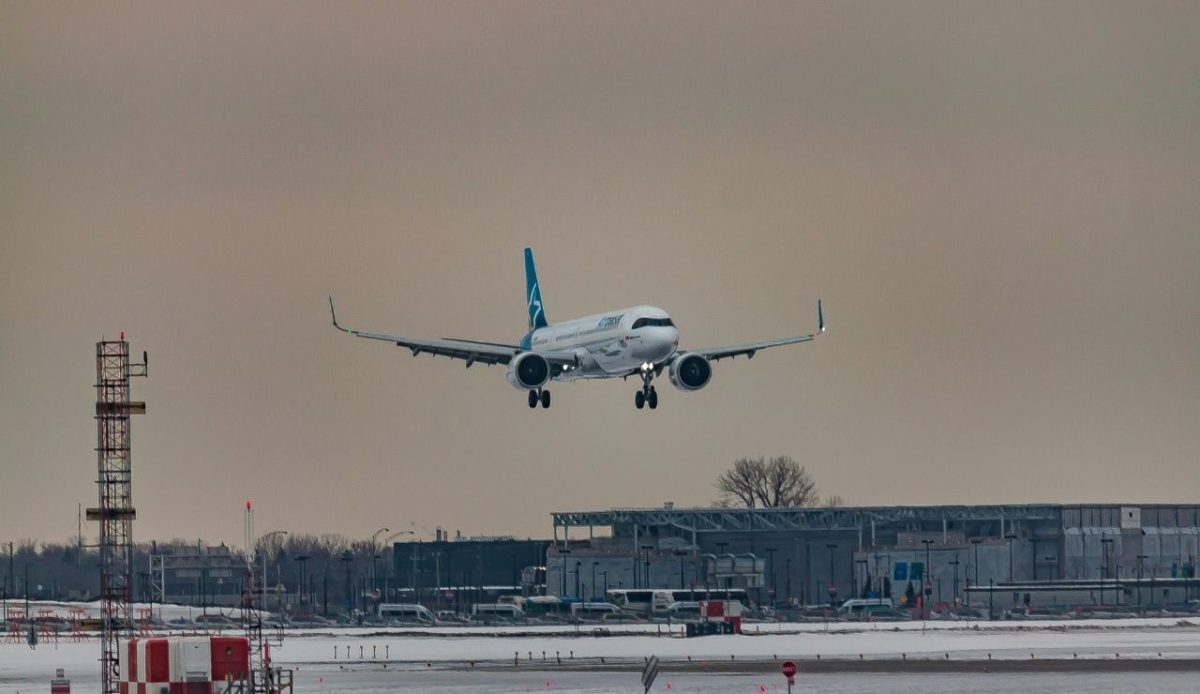
Holding patterns are usually about sequencing, not pilot uncertainty, even when the sky near the airport looks clear. Controllers space arrivals to match runway capacity, wake turbulence rules, and the mix of landing aircraft types. If storms exist along the wider route network, traffic can be metered long before it reaches the airport, creating airborne queues. Runway changes, snow removal, or a temporary closure for an emergency also force spacing that appears as circling on maps. Flights carry extra fuel for this, and crews plan alternates so the delay can be handled without risking safety.
11. Why Does In-Flight Wi-Fi Work On One Trip But Not The Next

In-flight Wi-Fi reliability varies because aircraft may use different hardware, satellites, or ground networks within the same fleet. Coverage gaps exist over oceans, polar routes, and some regions where licensing limits service. Bandwidth is shared by everyone onboard, so a full flight streaming video can slow speeds that felt fine on a quieter trip. Maintenance deferrals can also leave a system offline until the plane reaches a base with the right parts and technicians. Even when the signal connects, payment portals can fail if a card check is blocked, and some VPN settings prevent the login page from loading.
12. Why Do Some Airports Still Require Paper Customs Declarations
Paper customs forms still appear because declarations must be recorded in ways that hold up for enforcement and audits. Many countries accept electronic submissions, yet officers may require a written backup when systems are down or when a traveler is selected for inspection. Forms also standardize questions across languages, which speeds basic screening even when arrivals come in clusters. Declaring food, cash, and high-value purchases matters, since agriculture and tax rules can trigger fines even when items were bought legally. A pen helps, and crews may pass cards late, so finishing before landing can speed the exit process.
