
America’s biggest tourist regions often advertise a base price, then quietly stack on mandatory add-ons. The result is a trip that feels affordable at checkout and expensive by day three, especially for families, road-trippers, and weekend stays.
Common surprises include resort or destination fees, paid parking, timed-entry reservations, service charges, and “convenience” add-ons like express access or gear rentals. Many charges apply automatically even if you skip the pool, gym, or shuttle.
These 12 regions are still worth visiting, but budgeting is easier when you know where the extra line items typically show up and how fast they compound.
1. Orlando Theme Park Corridor

Theme park vacations rarely stop at the ticket price. Parking, hotel fees, and on-site meals can rival admission, especially when you stay close to the gates or drive daily.
Time-savers are the sneaky multiplier. Express-style access, photo bundles, and “one small upgrade” purchases scale per person and per day, and lockers or stroller rentals keep the meter running. Even refillable souvenirs and character meals can quietly inflate a day’s total.
Budget for paid parking at both hotels and parks, plus taxes and mandatory fees. Set a daily cap before you arrive, or convenience spending becomes the default by noon.
2. Anaheim Theme Park District

Anaheim looks straightforward: one resort zone, lots of hotels, quick access to the parks. The real cost shifts with date-based ticket tiers and paid add-ons that promise shorter waits. Crowds-heavy weekends make the paid shortcuts feel more “necessary” than optional.
Food and snacks are where many budgets quietly bleed. Add ride photos, merch, and in-park upgrades, and you’ve built a pricey day out of “small” choices you barely notice in the moment.
Watch parking, hotel shuttles that aren’t free, and transport between hotels and entrances. Staying farther out can save, but only if transit and parking don’t claw it back.
3. Las Vegas Strip
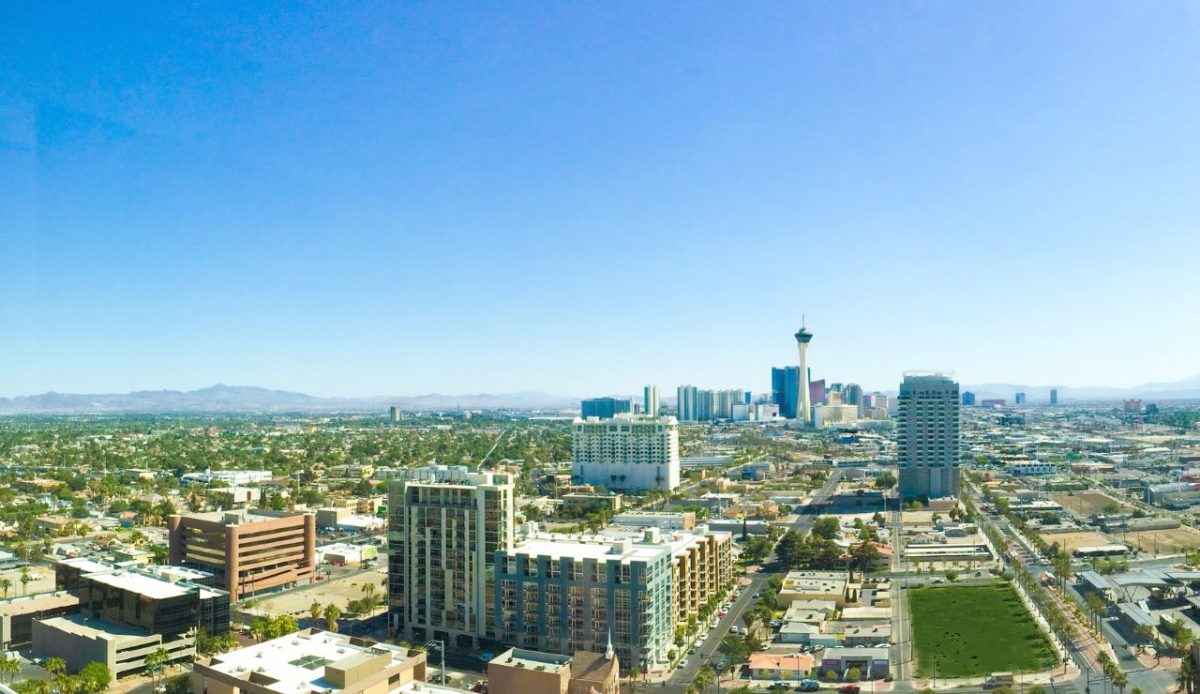
Las Vegas gets you with math. The headline room rate can look cheap, then resort fees, taxes, and paid parking show up and rewrite the total. Always check the final receipt-style breakdown before you commit to a “deal.”
Once you’re on the Strip, paid convenience is everywhere: rideshares, show surcharges, and dining priced for impulse. “Free” attractions often funnel you toward paid add-ons and upgrades. ATM fees and quick tips can add up faster than any single show ticket.
Start by pricing your hotel bill all-in, then set a daily entertainment budget. Vegas is fun, but it punishes a lot of little splurges more than one planned big one.
4. New York City Midtown & Times Square

Midtown is iconic, but it’s a fast lane for extra charges. Hotels may add destination fees, service charges, and steep parking, which can hide behind an attractive nightly rate.
Then the micro-spending kicks in: a few subway rides, a museum ticket, an observation deck, and suddenly your “casual day” costs serious money. Same for theater checkout fees and add-ons. Food near major sights also runs higher, so casual meals can surprise you.
If you want the location, assume you’ll pay for it three ways: the room, the fees, and the premium pricing of everything nearby. Mix paid attractions with free neighborhoods to balance it.
5. San Francisco Waterfront & Downtown Core
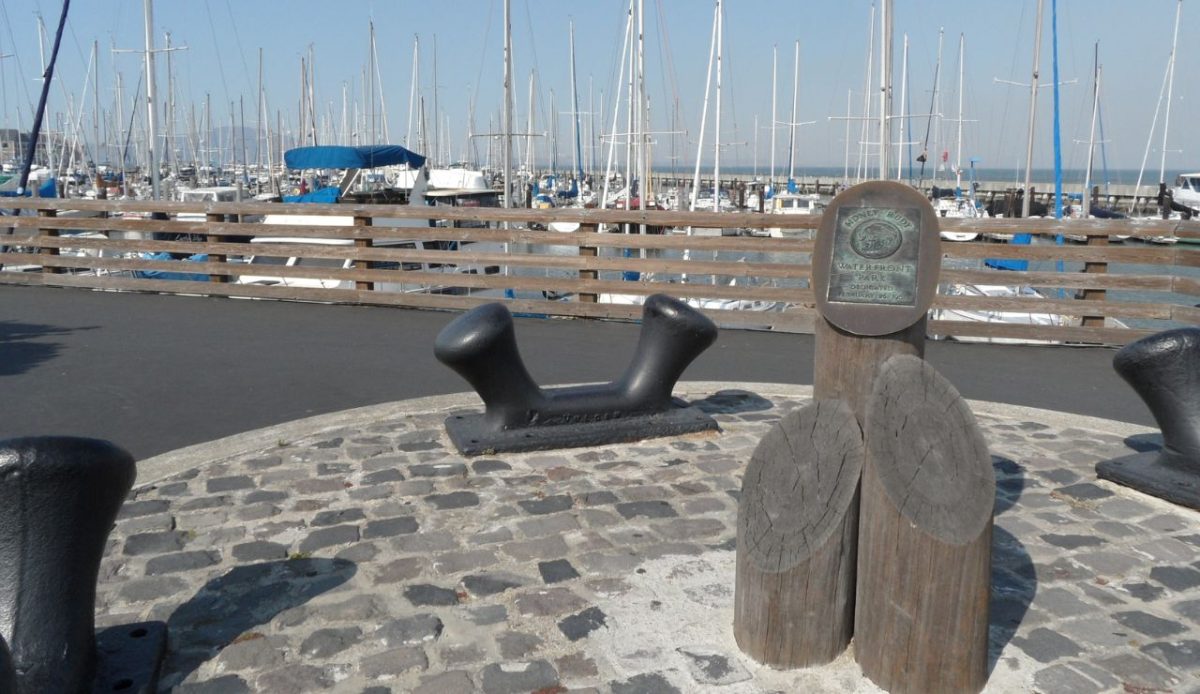
San Francisco’s waterfront and downtown deliver big sights in a small footprint, but stacked charges can make short trips feel expensive. Hotels commonly charge for parking and added amenities. Those fixed charges sting more when you’re only in town for a weekend.
Tourist zones tempt you into paid extras: ferries, timed exhibits, tours, and snacks priced for foot traffic. If you rent a car “just in case,” parking becomes a daily tax on your plan.
Price it like a major city, not a casual coastal stop. Skip the car unless you truly need it, and pre-plan one or two paid highlights so you don’t keep buying your way out of decisions.
6. South Florida Beach Strip
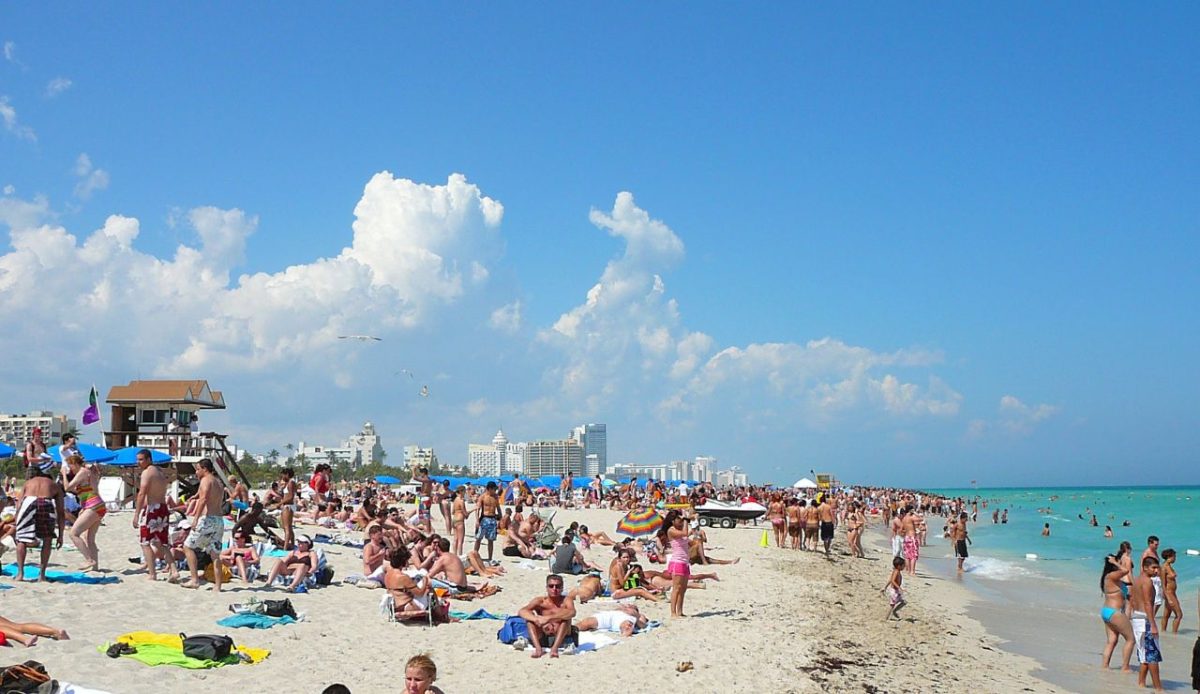
South Florida beach strips can feel affordable until the beach-day fees hit. Resort charges, valet parking, and chair or umbrella rentals can turn a simple plan into a premium one.
Tourist-area meals and drinks often carry markups, and service charges may appear automatically. Add rideshares between beaches, nightlife, and shopping, and your daily total rises fast.
Ask what’s included versus billed per day before booking. The beach is free, but access and convenience rarely are, so build a “sand day” budget the same way you would for a theme park. If you plan to park, research rates by neighborhood before you choose a hotel.
7. Hawaii Resort Coasts
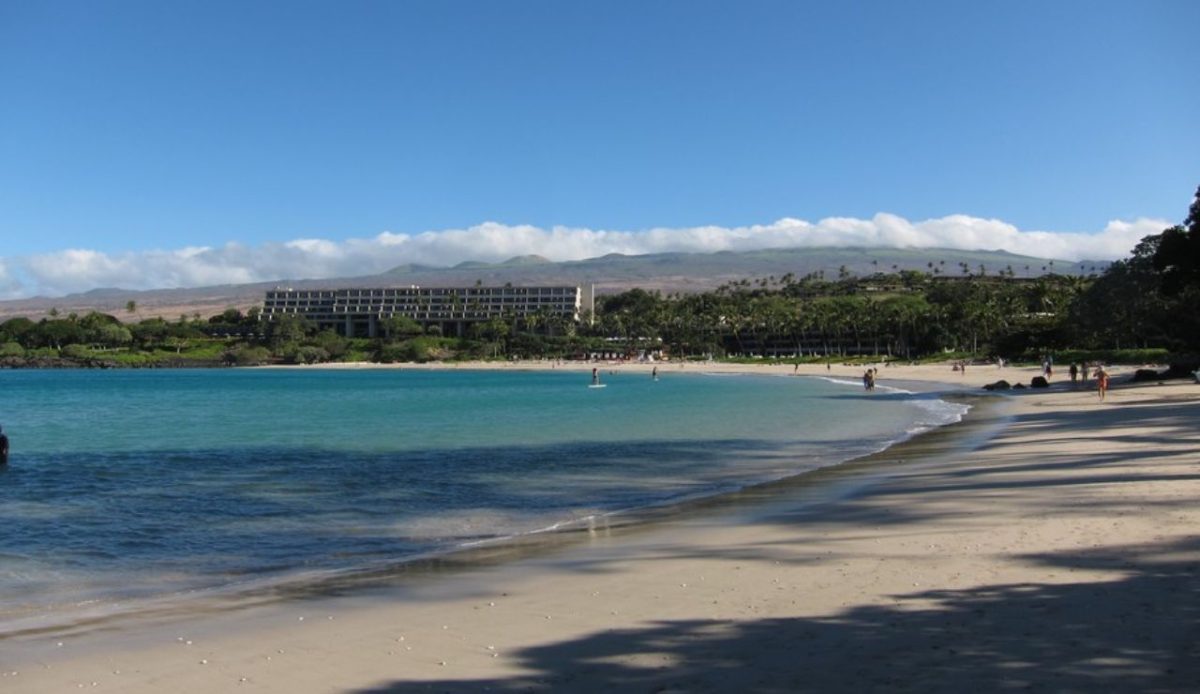
Hawaii’s resort coasts pair postcard views with steady add-ons. Many properties charge resort fees for things like Wi-Fi or towels, whether you use them or not. It’s not a scam, just the norm in many resort markets.
Island logistics amplify costs: rental cars, parking, and higher food prices in tourist corridors. Tours and activities add taxes and booking fees, so a “couple of excursions” can snowball quickly. Even “free” beaches can involve paid parking lots and long drives that burn fuel.
Build your plan around true daily spend, not the flight deal. Pick a home base and stay longer, frequent moves and extra transport are where many visitors blow the budget.
8. National Park Gateway Towns

National park gateway towns can be pricier than people expect because demand spikes and options are limited. Lodging climbs in peak months, and parking or reservation systems add friction. Prices jump around holidays, so the same itinerary can cost wildly different totals.
In-park and near-park costs stack through basics: groceries, fuel, and paid transport. If you stay farther out, extra driving adds up in both money and time, especially on busy days.
Treat the gateway as part of the trip, not a cheap base camp. Book early, plan parking, and pack essentials before you arrive, small “remote area” markups compound fast.
9. Rocky Mountain Ski Resort Towns
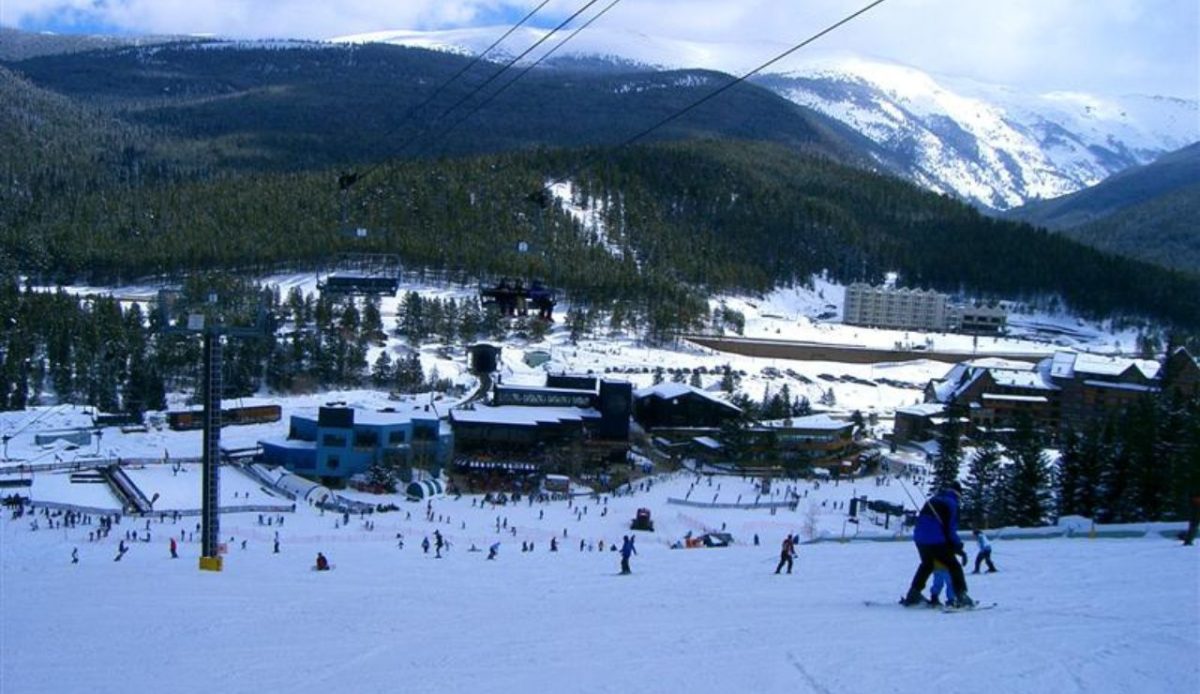
Rocky Mountain ski resort towns often hide costs in the “equipment + access” combo. Lift tickets, rentals, lessons, and peak-date pricing add up quickly, even for short trips.
Once you’re there, the daily meter keeps running: paid parking, pricey slopeside food, and après-ski spending that’s fun but relentless. Winter driving can bring tolls or last-minute gear buys. Even rentals like helmets and jackets can be separate line items.
Price the trip like an all-in package, not just lodging plus skiing. Midweek dates and off-peak weeks can cut the total dramatically without changing the mountain experience. If you’re new to skiing, lessons and rentals can cost as much as the lift access.
10. Napa & Sonoma Wine Country
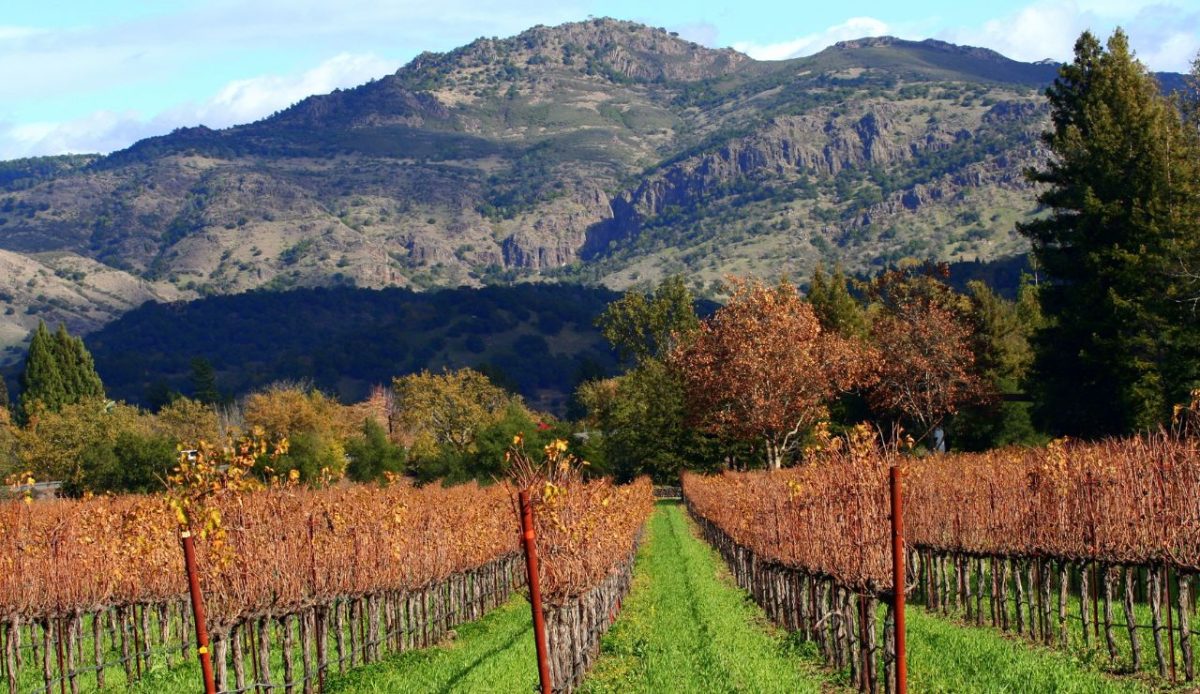
Napa and Sonoma feel mellow, but transportation is the stealth expense. Tastings may require reservations and fees, and purchases can add shipping charges that don’t look big until they stack.
Meals trend upscale, and popular towns can tack on hotel fees similar to resorts. If you avoid driving, tours and rideshares become part of the baseline budget, not an optional splurge. Many tastings run per person, so couples feel the multiplier immediately.
Set a tasting limit per day and decide transport early. Wine country rewards slower pacing, when you cram too much in, you pay more for urgency and convenience. Also budget for tips, tasting add-ons, and impulse bottle buys.
11. New England Coastal Getaways
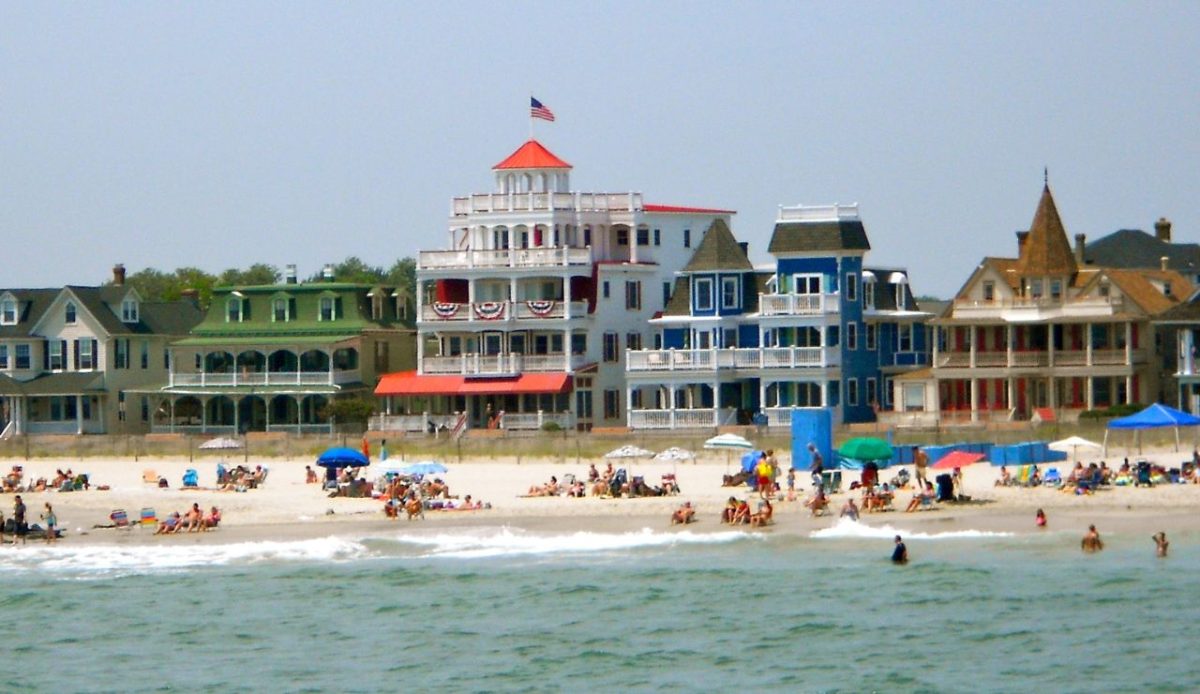
New England coastal getaways bring classic charm and peak-season pricing. Summer demand pushes lodging up, and many stays add parking fees or minimum-night rules that reduce flexibility. Small towns don’t always mean small prices when demand concentrates on the shoreline.
Daily costs stack through small stops: paid beach parking, ferry tickets, museum admissions, and meals priced for visitors. If you’re hopping towns, tolls and fuel quietly join the bill.
Budget for “coastal convenience” the same way you would for a city break. Book the big pieces early, then balance the trip with free walks, viewpoints, and public beaches.
12. Alaska Cruise Gateways
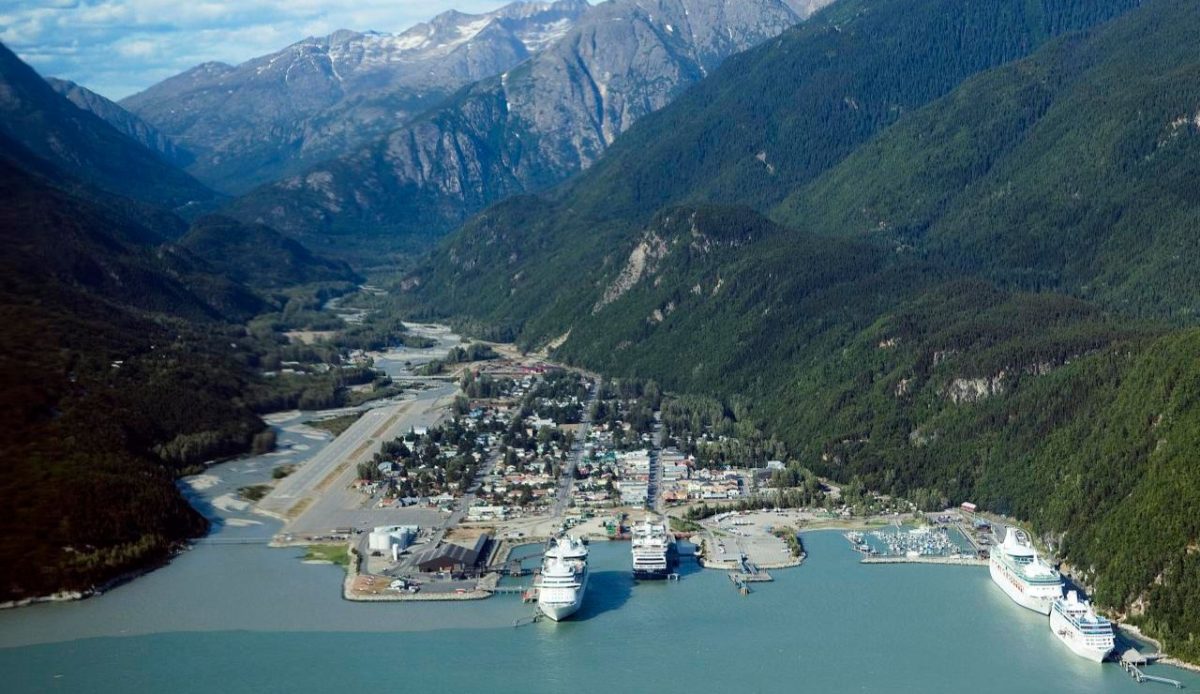
Alaska cruise gateways can feel like a quick stop, but costs are concentrated. Excursions, wildlife tours, and rail add-ons often cost more than travelers expect, especially for families.
Hotels near terminals may add fees and parking, and transport between the airport, port, and lodging is rarely cheap. Once you’re on a schedule, convenience wins, and you pay for it. Weather delays can also trigger extra nights and meals you didn’t plan for.
Treat excursions like the main event and price them ahead of time. Decide what matters most, pre-book where you can, and you’ll avoid the pricey “we have to do it now” trap. A little planning keeps the splurges intentional instead of accidental.
