
In 2026, visa screening reaches beyond your paperwork. Many systems treat your public online presence as another clue about identity and intent, and some applications ask for social media identifiers used in recent years. Your posts aren’t automatically a problem, but contradictions can be.
The biggest mistake is treating the form like it lives in a vacuum. Officers may compare names, jobs, and travel timelines against what your profiles show and what you’re tagged in. Minor mismatches can look like hiding details when they’re really just messy.
These 12 traps are common ways travelers trigger delays or refusals. Fix inconsistencies, list old handles accurately, and make sure your story matches across forms and profiles before you submit.
1. Forgetting old handles and inactive accounts
Visa forms that ask for social media identifiers usually want what you used, not only what you use now. The trap is forgetting an old username, a “backup” account, or a handle you abandoned years ago after a rebrand.
Officers can still see traces through tags, old links, reposts, and cached mentions. If they find an account you didn’t list, it can look like you were hiding it, even if you genuinely forgot.
Before you apply, search your email for sign-up receipts, check password managers, and review old bios for links. If you can’t access an account, list the handle accurately anyway and be ready to explain why it’s inactive or deleted now, too.
2. Listing a handle that doesn’t match your profile name
A common red flag is when your listed handle points to a profile that looks unrelated. The trap is using a nickname on the form while your profile shows a different name, a different country, or a blank bio.
To an officer, that can look like you’re claiming someone else’s account or masking identity. Even harmless choices, like a meme name, a brand page, or a couple’s shared account, can create extra questions during review.
Fix it by making your profile identity readable: real name or clear initials, a consistent photo, and a basic bio that matches your documents. If you use a brand handle, keep a personal account visible and list both if required.
3. Private-by-default settings that clash with instructions
Some visa categories have asked applicants to set social profiles to the public for vetting, at least during the review window. The trap is leaving everything locked down, then scrambling when an embassy message or interview note tells you to make it visible.
If you flip accounts from private to public at the last minute, you can expose years of content you never curated for official eyes. If you refuse, you can invite delays, extra checks, or a “come back later” outcome.
Choose a middle path: make key identity details viewable, hide sensitive posts, and clean up your public-facing grid before you apply. If you’re instructed to go fully public, do it temporarily and document the change with screenshots.
4. Deleting posts right before applying
Panic-deleting content right before you apply can backfire. The trap is assuming “if it’s gone, it can’t be used,” then discovering that screenshots, shares, tags, and archived copies may still exist in public circulation.
Sudden mass deletions can also look strategic. If an officer notices a wiped feed, a recently renamed account, or a bio that’s been scrubbed clean, it can raise the question of what you’re trying to remove.
Instead of a scorched-earth cleanup, focus on clarity and consistency. Remove obvious problems, but don’t try to rewrite your whole online life overnight. Keep your profiles stable during processing, and avoid changing usernames, photos, or locations mid-review.
5. Bios that contradict your job, school, or address
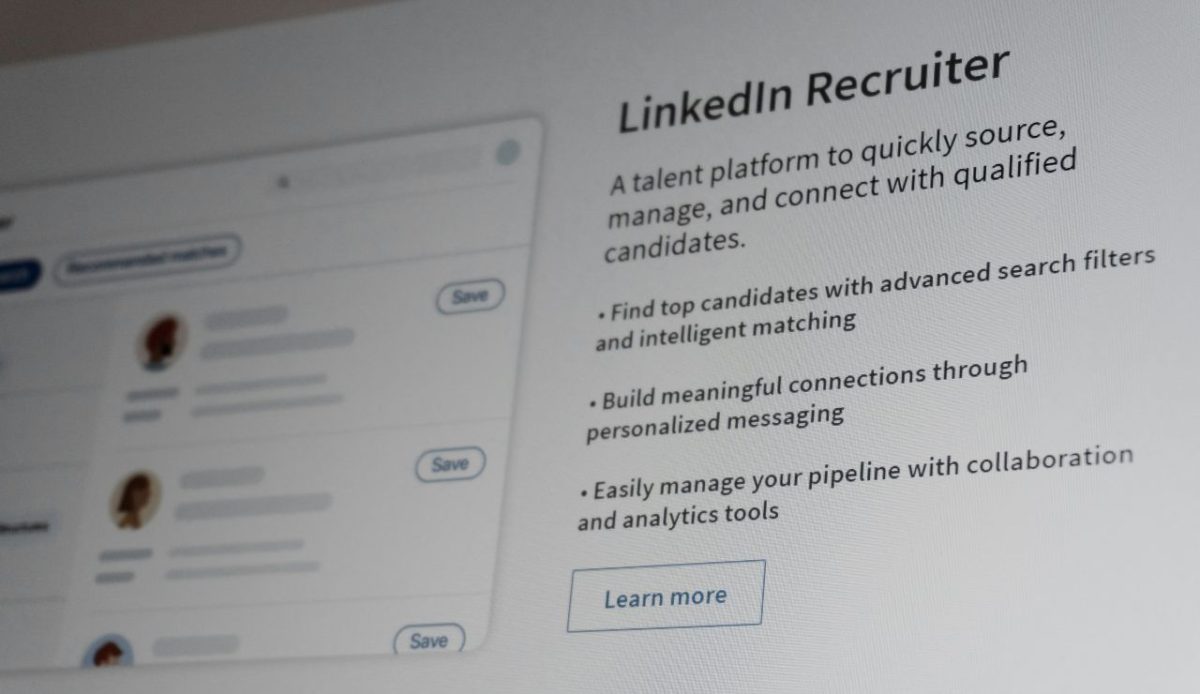
Your visa form asks for employer, school, and address history for a reason. The trap is having a bio that says “digital nomad,” “unemployed,” or “based in X,” while your application claims a full-time job, a fixed home, or a different city.
Even small contradictions, like listing a student status online but applying as employed, or showing a different company name, can trigger requests for proof. Officers aren’t judging your lifestyle; they’re checking whether your story holds together.
Do a quick audit of your bios, pinned posts, and LinkedIn-style profiles. Update them to match reality, not to impress. If you recently changed jobs or moved, keep the dates consistent and be ready with documents that explain the transition.
6. Tagged photos that undermine your stated purpose

You can control what you post, but not always what you’re tagged in. The trap is applying for a short tourist trip while your tagged photos suggest long-term stays, repeated “visa runs,” or activities that look like work, even if they weren’t.
Tagging also affects identity checks. If your account is light but your name appears across many public photos, an officer may still build a picture of your travel pattern and local ties.
Review tagged posts, public mentions, and shared albums before you apply. Remove tags where possible, adjust who can tag you, and make sure your recent travel story matches your itinerary. If a photo is misleading, be ready to explain the context calmly.
7. Posts that imply unauthorized work or paid gigs
In 2026, “work” can look like a lot of things online. The trap is posting brand deals, client wins, paid collabs, or “I’m moving here to work remotely” captions while applying for a visitor visa that doesn’t allow employment.
Even if you mean remote work for a foreign employer, some countries treat any work performed while inside their borders as unauthorized without the right permission. A casual caption can read like an admission.
Keep your travel narrative clean. If you’re traveling as a tourist, don’t market your services from that location in the same time window. If you truly will work, apply for the correct visa category and align your posts with that reality.
8. Travel timelines online that don’t match your itinerary
Visa decisions rely on dates: entry, exit, job start, school term, and prior travel. The trap is having public posts that conflict with your stated timeline, like announcing a “three-month stay” when your application says ten days.
This mismatch happens easily with scheduled posts, throwback captions, and reposted stories that lack context. But to an officer, inconsistent timing can signal an intent to overstay or misrepresent your plans.
Before submitting, scroll through your recent months and look for anything that creates a different trip narrative. Add context to captions, avoid scheduling travel brag posts during processing, and keep receipts of bookings. If questioned, you want clean, data-backed answers.
9. Public jokes about overstays, fake docs, or “hacking” borders

Border and visa jokes land badly in 2026 screening environments. The trap is posting “I’ll just overstay,” “fake it till you make it,” or edgy memes about forged documents, then expecting it to be read as humor.
Online content is often reviewed without tone, context, or your inside jokes. A sarcastic caption can look like intent, and sharing extremist or violent content “ironically” can still trigger security questions.
Clean up obvious problem posts, and stop sharing anything that could be read as bypassing rules. During your application window, keep your public posts boring on purpose. If you value spicy humor, save it for private chats, not a public feed tied to your name.
10. Using multiple accounts for the same platform without disclosure
Many people have more than one account per platform: a personal profile, a business page, a finsta, or a hobby handle. The trap is listing only the “main” one when the form asks for all accounts you’ve used within the time window.
Multiple accounts aren’t automatically suspicious, but incomplete disclosure can be. If an officer finds a second handle tied to your email, phone number, or public cross-links, it can look like an intentional omission.
Make a simple inventory: every platform, every handle, and which email or number is attached. If you’ve merged accounts or changed usernames, list the most recent handle and keep notes on old ones. Accuracy beats perfection, and guessing is risky.
11. Aggressive content that can trigger security screening
Security vetting can include a look at public posts that suggest violence, harassment, or support for hate or extremist behavior. The trap is thinking “it’s just online,” then being surprised when aggressive content triggers extra screening or a refusal.
This can include threats, glorifying violence, targeted harassment, or sharing material from groups that authorities consider dangerous. It can also include patterns: repeated slurs, dehumanizing language, or calls to break laws.
If your goal is smooth travel, don’t give screeners a reason to dig deeper. Remove content that crosses lines, lock down comment wars, and avoid amplifying violent material during your application period. Your visa isn’t the place to test how edgy you can be.
12. Letting friends manage your accounts during review
During the visa process, your accounts are part of your identity trail. The trap is letting a friend, partner, or agency post on your behalf, change your bio, or run giveaways while your application is under review.
Sudden shifts in tone, location tags, language, or even posting frequency can look like account takeover or deliberate image management. If an officer checks twice and sees a different “you,” it can create doubt.
Keep control of your logins during the application window. Pause scheduled posts, avoid major rebrands, and don’t run controversial campaigns. If you must delegate for work, set strict boundaries: no bio edits, no location claims, and no jokes about travel status.
