
Small islands often promise idyllic escapes: pristine beaches, turquoise waters, and a slower pace of life. However, many are now struggling under the weight of overtourism. Crowded shores, rising prices, and environmental pressures threaten the very charm that drew visitors in the first place. From Mediterranean havens to tropical paradises, these islands face challenges balancing tourism with sustainability. In this article, we explore twelve small islands currently grappling with the effects of too many visitors, highlighting how travel trends are reshaping these once-tranquil destinations.
1. Santorini, Greece
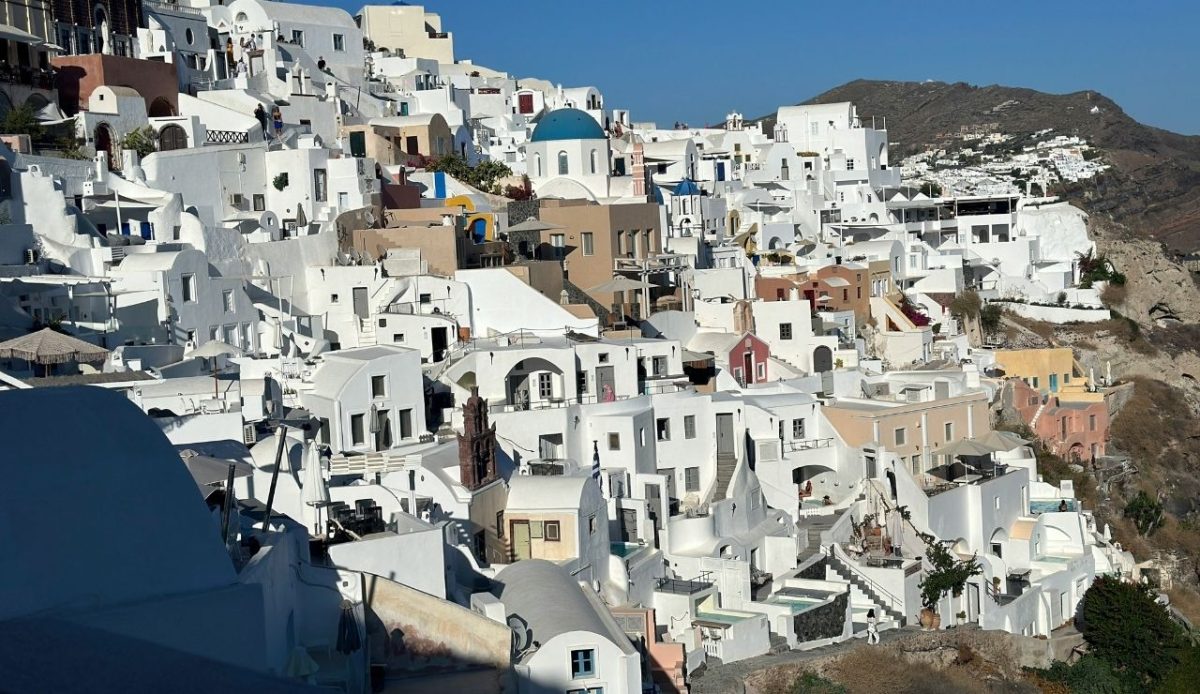
Santorini’s famous caldera views, pastel villages, and sunsets attract thousands of travelers daily. Cruise ships and peak-season crowds congest streets, leaving little space for local life. Hotels and restaurants cater heavily to tourists, often reducing authenticity. Narrow alleyways are packed, and iconic spots like Oia can feel overrun. Environmental strain from waste, water usage, and foot traffic is increasingly apparent. While still visually stunning, many travelers note that the island’s original charm and tranquility are fading. Visiting early mornings or off-peak months is now essential for a better experience.
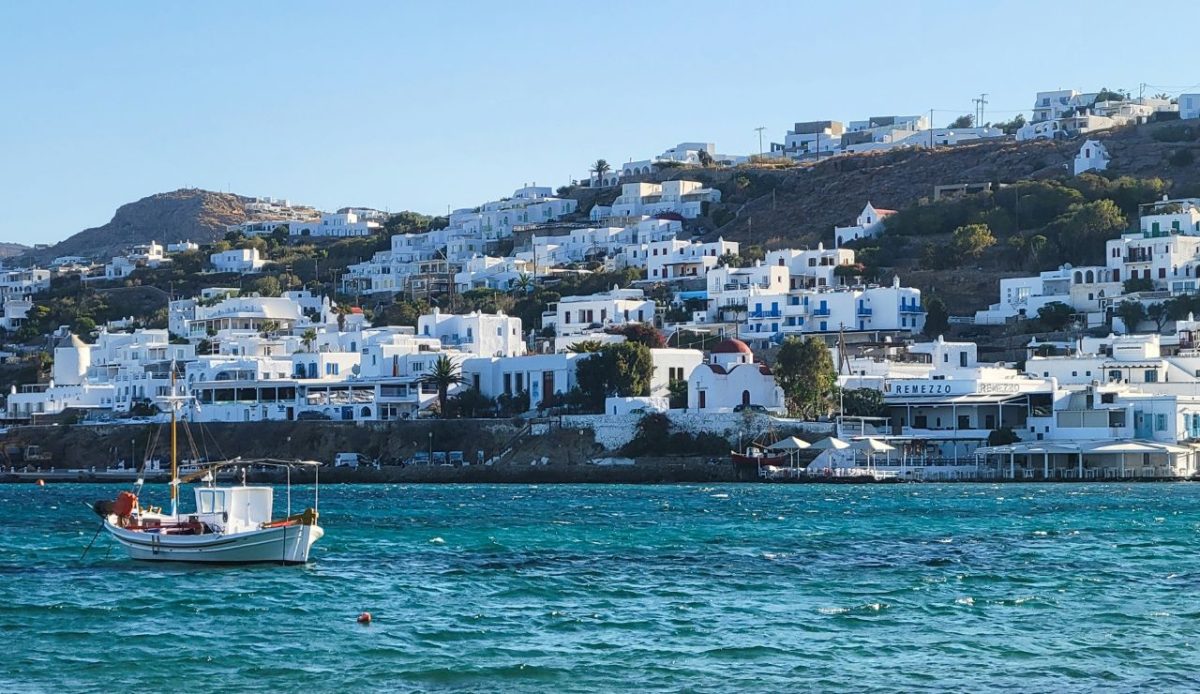
2. Mykonos, Greece
Bangkok’s food scene is fast, flavorful, and endlessly exciting, making it one of the world’s most tempting cities for passionate eaters. Street vendors serve iconic dishes like pad thai, green curry, and mango sticky rice at prices that feel unreal. Markets buzz late into the night, offering grilled meats, spicy soups, and regional specialties. Modern restaurants reinterpret Thai cuisine with creativity and flair. Travelers often fall in love with the city’s ability to deliver bold flavors everywhere, at any hour. For many, Bangkok feels like a place where food is woven into daily life, not reserved for special occasions.
3. Bali, Indonesia
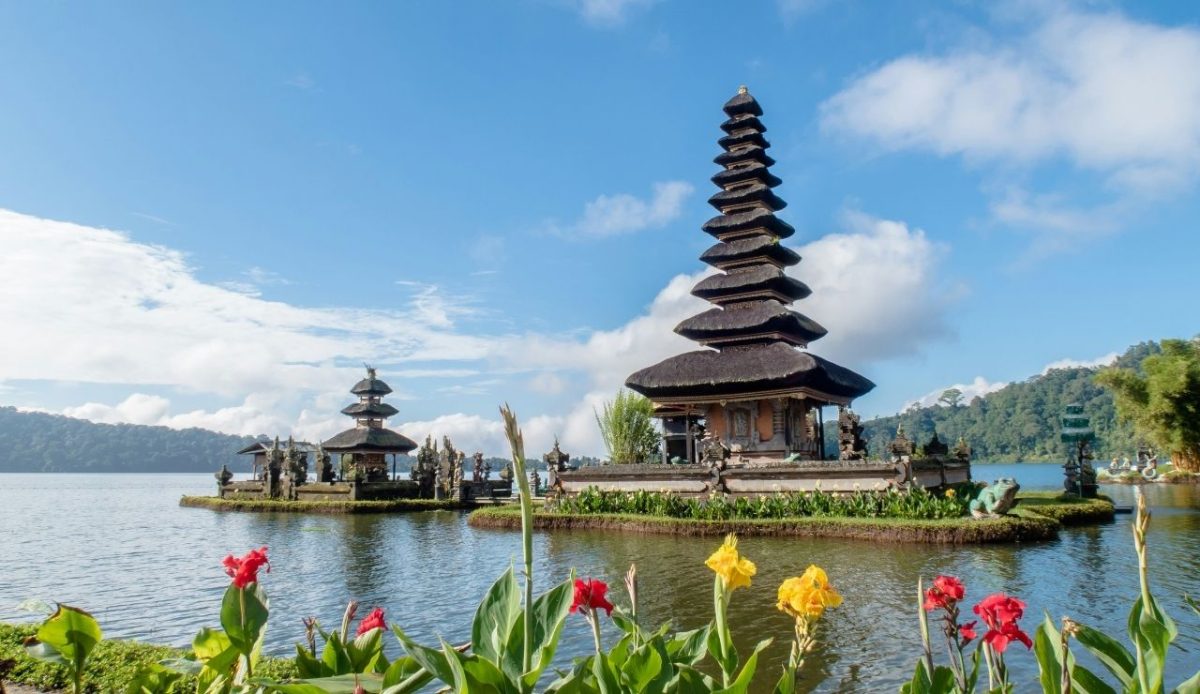
Bali’s tropical beauty, rice terraces, and vibrant cultural scene draw millions annually, creating overtourism challenges. Popular beaches and temples are crowded, and villages face commercialization. Environmental impacts, including waste management and coral reef degradation, strain ecosystems. Rising prices for accommodations and activities affect affordability for both visitors and residents. While still offering stunning scenery and cultural experiences, travelers notice Bali’s original serenity is being eroded. Exploring less-visited regions and supporting sustainable tourism is key to preserving its charm.
4. Phuket, Thailand
Phuket remains one of Thailand’s top tourist hubs, but rapid development and heavy visitor numbers have taken a toll. Resorts and beachside bars line formerly quiet shores, and popular beaches can feel overcrowded. Environmental stress, including coral damage and water pollution, is growing. Cultural sites and local neighborhoods increasingly cater to tourists, affecting authentic experiences. While Phuket still offers beautiful waters and lively entertainment, many travelers notice that the island’s original charm is diluted. Seeking quieter areas or less popular beaches can help visitors enjoy Phuket responsibly and sustainably.
5. Boracay, Philippines
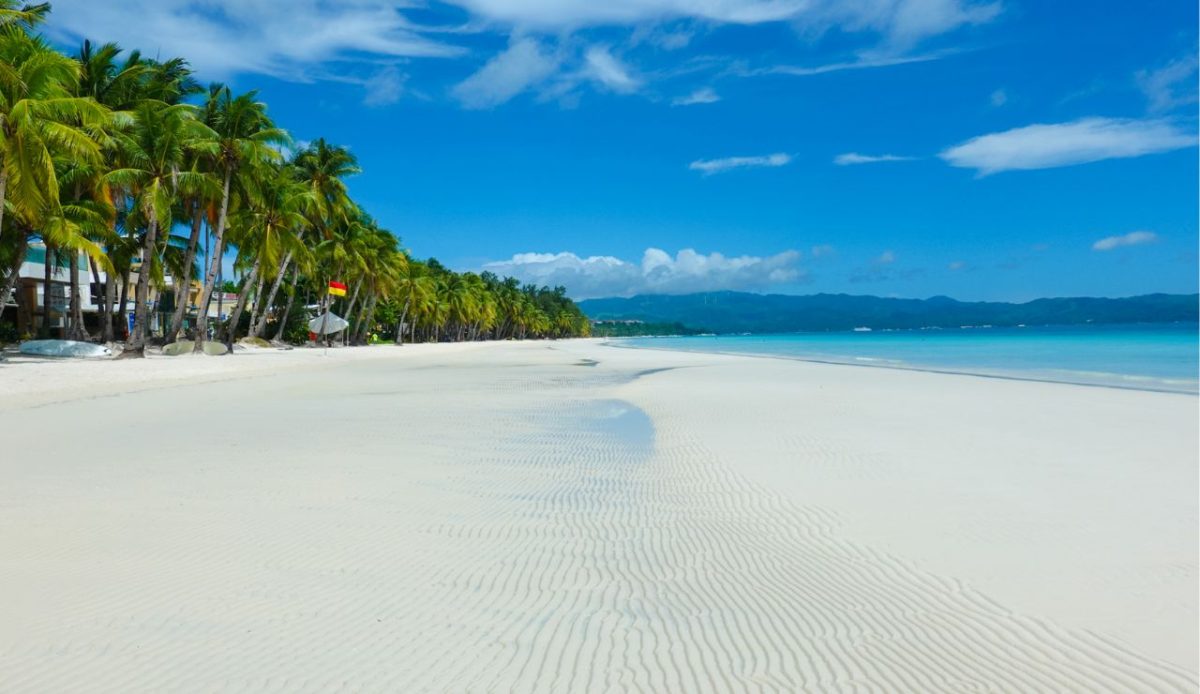
Boracay, once a secluded paradise, faced mass tourism challenges that led to a temporary closure to restore the island. Despite rehabilitation efforts, crowds return quickly during peak seasons. Beachfront areas are bustling, nightlife is loud, and small businesses often cater mainly to tourists. Environmental concerns, including water pollution and coastal erosion, persist. While the island’s clear waters and white sands remain stunning, travelers note the difficulty in experiencing tranquility. Visiting early in the season or exploring quieter areas is necessary to appreciate Boracay’s beauty responsibly.
6. Capri, Italy
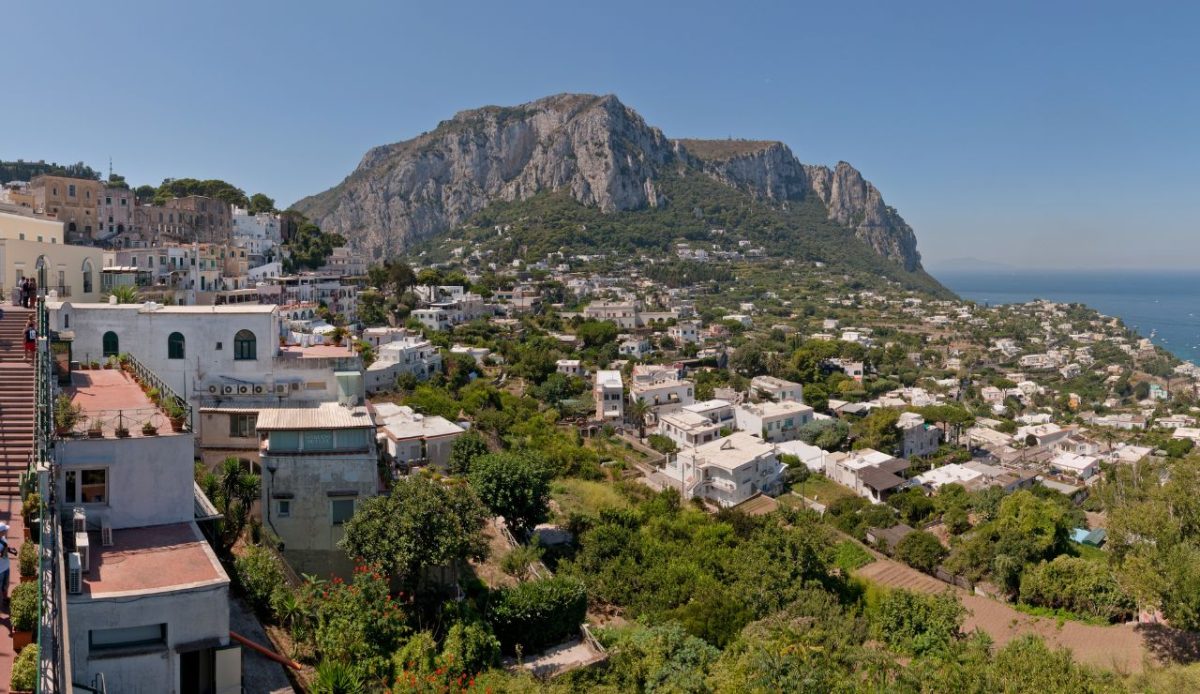
Capri’s dramatic cliffs, azure waters, and luxury lifestyle make it a magnet for tourists, but overtourism has changed its character. Narrow streets and popular viewpoints become packed, and ferries bring thousands of day-trippers daily. Local businesses increasingly focus on upscale tourism, leaving little space for authentic experiences. Natural areas are impacted by foot traffic, and accommodations can be costly. Despite these challenges, Capri’s stunning scenery remains captivating. Travelers seeking calm should explore lesser-known trails, visit outside peak hours, or stay overnight to experience the island beyond the crowds.
7. Maui, Hawaii
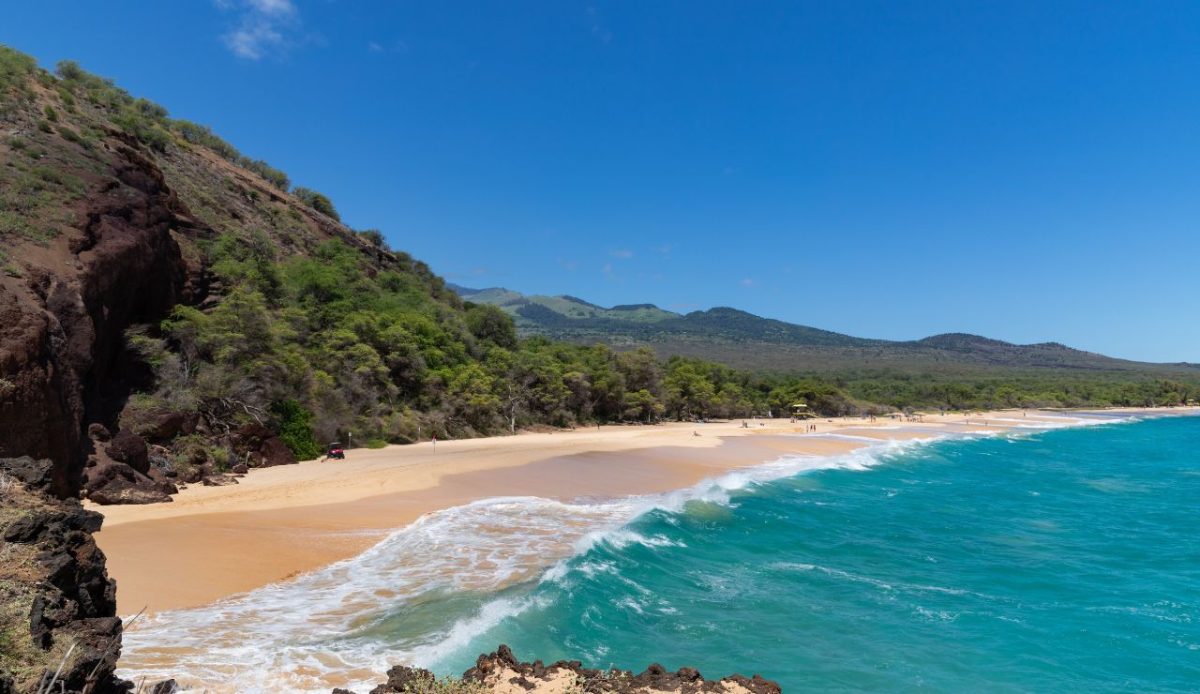
Maui has long been a dream island with lush landscapes, pristine beaches, and outdoor adventures. However, overtourism pressures roads, parks, and beaches, leading to crowded trails and limited parking. Rising accommodation costs strain budgets, and local resources like water are increasingly in demand. Popular spots like Haleakalā and the Road to Hana can feel congested during peak periods. While Maui’s natural beauty is undeniable, travelers notice the impact of excessive visitation on both the environment and overall experience. Planning early visits or seeking less-touristy areas is now essential for a quality trip.
8. Ibiza, Spain
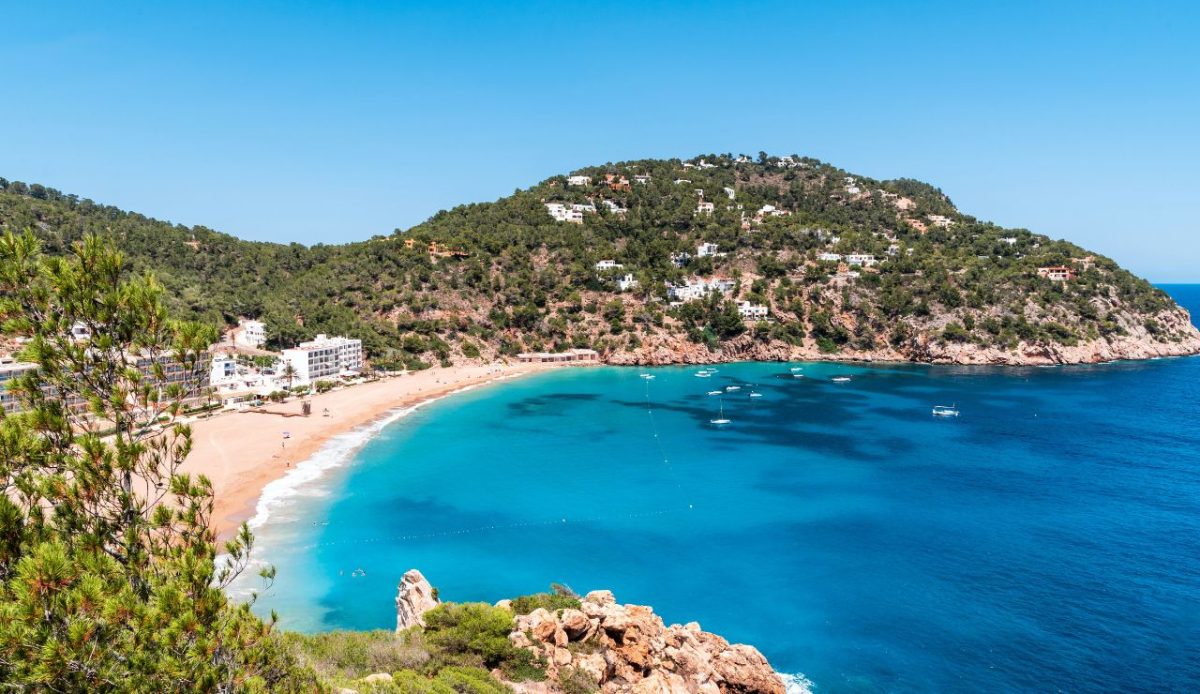
Ibiza is famous for its party scene, Mediterranean beaches, and nightlife, yet overtourism affects locals and visitors alike. Nightclubs dominate entertainment, while quieter villages lose traditional character. Popular beaches are overcrowded, with environmental concerns like litter and coastal degradation. Accommodation costs surge during peak season, and streets can feel overly commercialized. Despite its allure, travelers note that the island’s original charm and slower pace are fading. Visiting off-peak months or exploring hidden coves is key to experiencing Ibiza’s true essence before mass tourism diminishes its sparkle.
9. Sant Elm, Mallorca, Spain
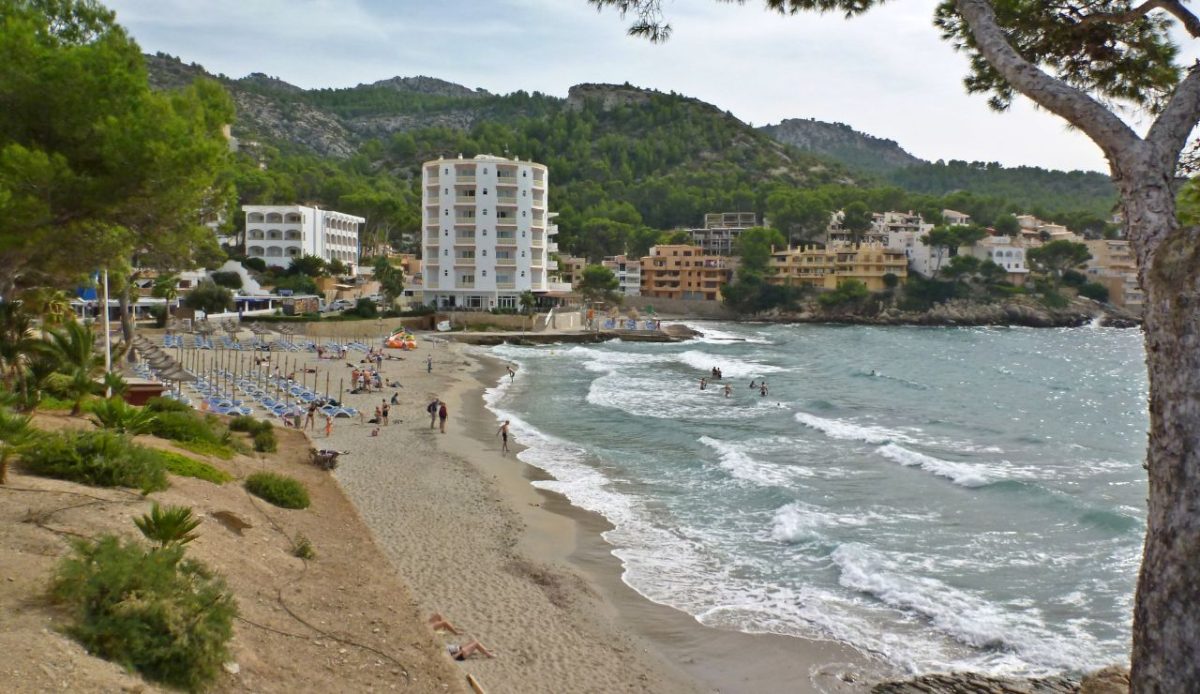
Sant Elm is a small village on Mallorca attracting visitors seeking calm beaches and scenic walks. Rising tourist numbers make parking scarce, trails crowded, and restaurants more commercialized. Environmental pressures, including beach erosion and waste management, are visible. Local culture faces changes as traditional shops are replaced by tourism-focused businesses. While the village still offers natural beauty and historic charm, travelers notice it is increasingly difficult to enjoy solitude or authentic experiences. Early visits and off-peak travel are recommended to experience Sant Elm before overtourism overwhelms it.
10. Koh Phi Phi, Thailand
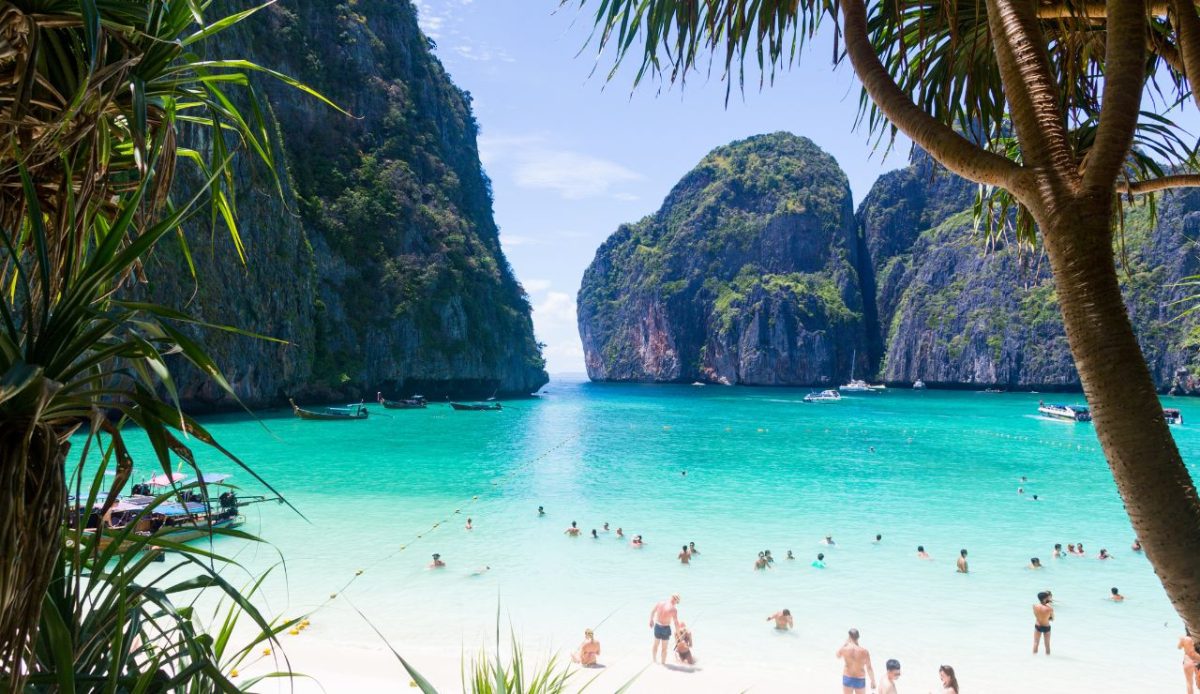
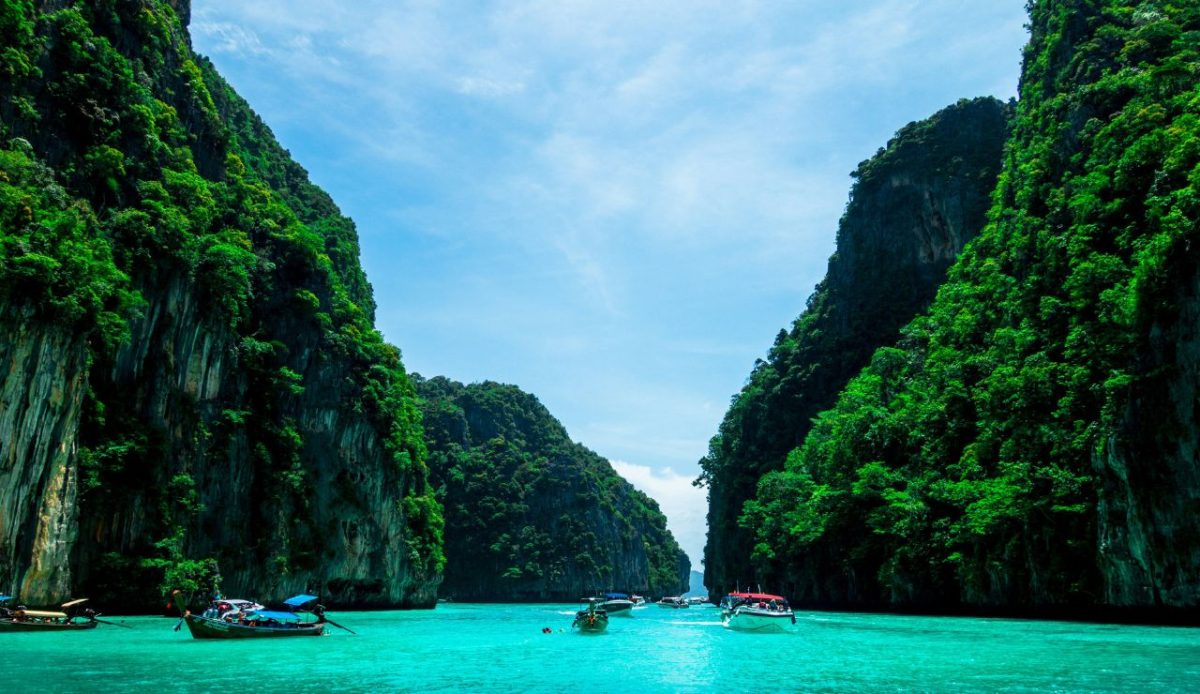
Koh Phi Phi became internationally famous after movies and social media exposure, bringing massive tourist crowds. Overcrowded beaches, commercialized shops, and packed ferry docks diminish its natural appeal. Waste management and coral reef damage threaten ecosystems. While the turquoise waters and dramatic cliffs remain stunning, travelers now find it difficult to enjoy peace or authentic island life. Visiting early in the morning, exploring hidden coves, and supporting sustainable tourism practices are crucial to experiencing Koh Phi Phi responsibly and appreciating its natural beauty without adding to overtourism pressures.
11. Hvar, Croatia
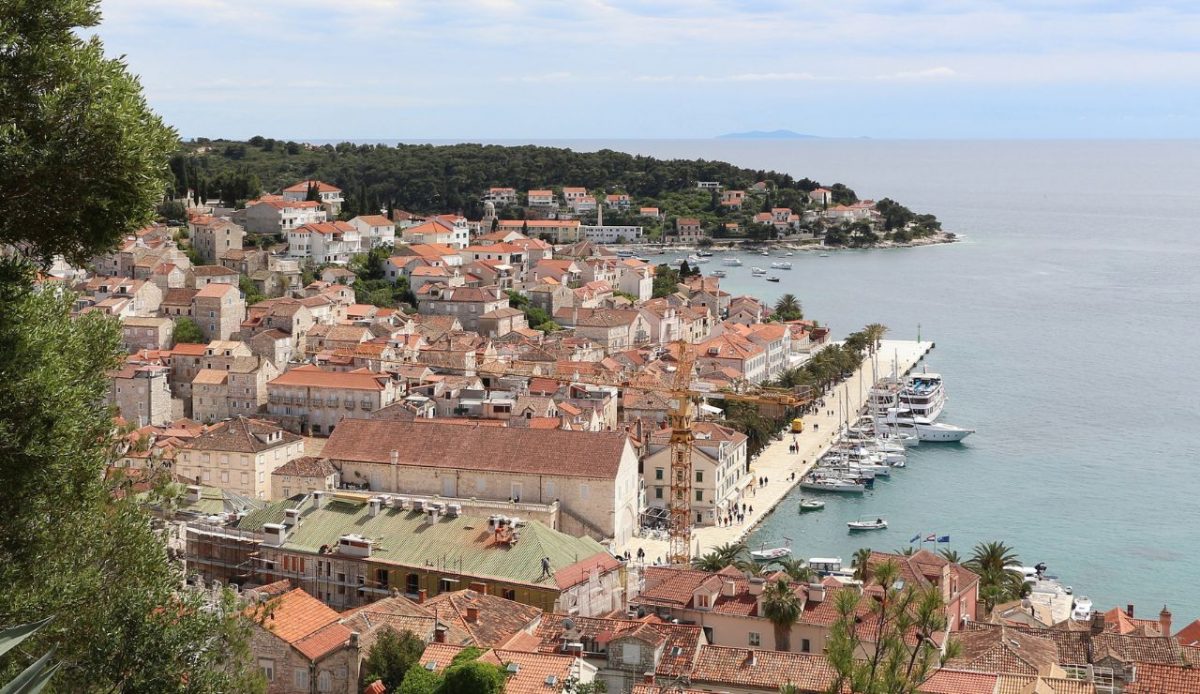
Hvar is celebrated for its azure waters, historic architecture, and vibrant nightlife. However, overtourism has made the island busier than ever during the summer months. Ferries and yachts attract large crowds, restaurants cater to tourists, and narrow streets can become congested. Environmental stress, including coastal erosion and waste, is becoming more noticeable. While Hvar’s scenic landscapes and cultural heritage remain compelling, visitors often note that it’s challenging to find quiet moments or authentic interactions. Visiting during shoulder seasons or exploring neighboring islands can help preserve a sense of charm.
12. Komodo Island, Indonesia
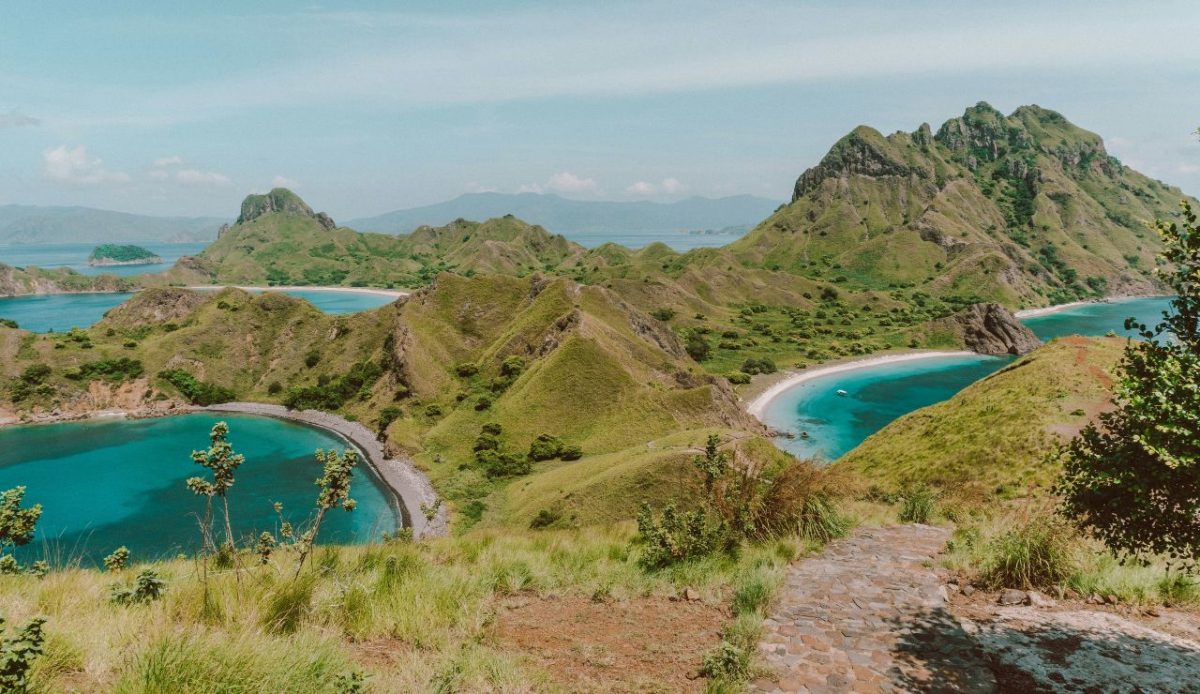
Komodo Island attracts travelers for its unique wildlife, particularly the Komodo dragons, and stunning natural scenery. However, increasing tourist numbers are impacting both the environment and local communities. Crowded boats, rising accommodation costs, and environmental strain threaten marine and terrestrial ecosystems. While the island still offers dramatic landscapes, trekking paths, and unforgettable wildlife encounters, travelers often notice that the experience is more rushed and less intimate than in the past. Visiting sustainably, with smaller tour groups, is crucial to preserving Komodo’s charm for future generations.
