
Hiking goals work best when they align with the trail and weather conditions in each season. Planning month by month builds fitness, sharpens judgment, and reduces the likelihood that a trip will turn into a rescue call. Winter requires traction and conservative turnarounds because daylight is short and snow hides hazards. Spring can be messy with mud, freeze-thaw damage, and high creeks. Summer adds heat, smoke, and afternoon storms. Fall looks gentle, yet leaf cover and early dark can surprise tired legs. Use these goals to time outings, tune gear, and make decisions that keep 2026 steady and enjoyable year after year.
1. January: Build A Winter Traction Routine
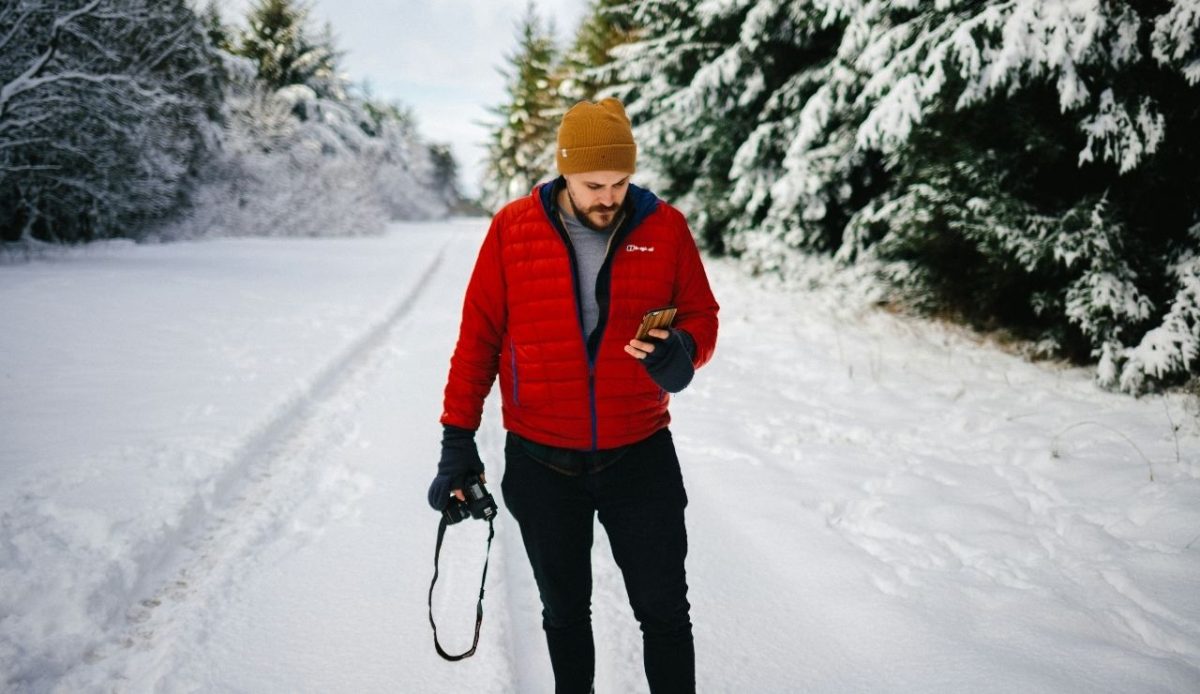
Pick three local winter hikes and treat them as skill sessions, not distance tests. Bring microspikes or similar traction, dry gloves, and a warm layer that stays unused unless you stop. Use a map app plus a paper backup since snow can hide junctions and blazes. Set a turnaround time from sunset and follow it even if the view is near. Practice controlled steps on firm snow, drink warm fluids, and watch for numb fingers or wet socks. By month’s end, your cold-weather checklist should feel automatic and repeatable. Carry a headlamp, whistle, and extra calories, and log what worked after each outing so small mistakes are corrected quickly.
2. February: Learn Real World Winter Navigation
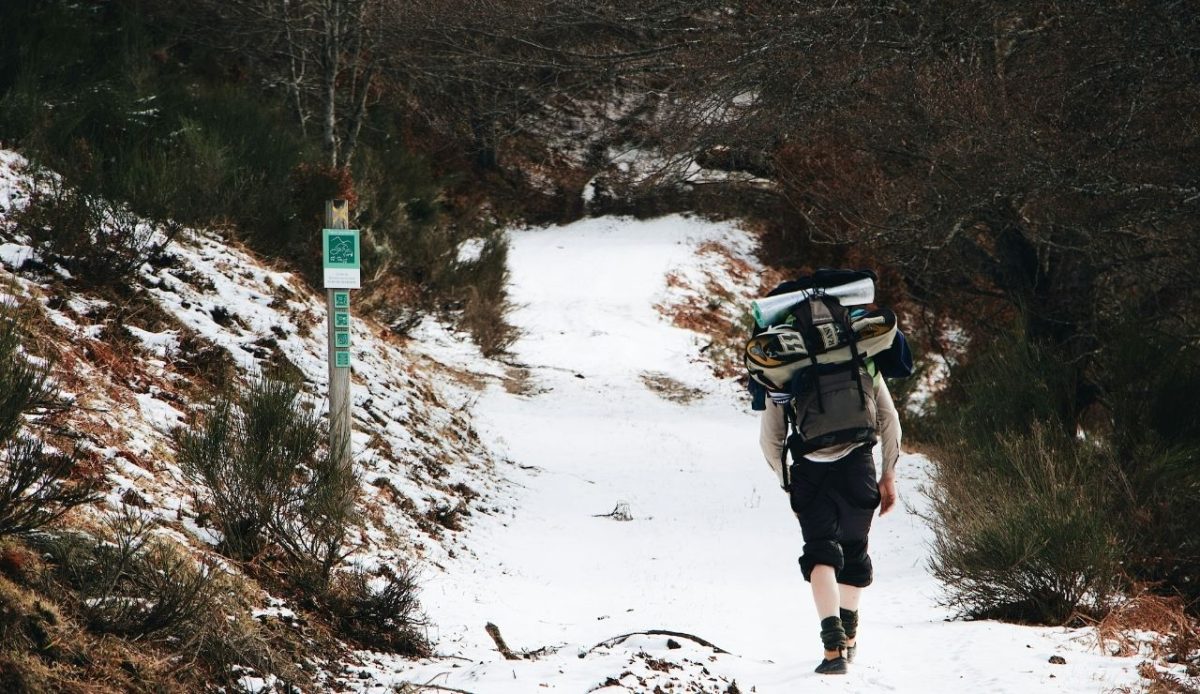
Choose one familiar loop and hike it twice while navigation stays the main task. On the first trip, walk bearings between landmarks and confirm position with slope, aspect, and nearby features rather than signs. On the second, practice regaining the route when tracks vanish, using backstops like streams or roads. Save a few waypoints, but keep the phone in airplane mode to protect battery life. Write down what wind, flat light, and fresh snow did to depth and distance judgment. End with a debrief so winter route finding becomes a learned habit. Do timed check-ins so time and location stay linked if you wander.
3. March: Protect Trails During Freeze Thaw
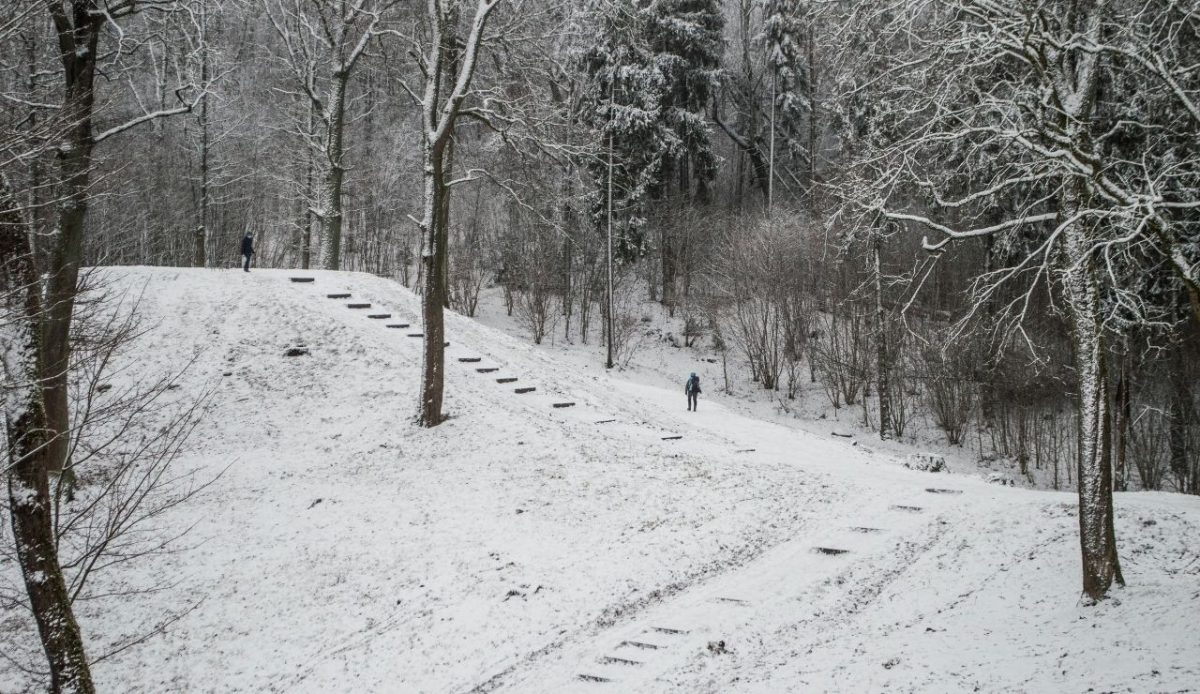
Make a rule that March hikes happen only on durable surfaces that stay firm when temperatures swing. Start later in the morning if the overnight freeze has softened, and avoid steep clay slopes that rut easily. When boots punch deep into mud, turn around or shift to gravel paths, open ridges, or snow-packed routes. Stay in the middle of the tread and do not skirt puddles, since widening is hard to repair. Clean shoes and poles before driving home to reduce the spread of invasive seeds. Restraint now keeps favorite routes intact for the busy months ahead. Carry a small towel for gear cleaning and track which trails stayed stable.
4. April: Train For High Water Decisions
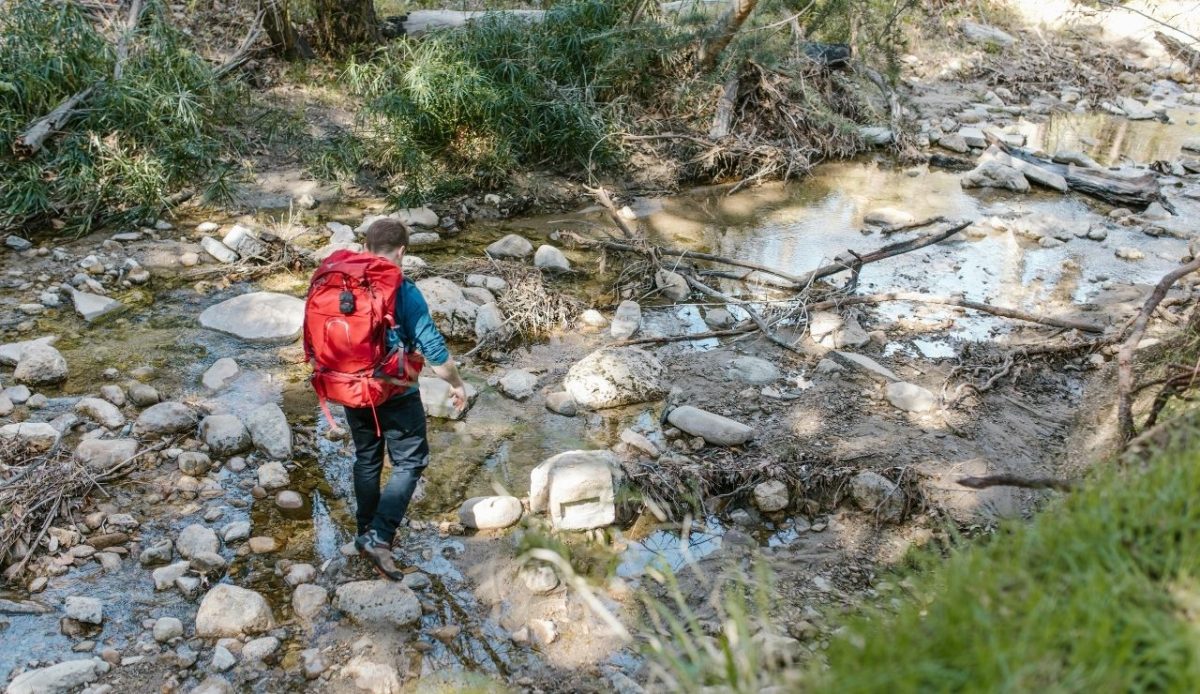
Plan two spring hikes where creek crossings are likely and treat each one as a formal decision point. Check recent rain and snowmelt patterns and expect water to rise during warm afternoons. Scout for wider, slower sections, face upstream, and use trekking poles to test depth and footing on slick stones. Unbuckle pack straps so they can be shed if you slip, and cross one person at a time while others spot from shore. If water reaches mid-thigh or pushes hard, reroute without debate. Practicing these calls in April builds habits that prevent cold water accidents. Pack spare socks and a dry layer so a wet crossing does not end the day.
5. May: Lock In Permits And Backup Routes
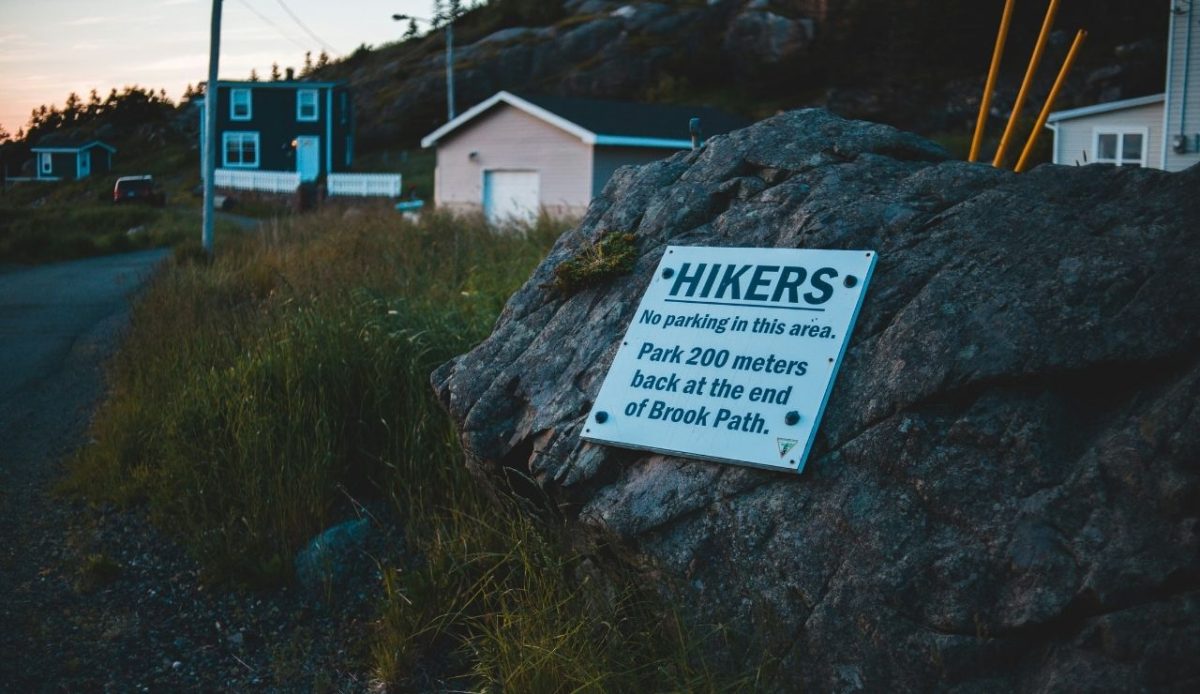
Choose one high-demand summer hike that uses quotas and apply for permits early, then build two backup routes in the same region. Record lottery windows, reservation release times, and any trailhead parking or shuttle requirements. Create a simple checklist that covers required gear, food storage rules, and minimum group skills for the terrain. Make at least one training hike with a loaded pack so weight and footwear are tested before the big day. If you miss the permit, switch to the backup plan without frustration and still start early to avoid congestion. By the end of May, access planning should feel organized and repeatable.
6. June: Build An Acclimatization Ladder
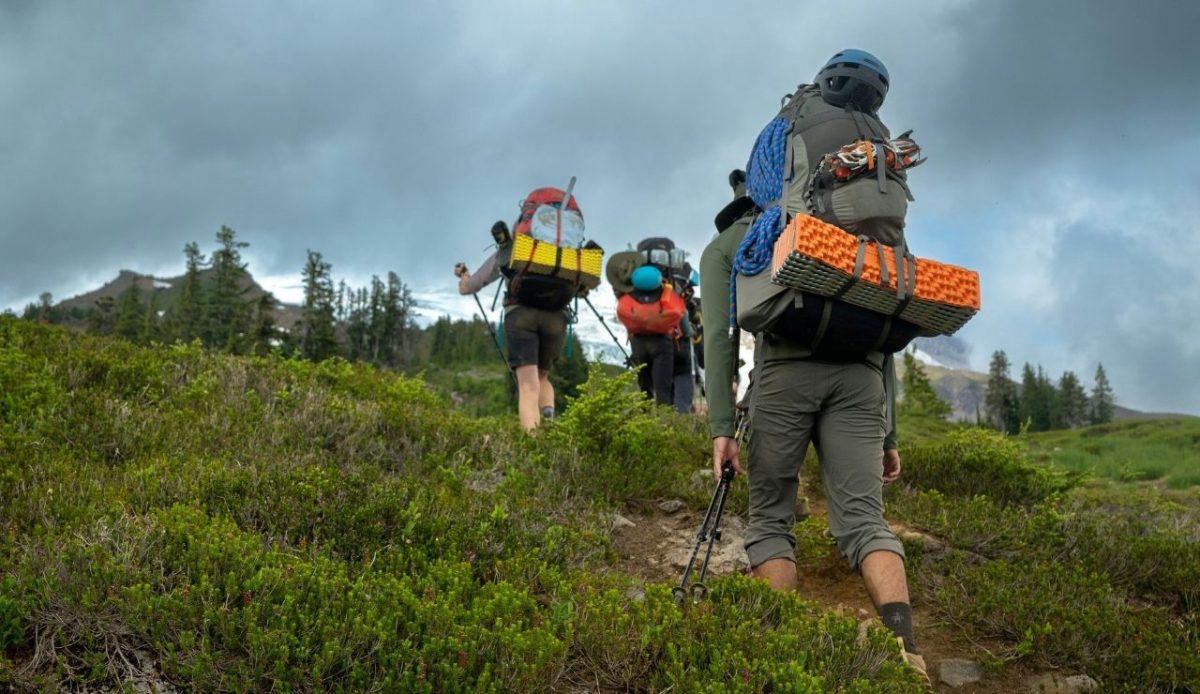
Set a June goal to climb gradually by doing three hikes that step up in elevation each week. Spend time at a moderate altitude first, then move higher only after sleep and appetite remain normal. Start at an easy pace, take short breaks before heavy breathing begins, and keep talking ability as a simple effort check. Watch for altitude illness signs like headache, nausea, or odd fatigue and descend at once if they worsen. Drink extra water in dry air, eat salty snacks, and protect skin and eyes from the stronger sun. By month’s end, high trails should feel manageable because your process was rehearsed.
7. July: Master Heat Management Habits

Pick two hot-weather hikes and treat them as practice for managing core temperature, not chasing miles. Begin near dawn, wear breathable sun coverage, and map water sources so you do not ration late in the day. Use salty snacks to replace loss, wet a bandana or hat when shade is scarce, and take breaks before overheating starts. Watch for warning signs like cramps, headache, confusion, or chills, and stop early if they appear. Keep effort even on climbs because sudden surges raise heat load fast. Write down intake and symptoms after each hike so your personal heat plan becomes clear and repeatable.
8. August: Time Summits Around Storm Cycles

Make August the month when afternoon weather stops being treated as a surprise. Plan summit pushes for early morning and commit to being below exposed ridges and treeline before clouds build. Check forecasts, learn how towering cumulus grows into storms, and turn around when thunder is heard even at a distance. Spread your group out, avoid isolated trees, and move off high points and open meadows if static hair or buzzing is noticed. When smoke is present, select lower routes with cleaner air and keep a replacement hike ready. Discipline in August prevents the most common warm-season emergencies.
9. September: Build One Long Distance Benchmark
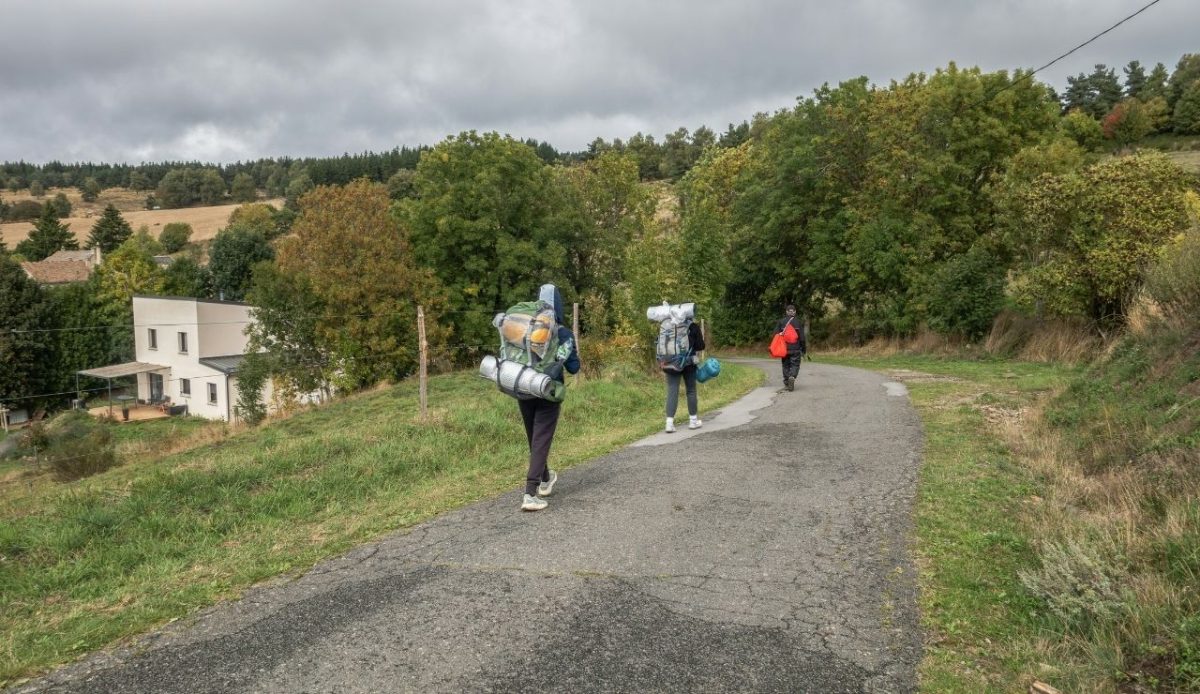
Choose one long day hike in September and train for it with two shorter, brisk outings that build time on your feet. Use cooler weather to practice steady pacing, eating every hour, and treating hot spots early so blisters do not form. Adjust pack weight, sock choice, and trekking pole length so late-day fatigue is reduced. Plan the route around shorter daylight, carry a headlamp, and save a turnaround point that still allows a relaxed exit. Keep a simple check-in plan with someone at home and note water refill options along the route. Finishing this benchmark teaches endurance while keeping risk under control.
10. October: Improve Footing On Leaf Covered Trails
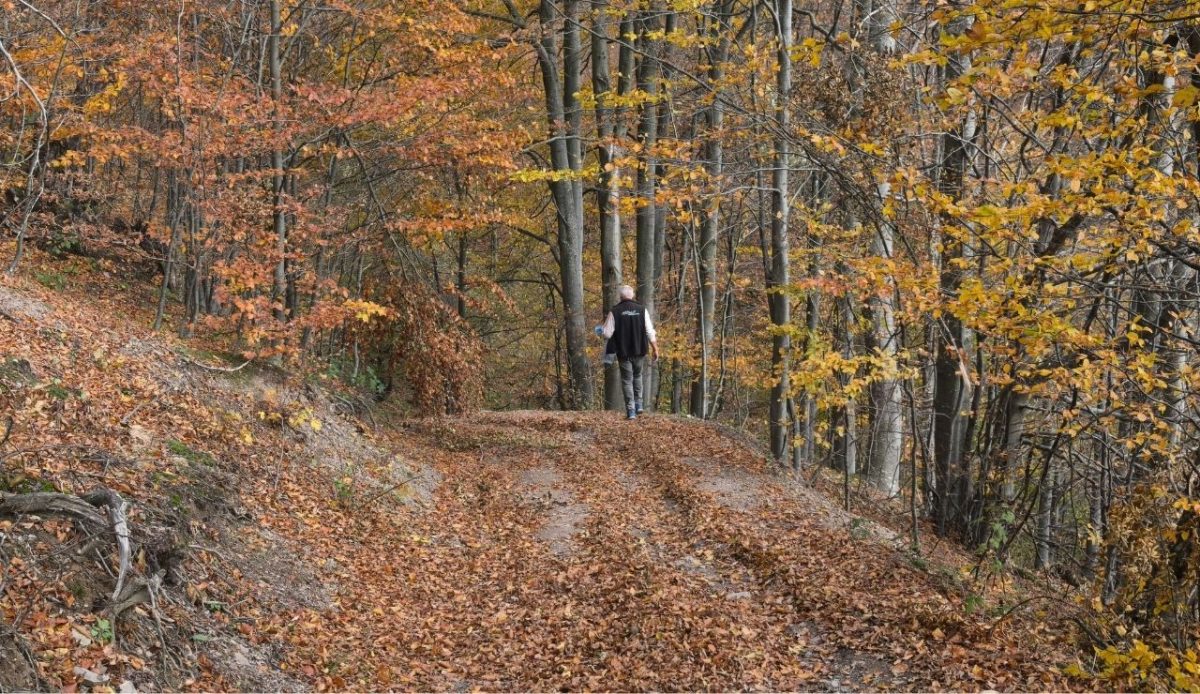
Set an October goal to hike in mixed wet and dry conditions while foot placement stays the main focus. Leaf litter hides roots and rocks, so shorten stride, keep knees soft, and aim for firm soil or stone instead of slippery mats. Use poles to probe uncertain patches and slow down on descents when the surface flips from dirt to wet leaves. Expect morning frost in shaded gullies and carry light traction if temperatures drop overnight. Check footwear tread, replace tired insoles, and keep a headlamp handy since dusk arrives early. Deliberate movement in October lowers the odds of sprains from simple slips.
11. November: Plan For Hunting Season And Wildlife
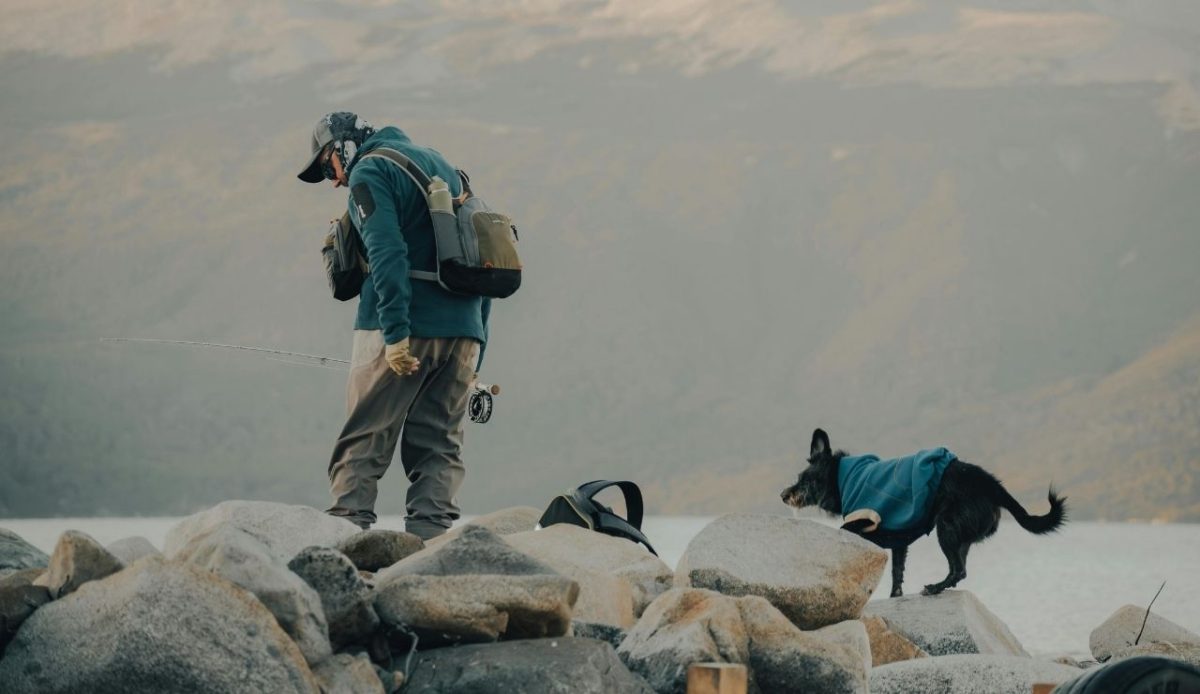
In November, set a safety goal that prioritizes visibility and awareness on shared public lands. Wear bright outer layers, keep pets close, and stay on established routes where other users expect hikers. Review local notices for hunting dates, avoid dawn and dusk in popular areas, and choose parks or preserves when seasons peak. Make your presence known with normal conversation rather than sneaking through the brush. Wildlife behavior also changes during migration and rut, so give animals space and keep food secured and packed out. Late-season planning like this makes hikes calmer and reduces avoidable conflicts.
12. December: Review Systems And Set Next Season Targets
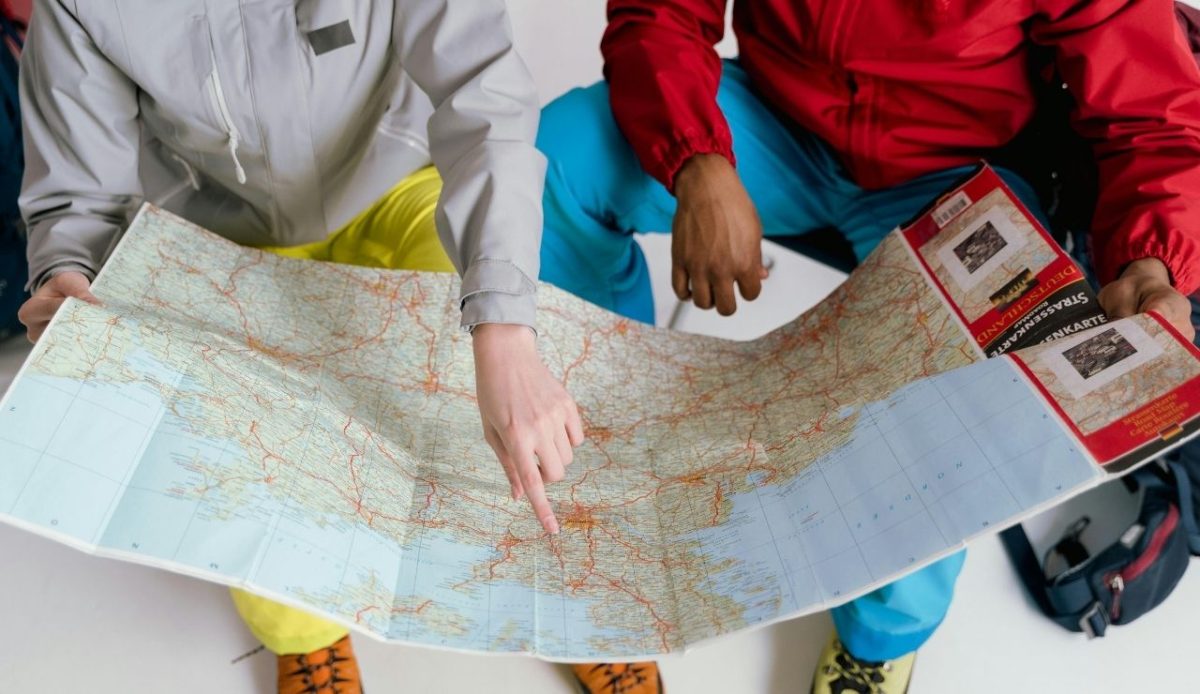
Use December to review what actually happened on your hikes and turn notes into upgrades. List the days when weather forced changes, then identify what information, timing, or gear would have improved decisions. Refresh emergency items, replace batteries, and test stoves, filters, and traction at home so failures are not discovered outside. Build a route library for each season and mark permit and reservation dates on a calendar for the coming year. Set two targets you can measure, such as earlier summer starts or stricter spring mud rules. A focused review month often brings more progress than extra miles because habits get refined.
