
Pictured Rocks National Lakeshore carries a long record of human activity that stretches far beyond its formal designation in 1966. Early maps from the eighteenth and nineteenth centuries reference the cliffs because they guided travel along Lake Superior’s southern shore. Commercial shipping later relied on this stretch of coastline as vessels moved between inland towns and major Great Lakes ports. Today the area reflects a steady blend of geological history, regional travel routes and past community use that shaped how visitors understand the lakeshore.
1. Colorful Cliffs

The cliffs show layers that shift tone during bright and shaded periods which helps visitors notice details even during short stops. Boat routes bring travelers close to the rock face where patterns appear clearer. Hikers reach high points for broad shoreline views that reveal how the cliffs change along the route. Pullouts near the road allow quick stops without long walks. Many travelers begin their day here to understand the layout of the lakeshore before moving on to beaches or trails. The cliffs set a strong first impression that supports the rest of the visit.
2. Lake Superior Views

The lake remains central to the experience because it forms a wide horizon that stays clear during calm weather. Viewpoints above the cliffs show how the water interacts with the shoreline while lower paths keep visitors close to gentle waves. Kayakers stay near monitored areas where conditions remain steady. Many travelers photograph these stops since the lake surface often reflects soft changes in light. Boats follow routes that reveal deeper sections where the color shifts slightly. These broad views help visitors understand the scale of the region.
3. Popular Boat Tours
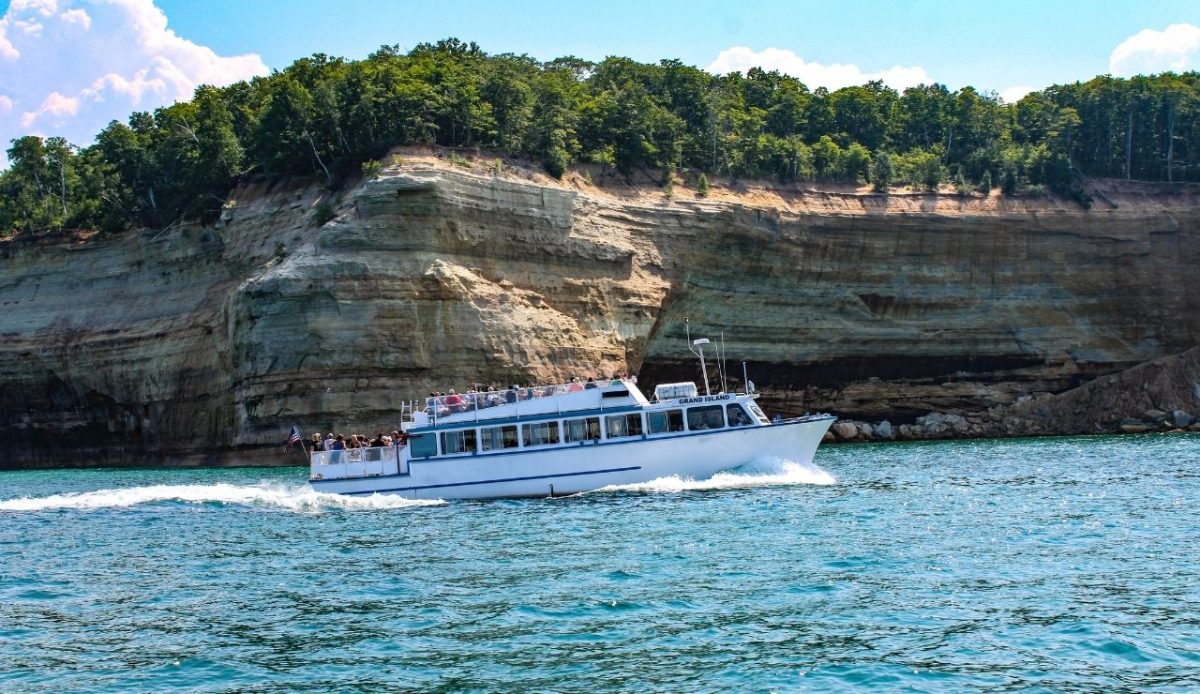
Boat tours help travelers see areas that are harder to reach from hiking paths. Guides explain formations and distances while moving through calm sections that offer reliable visibility. The schedule stays consistent during the main season which helps visitors plan around other activities. The boats pass major landmarks such as Miners Castle and sections where the cliff height becomes most visible. Families choose this option because it provides steady seating and clear views without long walks. The tours remain one of the most efficient ways to understand the full shoreline.
4. Hiking Routes for All Levels
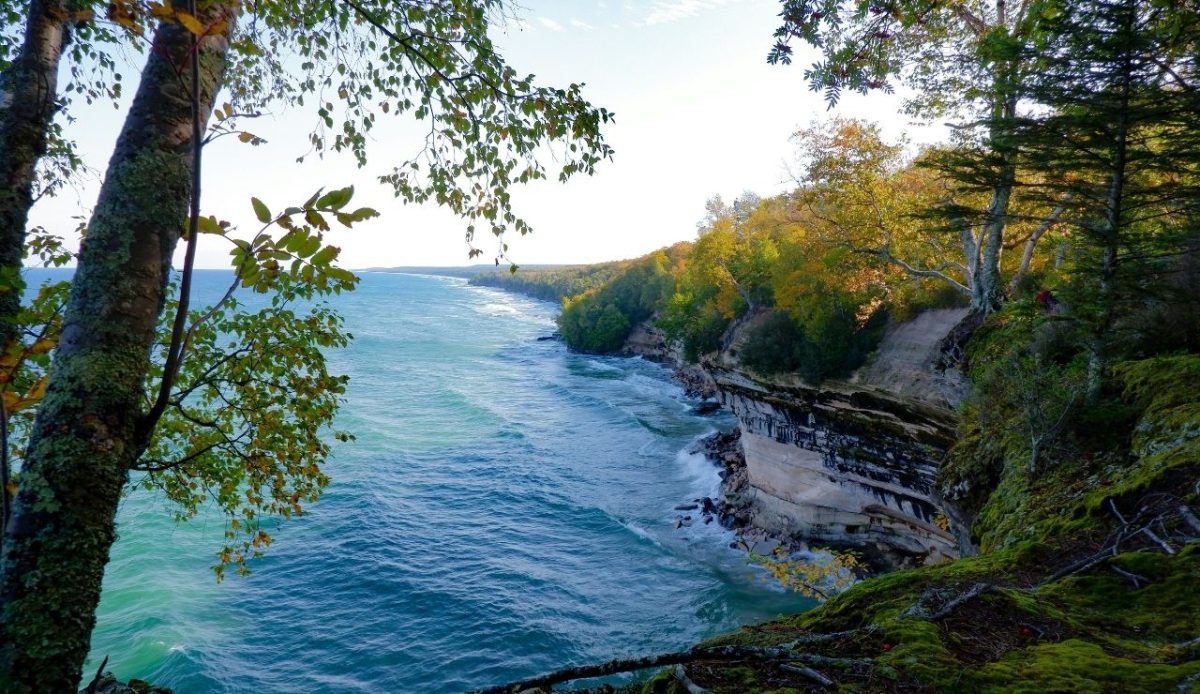
Hikers find routes that match different preferences which helps groups move comfortably. Short trails lead to overlooks while longer ones follow the shoreline or rise toward higher points with broad views. Rangers post updated trail conditions so visitors know what to expect before heading out. Families choose loops that pass through forest sections with steady footing. More experienced hikers use the North Country Trail segments for uninterrupted distance. These options support full-day plans without forcing travelers into strenuous routes.
5. Kayaking Near the Cliffs
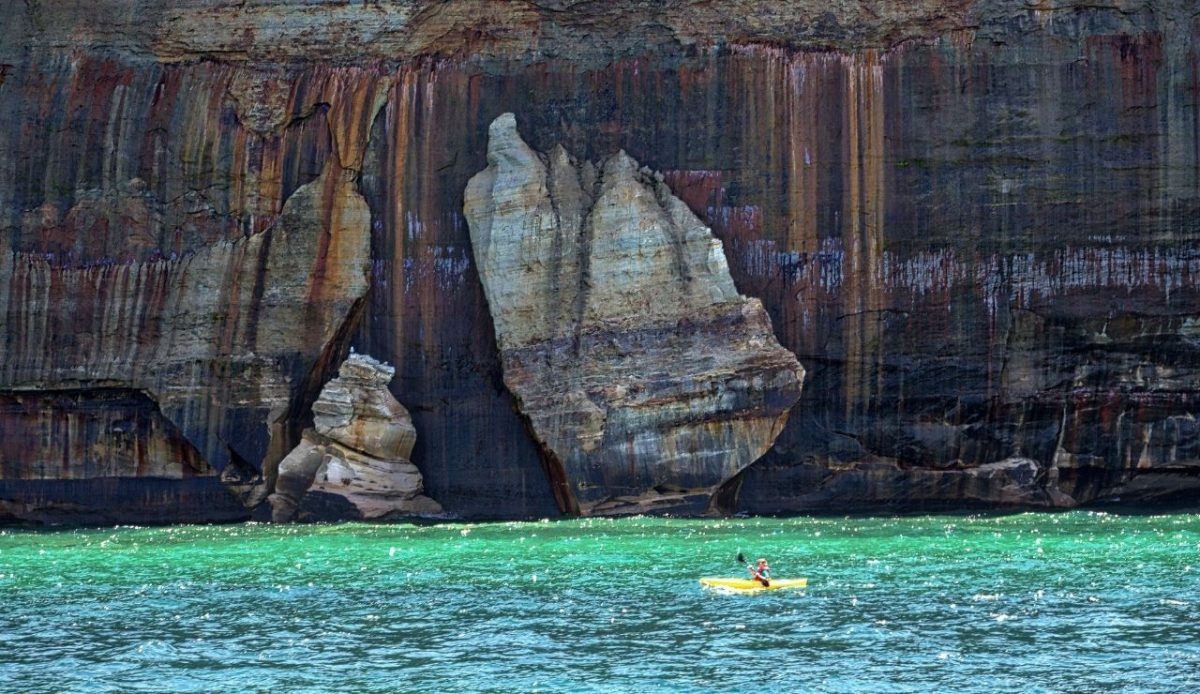
Kayaking gives visitors a closer look at the cliffs while staying within guided safety zones. Outfitters provide clear instructions and keep groups near predictable sections of water where waves stay manageable. Paddlers often mention how the rock surface shows fine details when viewed from the waterline. The lake stays calm during many summer days which helps beginners maintain balance. Guides follow planned paths that avoid rough corners. This activity offers a controlled way to experience the shoreline from a different angle.
6. The Famous Miners Castle
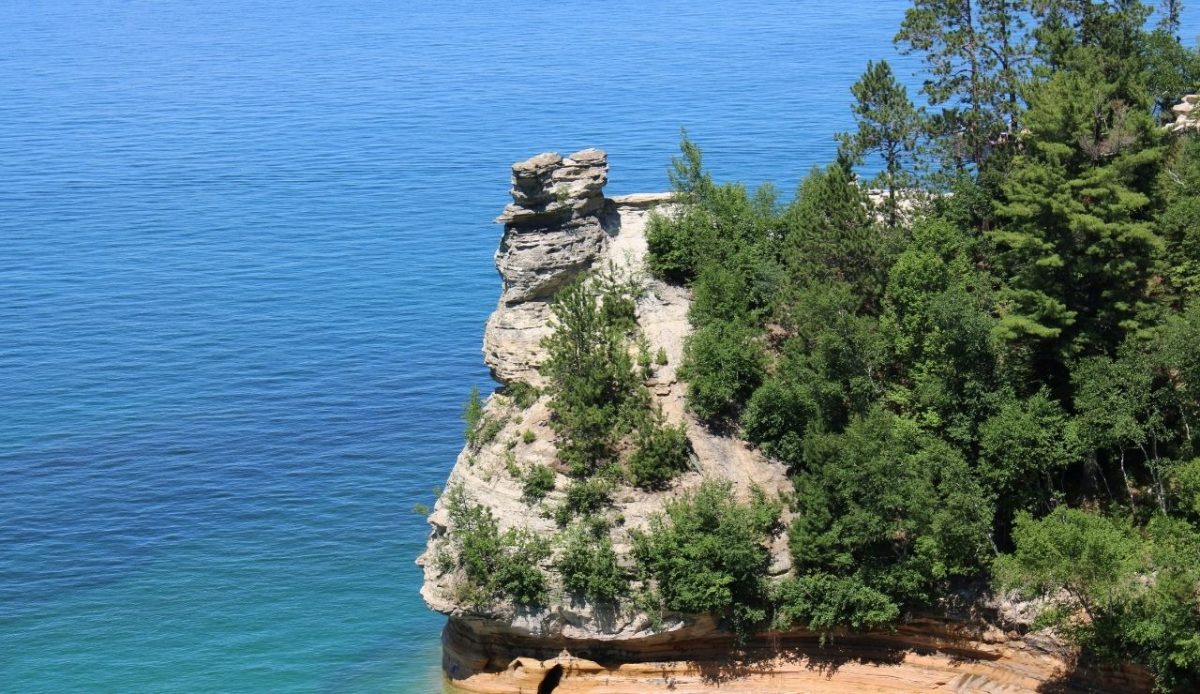
Miners Castle remains one of the most recognized formations in the park due to its shape and convenient access. Visitors follow paved paths to overlooks with stable railings and clear viewing angles. The formation shifts tone throughout the day which encourages travelers to stop at different times to see changes. Parking sits close to the main viewpoint which helps families and older visitors. Many travelers use this location as a start or finish point for their day because it provides dependable views and simple navigation.
7. Munising Falls

Munising Falls offers a quick break from shoreline activity because the path stays shaded and level. Visitors walk a short distance to reach the viewing platform where the falls appear clearly even during bright conditions. Rangers maintain this area to ensure safe footing throughout the year. Many travelers stop here early to avoid crowds or late in the day to cool down after longer walks. The falls provide a calm setting that balances the larger views found along the cliffs and beaches.
8. Seasonal Color Changes
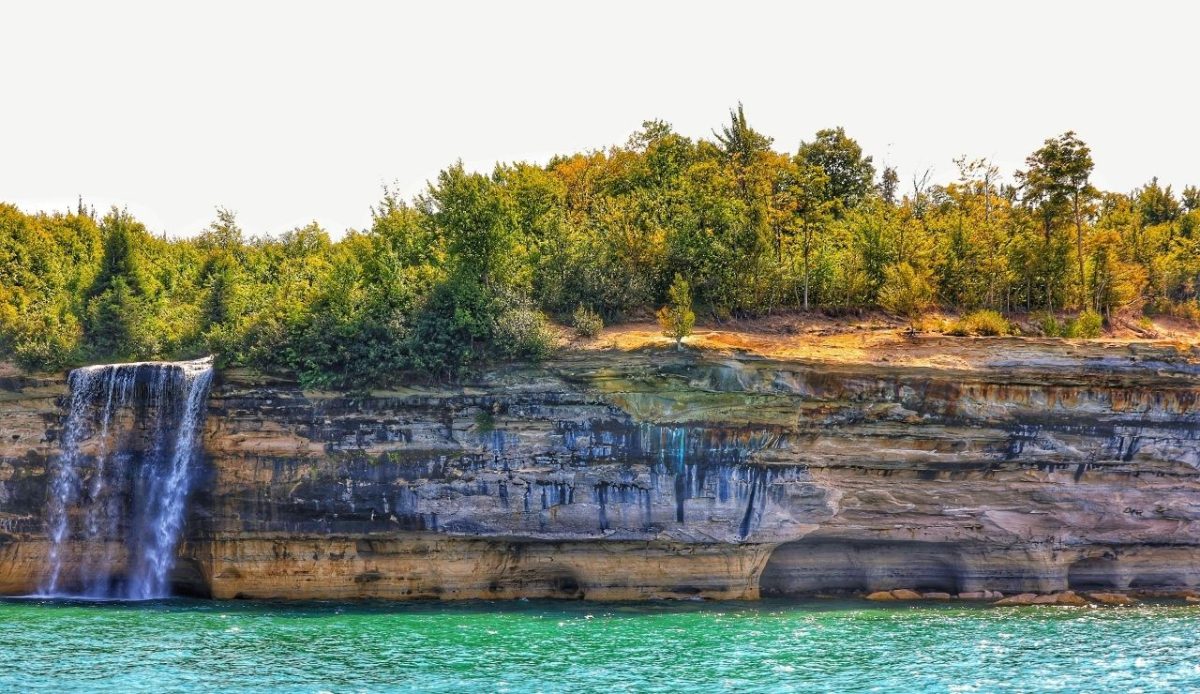
Travelers return throughout the year because the scenery shifts across the seasons. Spring brings cooler mornings with clear trails while summer remains the busiest period. Fall draws strong interest due to widespread leaf color changes across forest sections. Winter offers bright viewpoints after snowfall which highlights cliff edges. These seasonal differences create new experiences without interrupting the core layout of the lakeshore. Visitors often plan repeat trips to see how weather and light influence each part of the shoreline.
9. Stable Wildlife Viewing
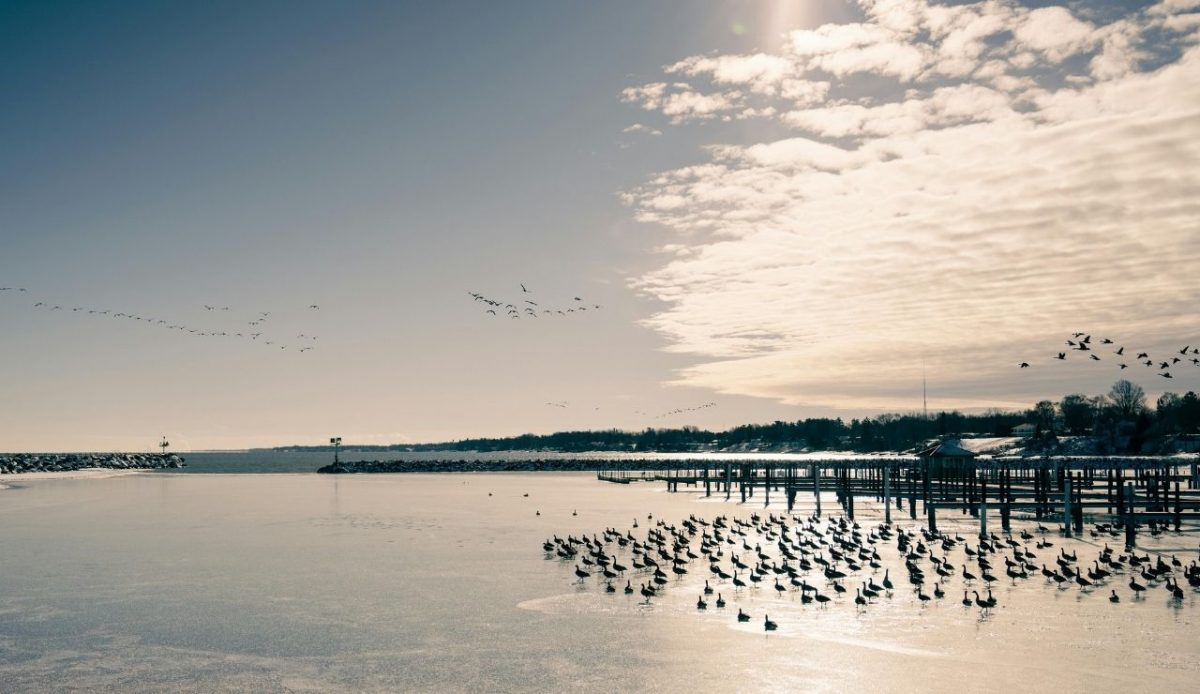
Wildlife appears regularly along forest edges and near calm water sections. Visitors may see birds gliding near the cliffs or small animals moving across clearings. Rangers encourage travelers to keep distance and stay on marked routes to protect both visitors and wildlife. Early morning often gives the best chance for sightings. Families enjoy watching birds skim the lake surface in predictable patterns. These moments add quiet interest to the shoreline experience.
10. Camping Options
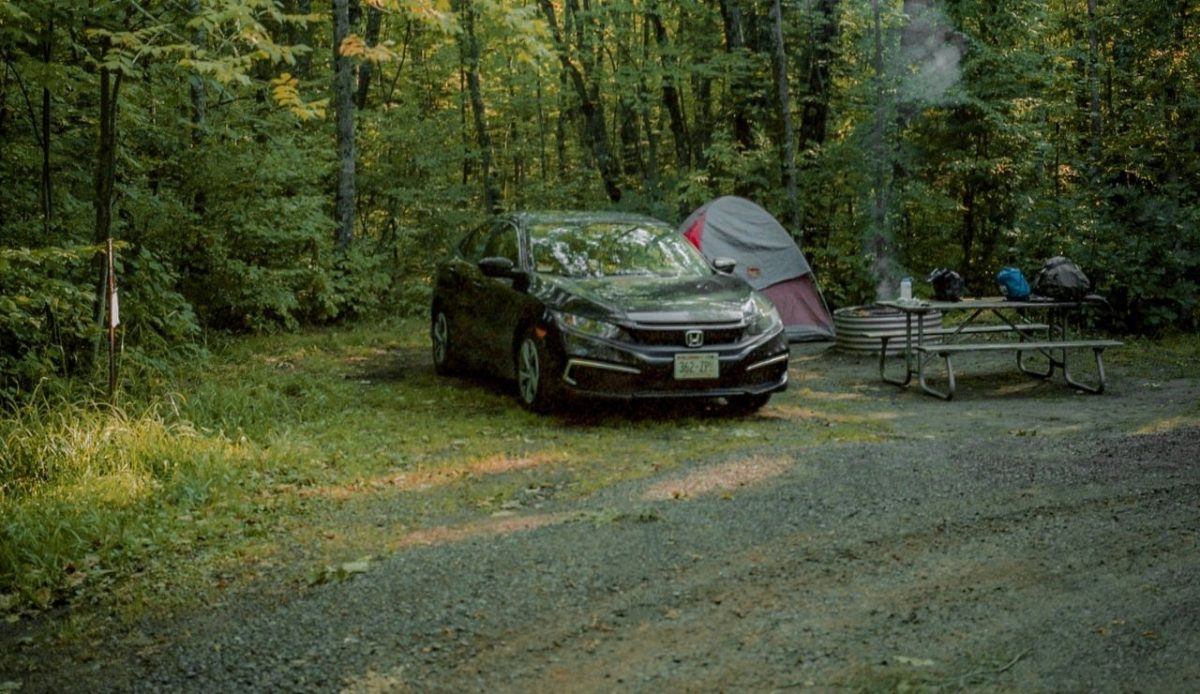
Campgrounds near the lakeshore offer steady access to major trailheads and viewpoints. Sites follow clear layouts with designated cooking areas and posted rules. Visitors choose between drive-in and hike-in locations depending on comfort level. Many campers appreciate how the area supports full-day plans without long travel. Reservations help reduce uncertainty during busy seasons. Nights stay cool in warm months which helps create comfortable conditions. Campgrounds provide straightforward setups that support both short and extended stays.
11. Strong Photography Spots
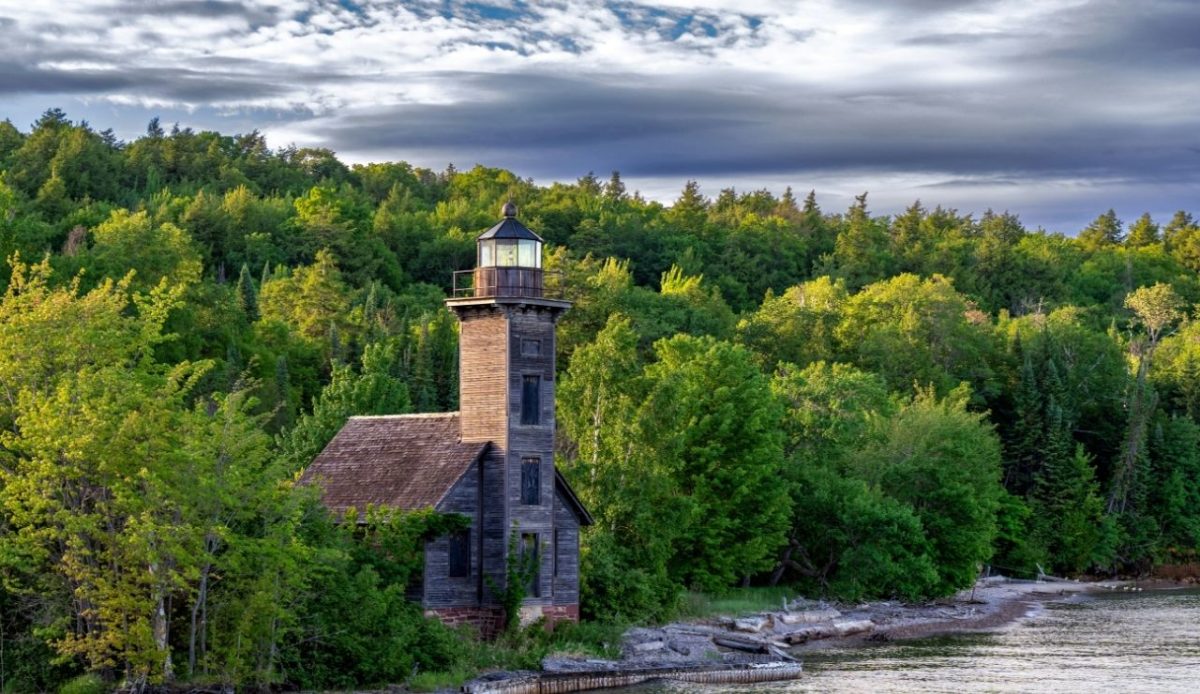
The region provides photo opportunities across short distances. Cliffs, beaches, forest trails and overlooks each offer different angles. Visitors often switch between roadside stops, boat routes and short hikes to capture varied scenes. Clear water produces sharp reflections during bright conditions. Photographers rely on early and late sunlight to highlight cliff textures. Even casual visitors capture sharp images due to steady light and open views. These options make the area appealing for beginner and experienced photographers.
12. Accessible Town Services
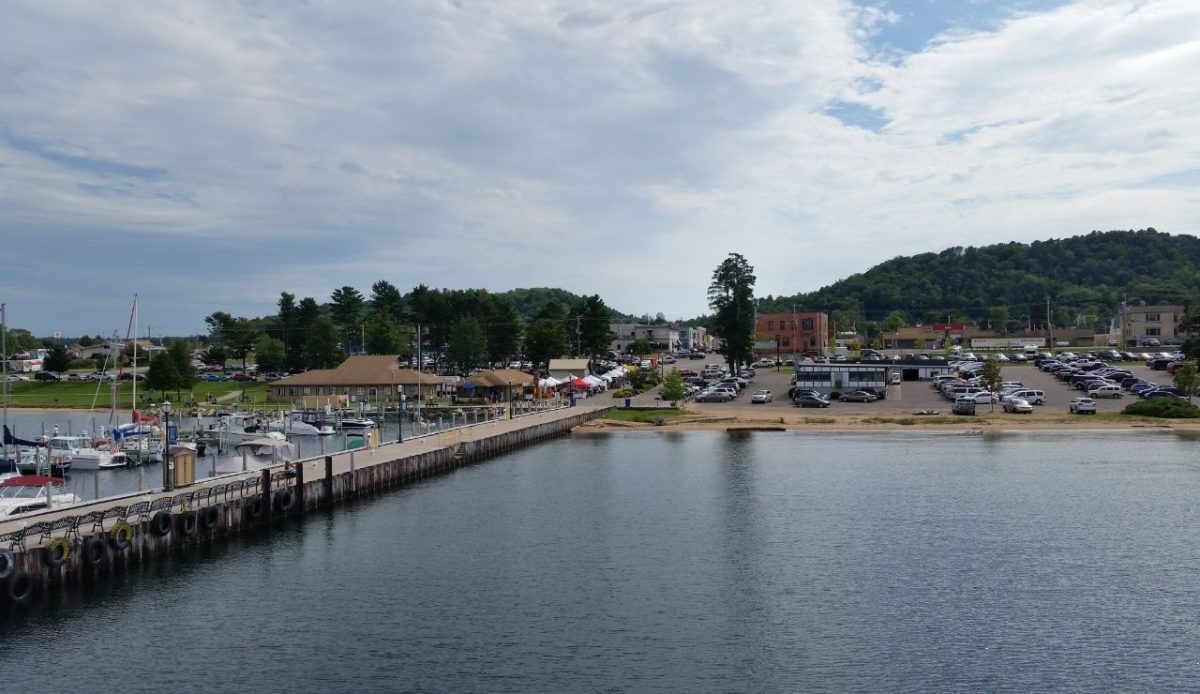
Munising supports travelers with lodging, food, gear rentals and updated visitor information. Outfitters help with kayaking equipment, boat tour bookings and route guidance. The visitor center provides maps and safety updates that help travelers plan confidently. Many people start their day here before heading toward the shoreline. The town’s proximity reduces travel time between activities which keeps schedules simple. This convenience helps visitors plan multi-day trips without difficulty.
