
Traveling to presidential homes lets you step inside real moments from American history. These houses were not just backdrops but places where leaders lived, loved, and made tough choices. From Virginia plantations to Texas ranches, each home tells a story about who the president was and what they believed. Teens can see history beyond textbooks while parents rediscover stories they learned years ago. You do not need to be a history buff to enjoy these visits. Many sites offer hands-on activities, scavenger hunts, and live demonstrations that keep everyone engaged. Plan a trip this summer and walk through rooms where decisions shaped the nation.
1. George Washington’s Mount Vernon, Virginia
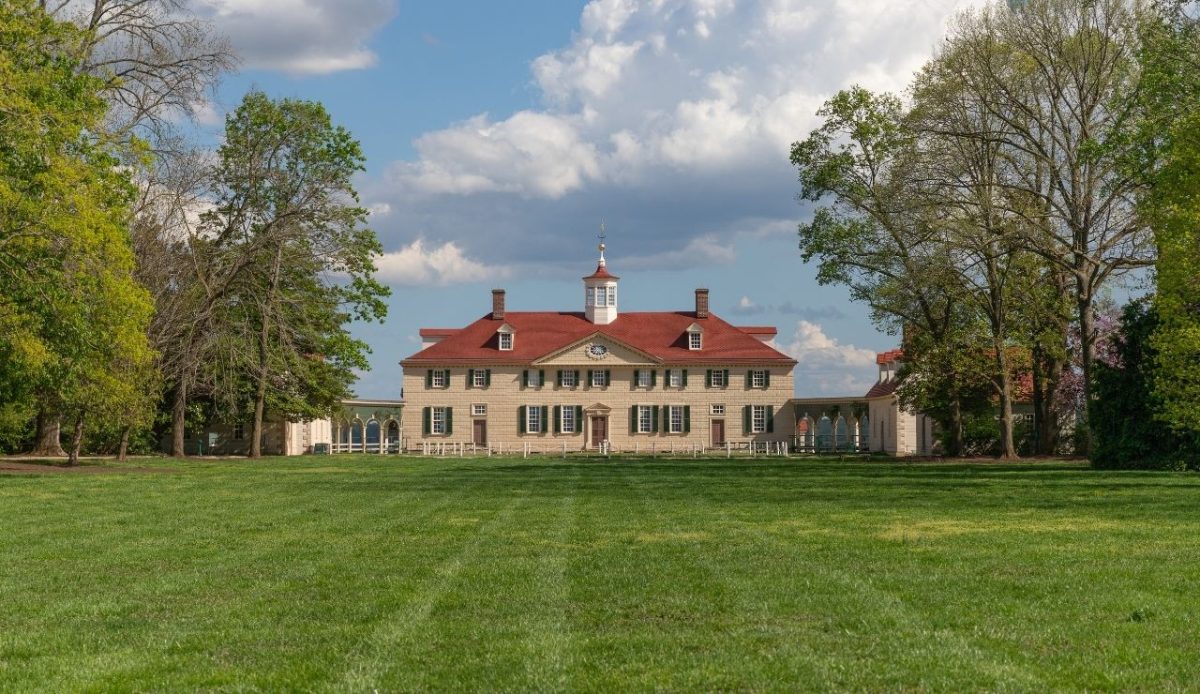
George Washington built Mount Vernon into a working estate where he managed farms and welcomed guests from across the country. The mansion sits high above the Potomac River with wide porches and long views. Inside you will find furniture, books, and tools he used every day, including his war sword and dentures made from animal teeth. Enslaved workers ran the plantation, and their lives are honored at a memorial and burial ground. You can tour the gardens, distillery, gristmill, and outbuildings where people once lived and worked. Rangers give talks about daily life, and kids enjoy trying old-fashioned tasks like candle dipping. Located just outside Washington D.C., it is easy to reach by car or boat. Buy tickets online ahead of time to skip lines and plan for at least half a day.
2. Thomas Jefferson’s Monticello, Virginia
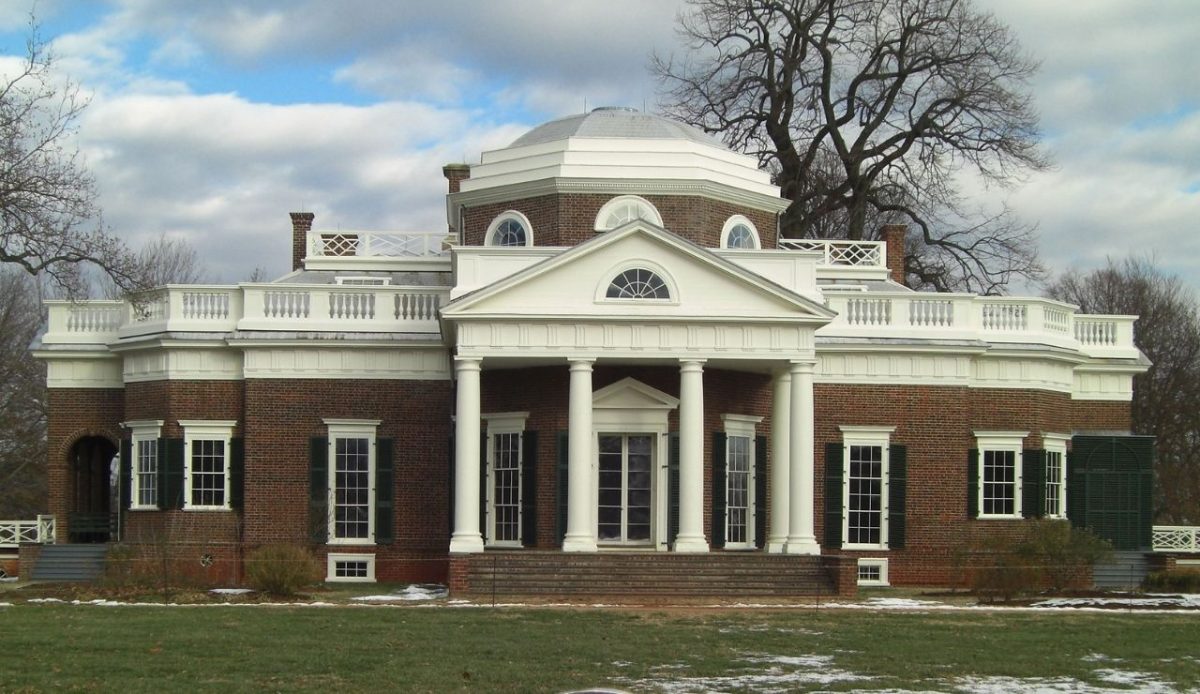
Thomas Jefferson designed Monticello himself and kept changing it for over forty years until it matched his vision. The house has a round dome, curved walls, and windows that open into hidden shelves showing his love for invention. Rooms inside include his bedroom, study, and dining area filled with books, gadgets, and personal items. He grew hundreds of plant types in his gardens and wrote about farming in detailed journals. Enslaved families lived and worked here, and their stories are now part of every tour. Mulberry Row shows where they cooked, built, and raised children under difficult conditions. Audio guides help visitors move at their own pace and family scavenger hunts keep kids involved. Special events like harvest days and evening tours happen year-round. As one of only two private homes in the United States named a UNESCO World Heritage Site, it draws visitors from around the world.
3. James Madison’s Montpelier, Virginia
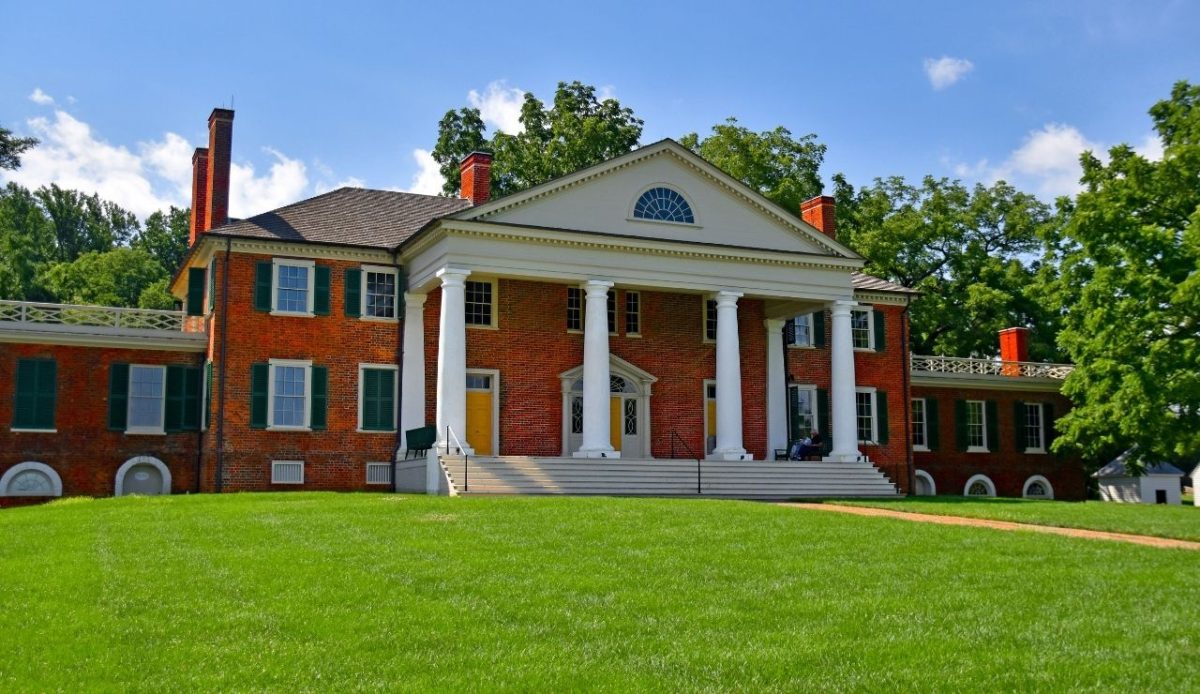
James Madison wrote the United States Constitution while living at Montpelier, his family estate in central Virginia. The red brick mansion feels grand yet lived in with period furnishings and personal touches from the Madisons. You can walk through the drawing room where Dolley hosted guests, the library where James studied, and the dining room where meals brought people together. More than one hundred enslaved people lived here, and their presence is no longer overlooked. The exhibit The Mere Distinction of Colour shares its names and contributions using artifacts and records. In 2021, the site gave equal leadership power to descendants of enslaved families through the Montpelier Descendants Committee. This change makes the tour more honest and inclusive. Trails lead through woods and fields and seasonal programs let visitors try hearth cooking or debate constitutional ideas. It is a place that asks questions instead of giving simple answers.
4. Abraham Lincoln Home, Illinois
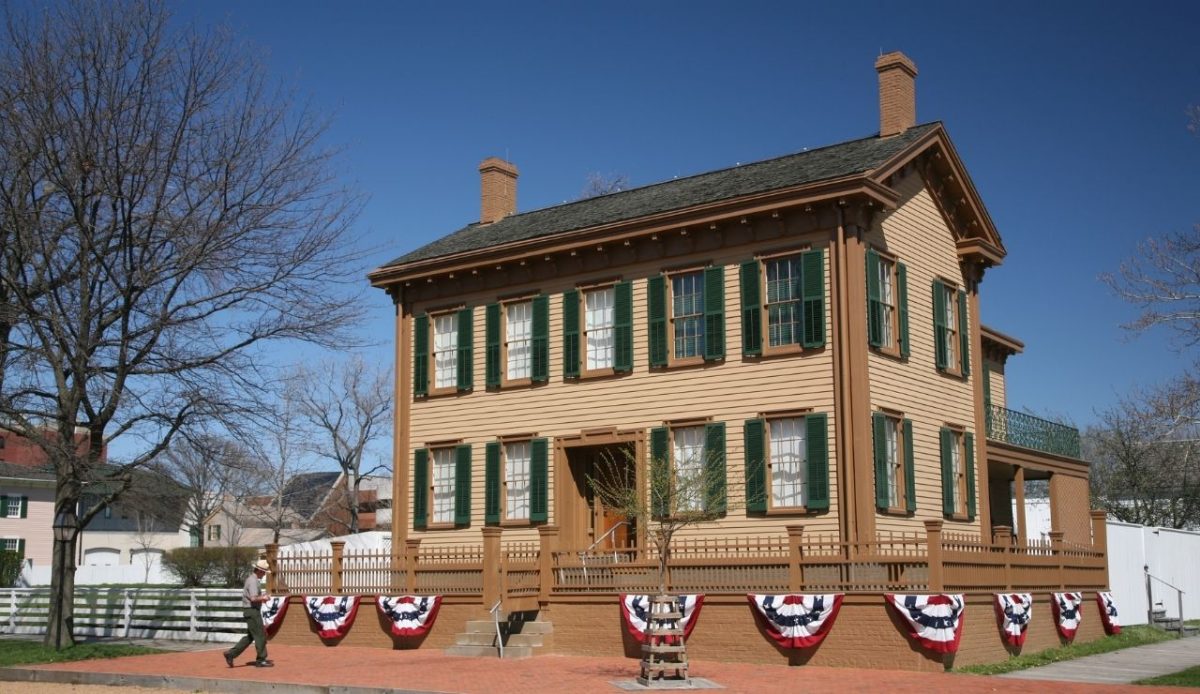
The Lincoln Home in Springfield is the only house Abraham Lincoln ever owned and where he raised his four sons with Mary Todd Lincoln. Built in 1839, this twelve-room house looks simple from the outside but holds deep historical weight. Inside, rangers lead tours through the parlor where Lincoln gave his House Divided speech and the bedroom where he said goodbye before leaving for Washington. The floors are worn from use, and the furniture remains as it was in the 1850s. The family had no electricity or running water, yet this home became a hub of political talk and family life. Nearby restored houses show what the neighborhood was like before the Civil War. Costumed actors sometimes walk the streets sharing stories from the era. Admission is free because it is run by the National Park Service, though donations help with upkeep. Kids respond well to the honesty about loss, slavery, and leadership.
5. Theodore Roosevelt’s Sagamore Hill, New York
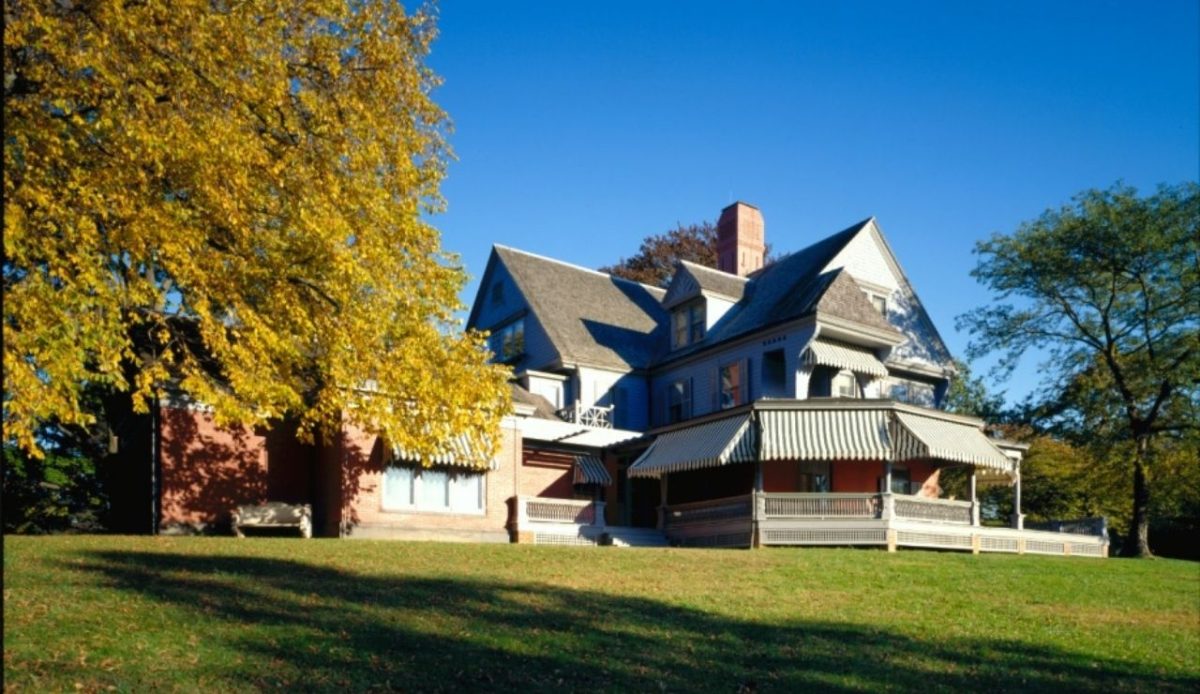
Theodore Roosevelt called Sagamore Hill his home and used it as a summer base while serving as president. Located on Long Island, the house overlooks Oyster Bay and was filled with books, animal trophies, and family energy. He raised six children here and often hosted reporters and world leaders on the porch. Rangers lead tours through the study where he wrote speeches and the living room where the family gathered after dinner. Outside, walking paths wind through gardens and trees, perfect for a slow stroll or quick hike. Kids love hearing stories about the family’s many pets, including a badger, a bear, and a snake named Emily Spinach. The site is part of the National Park Service, so fees are low and ranger programs happen year-round. After hurricane damage, the house reopened in 2015 with better access and updated exhibits. It shows a president who valued nature, action, and bold living.
6. Franklin D. Roosevelt’s Springwood, New York
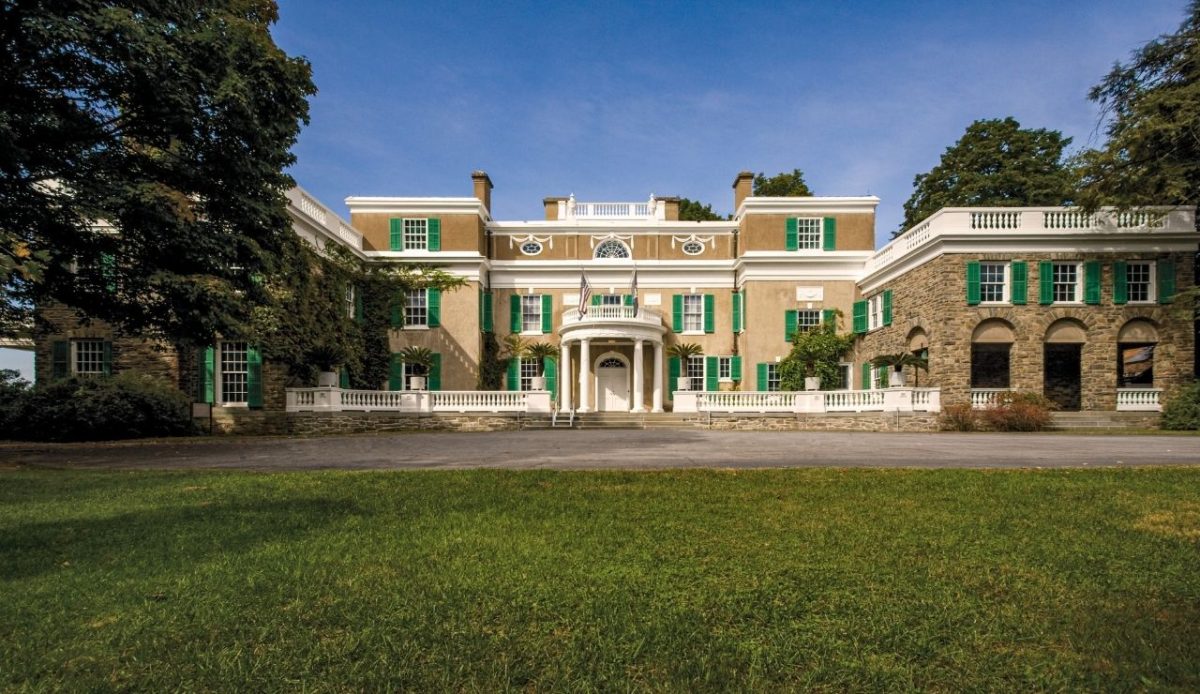
Franklin D. Roosevelt was born at Springwood in Hyde Park and returned throughout his life, even during his presidency. The large home sits high above the Hudson River and feels warm and lived in with books, photos, and personal items everywhere. Tours show how polio changed his daily routine and how he used a wheelchair in private while hiding it from the public. Nearby is Val-Kill, the cottage built for Eleanor Roosevelt, where she worked on human rights and women’s issues. The first presidential library stands on the grounds and holds millions of letters, films, and records from his time in office. Visitors can listen to his radio talks, watch wartime footage, or explore exhibits on the New Deal. Paths with ramps lead through formal gardens and wooded hills, making the site easy to move through. Seasonal events include holiday tours and Dutch heritage days. It is a place where both FDR and Eleanor’s impact come to life.
7. Woodrow Wilson’s Birthplace, Virginia
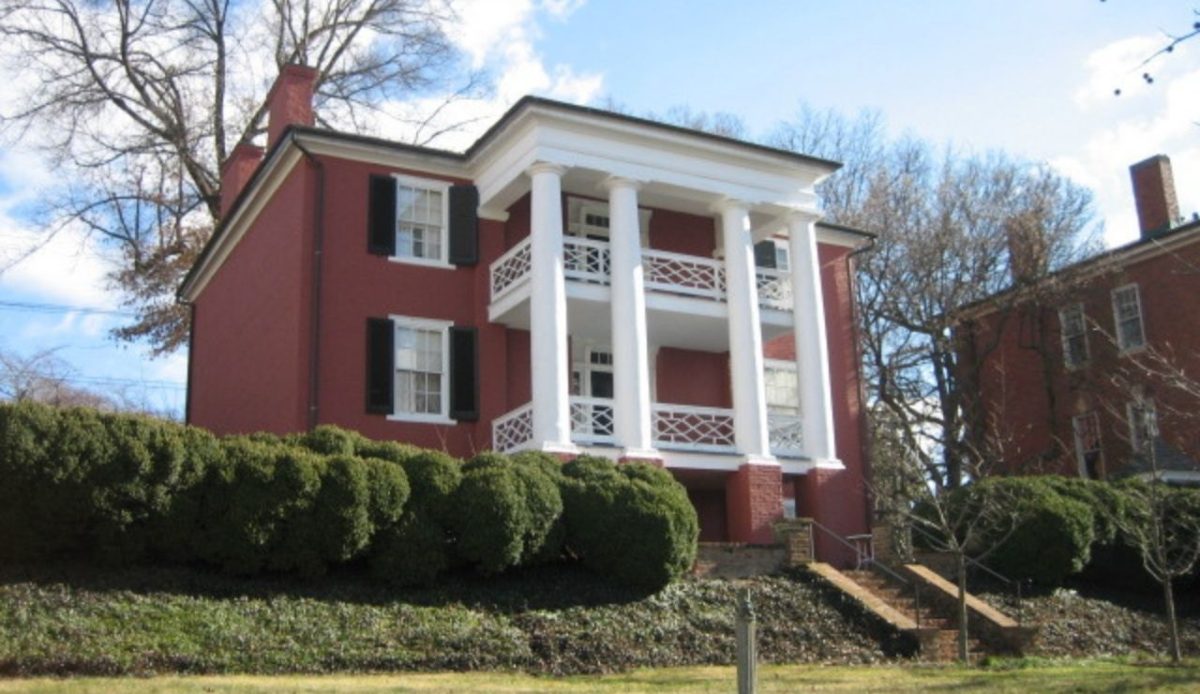
Woodrow Wilson was born in a church parsonage in Staunton, Virginia, in 1856 and that house now serves as the start of his presidential museum. Known as the Manse, it has been restored to reflect the 1850s with period furniture, religious items, and family artifacts. Just steps away, the modern museum covers his time as a professor, governor, and president during World War I. Highlights include his 1919 Pierce-Arrow limousine, one of the oldest running presidential cars, and an immersive trench exhibit that simulates battlefield conditions. Exhibits also discuss his role in creating the League of Nations and supporting women’s right to vote. Scavenger hunts and junior historian badges keep younger guests involved. The library hosts talks, movie nights, and Presidents’ Day events. Though his views on race are rightly questioned, the museum addresses them directly. This honest approach makes it good for family discussions.
8. Dwight D. Eisenhower’s Gettysburg Farm, Pennsylvania
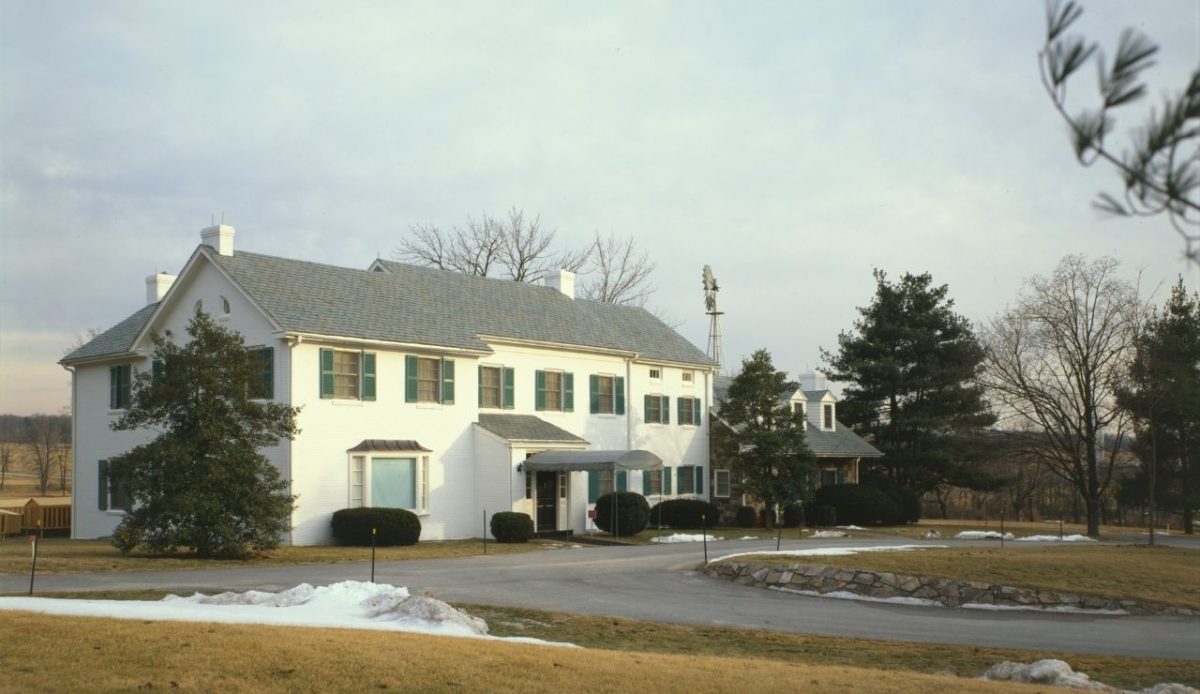
Dwight D. Eisenhower bought a 189-acre farm near Gettysburg in 1950, hoping for a quiet retirement, but it quickly became a center of government activity. World leaders such as Churchill and Khrushchev visited, and cabinet meetings were held in the farmhouse kitchen. He spent more than 550 days there, escaping Washington stress to fish, ride horses, and paint landscapes. The home feels cozy and lived in with his golf clubs, hats, and oil paintings on display. Rangers describe how he recovered from a heart attack there and made key Cold War decisions while sitting on the porch. The barns, chicken coops, and pastures remain much as they were in mid-20th-century rural life. Trails wind through the property, and seasonal programs teach farming, leadership, and citizenship. Teens admire his calm strength and artistic side. For families, it is a peaceful place to reflect on service, balance, and recovery.
9. Herbert Hoover’s Rapidan Camp, Virginia
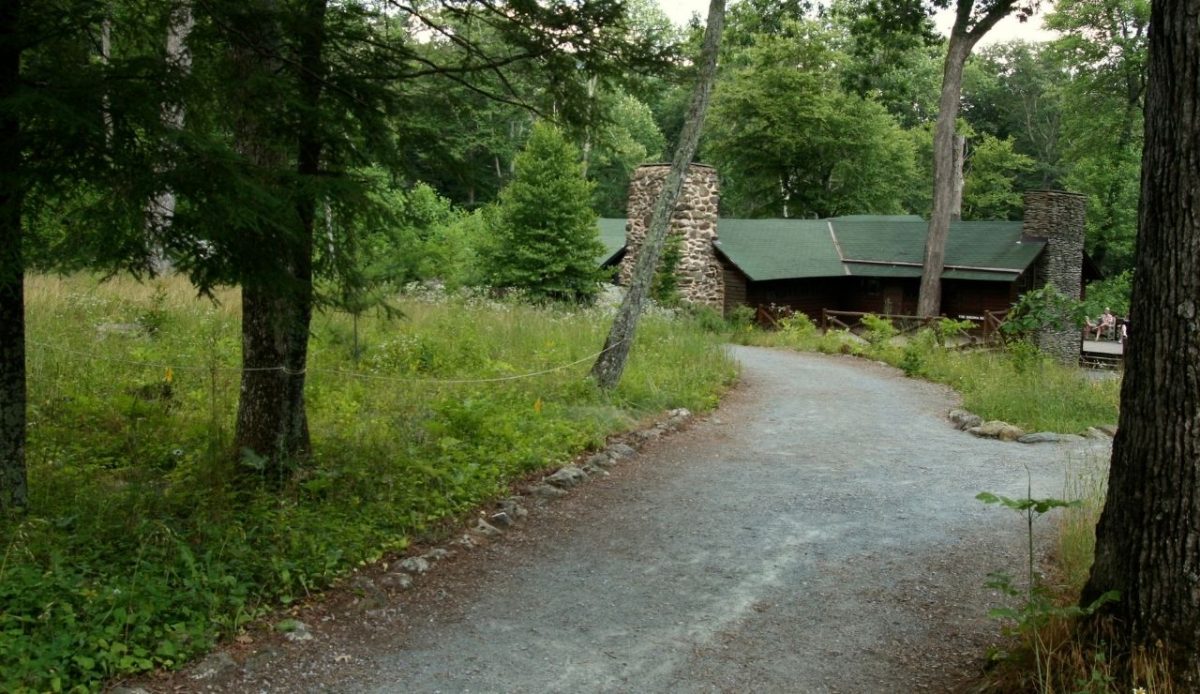
Herbert Hoover built Rapidan Camp in the Blue Ridge Mountains as a quiet escape from Washington heat and stress. Reached by a long dirt road or a four-mile hike, this rustic retreat sits deep in Shenandoah National Park. The main cabin, called the Brown House, has a large stone fireplace and simple wood walls that reflect Hoover’s love of privacy. He hosted cabinet meetings here, made phone calls from a tiny office, and enjoyed fly fishing on nearby streams. The camp also had cabins for staff and visiting leaders. Today, visitors take ranger-led van tours that explain how Hoover used the site during the early years of the Great Depression. The journey is part of the experience, with winding trails and forest views adding to the sense of solitude. Though harder to reach than other homes, it offers a rare look at a president’s private life. Kids enjoy spotting wildlife and imagining life without phones or Wi-Fi.
10. William Henry Harrison’s Berkeley Plantation, Virginia
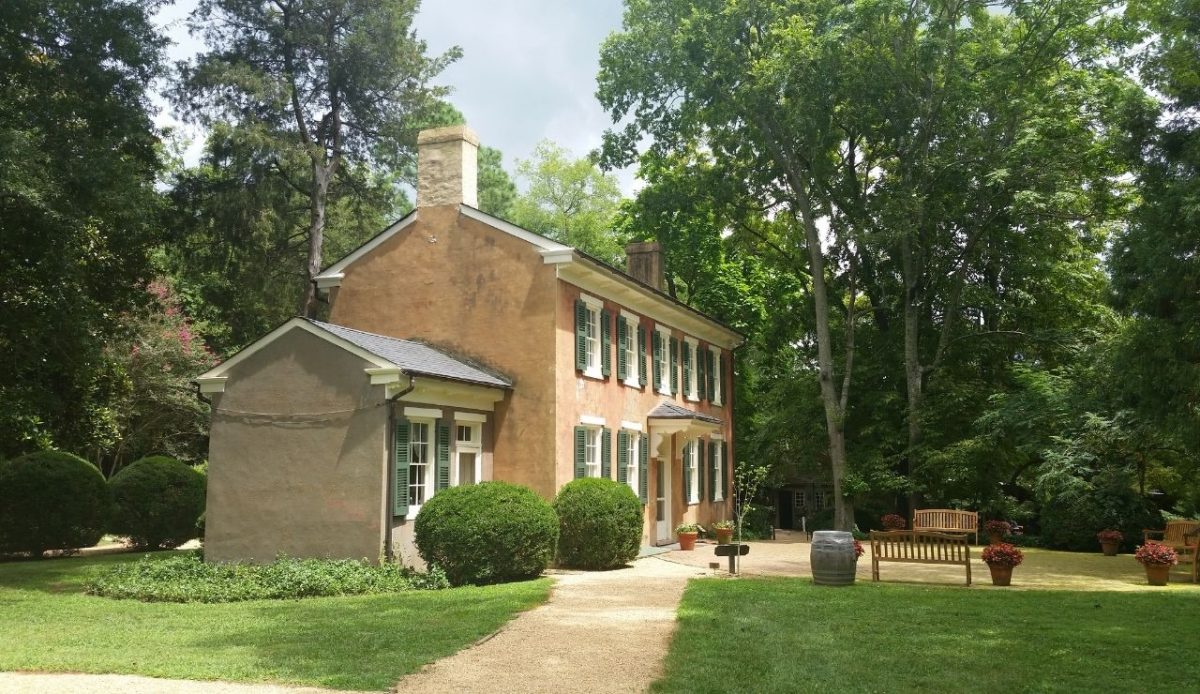
Berkeley Plantation is one of the oldest estates in the South and the birthplace of President William Henry Harrison. Born in 1773 in a grand Georgian-style house, Harrison later served just 31 days in office, the shortest term in United States history. The plantation dates back to 1619 and claims the site of the first official Thanksgiving in America. During the Civil War, Union General Daniel Butterfield composed the bugle call Taps here in 1862, a tradition still honored today. The house tour includes original furnishings, portraits, and stories from centuries of Southern life. Reconstructed slave quarters help visitors understand the lives of the people who worked the land. Self-guided walks let families explore at their own pace, and seasonal events like pumpkin picking and corn mazes are big hits with kids. Located on the James River, the site combines colonial history, military legacy, and agricultural roots in one visit.
11. Martin Van Buren’s Lindenwald, New York
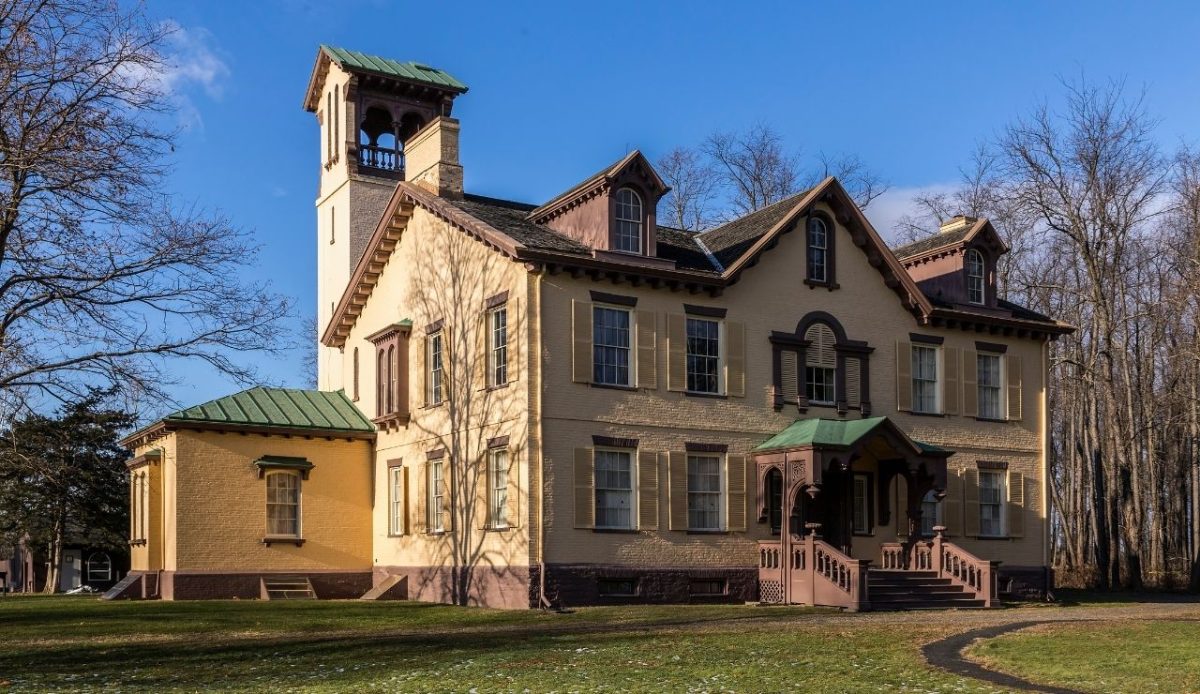
Martin Van Buren retired to Lindenwald, his 200-acre estate in Kinderhook, New York, after leaving the presidency in 1841. He bought the house in 1839 and renamed it Lindenwald, meaning “linden woods,” to match the trees around it. The home blends Federal and Victorian styles with wide halls, tall windows, and a central chimney. Van Buren used the estate as a base for political talks and stayed active in debates over slavery and union. The site is now part of the National Park Service and offers tours that show how he lived, farmed, and entertained guests. Outbuildings include a barn, smokehouse, and carriage house, all restored to their 1840s condition. Trails loop through fields and woods, and ranger programs cover 19th-century farming and politics. For teens, it is a chance to learn about a lesser-known president who fought to hold the country together. The quiet setting makes it ideal for thoughtful visits.
12. James Monroe’s Highland, Virginia
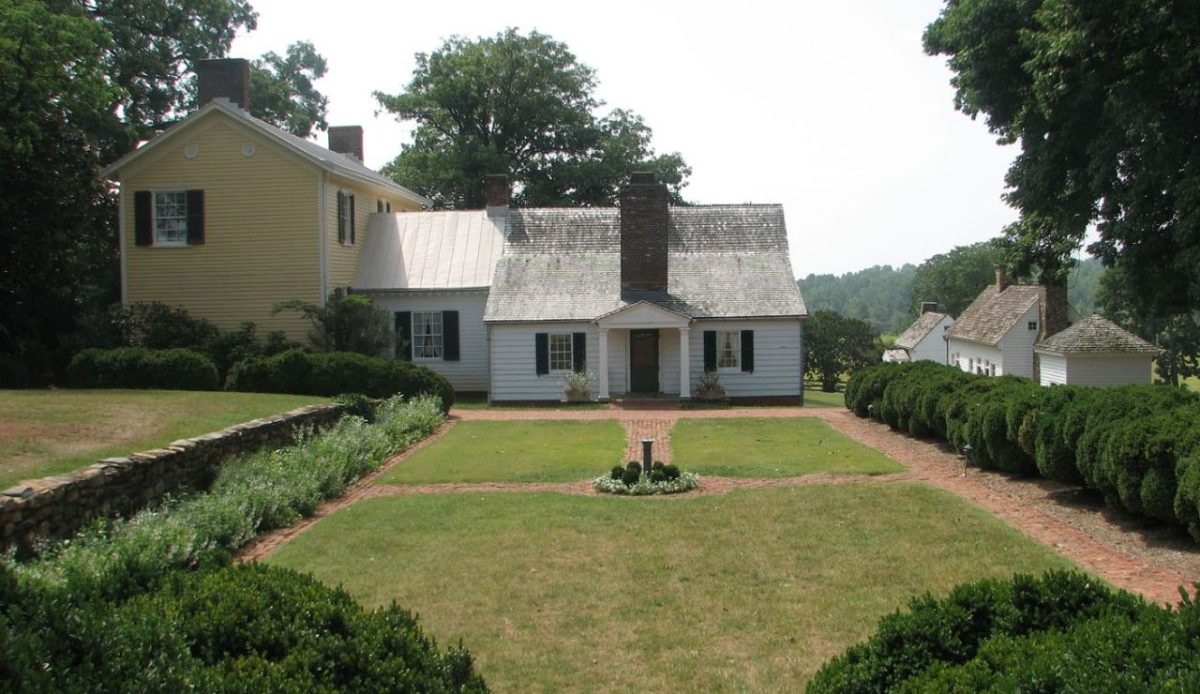
James Monroe called his Charlottesville-area home Highland, though it was once known as Ash Lawn-Highland. He lived there from 1799 to 1831 and raised his family while serving as secretary of state, vice president, and president. The house is smaller than Monticello but full of charm, with hand-hewn beams and period furniture. Tours highlight Monroe’s role in the Louisiana Purchase, the Monroe Doctrine, and his close ties to Thomas Jefferson. The site also explores the lives of the enslaved people who worked the farm, with archaeological findings displayed in the visitor center. Interactive exhibits let kids try writing with quill pens or packing a diplomat’s trunk. Outdoor spaces include gardens, walking paths, and views of the Blue Ridge Mountains. The University of Virginia now owns the property and keeps it open to the public. It is a peaceful place to connect with early American diplomacy and daily life.
