
Boardwalk towns still hold a special place in the American summer imagination. They bring back a familiar routine: beach in the morning, fried food and arcade noises in the afternoon, and long evening walks under salt air and neon. That rhythm defined countless family trips in the 1990s, and it is part of why these places feel newly appealing again.
What stands out now is their simplicity. Many travelers are returning to towns where entertainment is public, easy to reach, and built around small rituals instead of packed schedules.
These 12 boardwalk towns still offer that classic mix of scenery, snacks, people-watching, and old-school fun, making them easy places to revisit and easy places for a new generation to understand.
1. Atlantic City, New Jersey
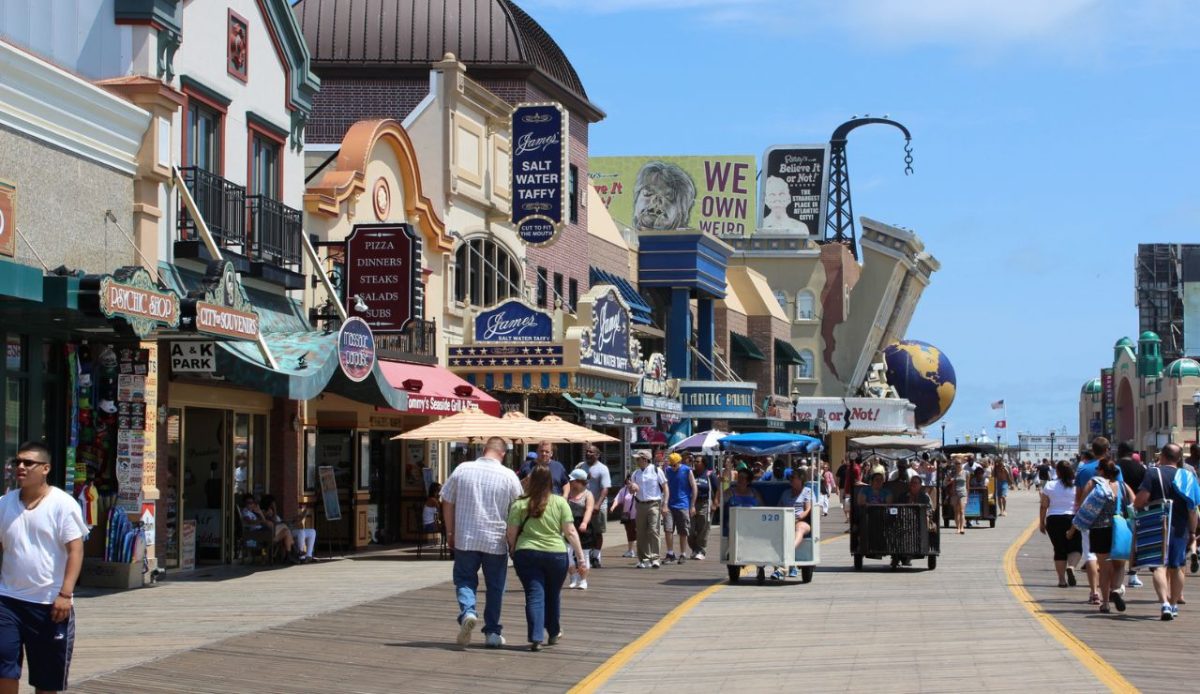
Atlantic City remains one of America’s best-known boardwalk destinations, and its history gives it unusual staying power. The boardwalk first opened in 1870, and the city still feels shaped by that long shoreline culture. Wide ocean views, souvenir shops, snack stands, and major landmarks keep the setting tied to the classic summer experience many families remember.
Its nostalgic pull comes from scale. Atlantic City feels bigger and louder than many beach towns, with enough motion and spectacle to make a simple walk feel like an event.
That is part of why travelers keep returning. The city still delivers the boardwalk formula in a bold, unmistakable way, and for many visitors, that familiar excess is exactly what makes it memorable.
2. Wildwood, New Jersey
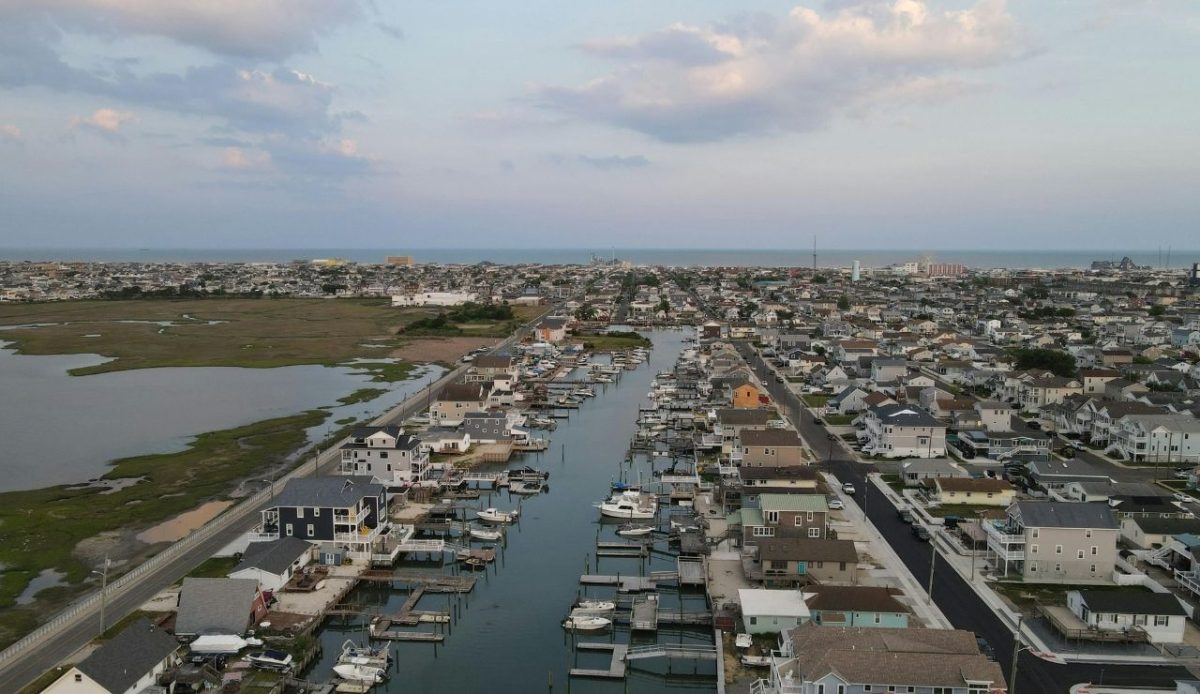
Wildwood still captures the oversized boardwalk energy many people associate with shore vacations in the 1990s. Its famous boardwalk stretches for 38 blocks and stays packed with amusement piers, arcades, shops, snack counters, and the bright visual noise that makes a seaside town feel most alive after dark.
The appeal has always been abundance. In Wildwood, there is usually another ride, another game booth, another frozen treat, and another reason to keep walking instead of heading back to the room.
That atmosphere is why the town still lands so well with returning visitors. Wildwood has preserved the busy, family-friendly, slightly over-the-top mood that made classic boardwalk trips feel exciting in the first place.
3. Ocean City, Maryland
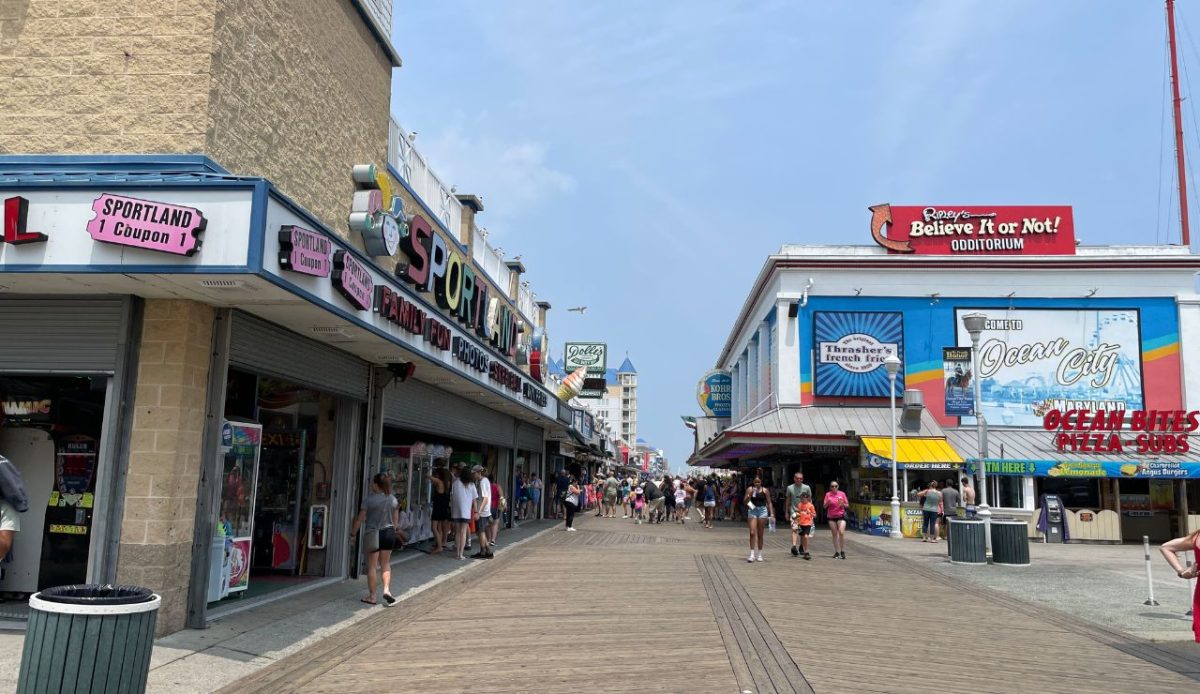
Ocean City, Maryland, still offers the kind of beach trip that feels easy to fall into. Its boardwalk remains one of the town’s defining attractions, with food stops, shops, and amusements woven into a layout that moves naturally between the sand and the street. It is a place where the day seems to organize itself.
That matters for nostalgia. Many 1990s family vacations worked because they were simple, repeatable, and full of small routines like bike rides, arcade stops, and evening walks.
Ocean City still supports that pattern. Travelers returning now often find that the boardwalk does not need to be reinvented to stay appealing. Its strength is that it still gives a beach vacation clear rhythm without making it feel overplanned.
4. Santa Cruz, California
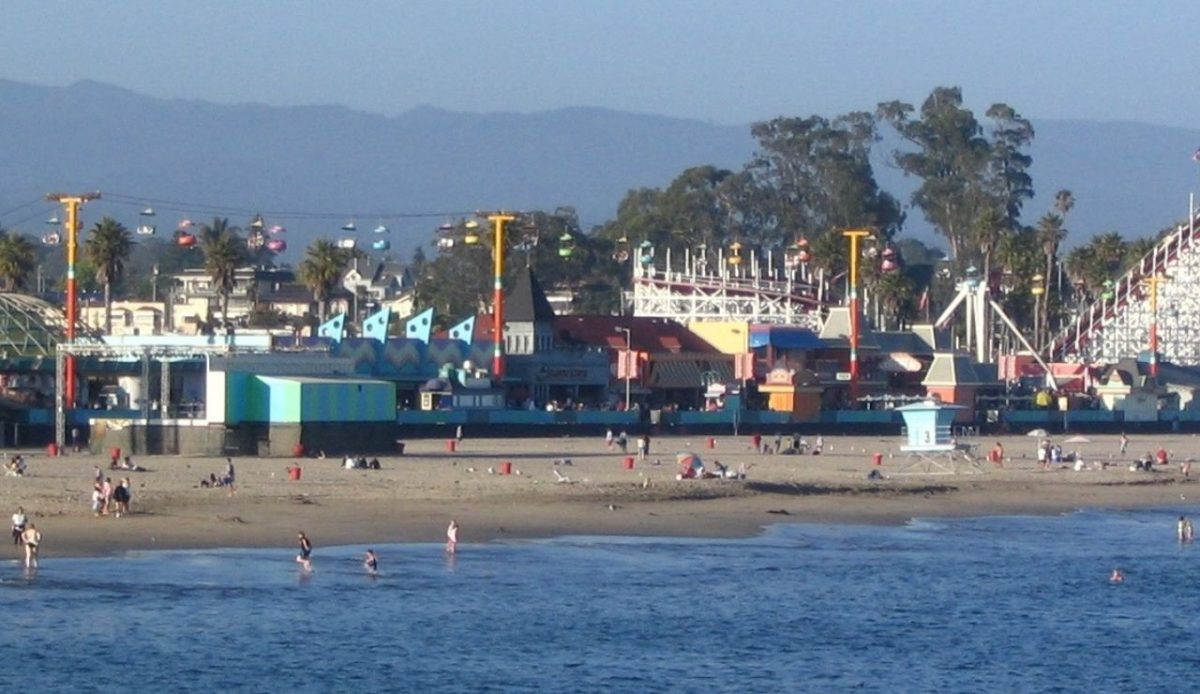
Santa Cruz offers a West Coast version of boardwalk nostalgia that feels intact. The Santa Cruz Beach Boardwalk traces its roots to the nineteenth century and has been family-owned and operated since 1907. That history gives the place a lived-in feel, with the beach, rides, and promenade working together as one public space.
For visitors, the appeal is straightforward. The setting still supports the older idea of a full seaside outing built around walking, watching, snacking, and choosing a few rides rather than racing through an itinerary.
That is why Santa Cruz remains easy to rediscover. It still feels lively, accessible, and slightly old-school, proving that classic beach entertainment can stay relevant without losing its character.
5. Rehoboth Beach, Delaware
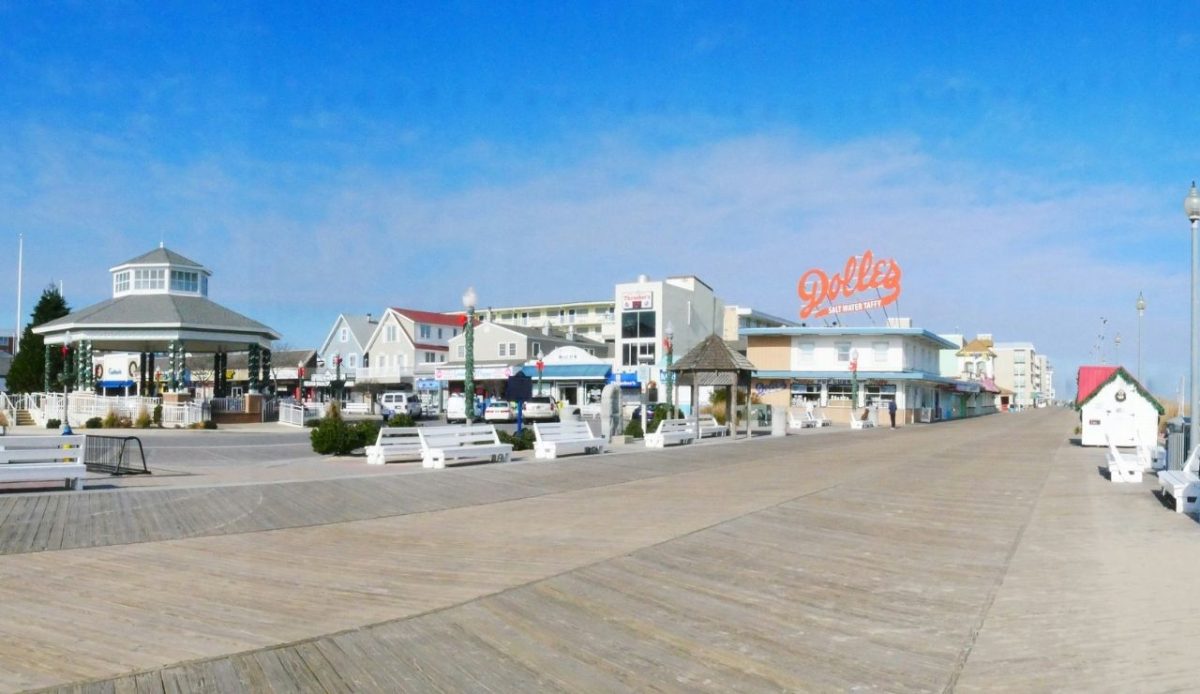
Rehoboth Beach has a smaller, easier scale than some of the country’s bigger boardwalk towns, and that is part of its charm. The city describes its mile-long beach and boardwalk as its star attractions, and the layout makes it easy to move between the water, food stops, shops, and evening walks without much effort.
That compact rhythm helps explain why the town stays in people’s memories. In the 1990s, many family beach trips were built around places where everything felt close and manageable, and Rehoboth still offers that convenience.
People rediscovering it now often respond to exactly that mood. Rehoboth does not need a constant spectacle. Its appeal comes from familiarity, pace, and a boardwalk atmosphere that rewards slowing down.
6. Coney Island, New York
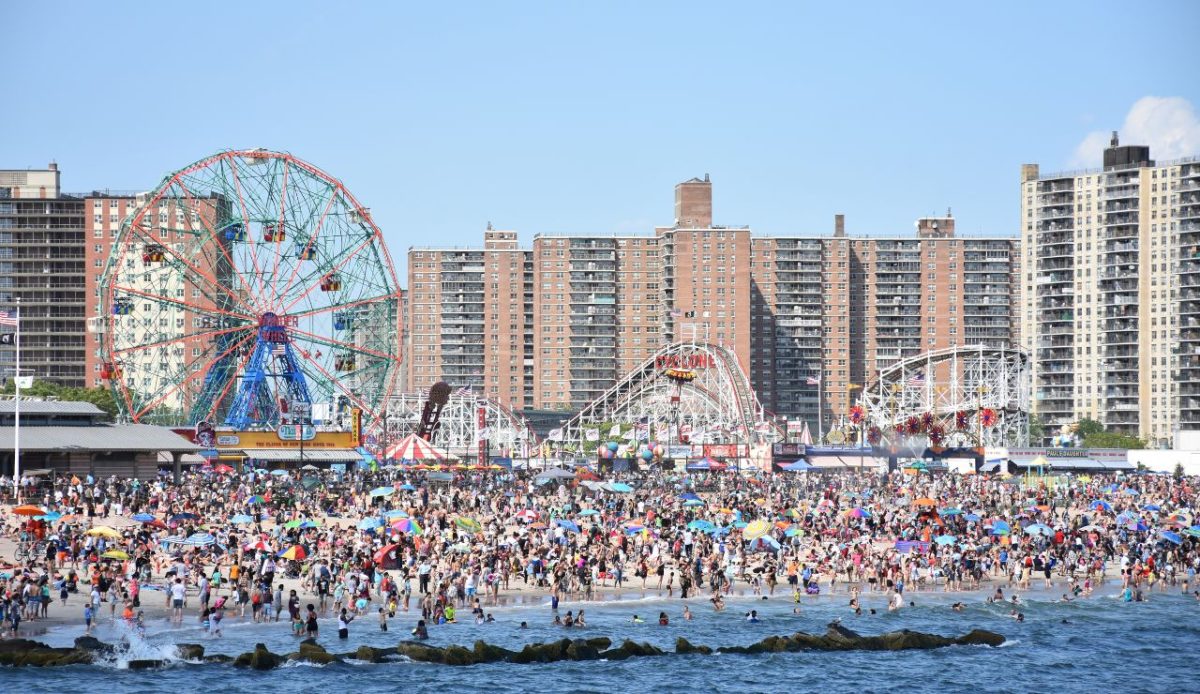
Coney Island remains one of the country’s best-known seaside districts, and that legacy still shapes the experience. Luna Park describes it as New York City’s most famous playground, with a heritage stretching back more than 120 years. The boardwalk, rides, food stands, and steady movement of crowds still make it feel bigger than a standard beach stop.
That larger-than-life quality is central to its nostalgia. Coney Island has long felt like part amusement zone and part public ritual, which gives it a stronger identity than many newer waterfront areas.
Visitors return because that personality is there. It remains noisy, visual, and unmistakably itself, which is exactly what many nostalgic destinations need to feel worth revisiting.
7. Virginia Beach, Virginia
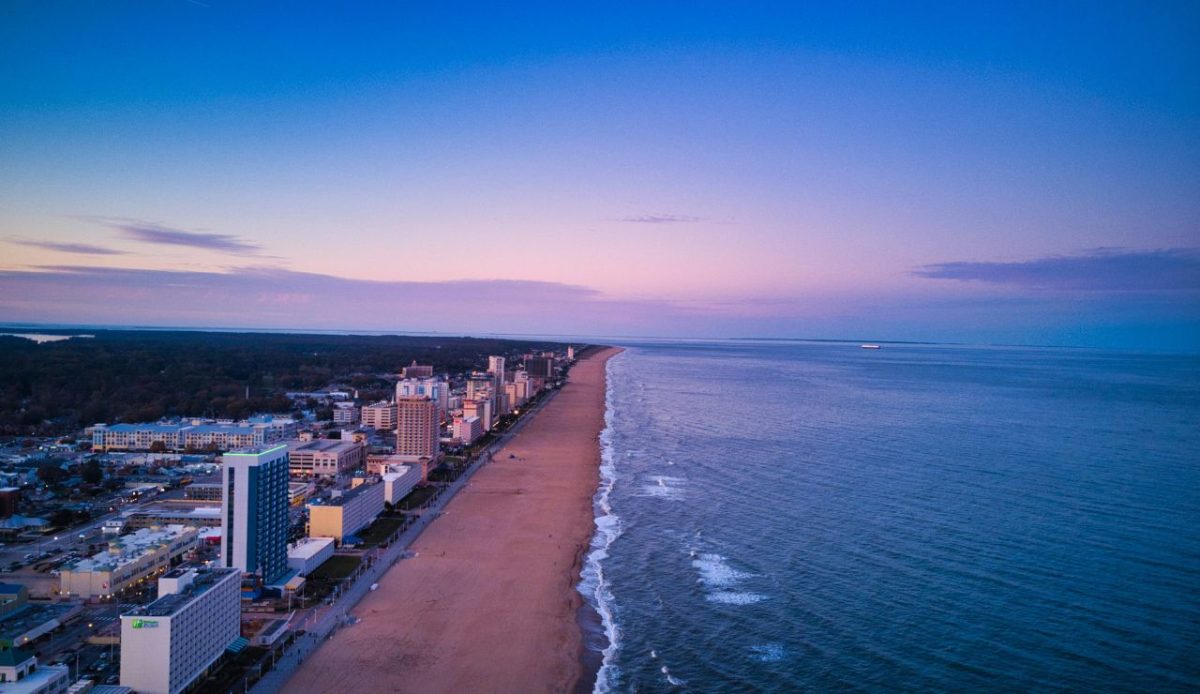
Virginia Beach offers a broader, open boardwalk experience than many older resort towns. The oceanfront boardwalk still anchors the area, supporting sunrise walks, bike rides, dining stops, and evening entertainment along the water. That setup helped make the destination a familiar choice for family vacations in the late twentieth century.
Its nostalgia is rooted less in carnival energy and more in routine. The pleasure comes from having room to move, scenery that encourages lingering, and enough activity to fill the day without making it hectic.
That balance works. Travelers rediscovering Virginia Beach often find that it delivers the classic boardwalk ingredients in a calmer, more relaxed form that suits different ages and styles.
8. Myrtle Beach, South Carolina
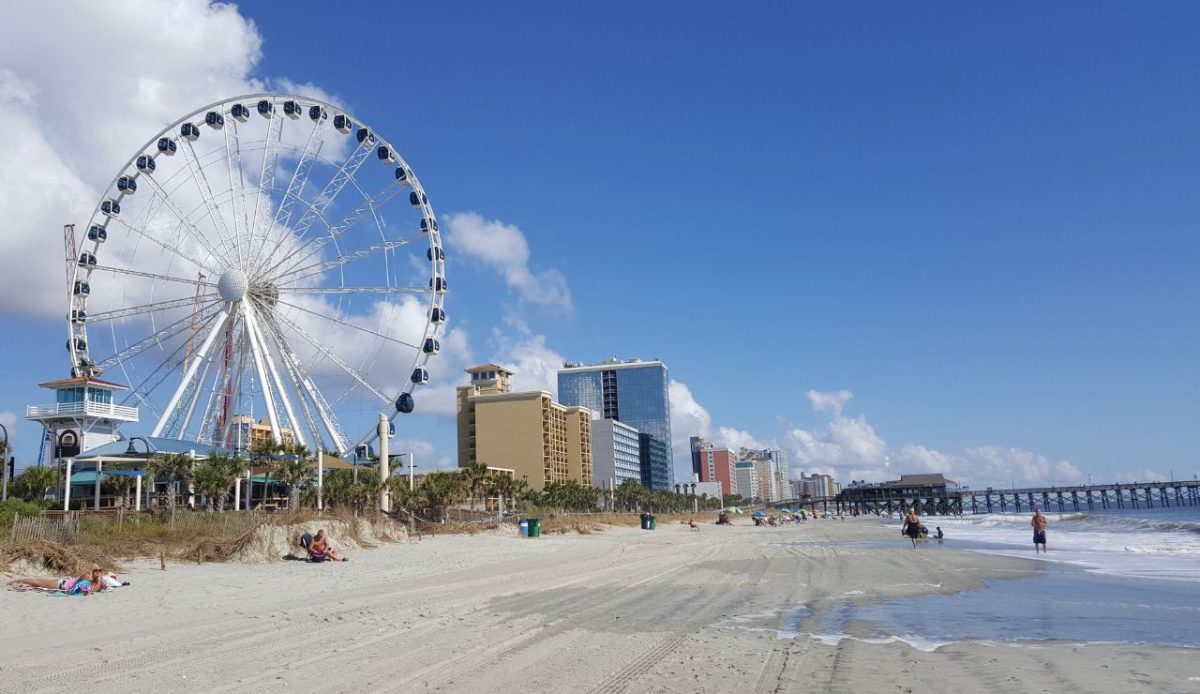
Myrtle Beach keeps drawing travelers who want a classic beach vacation with a larger resort feel. Its oceanfront boardwalk and promenade stretch for 1.2 miles, combining sea views with shops, restaurants, and easy access to downtown attractions. That mix helped make the area a fixture of family travel during the 1990s.
The nostalgia here comes from familiarity. Myrtle Beach has long offered a trip where beach time flows naturally into arcade-style fun, snacks, souvenirs, and a casual evening stroll.
That formula still holds up. Americans returning now often find that Myrtle Beach remains easy to understand and easy to enjoy. It is bigger and busier than some older boardwalk towns, but the core experience still feels classic.
9. Ocean City, New Jersey
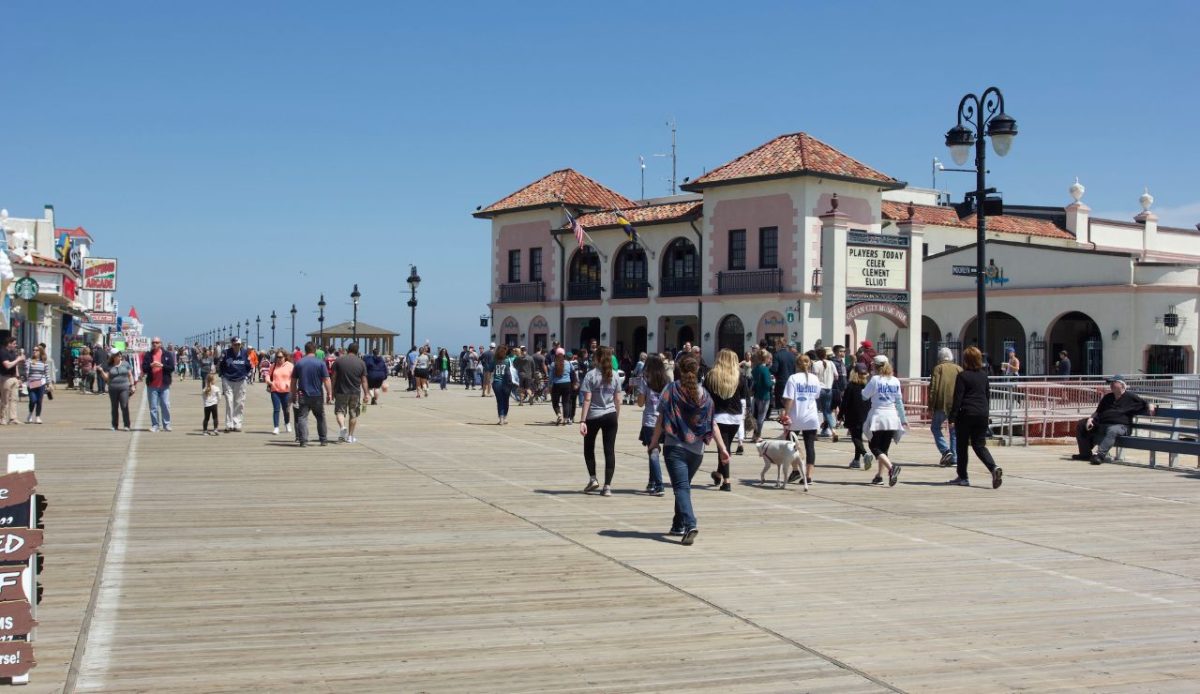
Ocean City, New Jersey, still leans into the classic idea of a family boardwalk town. The boardwalk remains closely tied to daily visitor life, with the Music Pier, beach access, amusements, and information services all gathered within easy reach. That closeness makes the town feel connected rather than spread out.
It also makes the place feel nostalgic. Many 1990s beach vacations revolved around towns where entertainment was easy to reach on foot, and Ocean City still preserves that practical, low-stress pattern.
That is why it remains so appealing to returning travelers. Ocean City does not need a dramatic reinvention. Its strength is consistency, with a boardwalk built for repeating the same simple summer rituals year after year.
10. Seaside Heights Boardwalk, New Jersey
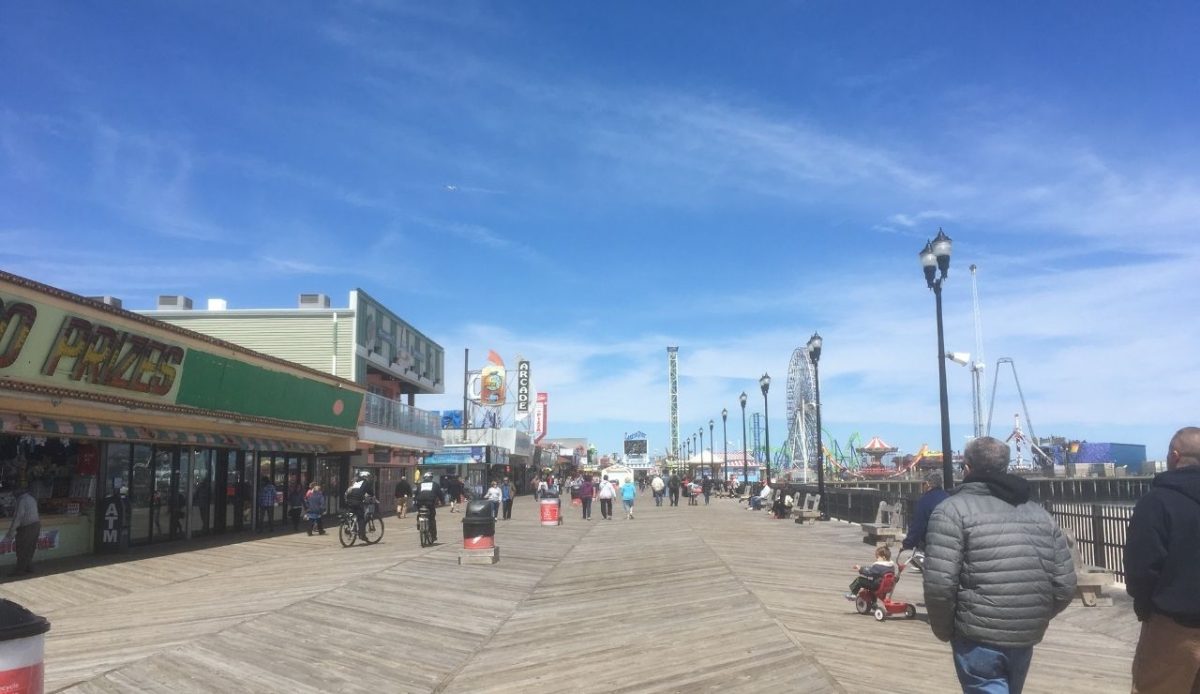
Seaside Heights keeps alive a louder, more playful side of the classic boardwalk town. The official tourism site still calls it a classic American boardwalk, and the area continues to revolve around beach access, rides, games, music nights, and a dense collection of casual attractions. It feels built for movement and late summer evenings.
Its nostalgic appeal comes from refusing to smooth out that personality. Seaside Heights still embraces the funfair side of the shore, where strolling and snacking matter as much as time spent in the water.
That is why people return. For travelers who miss boardwalk towns with extra flash and energy, Seaside Heights still offers a direct, familiar, and unapologetically summery version of the coast.
11. Mission Beach, California
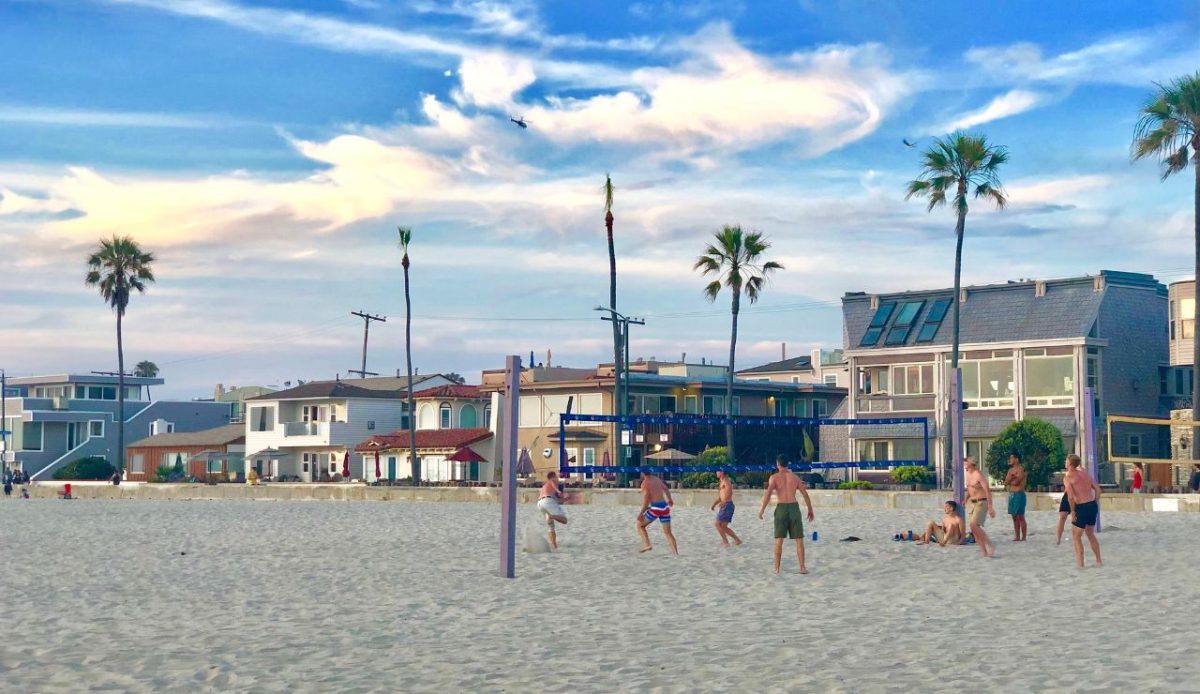
Mission Beach shows how boardwalk nostalgia can thrive in a more casual California setting. The area sits beside Belmont Park and a long oceanfront path that links Mission Beach with Pacific Beach, creating a place where walking, biking, skating, and beachgoing all blend together. It feels open, social, and easy to enter.
That ease is what makes it memorable. People move through the area at a relaxed pace, stopping for coffee, watching surfers, or simply following the shoreline until the evening takes over.
Travelers rediscovering Mission Beach are often responding to that simplicity. It recreates an older summer mood without trying too hard, showing that a boardwalk does not need carnival intensity to feel nostalgic.
12. Daytona Beach, Florida
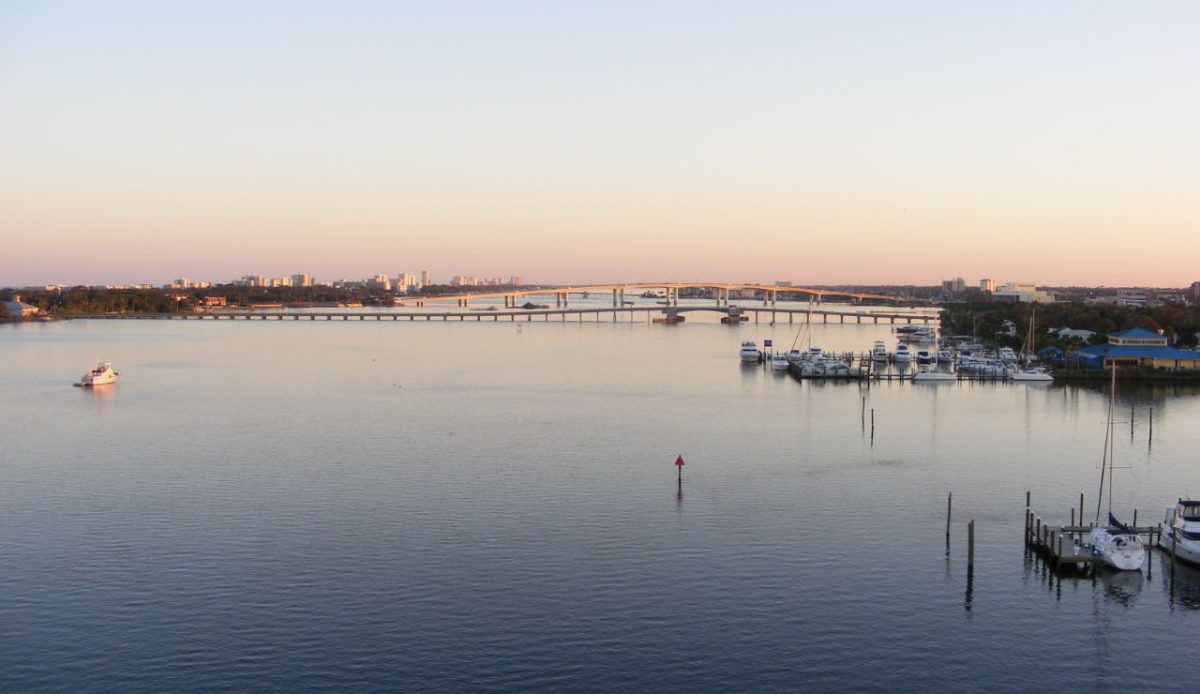
Daytona Beach still carries the broad, family-friendly vacation energy that made it memorable decades ago. The Boardwalk and Pier area remains a hub for shops, snack bars, restaurants, classic arcade play, and nearby entertainment, all gathered around one of the city’s best-known oceanfront landmarks.
Its nostalgic strength is how easy the experience remains to read. You can walk, pause for games, watch the beach scene, and keep moving without needing much planning. That straightforward rhythm is a big part of what made boardwalk culture so durable.
For travelers returning now, Daytona still offers a familiar kind of coastal fun that feels public, approachable, and rooted in older summer habits rather than trends that come and go.
