
The Midwest is often perceived as straightforward, but many of its towns and cities are culturally complex, blending history, tradition, and modernity in ways that surprise visitors at every turn. From industrial roots to immigrant influences, each place carries unique stories and customs that can feel “hard to read” at first glance. Travelers discovering these areas often find a mix of architecture, festivals, local cuisine, and social quirks that reveal a complex regional identity. This article explores 12 Midwest destinations where cultural nuance rewards careful exploration and curious visitors.
1. Detroit, Michigan
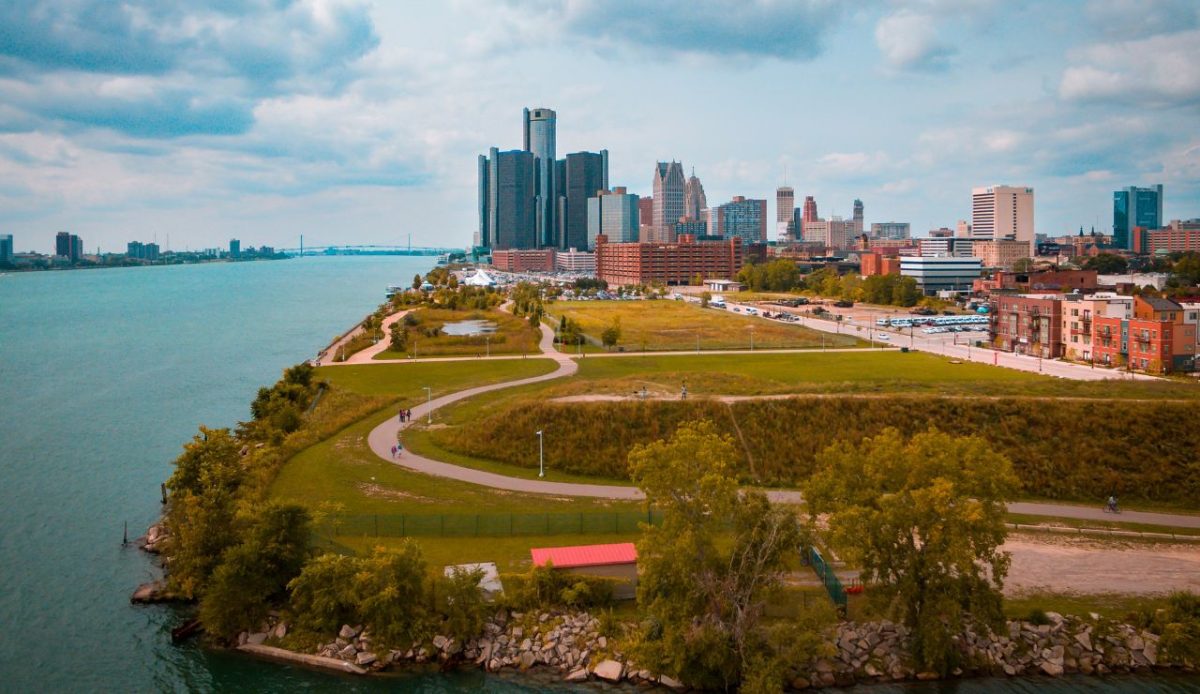
Detroit’s cultural complexity stems from its storied industrial history and resilient spirit, shaping a city that is both challenging and fascinating to explore. Once the heart of the American auto industry, Detroit blends abandoned factories with vibrant art scenes, hip neighborhoods, and culinary innovation. The music legacy, from Motown to techno, adds another layer of depth. Visitors may be surprised by both the city’s ongoing challenges and the remarkable creativity thriving here. Exploring Detroit requires curiosity to understand its social dynamics, historic transformations, and ongoing urban revival efforts.
2. St. Louis, Missouri
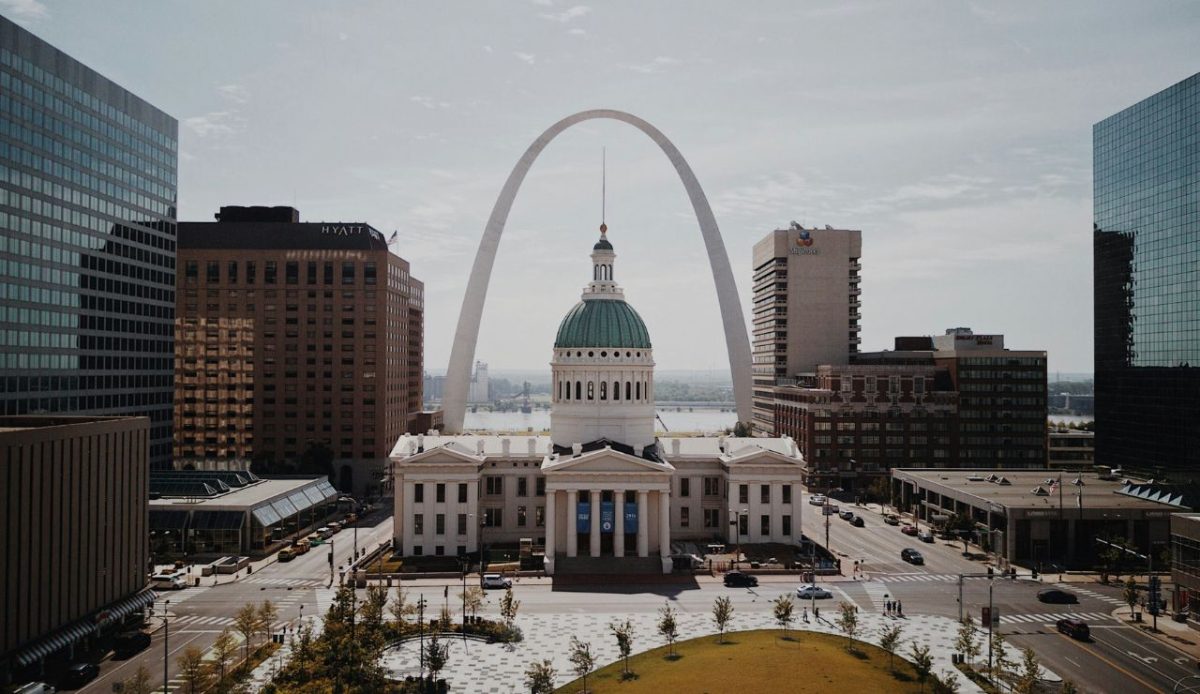
St. Louis presents a unique blend of Midwest charm and deep historical roots, shaped by the influences of French, German, and African American cultures. Its neighborhoods vary widely in architecture, culture, and socioeconomic dynamics. Visitors navigating the city might notice the contrast between iconic landmarks like the Gateway Arch and lesser-known districts full of local culture. From blues music venues to regional cuisine and community festivals, St. Louis’s layered identity requires attention to understand its social and historical complexities, rewarding travelers willing to explore beyond the tourist-friendly attractions.
3. Milwaukee, Wisconsin
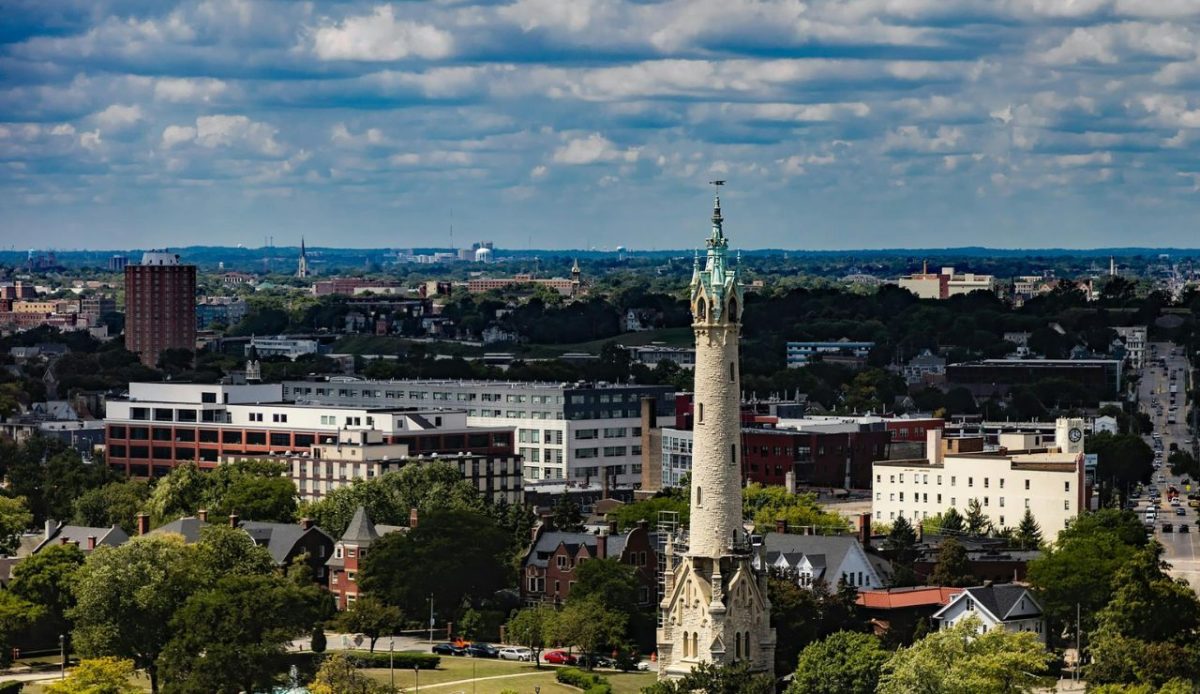
Milwaukee blends German immigrant traditions with a modern craft beer culture, producing a unique Midwestern mix. Its festivals, breweries, and lakefront attractions hint at its layered identity. Historic neighborhoods show shifts from manufacturing roots to artsy reinvention. Travelers may find the mix of old-world architecture, vibrant cultural events, and evolving food scenes both intriguing and difficult to immediately decipher. Exploring Milwaukee offers insight into the Midwest’s immigrant legacy, industrial transformation, and contemporary cultural trends, revealing a city full of subtle surprises.
4. Minneapolis, Minnesota
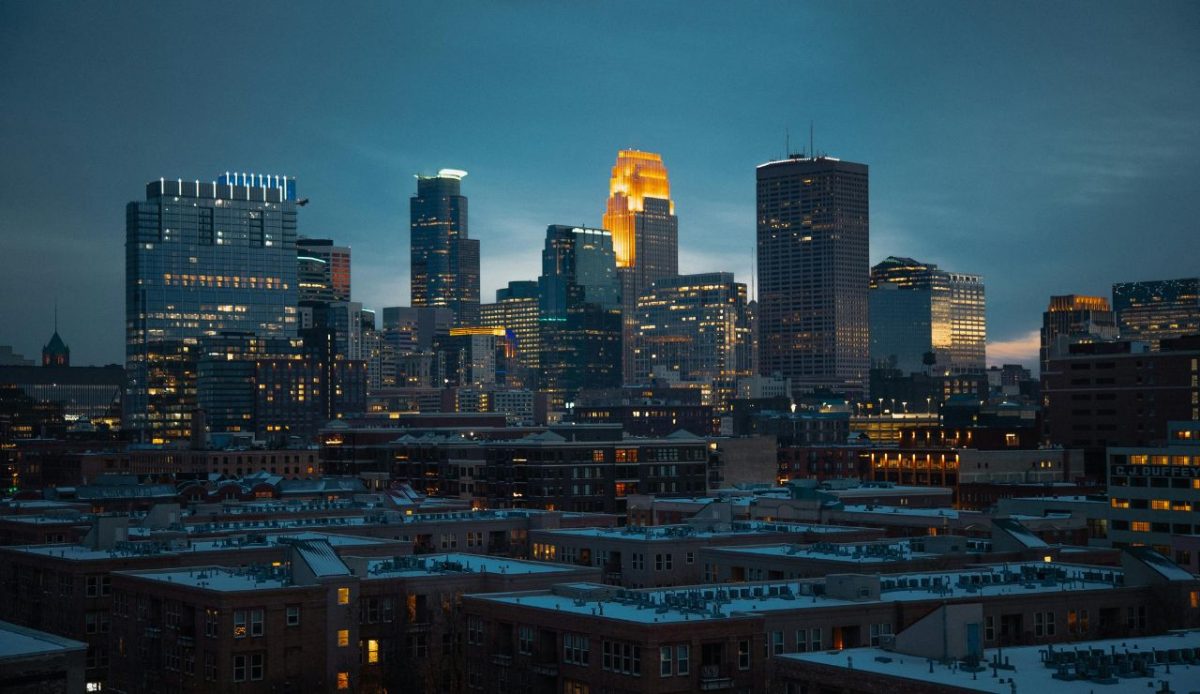
Minneapolis combines progressive urban culture with Midwestern sensibilities, producing a nuanced social environment. The city embraces arts, music, and theater, yet retains strong neighborhood identities shaped by immigration and historical development. Lakes, parks, and urban design contribute to the city’s layered personality. Travelers may notice contrasts between affluent districts and historically working-class neighborhoods, creating a mix that can feel complex at first. Minneapolis rewards visitors who engage with local culture, explore its creative scene, and consider the city’s social and historical dynamics.
5. Cleveland, Ohio
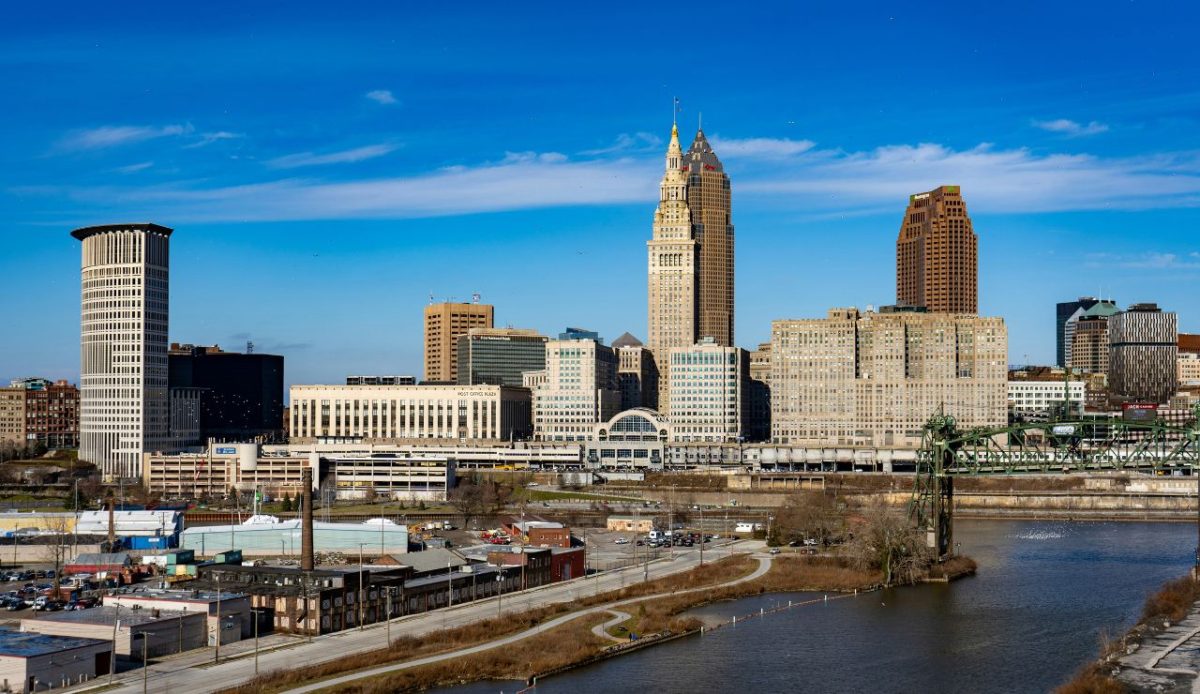
Cleveland offers an intricate cultural landscape shaped by industrial heritage and immigrant communities. Its museums, music scene, and sports traditions coexist with neighborhoods facing ongoing revitalization. From Little Italy to diverse ethnic enclaves, the city presents contrasts that challenge initial impressions. Travelers may be surprised by the resilience and creativity thriving amid transformations. Understanding Cleveland’s identity requires attention to both history and present-day arts, community initiatives, and urban development, making it a Midwest city that feels culturally layered.
6. Kansas City, Missouri
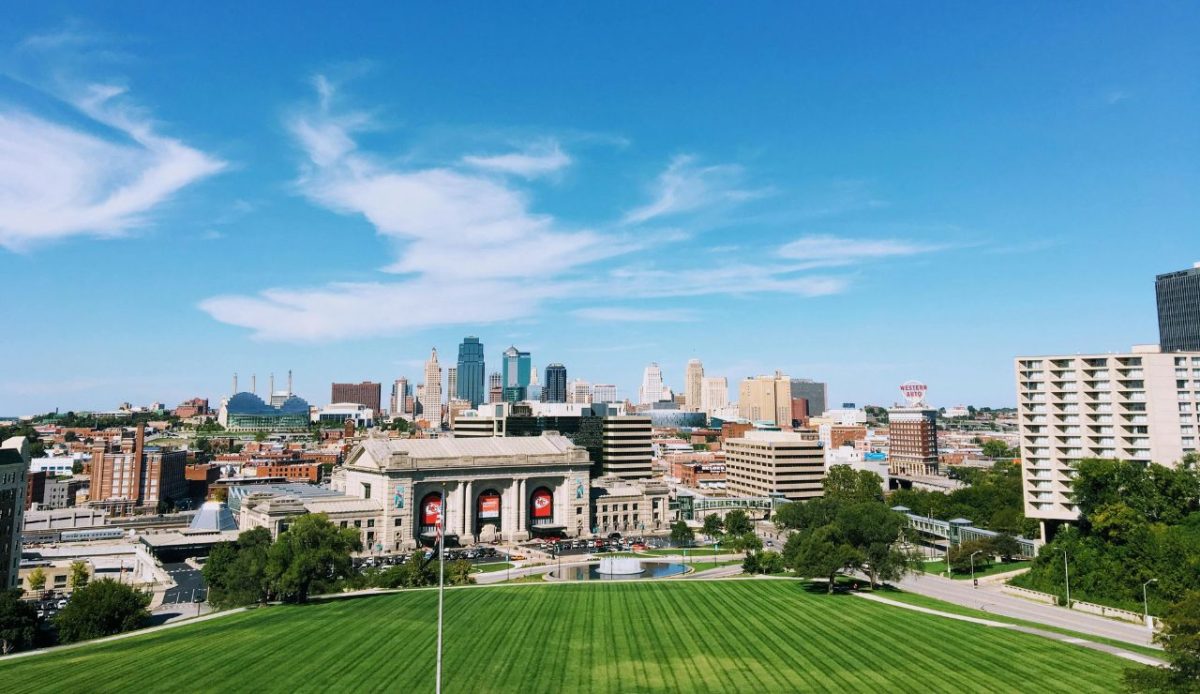
Kansas City straddles Missouri and Kansas with a rich cultural tapestry influenced by jazz, barbecue, and Midwestern pragmatism. Its neighborhoods reflect deep-rooted communities and evolving urban landscapes. Travelers may find the city’s charm in subtle details: music venues, historic architecture, and culinary traditions. Contrasts between residential, downtown, and entertainment districts can feel complex. Engaging with locals, exploring alleys, and attending events helps visitors understand the city’s identity and appreciate the multi-layered social, historical, and artistic influences that make it culturally compelling.
7. Chicago, Illinois
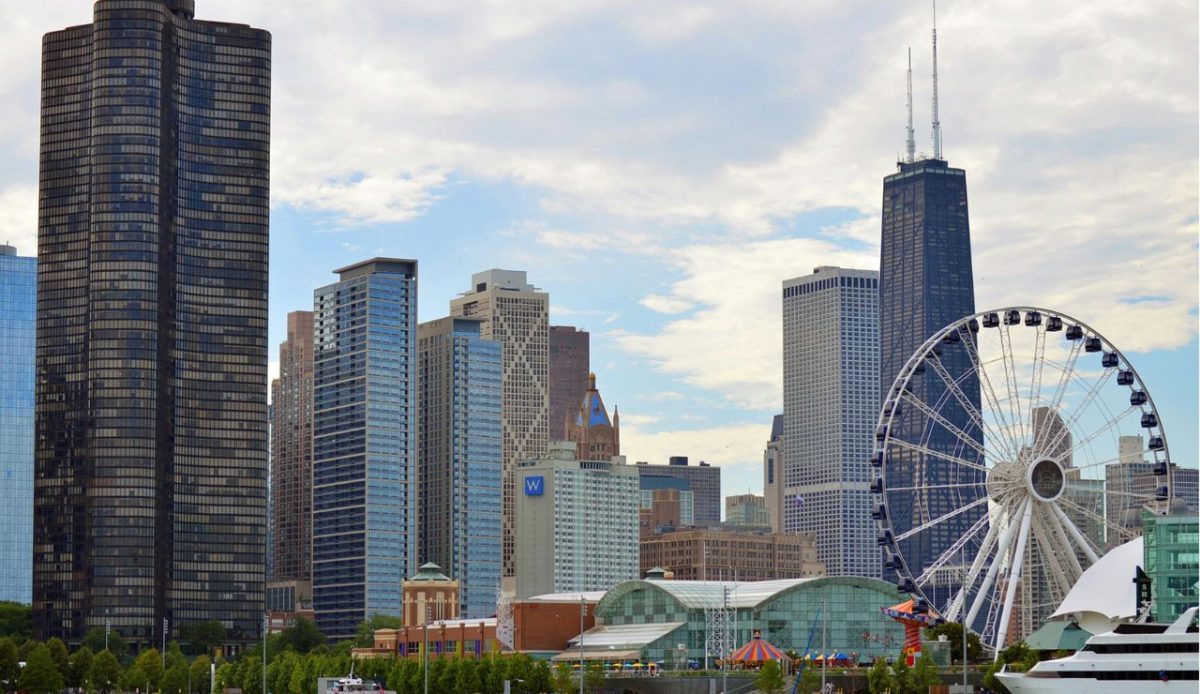
Chicago is a sprawling metropolis of cultural diversity, economic contrasts, and historic significance. Neighborhoods differ dramatically in ethnicity, architecture, and socioeconomic character. Tourists often focus on Millennium Park or the Loop, missing the nuanced cultural experiences in areas like Pilsen, Hyde Park, or Bronzeville. The city’s culinary, music, and arts scenes reflect a century of immigration, industry, and innovation. Understanding Chicago requires a willingness to explore its diverse neighborhoods, historical layers, and vibrant local communities, making it a Midwest city rich in complexity and subtle cultural depth.
8. Indianapolis, Indiana
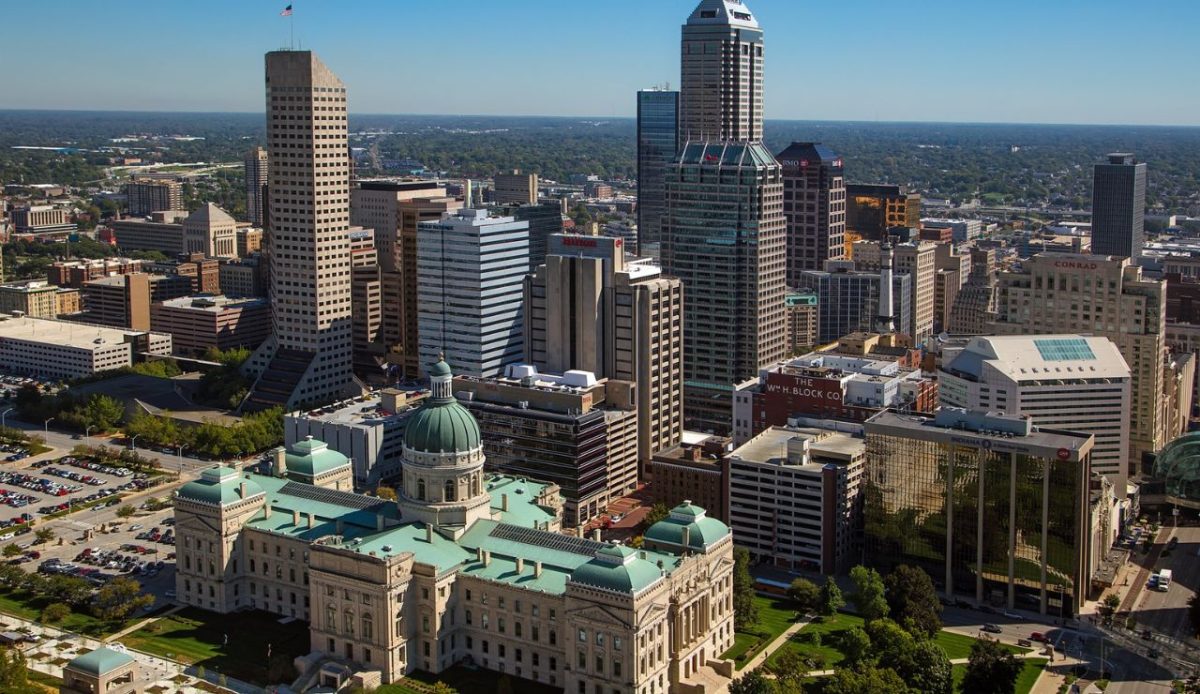
Indianapolis blends sports culture with Midwestern industry and a growing arts scene. Downtown events, motor racing traditions, and museum experiences coexist with residential neighborhoods shaped by decades of migration and economic change. Travelers might find the mix of civic pride, local festivals, and historical landmarks intriguing yet initially puzzling. The cultural complexity emerges through subtle cues, regional cuisine, arts initiatives, and community engagement that reveal Indianapolis’s identity beyond the surface. Exploring with attention uncovers layers that make it a culturally rich and surprising Midwestern city.
9. Toledo, Ohio
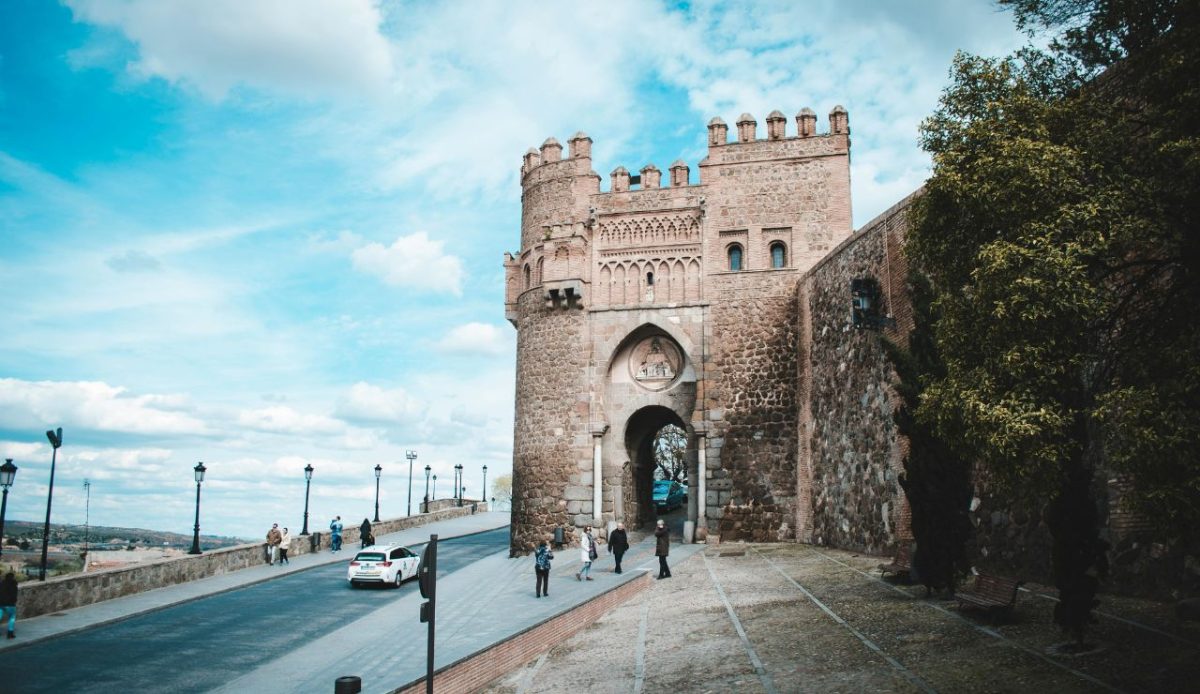
Toledo sits at the edge of the Midwest, blending industrial history with arts and natural beauty along the Maumee River. Its historic neighborhoods, local culinary spots, and cultural institutions reflect immigrant legacies and economic shifts. Travelers might find its contrasts, between downtown redevelopment and residential districts, hard to immediately grasp. Museums, local festivals, and small business hubs provide glimpses into community identity. Toledo’s subtle cultural layering rewards curious travelers who look beyond the city’s industrial past to appreciate its evolving urban narrative and hidden Midwestern charm.
10. Grand Rapids, Michigan
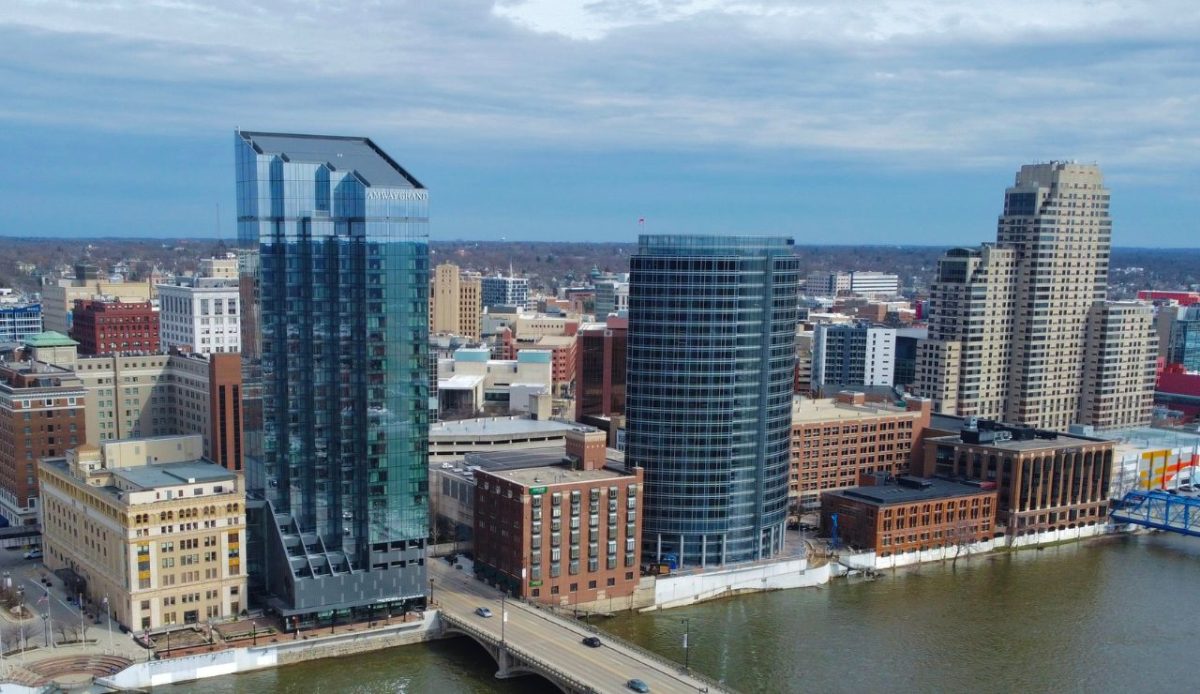
Grand Rapids is known for its furniture manufacturing history, but it surprises visitors with a thriving art scene, craft beer culture, and festivals like ArtPrize. Its neighborhoods vary from historic homes to modern developments, showing layers of cultural evolution. Travelers may find the city’s identity complex, as industrial heritage coexists with contemporary creative expression. Exploring galleries, breweries, and local events reveals how Grand Rapids balances tradition with innovation. This nuanced mix makes it a Midwest city that feels culturally intricate and offers a rewarding experience for those willing to engage deeply.
11. St. Paul, Minnesota
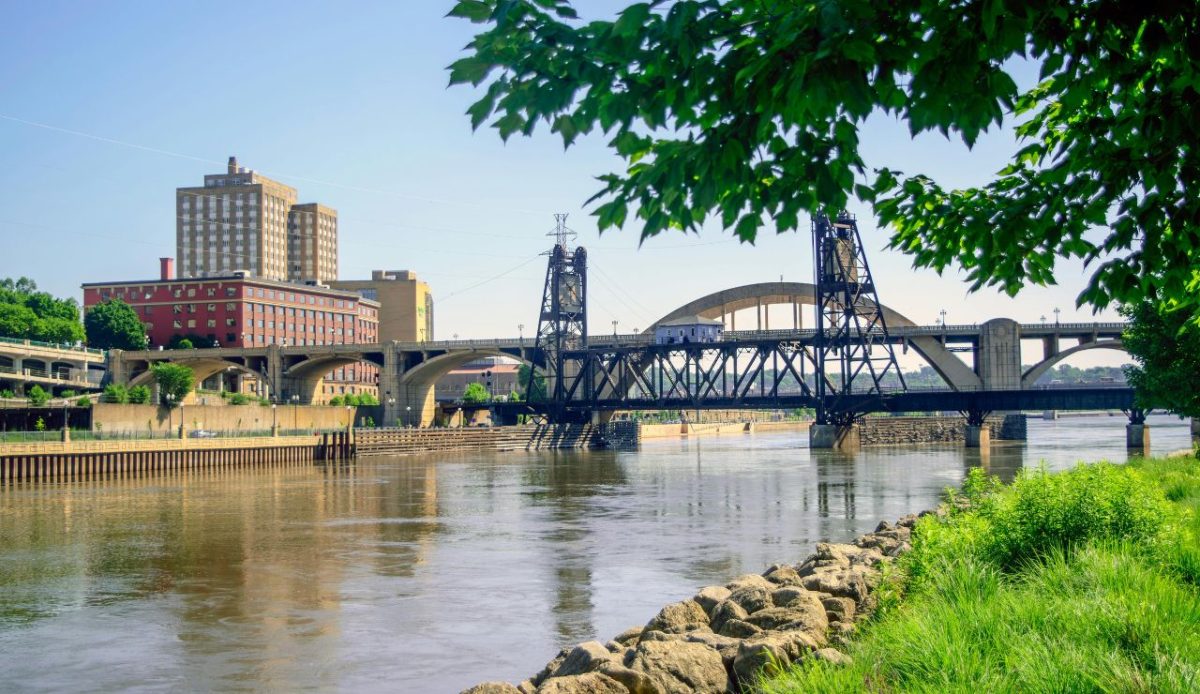
St. Paul offers a quieter, historically rich complement to Minneapolis, with Victorian architecture, cultural institutions, and community festivals. Its ethnic neighborhoods reflect waves of immigration, shaping local cuisine, music, and arts. Travelers may initially find the city’s subtleties, such as civic pride, local rituals, and historical context, hard to read. From the State Capitol to hidden coffee shops and theater venues, St. Paul provides cultural depth that rewards exploration. Understanding its layered identity requires curiosity and attention to both historical and contemporary aspects of Midwestern life.
12. Omaha, Nebraska
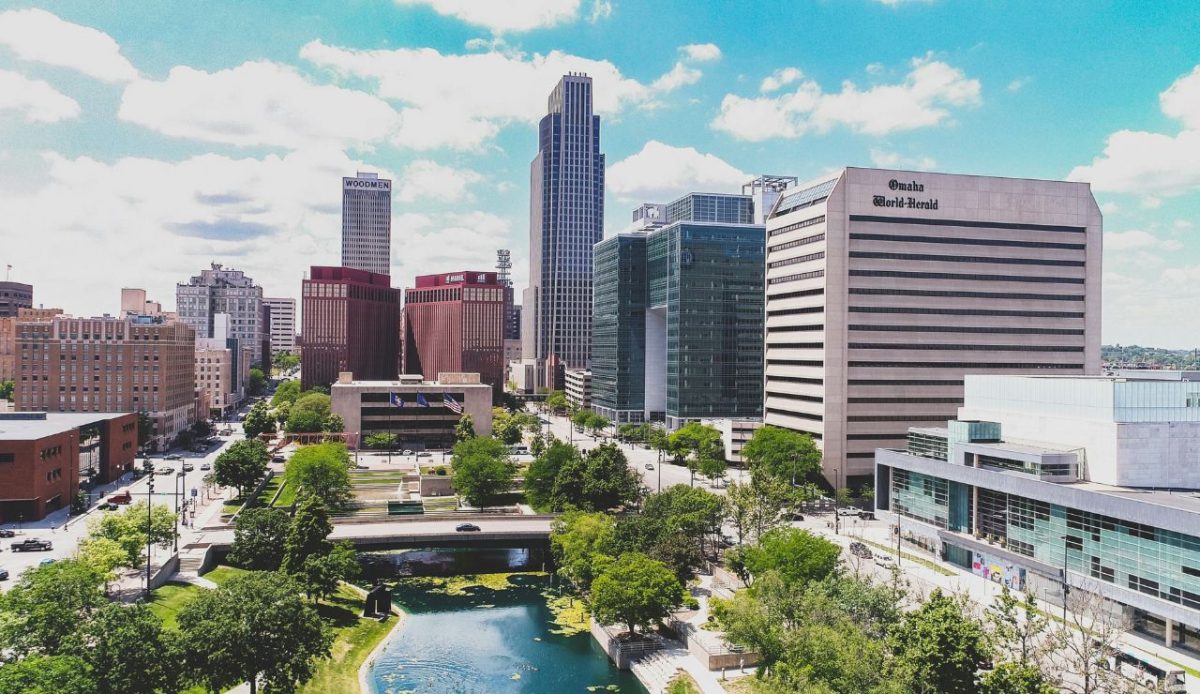
Omaha balances a historic riverfront with modern growth, reflecting its industrial and immigrant past. Its neighborhoods vary in architecture, arts, and social fabric. Travelers may notice contrasts between bustling downtown and quieter, culturally distinct districts. Museums, local music venues, and culinary traditions highlight the city’s diverse influences. Omaha’s cultural complexity can be subtle, requiring exploration to fully appreciate. Visitors who engage with local communities, attend events, and explore beyond main attractions uncover layers that make Omaha a culturally intriguing and nuanced Midwest destination.
