
Midwest trips can feel straightforward, major airports, big events, easy road routes, but safety planning still matters. Some large Midwest cities report higher levels of violent crime than many well-known international tourist areas, even as national trends shift year to year.
This guide isn’t about fear or labels. It’s a practical look at places where visitors should be more deliberate: choose neighborhoods carefully, time outings, and use local guidance.
Crime is not evenly spread inside any city. These notes focus on common visitor zones, typical risks like theft or car break-ins, and simple habits, rideshares, well-lit routes, and locked vehicles, that reduce exposure.
1. St. Louis, Missouri

St. Louis draws visitors for baseball, music, and riverfront history, but its crime picture is sharply neighborhood-driven. Recent years have kept the city in conversations about elevated violent crime, even while some categories fluctuate.
For travelers, the bigger day-to-day risk is often opportunistic: car break-ins near attractions, theft around nightlife, and incidents clustered after dark. Knowing which blocks change quickly matters more here than in many downtowns.
Stick to trusted corridors, avoid isolated parking lots, and don’t leave bags in a car “for a minute.” Ask your hotel which routes are best at night, and use rideshare if you’re hopping between districts.
2. Kansas City, Missouri
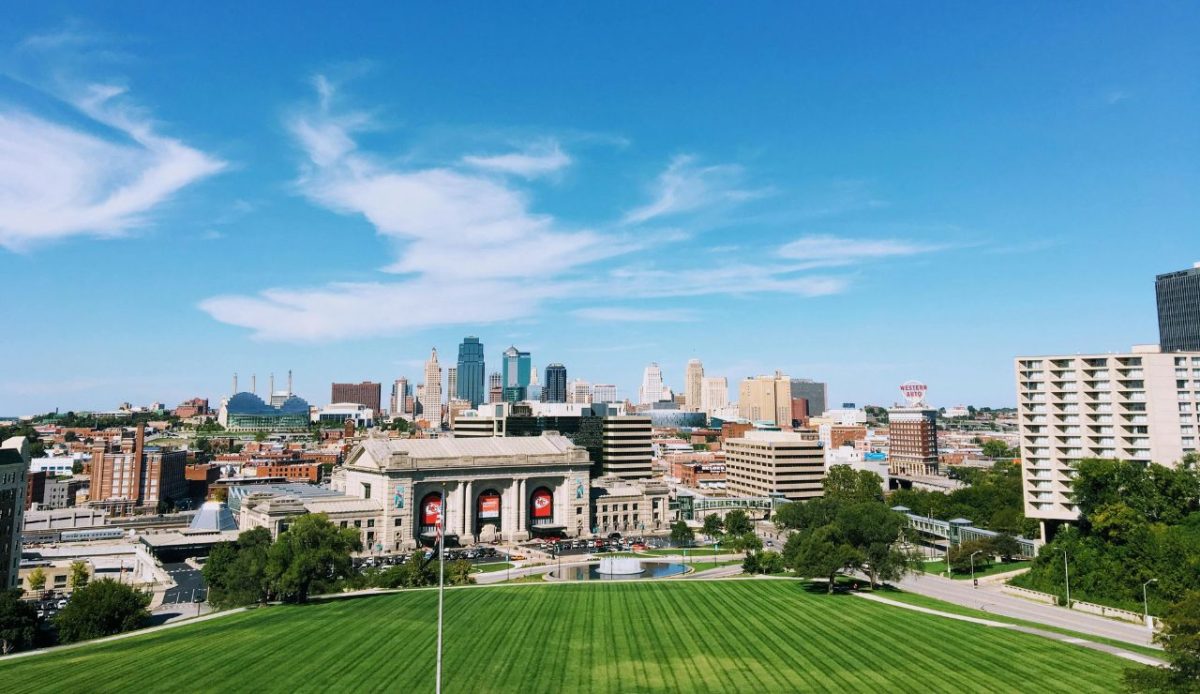
Kansas City’s barbecue and arts scene make it an easy weekend pick, yet parts of the metro see persistent gun violence and robbery. City data and national reporting have shown uneven progress, with safety varying block by block.
Visitors usually run into trouble around late-night entertainment areas, unlit side streets, and vehicle theft hotspots. Parking for stadium events and busy weekends can also attract smash-and-grab theft when crowds thin out.
Choose garages with attendants, keep phones out of hand while walking, and plan your return trip before closing time. If you’re exploring beyond the core, get local advice on which neighborhoods are visitor-friendly after sunset.
3. Milwaukee, Wisconsin
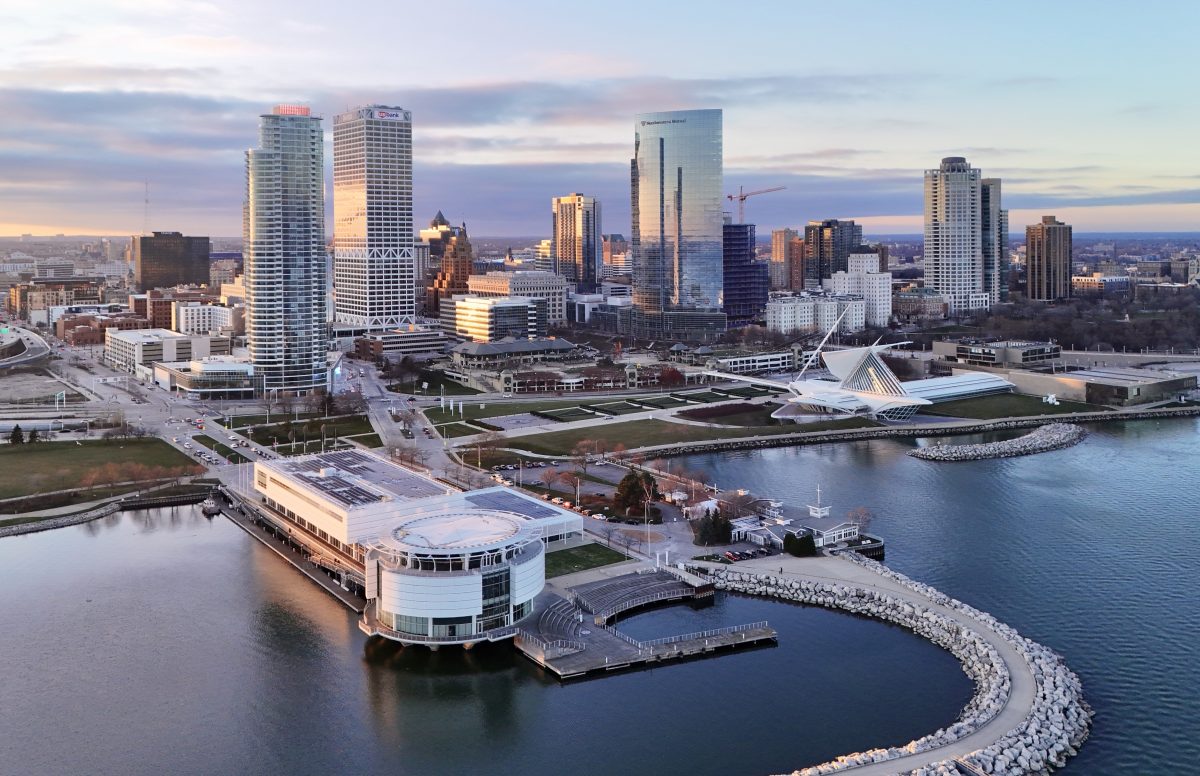
Milwaukee has lakefront views, festivals, and a compact downtown, but it also deals with high rates of assault and robbery compared with many peer cities. The safest experience depends on timing and where you wander.
Common traveler issues include theft near crowded bars, conflicts spilling out after big events, and car break-ins in lots that look convenient but sit off the main flow. Some areas can feel fine in daylight and change quickly late at night.
Stay on well-trafficked streets, keep your group together, and avoid shortcuts through empty blocks. Use hotel valet or monitored parking when possible, and if you’re unsure, take a rideshare instead of walking a long distance after dark.
4. Detroit, Michigan

Detroit’s turnaround story is real in parts of the city, new restaurants, sports, and riverfront upgrades, yet serious crime hasn’t disappeared. Recent reporting shows homicides have dropped, but risk still concentrates in specific neighborhoods.
For visitors, the repeat problems are vehicle theft, break-ins around parking areas, and occasional street robberies when people are distracted by phones or nightlife. Large events can be safe, but the gaps between districts are where travelers misjudge distances.
Plan routes that keep you on main corridors, park in staffed garages, and don’t leave anything visible in your car. If you’re exploring beyond downtown or Midtown, get a local recommendation and set a firm return time at night.
5. Cleveland, Ohio

Cleveland’s waterfront, Rock Hall, and sports weekends bring steady tourism, but the city’s crime map is uneven. Some districts feel busy and patrolled, while nearby areas can have higher rates of robbery and assault.
Travelers most often deal with theft tied to nightlife, parking-lot break-ins, and confrontations that flare late when bars close. Downtown can be calm early, then thin out fast, which makes lone walking feel riskier than expected.
Keep plans tighter at night: pick one area, use a rideshare between stops, and avoid wandering to “find another spot.” Lock doors immediately after parking, and treat any poorly lit lot as a sign to move on.
6. Indianapolis, Indiana
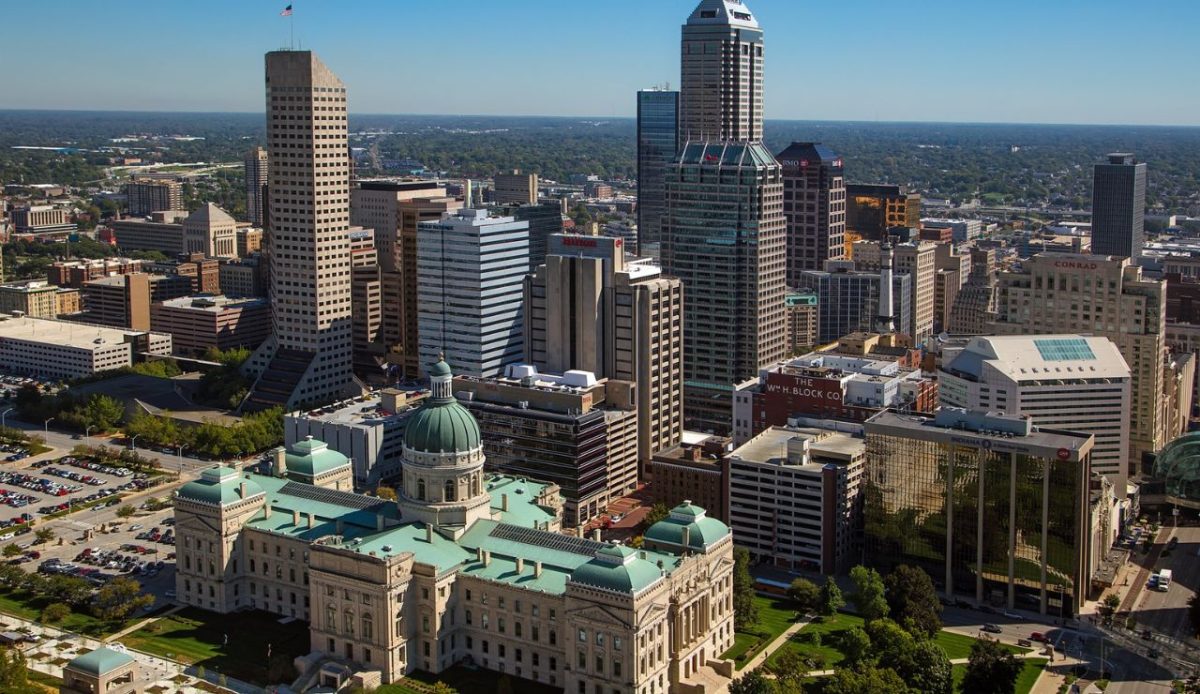
Indianapolis hosts major conventions and sports events, but it has also seen spikes in shootings and car theft in recent years. Safety can shift quickly outside the event bubble, especially after midnight.
Visitors tend to get caught by convenience: walking farther than planned, waiting alone for rides, or leaving valuables in cars during quick stops. Areas near nightlife can see robbery attempts when crowds disperse.
Stay close to well-lit main streets, keep wallets and phones secured, and set pickup points that are easy to find without standing on a quiet corner. If you’re driving, favor garages over street parking and keep your itinerary simple after dark.
7. Chicago, Illinois
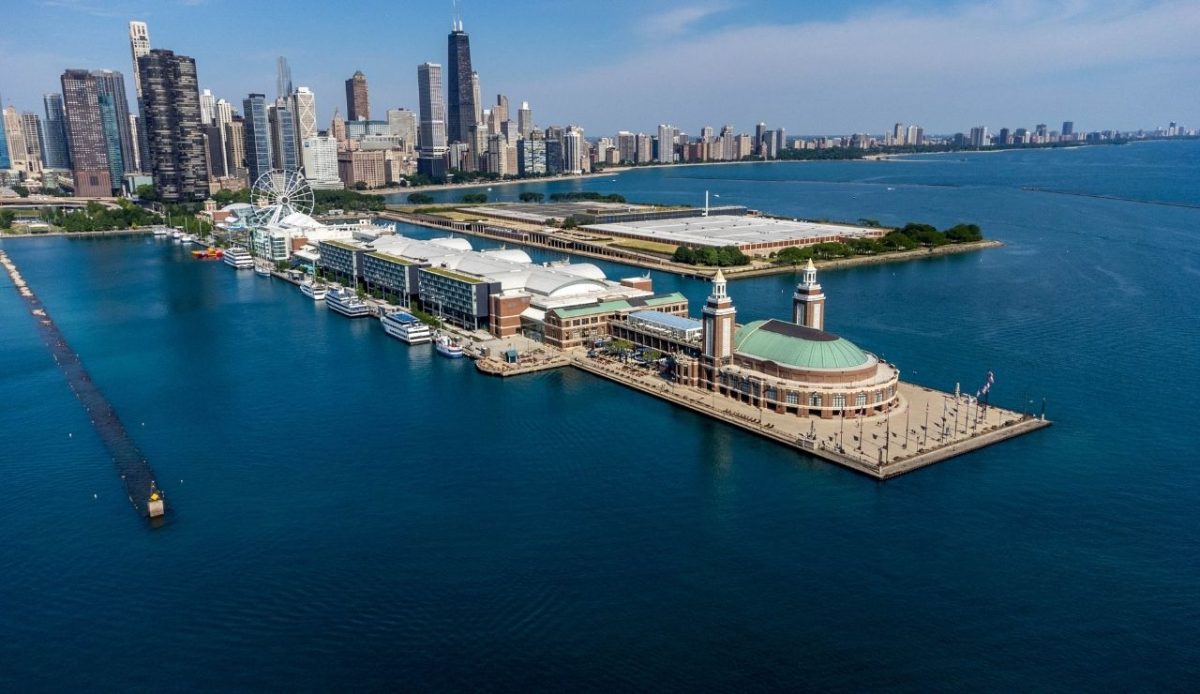
Chicago is a global city with huge visitor zones, and most trips center on areas that are busy and well-policed. At the same time, the city’s overall violence and theft patterns can surprise travelers who assume “downtown rules everywhere.”
Tourists most often face pickpocketing, phone snatches, and car break-ins near popular spots, plus occasional robberies on trains or quiet platforms late. Some neighborhoods have persistent gun violence that visitors shouldn’t drift into casually.
Use situational awareness on transit, keep bags zipped and close, and avoid flashing cash or expensive jewelry. Ask locals which lines and stations feel safer at night, and don’t treat a long walk as “fine” just because it is short on a map.
9. Minneapolis, Minnesota

Minneapolis offers museums, lakes, and an easy-to-navigate core, but recent years have brought higher concern about carjackings and robberies in parts of the city. Visitor comfort can depend heavily on the neighborhood and time.
Travelers most often run into theft around nightlife, break-ins near trailheads or parking lots, and occasional confrontations near transit corridors. The city can feel calm, which sometimes leads visitors to drop their guard.
Park in monitored areas, keep your car empty, and avoid leaving gear visible after outdoor activities. If you’re out late, move in a group, stick to busy streets, and use rideshare instead of waiting alone at a stop.
10. Columbus, Ohio
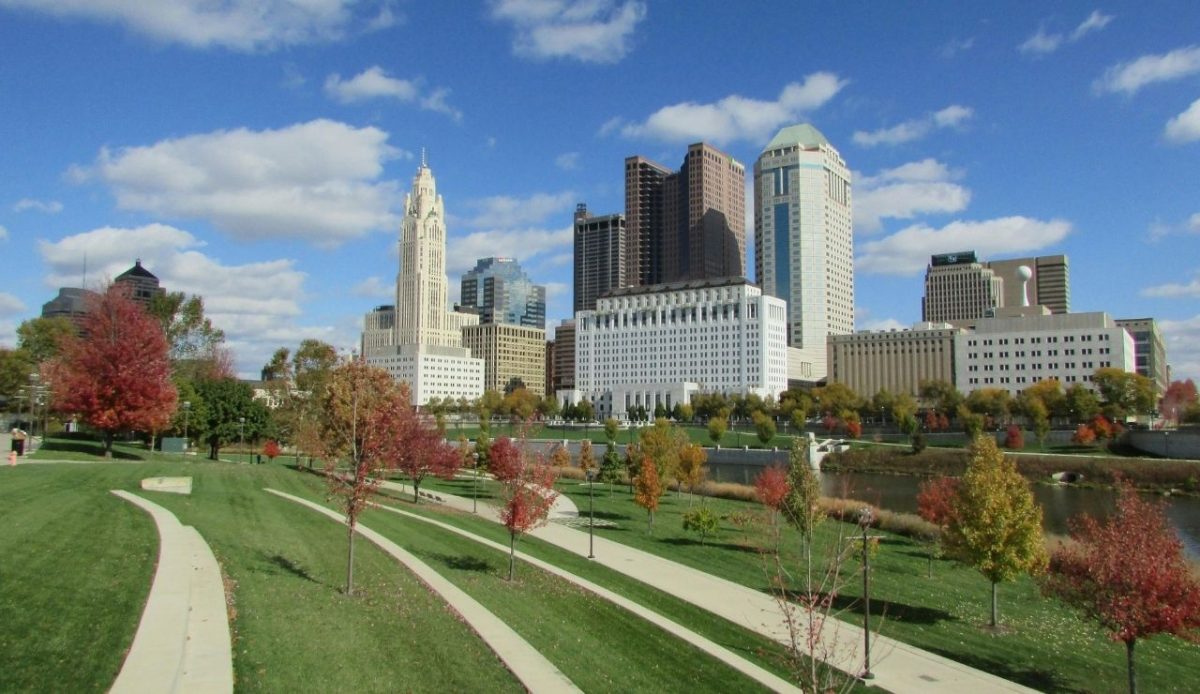
Columbus has a fast-growing downtown and a big campus energy, but parts of the city report rising incidents of robbery and vehicle-related crime. Like many metros, the risk profile changes quickly once you leave the main entertainment corridors.
Visitors often face theft around bars, parking garages, and crowded event nights, plus occasional street robberies targeting phones. Areas near highway ramps and poorly lit lots can be magnets for quick hit-and-run theft.
Keep your night contained to one district, pre-book rides, and avoid walking alone between separated hotspots. Don’t leave shopping bags in your car, even in a “nice” area, and check with locals about which streets to avoid after dark.
11. Cincinnati, Ohio
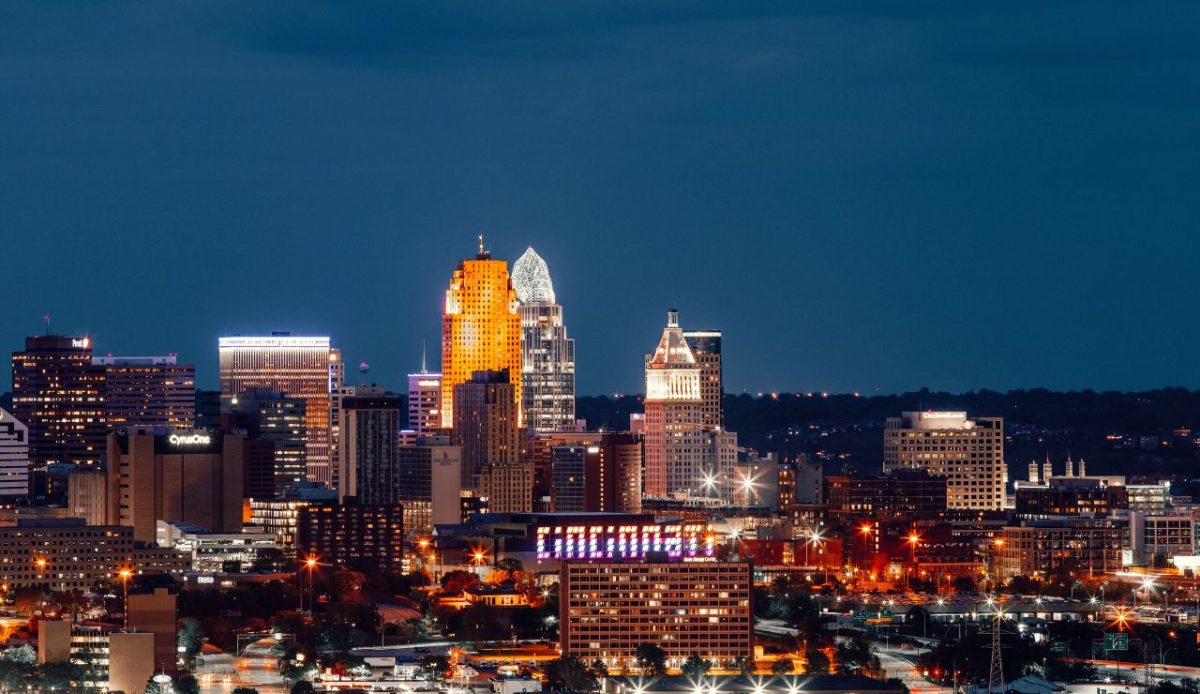
Cincinnati’s riverfront, breweries, and sports draw visitors year-round, yet some neighborhoods see higher levels of gun violence and robbery. Downtown and Over-the-Rhine can be lively, but safety depends on staying in the right pockets.
Most traveler problems are practical: theft near nightlife, car break-ins on side streets, and conflicts that start with small disputes outside bars. Walking from one district to another can take you through blocks that feel empty or unfamiliar fast.
Use well-known routes, avoid isolated shortcuts, and keep your phone out of sight when you’re scanning for directions. Choose secure parking and set a clear “last stop” so you’re not wandering while tired and distracted.
12. Omaha, Nebraska
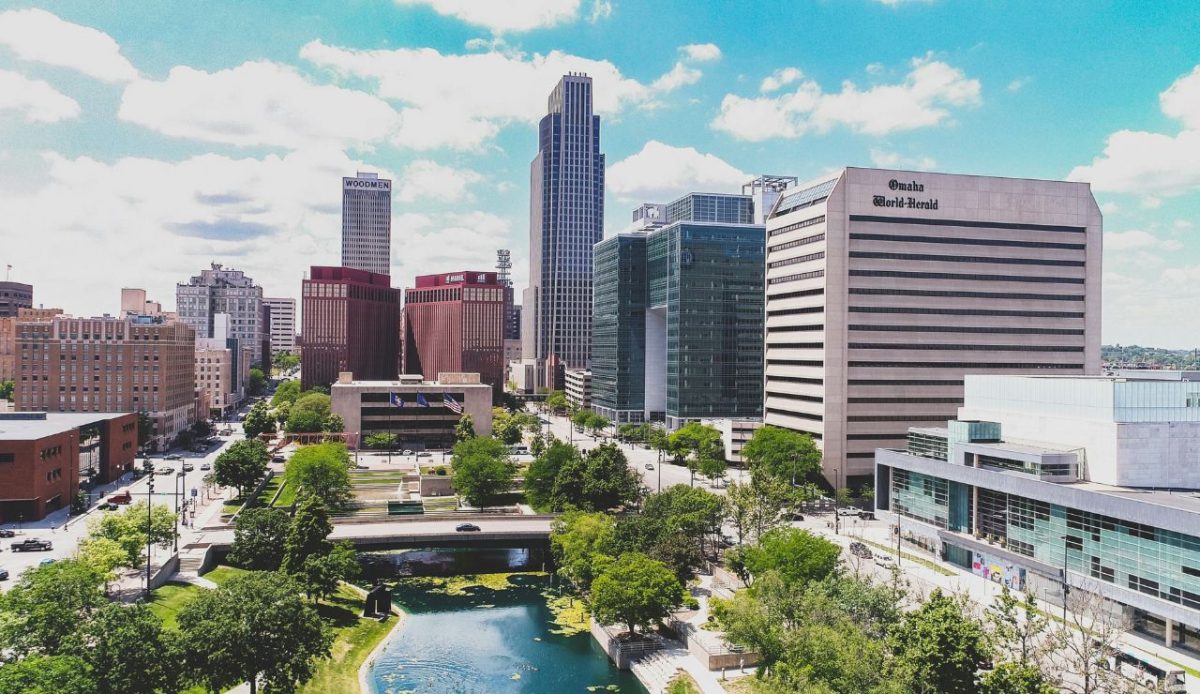
Omaha is often marketed as an easy, friendly stop, but it still has areas with concentrated violent incidents and frequent property crime. Visitors can misread the city because the tourist footprint is smaller and streets get quiet quickly.
Common issues include car break-ins near entertainment zones, theft tied to late-night drinking, and occasional robberies around transit-adjacent blocks. The risk is less about constant danger and more about isolated moments when you’re alone off the main path.
Stick to busy corridors, park where there’s lighting and foot traffic, and avoid lingering outside bars after closing. If you’re exploring beyond central areas, ask a local or your hotel staff which neighborhoods are best for visitors at night.
