
Some landmark buildings decline in slow motion, not through one dramatic event. Budgets disappear, caretakers change, and small cracks are left to widen. Wind-driven rain, salt air, and freeze-thaw cycles then do steady work, loosening mortar and staining concrete. In many places, politics and ownership disputes stall repairs, while visitors keep coming for the story and the silhouette. Damage is often recorded in surveys and conservation reports, yet long gaps between projects allow materials to fail. The twelve sites below remain widely recognized for design and public memory, but their fabric is being lost a little each year.
1. Buzludzha Monument, Bulgaria
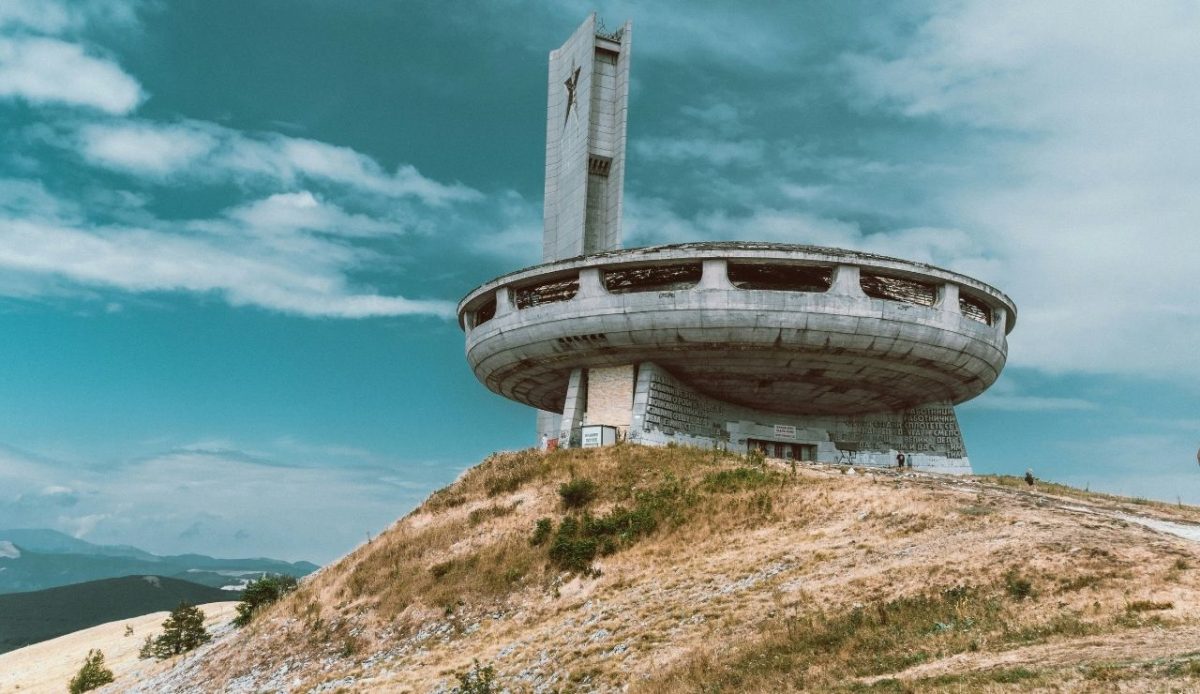
Built in 1981 on a Balkan peak, the Buzludzha Monument used reinforced concrete to form a circular hall and tower. After Bulgaria shifted away from one-party rule, the site was abandoned, and utilities were removed. Water entered through failed joints, and snow loads pushed on the roof. Mosaic panels were stripped or shattered by vandalism, while steel fixings rusted inside the walls. Access is restricted because pieces can fall without warning. Stabilization plans exist, yet full repair has been delayed, so each season adds more cracking, staining, and interior collapse. The mountain fog keeps surfaces damp for long stretches.
2. Hatra, Iraq
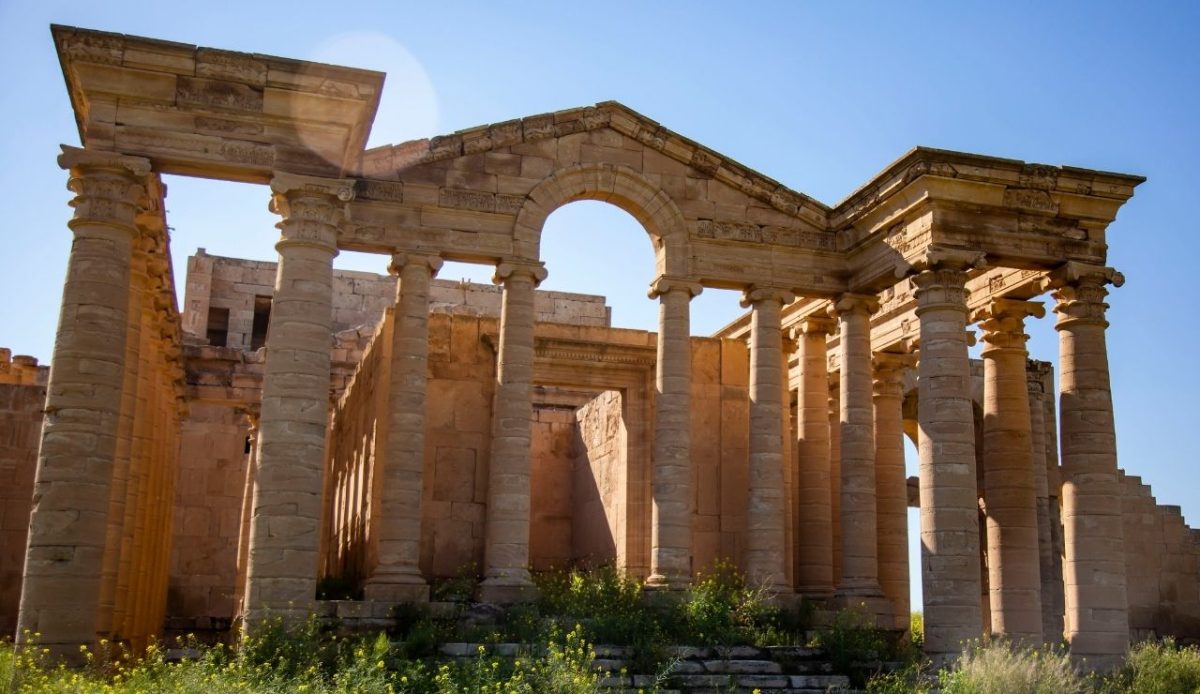
Hatra in northern Iraq rose as a walled city with temples that fused Roman planning with regional stone carving. The recent conflict brought deliberate destruction and looting, and later, the weakened blocks were left exposed. Even where walls still stand, vibration, heat swings, and wind abrasion loosen joints. Some columns are held in place only by gravity after decorative faces were broken away. The site has been listed as threatened, which draws attention, but access and materials are hard to secure. Repairs arrive in small phases, so cracks keep growing across arches and reliefs. Sand drifts also bury lower courses and trap moisture.
3. Taq Kasr, Iraq

Taq Kasra, the great brick vault near Baghdad, is one of the largest single-span arches built in late antiquity. Its baked bricks and mortar were never meant to face modern flooding patterns, traffic vibration, and long gaps in upkeep. Portions of the facade have collapsed in recent decades, leaving fresh edges that weather faster than older surfaces. When rain reaches the core, salts migrate and joints powder away. Emergency shoring has been installed at times, but long-term conservation has been interrupted by shifting priorities. As a result, the remaining shell keeps sagging and shedding brick dust.
4. National Art Schools of Havana, Cuba
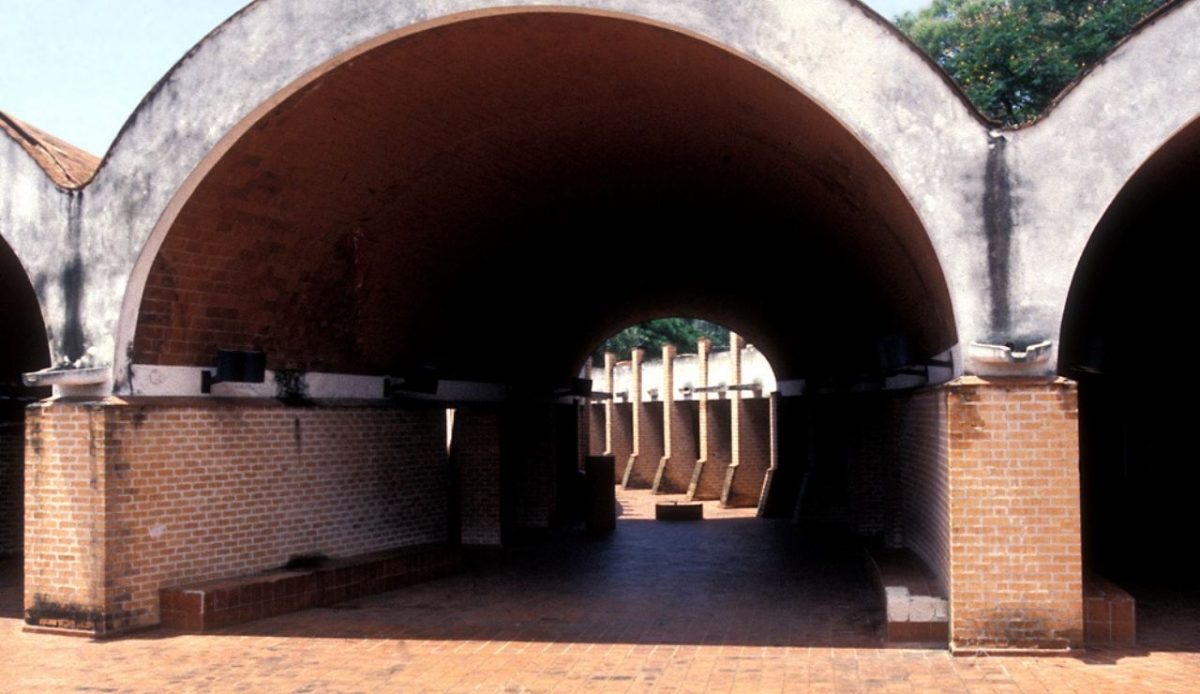
Cubanacán’s National Art Schools in Havana were started in the early 1960s with thin brick vaults and curved corridors. Construction was halted before the full campus was finished, and several buildings were used only lightly for years. Tropical rains found gaps in roof membranes, and plants rooted in joints where maintenance was missing. Salt air and humidity softened mortar, so tiles lifted and plaster detached in sheets. Some restoration has been carried out, yet many spaces remain unsafe, and the unfinished structures continue to decay under constant moisture. Limited budgets mean repairs are patchy and often postponed.
5. Ryugyong Hotel, North Korea
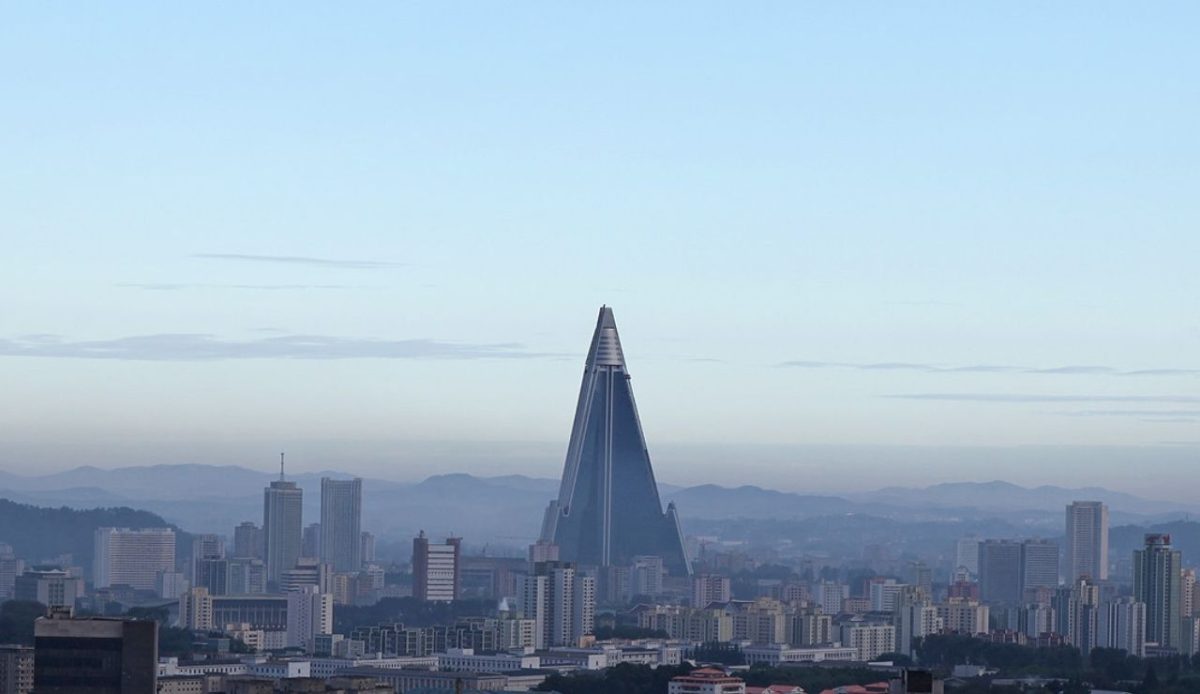
Pyongyang’s Ryugyong Hotel was planned as a 105-story pyramid tower, but work stopped for long periods after construction began. The exterior was later refaced, yet the building has not functioned as a normal hotel, and large interior areas remain unfinished. An empty high-rise still ages, since systems that control humidity, leaks, and temperature are limited when occupancy is absent. Concrete and steel can suffer from water entry at joints and from freeze damage on exposed levels. The result is a famous skyline form whose long-term condition is hard to verify and has been questioned for decades.
6. Kupari Hotel Complex, Croatia
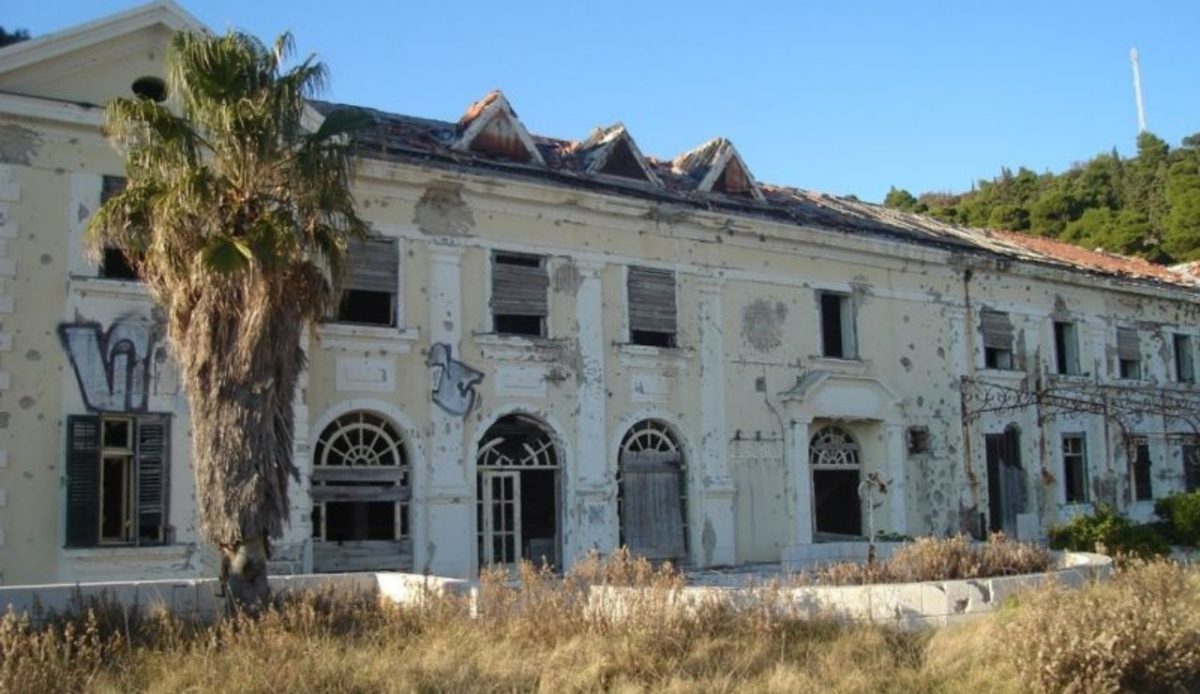
Kupari, south of Dubrovnik, was once a waterfront resort complex with multiple large hotels built during Yugoslavia’s tourism boom. During the 1990s war, several buildings were burned or shelled, and afterward, redevelopment stalled. Broken windows let sea air move freely through corridors, driving corrosion of rebar and metal frames. Roof failures allow water to pool on slabs, and graffiti-covered interiors attract risky entry. Plans for rebuilding have appeared more than once, yet long delays mean the concrete continues to spall, and stairwells keep collapsing. Winter storms throw spray into rooms and speed surface loss.
7. Tskaltubo Sanatoriums, Georgia
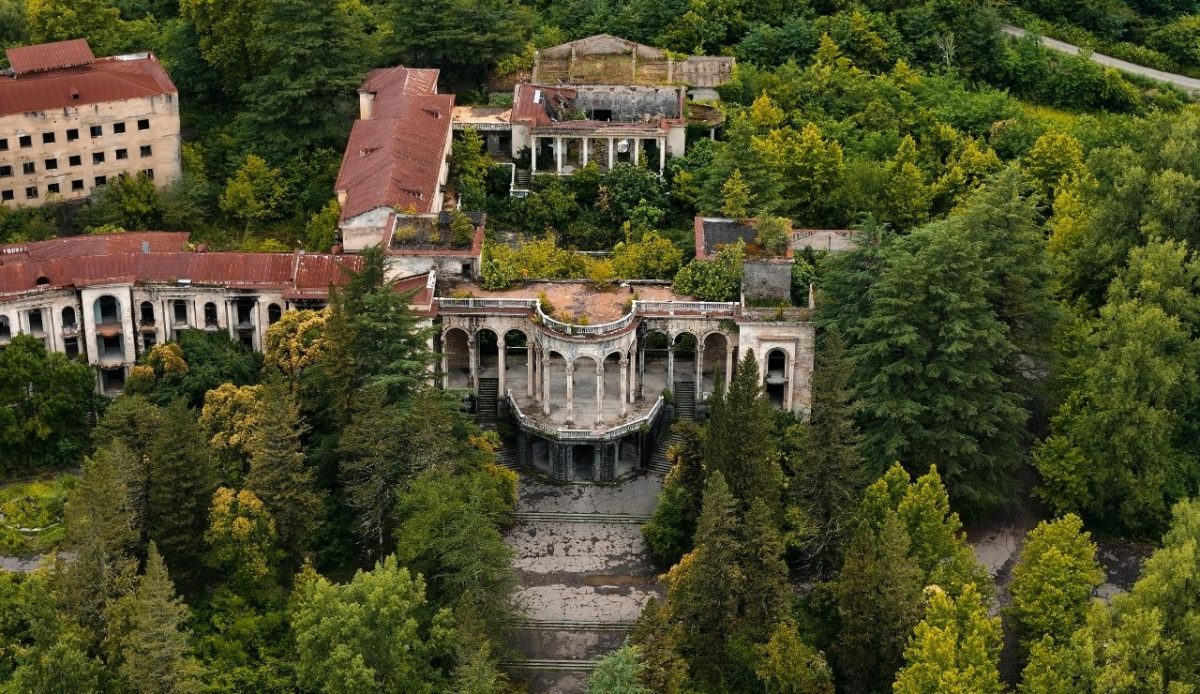
Tskaltubo in western Georgia grew around mineral springs, and its Soviet era sanatoriums were designed as grand civic palaces for health tourism. After the Soviet system ended, many buildings lost steady funding and were left partly vacant. Roof leaks and broken down drainage send water through stair cores, and dampness feeds mold and rot in interior finishes. Some structures have been reused for housing, which keeps them occupied but not fully repaired. Without major restoration, plaster continues to fall, window frames warp, and decorative halls fade a little more each year. Ownership disputes also slow permits for large-scale work.
8. Varosha, Cyprus
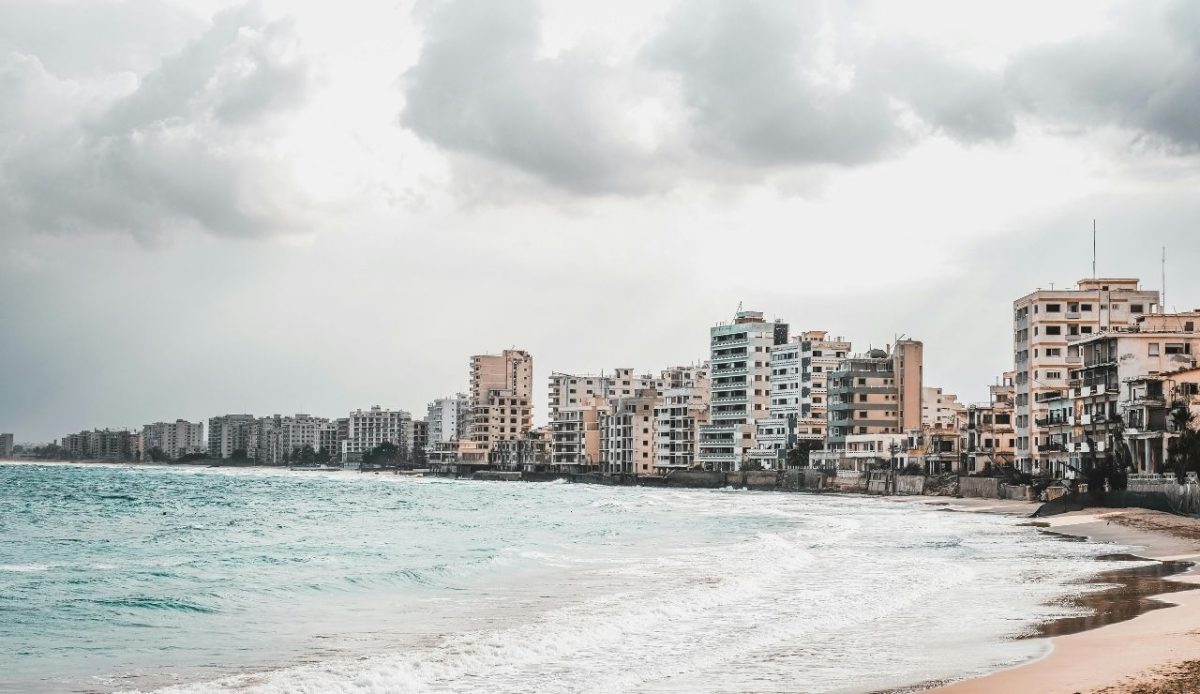
Varosha, a coastal district of Famagusta, was built with modern hotels and apartment blocks that once drew international visitors. After 1974, it was sealed off, and for decades, buildings stood empty behind barriers. Reinforced concrete frames weathered in place as salt winds attacked exposed steel, and flat roofs held water that seeped into columns. Vegetation-filled courtyards, while glass and fittings were stripped. Limited reopening has begun in parts, yet most structures remain unattended, so deterioration continues quietly amid shifting negotiations and restricted access. Sun and spray keep eating away at the edges.
9. Hashima Island, Japan
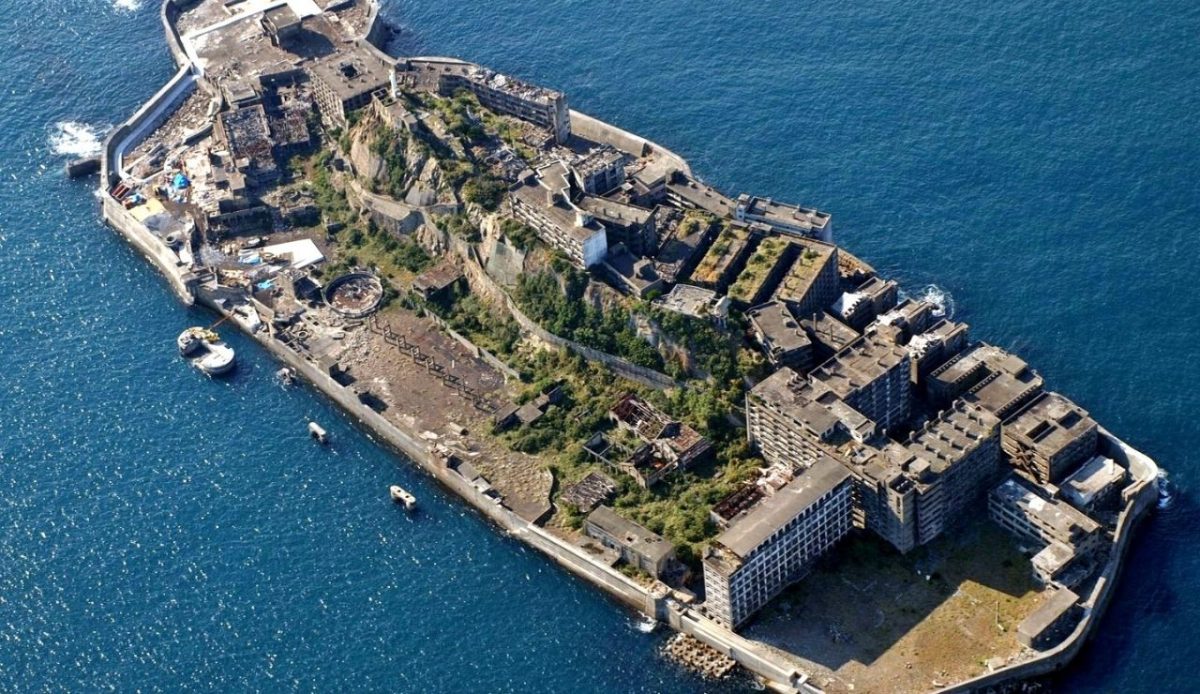
Hashima Island near Nagasaki is packed with early reinforced concrete apartments built for a coal mining workforce. When the mine closed in 1974, the population left, and routine upkeep ended. Since then, typhoons have driven rain through open shafts, and salt mist has promoted corrosion inside slabs and beams. As steel expands, concrete flakes off in layers, exposing more metal to air. A short visitor route is maintained, but most blocks are fenced because structural failure can occur without warning. The sea keeps the site under constant attack. Monitoring is done, yet large repairs are rare because the ruins must remain authentic.
10. Bannerman Castle, New York
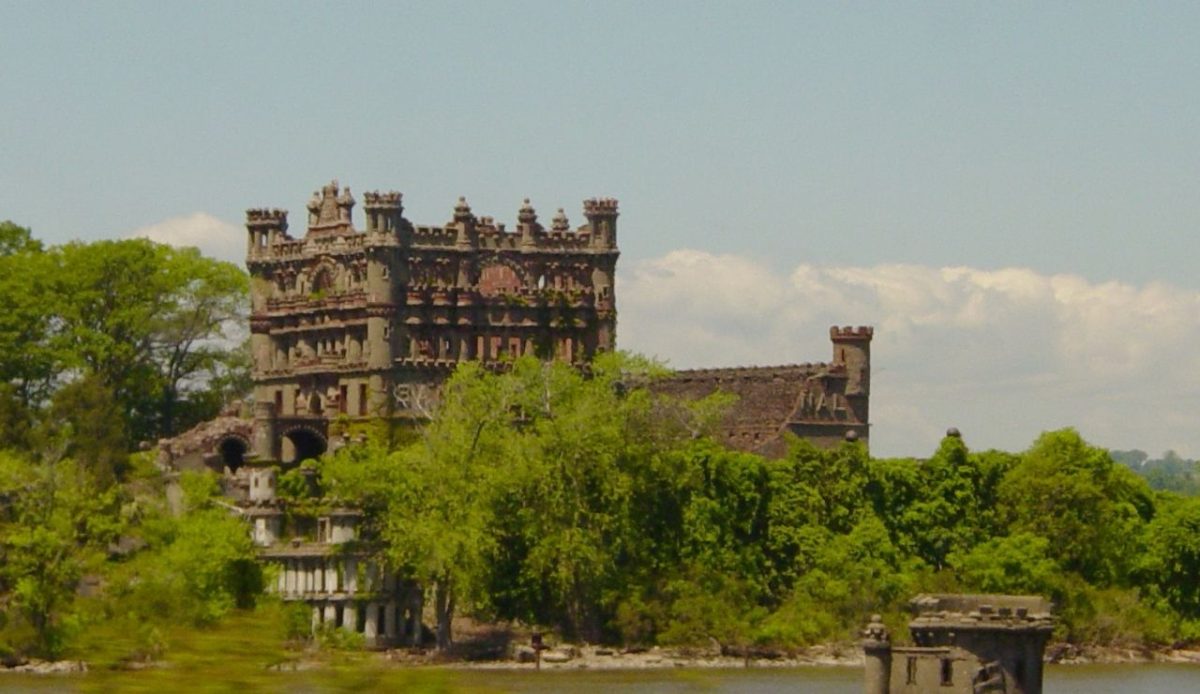
Bannerman Castle on Pollepel Island in New York was built as an arms storage site styled like a Scottish fortress, with towers and crenellations. After a 1969 fire and later storms, weakened masonry began to crumble in stages. Freeze-thaw cycles open joints, and vegetation pries stones apart where gutters failed. Because the ruins attract visitors by boat, safety-driven stabilization has been prioritized over rebuilding. Sections have been shored, but large walls remain fragile, and falling fragments are common after heavy rain. The Hudson’s damp air keeps mortar soft. Guided tours are limited to reduce vibration and crowd risk.
11. Sutro Baths, United States
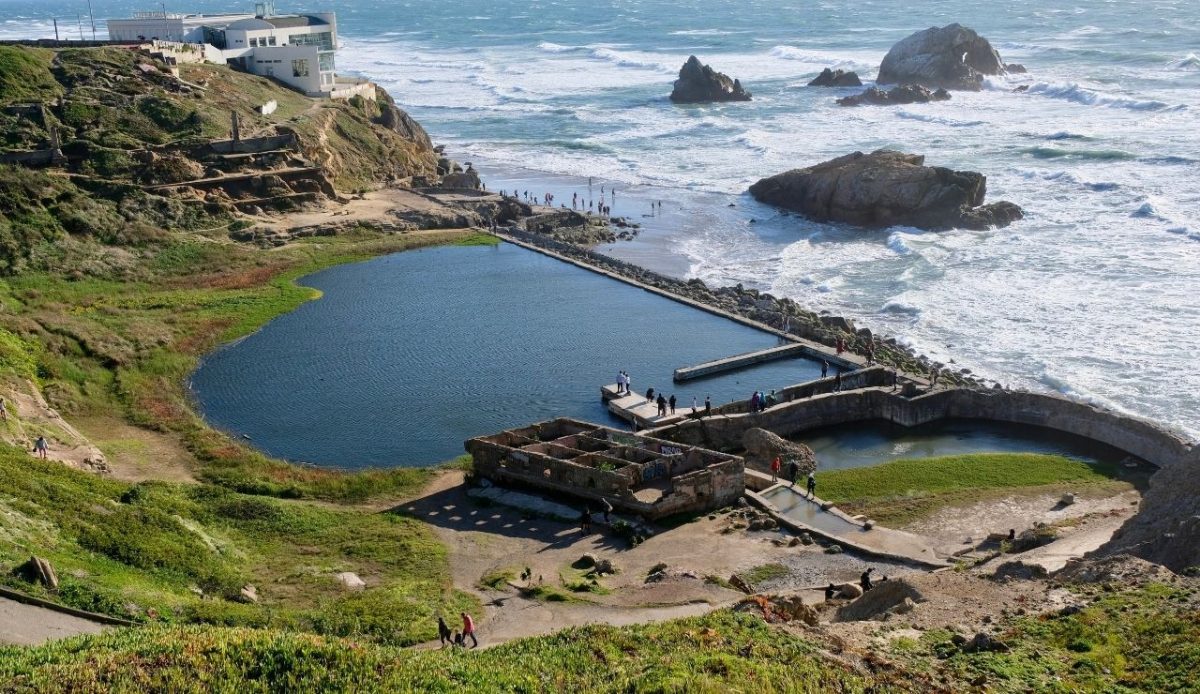
San Francisco’s Sutro Baths were once a vast glass and iron leisure complex on the Pacific edge, but a 1966 fire left only concrete pools and tunnels. Those remains have endured decades of coastal erosion. Waves undercut cliffs, and salt crystals form in pores, causing spalling and rough surfaces. Loose rebar rusts where it is exposed, staining the ruins and widening cracks. Heavy foot traffic also wears steps and ledges, so the site must be managed for safety. The outline is still recognizable, yet each storm removes small pieces that cannot be replaced. Landslides have occurred nearby, and protective walls are limited by the shoreline.
12. Pyramiden Svalbard Norway
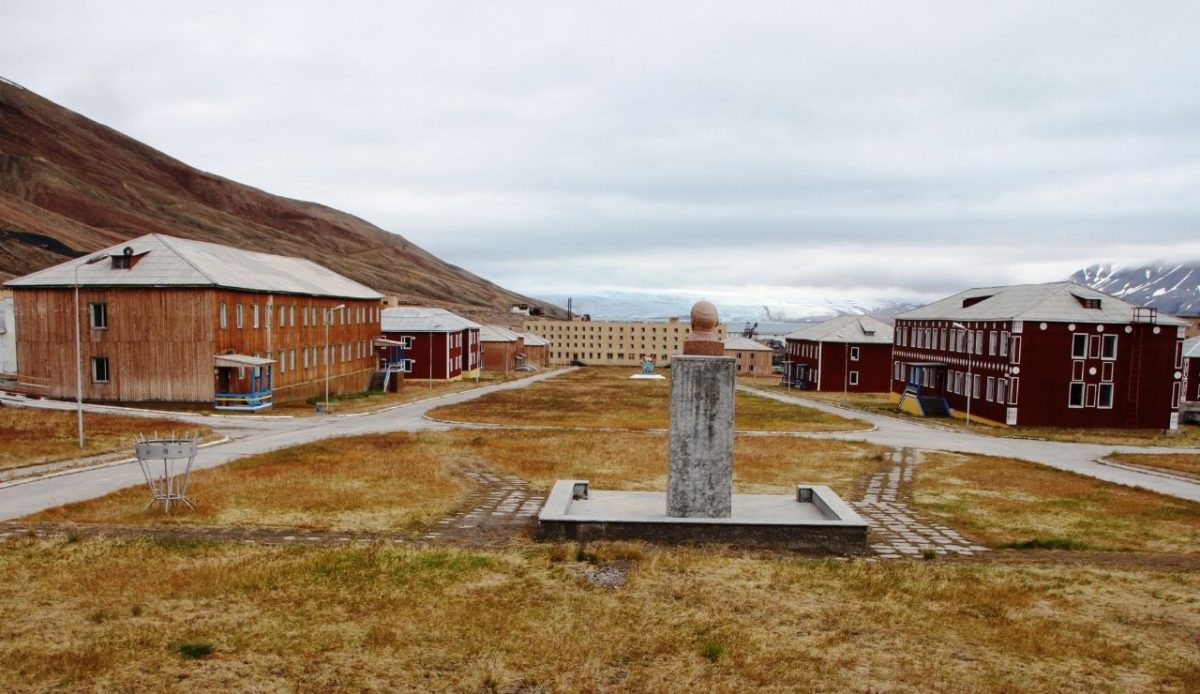
Pyramiden on Svalbard was a Soviet mining town with stark civic architecture, including a cultural palace, sports hall, and long dormitory blocks. Mining ended in the 1990s, and the settlement was largely abandoned. Arctic moisture and extreme temperature swings stress wood and metal, while permafrost shifts can distort foundations. Tourism brings some oversight, yet only limited maintenance is done to preserve a time capsule effect. Windows fail, roofs sag under snow, and interiors are damaged by humidity during brief thaws. The buildings remain striking, but slow decay continues in the polar climate.
