
Some Hawaii beaches operate near capacity because shoreline width, entry corridors, and parking supply are fixed, while demand spikes at predictable hours. When arrivals exceed what sand and nearshore water can absorb, comfort drops even if conditions are safe.
Management signals crowd pressure through reservations, timed entry, enforced parking zones, or strict lot sizes. Those controls reduce damage and conflict, yet they also reveal how quickly a site reaches saturation on typical days.
Below are twelve beaches where crowding is driven by measurable constraints such as caps, bottlenecks, or concentrated land use. Each section focuses on the specific mechanism that pushes the beach past an enjoyable density.
1. Waikīkī Beach, Oʻahu
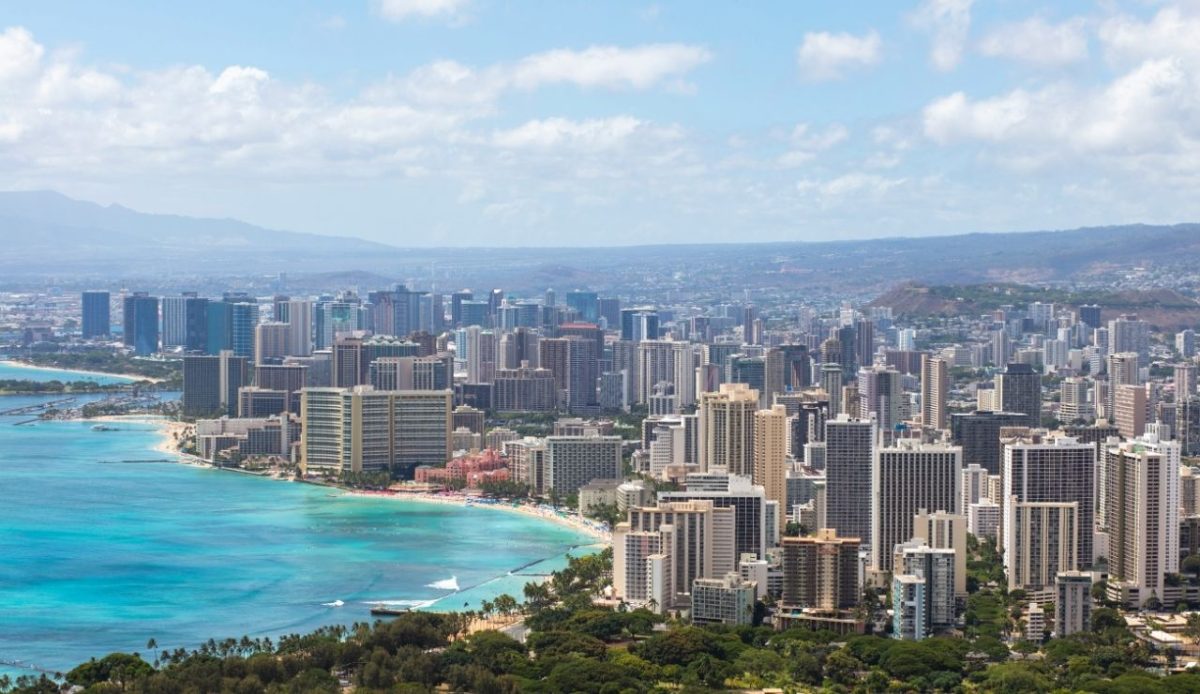
Waikīkī lies beside the state’s largest cluster of rooms, so foot traffic arrives continuously from nearby streets and beachfront towers. The usable sand band narrows at higher tide, so density increases even when visitor totals stay flat.
Many access points feed the same central stretch, which prevents natural spreading. Commercial rentals and instruction areas also occupy fixed footprints, leaving less open space for people who only want to sit or wade.
In the water, swimmers, boards, and tour craft share a shallow nearshore zone. With limited lateral room, small movements create frequent conflicts, so the beach can feel crowded from morning through late afternoon.
2. Hanauma Bay, Oʻahu
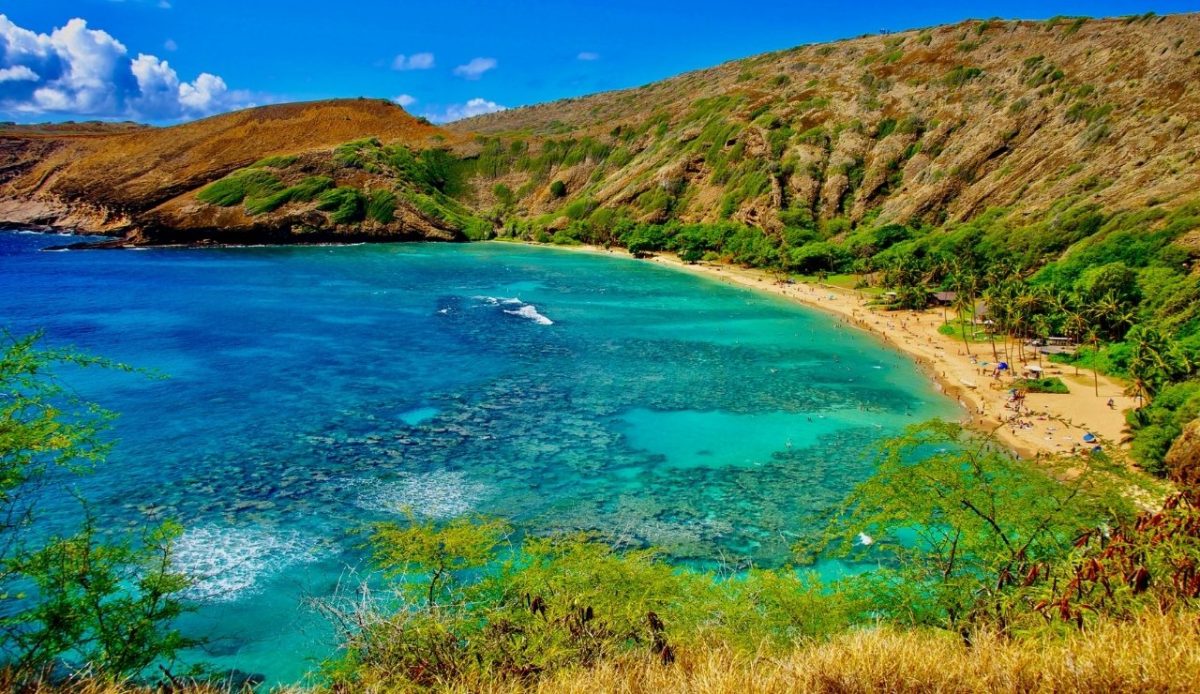
Hanauma Bay is managed with timed reservations and a daily visitor ceiling after past overuse harmed reef areas and strained staffing. When slots sell out early, demand is being signaled as higher than the permitted load. Mandatory closures on certain days also shift demand to fewer open days, increasing competition for entry.
Most visitors choose similar entry times for calmer water, so density spikes soon after opening. The steep access route and limited staging space compress people into a narrow corridor before they reach the sand.
Snorkeling concentrates where entry is easiest, and the reef begins close to shore. Orientation briefings and gear prep slow movement, so crowding can build even while admissions remain capped.
3. Lanikai Beach, Oʻahu
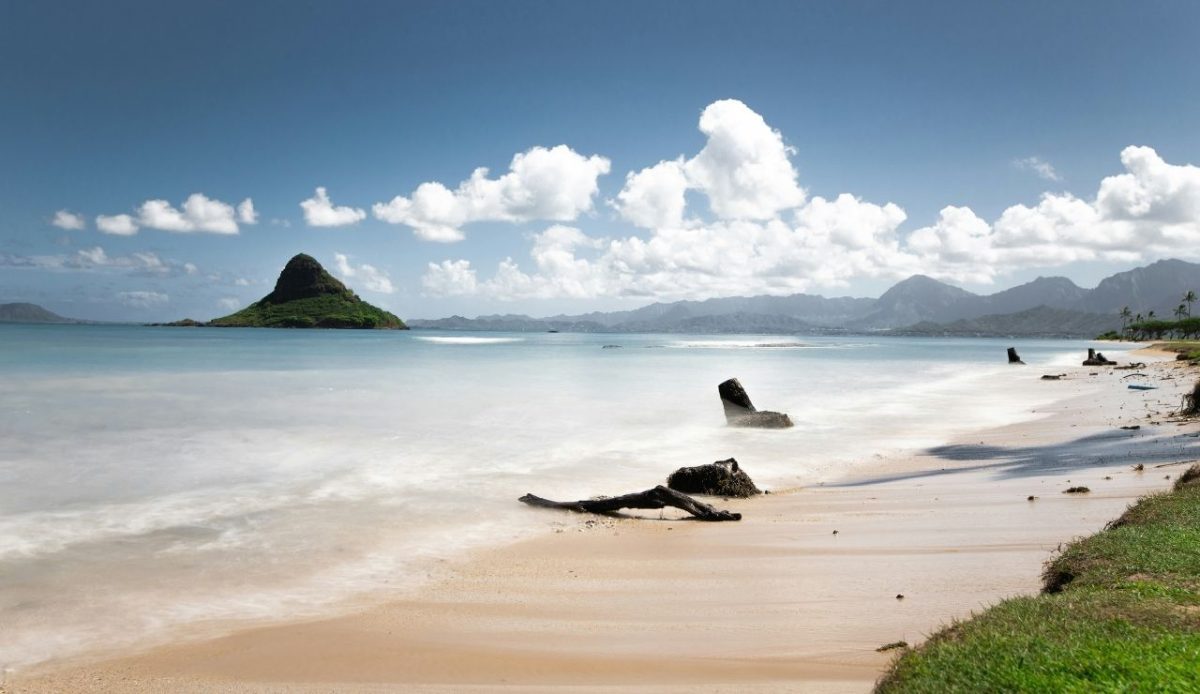
Lanikai lacks a dedicated public lot, so access depends on residential street parking and enforcement. Overflow has triggered no parking zones and towing, showing that arrival volume exceeds neighborhood capacity.
The sand strip is narrow and shrinks further at higher tide, which reduces the seating area without changing the turnout. With few shade options, setups cluster close together along the same mid-beach stretch. Because the beach has no large public facilities, people rely on the same limited access streets for quick returns.
Entry points are limited to a handful of streets, so walkers funnel to the same openings. Photo stops near the waterline create stationary groups that reduce circulation and make the beach feel full early.
4. Kailua Beach Park, Oʻahu
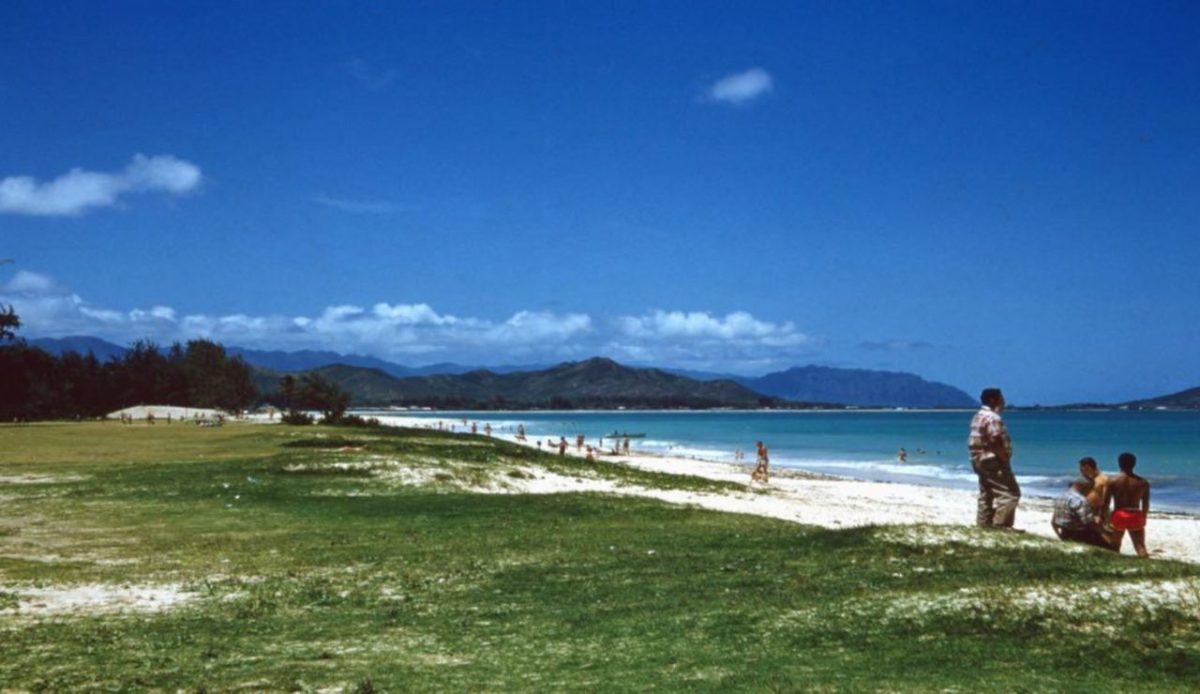
Kailua Beach Park pairs easy road access with restrooms, picnic tables, and a long, shallow nearshore, which draws families and lessons that last for hours. Longer stays reduce turnover, keeping occupancy high. Group permits and lessons create organized clusters that occupy predictable sections for extended sessions.
Use is concentrated around entrances, shade trees, and facility nodes rather than spread evenly. The outer sand can look open, yet the functional core stays dense because most people avoid long walks.
Wind sport launching needs clear corridors, so buffers are kept around launch areas. Those safety zones reduce usable sitting space and compress casual beachgoers into smaller sections near the main access.
5. Waimea Bay, Oʻahu
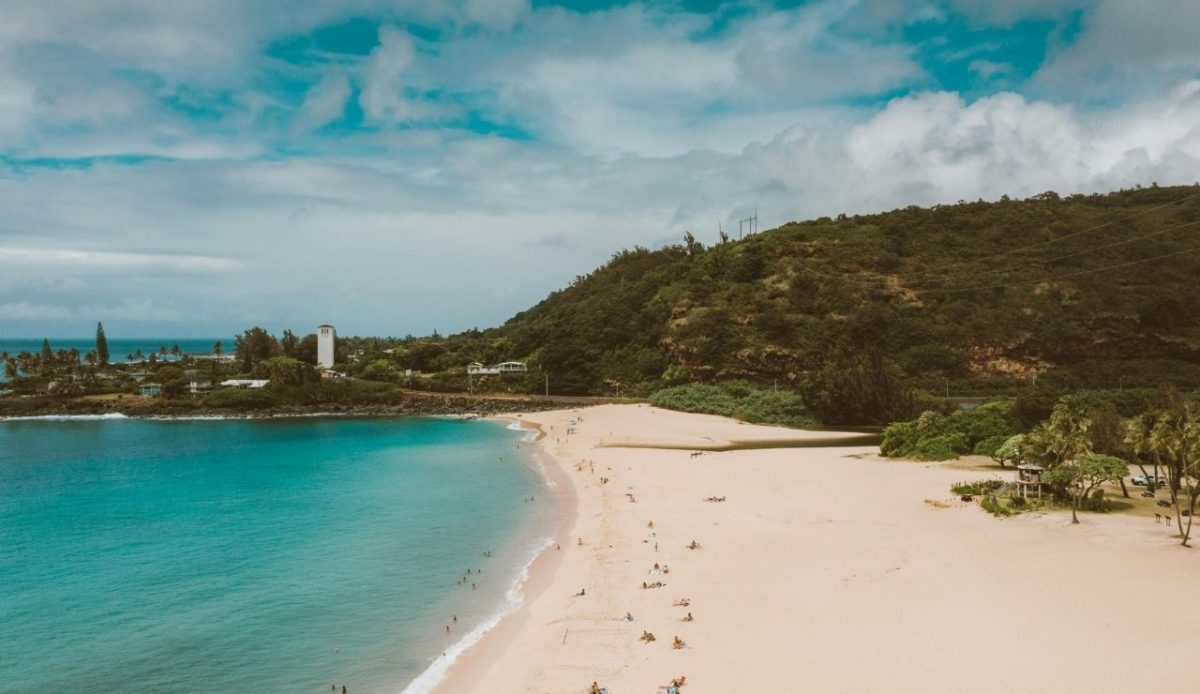
Waimea Bay’s crowding is set by limited parking and seasonal demand. On calm summer days, arrivals surge early because visitors expect access to tighten once the lot fills.
After capacity is reached, vehicles circulate waiting for turnover or spill to nearby roads. That behavior compresses many visitors into the same morning window, raising density before midday. Bus arrivals and surf spectators can raise density even when swimmers are fewer, because viewing concentrates near the same sand slope.
The curved shoreline concentrates swimmers near the main entry and lifeguard area. Rock edges limit alternate entry spots, so redistribution away from the center is difficult even when space exists elsewhere.
6. Kēʻē Beach, Kauaʻi
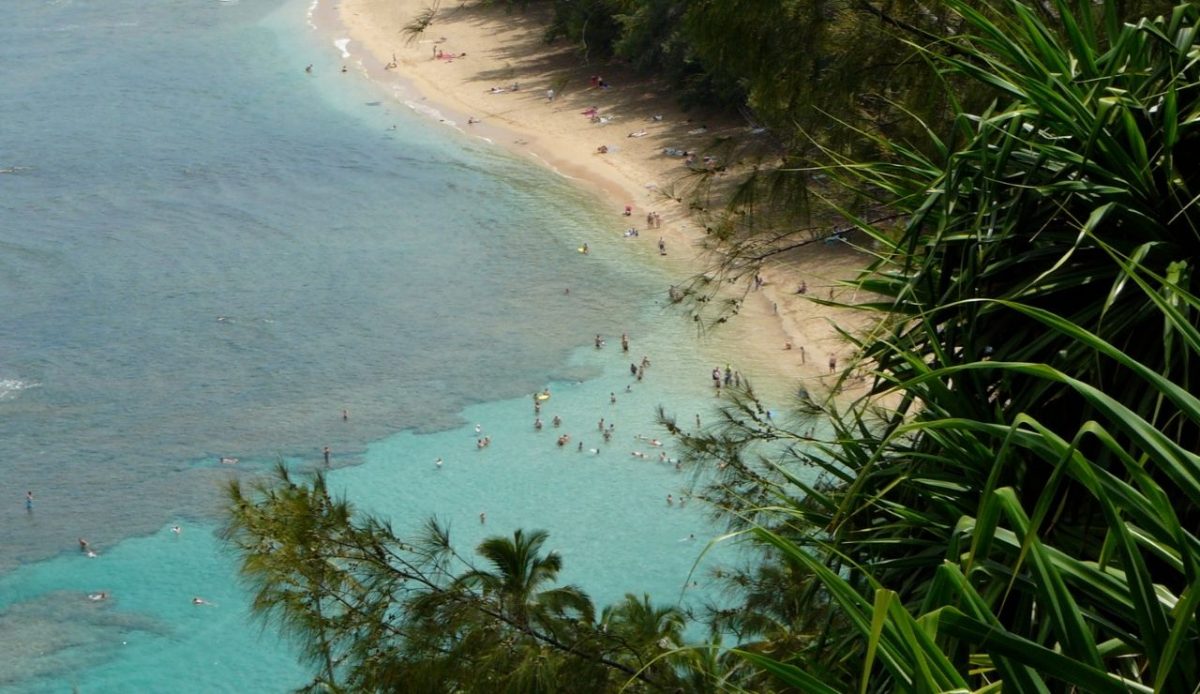
Kēʻē Beach lies in Hāʻena State Park, where parking and entry are controlled through reservations. The system was built because a single road and a small shoreline could not absorb peak demand.
Visitor timing still synchronizes around daylight, weather, and shuttle arrivals, so density peaks in predictable blocks. Access funnels through a few paths, creating a crowded staging area near the sand.
Rocky edges limit lateral spreading, and trail traffic adds constant movement through the same corridor. With few shaded resting spots, people cluster along the same tree line, raising perceived crowding. Rocky tidepools and sensitive vegetation limit off-path wandering, keeping most use on the same narrow corridor.
7. Hanalei Bay, Kauaʻi
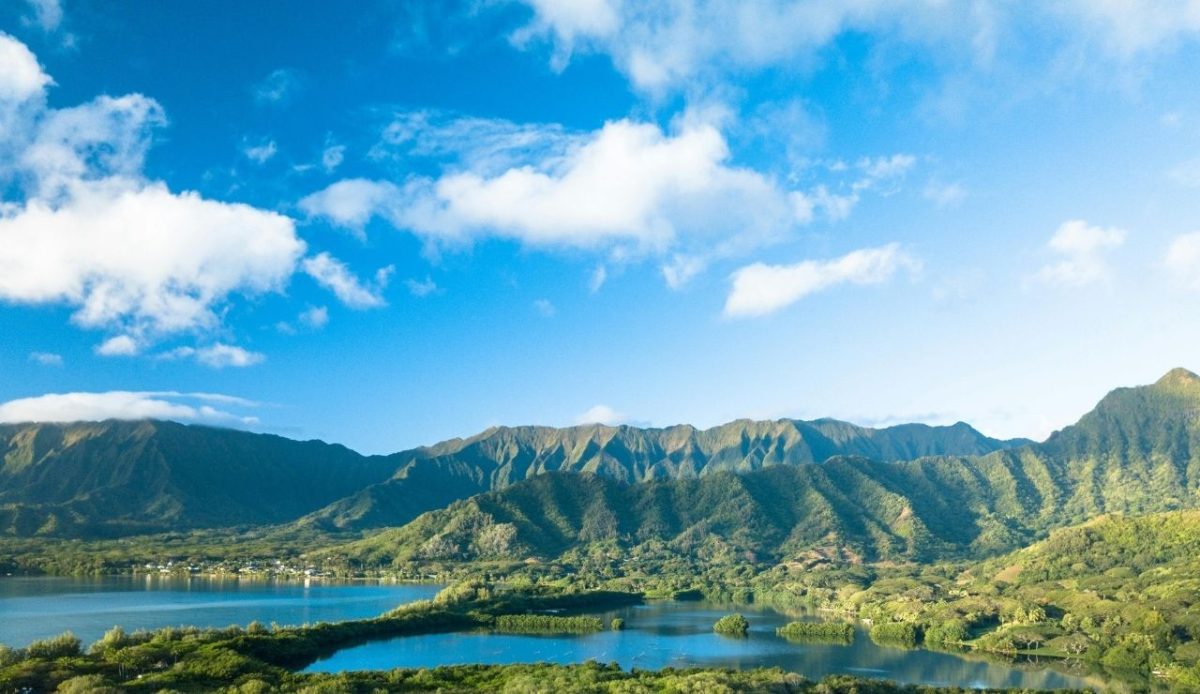
Hanalei Bay is expansive, yet the Black Pot side draws the highest concentration because it lies closest to parking, restrooms, and river access. Rentals and launch activity keep many visitors near that node.
Congested approach roads reduce flexible arrival patterns. Groups often arrive in waves after delays, producing sudden surges that stay high because visitors typically remain for long blocks. When a few lots fill, the remaining legal spaces become the controlling factor, so the same access area saturates repeatedly.
Families cluster near sheltered water and familiar access points, so preferred zones fill first. Even when vehicle capacity is reached, walkers from nearby rentals keep the busy sector crowded through the afternoon.
8. Poʻipū Beach Park, Kauaʻi
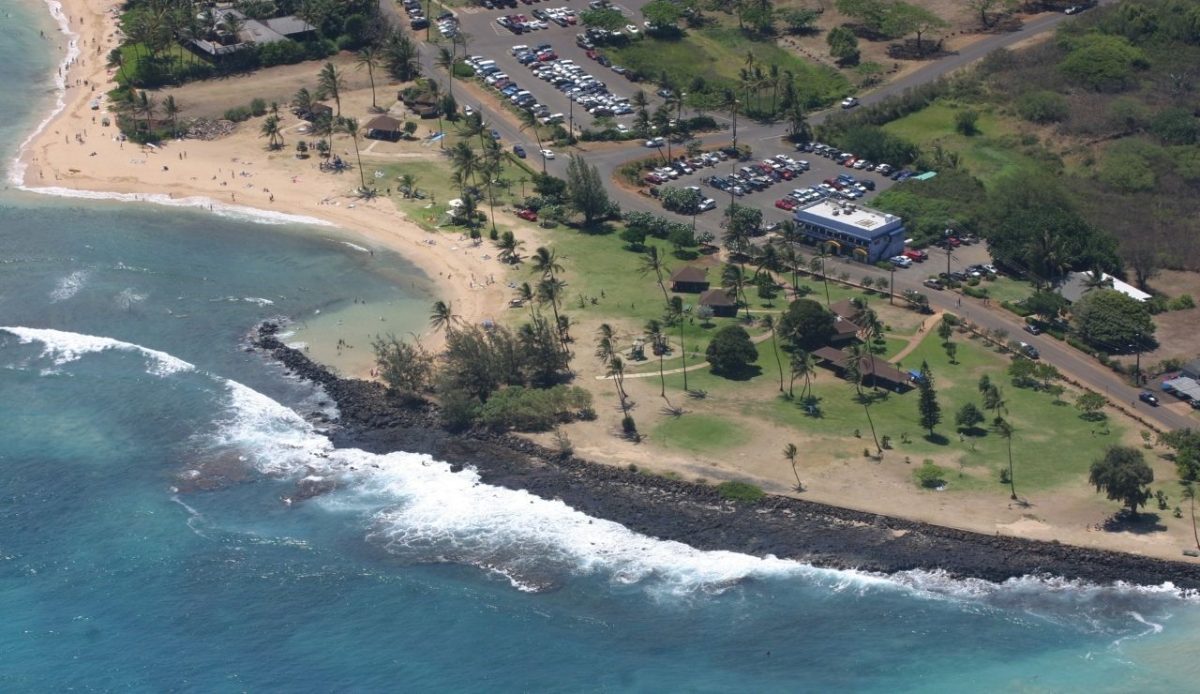
Poʻipū combines swimming, snorkeling, and wildlife viewing within a compact park footprint. These uses overlap in the same shoreline lanes, increasing conflict and density in a small area. The beach also functions as a stop between nearby attractions, so short visits stack on top of long stays.
Parking limits arrivals, yet the site supports long stays, so turnover remains slow. Short visits from nearby stops add to all-day setups, keeping the park near full during peak hours.
Rock points and reef shelves restrict water entry to a few spots. Wildlife watchers pause for long periods, reducing circulation, so the beach feels crowded even when headcount is moderate. Seal and turtle viewing areas attract quiet crowds that linger, reducing lanes.
9. Waiʻānapanapa Black Sand Beach, Maui
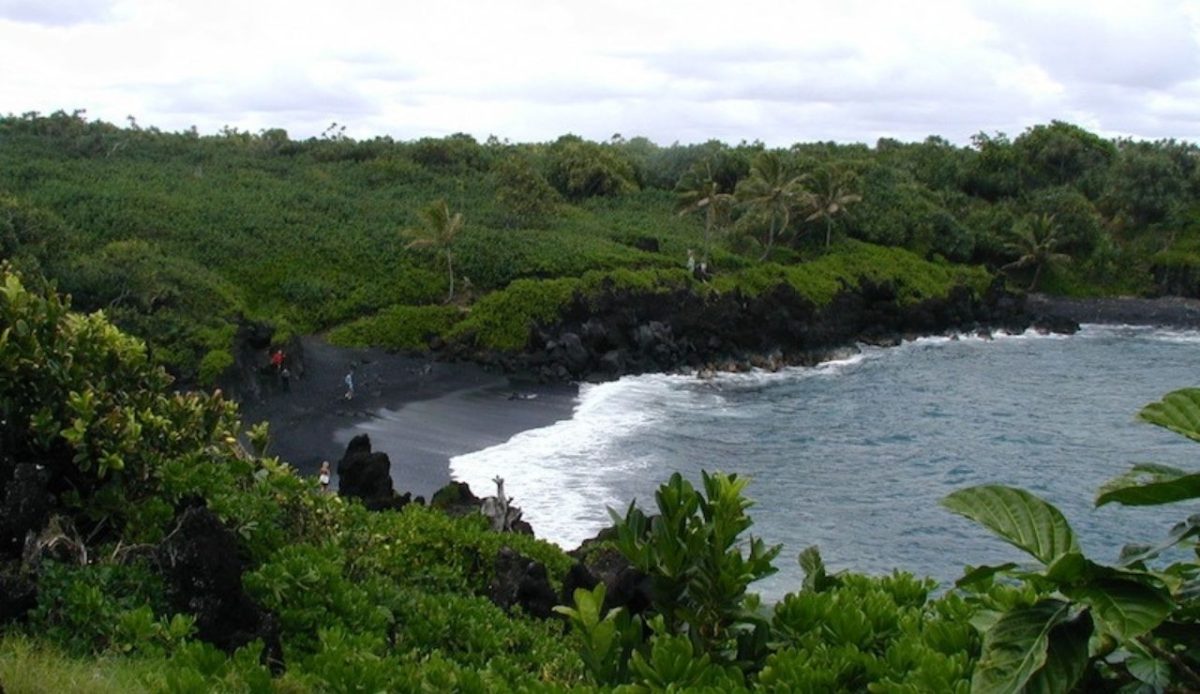
Waiʻānapanapa requires reservations for entry and parking after heavy visitation strained trails, facilities, and nearby residents. The cap reduces spillover but does not change the cove’s small physical scale.
Tour itineraries cluster arrival times, so the pocket beach can feel busy within the permitted volume. Steep edges and limited sitting zones constrain how visitors can spread out along the shore. Limited restroom and pathway capacity means small increases in groups can create long waits and tight queues.
Photo stops and lookout pauses slow movement through chokepoint trails. When space is limited, backlogs form and density increases, shortening the time visitors can comfortably stay on the sand.
10. Hāpuna Beach, Hawaiʻi Island
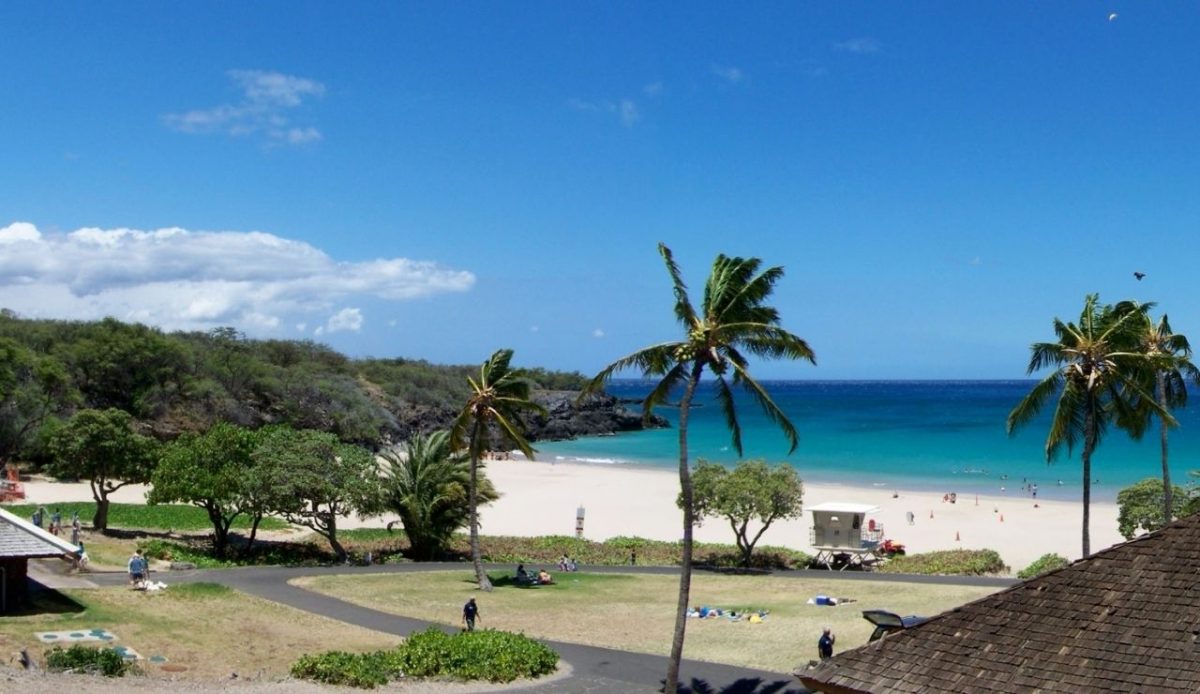
Hāpuna has broad sand, yet crowding forms because parking and facilities channel most users to the center of the beach. The main entrance and pavilion become the default setup zone for many groups.
On calm weekends and holidays, the lot fills early, locking in a high occupancy level. Slow turnover keeps pressure on restrooms, showers, and shaded spots instead of spreading use outward.
Water entry is easiest near lifeguard coverage, so swimmers cluster there. Large shade setups take wide footprints, lowering the number of groups the central area can hold without feeling packed. Wave and current conditions can narrow the comfortable swim zone, so more people share the same guarded water.
11. Kapalua Bay, Maui
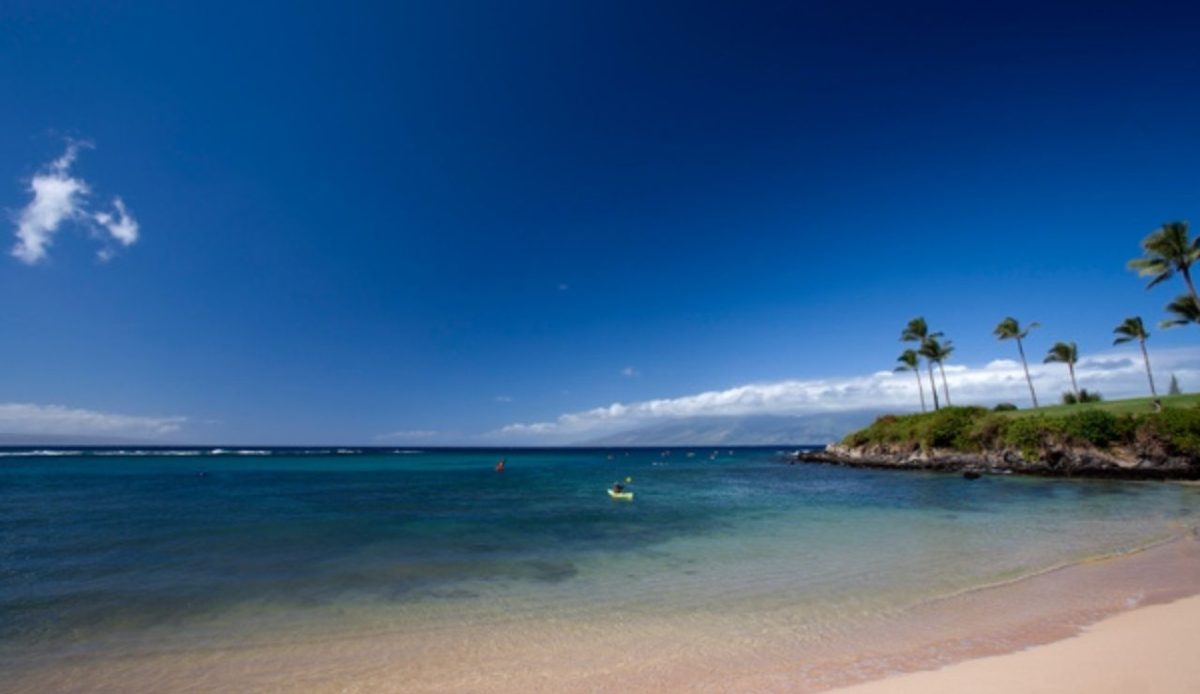
Kapalua Bay’s protected shape attracts swimmers and snorkelers seeking calmer water than nearby open coast beaches. A small public lot fills quickly, but walk-in access from resort frontage adds more demand.
The sand band is narrow and backed by rock, so usable space is fixed. Early setups by families reduce later seating options, pushing visitors into tight gaps near the same entry corridors.
Snorkeling starts at a few easy entry points, concentrating on fins and boards in shallow water. With limited exits, gear is carried through narrow openings, increasing contact and crowd stress. When visibility is best, more snorkelers enter together, so the same shallow pocket fills quickly.
12. Honolua Bay, Maui
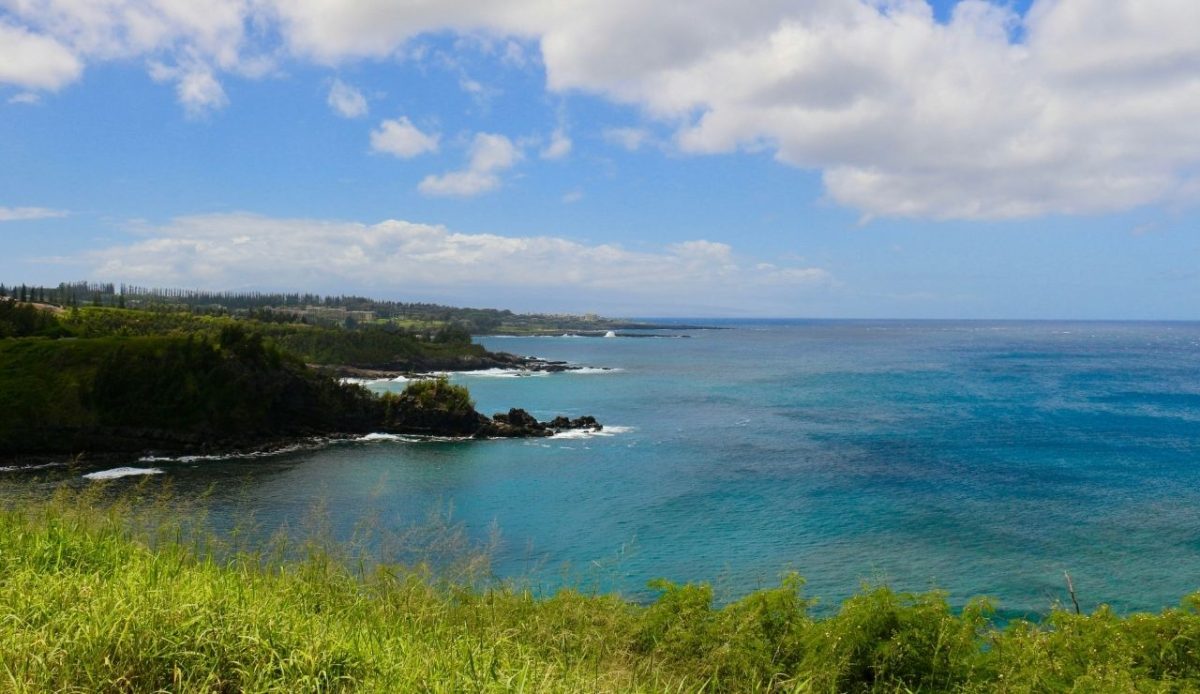
Honu’ula Bay is primarily a snorkeling site where visitors stay in the water for long periods, raising density even with steady arrival numbers. Limited pullouts and informal parking slow access and create bursts. Commercial tour timing can align with midday conditions, stacking entries into short intervals rather than spreading them out.
Reef structure and preferred routes for safer entry restrict movement to a few corridors. People converge where footing and visibility are best, so crowding builds in the same nearshore lanes.
Shoreline staging space is small because the site lacks a wide sand beach. Seasonal swell can reduce safe entry points, pushing more users into the remaining corridor and tightening spacing.
