
Eastern destinations often blend natural beauty with vibrant local traditions, and water sports are central to many communities. From surfing and sailing to kayaking and traditional boat racing, water activities are more than recreation; they reflect history, lifestyle, and cultural identity. Travelers can experience daily life on rivers, lakes, and coastlines while participating in or observing these aquatic traditions. In this article, we explore twelve eastern destinations where water sports are deeply ingrained, offering immersive experiences that combine adventure, culture, and scenic landscapes.
1. Bali, Indonesia
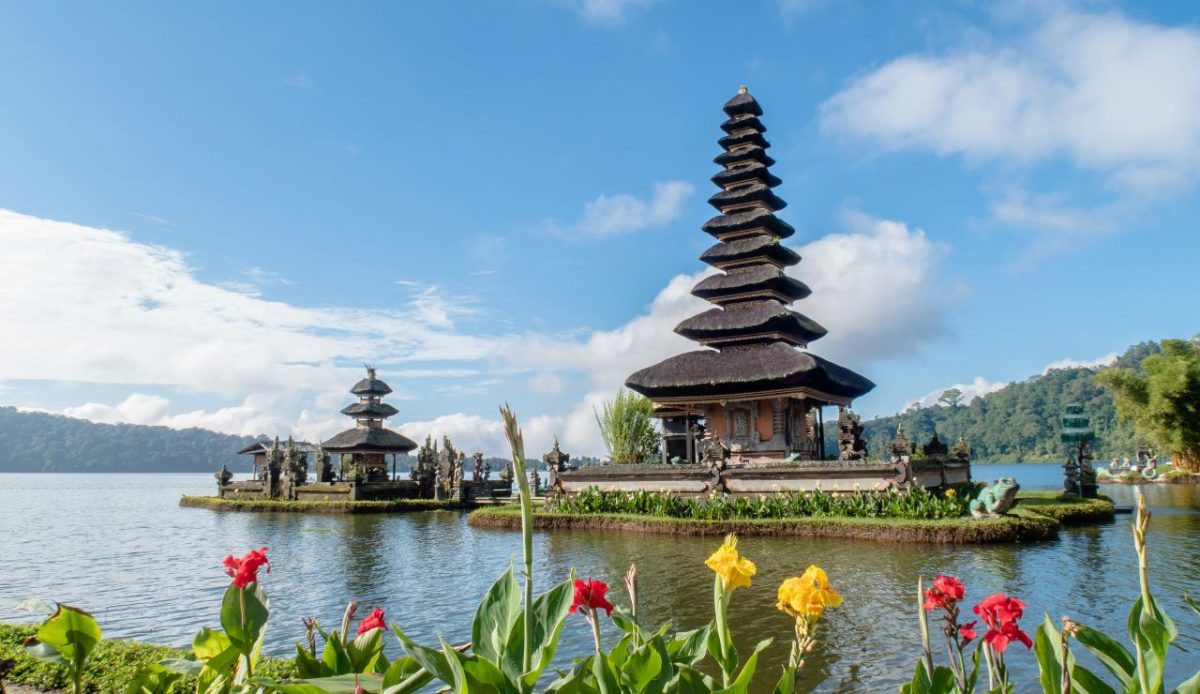
Bali’s coastline is synonymous with surfing, with waves attracting enthusiasts from around the world. Locals have long integrated water sports into their daily lives, using the ocean for both recreation and livelihood. Traditional fishing villages coexist alongside surf schools, blending culture and sport. Travelers can learn to surf, join local boat trips, or witness ceremonial water blessings that honor the sea. Bali’s tropical climate and stunning beaches provide the perfect backdrop for water-based experiences. Visitors quickly realize that water sports are not just leisure here; they are part of the island’s cultural rhythm.
2. Phuket, Thailand
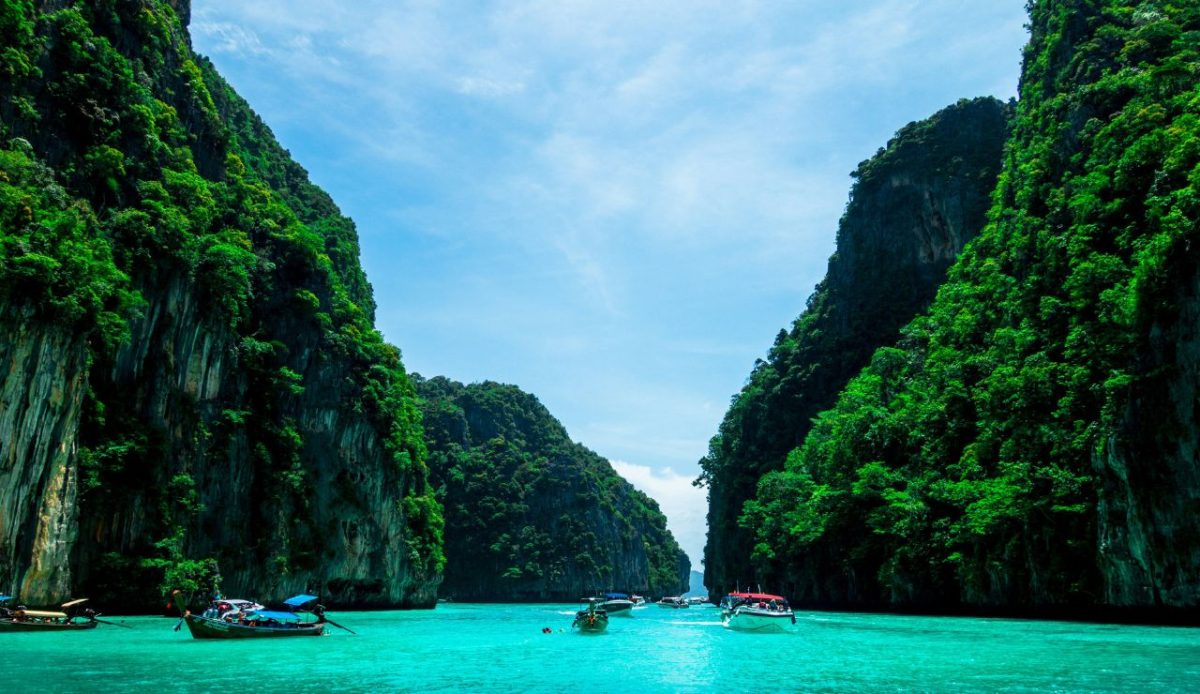
Phuket combines pristine beaches, warm waters, and a culture centered around maritime activity. From traditional longtail boats to modern diving and snorkeling schools, water sports reflect both local heritage and tourism appeal. Fishing, boat racing, and diving excursions showcase the connection between community life and the sea. Travelers can experience paddleboarding, parasailing, and island-hopping adventures alongside locals. Festivals celebrating maritime traditions highlight water sports’ cultural significance. Phuket’s lifestyle demonstrates how coastal communities embrace the ocean in daily routines.
3. Goa, India
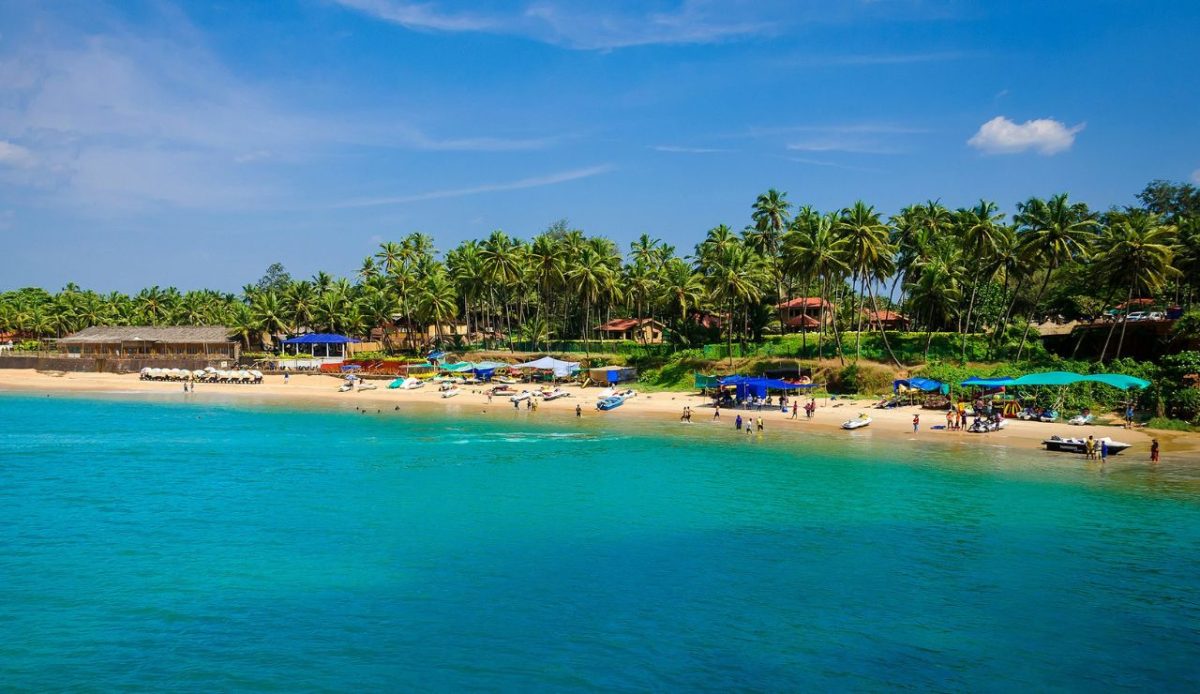
Goa’s rivers and Arabian Sea coastline make it a hub for water sports and aquatic traditions. Fishing villages maintain centuries-old techniques, while modern activities like jet skiing, kayaking, and parasailing attract visitors. Locals often teach boating skills to youth, reflecting the sea’s importance to livelihood and recreation. Festivals sometimes feature boat races celebrating community identity. Travelers can explore mangroves, estuaries, and beaches while participating in or observing these water-based activities. In Goa, leisure, tradition, and daily life merge into a cultural experience.
4. Langkawi, Malaysia
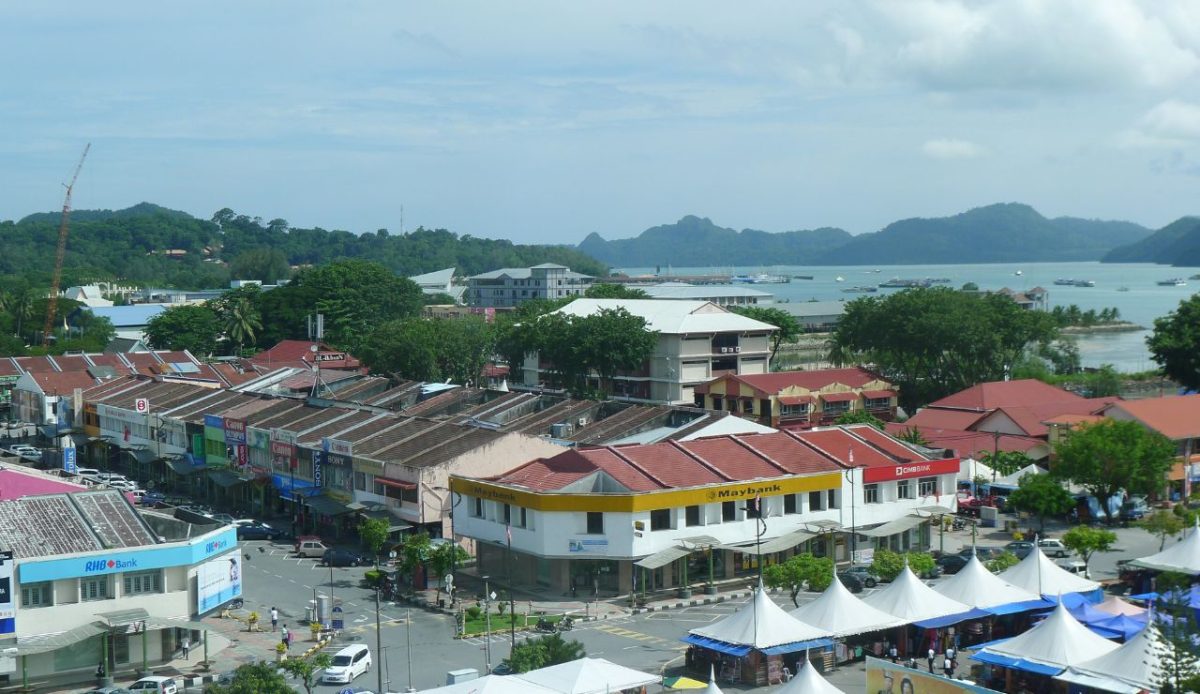
Langkawi’s islands and waterways offer kayaking, sailing, and jet skiing opportunities that complement its natural beauty. Traditional fishing practices continue alongside tourism-focused water sports, showing how communities preserve heritage while adapting. Mangroves, rivers, and coastal areas serve as training grounds for local youths, reinforcing cultural ties to water. Travelers can join guided tours, participate in fishing trips, or observe traditional boat-making techniques. Langkawi blends recreation, livelihood, and culture, allowing visitors to experience both modern adventure and enduring maritime traditions.
5. Jeju Island, South Korea
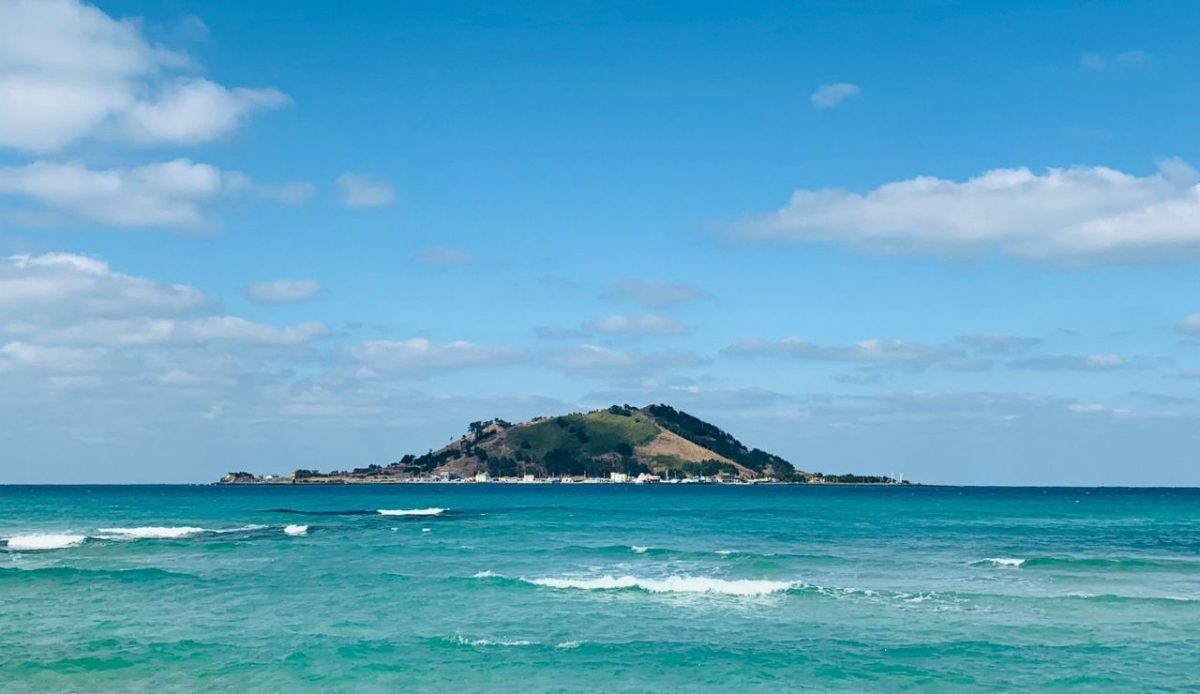
Jeju Island is renowned for its coastline and maritime traditions. Local fishing practices coexist with water sports like scuba diving, windsurfing, and kayaking. Festivals often include boat races and demonstrations of traditional techniques. The island’s culture emphasizes respect for the sea, integrating ceremonies and rituals into daily routines. Travelers can learn to dive in volcanic waters, paddle along scenic coastlines, or observe local fishermen at work. Jeju’s blend of natural beauty, adventure, and cultural continuity allows visitors to see how water sports are both a pastime and a reflection of deep-rooted maritime heritage.
6. Okinawa, Japan
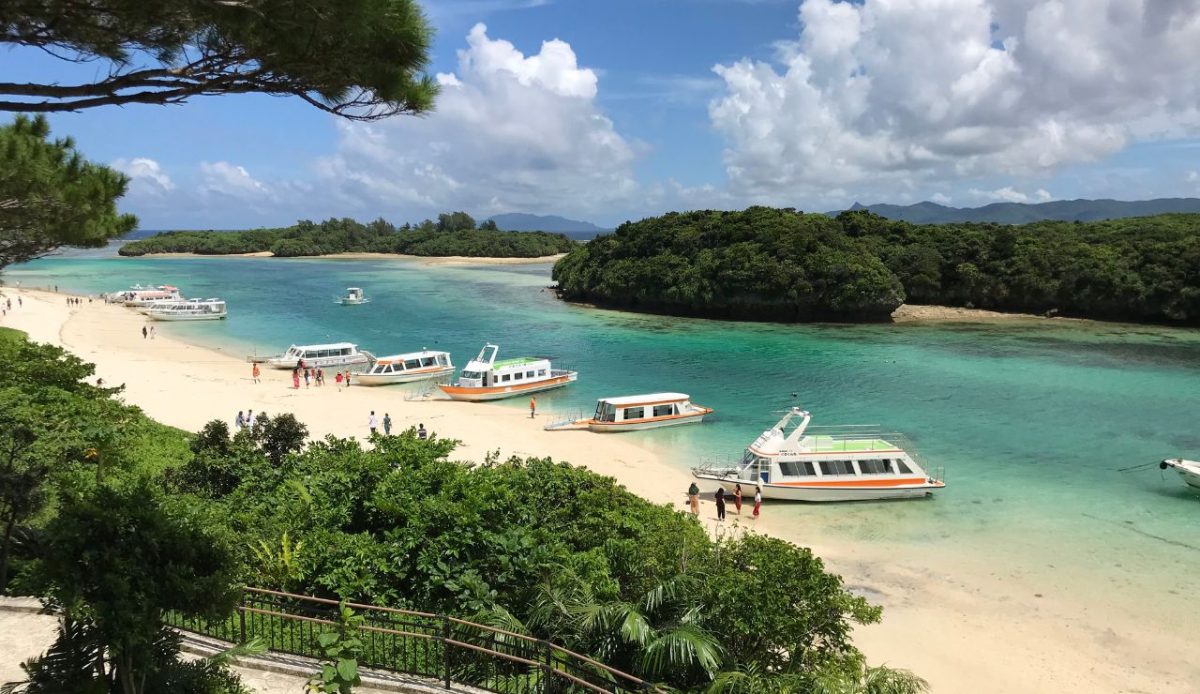
Okinawa’s clear waters and subtropical climate make it ideal for snorkeling, diving, and traditional boat activities. Local communities rely on the sea for fishing, while cultural festivals celebrate maritime life. Water sports are integrated into island education and tourism programs, preserving skills and traditions. Travelers can participate in kayaking, paddleboarding, and traditional sailing while learning about the ocean’s historical importance to local society. Okinawa shows how water-based activities connect people to nature, history, and culture, making them vital to leisure and daily life.
7. Hoi An, Vietnam
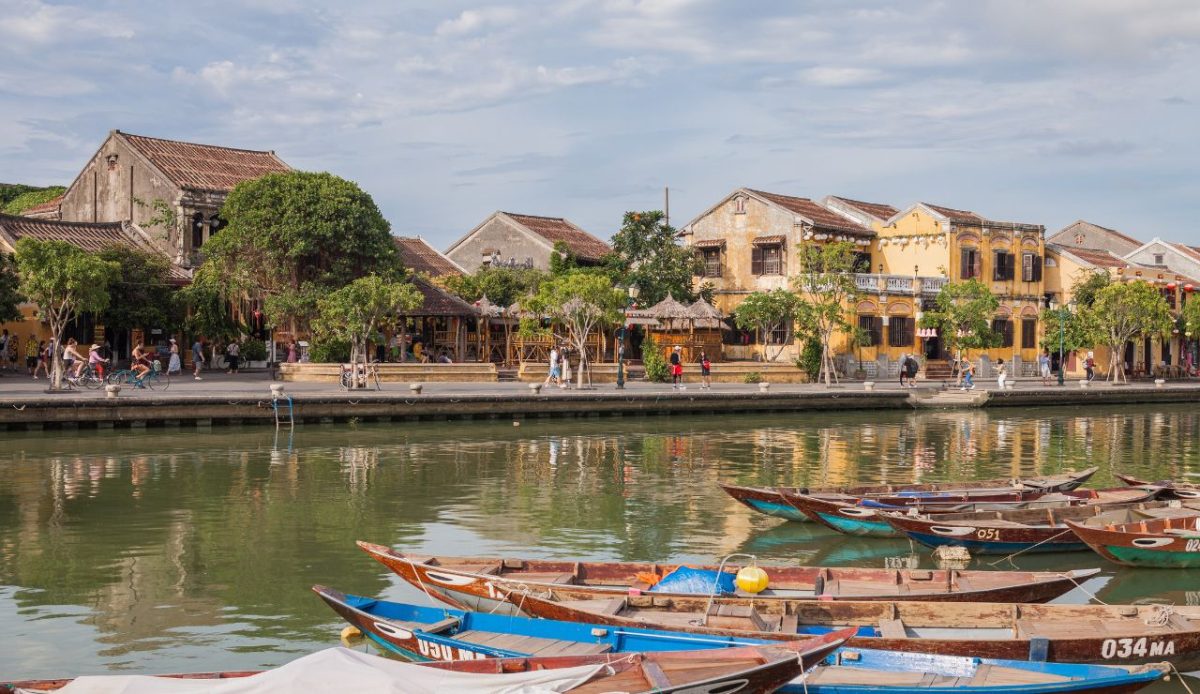
Hoi An, near rivers and coastlines, blends history with water-based culture. Local fishermen continue traditional netting techniques, while water festivals highlight boat races and communal celebrations. Tourists can kayak, paddle, or join river tours, observing how water shapes community life. The Thu Bon River provides both livelihood and recreation, reinforcing the cultural importance of aquatic skills. Travelers quickly see that water sports are not just recreational; they are intertwined with heritage, routines, and celebrations, reflecting centuries of life alongside flowing rivers and vibrant coastlines.
8. Palawan, Philippines
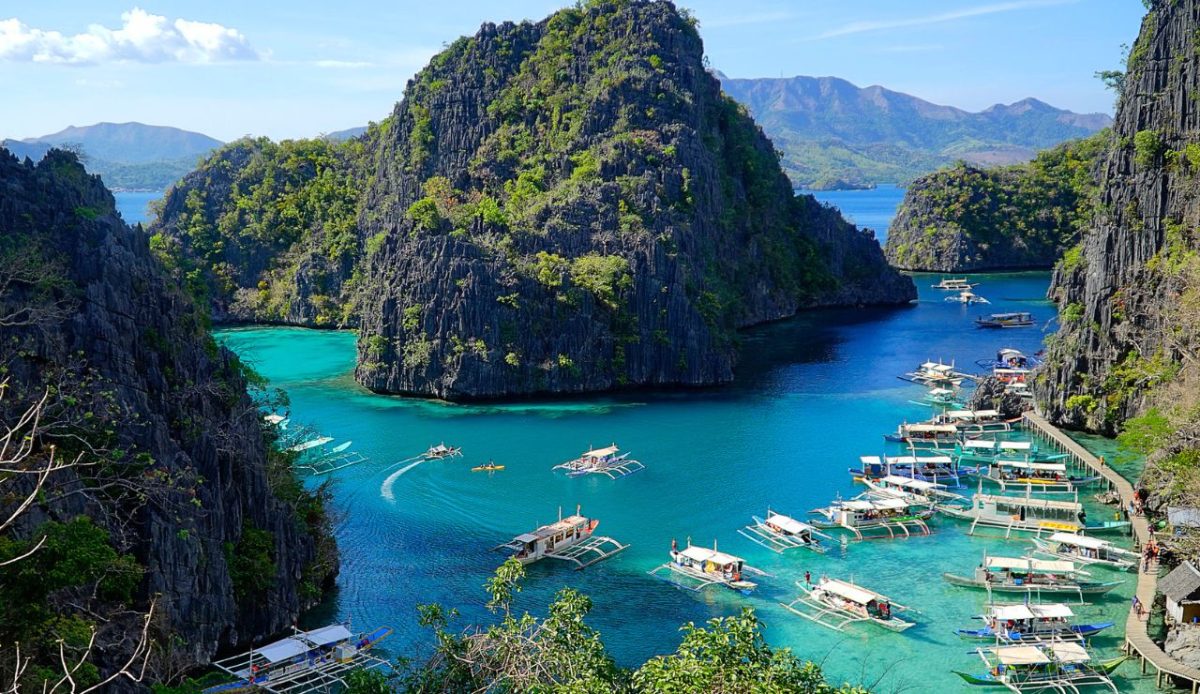
Palawan’s crystal-clear waters, lagoons, and islands make it a prime destination for kayaking, snorkeling, and diving. Locals maintain a strong connection to the sea through fishing and boat-building traditions. Festivals often celebrate maritime culture, showcasing regattas and coastal ceremonies. Travelers can join guided tours, explore hidden coves, or participate in water-based adventures that mirror local practices. Palawan demonstrates how natural landscapes and cultural identity intertwine, allowing visitors to experience both the thrill of water sports and the deeper significance of the sea in shaping local life.
9. Sri Lanka
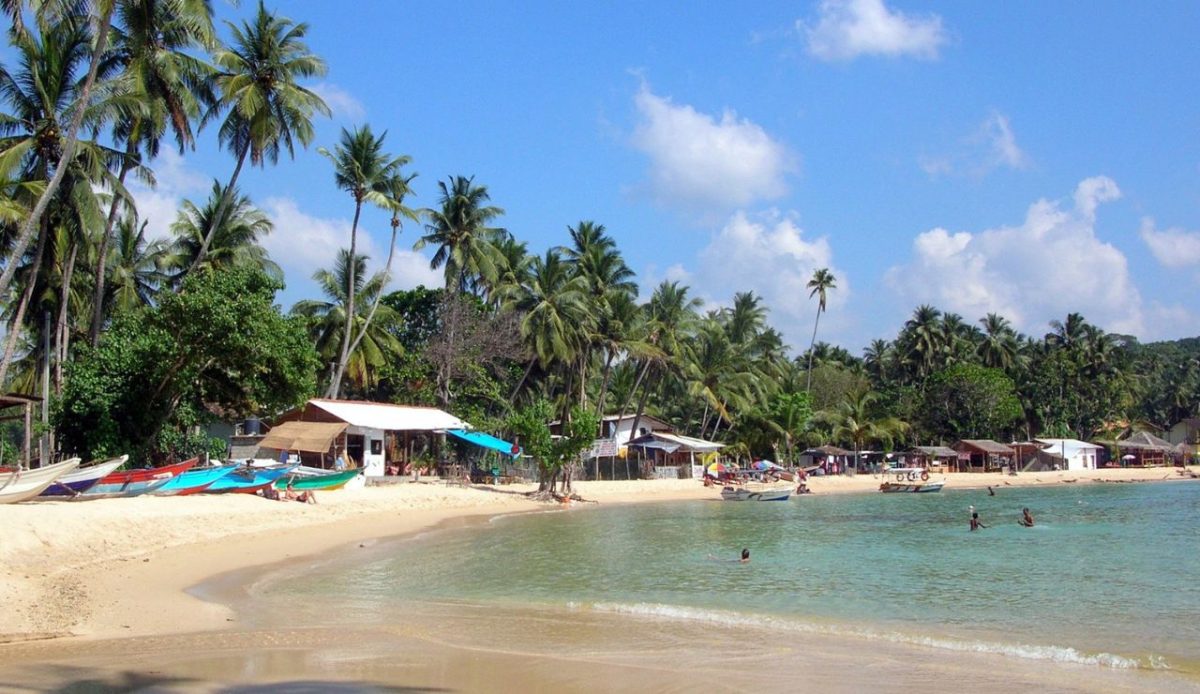
Sri Lanka’s coastal regions are steeped in water sports culture, from surfing in Arugam Bay to traditional fishing practices along the southern shores. Local communities host boat races and sea ceremonies reflecting centuries of maritime heritage. Travelers can surf, snorkel, or kayak while learning about sustainable fishing methods. Water sports are intertwined with festivals and daily routines, highlighting the ocean’s role in livelihood and social life. Visitors experience both adventure and culture, witnessing how Sri Lanka’s coastal lifestyle blends recreational activities with centuries-old traditions and respect for the sea.
10. Maldives
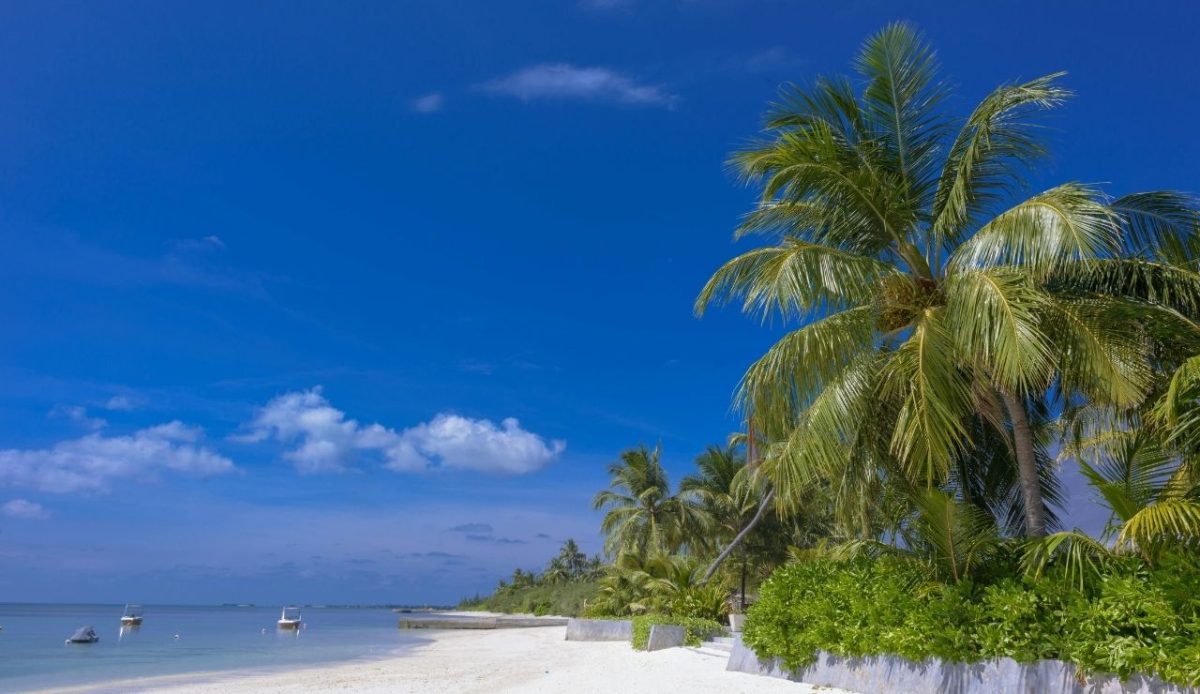
The Maldives offers unparalleled water sports amid turquoise lagoons and coral atolls. Local culture emphasizes fishing, dhoni boat use, and maritime navigation, reflecting centuries of seafaring heritage. Travelers can snorkel, dive, or sail while observing traditional techniques still in practice. Festivals often honor the sea, celebrating communal life and respect for marine ecosystems. The integration of water sports with daily culture creates a unique experience where leisure and tradition coexist. Visitors gain insight into how Maldives residents balance modern tourism with the preservation of ancient maritime practices.
11. Lang Co, Vietnam
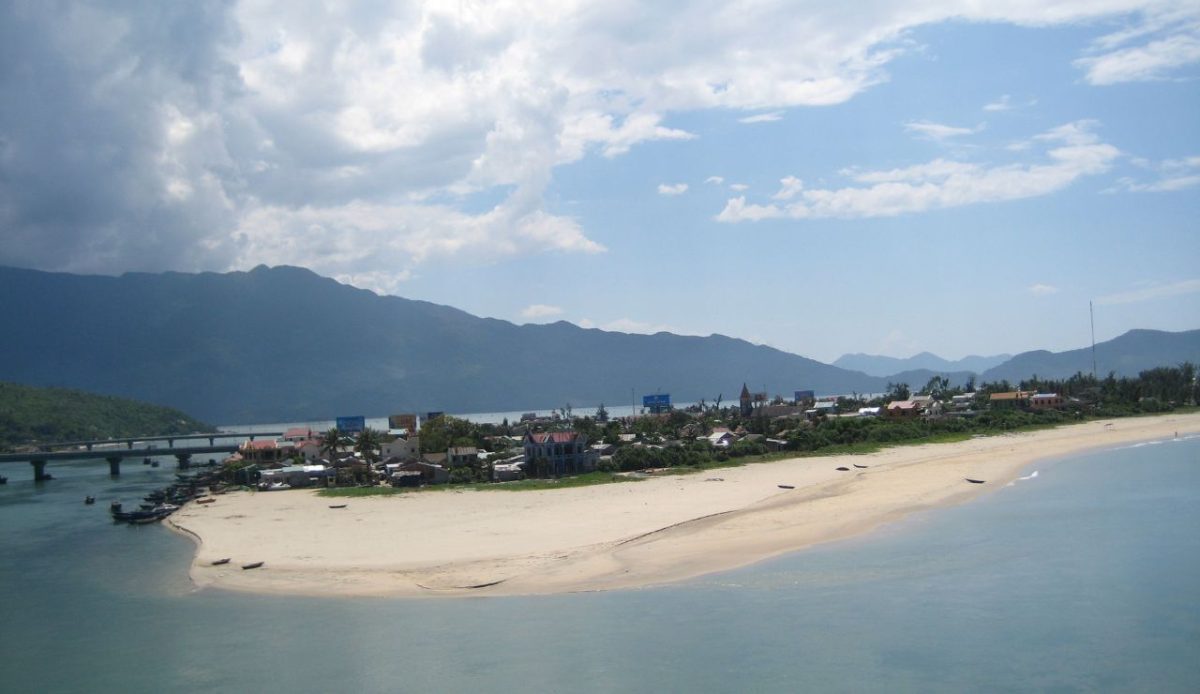
Lang Co, on Vietnam’s central coast, is a fishing town where water sports coexist with traditional livelihoods. Locals use boats for fishing, transportation, and festivals, while visitors can kayak, sail, or explore lagoons. Seasonal boat races highlight community participation, linking leisure to cultural identity. Travelers observe how the rhythms of daily life are dictated by tides, fishing schedules, and communal celebrations. Lang Co demonstrates that in many eastern coastal destinations, water sports are not only recreational, but they are also deeply rooted in tradition, community, and the way people connect with the surrounding environment.
12. Andaman Islands, India
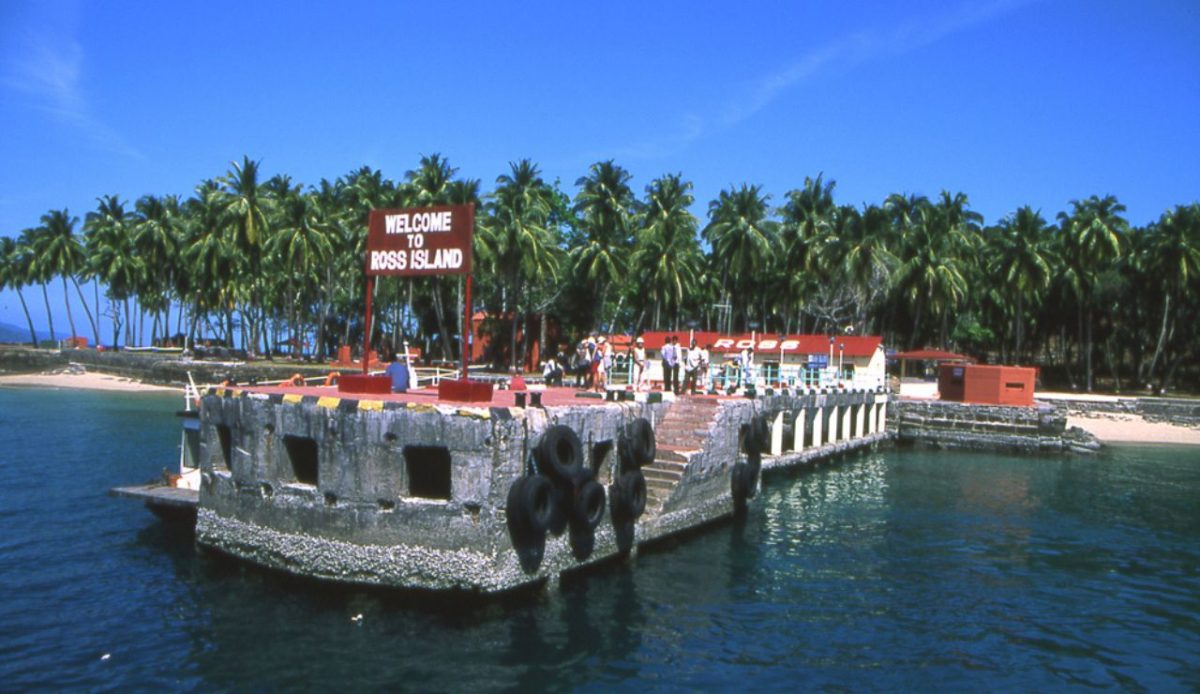
The Andaman Islands combine tropical landscapes with maritime traditions. Locals engage in fishing, pearl diving, and boat travel, while tourists enjoy snorkeling, kayaking, and diving. Festivals and communal activities often revolve around the sea, emphasizing its importance in daily life. Travelers witness how water sports and traditional practices coexist, providing cultural insights alongside adventure. The islands’ clear waters and natural beauty enhance the experience, letting visitors immerse in how communities interact with and celebrate the ocean, highlighting a unique blend of recreation, livelihood, and heritage.
