
Border entry increasingly depends on online authorization run by immigration agencies and enforced at airline check-in. When approval is required before departure, airport desks cannot correct missing filings. Access then depends on the internet, email, and card payment.
These digital gates add photo standards, file limits, and device checks that differ by country. If a portal rejects an upload or payment, a carrier can deny boarding because clearance is absent. Support is limited to web forms.
The sections below cover sixteen systems where digital completion is the key step for entry. Each case links a rule, such as app-only filing or mandatory online forms, to an outcome, such as boarding denial or scheduling delays. The focus is on mechanics.
1. Australia Electronic Travel Authority App System
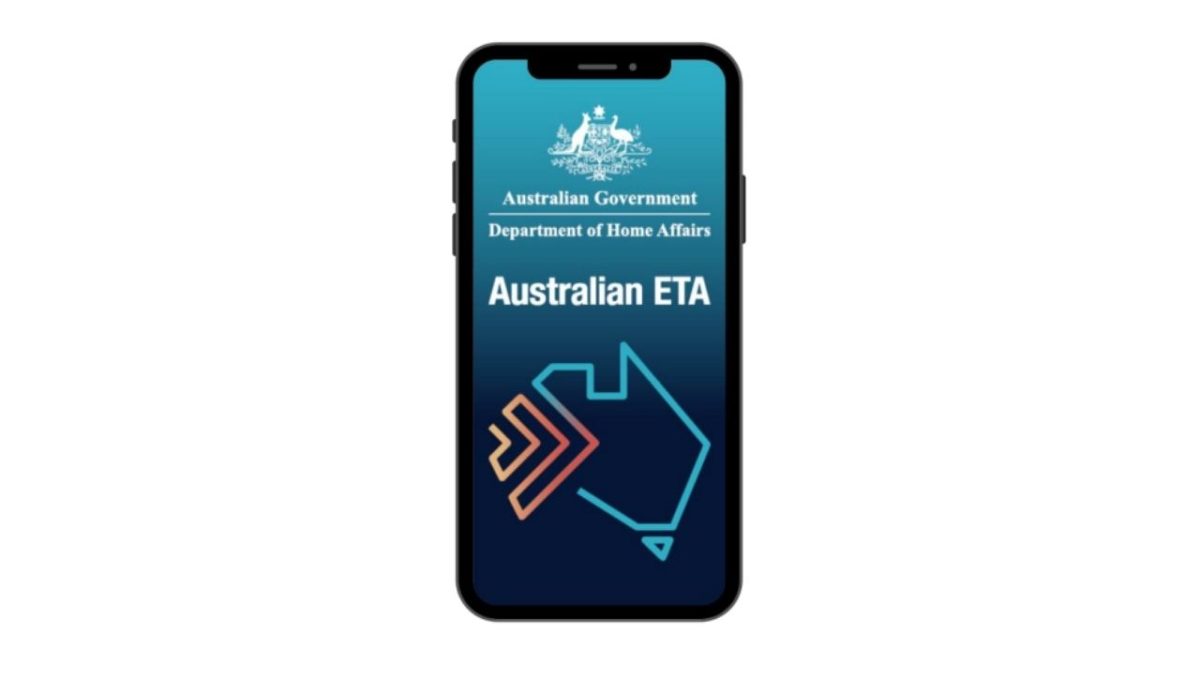
ETA subclass 601 is managed by the Department of Home Affairs and is filed through the Australian ETA app. The app reads the passport chip using the phone’s NFC and captures a live face image, so older devices and desktop users cannot finish the checks.
Because clearance is checked in airline departure control systems, the enforcement point is the check-in counter. If the app process fails, the traveler can be refused boarding since the carrier cannot rely on an arrival desk to fix the status.
This design reduces consular workload and speeds airport flows into Australian entry airports, but it shifts compliance costs to the traveler. Older travelers without compatible smartphones depend on third-party help, which can raise denial risk.
2. United Kingdom Electronic Travel Authorisation
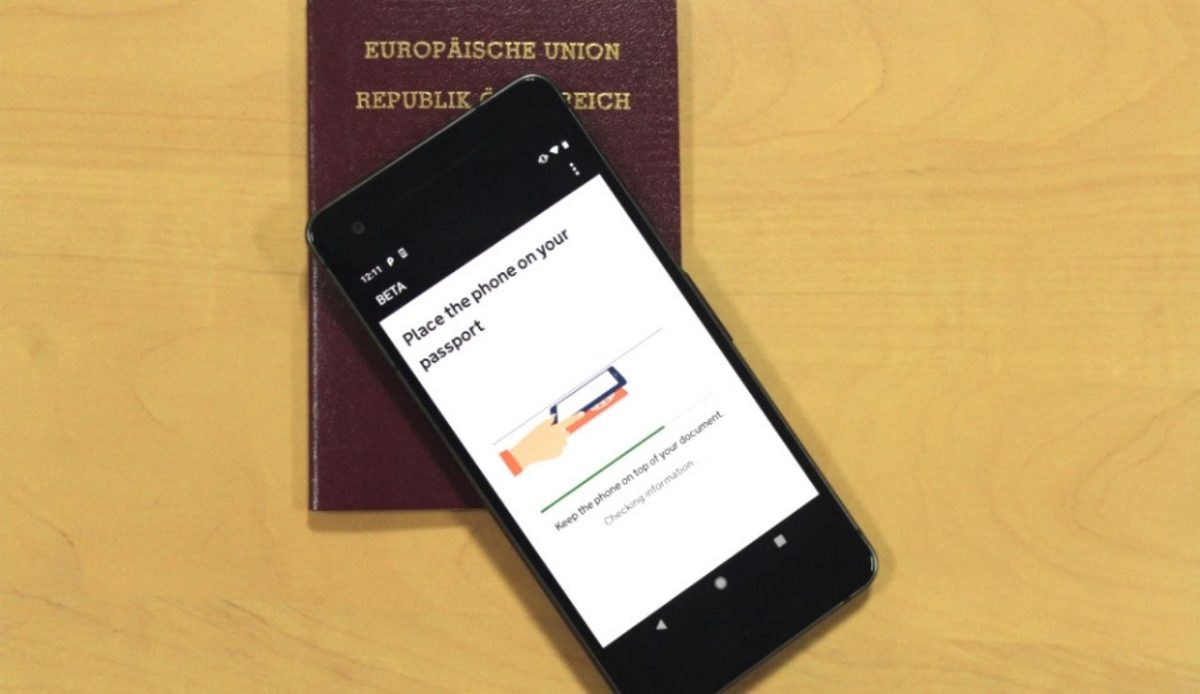
The UK Electronic Travel Authorisation is required for covered nationalities and is obtained online or with the UK ETA app. Applicants submit a face photo and pay electronically, and the Home Office ties approval to the passport used for travel.
Airlines and ferry operators check the status before departure to UK ports such as Heathrow and Dover routes. If the photo fails quality rules or payment cannot be completed, boarding can be blocked because clearance is missing.
The system moves screening from the border to pre-travel databases, which cuts arrival processing time. Older travelers often need help with image capture and online payment, and fewer staffed offices leave limited fallback options.
3. Canada Electronic Travel Authorization

Canada requires an eTA for visa-exempt travelers who fly into airports such as Toronto Pearson and Vancouver. The authorization is requested through an IRCC web form with a fee paid by card, and the result is delivered electronically without a paper label.
Air carriers verify the eTA before boarding because approval is linked to the passport number. If an applicant lacks email access, cannot complete payment, or enters data inconsistently, the airline sees no clearance and can deny boarding.
The policy reduces inspection time at primary lines by shifting checks to pre-departure systems. It also concentrates access in one online workflow, which can exclude older travelers who rely on cash payments or in-person filing support.
4. United States ESTA System
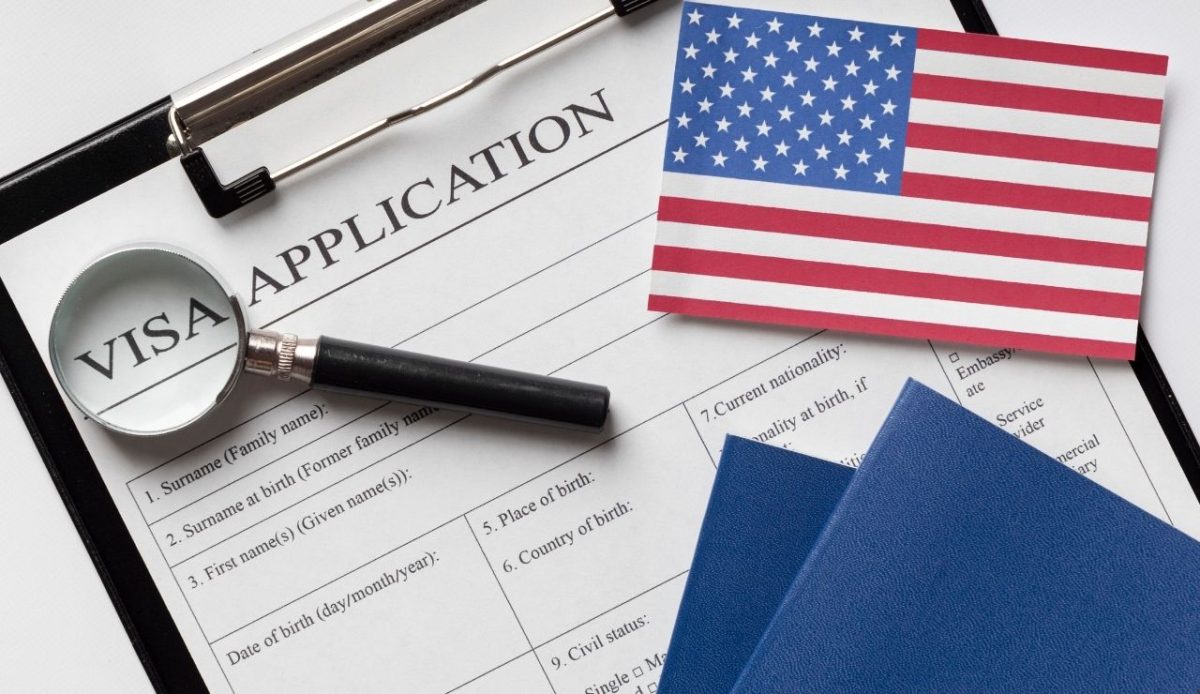
ESTA is the required pre-travel clearance for Visa Waiver Program arrivals into US entry airports such as JFK and LAX. The application is completed online with a fee, and approval is tied to the passport, not to a consular visit.
Airlines must confirm an approved ESTA before departure because passengers without clearance can create carrier liability. If the form is not completed, a payment fails, or an error triggers pending status, the traveler can be denied boarding.
This model speeds border processing by filtering travelers before they reach inspection booths. It assumes digital skills and electronic payment access, which can shut out older travelers who cannot manage web forms or account security steps.
5. United States DS-160 Online Visa Form
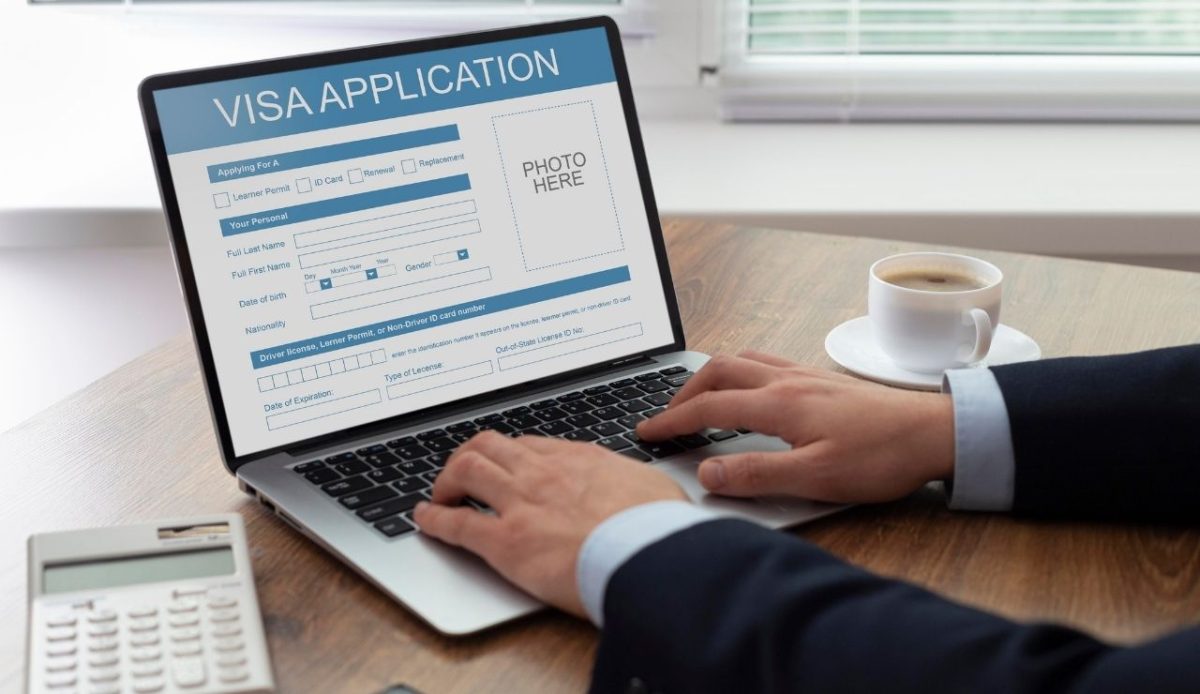
For many US nonimmigrant visas, applicants must submit the DS 160 through the Consular Electronic Application Center before an interview is scheduled. The form is online only and creates a barcode confirmation used at consulates in cities such as Karachi.
The DS 160 requires a compliant digital photo and detailed background data. If an upload fails or a session times out, the applicant must resubmit, which can delay interview booking because scheduling relies on the confirmation number.
This setup standardizes intake for consular posts and reduces paper handling. It shifts from accuracy and file preparation to applicants, which can disadvantage older travelers who lack scanning tools or cannot manage long online questionnaires.
6. Canada IRCC Online Visitor Visa Portal
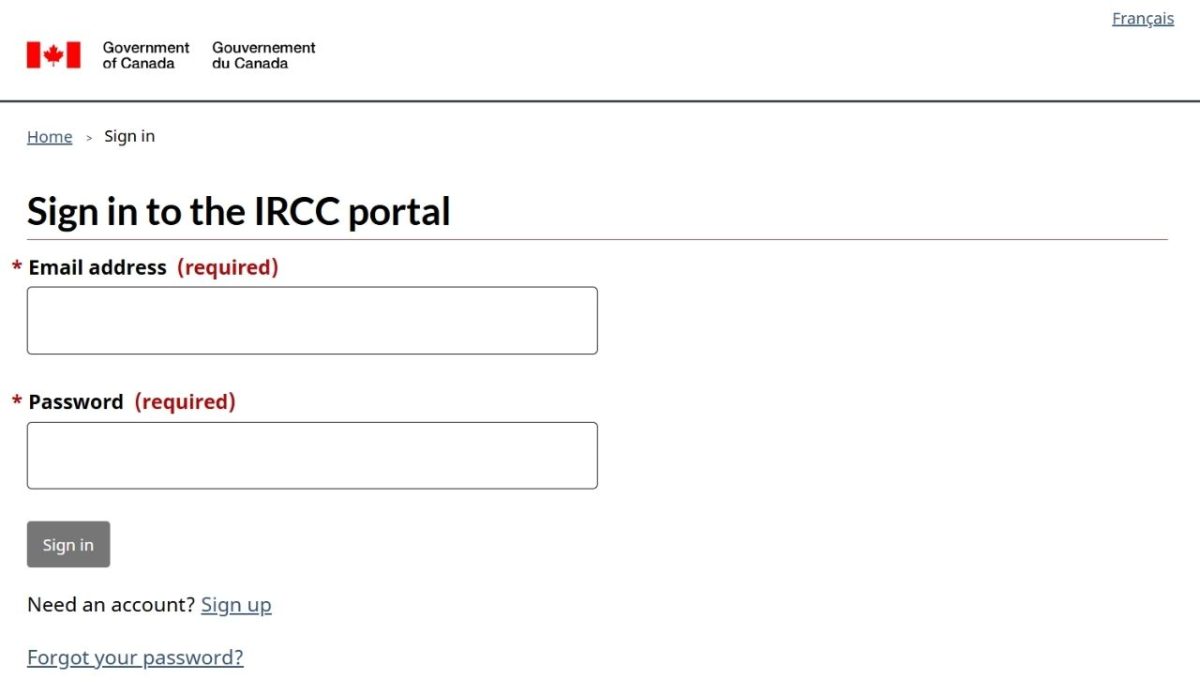
Canada channels many visitor visa applications through IRCC online accounts, where applicants upload documents and pay fees electronically. This model applies to travelers who need a Temporary Resident Visa to reach Canadian entry airports and land ports.
File size caps and format rules can reject scans of bank statements or identity documents. If uploads fail or portal messages are missed, the case can stall because requests for biometrics or extra documents arrive through the account, not by mail.
The shift reduces counter service and supports centralized processing. It makes internet access and document digitization a requirement, which can block older travelers who depend on paper records and in-person assistance.
7. New Zealand Immigration Online Application System
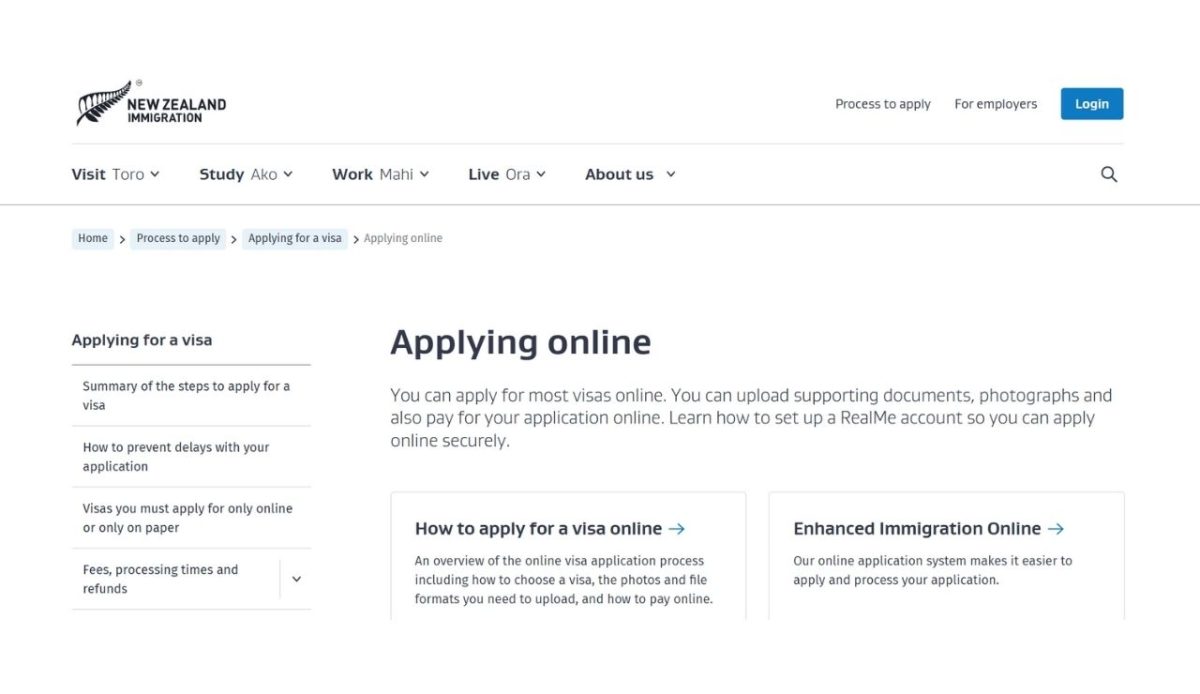
Immigration New Zealand uses online accounts for many visa applications, often linked to RealMe identity services. Applicants upload evidence, pay fees, and track requests through the portal used for arrivals into airports such as Auckland.
When an account cannot be verified or an upload fails, the case can pause because officers request fixes through online messages. This creates time pressure during peak months when processing capacity is constrained by staffing limits.
The approach reduces paper intake and standardizes review. It also depends on stable logins, scanned documents, and online payment, which can exclude older travelers who cannot set up identity accounts or manage repeated portal prompts.
8. South Korea K-ETA
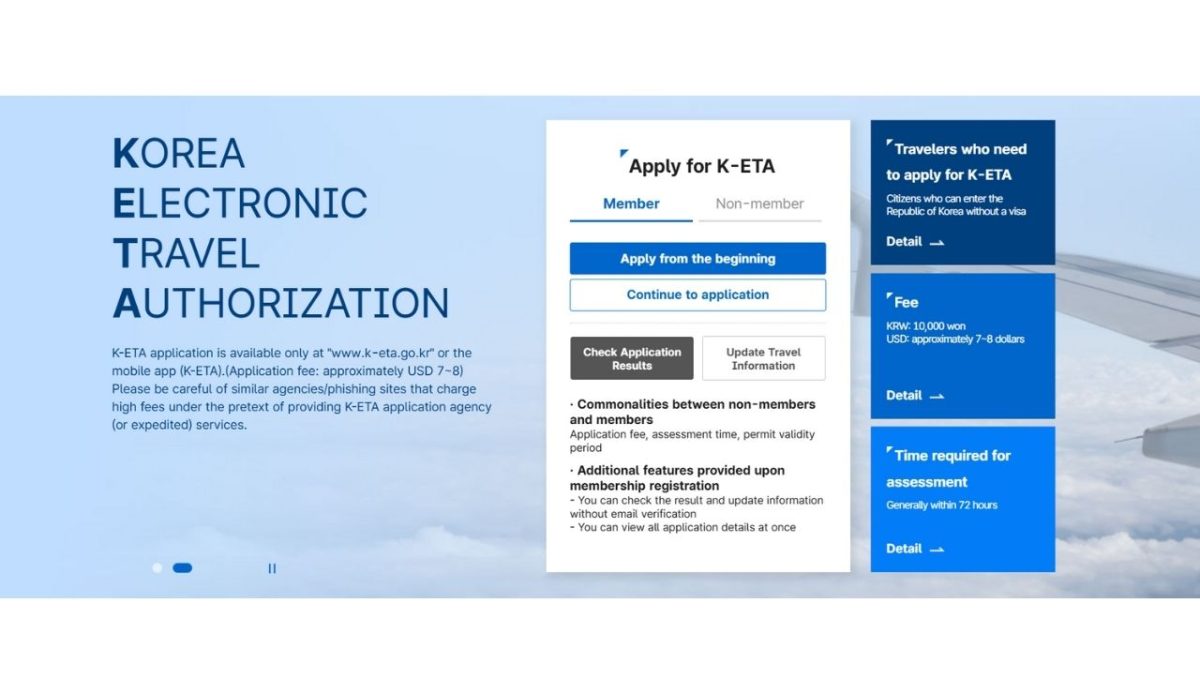
South Korea requires K ETA clearance for many visa-free travelers before arrival at airports such as Incheon. Applications are submitted on the K ETA site or app with a fee, and applicants upload a face photo under fixed image rules.
Carriers check approval before departure. If an upload fails, payment cannot be processed, or the system returns a pending decision, the traveler may lose the departure slot because clearance is not confirmed.
The policy reduces workload at arrival desks by filtering travelers earlier and collecting data in advance. It adds a technical barrier that can exclude older travelers who lack smartphones, cannot resize images, or rely on others for online transactions.
9. Israel ETA-IL System
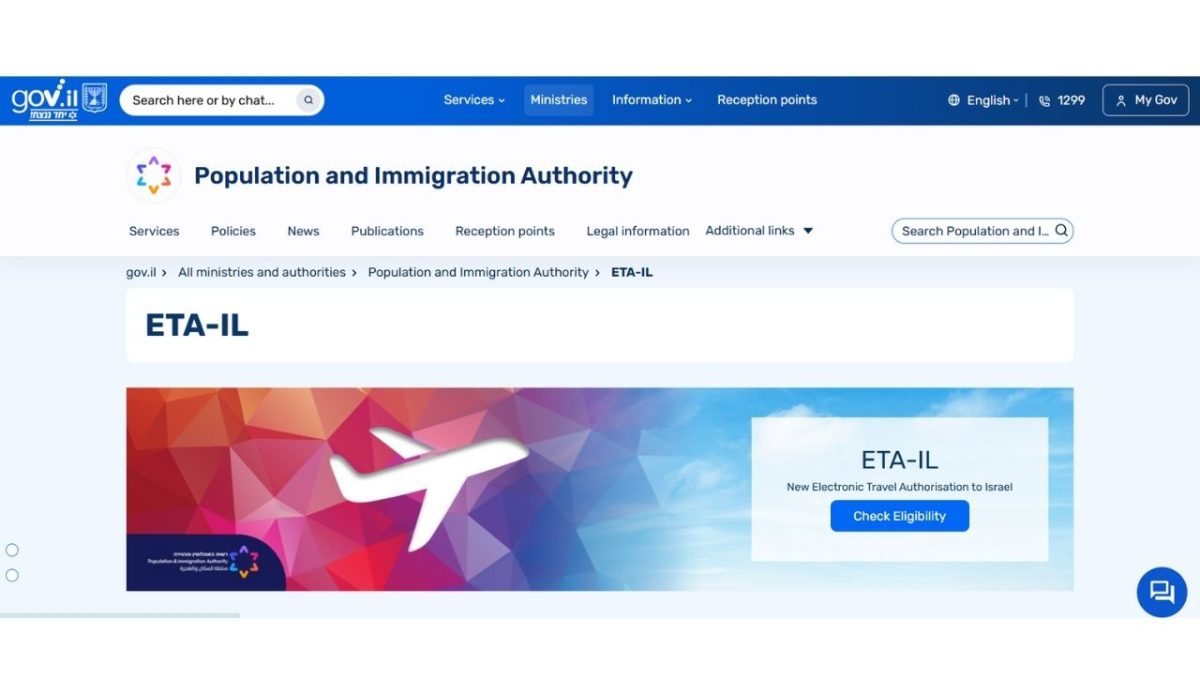
Israel requires ETA IL authorization for certain visa-exempt travelers before entry through airports such as Ben Gurion. The Population and Immigration Authority runs the online process, which collects passport data and issues approval linked to that document.
Airlines check authorization at departure. If the applicant cannot complete the online form or payment, the airline sees no approval and can block boarding on routes into Tel Aviv because clearance is absent.
This model shifts screening to pre-travel systems and reduces on-arrival processing for low-risk visitors. It also narrows access to those who can use the portal, which can disadvantage older travelers who do not use online payment tools or secure email.
10. Kenya Electronic Travel Authorization
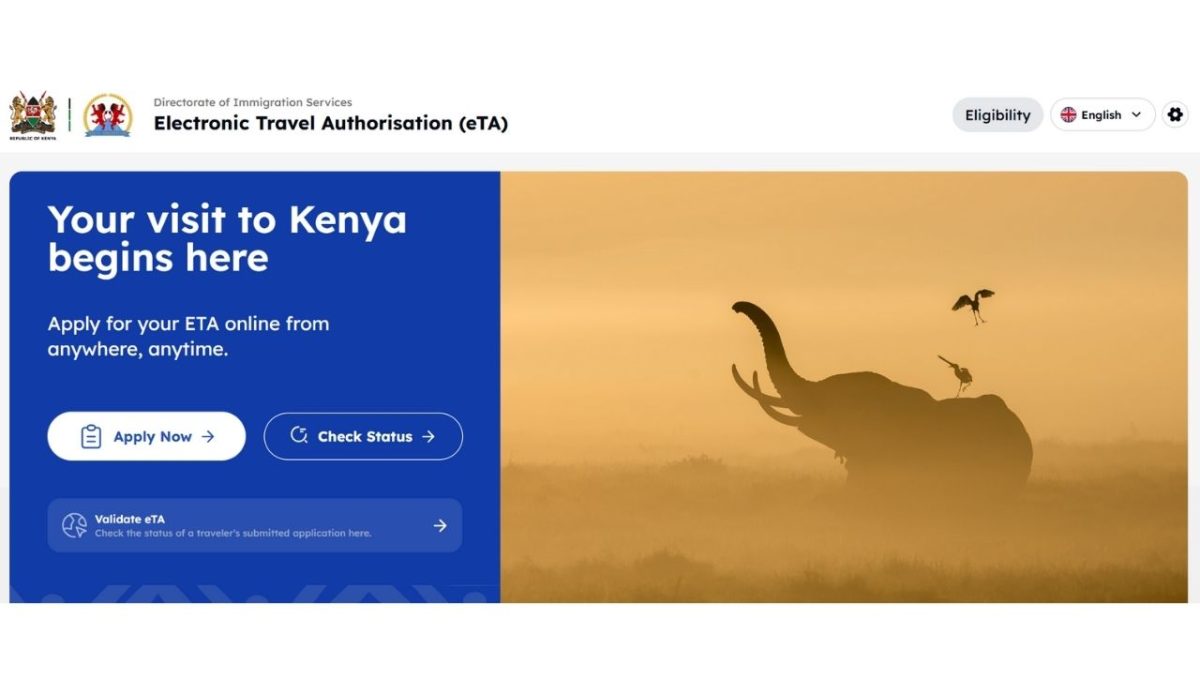
Kenya replaced its prior visa process with an Electronic Travel Authorisation that is filed online before travel. The platform collects passport details, travel dates, and supporting files, and it is used for arrivals through Nairobi and Mombasa entry points.
Airlines verify approval before boarding. If uploads fail or payment cannot be completed, the traveler cannot shift to a visa on arrival counter because that channel was removed for most visitors.
The policy uses advanced screening and reduces staffing needs at airports. It also makes access depend on internet filing and digitized documents, which can shut out older travelers who rely on paper records or need in-person help to complete forms.
11. Sri Lanka Electronic Travel Authorization
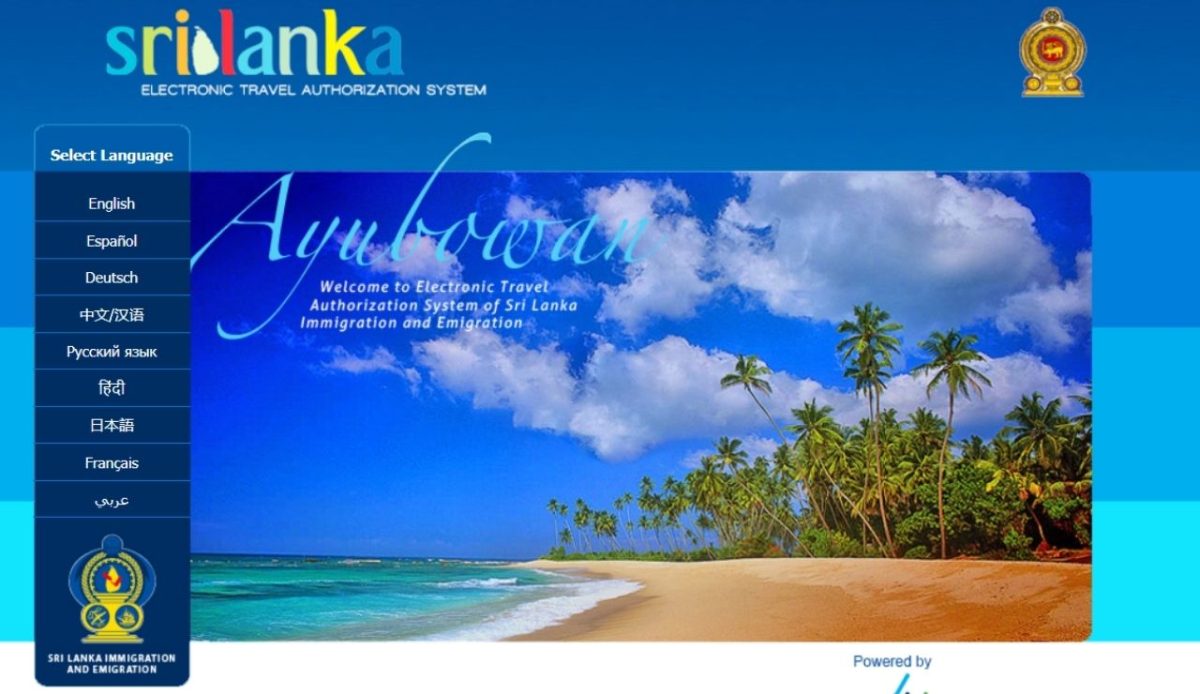
Sri Lanka issues short-visit clearance through an Electronic Travel Authorization portal run by the Department of Immigration and Emigration. The process is online with card payment and is used for entry through Colombo airport and key seaports.
If an applicant cannot pay electronically or cannot complete the portal steps, approval may not be issued before departure. The ETA is treated as the standard pre-travel record, so missing clearance can raise boarding risk and add arrival delays.
The system reduces manual paperwork and centralizes screening before travel. It creates dependency on online payment and data entry, which can exclude older travelers who lack cards or who rely on assisted counters that operate on limited hours.
12. Türkiye Electronic Visa Platform
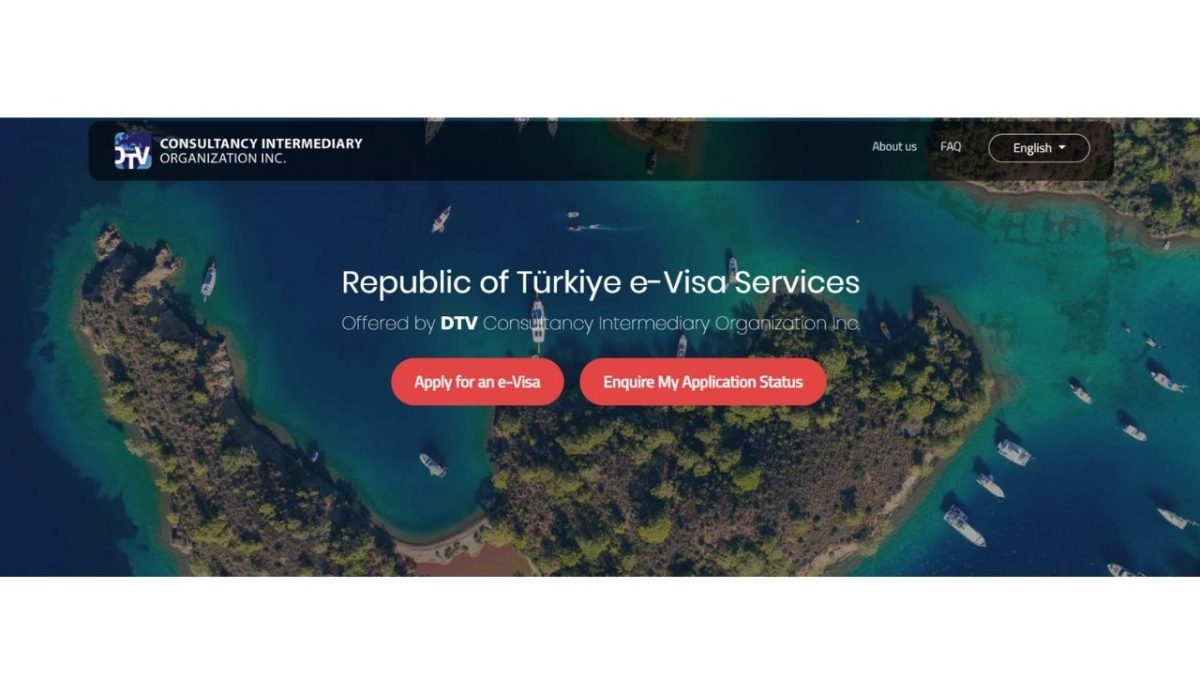
Türkiye issues e-Visa approvals through an official online portal for certain nationalities. Applicants enter passport data, confirm travel details, and pay by card, and the result is delivered electronically for use at airports such as Istanbul.
Approval is checked before boarding and at border control, so travelers who cannot pay online or who make entry errors can lose travel access. Consular visas exist, yet appointment limits and timelines make the e-Visa the gate for many short visits.
The system reduces consular workload and standardizes traveler data in advance. It relies on web navigation and digital payment, which can exclude older travelers who avoid online cards or who need in-person support to complete form fields accurately.
