
Across the globe, rare animals are still sold illegally in markets, street stalls, and private shops, often in plain sight of tourists.
These destinations attract visitors with vibrant culture, local charm, and bustling marketplaces, yet the hidden wildlife trade exposes endangered species to grave risks. Laws exist, but enforcement is often inconsistent, making illegal sales surprisingly common.
This guide highlights 12 destinations where travelers may encounter illegal animal sales. Awareness and caution are essential, helping visitors navigate markets responsibly while understanding the hidden world of wildlife exploitation.
1. Bangkok, Thailand
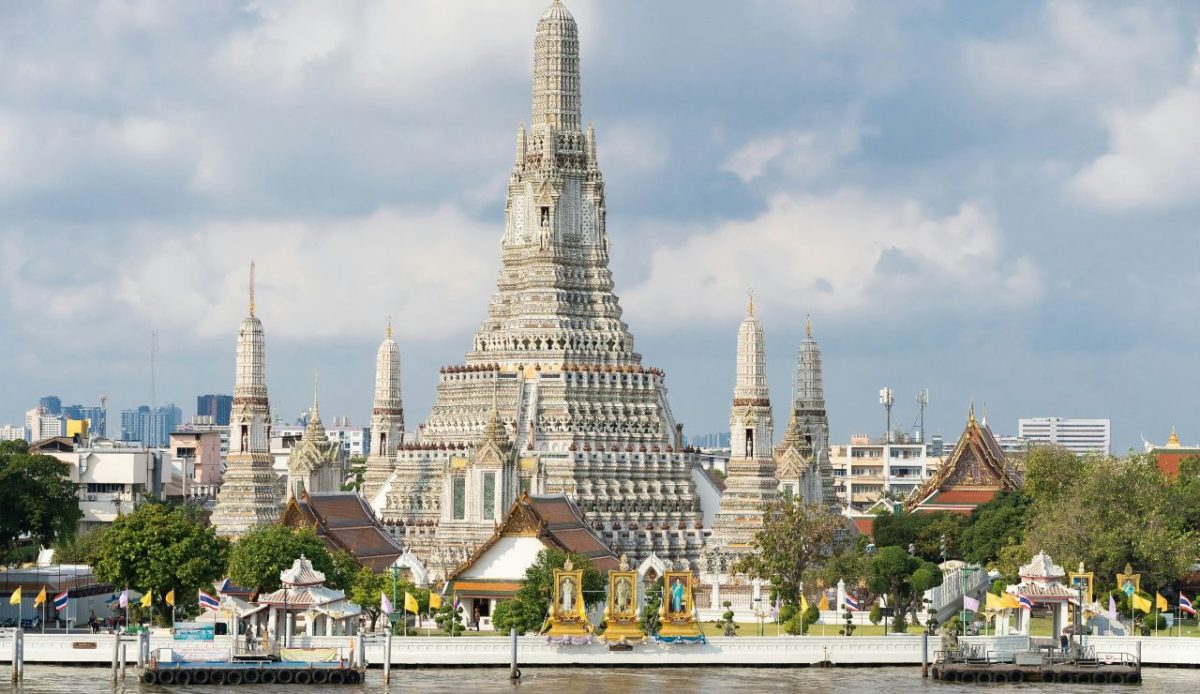
Bangkok’s bustling markets are known for vibrant street life, yet some stalls illegally sell exotic animals.
From rare birds to reptiles, these animals are often displayed openly for tourists. Despite wildlife protection laws, enforcement is inconsistent, allowing these trades to continue discreetly. The trade sometimes masquerades as “traditional souvenirs,” making it harder for visitors to detect.
Travelers should avoid engaging in purchases and be aware of the ethical concerns. Bangkok offers rich culture, temples, and street food, but visitors must navigate markets cautiously to avoid supporting illegal wildlife practices.
2. Ho Chi Minh City, Vietnam
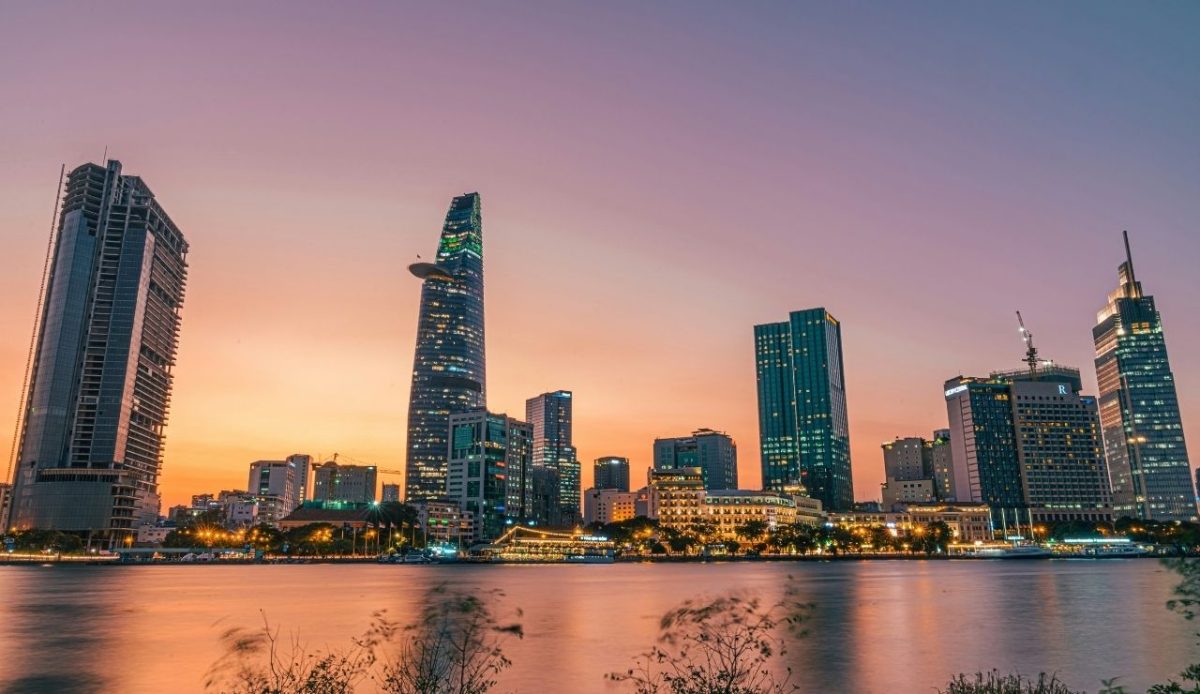
Ho Chi Minh City hosts markets where endangered reptiles, birds, and mammals are sold under the radar, often attracting curious tourists.
The trade is frequently disguised as “traditional” or “local specialty” products, making it easy for visitors to overlook. Some stalls even showcase rare species openly for photographs, despite growing awareness campaigns and occasional raids by authorities to curb illegal activity.
Travelers should remain vigilant and avoid interactions with sellers of live animals. Being informed about wildlife protection laws enhances responsible tourism and helps protect Vietnam’s precious species while exploring the city’s bustling markets.
3. Lagos, Nigeria
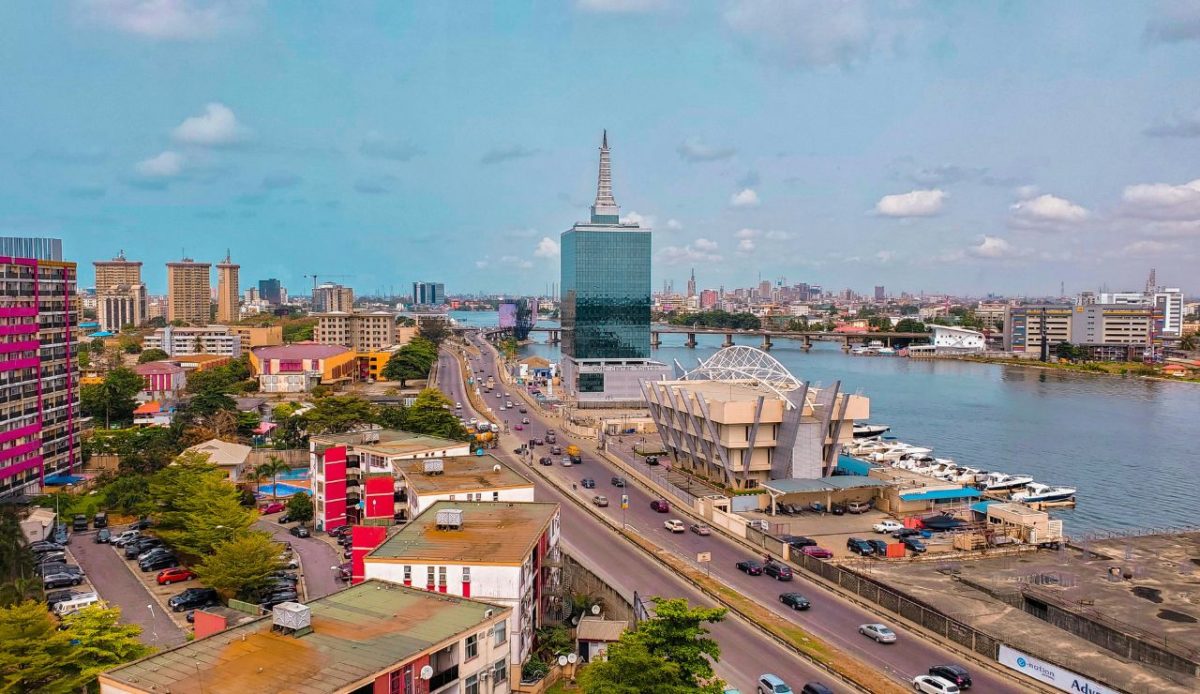
Lagos, a bustling commercial hub, has markets where exotic wildlife can be found for sale illegally, raising serious ethical concerns.
Rare birds, primates, and reptiles are sometimes openly traded, often in crowded market conditions where oversight is minimal. High demand, cultural practices, and limited enforcement allow these markets to continue thriving, posing dangers to endangered species and encouraging illegal networks.
Tourists must exercise caution and avoid participating in the wildlife trade. Lagos offers rich culture and cuisine, but awareness of the hidden animal trade is critical for responsible visits.
4. Jakarta, Indonesia
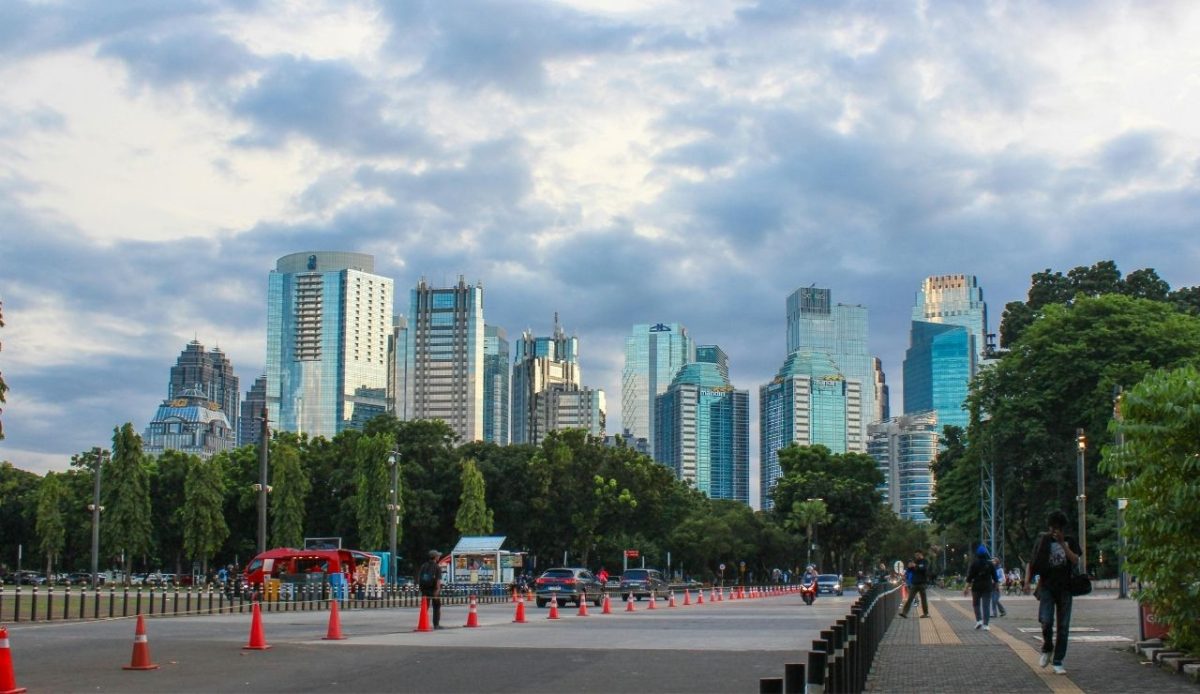
Jakarta hosts street markets where rare and exotic animals are sold under informal conditions, often in plain sight of unsuspecting tourists.
Endangered species such as birds, reptiles, and small mammals are displayed in cages or makeshift stalls, sometimes attracting photography or casual interest. While authorities occasionally intervene with raids and fines, enforcement remains inconsistent, allowing traders to continue their business quietly.
Travelers should avoid taking photos or engaging with sellers. Awareness of the hidden wildlife trade adds context to Jakarta’s lively markets while encouraging responsible exploration of the city.
5. Nairobi, Kenya
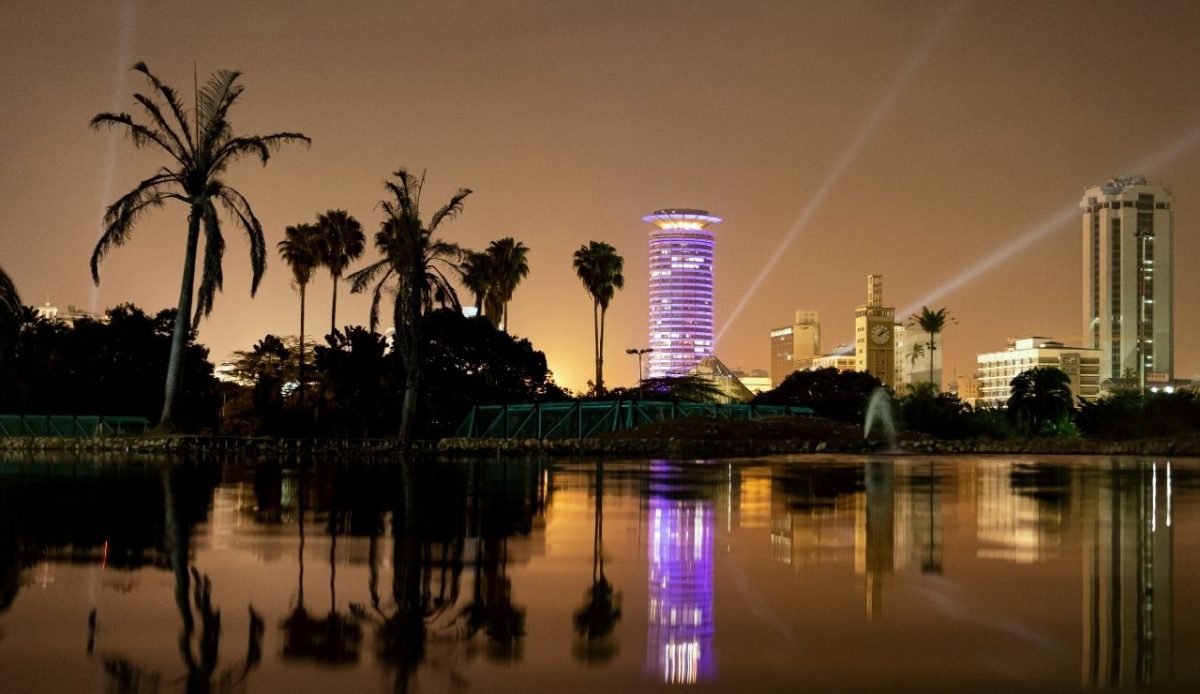
Nairobi has markets where illegal animal sales occasionally occur, despite Kenya’s strict wildlife protection laws and active national parks.
Small exotic mammals, birds, and reptiles are sold illegally for pets, traditional medicine, or as collector items. Urban congestion, cultural demand, and enforcement challenges contribute to the persistence of these hidden markets, often tucked away from tourist hotspots.
Visitors must exercise awareness and avoid participation. Nairobi’s cultural and natural attractions remain compelling, but understanding the hidden wildlife trade ensures an ethical travel experience.
6. Marrakech, Morocco
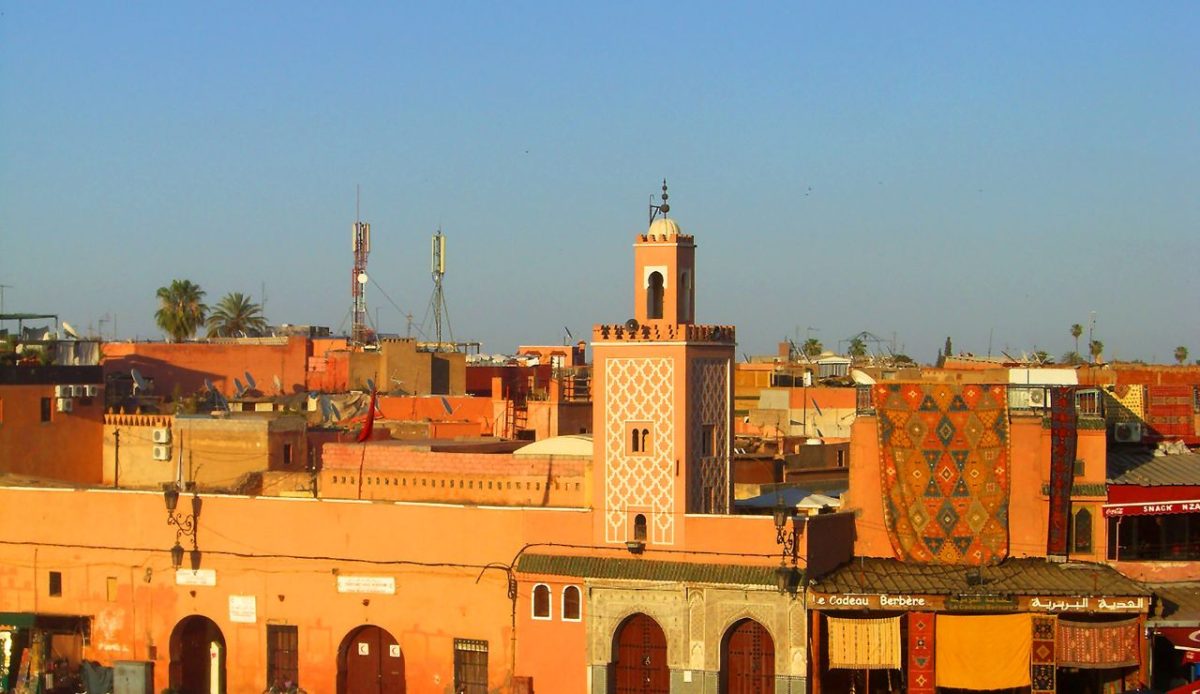
Marrakech’s souks sometimes feature rare animals for sale, including birds, reptiles, and monkeys, attracting curious tourists who may not notice the legal implications.
These animals are often used as photo props or sold as “exotic” pets. Enforcement exists but is sporadic, allowing traders to operate discreetly. Awareness campaigns are increasing, but tourists can still encounter live animal displays in central markets.
Travelers should avoid interacting with sellers and be mindful of ethical concerns. Marrakech’s vibrant markets remain fascinating, yet the illegal wildlife trade is a sobering aspect to recognize.
7. Manila, Philippines
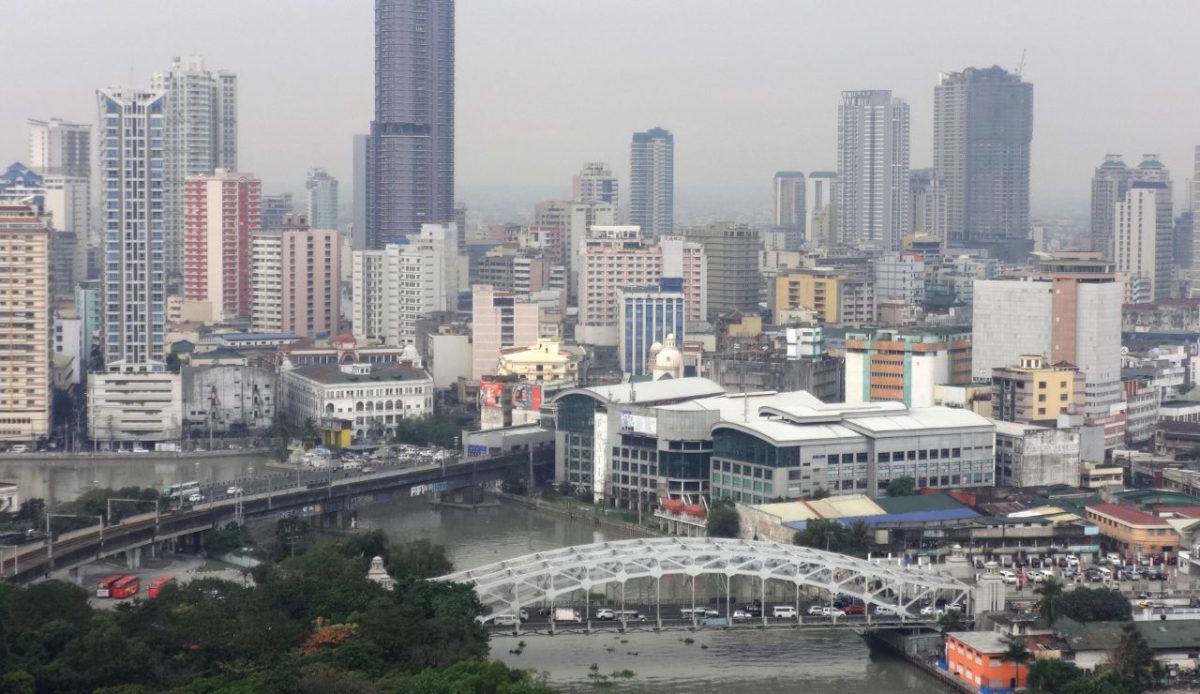
Manila’s street markets occasionally showcase endangered birds, reptiles, and small mammals for sale in plain sight.
Animals are offered for traditional remedies, pets, or decorative purposes, often with minimal attention from authorities. Though campaigns raise awareness, high demand and insufficient enforcement mean these trades continue quietly, sometimes hidden among other market goods.
Tourists should avoid purchasing or photographing animals. Manila’s rich culture, historic sites, and bustling streets remain compelling, but travelers must navigate markets responsibly to avoid supporting illegal wildlife trade.
8. Hanoi, Vietnam
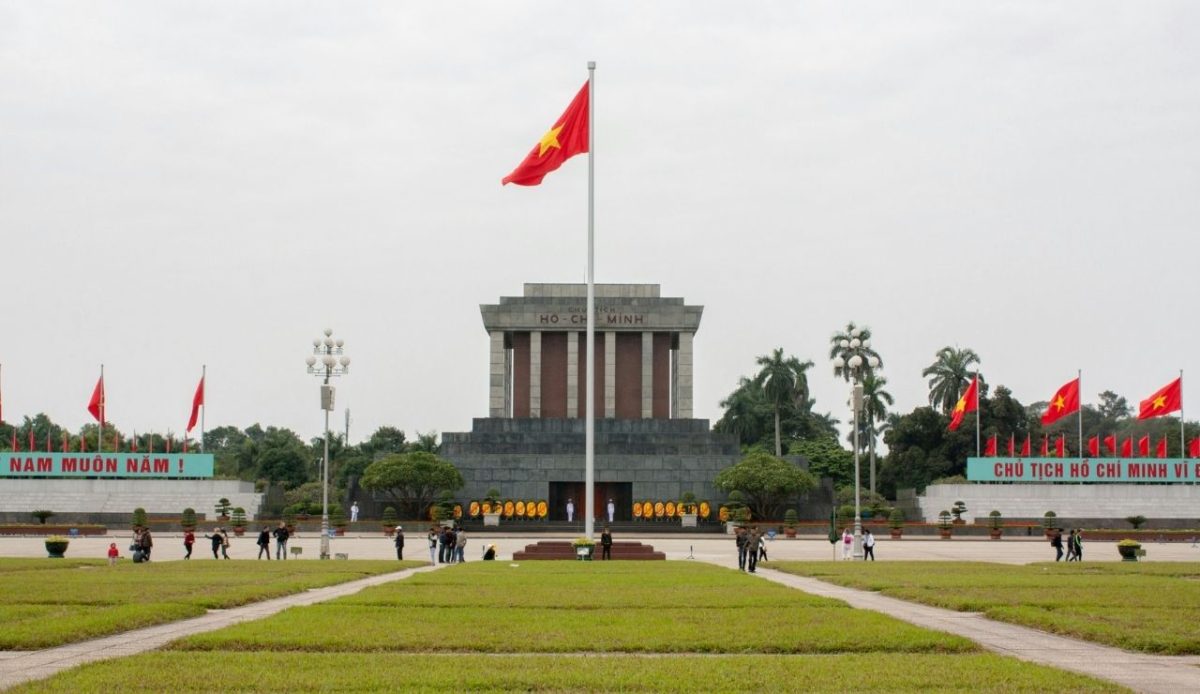
Hanoi hosts markets and stalls where rare animals are sometimes sold under the guise of traditional or local products.
Birds, reptiles, and small mammals are often displayed openly, making it easy for tourists to encounter them unknowingly. Despite increased crackdowns, illegal trade continues due to cultural acceptance and persistent demand, highlighting a significant conservation concern.
Visitors must exercise caution and refrain from engaging with sellers. Experiencing Hanoi’s historic streets responsibly requires understanding this hidden trade while appreciating the city’s culinary and cultural highlights.
9. Yangon, Myanmar
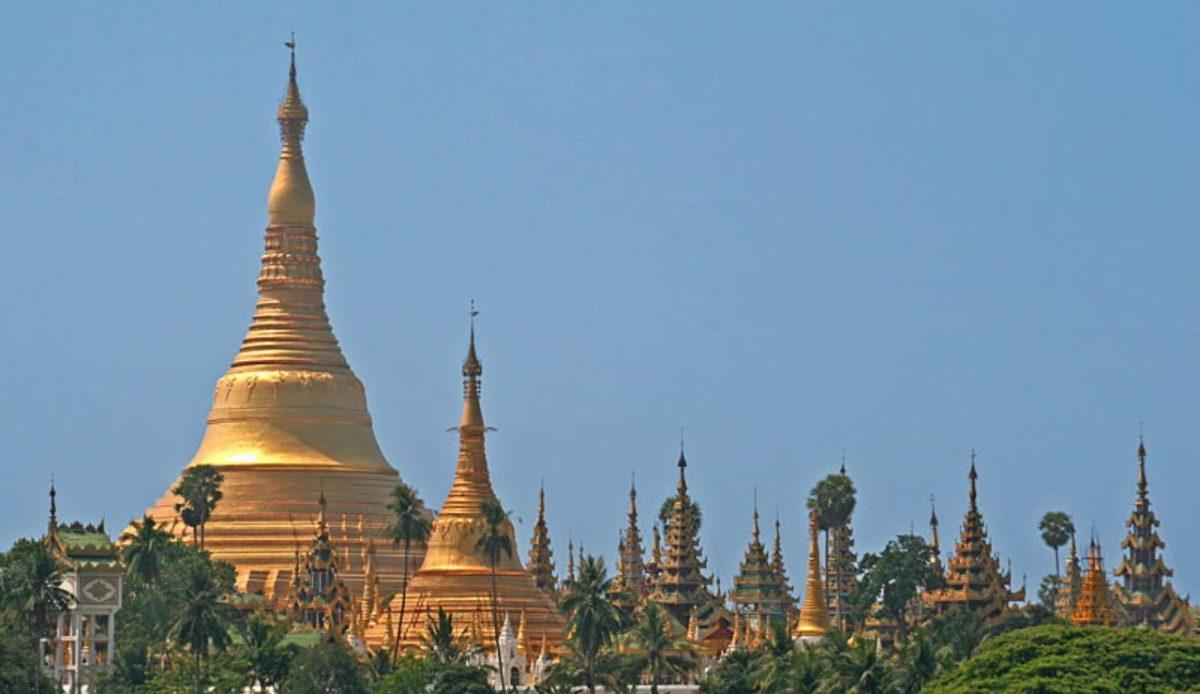
Yangon’s street markets occasionally display rare and exotic animals for sale, often hidden among more common goods and souvenirs.
Endangered birds, reptiles, and small mammals appear in open stalls, sometimes sold for pets, traditional remedies, or decorative purposes. Weak enforcement, high tourist curiosity, and limited resources for wildlife protection allow these illegal trades to persist quietly despite legal regulations.
Travelers should avoid engaging with sellers, refrain from taking photos of the animals, and report suspicious activity if possible. Yangon offers rich culture, colonial architecture, and bustling markets, but understanding the hidden wildlife trade ensures a safe and responsible visit.
10. Phnom Penh, Cambodia
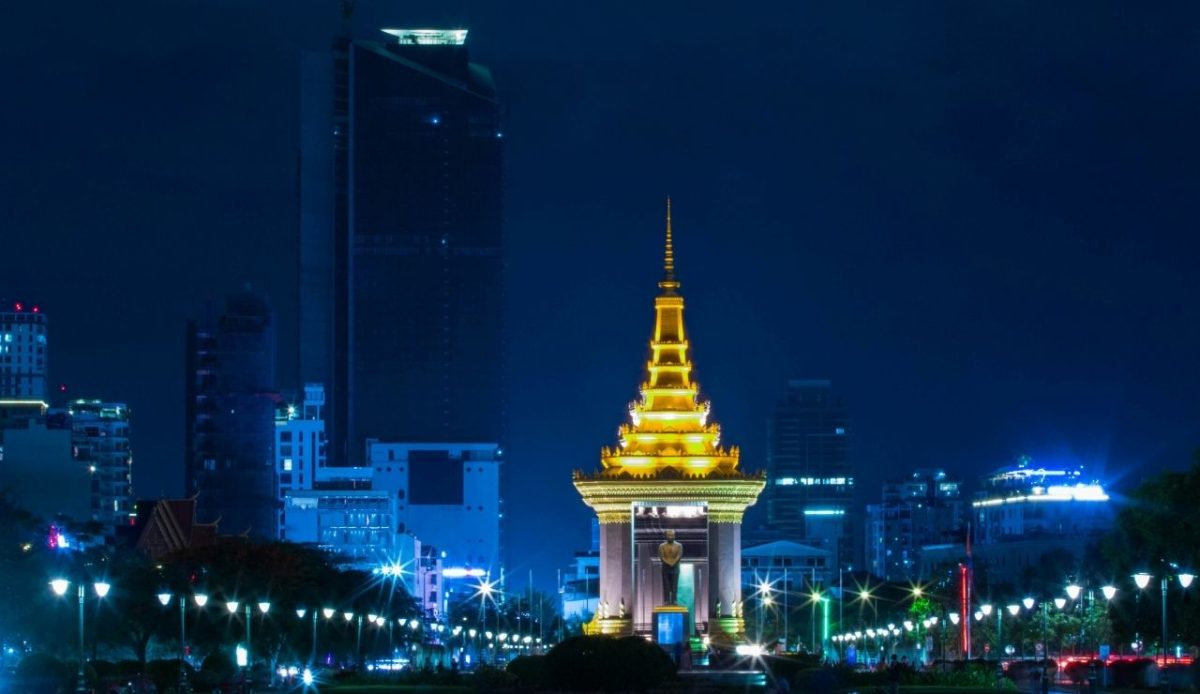
Phnom Penh has markets where endangered species are sold for traditional purposes, pets, or ornamental use, often in plain sight of tourists.
Rare birds, reptiles, and small mammals appear alongside legal goods, with some vendors openly displaying them to attract attention. Enforcement is limited, inspections are sporadic, and high demand ensures that illegal sales continue quietly despite regulations.
Visitors should avoid engaging, purchasing, or photographing these animals and familiarize themselves with local wildlife laws. Exploring Phnom Penh responsibly allows travelers to enjoy the historic sites, riverside charm, and vibrant culture without contributing to wildlife exploitation.
11. Delhi, India
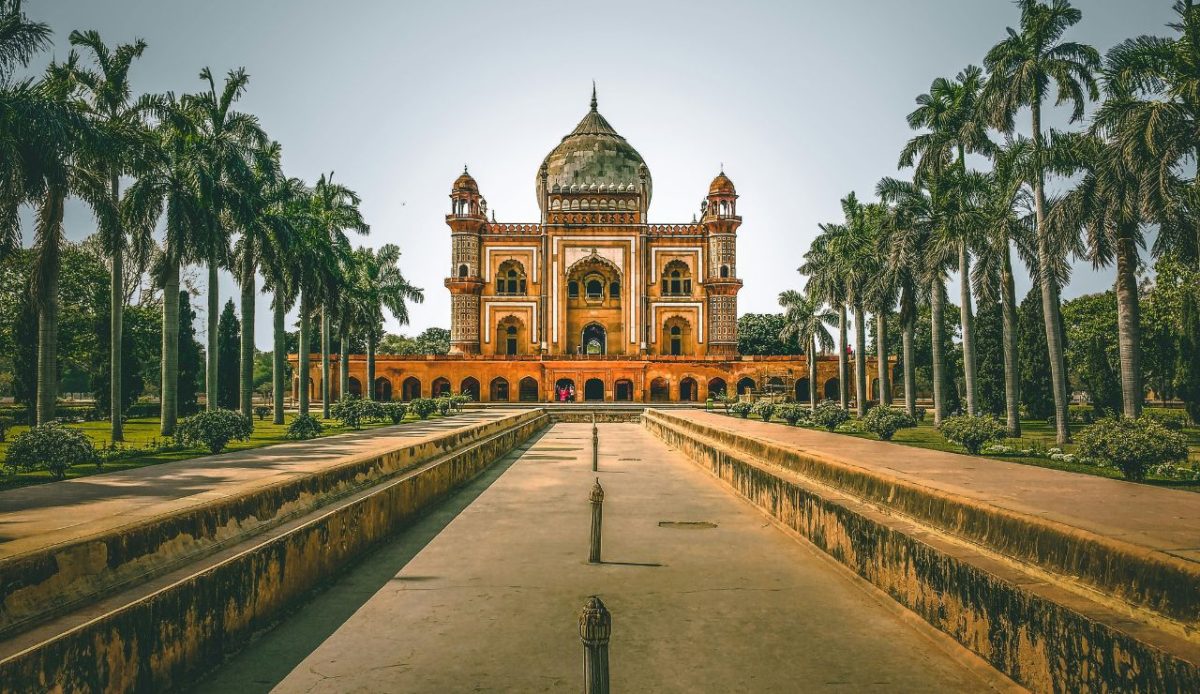
Delhi’s sprawling bazaars occasionally feature rare animals for sale illegally, raising serious ethical and conservation concerns.
Exotic birds, reptiles, and small mammals may be displayed openly. Though Indian wildlife laws exist, enforcement is inconsistent, particularly in crowded market areas where traders often operate under the radar, sometimes targeting tourists for casual purchases.
Travelers should avoid purchases and report suspicious activity if possible. Delhi’s rich heritage, architecture, and vibrant street life are compelling, yet understanding wildlife ethics is essential for responsible visits.
12. Quito, Ecuador
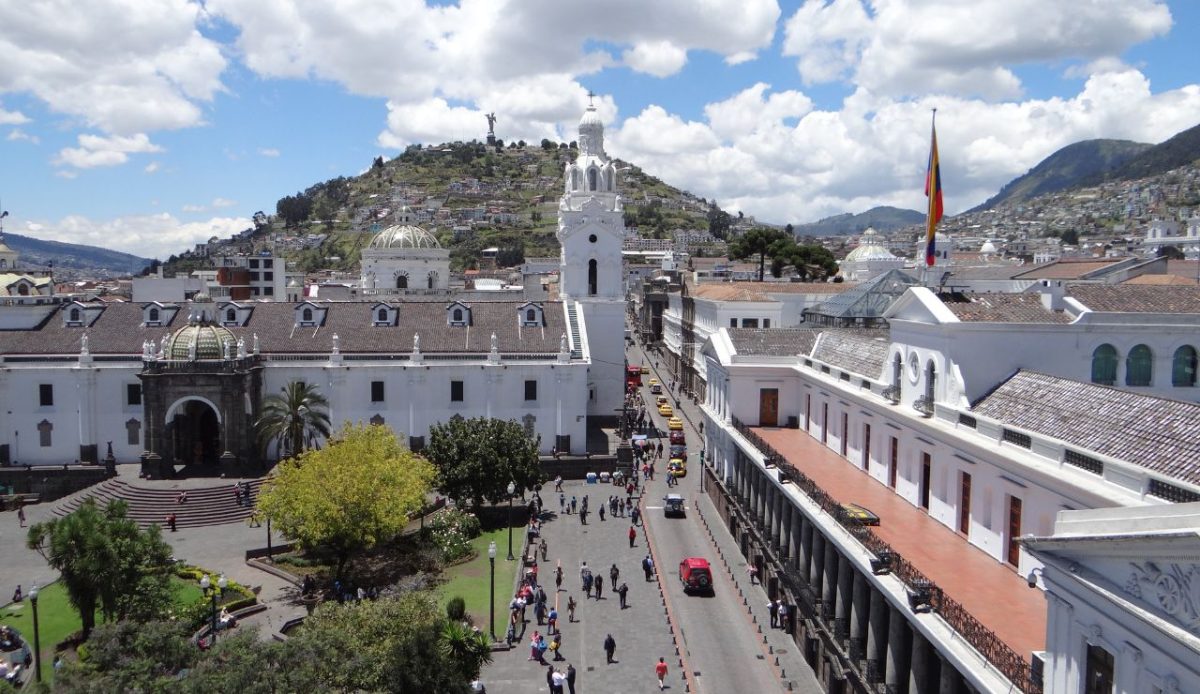
Quito, Ecuador’s historic capital, is home to bustling markets where rare and exotic animals are occasionally sold illegally.
Vendors sometimes display parrots, reptiles, and small mammals alongside crafts and souvenirs. While Ecuador has strict wildlife protection laws, enforcement in crowded market areas can be inconsistent, allowing illicit sales to continue discreetly.
Travelers should avoid interacting with sellers or taking photos of wildlife stalls. Quito’s colonial architecture, cultural heritage, and vibrant street life remain captivating, but awareness of illegal wildlife trade ensures responsible tourism practices.
