
Delta delays can look minor on an airport board, then snowball into thousands of missed connections when they hit a hub. One late inbound aircraft, an air-traffic restriction, or a tech glitch can cascade across crews, gates, and baggage in a matter of hours.
Recent disruptions have shown how fast a normal travel day can flip into overnight terminal camping, rebooking lines, and apps that won’t load. The causes vary, but the experience is similar: uncertainty, scarce seats, and time lost.
Here are 12 common delay patterns that have stranded large numbers of Delta flyers. Use them as a reality check when you’re choosing routes, building buffers, or deciding whether to travel on a high-risk day.
1. Major winter storms
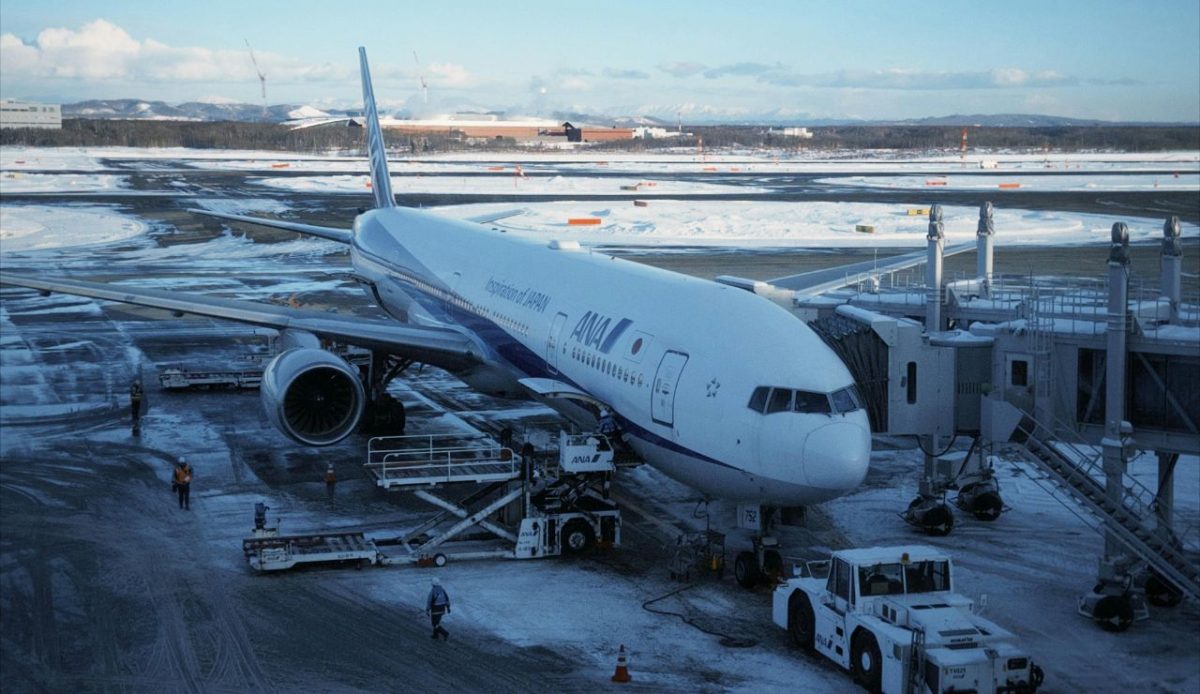
Big winter systems don’t just cancel flights; they trap aircraft and crews out of position across multiple cities. When a storm shuts down regions at once, Delta may keep some flights moving, but the network can’t “reset” quickly.
Passengers feel it as rolling delays: the first wave is weather, the second wave is missing planes, timed-out crews, and jammed gates at hubs. Even after the snow stops, deicing, runway clearing, and crew swaps keep the backlog alive.
If your trip touches the Midwest or Northeast during a widespread event, assume disruptions can last days. Build slack, avoid the last flight of the night, and consider rerouting earlier while seats still exist.
2. FAA ground stops at busy airports
A ground stop is the FAA telling arrivals to pause, often for weather, congestion, or operational safety restrictions. When it hits a tight airport like LaGuardia, delays stack fast because there’s limited space to absorb extra aircraft.
Delta can be hit especially hard when a hub-bank of arrivals gets frozen, because every late arrival becomes a late departure for someone else. Crews, gates, and baggage crews get mismatched, and the day’s schedule loses its rhythm.
To reduce risk, avoid short connections at constraint-heavy airports and don’t assume a “small delay” is stable. Once ATC flow programs start, the estimate you see can jump by hours with little warning.
3. Hub congestion in Atlanta
Atlanta is Delta’s biggest engine, so when the airport clogs, the whole airline feels it. A thunderstorm line, runway work, or a flood of diverted flights can overwhelm gates, ramp space, and taxiways in a short time.
Even if your route never touches Atlanta, the aircraft and crews you need often do. That’s how a hub problem turns into nationwide delays, missed connections, and late-night rebookings at airports far from Georgia.
If you must connect there, choose a longer layover than you think you need and keep meals and chargers handy. Pack essentials in your carry-on and hold a backup routing in mind, because rebooking options vanish quickly when ATL goes red.
4. Short-staffed crews and duty-time limits
Sometimes the weather clears, but your plane still can’t leave because the crew has “timed out.” Federal duty limits cap how long pilots and flight attendants can work, and delays quietly eat that clock minute by minute.
When a crew hits the limit, Delta must find a replacement or cancel. At night or at smaller stations, that can mean waiting until the next morning, because there may be no reserve crew nearby.
Your best defense is to avoid the last departure on a route and keep connections realistic. If a day is already slipping, proactively look for earlier flights before your crew runs out of legal hours, even if it means a longer layover.
5. Aircraft maintenance holds
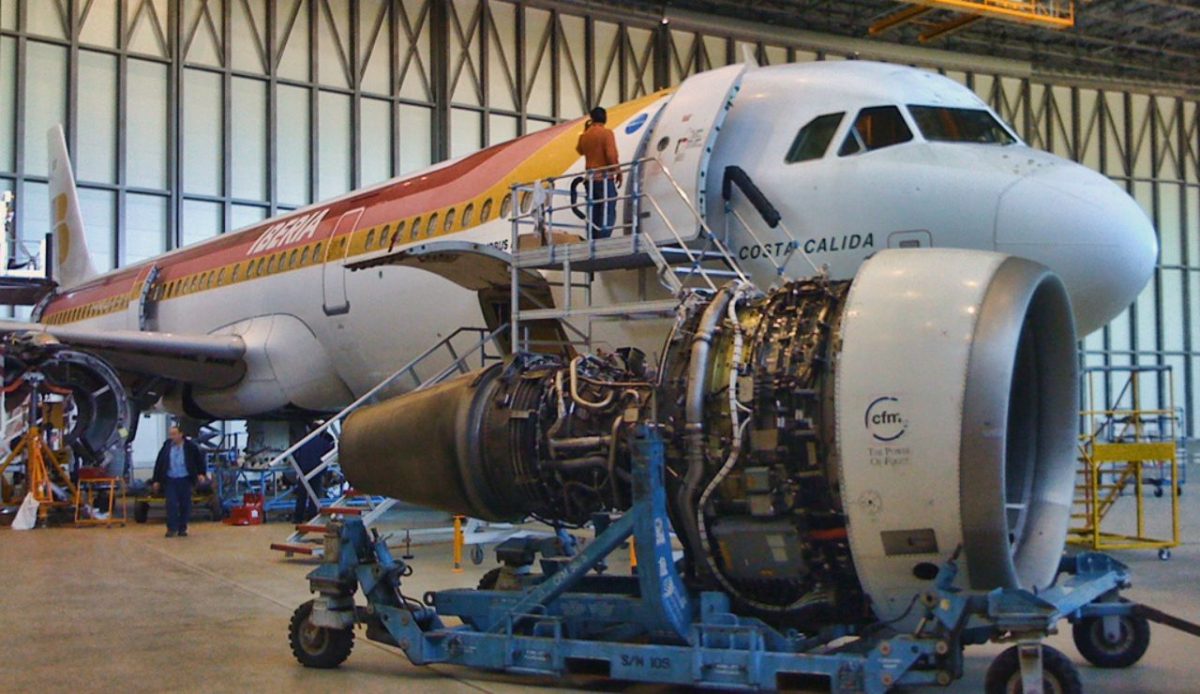
Maintenance delays are usually about safety checks, parts, or warnings that need inspection before departure. Many are brief, but when the fix needs a specific component, tool, or certified mechanic, the timeline can stretch unexpectedly.
At outstations, the right people or equipment may not be available, so the plane may need to be swapped or ferried elsewhere before you move. That can also create knock-on delays for other flights using the same aircraft later.
Ask whether a replacement aircraft is planned, and watch your inbound aircraft number in the app. If the same tail keeps slipping, rebook sooner. Waiting for a “maybe” repair can cost you the last viable seat that day.
6. Technology outages that break check-in or dispatch
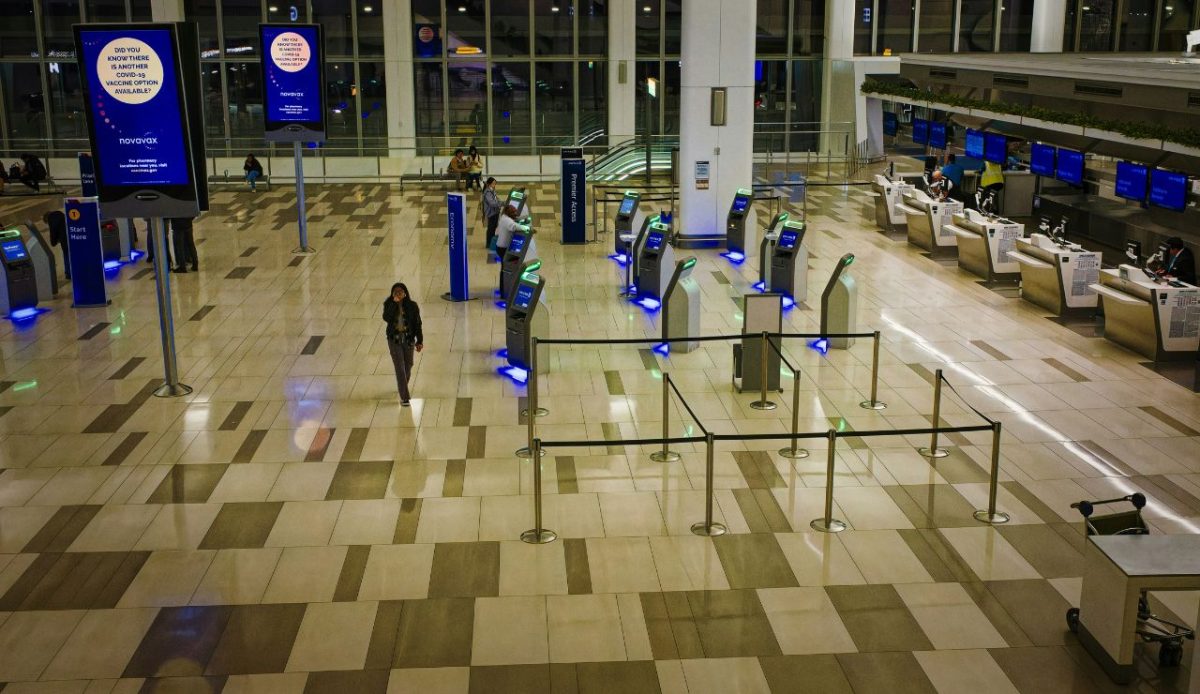
Airlines run on software: dispatch, crew scheduling, boarding, customer messaging, and baggage tracking. When a system stalls, planes may sit even if the weather is fine, because the airline can’t safely release flights at scale.
Delta has faced major tech-driven disruption before, including a multi-day meltdown tied to the broader CrowdStrike IT outage in July 2024. Events like that ripple into call centers, rebooking tools, and even airport kiosks.
During any tech event, don’t rely on one channel. Use the app, kiosks, and agents, and keep receipts and screenshots of promises. If you can switch to a nonstop or a different hub, do it early; tech delays tend to compound across the network, not fade quickly.
7. Deicing backlogs
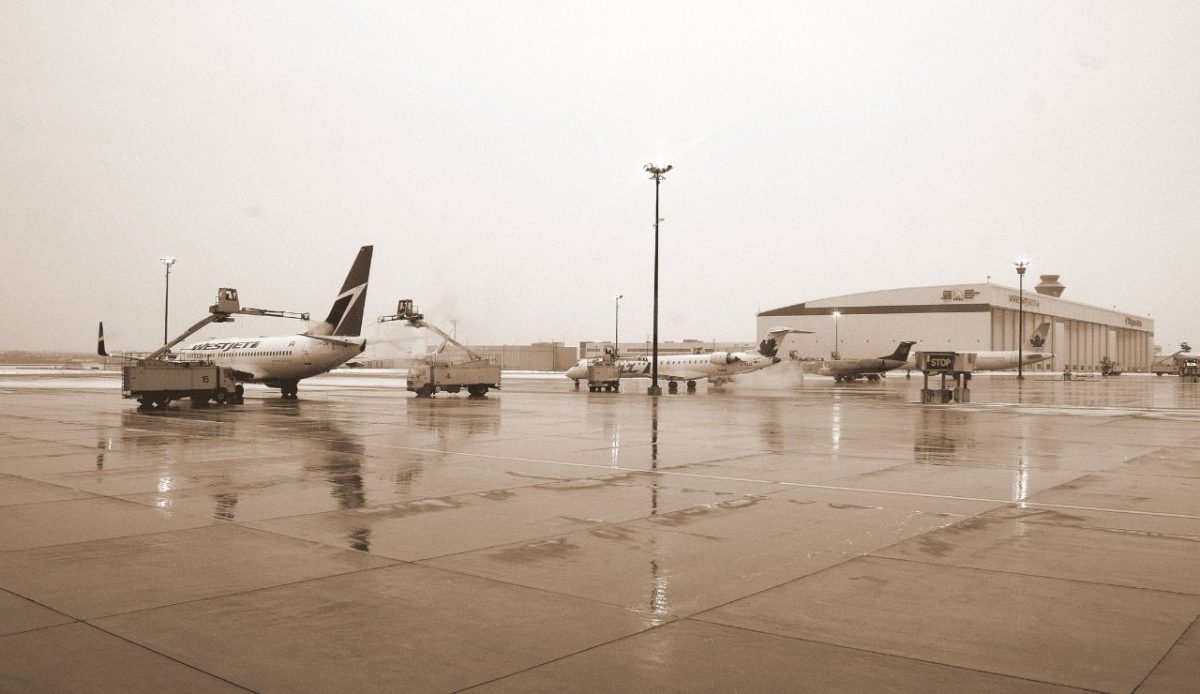
Deicing is a bottleneck problem: you may be ready to push back, but every aircraft needs a turn, and the fluid has holdover limits. When it’s actively snowing or freezing drizzle is falling, crews may need repeat treatments.
That creates long taxi lines, missed departure slots, and crews timing out while sitting in the queue. Even when the plane finally launches, late arrivals can crush connections at the next airport.
If winter precipitation is in the forecast, expect departure times to be optimistic. Pick flights earlier in the day, avoid tight connections, and assume checked bags may arrive later because ramp work slows in icy conditions and staffing thins.
8. Airport power, baggage, or gate failures
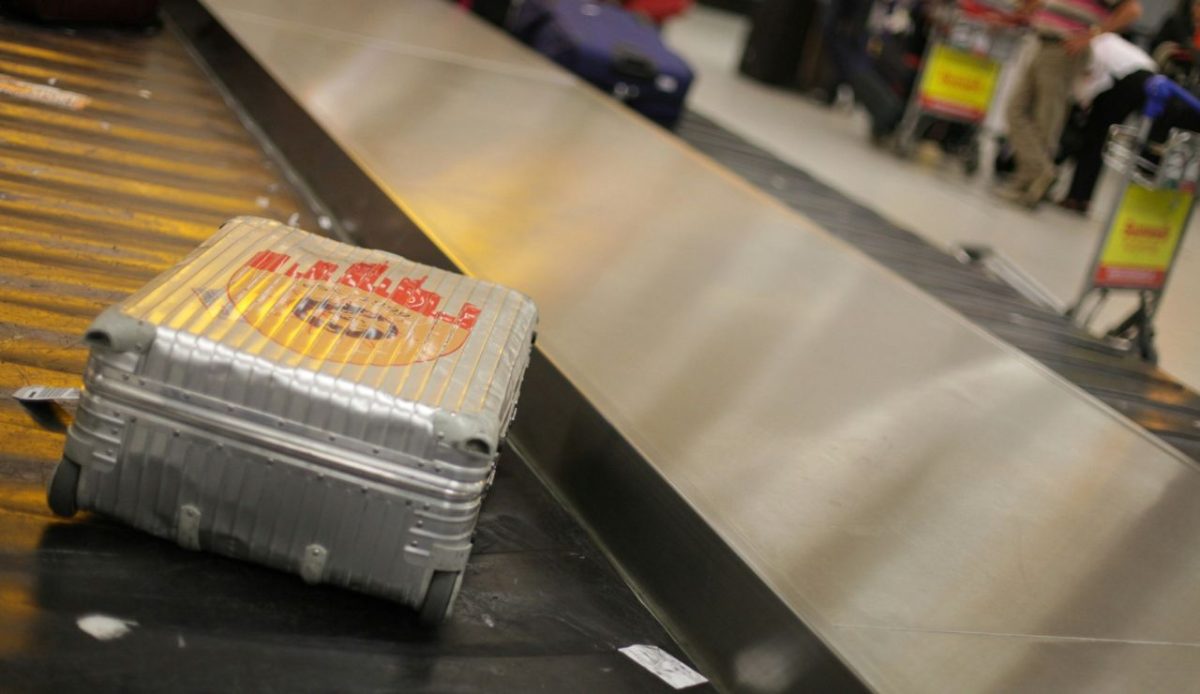
Some delays aren’t “airline” problems at all. Power issues, baggage belt failures, jet bridge faults, or a gate closure can instantly reduce capacity in a terminal that was already running tight.
When the infrastructure hiccups, planes can’t unload, bags don’t move, and new departures lose their gates. The backlog spreads beyond one flight and can strand inbound passengers on taxiways waiting for somewhere to park.
If you see repeated gate changes, baggage pauses, or terminal-wide slowdowns at a station, treat it as a warning sign. Keep essentials in your carry-on, and if you’re connecting, consider switching to a flight that lands earlier or into a less constrained concourse.
9. Diversions that strand international arrivals

Diversions happen for weather or congestion, but they can become brutal when an international flight lands at an airport without full Customs support. Passengers may not be allowed to deplane until officials arrive or facilities open.
Delta has faced this scenario before, with reports of diverted Mexico flights keeping hundreds onboard overnight when the diversion airport lacked Customs processing. It’s a delay that feels endless because food, restrooms, and information are limited.
If you’re flying internationally into a stormy hub, avoid tight same-day onward plans and book flexible ground transport. Choose flights that arrive earlier, keep essentials accessible, and assume a diversion can turn a routine arrival into an all-night wait.
10. Overlapping events that spike demand for seats
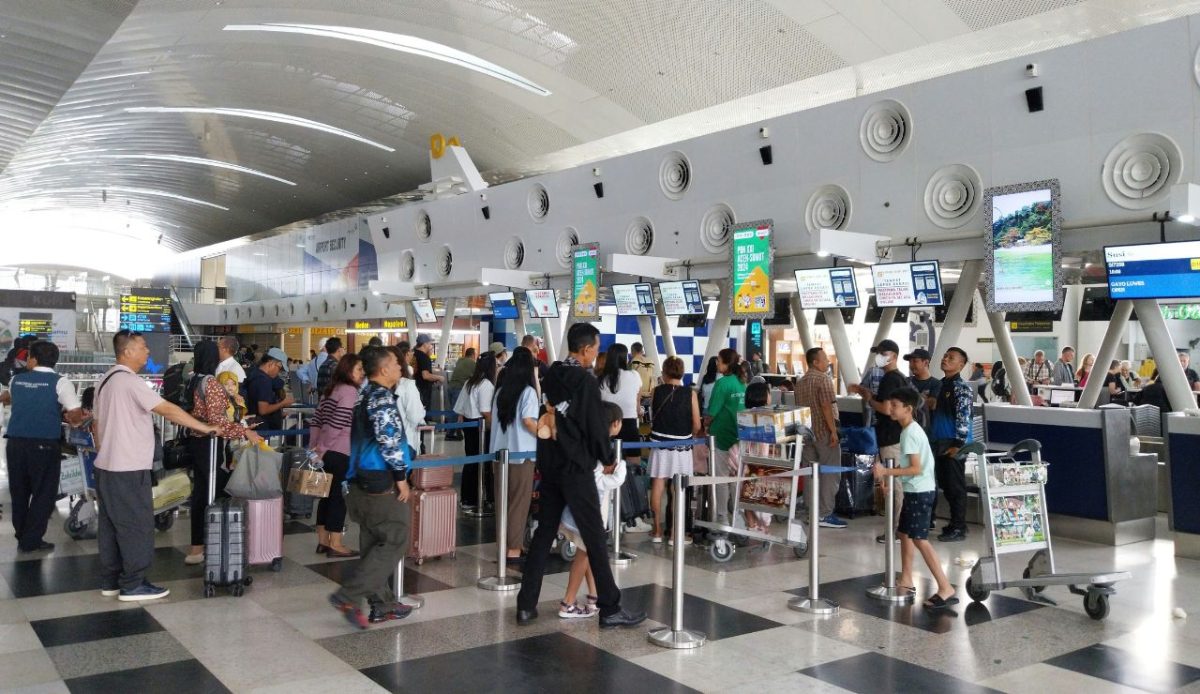
When a disruption hits during a holiday, major sports weekend, or storm-driven regional exodus, rebooking becomes the real crisis. Seats sell out fast, even if the airline adds extra sections or swaps to larger aircraft.
That’s how “thousands stranded” happens: the airport keeps moving, but not enough capacity exists to absorb everyone who got bumped. Hotels near the airport fill, and customer-service lines stretch because every traveler needs a new plan.
If you’re traveling on a peak weekend, book with flexibility and keep your itinerary simple. Nonstops reduce exposure, and arriving a day earlier can be cheaper than fighting for the last remaining seat after a mass delay wave.
11. Single-hub dependency on connecting itineraries
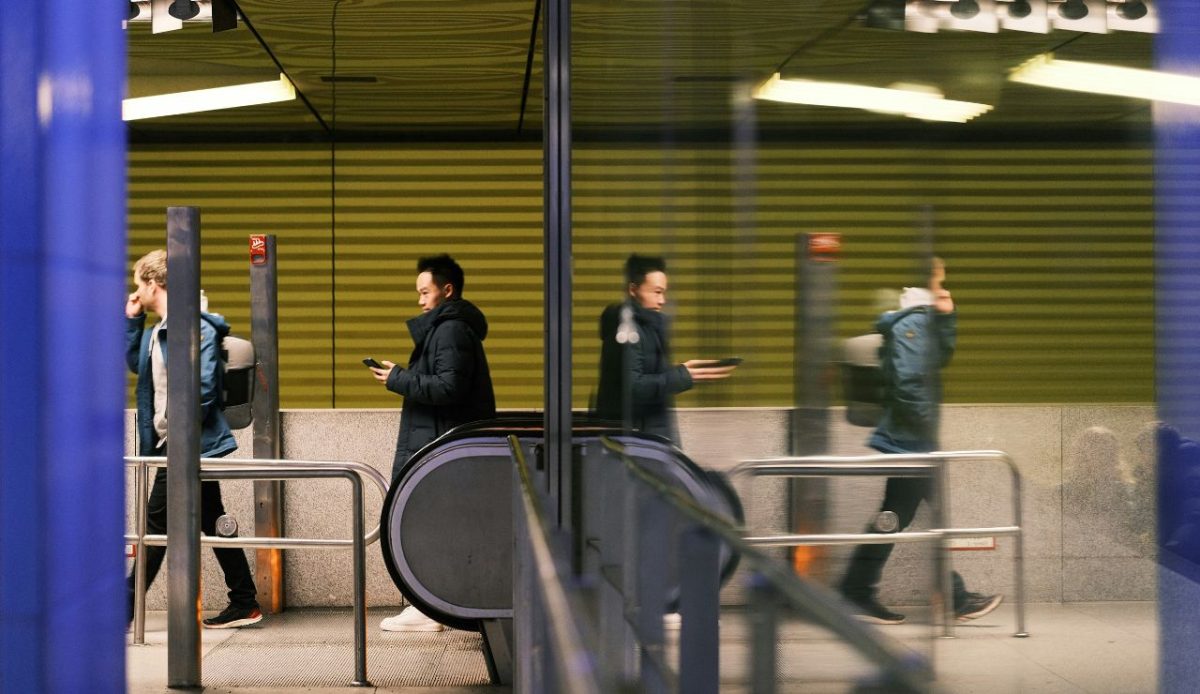
Delta’s network is connection-heavy, and that can amplify delays. When one hub is disrupted, a huge number of itineraries collapse at once because travelers can’t “go around” the hub easily on the same ticket.
A missed connection isn’t just a late arrival; it can mean a forced overnight, especially on routes with only one or two daily departures. By the time you’re rebooked, the next flight may already be full of other misconnected passengers.
If you have a choice, prioritize nonstops or connect through a hub with multiple same-day alternatives. Also, check the next available flight when you book. If the backup is tomorrow, your plan needs more buffer than the fare suggests.
12. Rolling delays that quietly turn into overnights
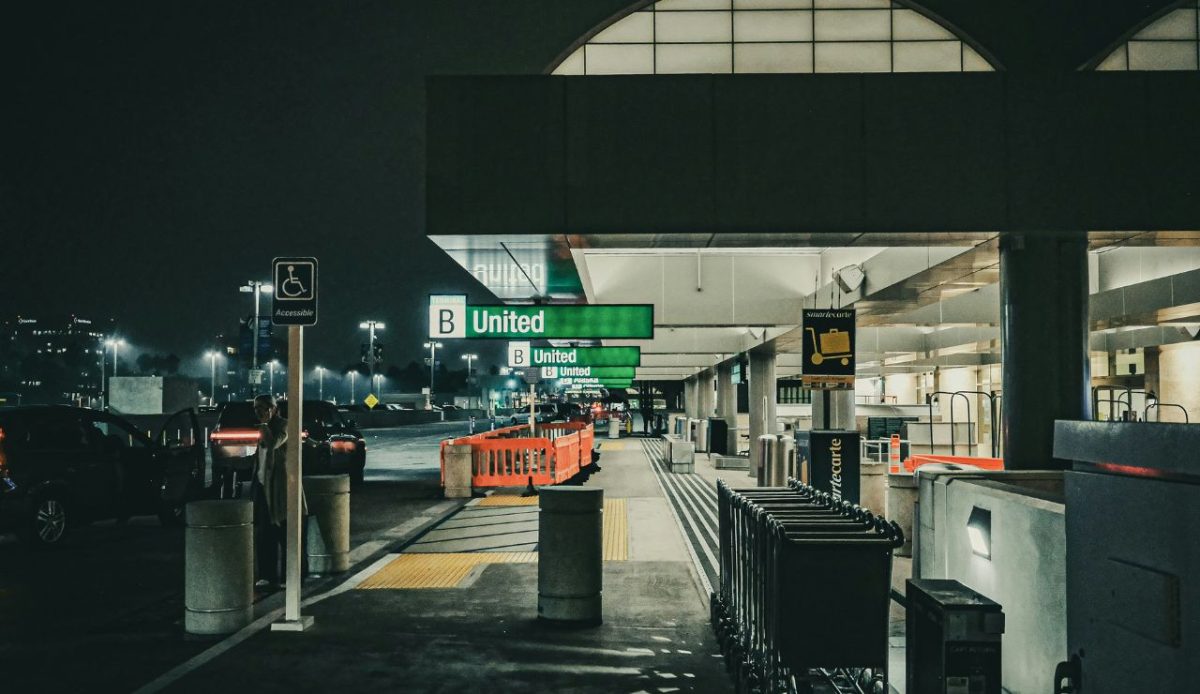
The most painful stranding isn’t always a cancellation; it’s a chain of small delays that keeps slipping. You wait because it’s “only 45 minutes,” then it becomes three hours, then midnight, and you’re still not moving.
By then, hotels are full, shuttles stop running, and you’re stuck rebooking in a crowd. Rolling delays also burn crew duty time, so the flight can flip from “delayed” to “canceled” at the worst possible moment.
Set a personal cutoff. If your delay keeps extending, switch to a confirmed reroute, or ask about guaranteed overnight accommodations. Carry basics for a long day, and don’t assume the last update is the final one. This pattern is how terminals fill up overnight.
